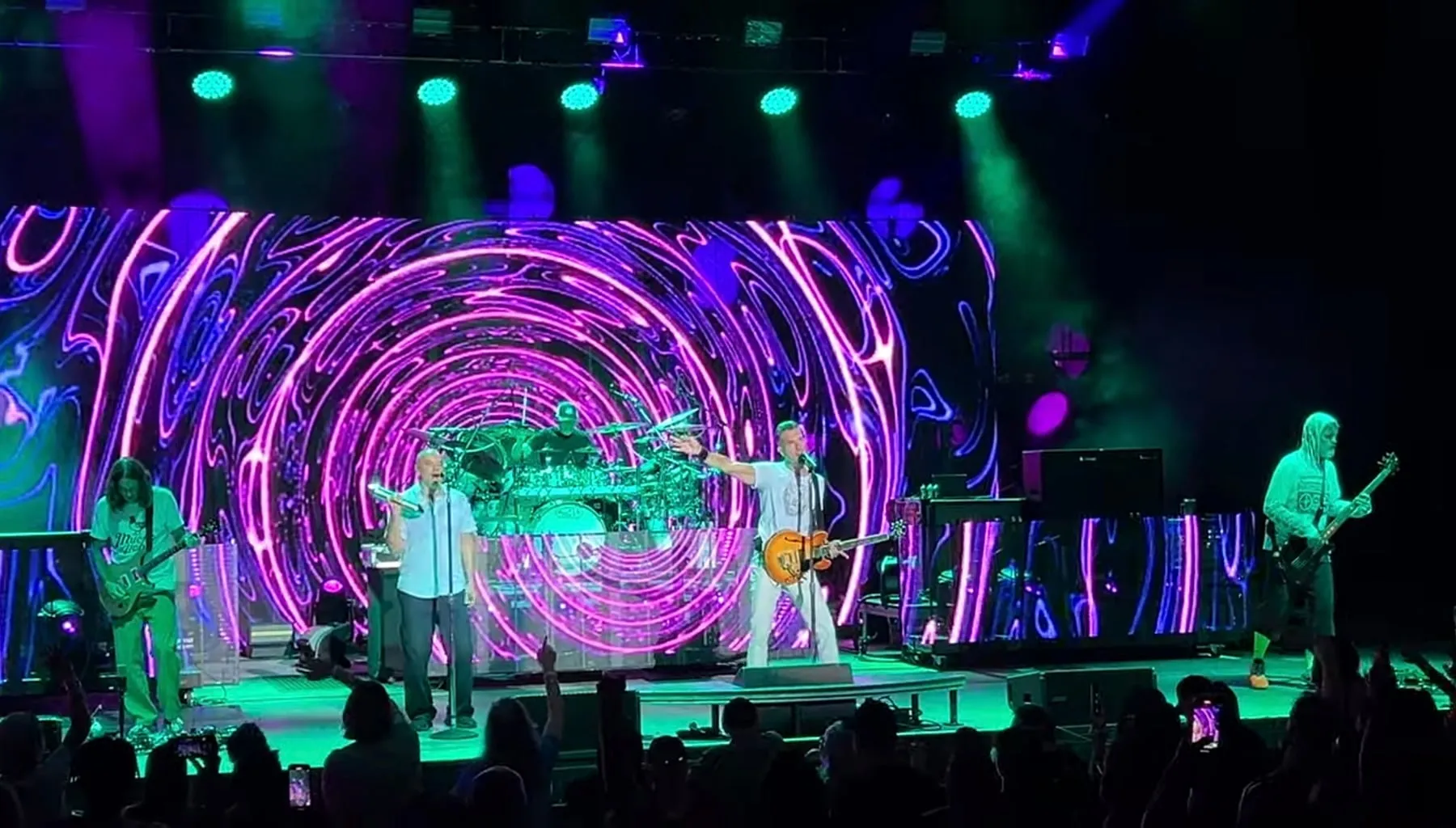
Photo by Jdisawsome6969311 , licensed under CC BY 4.0 · Wikimedia Commons
Rank #412
311
Omaha-via-LA band fusing reggae, ska, and rap-rock into a cult enterprise.
From Wikipedia
311 is an American rock band from Omaha, Nebraska. The band was formed in 1988 by vocalist and guitarist Nick Hexum, lead guitarist Jim Watson, bassist Aaron "P-Nut" Wills, and drummer Chad Sexton. Watson was replaced by Tim Mahoney in 1990. In 1992, Doug "SA" Martinez joined as a second vocalist and turntablist.
Studio Albums
- 1990 Dammit!
- 1991 Unity
- 1993 Music
- 1994 Grassroots
- 1995 311
- 1997 Transistor
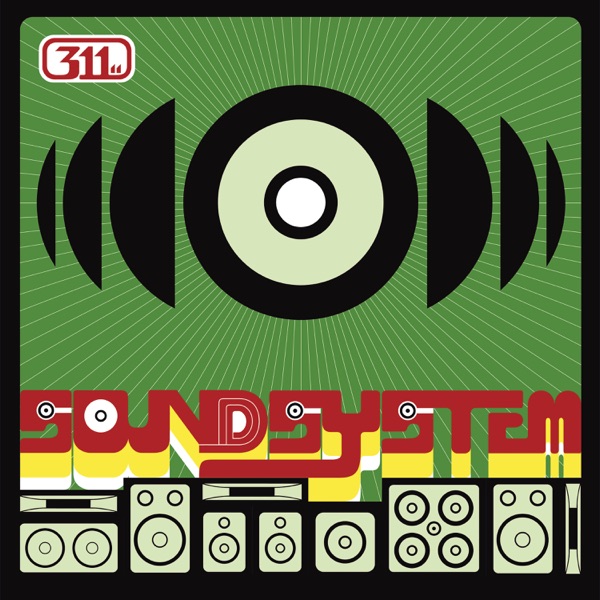
- 1999 Soundsystem
- 2001 From Chaos
- 2003 Evolver
- 2005 Don’t Tread on Me
- 2009 Uplifter
- 2011 Universal Pulse
- 2014 Stereolithic
- 2017 MOSAIC
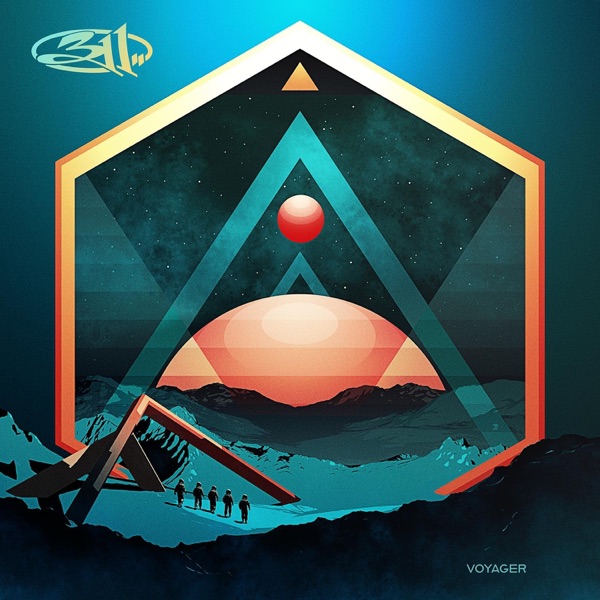
- 2019 Voyager
- 2024 Full Bloom
Source: MusicBrainz
Deep Dive
Overview
311 is an American rock band from Omaha, Nebraska, formed in 1988 as a deliberate fusion of reggae, ska, and rap-rock elements that set them apart from most of their late-1980s and 1990s counterparts. The band’s numeric name reflected a straightforward aesthetic choice, and their music—built on the interplay of rock instrumentation, turntable scratches, and rapid-fire vocal delivery—created a sound that occupied the margins of mainstream rock radio while building a fiercely devoted cult following. Over three decades of continuous output, 311 proved that staying independent-minded and genre-fluid could sustain a long career without major chart dominance or critical canonization.
Formation Story
Nick Hexum (vocals, guitar) and Chad Sexton (drums) began playing together in Omaha during the mid-1980s. The full band took shape in 1988 with the addition of Jim Watson (lead guitar), Aaron “P-Nut” Wills (bass), and the vocal and turntable contributions that would later define their sound. Watson’s tenure was brief; by 1990, Tim Mahoney replaced him on lead guitar, establishing a core lineup that would remain stable through the band’s formative years. In 1992, Doug “SA” Martinez joined as a second vocalist and turntablist, completing the five-piece that would carry 311 through their most creatively fertile decade. The Omaha genesis gave 311 a geographical distance from the established alternative rock centers of the coasts, which may have encouraged their willingness to draw from reggae, funk, and hip-hop without concern for genre gatekeeping.
Breakthrough Moment
311’s early albums—Dammit! (1990) and Unity (1991)—circulated in regional scenes but did not yet command national attention. The real turning point came with their self-titled album, 311 (1995), which benefited from increased touring and a growing reputation for high-energy live performances. By the mid-1990s, college radio and MTV’s alternative programming gave the band consistent airplay, and their fan base expanded steadily through word-of-mouth and concert attendance. Transistor (1997) and Soundsystem (1999) solidified their position as a durable touring act, proving that a band could thrive outside the major label mainstream by building community and releasing music on a regular schedule.
Peak Era
From the mid-1990s through the early 2000s, 311 released albums with remarkable regularity and consistency. Music (1993), Grassroots (1994), 311 (1995), Transistor (1997), and Soundsystem (1999) established the band’s core sonic identity and fan base. The early 2000s brought From Chaos (2001) and Evolver (2003), albums that showed the band experimenting within their established framework while maintaining the infectious energy and genre-blending approach that defined them. This sustained creative period—roughly 1993 to 2005—represented the span in which 311 achieved their most significant cultural footprint, playing increasingly larger venues and festivals while remaining fiercely independent in their artistic choices.
Musical Style
311’s sound rested on a collision of distinct musical DNA: the upstroke rhythm guitar and offbeat melodies of ska, the heavy syncopation and instrumental grooves of reggae, the layered production and beat-driven foundation of hip-hop, and the chord structures and vocal harmonies of rock. Nick Hexum’s vocal delivery combined sung verses with rapid-fire, rap-influenced rhythmic passages, often layered with harmonies. Tim Mahoney’s lead guitar work ranged from melodic soloing to rhythm support, while Aaron Wills’ bass lines provided harmonic anchor and funk-inflected movement. Chad Sexton’s drumming emphasized pocket and syncopation, locking into the reggae and funk elements while maintaining rock’s forward momentum. Doug Martinez’s turntable scratches and second vocal line added textural variety and a direct link to hip-hop production techniques. The result defied easy categorization—it was rock music that embraced turntables and rap delivery, ska music infused with reggae warmth, and funk grooves channeled through alternative rock sensibilities. This genre-fluid approach, rooted in 1970s and 1980s reggae-rock precedent but executed through a 1990s multi-genre lens, became their signature.
Major Albums
311 (1995)
The self-titled album marked the arrival of the classic five-piece lineup and showcased their fully developed sonic identity, balancing energetic ska-punk impulses with reggae grooves and vocal-heavy arrangements that proved radio-friendly without sacrificing their edge.
Transistor (1997)
Released as their popularity continued to build, Transistor deepened the band’s production sophistication and demonstrated their ability to evolve the formula while maintaining the instrumental interplay and genre-fusing approach that defined them.
Soundsystem (1999)
This late-1990s statement affirmed 311 as a permanent fixture in the alternative rock landscape, with polished but uncompromising arrangements that balanced reggae, funk, and rock elements into a confident and cohesive whole.
From Chaos (2001)
Entering the 2000s, From Chaos represented the band’s continued evolution, arriving in a decade increasingly hostile to their brand of multi-genre rock and proving their resilience as independent operators.
Uplifter (2009)
After a period of experimentation and touring, Uplifter reasserted the core strengths of the 311 formula, demonstrating the band’s enduring ability to write and perform songs rooted in reggae-funk grooves and layered vocal arrangements.
Signature Songs
- “Down” — An infectious merger of ska rhythm and rap delivery that became synonymous with the band’s crossover appeal and live presence.
- “All Mixed Up” — A showcase for the interplay between Hexum’s sung verses and rhythmic vocal passages, backed by the band’s signature Caribbean-inflected groove.
- “Amber” — A melodic showcase that demonstrated the band’s ability to write straightforward rock-informed pop without abandoning their reggae and funk foundations.
- “Beautiful Disaster” — A high-energy track emphasizing the collision of punk energy and reggae pocket that made 311 distinctive within the 1990s alternative rock landscape.
- “Transistor” — A showcase for the band’s instrumental tightness and ability to layer multiple musical genres into a cohesive sonic statement.
Influence on Rock
311 arrived in an era dominated by grunge and post-punk revival aesthetics, yet refused to follow either pathway. Instead, they demonstrated that rock music could absorb reggae, funk, turntablism, and rap delivery without losing its fundamental rock identity. While they did not directly spawn a movement or create an obvious template for others to follow, their success—sustained through word-of-mouth, touring, and fan loyalty rather than industry support—proved the viability of genre-fluid, independent-minded rock in the 1990s and beyond. Their approach influenced subsequent alt-rock acts willing to incorporate diverse musical sources and showed that consistent touring and fan engagement could sustain a long career without mainstream breakthrough. The band’s willingness to embrace turntables and rap vocals in a rock context also normalized the mixing of hip-hop and rock instrumentation for later generations of alternative and indie rock musicians.
Legacy
311 remains active into the 2020s, with Full Bloom arriving in 2024, a testament to their longevity and the durability of their approach. The band never experienced the critical rehabilitation granted to certain 1990s acts, nor did they achieve the stadium-rock status of their era’s most celebrated names. Yet their sustained touring presence, consistent new releases, and loyal fanbase represent a model of independent rock survival that many contemporary artists study. Their records remain in print and active in streaming rotation, particularly among listeners of ska, reggae-rock, and alternative rock. The numerical name, the Omaha origin, and the multi-genre approach have become part of alternative rock history—evidence that the 1990s rock landscape contained multitudes, and that commercial marginality need not equal artistic irrelevance.
Fun Facts
- The band’s name, 311, corresponds to the date (March 11) when Chad Sexton and Nick Hexum first began playing together, establishing their identity before most of the classic lineup had joined.
- 311 has maintained the same core five-member lineup—Hexum, Mahoney, Wills, Sexton, and Martinez—since 1992, an unusual feat of stability in rock music spanning multiple decades.
- The band’s early releases on independent and regional labels were followed by a relationship with Capricorn Records before moving to ATO Records, demonstrating their negotiation of the independent-to-label landscape on their own terms.
- 311’s commitment to touring has included multiple residencies and festival appearances, with their fan community organizing annual gatherings that underscore the depth of their cultural footprint despite limited mainstream radio presence.
Discography & Previews
Click any album to expand its track list. Each track plays a 30-second preview streamed from Apple Music. Tap the link icon next to a track to open it in Apple Music for full playback.

- 1 Intro / Overture (Live) [feat. The Unity Orchestra] ↗ 2:37
- 2 Sometimes Jacks Rule the Realm (Live) [feat. The Unity Orchestra] ↗ 5:14
- 3 Coda (Live) [feat. The Unity Orchestra] ↗ 1:17
- 4 Use of Time (Live) [feat. The Unity Orchestra] ↗ 4:21
- 5 Time Is Precious (Live) [feat. The Unity Orchestra] ↗ 3:11
- 6 Dreamland (Live) [feat. The Unity Orchestra] ↗ 1:25
- 7 Beyond the Gray Sky (Live) [feat. The Unity Orchestra] ↗ 4:27
- 8 Will the World (Live) [feat. The Unity Orchestra] ↗ 1:05
- 9 Eons (Live) [feat. The Unity Orchestra] ↗ 3:32


- 1 Transistor ↗ 3:02
- 2 Prisoner ↗ 2:51
- 3 Galaxy ↗ 2:51
- 4 Beautiful Disaster ↗ 3:58
- 5 Inner Light Spectrum ↗ 3:40
- 6 Electricity ↗ 2:32
- 7 What Was I Thinking ↗ 2:38
- 8 Jupiter ↗ 2:43
- 9 Use of Time ↗ 4:24
- 10 The Continuous Life ↗ 3:30
- 11 No Control ↗ 3:09
- 12 Running ↗ 3:43
- 13 Color ↗ 1:54
- 14 Light Years ↗ 2:26
- 15 Creature Feature ↗ 2:36
- 16 Tune In ↗ 2:17
- 17 Rub a Dub ↗ 2:41
- 18 Starshines ↗ 2:37
- 19 Strangers ↗ 2:40
- 20 Borders ↗ 2:42
- 21 Stealing Happy Hours ↗ 5:50


- 1 Creatures (For a While) ↗ 4:24
- 2 Reconsider Everything ↗ 2:48
- 3 Crack the Code ↗ 3:54
- 4 Same Mistake Twice ↗ 3:20
- 5 Beyond the Gray Sky ↗ 4:17
- 6 Seems Uncertain ↗ 3:33
- 7 Still Dreaming ↗ 3:40
- 8 Give Me a Call ↗ 3:20
- 9 Don't Dwell ↗ 2:37
- 10 Other Side of Things ↗ 3:06
- 11 Sometimes Jacks Rule the Realm ↗ 5:01
- 12 Coda ↗ 1:14



- 1 Ebb and Flow ↗ 3:24
- 2 Five of Everything ↗ 3:52
- 3 Showdown ↗ 3:48
- 4 Revelation of the Year ↗ 4:12
- 5 Sand Dollars ↗ 3:19
- 6 Boom Shanka ↗ 3:05
- 7 Make it Rough ↗ 3:22
- 8 The Great Divide ↗ 4:06
- 9 Friday Afternoon ↗ 4:12
- 10 Simple True ↗ 4:13
- 11 First Dimension ↗ 3:23
- 12 Made in the Shade ↗ 3:23
- 13 Existential Hero ↗ 4:01
- 14 The Call ↗ 3:28
- 15 Tranquility ↗ 3:49

- 1 Too Much to Think ↗ 3:54
- 2 Wildfire ↗ 5:28
- 3 The Night Is Young ↗ 3:49
- 4 Island Sun ↗ 3:00
- 5 Perfect Mistake ↗ 3:11
- 6 Extension ↗ 2:52
- 7 Inside Our Home ↗ 3:40
- 8 'Til the City's on Fire ↗ 2:57
- 9 Too Late ↗ 5:24
- 10 Hey Yo ↗ 3:33
- 11 Places That the Mind Goes ↗ 3:01
- 12 Face in the Wind ↗ 3:41
- 13 Forever Now ↗ 3:26
- 14 Days Of '88 ↗ 3:54
- 15 One and the Same ↗ 3:27
- 16 Syntax Error ↗ 2:13
- 17 On a Roll ↗ 3:10