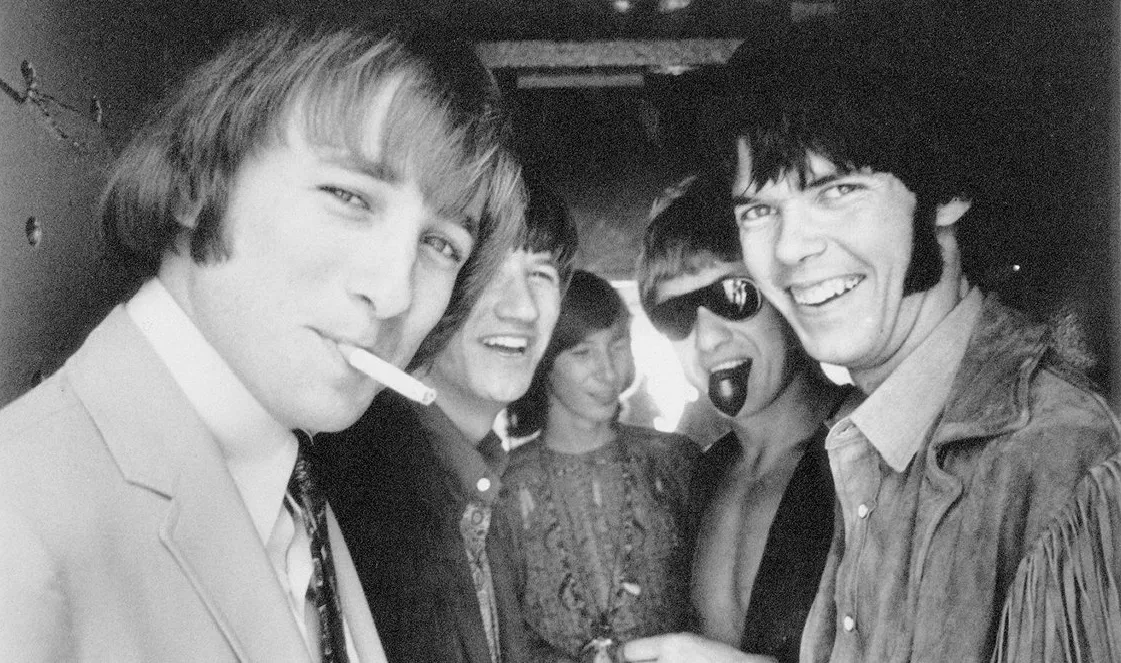
Photo by KRLA Beat/Beat Publications, Inc. , licensed under Public domain · Wikimedia Commons
Rank #81
Buffalo Springfield
Short-lived L.A. supergroup that seeded country-rock's rise.
From Wikipedia
Buffalo Springfield was a Canadian-American rock band formed in Los Angeles in 1966 by Canadians Neil Young, Bruce Palmer and Dewey Martin and Americans Stephen Stills and Richie Furay. The group, widely known for the song "For What It's Worth", released three albums and several singles from 1966 to 1968. Their music combined elements of folk music and country music with influences from the British Invasion and psychedelic rock. Like the contemporary band the Byrds, they were key to the early development of folk rock. The band took their name from a steamroller parked outside their house.
Members
- Bruce Palmer
- Dewey Martin
- Jim Fielder
- Jim Messina
- Ken Koblun
- Neil Young
- Richie Furay
- Stephen Stills
Studio Albums
- 1966 Buffalo Springfield
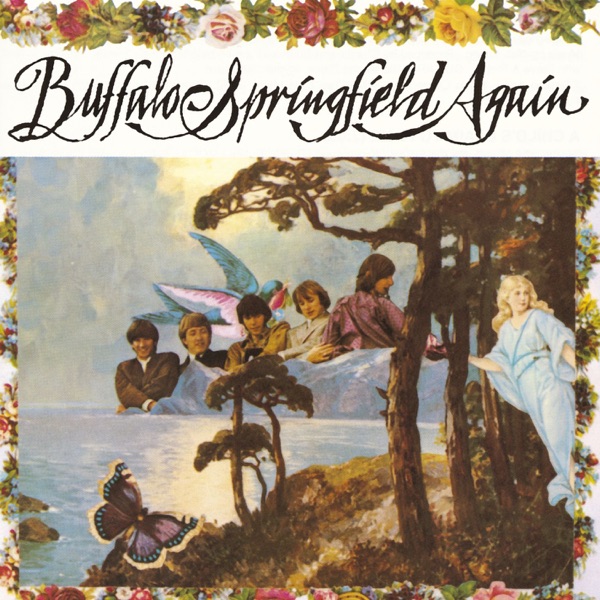
- 1967 Buffalo Springfield Again
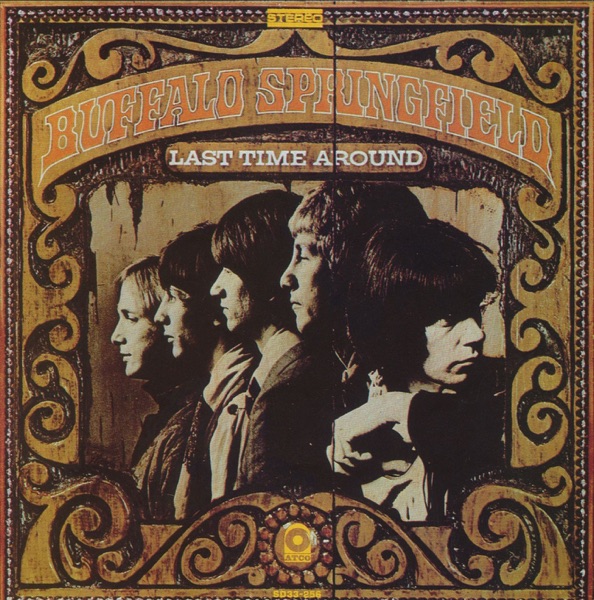
- 1968 Last Time Around
- 2002 Sell Out
Source: MusicBrainz
Deep Dive
Overview
Buffalo Springfield was a Canadian-American rock band that emerged in Los Angeles in 1966 and dissolved by 1968, yet left an outsized mark on the trajectory of American rock. Fronted by the songwriting partnership of Stephen Stills and Neil Young, alongside vocalist Richie Furay, the band synthesized folk, country, and psychedelic rock at a moment when those genres were beginning to collide and merge. Their brief three-year existence produced only three studio albums, but those records—particularly their eponymous debut and sophomore effort Buffalo Springfield Again—established templates that would guide country-rock, soft rock, and arena rock for the next two decades.
Formation Story
Buffalo Springfield coalesced in Los Angeles in 1966 around a nucleus of two Canadians and three Americans. Neil Young and Bruce Palmer, both Canadian expatriates, paired with the American triumvirate of Stephen Stills, Richie Furay, and drummer Dewey Martin. The band’s unlikely name came from a steamroller parked outside their house—a detail that underscore the era’s casual approach to band nomenclature but also hinted at the group’s force as a creative machine. The convergence of these five musicians in Los Angeles placed them at the epicenter of a city already bubbling with folk-rock experimentation and psychedelic innovation, yet they arrived with a distinct sensibility rooted equally in country and bluegrass traditions as in the electric experiments of the British Invasion.
Breakthrough Moment
Buffalo Springfield announced themselves with their self-titled debut in 1966, a record that immediately signaled their command of melody, arrangement, and cultural commentary. The album’s most enduring track, “For What It’s Worth,” emerged as their signature song and cultural touchstone—a stark, minor-key reflection on social upheaval that became shorthand for the era’s mounting tensions. Released initially as a single in late 1966, the song built momentum through early 1967 and cemented the band’s position as more than a passing phenomenon. The track’s sparse, haunting electric guitar work and Stills’s plaintive vocal delivery established a template for socially conscious rock that would echo through the next half-decade.
Peak Era
The years 1967 to early 1968 represented Buffalo Springfield’s creative and commercial apex. Buffalo Springfield Again, released in 1967, deepened their sonic palette and showcased the band’s growing confidence as arrangers and producers. The album balanced the folk-rock sensibilities of earlier work with richer harmonic textures, multi-tracked vocals, and country inflections that positioned the group as architects of an emerging hybrid sound. Their final studio release, Last Time Around (1968), arrived as internal pressures and personnel shifts had already begun fragmenting the original vision. By the time that third album surfaced, the band had already begun to splinter—a dissolution that reflected both the interpersonal tensions endemic to supergroups and the divergent artistic directions its members wished to pursue.
Musical Style
Buffalo Springfield’s sound married folk-rock’s acoustic foundations and lyrical introspection with country music’s melodic phrasing, harmonic sensibility, and instrumental textures. Electric guitars—both the jangly, 12-string variety inherited from the Byrds and the more fluid, blues-inflected lines pioneered by Young and Stills—formed the backbone of their arrangements. Dewey Martin’s drumming provided a light, jazz-influenced touch that lifted the music away from heavy rock into a more nuanced, conversational territory. The band’s vocals, particularly in the harmonies between Stills and Furay, drew from the folk-music tradition of close vocal blending while employing the amplified voices and production techniques of contemporary rock. Their material ranged from introspective acoustic ballads to fully orchestrated ensemble pieces that incorporated strings, horns, and layered production—an ambition that placed them in dialogue with both the Beach Boys’ sophisticated pop-rock and the folk-rock innovations of the Byrds and early Crosby, Stills & Nash.
Major Albums
Buffalo Springfield (1966)
The debut established the band’s core identity: melodic folk-rock informed by country and psychedelic sensibilities, with “For What It’s Worth” as the undisputed centerpiece. The album’s lean arrangements and direct songwriting clarity defined the group’s initial aesthetic.
Buffalo Springfield Again (1967)
The second album expanded the sonic palette with richer production, string arrangements, and more adventurous harmonic experiments. It solidified the band’s position as serious songwriters capable of both intimate ballads and expansive ensemble pieces.
Last Time Around (1968)
The final studio effort arrived during the band’s dissolution, documenting a group in flux but still capable of memorable songwriting. It represented the project’s swan song and the point at which its most ambitious members moved toward their solo careers and subsequent supergroups.
Signature Songs
- “For What It’s Worth” — A stark commentary on social upheaval and surveillance that became the band’s most recognizable recording.
- “Mr. Soul” — A driving, psychedelic-inflected track showcasing Neil Young’s guitar work and vocal intensity.
- “Helplessly Hoping” — A delicate three-part harmony vocal piece that exemplified the band’s folk-rock sophistication.
- “Kind Woman” — Richie Furay’s tender vocal performance anchored this country-tinged ballad.
Influence on Rock
Buffalo Springfield’s eighteen-month creative window proved disproportionately influential in establishing country-rock as a viable and commercially significant genre. By integrating country instrumentation, phrasing, and melodic sensibility into a rock framework without sacrificing electric energy or contemporary production values, the band created a blueprint that Neil Young, Stephen Stills, and Richie Furay would pursue throughout their subsequent solo careers and in subsequent collaborative ventures. The Byrds had pioneered folk-rock; Buffalo Springfield showed how to graft country music onto that foundation. This synthesis directly enabled the rise of Crosby, Stills & Nash, the Flying Burrito Brothers’ country-rock elaborations, and the West Coast soft-rock and country-rock movements that dominated radio through the 1970s and beyond. Their harmonic sophistication and emphasis on acoustic guitars as co-equal voices with electric instruments influenced generations of rock musicians who sought to balance radio accessibility with musical substance.
Legacy
Buffalo Springfield dissolved in 1968, having released only three studio albums, yet their cultural footprint extended far beyond their modest discography. The band’s members scattered into influential solo careers and supergroups: Neil Young emerged as one of rock’s most consequential singer-songwriters; Stephen Stills co-founded Crosby, Stills & Nash and later Crosby, Stills, Nash & Young; Richie Furay cofounded the country-rock group Poco. The reunion album Sell Out, released in 2002 decades after the original band’s breakup, demonstrated the enduring interest in their catalog and the nostalgia surrounding their era. “For What It’s Worth” remains a staple of classic-rock radio and streaming playlists, functioning as both a period piece and an evergreen reflection on power and dissent. Buffalo Springfield’s three albums remain essential documents of folk-rock’s maturation and country-rock’s genesis, studied by musicians and historians alike as examples of how a short-lived ensemble can reshape popular music’s direction through craft, chemistry, and impeccable timing.
Fun Facts
- The band’s name derived from a steamroller parked outside their Los Angeles house—a whimsical christening that belied their serious musical ambitions.
- Bruce Palmer, one of the founding Canadian members, faced immigration complications that periodically removed him from the band during their active years, disrupting recording and touring schedules.
- Buffalo Springfield were near-contemporaries of the Byrds in developing folk-rock but arrived at the subgenre’s country-music intersection independently, positioning themselves as architects of a distinct branch of 1960s rock.
Discography & Previews
Click any album to expand its track list. Each track plays a 30-second preview streamed from Apple Music. Tap the link icon next to a track to open it in Apple Music for full playback.
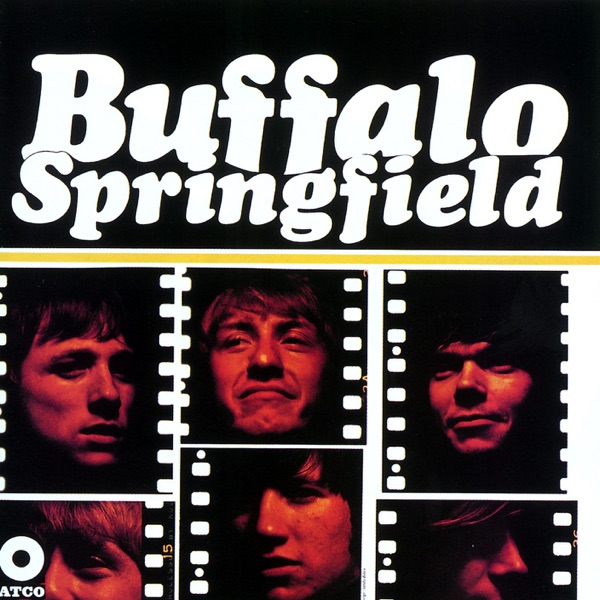
- 1 For What It's Worth ↗ 2:34
- 2 Go and Say Goodbye ↗ 2:23
- 3 Sit Down I Think I Love You ↗ 2:34
- 4 Nowadays Clancy Can't Even Sing ↗ 3:27
- 5 Hot Dusty Roads ↗ 2:54
- 6 Everybody's Wrong ↗ 2:32
- 7 Flying On the Ground Is Wrong ↗ 2:44
- 8 Burned ↗ 2:20
- 9 Do I Have to Come Right Out and Say It ↗ 3:05
- 10 Leave ↗ 2:46
- 11 Out of My Mind ↗ 3:09
- 12 Pay the Price ↗ 2:41