
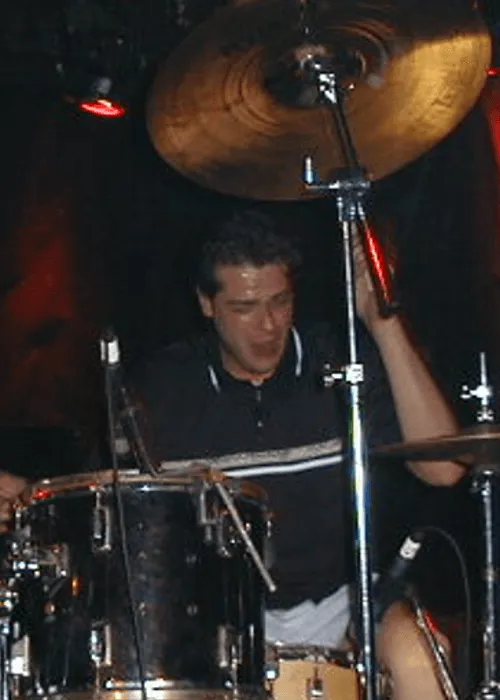
Photo by Sid Sowder , licensed under CC BY 4.0 · Wikimedia Commons
Rank #440
Don Caballero
Pittsburgh instrumental math-rockers of polyrhythmic intensity.
From Wikipedia
Don Caballero was an American math rock band from Pittsburgh, Pennsylvania.
Members
- Damon Che
Studio Albums
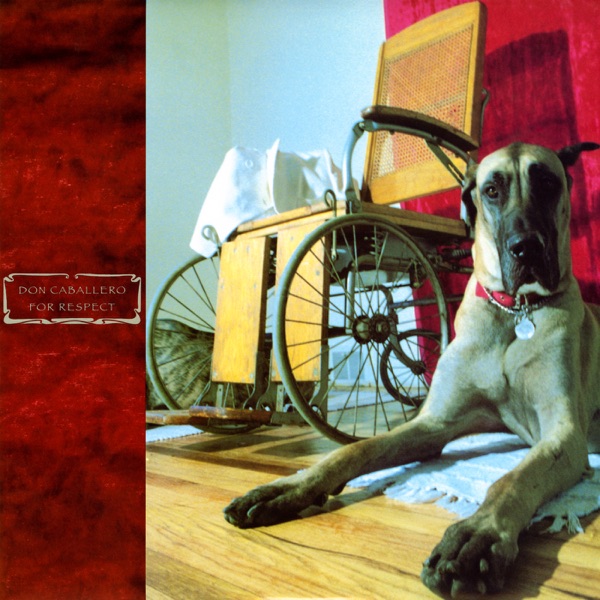
- 1993 For Respect
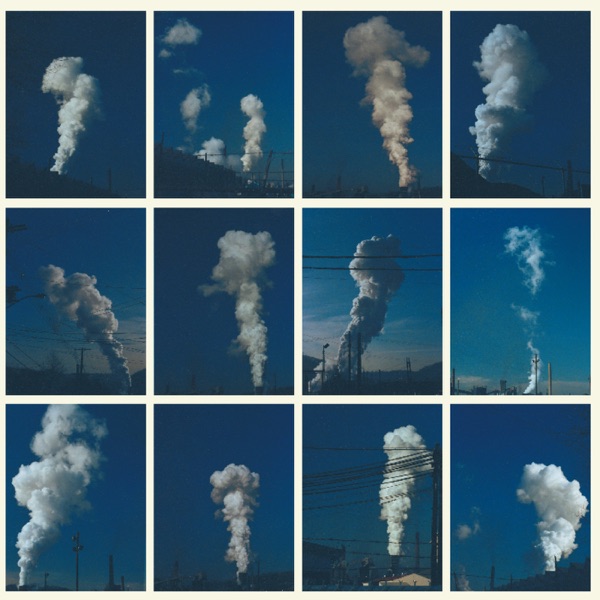
- 1995 Don Caballero 2
- 1998 What Burns Never Returns
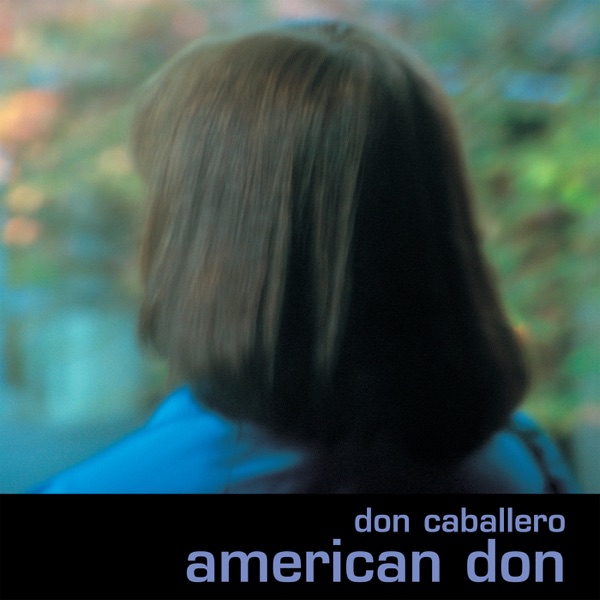
- 2000 American Don
- 2006 World Class Listening Problem
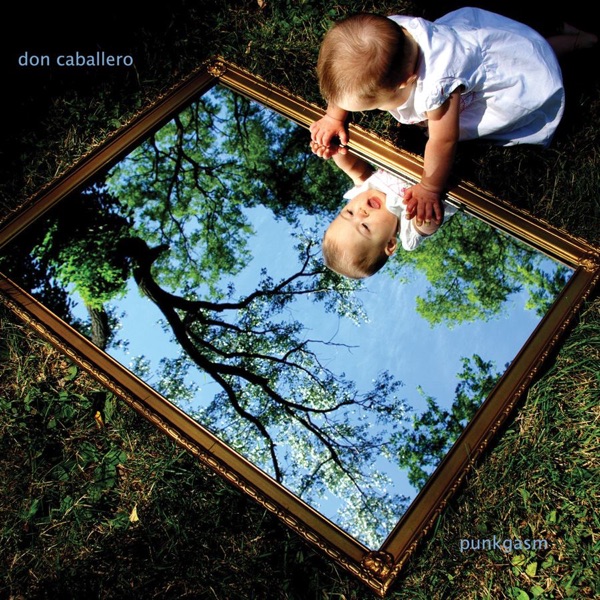
- 2008 Punkgasm
Source: MusicBrainz
Deep Dive
Overview
Don Caballero emerged from Pittsburgh in 1991 as an instrumental math rock ensemble, building a catalog rooted in polyrhythmic complexity and post-rock minimalism. The band operated without a vocalist, instead allowing intricate guitar and drum interplay to carry compositions that often eschewed conventional verse-chorus structures in favor of tightly interlocking rhythmic patterns. Their approach—precise, cerebral, and relentlessly forward-moving—positioned them among the defining acts of the 1990s math rock underground and influenced a generation of bands seeking to dissolve the line between technical proficiency and emotional restraint.
Formation Story
Don Caballero coalesced in Pittsburgh during the early 1990s, a period when the city’s rock infrastructure was dominated by grunge-adjacent hard rock and post-hardcore acts. The band’s commitment to instrumental math rock placed them outside the mainstream commercial currents of the era, yet within a growing underground network of musicians who were systematically deconstructing rock’s traditional song forms. Drummer Damon Che would become the anchor and primary public figure of the group, establishing himself as a player whose command of complex time signatures and dynamic restraint defined Don Caballero’s rhythmic architecture.
Breakthrough Moment
Don Caballero’s self-titled debut, For Respect, arrived in 1993 and immediately signaled the band’s serious artistic intentions. The album’s instrumental approach and intricate compositional density attracted attention within the underground rock press and among musicians exploring the edges of post-rock and math rock. By the release of Don Caballero 2 in 1995, the band had refined their signature sound: dense polyrhythmic structures, guitar lines that function almost as additional rhythmic instruments, and a refusal to indulge in traditional rock gestures. These early records established Don Caballero as one of the few instrumental acts capable of sustaining long-form pieces without relying on effects-driven texture or ambient padding.
Peak Era
The late 1990s and early 2000s marked Don Caballero’s most sustained period of output and influence. What Burns Never Returns (1998) and American Don (2000) deepened the band’s technical vocabulary while maintaining the stark clarity that made their work distinctive. Rather than expanding into fuller, more symphonic arrangements, Don Caballero continued to work within a narrow but profoundly developed sonic palette: clean guitar tones, live drums recorded with minimal studio manipulation, and compositions that prioritized rhythmic interlocking over harmonic development. World Class Listening Problem (2006) and Punkgasm (2008) continued this trajectory, suggesting a band committed to incremental refinement rather than stylistic reinvention.
Musical Style
Don Caballero’s sound is fundamentally characterized by the absence of vocal melody and the presence of what might be called “rhythmic melody”—the idea that percussion and stringed instruments can articulate pitch, phrasing, and emotional content through timing and coordination rather than through traditional melodic lines. The band’s guitar work rarely employs standard rock soloing; instead, guitarists function as rhythmic interlocutors with the drums, creating compositions where the distinction between lead and rhythm guitar becomes meaningless. Damon Che’s drumming provides the temporal scaffolding, often operating in time signatures or against metrical expectations that conventional rock musicians would find prohibitively complex. The band’s aesthetic is notably austere: minimal effects, no keyboards, no synthesizers, no layering of texture for its own sake. This restraint places Don Caballero closer to progressive rock’s technical ambitions than to post-rock’s atmospheric impulses, despite their frequent classification within the latter genre.
Major Albums
For Respect (1993)
Don Caballero’s debut established the band’s core methodology: instrumental compositions built on polyrhythmic complexity and clean, unadorned production. The album’s direct approach to math rock instrumentation signaled that a vocal-free band could sustain listener interest through compositional rigor alone.
Don Caballero 2 (1995)
The follow-up refined and extended the band’s technical palette, deepening their exploration of rhythmic interaction without abandoning the clarity that made their debut approachable. This album consolidated their reputation within the underground math rock community.
What Burns Never Returns (1998)
Released as the 1990s drew toward its close, this record represented the band at peak creative confidence, balancing increasing compositional ambition with the restraint that defined their aesthetic.
American Don (2000)
The album’s title gestured toward a certain American localism in rock composition, marking a period when Don Caballero’s work was gaining recognition beyond their Pittsburgh base and the underground circuit.
World Class Listening Problem (2006)
Approaching their fifteenth anniversary, Don Caballero released this record on Relapse Records, reinforcing their position as one of the few instrumental rock acts with sustained label support and critical recognition.
Signature Songs
- “Continuously Low” — A representative example of Don Caballero’s ability to sustain listener engagement through polyrhythmic interaction and tightly coordinated instrumental dialogue.
- “Give It a Name” — Demonstrates the band’s skill at constructing dynamic arcs within instrumental compositions, building intensity through rhythmic layering rather than traditional song structure.
- “$100 Robbery” — Exemplifies the band’s spare aesthetic, using minimal elements to generate maximum rhythmic complexity.
- “Drink Coke” — Showcases the band’s commitment to straightforward presentation and their refusal to obscure compositional clarity through studio production.
Influence on Rock
Don Caballero’s sustained output from 1991 onward helped establish instrumental rock as a viable commercial and artistic category in an era when vocal-led rock remained hegemonic. Their influence extended to younger math rock and progressive rock acts who drew upon Don Caballero’s template of rhythmic complexity without melodic compensation. The band’s work demonstrated that audiences could sustain engagement with compositions operating at high levels of technical difficulty, provided the compositions possessed genuine emotional architecture beneath their surface complexity. While remaining less commercially prominent than their post-rock contemporaries, Don Caballero’s influence among musicians exploring polyrhythmic rock remained persistent and substantial.
Legacy
Don Caballero remained active into the 2010s and beyond, maintaining their original recording home at Relapse Records while continuing to perform and record. Their catalog, despite limited mainstream commercial success, has sustained critical attention and influenced multiple generations of instrumental and progressive rock musicians. The band’s uncompromising commitment to their aesthetic—instrumental rock built on polyrhythmic precision, clean production, and compositional rigor—positioned them as foundational figures in math rock and post-rock historiography, even if their names remained unfamiliar to casual rock listeners.
Fun Facts
- Don Caballero maintained a twenty-plus year recording tenure with Relapse Records, making them one of the label’s most enduring artists despite operating in a niche genre.
- The band’s refusal to add vocalists or reduce compositional complexity for commercial accessibility made them a model for uncompromising artistic practice within underground rock.
- Pittsburgh’s instrumental rock tradition, anchored partly by Don Caballero’s sustained presence, established the city as a secondary hub for post-rock and math rock experimentation during the 1990s and 2000s.
Discography & Previews
Click any album to expand its track list. Each track plays a 30-second preview streamed from Apple Music. Tap the link icon next to a track to open it in Apple Music for full playback.
- 1 For Respect ↗ 2:44
- 2 Chief Sitting Duck ↗ 2:21
- 3 New Laws ↗ 5:54
- 4 Nicked and Liqued ↗ 2:41
- 5 Rocco ↗ 2:48
- 6 Subded Confections ↗ 2:29
- 7 Got a Mile, Got a Mile, Got an Inch ↗ 5:07
- 8 Our Caballero ↗ 2:08
- 9 Bears See Things Pretty Much the Way They Are. ↗ 3:26
- 10 Well Built Road ↗ 6:05
- 11 Belted Sweater ↗ 2:06

- 1 Don Caballero 3 ↗ 9:42
- 2 In the Absence of Strong Evidence to the Contrary, One May Step Out of the Way of the Charging Bull ↗ 4:36
- 3 Delivering the Groceries at 138 Beats per Minute ↗ 5:49
- 4 Slice Where You Live Like Pie ↗ 5:09
- 5 Room Temperature Suite ↗ 5:32
- 6 The World in Perforated Lines ↗ 3:52
- 7 From the Desk of Elsewhere Go ↗ 7:52
- 8 June Is Finally Here ↗ 4:57
- 1 Fire Back About Your New Baby's Sex ↗ 4:43
- 2 The Peter Criss Jazz ↗ 10:36
- 3 Haven't Lived Afro Pop ↗ 7:35
- 4 You Drink a Lot of Coffee for a Teenager ↗ 2:41
- 5 Ones All Over the Place ↗ 9:01
- 6 I Never Liked You ↗ 5:00
- 7 Details on How to Get ICEMAN on Your License Plate ↗ 5:36
- 8 A Lot of People Tell Me I Have a Fake British Accent ↗ 5:24
- 9 Lets Face It Pal, You Didn't Need That Eye Surgery ↗ 5:10

- 1 Mmmmm Acting, I Love Me Some Good Acting ↗ 5:52
- 2 Sure We Had Knives Around ↗ 5:17
- 3 And and and, He Lowered the Twin Down ↗ 4:14
- 4 I Agree.....No!.....I Disagree ↗ 4:30
- 5 Palm Trees In the Fecking Bahamas ↗ 3:52
- 6 World Class Listening Problem ↗ 4:49
- 7 Railroad Cancellation ↗ 5:16
- 8 Theme from Bricktop Clowns ↗ 1:47
- 9 Savage Composition ↗ 4:41
- 10 I'm Goofballs for Bozzo Jazz ↗ 4:35
- 1 Loudest Shop Vac In the World ↗ 8:56
- 2 The Irrespective Dick Area ↗ 1:31
- 3 Bulk Eye ↗ 4:58
- 4 Shit Kids Galore ↗ 1:03
- 5 Celestial Dusty Groove ↗ 2:34
- 6 Pour You Into the Rug ↗ 3:24
- 7 Challenge Jets ↗ 2:38
- 8 Lord Krepelka ↗ 4:24
- 9 Why Is the Couch Always Wet? ↗ 3:29
- 10 Slaughbaugh's Ought Not Own Dog Data ↗ 4:43
- 11 Dirty Looks ↗ 1:45
- 12 Who's a Puppy Cat ↗ 1:42
- 13 Awe Man That's Jive Skip ↗ 4:01
- 14 Punkgasm ↗ 3:51