
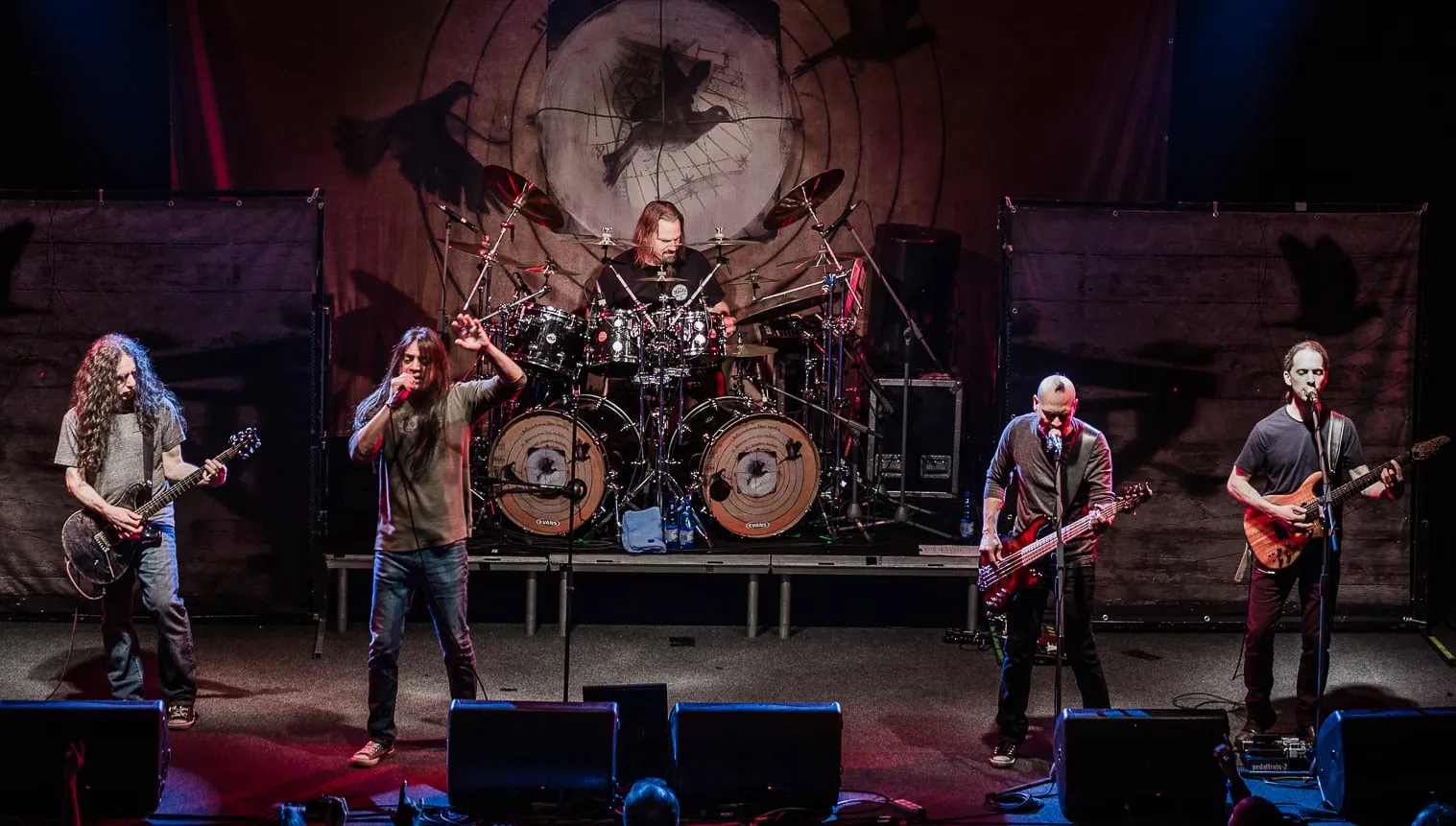
Photo by PAG , licensed under CC BY 3.0 · Wikimedia Commons
Rank #294
Fates Warning
Connecticut prog-metal pioneers whose patient compositions shaped the genre.
From Wikipedia
Fates Warning is an American progressive metal band, formed in Hartford, Connecticut, in 1982 by vocalist John Arch, guitarists Jim Matheos and Victor Arduini, bassist Joe DiBiase, and drummer Steve Zimmerman. There have been numerous lineup changes over the course of their 44-year career, and Matheos has been the only constant member. As of 2020, the band consists of Matheos, vocalist Ray Alder, bassist Joey Vera, drummer Bobby Jarzombek and guitarist Michael Abdow. Fates Warning also had a revolving cast of drummers and guitarists by the time Jarzombek and Abdow joined the band in 2007 and 2017 respectively.
Members
- Jim Matheos
Studio Albums
- 1984 Night on Bröcken
- 1985 The Spectre Within
- 1986 Awaken the Guardian
- 1988 No Exit
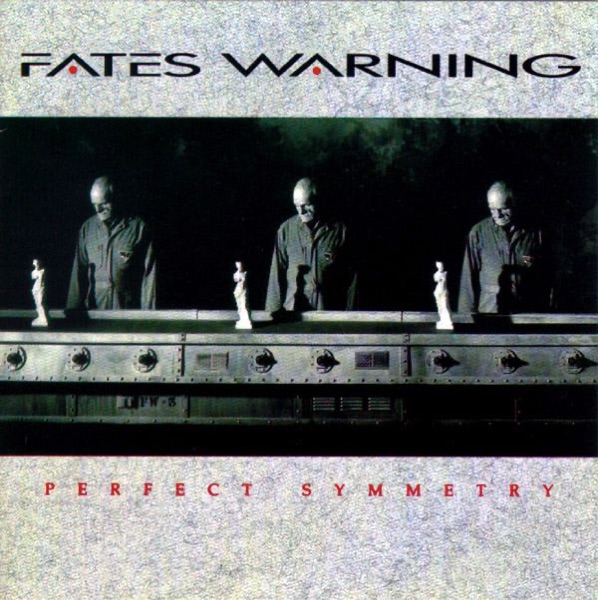
- 1989 Perfect Symmetry
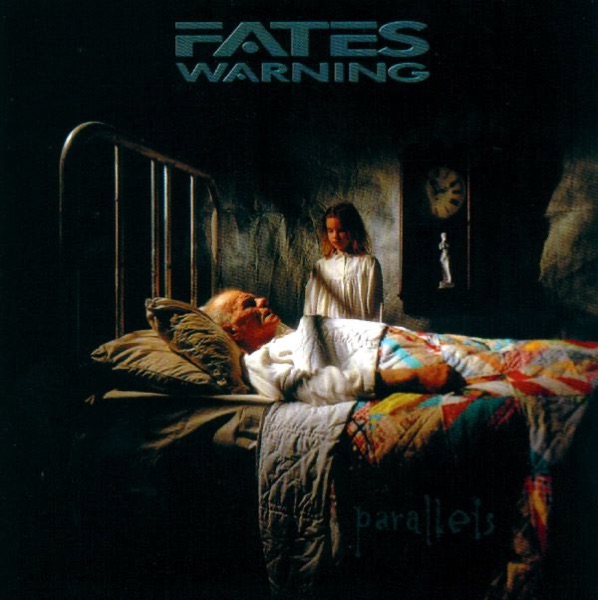
- 1991 Parallels
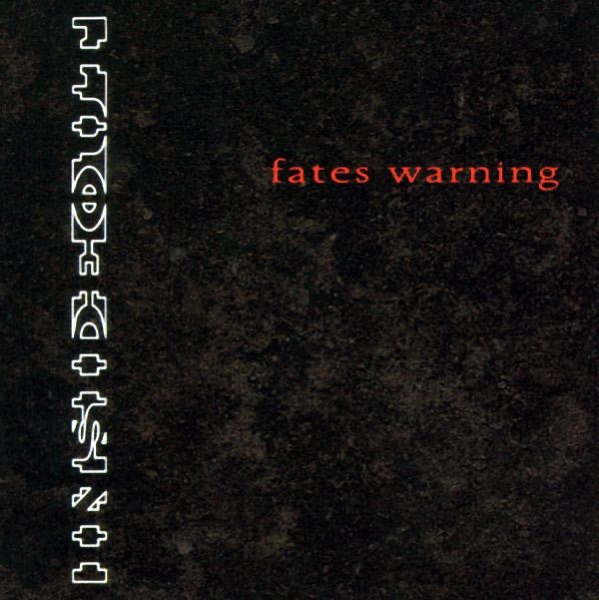
- 1994 Inside Out
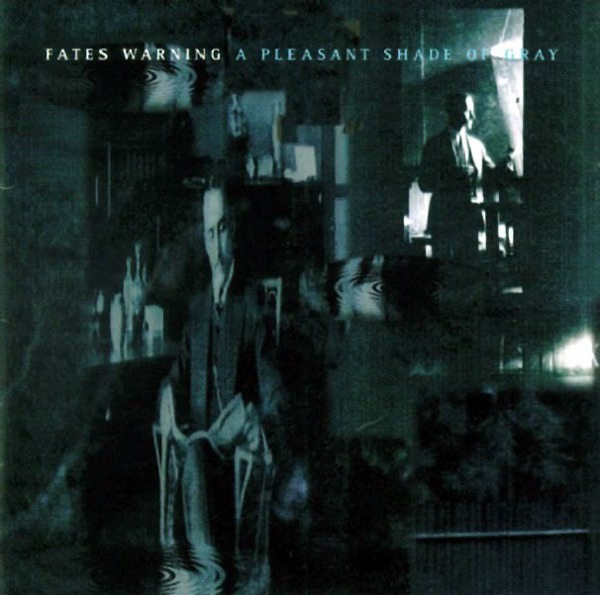
- 1997 A Pleasant Shade of Gray
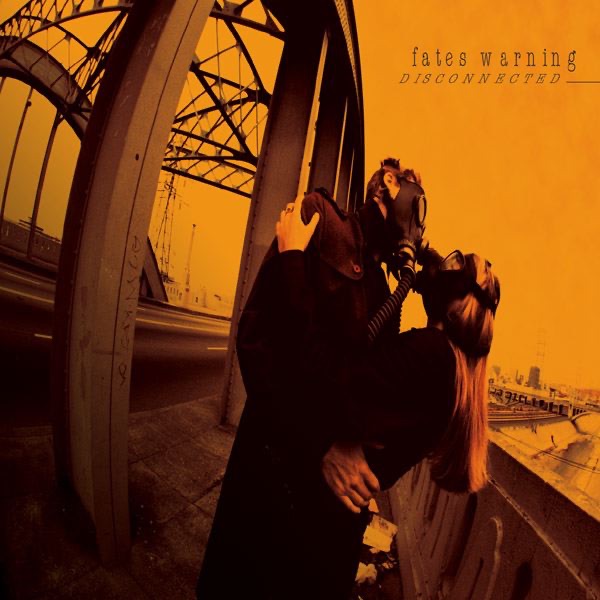
- 2000 Disconnected
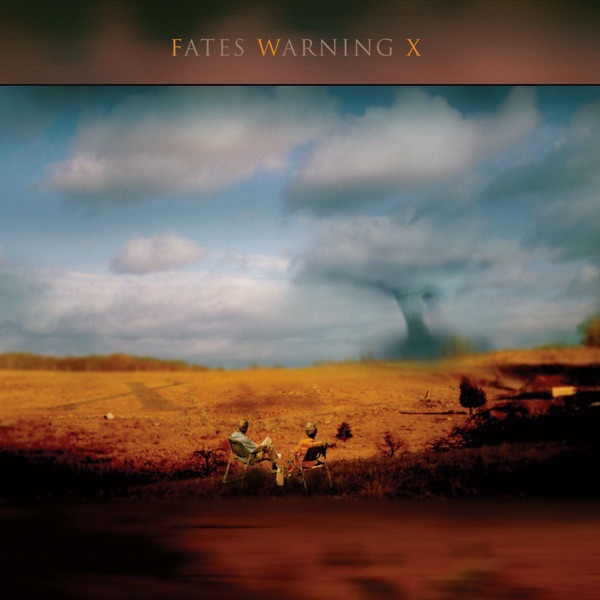
- 2004 FWX
- 2013 Darkness in a Different Light
- 2016 Theories of Flight
- 2020 Long Day Good Night
Source: MusicBrainz
Deep Dive
Overview
Fates Warning is an American progressive metal band formed in Hartford, Connecticut, in 1982. The group emerged during the formative years of progressive metal, a genre still crystallizing from the collision of hard rock, progressive rock, and heavy metal traditions. Over four decades of activity, the band built a reputation for patient, intricate compositions that prioritized structural complexity and instrumental sophistication over commercial concession.
Formation Story
Fates Warning coalesced in Hartford in 1982 around a core of young musicians with formal training and ambitious artistic vision. The founding lineup included vocalist John Arch, guitarists Jim Matheos and Victor Arduini, bassist Joe DiBiase, and drummer Steve Zimmerman. Jim Matheos emerged as the band’s anchor; he would remain the only constant member across the subsequent decades of lineup changes, establishing himself as both a technical guitarist and creative force behind the band’s evolution. The Hartford scene of the early 1980s was hospitable to heavy music but not yet defined by the progressive metal aesthetic the band would help establish.
Breakthrough Moment
Fates Warning’s first album, Night on Bröcken (1984), announced their arrival with an ambitious fusion of speed metal momentum and progressive rock architecture. The follow-up, The Spectre Within (1985), deepened their technical palette and attracted attention within the emerging progressive metal underground. By Awaken the Guardian (1986), the band had solidified a sound that balanced aggressive riffing with elaborate song structures, marking them as serious contenders in a genre that was still finding its identity. These early albums established their position within progressive metal’s expanding landscape.
Peak Era
Fates Warning reached their creative and commercial zenith during the 1990s and early 2000s. No Exit (1988) and Perfect Symmetry (1989) pushed their compositions toward greater conceptual density, while Parallels (1991) cemented their status as genre architects. The release of Inside Out (1994) showcased a mature command of extended arrangements and thematic development. A Pleasant Shade of Gray (1997) stands as a landmark album, demonstrating how thoroughly the band could sustain complex narrative and musical architecture across a full record. Disconnected (2000) and FWX (2004) continued this trajectory of thoughtful, layered songwriting that resisted simplification even as the broader metal landscape shifted toward trends the band did not follow.
Musical Style
Fates Warning’s sound evolved from speed metal foundations toward increasingly complex progressive metal architecture. Their compositions typically feature multiple time signatures, intricate guitar interplay between Matheos and successive guitarists, and vocal lines that serve more as another instrumental voice than as a verse-chorus anchor. John Arch’s early vocals carried a theatrical, expressive quality suited to the band’s ambitious arrangements; when Ray Alder assumed vocal duties, the band’s approach matured into a more measured, integrated vocal presence. The rhythm section—anchored by successive bassists and drummers—provided the technical stability required to execute the band’s demanding arrangements. Production choices favored clarity and instrumental separation over compression or radio-friendly polish, allowing each element of the compositions to remain audible within the elaborate framework.
Major Albums
Night on Bröcken (1984)
The band’s debut announced their fusion of speed metal and progressive rock, establishing the technical ambition that would define their career.
Awaken the Guardian (1986)
This third album solidified Fates Warning’s identity as progressive metal architects, balancing aggression with intricate structural thinking.
Parallels (1991)
A pivotal work that demonstrated the band’s command of extended composition and thematic development, influencing the direction of progressive metal in the 1990s.
A Pleasant Shade of Gray (1997)
Often regarded as their most fully realized album, this record showcased sustained conceptual and musical sophistication across its full length.
Disconnected (2000)
Proving their staying power beyond the 1990s, this album continued the band’s exploration of complex narrative and musical architecture.
Signature Songs
- Fate — An early showcase of the band’s ability to construct extended progressive arrangements from aggressive metal foundations.
- Monument — A piece that demonstrates the band’s approach to building tension and release across elaborate time signatures.
- By Appointment Only — Exemplifies the band’s mature songwriting, balancing technical sophistication with emotional resonance.
- The Eleventh Hour — Reflects the band’s continued commitment to complex composition decades into their career.
Influence on Rock
Fates Warning’s insistence on compositional complexity during an era when heavy metal was increasingly simplifying established them as intellectual counterweight within the genre. Their work influenced subsequent progressive metal bands operating in the 1990s and beyond, who recognized in Fates Warning a model for sustaining artistic ambition without abandoning the physical power of heavy music. The band demonstrated that progressive metal could mature beyond its 1980s origins, could absorb influence from classical forms and experimental rock, and could maintain commercial viability—however modest—without compromise. In the broader context of progressive rock’s late-20th-century revival, Fates Warning operated as one of the few acts keeping heavy metal traditions alive within the progressive framework rather than abandoning them for art-rock purity.
Legacy
Fates Warning’s 40-plus-year career has reinforced the band’s position as a standard-bearer for progressive metal integrity. Their refusal to court radio play or simplify their approach earned respect within musician circles and among dedicated prog-metal listeners, even as commercial recognition remained limited compared to metal acts with less demanding music. The band’s continued activity through 2020 and beyond—with albums including Darkness in a Different Light (2013), Theories of Flight (2016), and Long Day Good Night (2020)—demonstrates their sustained commitment to the aesthetic they helped pioneer. Jim Matheos’s 40-year tenure as the band’s core creative force has made Fates Warning one of heavy music’s most stable entities, a remarkable achievement in an industry defined by dissolution and reformation.
Fun Facts
- Jim Matheos remains the only original member of the band, having been present since the band’s 1982 formation in Hartford.
- The band has worked with Metal Blade Records, a label central to progressive and extreme metal’s development.
- Drummer Bobby Jarzombek joined the band in 2007, bringing experience from other progressive metal acts.
- Guitarist Michael Abdow joined in 2017, adding fresh perspectives to the band’s ongoing compositional work.
Discography & Previews
Click any album to expand its track list. Each track plays a 30-second preview streamed from Apple Music. Tap the link icon next to a track to open it in Apple Music for full playback.
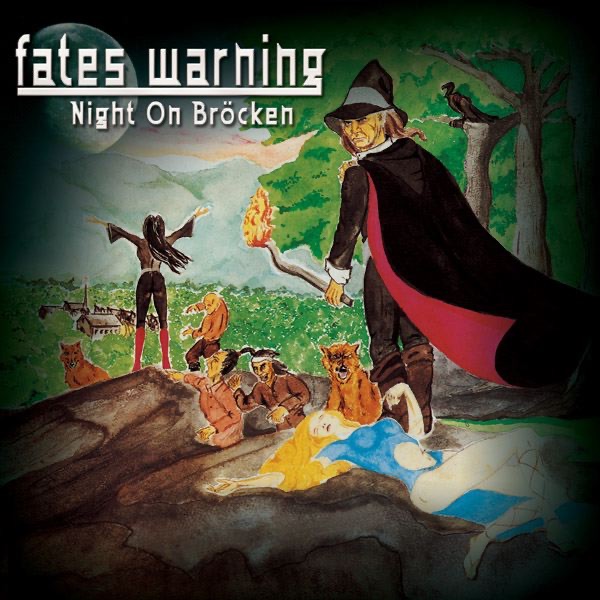
- 1 Buried Alive ↗ 4:40
- 2 The Calling ↗ 5:04
- 3 Kiss of Death ↗ 4:39
- 4 Night On Brocken ↗ 5:30
- 5 S.E.K. ↗ 1:19
- 6 Misfit ↗ 5:06
- 7 Shadowfax ↗ 3:17
- 8 Damnation ↗ 6:27
- 9 Soldier Boy ↗ 6:26
- 10 Last Call (Bonus Track, Original Misfit Demo 1984) ↗ 5:39
- 11 The Calling (Bonus Track, Rehearsal 1983) ↗ 4:37
- 12 Kiss of Death (Bonus Track, Live At L'Amour 1985) ↗ 4:36
- 13 Flight of Icarus (Bonus Track, Rehearsal 1983) ↗ 5:19
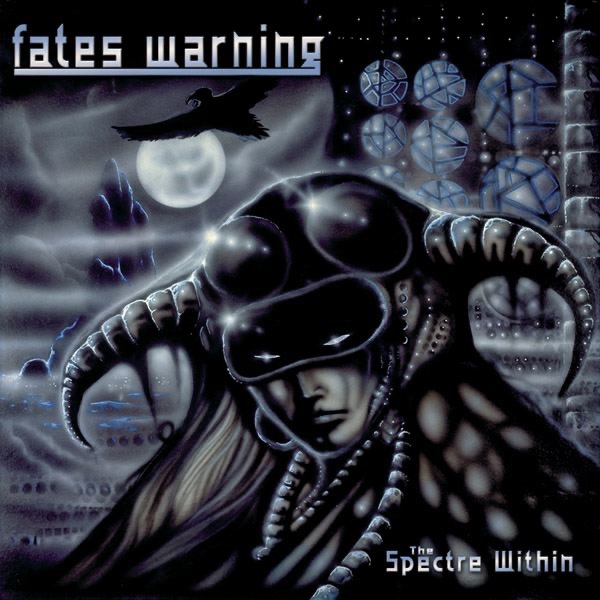
- 1 Traveler In Time ↗ 7:13
- 2 Orphan Gypsy ↗ 5:59
- 3 Without a Trace ↗ 4:50
- 4 Pirates of the Underground ↗ 7:05
- 5 The Apparition ↗ 5:51
- 6 Kyrie Eleison ↗ 5:25
- 7 Epitaph ↗ 11:58
- 8 Radio Underground (Bonus) [Live Underground] ↗ 6:57
- 9 The Apparition (Bonus) [Rehearsal 1985] ↗ 5:55
- 10 Kyrie Eleison (Bonus) ["Dickie" Demo 1985] ↗ 5:51
- 11 Epitaph (Bonus) ["Dickie" Demo 1985] ↗ 10:11

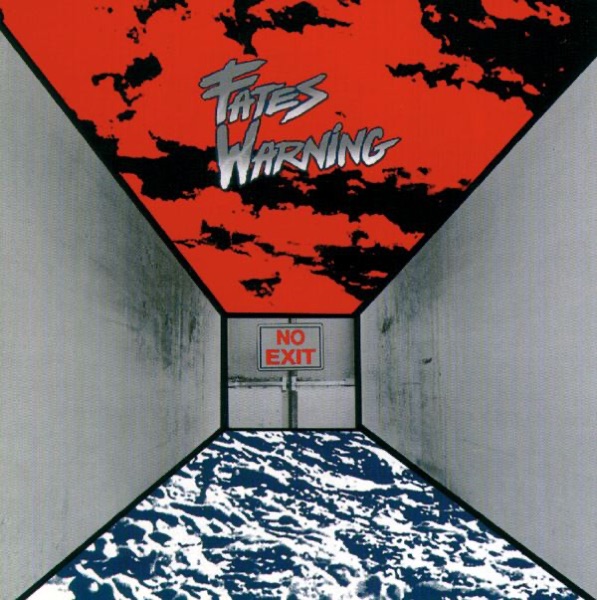


- 1 The Destination Onward ↗ 8:12
- 2 Shuttered World ↗ 5:14
- 3 Alone We Walk ↗ 4:44
- 4 Now Comes the Rain ↗ 4:15
- 5 The Way Home ↗ 7:43
- 6 Under the Sun ↗ 5:49
- 7 Scars ↗ 5:05
- 8 Begin Again ↗ 4:06
- 9 When Snow Falls ↗ 4:15
- 10 Liar ↗ 4:23
- 11 Glass Houses ↗ 3:36
- 12 The Longest Shadow of the Day ↗ 11:29
- 13 The Last Song ↗ 3:31