

Photo by Bernhard Lindinger , licensed under CC BY-SA 3.0 de · Wikimedia Commons
Rank #129
Kyuss
Palm Desert pioneers whose desert sessions birthed stoner rock.
From Wikipedia
Kyuss was an American stoner rock band formed in Palm Desert, California in 1987. They are considered one of the pioneers of the genre. After disbanding in 1995, a number of band members have gone on to form or play in several notable bands including Queens of the Stone Age, Screaming Trees, Fu Manchu, Dwarves, Eagles of Death Metal, Mondo Generator, Hermano, Unida, Slo Burn and Them Crooked Vultures.
Members
- Alfredo Hernández
- Brant Bjork
- John Garcia
- Josh Homme
- Nick Oliveri
Studio Albums
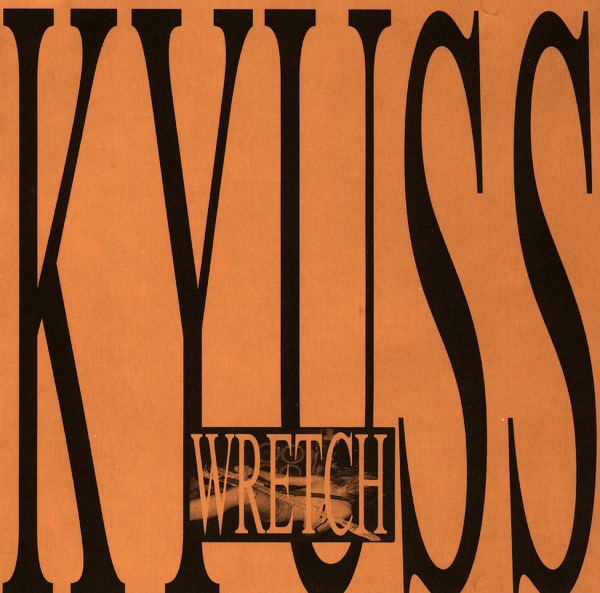
- 1991 Wretch
- 1992 Blues for the Red Sun
- 1994 Welcome to Sky Valley
- 1995 …And the Circus Leaves Town
Source: MusicBrainz
Deep Dive
Overview
Kyuss was an American stoner rock band formed in Palm Desert, California in 1987. Operating across a single decade before disbanding in 1995, they emerged as foundational architects of stoner rock—a hybrid of heavy blues riffs, doom-metal dread, and psychedelic sprawl that would define heavy music into the 21st century. Though their recording life spanned only four studio albums, Kyuss established the sonic and cultural grammar of the genre while simultaneously seeding an ecosystem of influential post-breakup projects that would dominate alternative rock’s heavier margins for decades.
Formation Story
Kyuss coalesced in Palm Desert, a high-desert municipality east of Los Angeles that would become synonymous with stoner rock’s geographic and spiritual epicenter. The band crystallized around vocalist John Garcia, drummer Alfredo Hernández, bassist Nick Oliveri, and guitarist Brant Bjork, with guitarist Josh Homme joining the lineup. The desert landscape—its vastness, aridity, and isolation—became both literal inspiration and sonic model for their music. Palm Desert’s distance from Los Angeles proper, combined with its proximity to the Coachella Valley’s geological formations and counterculture heritage, created a fertile ground for experimentation outside the scrutiny of major urban music scenes.
Breakthrough Moment
Kyuss released their debut album Wretch in 1991 on the Chameleon label, an exploratory first statement that announced the band’s arrival but did not yet crystallize their signature sound. Their second album, Blues for the Red Sun (1992), arrived on Man’s Ruin Records and crystallized the elements that would define stoner rock’s early canon. The record’s thick, tuned-down guitar riffing, Garcia’s often-wailing vocal delivery, and the band’s rhythmic heaviness without sacrificing groove became the template that subsequent Desert rock and stoner acts would either follow or consciously resist. Blues for the Red Sun established Kyuss as more than a regional curiosity; it positioned them as a viable genre anchor.
Peak Era
The years 1993–1995 represented Kyuss’s creative and commercial zenith. Welcome to Sky Valley arrived in 1994, further refining their sound and expanding its sonic palette with instrumental depth and textural detail. The album’s lengthy, riff-based compositions demonstrated that stoner rock could sustain extended passages without verbose song structures, relying instead on hypnotic repetition, subtle dynamic shifts, and instrumental interplay. A final album, …And the Circus Leaves Town, followed in 1995 before the band disbanded that same year. Despite the brevity of their output, these records established a visual and sonic identity so cohesive that they would be reissued, anthologized, and celebrated for decades after the group’s dissolution.
Musical Style
Kyuss forged a sonic language that married the blues-rock heaviness of Black Sabbath and Thin Lizzy with the lysergic density of 1970s psychedelic rock and the sludge-metal aesthetic emerging from Louisiana and the Pacific Northwest. Garcia’s vocals occupied a unique register—neither cleanly melodic nor entirely buried in distortion—that emphasized emotional affect over technical precision, often bending notes into bluesy wails that conveyed vulnerability within mountainous arrangements. Bjork and Homme’s guitar work favored thick, heavily compressed tones and drop-tuned riffing that created a wall of sound without sacrificing the clarity of individual melodic lines. Oliveri’s bass lines locked with Hernández’s drumming in a syncopated pocket that emphasized groove over blast-beat velocity, allowing songs to breathe across six-to-ten-minute canvases. The overall effect was meditative and hypnotic rather than aggressive—a desert soundscape rendered in electric instruments rather than a thrashing assault.
Major Albums
Wretch (1991)
The debut established Kyuss’s willingness to explore extended instrumental passages and tuned-down heavy riffing, though the record’s production and song arrangements still bore traces of experimentation and stylistic uncertainty that subsequent records would streamline.
Blues for the Red Sun (1992)
The album that crystallized stoner rock’s foundational aesthetic, featuring the band’s most cohesive songwriting and production clarity, with thick guitar tones and Garcia’s distinctive vocal presence at the fore.
Welcome to Sky Valley (1994)
A masterwork of restraint and textural detail, Welcome to Sky Valley proved that stoner rock could sustain extended instrumental passages and subtle dynamic variation while maintaining hypnotic forward momentum across a full album cycle.
…And the Circus Leaves Town (1995)
Kyuss’s final statement arrived as a logical endpoint to their stylistic trajectory, consolidating the elements established across three prior records while hinting at unexplored directions that would only materialize in subsequent member projects.
Signature Songs
- “Green Machine” — A definitive stoner rock anthem built from a hypnotic, drop-tuned riff that became the sonic touchstone for the entire genre.
- “Demon Cleaner” — Notable for its funky, bass-driven groove and Garcia’s wailing vocal performance, demonstrating stoner rock’s capacity for rhythmic swing.
- “Thumb” — A showcase for instrumental interplay and textural detail, highlighting the band’s ability to sustain tension across extended arrangements.
- “Conan Troutman” — A blues-inflected heavy blues showcase that underscored the band’s debt to 1970s hard rock and blues-rock lineage.
Influence on Rock
Kyuss’s dissolution in 1995 paradoxically became the catalyst for their outsized historical influence. The subsequent projects undertaken by band members—Josh Homme’s Queens of the Stone Age, Nick Oliveri’s involvement in multiple projects, Brant Bjork’s solo work, and collaborative efforts including Them Crooked Vultures—ensured that Kyuss’s sonic DNA dispersed across multiple channels of heavy, psychedelic, and alternative rock. The band’s influence rippled through the desert rock movement that flourished in California’s high desert throughout the 1990s and 2000s, while their production aesthetic and compositional approach influenced stoner rock and doom metal acts globally. Kyuss proved that heavy music could be both intricate and meditative, both blues-rooted and futuristic, establishing a template that continues to anchor contemporary heavy rock.
Legacy
With only four studio albums to their name, Kyuss left a legacy disproportionate to their recorded output. The band’s dissolution came before the internet era fully democratized band documentation and fandom, yet their records achieved canonical status through sustained reissue programs and the subsequent prominence of their members’ post-Kyuss work. Blues for the Red Sun and Welcome to Sky Valley remain essential listening within stoner rock and heavy psychedelia discourse, studied and emulated by musicians seeking to understand the genre’s foundational grammar. The band’s influence extends beyond explicit genre successors; their emphasis on groove-based heaviness and textural detail influenced alternative rock and indie acts who engaged with heavier soundscapes without claiming the stoner or doom metal label outright. Kyuss stands as proof that a band’s historical significance is not determined by commercial scale or longevity, but by the depth and durability of the sonic innovations they introduce.
Fun Facts
- Palm Desert, Kyuss’s home base, became a pilgrimage site for heavy rock musicians throughout the 1990s and 2000s, with the band’s influence spawning a distinct local scene that included Fu Manchu and numerous other acts.
- The band’s records were initially released on independent and mid-level labels (Chameleon and Man’s Ruin) rather than major corporate imprints, exemplifying how marginal distribution networks could nonetheless establish canonical artistic influence.
- Despite disbanding in 1995, Kyuss’s four-album discography has sustained continuous vinyl reissue, streaming presence, and critical reassessment across multiple decades, a marker of enduring cultural resonance.
Discography & Previews
Click any album to expand its track list. Each track plays a 30-second preview streamed from Apple Music. Tap the link icon next to a track to open it in Apple Music for full playback.

- 1 Thumb ↗ 4:42
- 2 Green Machine ↗ 3:38
- 3 Molten Universe ↗ 2:50
- 4 50 Million Year Trip (Downside Up) ↗ 5:49
- 5 Thong Song ↗ 3:47
- 6 Apothecaries' Weight ↗ 5:21
- 7 Caterpillar March ↗ 1:56
- 8 Freedom Run ↗ 7:37
- 9 800 ↗ 1:34
- 10 Writhe ↗ 3:42
- 11 Capsized ↗ 0:56
- 12 Allen's Wrench ↗ 2:44
- 13 Mondo Generator ↗ 6:16
- 14 Yeah ↗ 0:04

