Photo by Columbia Records , licensed under Public domain · Wikimedia Commons
Rank #234
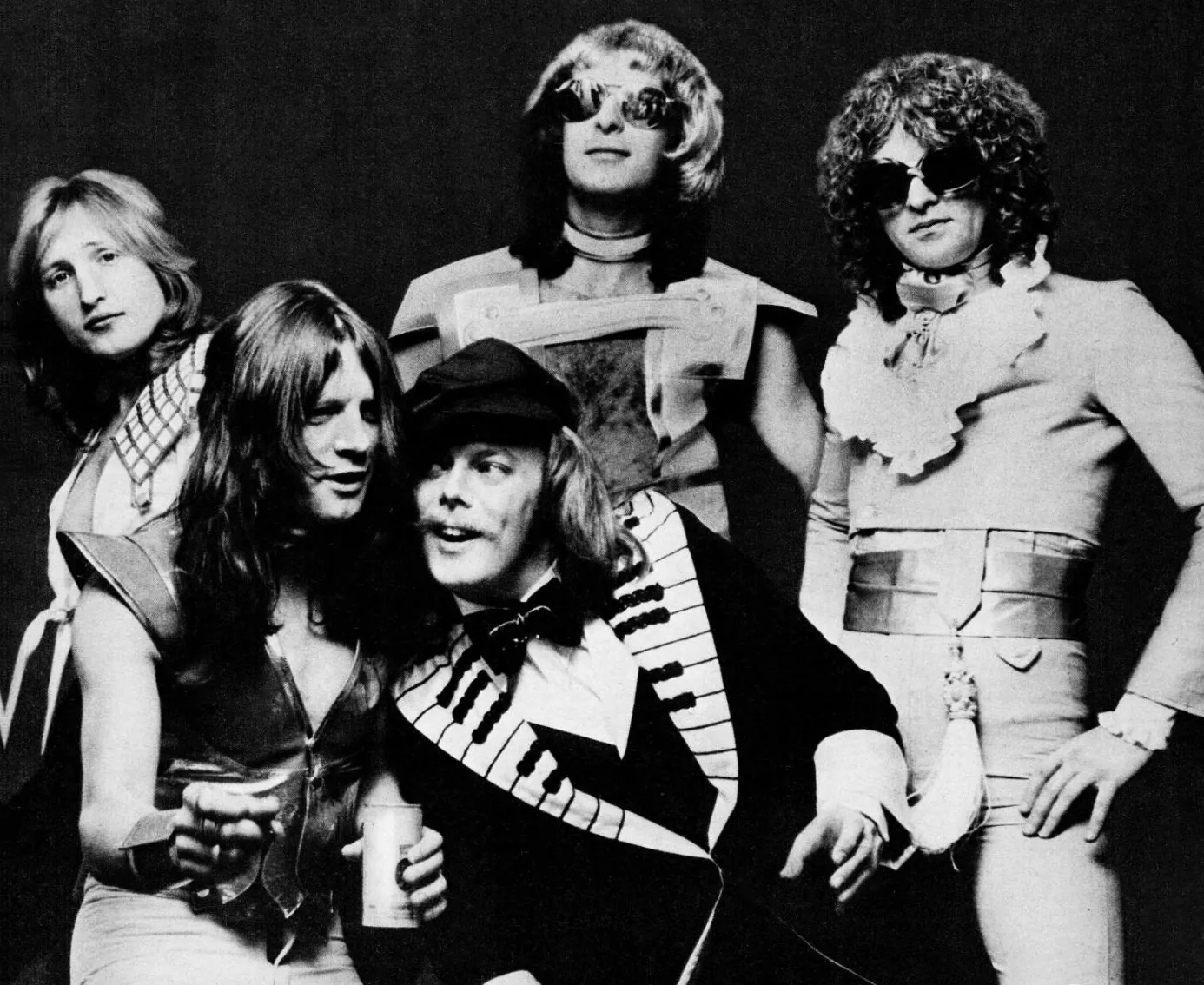
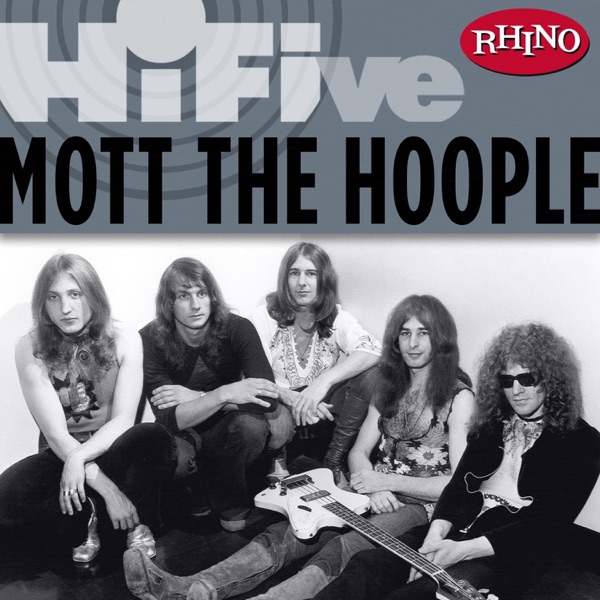
Mott the Hoople
Hereford glam-rock band whose 'All the Young Dudes' became a generational anthem.
From Wikipedia
Mott the Hoople were an English rock band formed in Hereford, Herefordshire in 1966. Originally named the Doc Thomas Group, the band changed their name after signing with Island Records in 1969. The band released albums at the beginning of the 1970s but failed to find any success. On the verge of breaking up, the band were encouraged by David Bowie to stay together. Bowie wrote their glam-style signature song "All the Young Dudes" for them, which became their first hit in 1972. Bowie subsequently produced their album of the same name, which added to their success.
Members
- Dale Griffin
- Ian Hunter
- Mick Ralphs
- Pete Overend Watts
Studio Albums
- 1969 Mott the Hoople
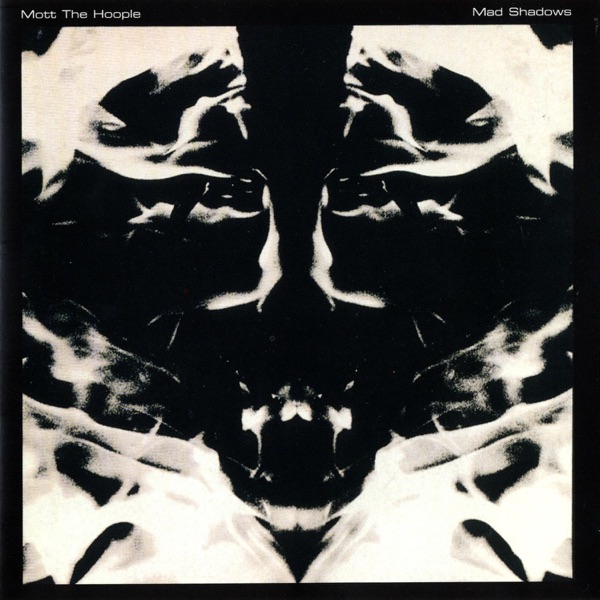
- 1970 Mad Shadows
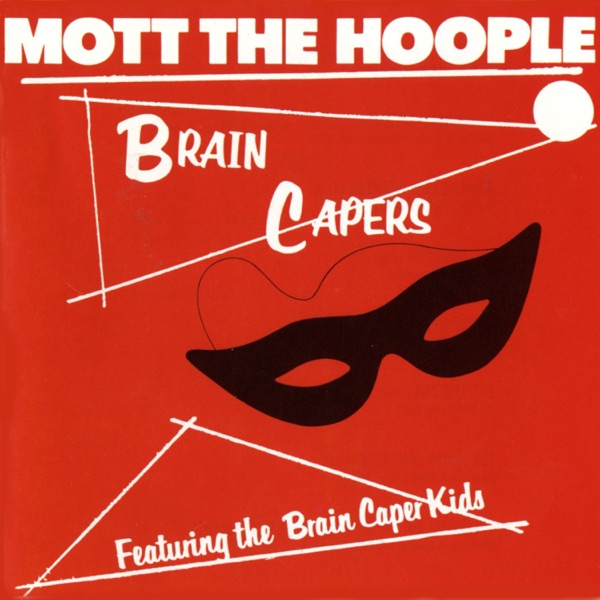
- 1971 Brain Capers
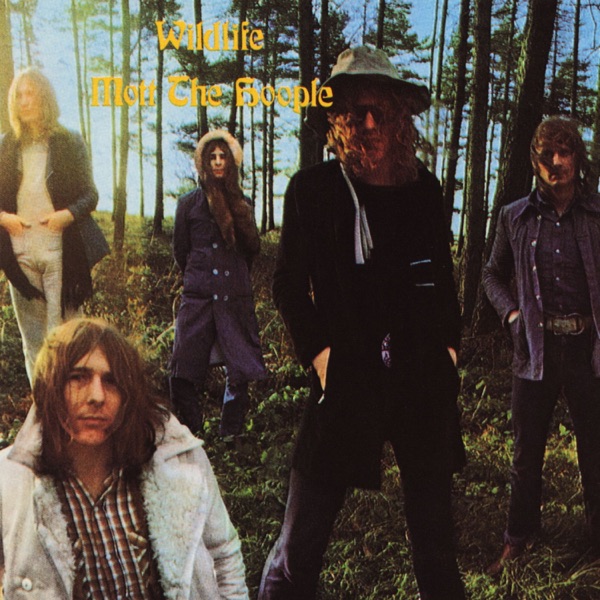
- 1971 Wildlife
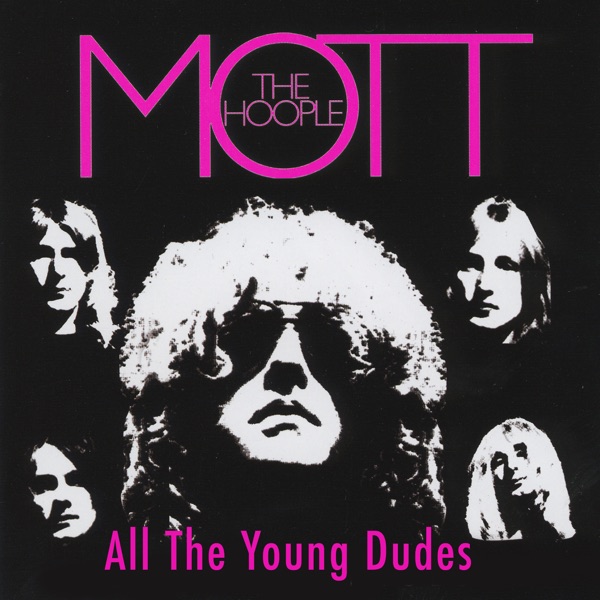
- 1972 All the Young Dudes
- 1973 Mott
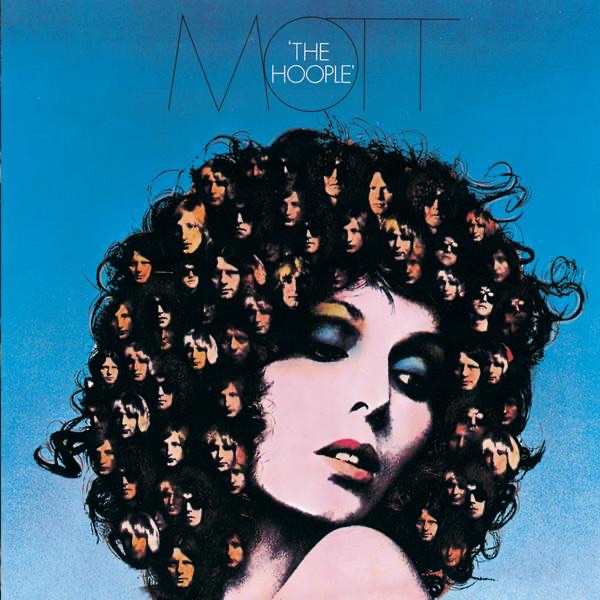
- 1974 The Hoople
Source: MusicBrainz
Deep Dive
Overview
Mott the Hoople were an English rock band that emerged from Hereford in the late 1960s and became standard-bearers of glam rock in the 1970s. Though their early years yielded little commercial traction, their fortunes transformed dramatically in 1972 when David Bowie wrote and produced their signature song “All the Young Dudes,” a track that became both their breakthrough hit and a generational anthem. The band’s journey from near-dissolution to mainstream success exemplifies how a single intervention by a major artist could reshape a struggling group’s trajectory and legacy.
Formation Story
Mott the Hoople began not under that name but as the Doc Thomas Group, operating in Hereford, Herefordshire during the mid-1960s. The group coalesced around a core lineup that would define their identity: Mick Ralphs on guitar, Ian Hunter on vocals, Pete Overend Watts on bass, and Dale Griffin on drums. In 1969, following a shift in their creative direction and management, they signed with Island Records and adopted the Mott the Hoople name. This rebranding marked their entry into the professional recording world, though the early 1970s would prove a period of commercial struggle and artistic searching.
Breakthrough Moment
Mott the Hoople released three albums—self-titled debut in 1969, Mad Shadows in 1970, and Brain Capers in 1971—without achieving significant chart success or radio exposure. By the early 1970s, the band teetered on the edge of dissolution. Their fortunes reversed dramatically when David Bowie, at the height of his own fame and creative influence, intervened. Bowie wrote “All the Young Dudes” specifically for the band and produced their 1972 album of the same name. The song’s glam-rock swagger, androgynous lyrics, and infectious hooks struck a cultural nerve, becoming their first hit and propelling the album to commercial success. The gesture both rescued the band from obscurity and underscored Bowie’s role as a tastemaker willing to elevate contemporaries he admired.
Peak Era
The period from 1972 to 1974 represented Mott the Hoople’s creative and commercial zenith. Following the success of All the Young Dudes, they released Mott in 1973, building on the momentum of their breakthrough. In 1974, they delivered The Hoople, which consolidated their status as major touring and recording artists. During these years, the band toured extensively, solidifying their reputation as a dynamic live outfit and establishing a dedicated fanbase. The glam-rock movement itself was cresting during this window, and Mott the Hoople occupied a central position within it—neither as flamboyantly theatrical as some contemporaries nor as musically austere as others, but as accessible, energetic practitioners of the style.
Musical Style
Mott the Hoople’s sound married hard-rock instrumentation with glam rock’s theatrical sensibilities and pop accessibility. Ralphs’ guitar work provided muscular riffs and sturdy chord progressions; Hunter’s vocals carried both grit and melodic clarity, suited equally to stadium-scaled anthems and introspective verses. The rhythm section of Watts and Griffin anchored the songs with tight, driving grooves. Lyrically, the band engaged with themes of youth, identity, and alienation—concerns that resonated throughout 1970s rock—without adopting the conceptual ambition of progressive rock or the raw anger of punk. Their glam-rock identity incorporated both the gender-bending image and the emphatic musicianship that defined the movement; they were as comfortable with sequins and androgyny as with straightforward hard-rock delivery. This balance made them both credible to mainstream rock audiences and acceptable within the more experimental glam milieu.
Major Albums
All the Young Dudes (1972)
Produced by David Bowie, this album marked the band’s commercial turning point and stands as their best-known work, anchored by the title track and rounded out by powerful supporting material that showcased their range and professionalism.
Mott (1973)
Following their breakthrough, this album demonstrated the band’s ability to sustain momentum, with solid songwriting and energetic performances that solidified their standing as more than a one-hit act.
The Hoople (1974)
Their final studio album of the era, The Hoople represented the band at peak commercial visibility, delivering accessible glam-rock songs that appealed to both radio programmers and devoted concertgoers.
Mad Shadows (1970)
Their second album, released before their rise to fame, shows the band working through their identity before Bowie’s intervention, with rougher edges and less focused direction than their later work.
Signature Songs
- “All the Young Dudes” (1972) — Written by David Bowie, this glam-rock anthem became the band’s defining statement and a cultural touchstone of the 1970s.
- “Honaloochie Boogie” (1974) — A strutting, groove-oriented track that showcased the band’s ability to deliver high-energy rock with infectious hooks.
- “All the Way from Memphis” (1973) — A reflective, well-crafted song that demonstrated Hunter’s vocal maturity and the band’s melodic sophistication beyond their glam-rock surface.
- “Sugarplum Butch” (1972) — A track from the All the Young Dudes album that exemplified the band’s blend of theatrical glam elements with straightforward rock songwriting.
Influence on Rock
Mott the Hoople occupied an important middle ground in 1970s rock, demonstrating that glam rock could reach mainstream audiences without sacrificing musical credibility. Their success encouraged other hard-rock acts to explore glam aesthetics and theatrical presentation, helping to broaden the movement beyond its most avant-garde practitioners. The band’s journey—from obscurity to relevance via Bowie’s patronage—also illustrated the power of established superstars to reshape the landscape for struggling peers. Their blueprint of accessible glam-rock songwriting with strong melodic hooks influenced subsequent rock acts navigating the tension between commercial viability and artistic experimentation.
Legacy
Mott the Hoople disbanded in 1980, ending a run that had begun as the Doc Thomas Group in the mid-1960s. Despite their relative brevity as major commercial force, their association with “All the Young Dudes” ensured enduring recognition. The song has been covered by various artists and remains a staple of classic-rock radio, introducing subsequent generations to the band’s work. Reissues of their 1972–1974 catalog have maintained their catalog in circulation, and their live performances—documented in concert recordings—have sustained their reputation among rock historians and glam-rock devotees. The band’s story survives as a case study in how a single brilliant intervention by a major artist could salvage a band from the brink of dissolution and cement a place in rock history.
Fun Facts
- Mott the Hoople recorded their first three albums without chart success, facing potential breakup before David Bowie’s intervention transformed their fortunes.
- The band took their name from Willard Manus’s 1963 novel of the same title, departing from their original identity as the Doc Thomas Group.
- Ian Hunter served as primary vocalist and key songwriter throughout the band’s existence, providing the public face and creative voice alongside Mick Ralphs’ guitar-driven arrangements.
- David Bowie’s production work on All the Young Dudes represented one of the few instances where Bowie directly produced another band during his peak solo period, underscoring his investment in their success.
Discography & Previews
Click any album to expand its track list. Each track plays a 30-second preview streamed from Apple Music. Tap the link icon next to a track to open it in Apple Music for full playback.

- 1 All the Way from Memphis ↗ 5:03
- 2 Whizz Kid ↗ 3:25
- 3 Hymn for the Dudes ↗ 5:24
- 4 Honaloochie Boogie ↗ 2:43
- 5 Violence ↗ 4:48
- 6 Drivin' Sister ↗ 3:53
- 7 Ballad of Mott the Hoople ↗ 5:24
- 8 I'm a Cadillac / El Camino Dolo Roso ↗ 7:51
- 9 I Wish I Was Your Mother ↗ 4:52
- 10 Rose ↗ 3:56
- 11 Honaloochie Boogie (Demo) ↗ 3:07
- 12 Nightmare (Demo) ↗ 3:36
- 13 Drivin' Sister (Live at the Hammersmith Odeon, Oct. 25, 1982) ↗ 4:30