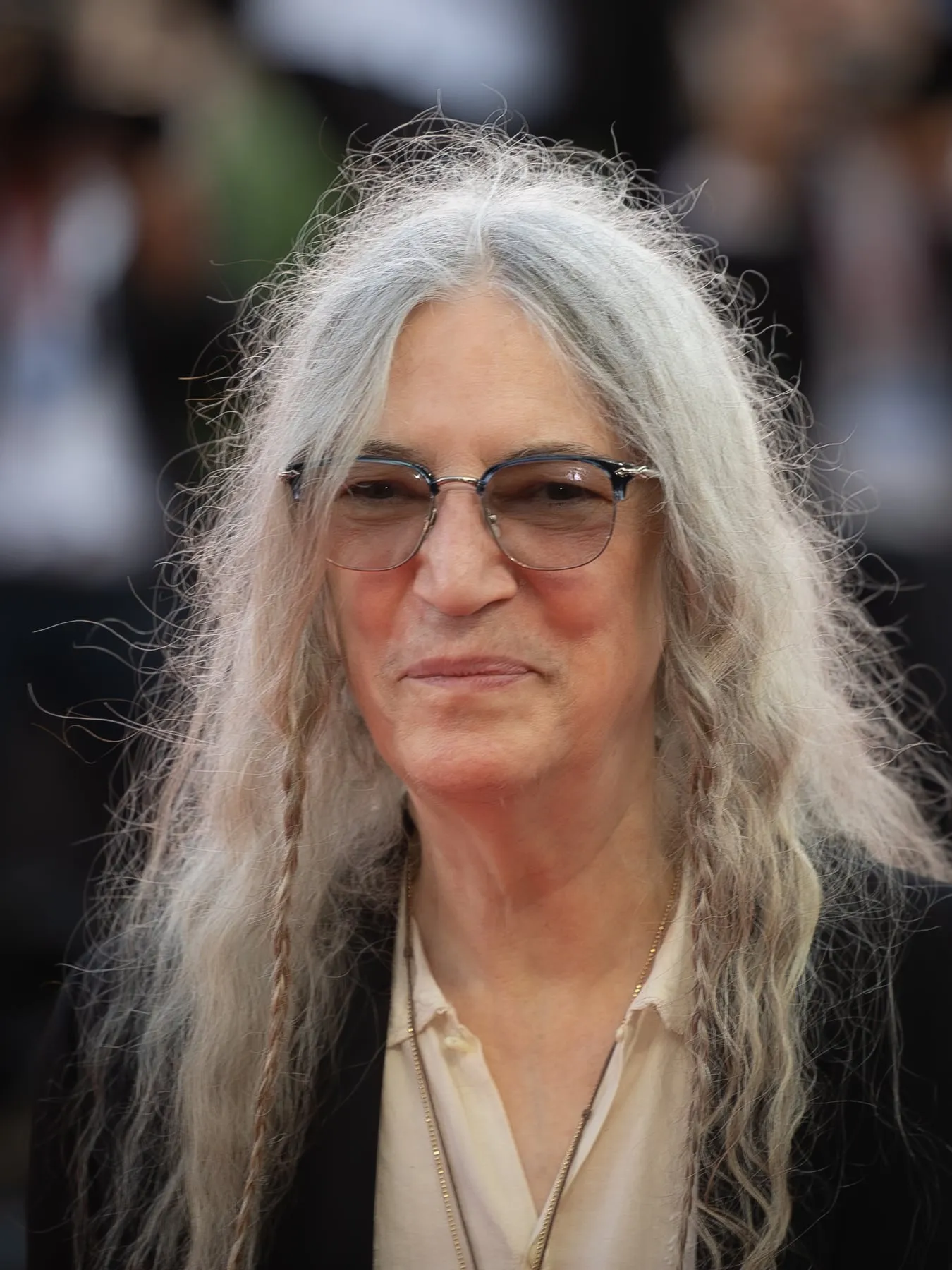
Photo by Harald Krichel , licensed under CC BY-SA 4.0 · Wikimedia Commons
Rank #209
Patti Smith Group
NYC poet-rocker collective whose 'Horses' is punk's literary cornerstone.
From Wikipedia
Patricia Lee Smith is an American singer, songwriter, poet, painter, author, and photographer. Her 1975 debut album Horses made her an influential member of the New York City–based punk rock movement. Smith has fused rock and poetry in her work. In 1978, her most widely known song, "Because the Night," co-written with Bruce Springsteen, reached number 13 on the Billboard Hot 100 chart and number five on the UK Singles Chart.
Studio Albums
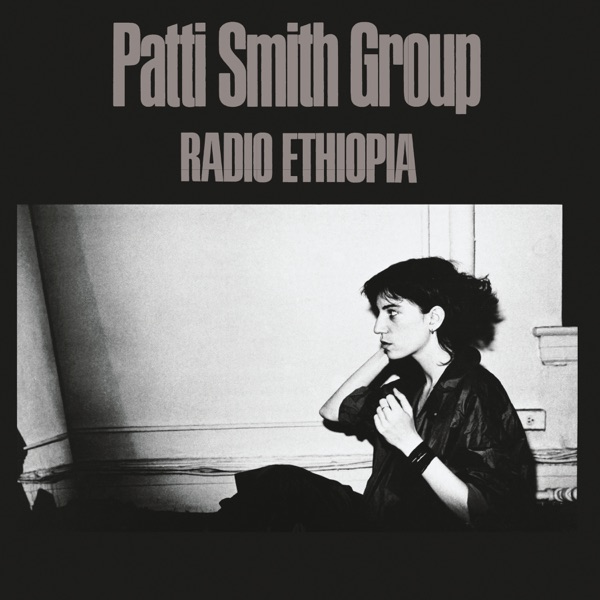
- 1976 Radio Ethiopia
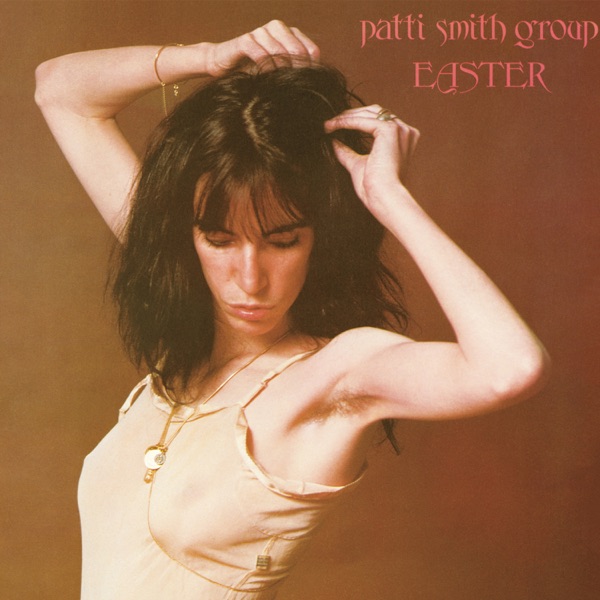
- 1978 Easter
- 1979 Wave
Source: MusicBrainz
Deep Dive
Overview
The Patti Smith Group stands as a singular force in 1970s rock—a collective that married literary ambition with punk urgency, elevating rock music to the plane of serious poetry. Emerging from New York City in the mid-1970s, Patti Smith and her ensemble transformed punk from a crude, two-chord negation into something that could contain T.S. Eliot allusions, visual-art philosophy, and visceral vocal performance. Their 1975 debut, Horses, remains the most resonant artistic statement punk has produced, proving that the genre could be intellectually rigorous without surrendering raw emotional power.
Formation Story
Patti Smith herself was already a fixture in New York’s literary underground when she began working with musician Lenny Kaye, a guitarist and music critic whose encyclopedic knowledge of rock history and deep connection to avant-garde aesthetics made him an ideal creative partner. The pair started collaborating in the early 1970s, building a sound that grafted Smith’s spoken-word and vocal intensity onto Kaye’s textured, often arpeggiated guitar work. By 1974, the Patti Smith Group had solidified around this core, eventually expanding to include bassist Ivan Kral and drummer Jay Dee Daugherty. The band emerged from the same Lower East Side and CBGB milieu that incubated Television, the New York Dolls, and Blondie, but Smith’s approach was immediately distinct: where punk was often an act of deliberate amateurism, Smith’s group deployed considerable musicianship in service of poetic intention.
Breakthrough Moment
The release of Horses in 1975 on Arista Records announced Smith as a major artist. The album opened with a reinterpreted version of Van Morrison’s “Gloria,” which Smith transformed from a romantic standard into a sprawling, nearly eight-minute declaration of identity and appetite. Her vocal delivery—half-sung, half-spoken, saturated in breath and conviction—established a template that would influence countless singers in punk and post-punk. The album’s cover, a Robert Mapplethorpe photograph of Smith in a white shirt and blazer, became one of rock’s most recognizable and referenced images. Horses sold respectably by punk standards and secured Smith’s status as a serious artistic voice, bridging the gap between rock credibility, high-art ambition, and punk’s structural economy.
Peak Era
The period from 1976 to 1978 represented the group’s most commercially successful and creatively confident stretch. Radio Ethiopia, released in 1976, consolidated the artistic direction of Horses while deepening the band’s rhythmic and harmonic sophistication. Two years later, Easter (1978) brought the group to its widest audience. The album produced “Because the Night,” co-written with Bruce Springsteen, which reached number 13 on the Billboard Hot 100 and number five on the UK Singles Chart—the only Patti Smith Group single to achieve significant chart penetration. The track’s accessibility—a soaring, singalong chorus over propulsive rock-and-roll rhythms—did not diminish its artistic integrity; if anything, Smith’s ability to deliver poetic vocals over mainstream-friendly production demonstrated the group’s range. Easter balanced commercial appeal with uncompromising artistry, proving that intellectual ambition and popular success were not mutually exclusive.
Musical Style
The Patti Smith Group synthesized post-punk, art rock, and proto-punk into a highly personal idiom. Lenny Kaye’s guitar work favored open tunings, arpeggiated figures, and textural layers over the straightforward power-chord assault of conventional punk; Ivan Kral’s bass lines were melodic and inventive rather than purely rhythmic, while Jay Dee Daugherty’s drumming combined punk’s momentum with jazz-inflected phrasing and dynamics. Over this foundation, Smith deployed her voice as both instrument and vehicle for meaning: she could howl, whisper, rap, recite, and sing within a single song, her performance always grounded in emotional authenticity rather than technical virtuosity. The lyrics drew directly from Smith’s literary practice—allusion, mythological reference, erotic and spiritual imagery, direct address to the listener—creating a sound-world that felt more akin to the contemporary avant-garde art scene than to commercial rock radio. The band’s arrangements were economical by design, reflecting punk’s structural influence, yet harmonically and texturally intricate.
Major Albums
Horses (1975)
The debut album that defined Patti Smith as a major artist, Horses fused spoken-word performance with rock instrumentation, beginning with a radical reimagining of “Gloria” and proceeding through original compositions that integrated poetry, mythology, and visceral emotion. The album’s spare yet sophisticated production allowed Smith’s voice and Kaye’s guitar work to occupy the center of attention.
Radio Ethiopia (1976)
The follow-up deepened the group’s sonic palette, incorporating more rhythmic energy and harmonic complexity while maintaining the literary intensity of Horses. The title track became a live centerpiece, showcasing the group’s improvisational capability and tight ensemble interplay.
Easter (1978)
The group’s most commercially successful album, Easter contained “Because the Night” and demonstrated Smith’s ability to merge accessibility with artistic integrity. The record balanced more direct, pop-inflected songwriting with Smith’s trademark poetic intensity.
Wave (1979)
The final album of the group’s original run, Wave saw the band moving toward post-punk aesthetics while maintaining their art-rock foundations. The record reflected a more experimental approach to production and arrangement.
Signature Songs
- “Gloria” (1975) — Smith’s eight-minute reclamation and reimagining of Van Morrison’s standard, establishing her as a visionary interpreter and transformative performer.
- “Because the Night” (1978) — Co-written with Bruce Springsteen, the group’s most commercially successful single, proving that mainstream accessibility and artistic seriousness could coexist.
- “Redondo Beach” (1975) — A stark, emotionally devastating original from Horses showcasing Smith’s ability to convey profound loss in economical language.
- “Rock n Roll Nigger” (1978) — A controversial, defiant anthem from Easter that reclaimed outsider identity and challenged cultural assumptions about transgression in rock.
Influence on Rock
The Patti Smith Group fundamentally altered punk rock’s artistic parameters. By demonstrating that punk could accommodate literary sophistication, visual-art sensibility, and emotional vulnerability without sacrificing aggression or urgency, Smith expanded the genre’s bandwidth. Her approach directly influenced post-punk bands—particularly those who emerged in the late 1970s and early 1980s—who similarly sought to merge high-art ambition with rock’s visceral power. The group’s legacy also extends into alt-rock and indie rock, where the fusion of poetry, art-world aesthetics, and guitar-based rock became a recurring template. Smith’s vocal delivery—the integration of spoken word, whisper, and conventional singing within a single performance—became a model for subsequent generations of singers seeking alternatives to conventional rock vocal production.
Legacy
While the original Patti Smith Group disbanded in 1979, Patti Smith herself continued to work in music, returning to recording and touring periodically across subsequent decades. Horses has never fallen out of print and remains a foundational text in punk and post-punk history, studied as carefully for its artistic ambition as for its historical position. The album’s influence appears not only in music but in visual culture and contemporary art, where Smith’s integration of multiple disciplines—rock, poetry, visual art, photography—anticipated later multimedia approaches by decades. Her 1975 debut stands alongside the Sex Pistols’ Never Mind the Bollocks and the Ramones’ Ramones as a definitive punk statement, though Smith’s work maintains a distinctly literary and avant-garde character that those records do not claim.
Fun Facts
- Robert Mapplethorpe’s photograph of Patti Smith for the Horses cover was shot on the roof of a Lower Manhattan building and has become one of the most iconic and frequently referenced album covers in rock history.
- “Because the Night,” the group’s biggest chart hit, emerged from a collaboration with Bruce Springsteen during sessions that captured the songwriting partnership between two of rock’s most substantial artists.
- Patti Smith’s debut album was released on Arista Records but later recordings appeared on Columbia Records, reflecting her movement between major labels during the height of her commercial visibility.
- The group’s live performances, particularly those featuring extended improvisations on songs like “Radio Ethiopia,” became legendary within the New York punk scene and influenced the improvisational approach of later post-punk and art-rock bands.
Discography & Previews
Click any album to expand its track list. Each track plays a 30-second preview streamed from Apple Music. Tap the link icon next to a track to open it in Apple Music for full playback.