
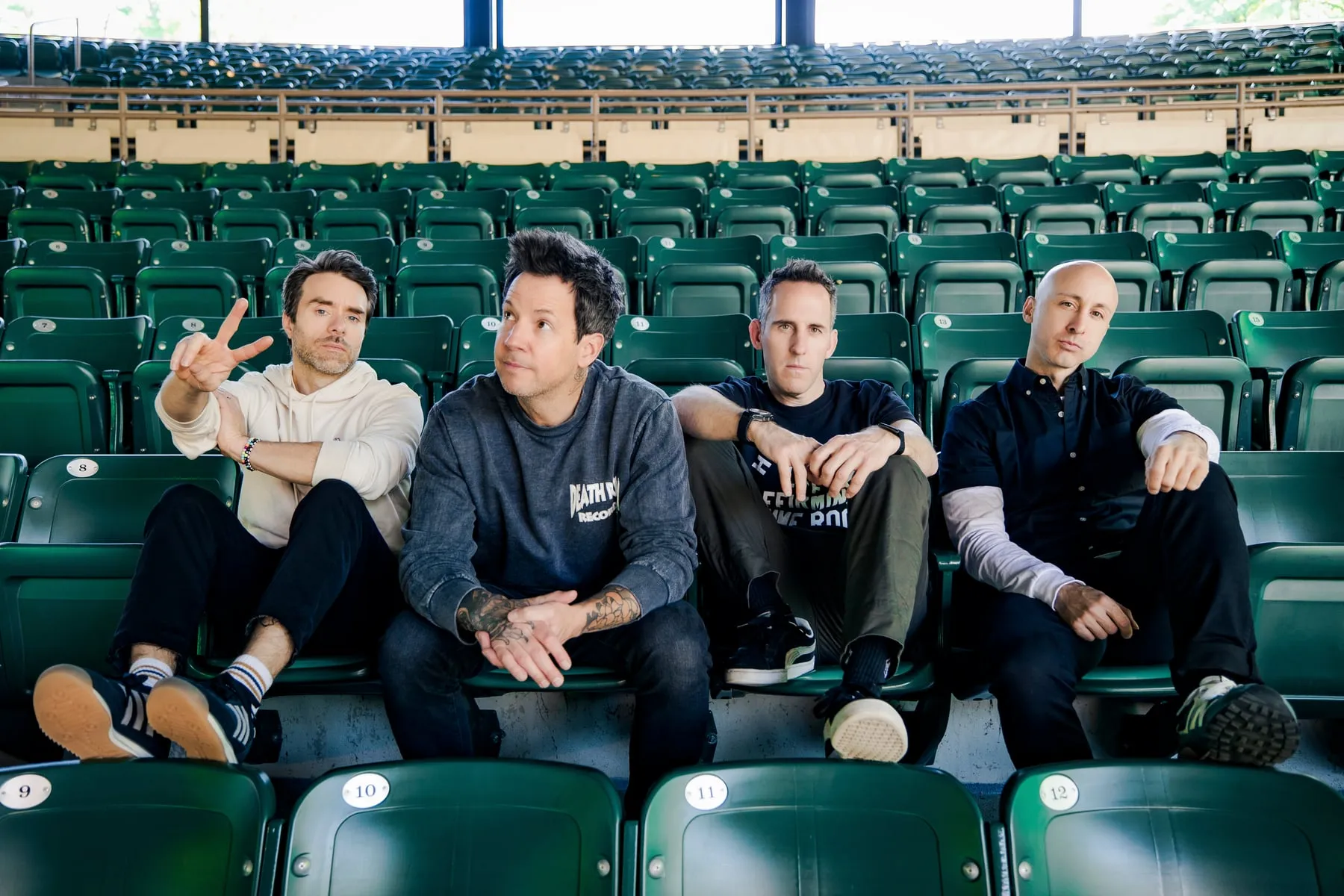
Photo by LilyJames2023 , licensed under CC BY-SA 4.0 · Wikimedia Commons
Rank #155
Simple Plan
Montreal pop-punkers among Canada's biggest 2000s rock exports.
From Wikipedia
Simple Plan is a Canadian rock band formed in Montreal, Quebec, in 1999. The band's current lineup consists of Pierre Bouvier, Chuck Comeau (drums), Jeff Stinco, and Sébastien Lefebvre.
Members
- Pierre Bouvier
Studio Albums
- 2002 No Pads, No Helmets…Just Balls
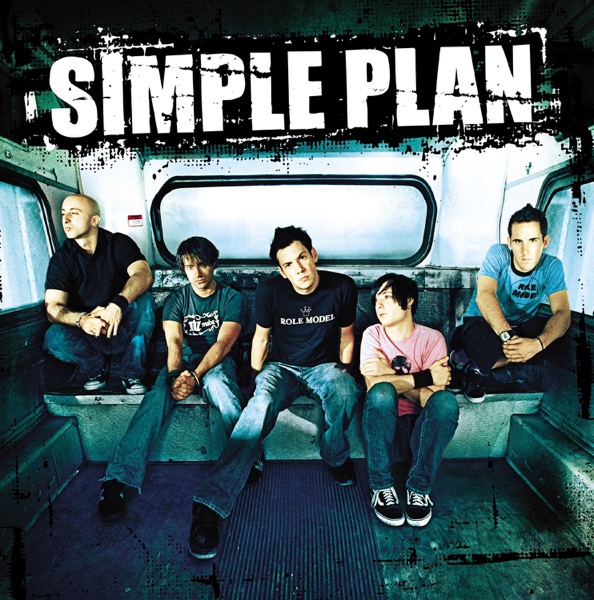
- 2004 Still Not Getting Any…
- 2008 Simple Plan
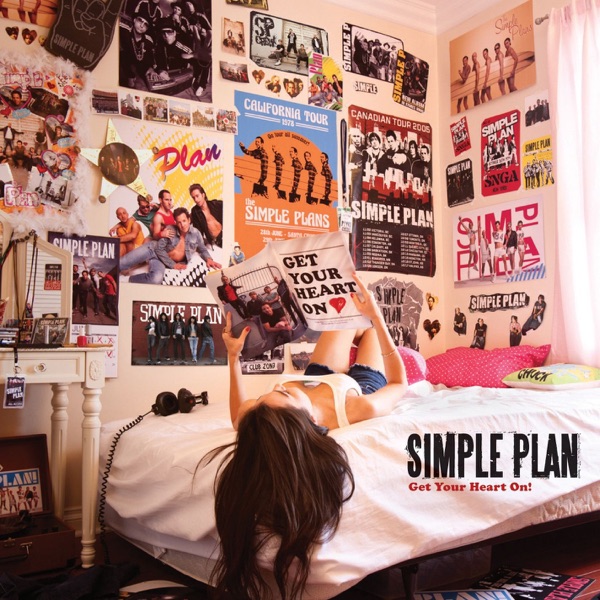
- 2011 Get Your Heart On!
- 2016 Taking One for the Team
- 2022 Harder Than It Looks
Source: MusicBrainz
Deep Dive
Overview
Simple Plan is a Canadian rock band formed in Montreal, Quebec, in 1999. Emerging during the early 2000s pop-punk surge, they became among Canada’s most successful rock exports of the decade, blending infectious pop melodies with punk energy and introspective songwriting. The band’s straightforward, emotionally direct approach to pop-punk helped define the sound of their era and sustained their relevance across six studio albums over two decades.
Formation Story
Simple Plan formed in Montreal in 1999, assembling a lineup that would become the public face of Canadian pop-punk. The founding members—Pierre Bouvier, Chuck Comeau, Jeff Stinco, and Sébastien Lefebvre—coalesced around a shared musical vision rooted in punk rock fundamentals but inflected with pop sensibilities. Montreal’s rock community in the late 1990s provided fertile ground for this hybrid sound; the city had a tradition of supporting alternative and punk acts, and Simple Plan arrived at a moment when pop-punk was gaining mainstream traction worldwide. Their formation predated their first major label activity by several years, a period during which they refined their approach and built local credibility.
Breakthrough Moment
Simple Plan’s debut album, No Pads, No Helmets…Just Balls (2002), established their commercial and creative foothold. Released when pop-punk had already spawned major acts but before the genre’s mainstream saturation, the album resonated with both teen and adult audiences through its blend of humor, relatability, and tight melodic songcraft. The title itself—deliberately provocative and tongue-in-cheek—signaled the band’s refusal to take themselves too seriously, a tone that permeated the record’s content and marketing. This debut positioned Simple Plan as significant players within North American rock, introducing their house style: high-energy choruses, lyrics addressing relationships and self-doubt with candid simplicity, and production values polished enough for radio yet raw enough to retain punk credibility.
Peak Era
Simple Plan’s commercial and critical apex occurred across the mid-to-late 2000s, anchored by Still Not Getting Any… (2004) and their self-titled album Simple Plan (2008). The 2004 release consolidated the template established by their debut, delivering more sophisticated songwriting and production while maintaining accessibility. By 2008, the self-titled record demonstrated both consistency and artistic confidence; it matched or exceeded its predecessors in chart performance and radio penetration. Throughout this period, Simple Plan sustained touring presence on both sides of the Atlantic, building a devoted international fanbase. Their ability to sustain output and relevance across this span—six years of major releases—proved rare in a pop-punk landscape where bands often flared briefly then faded. This era defined Simple Plan’s place in the 2000s rock ecosystem.
Musical Style
Simple Plan’s sound rests on a foundation of punk rock structuralism—three-minute songs, power chords, driving rhythms—but filtered through pop sensibilities that emphasize melody, harmony, and emotional directness. Pierre Bouvier’s vocals often employ a near-spoken delivery in verses before rising into sung, often layered choruses that prioritize hooks over technical facility. The rhythm section, anchored by Chuck Comeau’s drums, maintains a steady, propulsive energy without veering into technical complexity; the guitar work by Jeff Stinco balances rhythm and lead duties without indulgence. Lyrically, Simple Plan favored introspection about adolescence, relationships, and self-acceptance—themes that resonated particularly with younger listeners but possessed enough specificity to avoid pure sentimentality. Production across their albums has remained relatively consistent: clear, punchy, and optimized for radio and streaming without sacrificing the band’s punk-derived rawness.
Major Albums
No Pads, No Helmets…Just Balls (2002)
The debut established Simple Plan’s commercial viability and signature sound: straightforward pop-punk anchored by melodic choruses and unguarded emotional candor.
Still Not Getting Any… (2004)
The follow-up refined the formula established on their debut, demonstrating songwriting maturity while maintaining the accessibility and energy that defined their appeal.
Simple Plan (2008)
Their self-titled album represented a creative peak, balancing radio-friendly polish with substantive songwriting and sustained the band’s commercial momentum into the second half of the decade.
Get Your Heart On! (2011)
Released at a moment when pop-punk was undergoing cultural reassessment, this album showed Simple Plan adapting their sound while preserving core identity and emotional directness.
Taking One for the Team (2016)
A return to recording after a hiatus, demonstrating the band’s continued relevance and ability to tour and record at a sustained pace without losing connection to their core audience.
Signature Songs
- “I’m Just a Kid” — A defining early anthem that exemplified Simple Plan’s accessible approach to adolescent anxiety and self-doubt.
- “Perfect” — Among their most recognizable singles, balancing vulnerability with melodic accessibility across multiple territories.
- “Addicted” — A staple of their live sets that showcased their ability to craft hooks that lingered well beyond the song’s conclusion.
- “Jetlag” — A later single that demonstrated the band’s sustained ability to write radio-viable material while maintaining emotional honesty.
Influence on Rock
Simple Plan contributed significantly to pop-punk’s mainstream legitimacy and cultural staying power in the 2000s. Their success—particularly their international reach and longevity—demonstrated that pop-punk could sustain adult careers rather than exist purely as a teenage phenomenon. The band’s emphasis on accessibility and emotional directness over technical display influenced how subsequent pop-punk and pop-rock acts approached songwriting and production. Their Canadian origin also elevated the profile of rock music emanating from Quebec and Canada more broadly, proving that major commercial and cultural impact was achievable outside the United States’ traditional music industry centers. Simple Plan’s touring prowess and consistent album output provided a template for bands seeking sustained relevance across multiple decades in a genre often assumed to be youth-oriented.
Legacy
Simple Plan’s legacy rests on their capacity to sustain relevance and output across more than two decades without significant lineup changes or creative collapses. Their six studio albums from 2002 to 2022 represent unusual consistency for a pop-punk band formed during the genre’s commercial peak. The band has remained a fixture of rock touring, maintaining connection with both longtime fans and new audiences. Their representation of Montreal and Canadian rock more broadly contributed to shifting perceptions of Canada’s place in global rock music, moving beyond stereotypes toward recognition of substantive creative contributions. Streaming platforms have ensured their back catalog remains perpetually accessible, introducing their music to listeners born after their commercial apex and sustaining the band’s cultural presence even during periods of reduced mainstream attention.
Fun Facts
- Simple Plan has remained based in Montreal throughout their career, serving as ambassadors for Quebec’s rock music community while achieving international commercial success.
- The band’s longevity without significant lineup changes—the same four members have remained constant across their history—is relatively uncommon in pop-punk, a genre often marked by departures and reformation drama.
- Their self-titled 2008 album marked a stylistic and promotional pivot toward a more mature audience while maintaining the melodic pop-punk foundation that defined their earlier work.
Discography & Previews
Click any album to expand its track list. Each track plays a 30-second preview streamed from Apple Music. Tap the link icon next to a track to open it in Apple Music for full playback.

- 1 I'd Do Anything ↗ 3:18
- 2 The Worst Day Ever ↗ 3:27
- 3 You Don't Mean Anything ↗ 2:29
- 4 I'm Just a Kid ↗ 3:18
- 5 When I'm With You ↗ 2:37
- 6 Meet You There ↗ 4:14
- 7 Addicted ↗ 3:52
- 8 My Alien ↗ 3:08
- 9 God Must Hate Me ↗ 2:45
- 10 I Won't Be There ↗ 3:09
- 11 One Day ↗ 3:15
- 12 Perfect ↗ 4:37
- 13 Grow Up (Bonus Track) ↗ 6:29

- 1 You Suck At Love ↗ 3:11
- 2 Can't Keep My Hands Off You (feat. Rivers Cuomo) ↗ 3:21
- 3 Jet Lag (feat. Natasha Bedingfield) ↗ 3:25
- 4 Astronaut ↗ 3:41
- 5 Loser of the Year ↗ 3:26
- 6 Anywhere Else But Here ↗ 3:43
- 7 Freaking Me Out (feat. Alex Gaskarth) ↗ 3:07
- 8 Summer Paradise (feat. K'naan) ↗ 3:55
- 9 Gone Too Soon ↗ 3:16
- 10 Last One Standing ↗ 3:27
- 11 This Song Saved My Life ↗ 3:12

- 1 Opinion Overload ↗ 3:19
- 2 Boom! ↗ 3:10
- 3 Kiss Me Like Nobody’s Watching ↗ 3:23
- 4 Farewell (feat. Jordin Pundik) ↗ 3:21
- 5 Singing In the Rain (feat. R. City) ↗ 3:43
- 6 Everything Sucks ↗ 3:32
- 7 I Refuse ↗ 3:19
- 8 I Don't Wanna Go to Bed (feat. Nelly) ↗ 3:09
- 9 Nostalgic ↗ 3:06
- 10 Perfectly Perfect ↗ 3:07
- 11 I Don't Wanna Be Sad ↗ 3:14
- 12 P.S. I Hate You ↗ 3:03
- 13 Problem Child ↗ 3:41
- 14 I Dream About You (feat. Juliet Simms) ↗ 3:09
