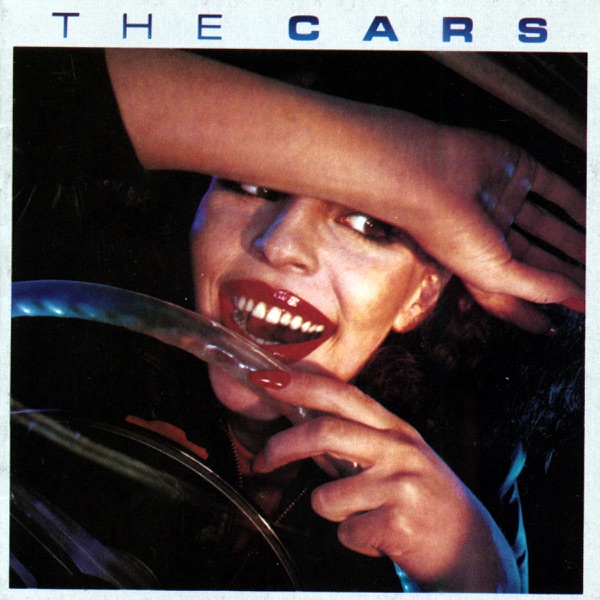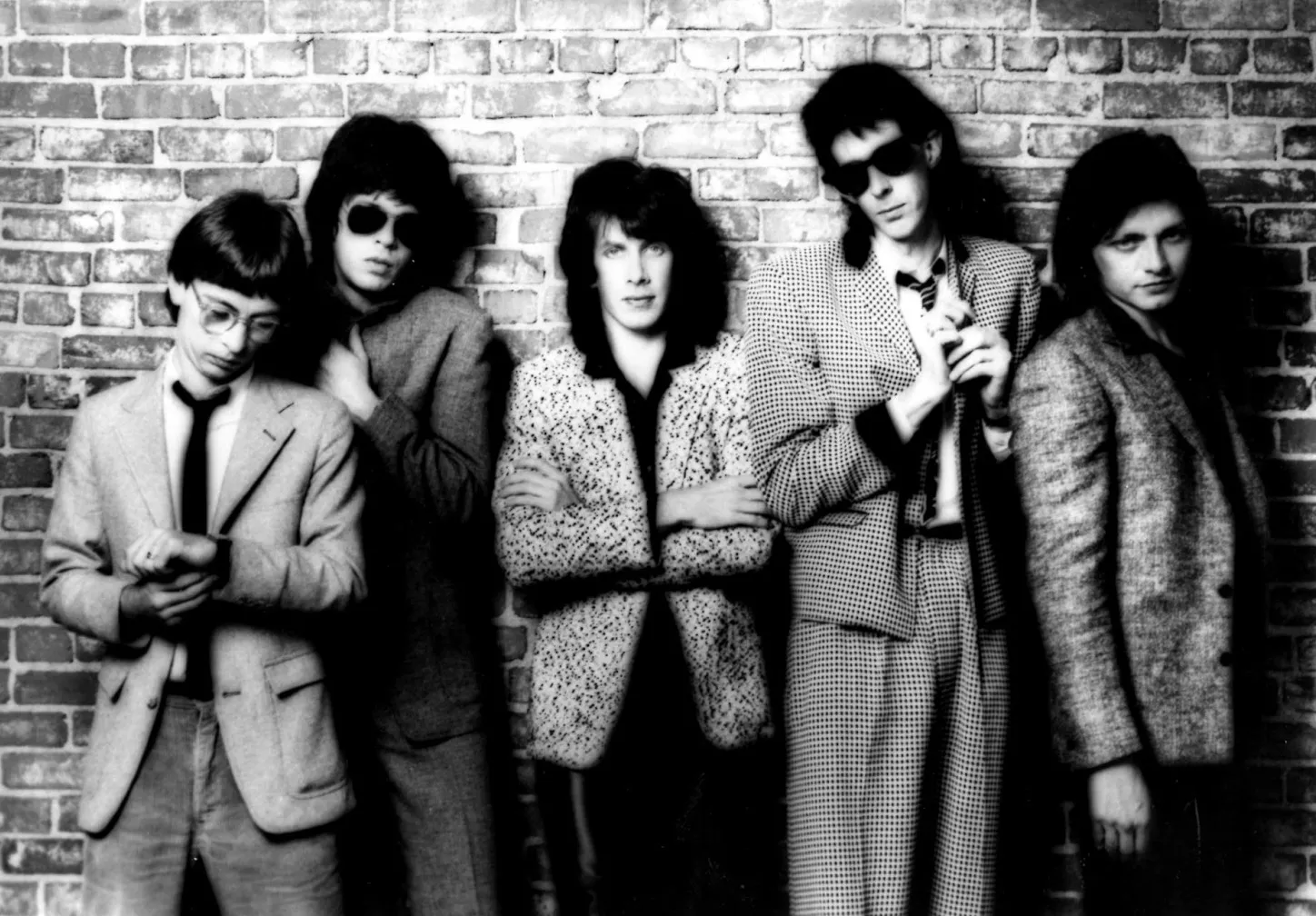
Photo by Lynn Goldsmith; Distributed by Elektra Records , licensed under Public domain · Wikimedia Commons
Rank #201
The Cars
Boston band whose Ric-Ocasek-led catchiness dominated late-70s rock radio.
From Wikipedia
The Cars were an American rock band formed in Boston in 1976. Emerging from the new wave scene in the late 1970s, they consisted of Ric Ocasek, Benjamin Orr, Elliot Easton, Greg Hawkes (keyboards) and David Robinson (drums). Ocasek and Orr shared lead vocals, with Ocasek often giving songs he felt were more "radio friendly" to Orr. Ric Ocasek was the band's leader and took sole song writing credits for practically every song, something that would lead to friction in the band later.
Studio Albums
- 1978 The Cars
- 1979 Candy‐O
- 1980 Panorama
- 1981 Shake It Up
- 1984 Heartbeat City
- 1987 Door to Door
- 2011 Move Like This
Source: MusicBrainz
Deep Dive
Overview
The Cars were an American rock band formed in Boston in 1976, emerging from the new wave scene to become one of the decade’s most commercially successful acts. Led by songwriter and frontman Ric Ocasek, the band combined new wave sensibilities with pop rock catchiness and power pop energy, creating a sound that proved ideally suited for rock radio. Their ability to balance artistic credibility with mainstream accessibility made them a defining presence on late-1970s and 1980s airwaves.
Formation Story
The Cars coalesced in Boston in 1976 around the creative partnership of Ric Ocasek and Benjamin Orr, who would share lead vocals throughout the band’s existence. The lineup solidified with Elliot Easton on guitar, Greg Hawkes on keyboards, and David Robinson on drums. Ocasek served as the band’s principal architect, taking songwriting credit for virtually every track in their catalogue. The songwriting concentration gave the band a singular vision but would later become a source of internal tension as other members sought creative recognition.
Breakthrough Moment
The Cars’ self-titled debut album in 1978 announced their arrival with immediate commercial and radio success. The record’s polished new wave production and infectious pop-rock hooks found an eager audience, establishing the band as a major commercial force. This rapid ascent was consolidated with Candy-O in 1979, which deepened their hold on rock radio and solidified their status as one of the era’s most commercially viable rock acts. By 1980, the band had moved beyond underground new wave credibility into mainstream rock superstardom.
Peak Era
The band’s creative and commercial zenith arrived with Heartbeat City in 1984, a polished, radio-dominant record that represented the apex of their formula. This period, spanning from the early 1980s through the mid-1980s, saw the band release a string of successful albums including Panorama (1980) and Shake It Up (1981). During these years, the Cars maintained their grip on rock radio through consistent touring and a steady stream of singles. The band’s ability to refresh their sound while maintaining their core identity kept them relevant across a shifting musical landscape.
Musical Style
The Cars’ sound synthesized new wave’s electronic textures and art-rock sensibility with the melodic directness of power pop and classic rock radio tradition. Greg Hawkes’ keyboard work provided the band with a contemporary sheen, while Elliot Easton’s guitar lines remained rooted in rock convention. Ocasek’s songwriting emphasizedsingular hooks and structured arrangements designed for radio play, with Benjamin Orr’s voice taking lead on songs Ocasek deemed particularly accessible. The band’s production was notably clean and studio-polished, with David Robinson’s drumming providing metronomic precision. Over their career, the band evolved from the rawer energy of their 1978 debut toward increasingly sophisticated studio arrangements, reaching a polished peak in the mid-1980s before returning to a more stripped-down approach on later records.
Major Albums
The Cars (1978)
The debut established the band’s template of melodic new wave hooks wrapped in radio-friendly arrangements. It announced a fully formed artistic vision and introduced audiences to the band’s distinctive combination of synthesizer-driven production and rock fundamentals.
Candy-O (1979)
Building directly on the debut’s formula, Candy-O deepened the band’s commercial foothold and refined their production approach. The record confirmed they were not a one-album phenomenon but a consistent commercial force.
Shake It Up (1981)
Released after Panorama, Shake It Up represented a turn toward slightly more energetic material. The album showcased the band’s ability to balance radio accessibility with substantive rock arrangements.
Heartbeat City (1984)
The band’s most commercially dominant record, Heartbeat City represented the apotheosis of their radio-friendly formula. Released after a three-year gap, it proved their staying power in a shifting musical landscape and marked the band’s commercial peak.
Door to Door (1987)
The final studio album of the band’s original run, Door to Door maintained the band’s professional studio approach while signaling a slight retreat from the maximalist production of Heartbeat City.
Signature Songs
- “My Best Friend’s Girl” — A power pop-inflected early single that exemplified Ocasek’s gift for infectious hooks wrapped in modern production.
- “Just What I Needed” — The debut album’s driving opener, establishing the band’s signature sound of synthesizers and rock guitar.
- “You All Cried Out” — A showcase for Benjamin Orr’s vocal capabilities on the more radio-friendly material Ocasek reserved for him.
- “Since You’re Gone” — A mid-career entry that demonstrated the band’s ability to evolve their formula while maintaining commercial instinct.
Influence on Rock
The Cars proved that new wave and power pop could achieve massive mainstream commercial success without sacrificing artistic coherence or modern production sensibilities. Their synthesis of electronic textures and rock fundamentals influenced how subsequent rock acts approached radio accessibility. The band demonstrated that new wave need not remain underground or art-school-oriented; it could achieve genuine mass-market dominance while maintaining credibility among rock audiences. Their template of accessible hooks married to contemporary production influenced how rock bands approached the 1980s, particularly the arena rock acts that sought to modernize their sound through synthesizer integration.
Legacy
The Cars disbanded in 1988 but their recordings remained central to rock radio programming throughout the 1990s and beyond. The band reunited periodically, including for tours and a final studio album, Move Like This, released in 2011. Their catalogue has remained in steady streaming circulation, with their peak-era records continuing to attract new listeners drawn to their particular synthesis of new wave and rock radio accessibility. The band’s influence extends beyond their commercial success; they demonstrated a viable path for art-school-influenced musicians to achieve genuine mass popularity.
Fun Facts
- Ric Ocasek’s exclusive songwriting credit, while giving the band artistic unity, created lasting friction within the lineup, as other members—particularly Benjamin Orr—sought compositional recognition.
- The band’s deliberate division of vocal duties, with Ocasek taking more experimental material and Orr handling radio-friendly songs, gave their records structural variety while capitalizing on each singer’s distinct vocal character.
- The three-year gap between Shake It Up (1981) and Heartbeat City (1984) represented a significant hiatus for a band at their commercial peak, yet they emerged from it with one of their most successful records.
- Greg Hawkes’ keyboard textures, often synthesizer-based, became as much a signature element of the band’s sound as Ocasek’s songwriting or Easton’s guitar work.
Discography & Previews
Click any album to expand its track list. Each track plays a 30-second preview streamed from Apple Music. Tap the link icon next to a track to open it in Apple Music for full playback.