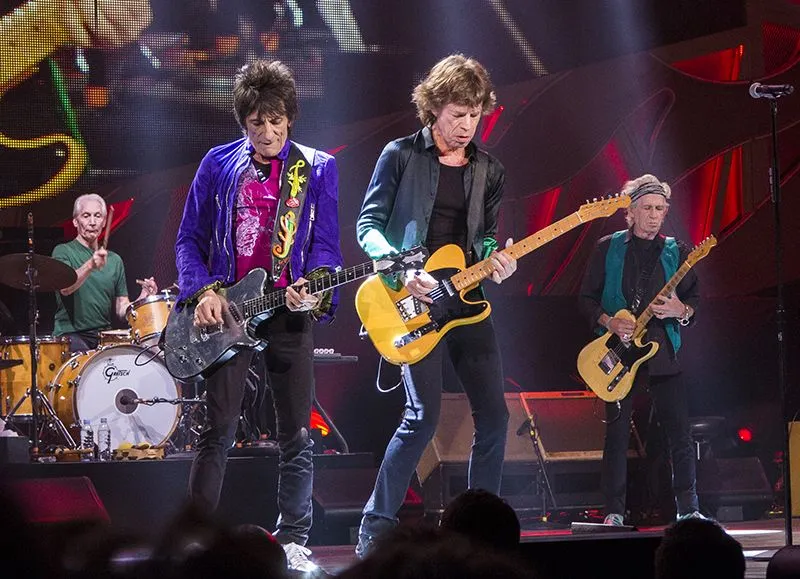
Photo by Jim Pietryga , licensed under CC BY-SA 3.0 · Wikimedia Commons
Rank #3
The Rolling Stones
The longest-running rock band, central to the British Invasion and beyond.
From Wikipedia
The Rolling Stones are an English rock band formed in London in 1962. Active for over six decades, they are one of the most popular, influential, and enduring bands of the rock era. In the early 1960s, the band pioneered the gritty, rhythmically driven sound that came to define hard rock. Their first stable line-up consisted of vocalist Mick Jagger, guitarist Keith Richards, multi-instrumentalist Brian Jones, bassist Bill Wyman, and drummer Charlie Watts, after pianist Ian Stewart was side-lined by their manager Andrew Loog Oldham. During their early years, Jones was the primary leader. Oldham encouraged them to write their own songs. The Jagger–Richards partnership soon became the band's primary songwriting and creative force.
Members
- Bill Wyman · bass guitar (1962–1993)
- Brian Jones · dulcimer (1962–1969)
- Carlo Little · drum kit (1962–1963)
- Colin Golding · bass guitar (1962–1962)
- Dick Taylor · bass guitar (1962–1962)
- Ian Stewart · piano (1962–1963)
- Keith Richards · guitar (1962–present)
- Mick Avory · drum kit (1962–1962)
- Mick Jagger · harmonica (1962–present)
- Ricky Fenson · bass guitar (1962–1963)
- Tony Chapman · drum kit (1962–1962)
- Charlie Watts · drum kit (1963–2021)
- Mick Taylor · guitar (1969–1974)
- Ronnie Wood · guitar (1975–present)
- Darryl Jones · drum kit (1993–present)
Studio Albums
- 1964 12 × 5
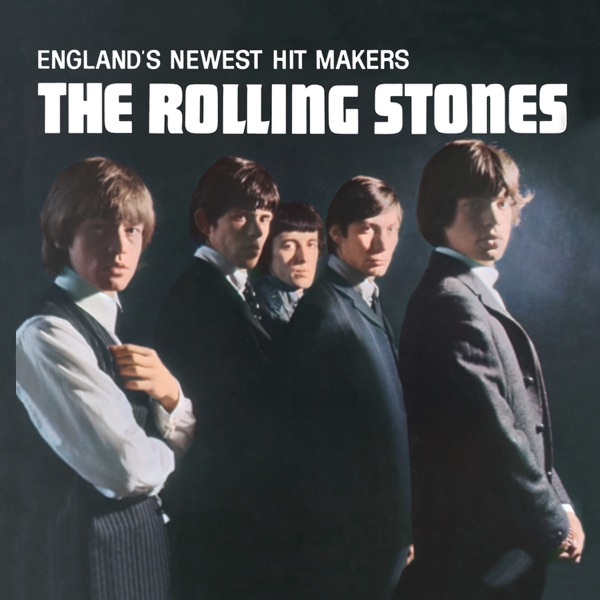
- 1964 England’s Newest Hit Makers
- 1965 The Rolling Stones, Now!
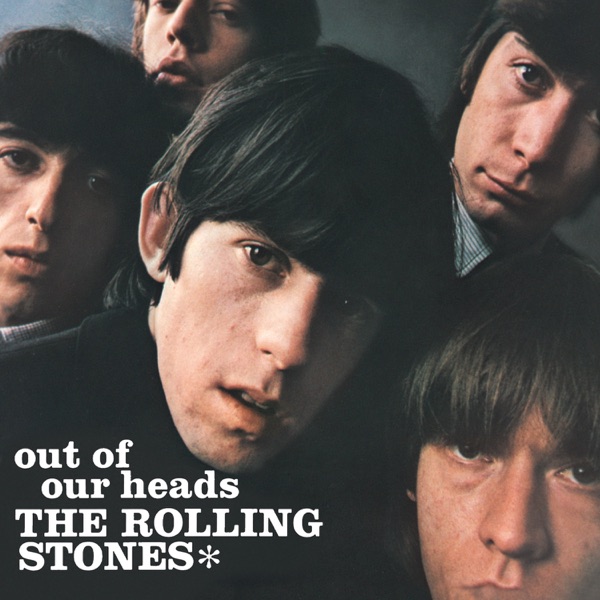
- 1965 Out of Our Heads
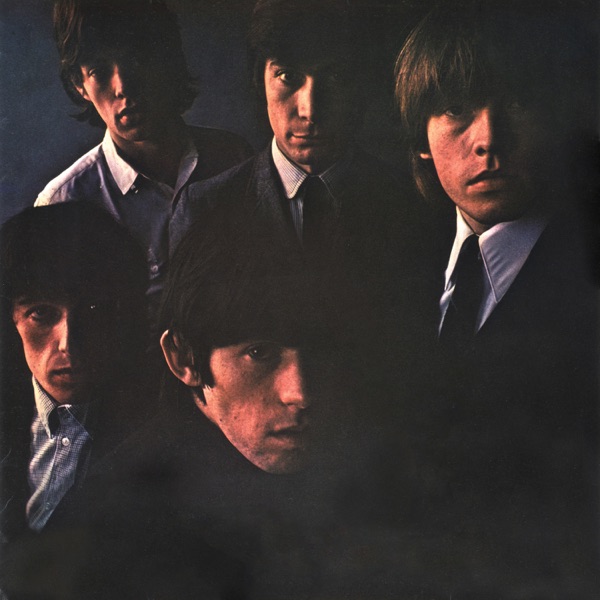
- 1965 The Rolling Stones No. 2
- 1965 December’s Children (and Everybody’s)
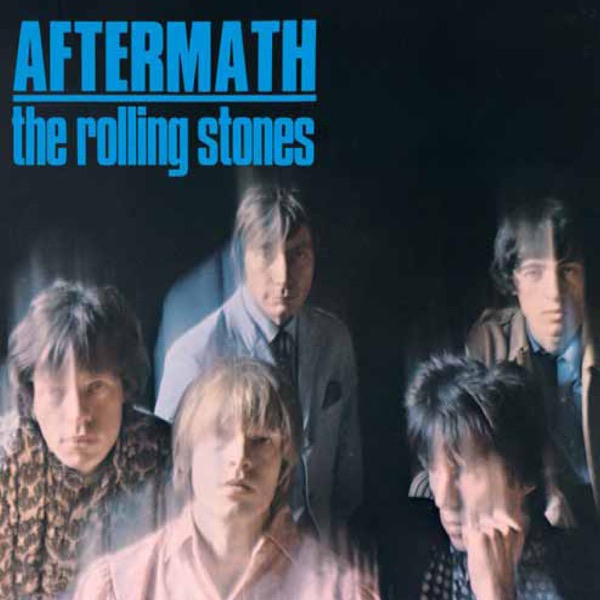
- 1966 Aftermath
- 1967 Their Satanic Majesties Request
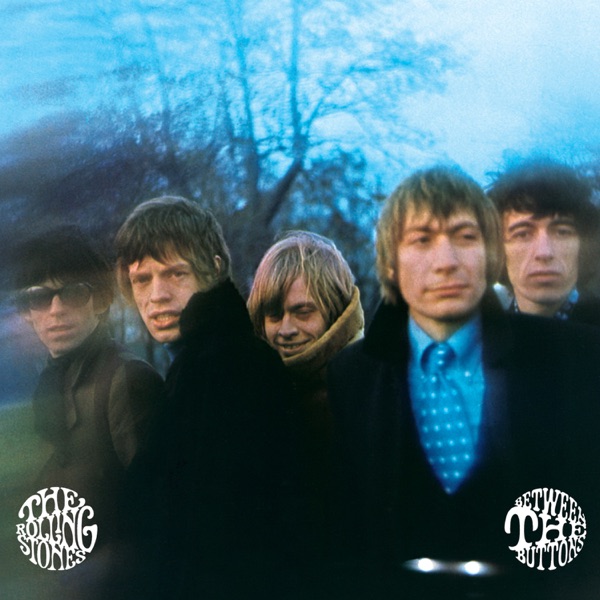
- 1967 Between the Buttons
- 1968 Beggars Banquet
- 1969 Let It Bleed
- 1971 Sticky Fingers
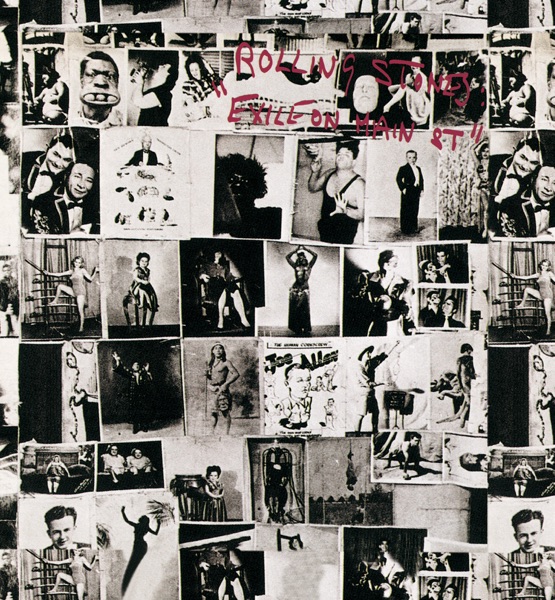
- 1972 Exile on Main St.
- 1973 Goats Head Soup
- 1974 It’s Only Rock ’n Roll
- 1976 Black and Blue
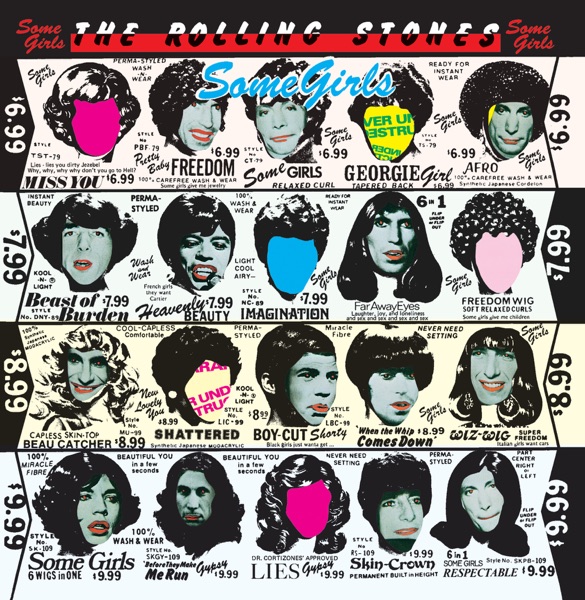
- 1978 Some Girls
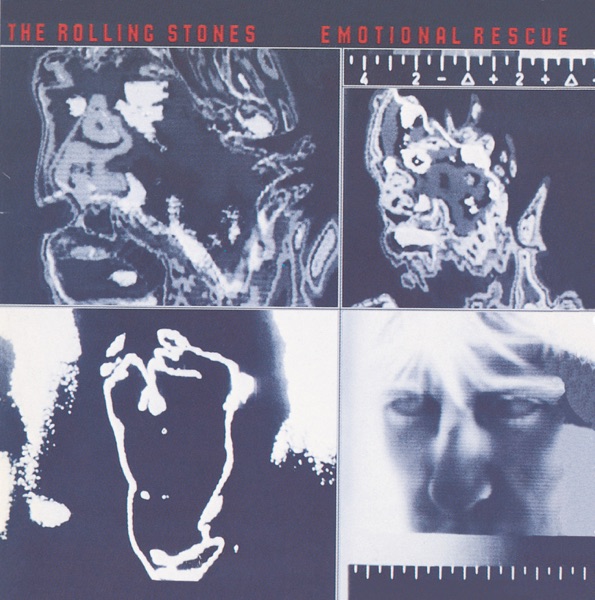
- 1980 Emotional Rescue
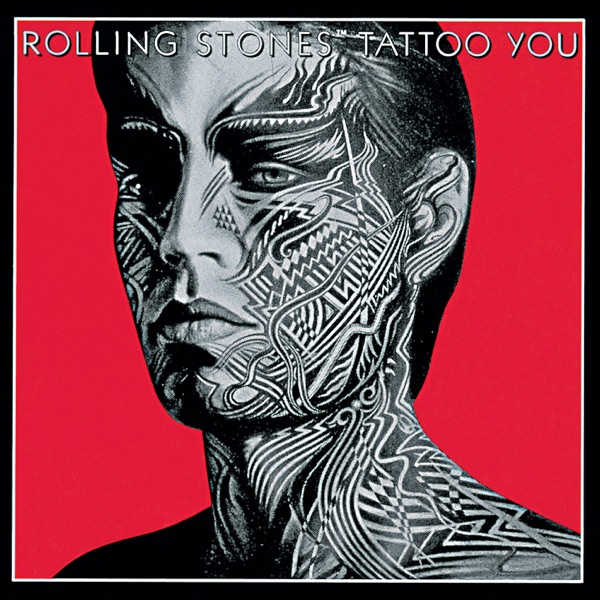
- 1981 Tattoo You
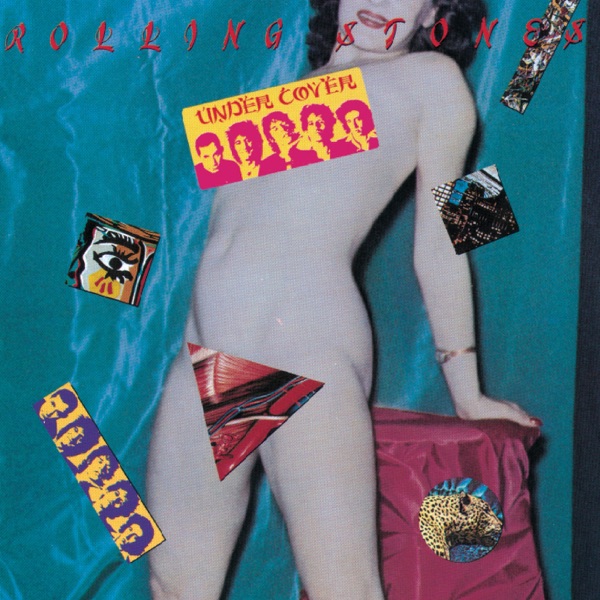
- 1983 Undercover
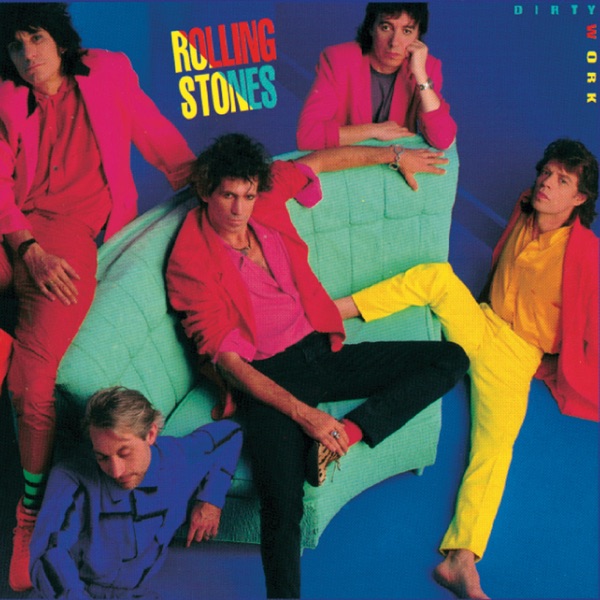
- 1986 Dirty Work
- 1989 Steel Wheels
- 1994 Voodoo Lounge
- 1997 Bridges to Babylon
- 2005 A Bigger Bang
- 2016 Blue & Lonesome
- 2023 Hackney Diamonds
Source: MusicBrainz
Deep Dive
Overview
The Rolling Stones are an English rock band formed in London in 1962, representing the longest continuous lineage of any major rock ensemble. Emerging from Dartford, they anchored the British Invasion and became architects of the gritty, rhythmically driven sound that would define hard rock and blues rock for generations. Over six decades of nearly uninterrupted activity, they established themselves as one of the most popular and influential bands in the rock era, demonstrating an unusual capacity for artistic reinvention and commercial longevity. Their synthesis of American blues traditions with a distinctly British sensibility created a template that countless rock and roll acts would follow.
Formation Story
The Rolling Stones coalesced from the London blues scene in 1962, drawing together musicians united by their devotion to American blues and rock and roll. Mick Jagger and Keith Richards, who had known each other since childhood in Dartford, became the core of the emerging ensemble. Joined by Brian Jones, who served as the band’s initial leader, along with bassist Bill Wyman and drummer Charlie Watts (who arrived in 1963 after a succession of earlier drummers including Tony Chapman, Carlo Little, and Mick Avory), the group solidified into the classic lineup that would define their formative era. Ian Stewart, a pianist, was an original member but was marginalized by manager Andrew Loog Oldham, who shaped the band’s public image and encouraged Jagger and Richards to develop their songwriting partnership. This creative pairing became the primary engine of the band’s output and artistic direction, displacing Jones’s early leadership and establishing a hierarchy that would persist for decades.
Breakthrough Moment
The Rolling Stones’ initial commercial breakthrough came swiftly in the early-to-mid 1960s as British rock bands gained unprecedented international traction. Their early albums—12 × 5 (1964), England’s Newest Hit Makers (1964), and The Rolling Stones (1964)—established them as leading figures in the British Invasion, a movement that brought a new energy and swagger to rock music. The band’s ability to absorb and reimagine American blues and R&B traditions while maintaining a distinctly British attitude distinguished them from their contemporaries. By 1965, with releases including Now!, Out of Our Heads, and The Rolling Stones No. 2, they had secured a place as major recording artists on both sides of the Atlantic. This period confirmed their status not merely as a singles band but as serious recording artists capable of sustaining album-length projects.
Peak Era
The Stones’ most creatively fertile and commercially dominant period extended from the late 1960s through the mid-1970s. Beggars Banquet (1968) marked a decisive return to blues-rooted material after their exploratory mid-decade phase, establishing a sonic and thematic template they would pursue with extraordinary results. Let It Bleed (1969) followed, consolidating this direction. The acquisition of guitarist Mick Taylor in 1969 added textural sophistication and lead-guitar prowess to their arrangements. The early 1970s saw the release of Sticky Fingers (1971), Exile on Main St. (1972), and Goats Head Soup (1973), a sequence of albums that established the Stones as masters of groove, economy, and emotional depth. It’s Only Rock ‘n Roll (1974) maintained momentum, though it marked a subtle shift toward a more polished production aesthetic. Ronnie Wood’s arrival in 1975 as a replacement for the departing Mick Taylor provided fresh energy and rekindled the band’s partnership dynamic, evident in the harder-edged Black and Blue (1976). This decade-long sequence remains the most consistently acclaimed period in the band’s discography.
Musical Style
The Rolling Stones’ sound derives from a deep absorption of American blues—particularly the Chicago electric blues of Muddy Waters and Howlin’ Wolf—filtered through a British sensibility that emphasized rhythm, groove, and swagger. In their early years, they favored straightforward, hard-driving arrangements built on Watts’s precise, jazz-influenced drumming and Wyman’s solid, unadorned bass lines, over which Jagger’s vocals delivered blues inflections with infectious charisma and Keith Richards’s guitar work provided both rhythmic anchoring and occasional lead flourishes. As the band matured, their arrangements grew more complex without sacrificing directness; the addition of Taylor’s lead guitar introduced greater harmonic and tonal range, while their approach to overdubbing and production became more adventurous. Their songwriting, dominated by the Jagger–Richards partnership from the mid-1960s onward, balances blues-traditional structures with pop sensibility, creating songs that function as both radio-friendly singles and album-oriented deep cuts. Across multiple decades and stylistic shifts—from psychedelia in the mid-1960s (Their Satanic Majesties Request, 1967) to the funk-influenced grooves of later decades—the band’s core identity remained rooted in blues tonality and rhythmic propulsion.
Major Albums
Beggars Banquet (1968)
Marking a deliberate return to blues fundamentals after the band’s more experimental mid-decade work, Beggars Banquet stands as a watershed moment in their catalog. The album’s raw production aesthetic and unflinching blues orientation—evident in tracks that emphasize Jagger’s vocal presence and the band’s collective groove—established the template for their most celebrated work. The record demonstrated that a major international rock band could retreat from contemporary studio sophistication and emerge stronger, more focused, and more artistically essential.
Exile on Main St. (1972)
Recorded during a period of personal and legal turmoil, Exile on Main St. remains one of rock’s most durable and richly detailed albums. Its production—deliberate yet layered, rough-hewn yet nuanced—created a sonic world of remarkable depth. The album’s marathon length and ambitious track selection showcase the Stones’ command of multiple tempos, moods, and approaches to blues-based rock, from ballads to shuffles to rock and roll sprints. Its influence on subsequent generations of rock and blues musicians proved immeasurable.
Some Girls (1978)
After a brief lull in commercial momentum, Some Girls reasserted the Stones’ relevance in the late 1970s disco and punk era. The album’s incorporation of contemporary production techniques and song structures—particularly the title track’s disco-inflected groove—proved that aging blues-rockers could engage with contemporary trends without sacrificing authenticity. The record’s commercial success re-established them as current artists rather than heritage acts, a distinction they would maintain through subsequent decades.
Signature Songs
While the Stones’ catalog spans more than fifty studio albums and countless singles, several compositions have become synonymous with the band’s identity and longevity. Sympathy for the Devil and Brown Sugar exemplify their mastery of blues-rock momentum and swagger. Jumpin’ Jack Flash, Start Me Up, and Angie showcase their range across tempos and emotional registers. Paint It Black, from Aftermath, demonstrates the Jagger–Richards partnership’s ability to craft sophisticated arrangements and lyrical complexity within a rock framework.
Influence on Rock
Few bands have exerted as pervasive an influence on rock music as the Rolling Stones. They validated the British rock band as a vehicle for blues reinterpretation and original composition, a model that shaped countless acts in their wake. Their longevity and willingness to evolve stylistically without abandoning core identity established a template for how major rock bands could sustain relevance across decades. Their emphasis on groove, rhythmic precision, and the primacy of the rhythm section over flashy lead work influenced hard rock, heavy metal, punk, and subsequently rap and hip-hop production. The Jagger–Richards songwriting partnership demonstrated that rock and roll could be a sophisticated creative endeavor worthy of serious critical attention. Their business acumen—particularly the establishment of Rolling Stones Records—pioneered models of artist autonomy that reshaped the relationship between musicians and record labels.
Legacy
The Rolling Stones’ position in rock culture reflects not merely their influence but their sustained presence as a working, touring, and recording entity. The death of Charlie Watts in 2021 marked the end of an era; Watts’s tenure from 1963 onward represented the longest continuous association of any member with the band, his precise, unshowy drumming integral to their sound across their most celebrated period. The addition of Darryl Jones on drums from 1993 onward, alongside Ronnie Wood’s long tenure as a guitarist, ensured the band’s continuation. Their 2023 album Hackney Diamonds demonstrated an ability to produce new material that engaged with their blues roots while remaining contemporary in production and sensibility. Streaming platforms have made their expansive catalog—from their 1964 debut through A Bigger Bang (2005) and beyond—continuously accessible to new generations of listeners. The Stones’ commercial appeal remains robust; they remain among the highest-grossing touring acts in music history, their concerts functioning as cultural events. Their influence on subsequent rock, blues, and popular music proves impossible to quantify precisely but equally impossible to overstate.
Fun Facts
- Brian Jones, the band’s original leader and multi-instrumentalist, contributed a dulcimer to the band’s arrangements before his departure in 1969; his early prominence in the band gradually diminished as the Jagger–Richards songwriting partnership came to dominate the group’s output.
- The band’s manager Andrew Loog Oldham deliberately marginalized pianist Ian Stewart after 1963, believing his presence undermined the band’s rebellious image, a decision that reflected the calculated image-making that became central to the Stones’ brand.
- Bill Wyman served as bassist from 1962 until his replacement by Darryl Jones in 1993, a tenure spanning three decades and encompassing the band’s most celebrated works and their continued evolution into the 1980s and early 1990s.
- Mick Taylor’s tenure as lead guitarist from 1969 to 1974 occurred during the band’s creative peak, his blues-influenced solos and tonal sophistication adding crucial dimension to albums like Sticky Fingers and Exile on Main St.
- The Rolling Stones’ record label history reflects their evolving business independence, moving across Decca, Atlantic, Virgin, and finally their own Rolling Stones Records, illustrating their strategic navigation of the music industry across multiple decades.
Discography & Previews
Click any album to expand its track list. Each track plays a 30-second preview streamed from Apple Music. Tap the link icon next to a track to open it in Apple Music for full playback.
- 1 Not Fade Away ↗ 1:49
- 2 Route 66 ↗ 2:22
- 3 I Just Want to Make Love to You ↗ 2:19
- 4 Honest I Do ↗ 2:11
- 5 Now I've Got a Witness ↗ 2:32
- 6 Little By Little ↗ 2:41
- 7 I'm a King Bee ↗ 2:37
- 8 Carol ↗ 2:35
- 9 Tell Me ↗ 4:06
- 10 Can I Get a Witness ↗ 2:57
- 11 You Can Make It If You Try ↗ 2:02
- 12 Walking the Dog ↗ 3:10

- 1 Everybody Needs Somebody to Love ↗ 2:59
- 2 Down Home Girl ↗ 4:13
- 3 You Can't Catch Me ↗ 3:40
- 4 Heart of Stone ↗ 2:50
- 5 What a Shame ↗ 3:07
- 6 Mona (I Need You Baby) ↗ 3:35
- 7 Down the Road a Piece ↗ 2:56
- 8 Off the Hook ↗ 2:35
- 9 Pain In My Heart ↗ 2:12
- 10 Oh Baby (We Got a Good Thing Goin') ↗ 2:09
- 11 Little Red Rooster ↗ 3:07
- 12 Surprise, Surprise ↗ 2:33
- 1 Mercy Mercy ↗ 2:47
- 2 Hitch Hike ↗ 2:26
- 3 The Last Time ↗ 3:42
- 4 That's How Strong My Love Is ↗ 2:26
- 5 Good Times ↗ 1:59
- 6 I'm Alright ↗ 2:25
- 7 (I Can't Get No) Satisfaction ↗ 3:43
- 8 Cry to Me ↗ 3:10
- 9 The Under Assistant West Coast Promotion Man ↗ 3:07
- 10 Play With Fire ↗ 2:15
- 11 The Spider and the Fly ↗ 3:40
- 12 One More Try ↗ 1:57
- 1 Everybody Needs Somebody to Love ↗ 5:04
- 2 Down Home Girl ↗ 4:13
- 3 You Can't Catch Me ↗ 3:40
- 4 Time Is On My Side ↗ 3:00
- 5 What a Shame ↗ 3:05
- 6 Grown Up Wrong ↗ 2:06
- 7 Down the Road Apiece ↗ 2:56
- 8 Under the Boardwalk ↗ 2:47
- 9 I Can't Be Satisfied ↗ 3:28
- 10 Pain In My Heart ↗ 2:12
- 11 Off the Hook ↗ 2:35
- 12 Susie Q ↗ 1:50

- 1 She Said Yeah ↗ 1:35
- 2 Talkin' About You ↗ 2:31
- 3 You Better Move On ↗ 2:41
- 4 Look What You've Done ↗ 2:17
- 5 The Singer Not the Song ↗ 2:24
- 6 Route 66 ↗ 2:40
- 7 Get Off of My Cloud ↗ 2:56
- 8 I'm Free ↗ 2:24
- 9 As Tears Go By ↗ 2:46
- 10 Gotta Get Away ↗ 2:07
- 11 Blue Turns to Grey ↗ 2:29
- 12 I'm Moving On ↗ 2:15

- 1 Let's Spend the Night Together ↗ 3:37
- 2 Yesterday's Papers ↗ 2:05
- 3 Ruby Tuesday ↗ 3:16
- 4 Connection ↗ 2:10
- 5 She Smiled Sweetly ↗ 2:46
- 6 Cool, Calm & Collected ↗ 4:19
- 7 All Sold Out ↗ 2:19
- 8 My Obsession ↗ 3:18
- 9 Who's Been Sleeping Here? ↗ 3:57
- 10 Complicated ↗ 3:17
- 11 Miss Amanda Jones ↗ 2:48
- 12 Something Happened to Me Yesterday ↗ 4:55


- 1 Gimme Shelter (Remastered 2019) ↗ 4:31
- 2 Love In Vain (Remastered 2019) ↗ 4:19
- 3 Country Honk (Remastered 2019) ↗ 3:08
- 4 Live with Me (Remastered 2019) ↗ 3:33
- 5 Let It Bleed (Remastered 2019) ↗ 5:28
- 6 Midnight Rambler (Remastered 2019) ↗ 6:53
- 7 You Got the Silver (Remastered 2019) ↗ 2:51
- 8 Monkey Man (Remastered 2019) ↗ 4:12
- 9 You Can't Always Get What You Want (Remastered 2019) ↗ 7:28

- 1 Rocks Off ↗ 4:33
- 2 Rip This Joint ↗ 2:23
- 3 Shake Your Hips ↗ 2:59
- 4 Casino Boogie ↗ 3:35
- 5 Tumbling Dice ↗ 3:47
- 6 Sweet Virginia ↗ 4:26
- 7 Torn And Frayed ↗ 4:18
- 8 Sweet Black Angel ↗ 2:58
- 9 Loving Cup ↗ 4:26
- 10 Happy ↗ 3:05
- 11 Turd On The Run ↗ 2:38
- 12 Ventilator Blues ↗ 3:24
- 13 I Just Want To See His Face ↗ 2:54
- 14 Let It Loose ↗ 5:19
- 15 All Down The Line ↗ 3:50
- 16 Stop Breaking Down ↗ 4:35
- 17 Shine A Light ↗ 4:17
- 18 Soul Survivor ↗ 3:49

- 1 If You Can't Rock Me ↗ 3:47
- 2 Ain't Too Proud to Beg ↗ 3:31
- 3 It's Only Rock 'N' Roll (But I Like It) ↗ 5:07
- 4 Till the Next Goodbye ↗ 4:37
- 5 Time Waits for No One ↗ 6:39
- 6 Luxury ↗ 5:02
- 7 Dance Little Sister ↗ 4:12
- 8 If You Really Want to Be My Friend ↗ 6:17
- 9 Short and Curlies ↗ 2:44
- 10 Fingerprint File ↗ 6:33

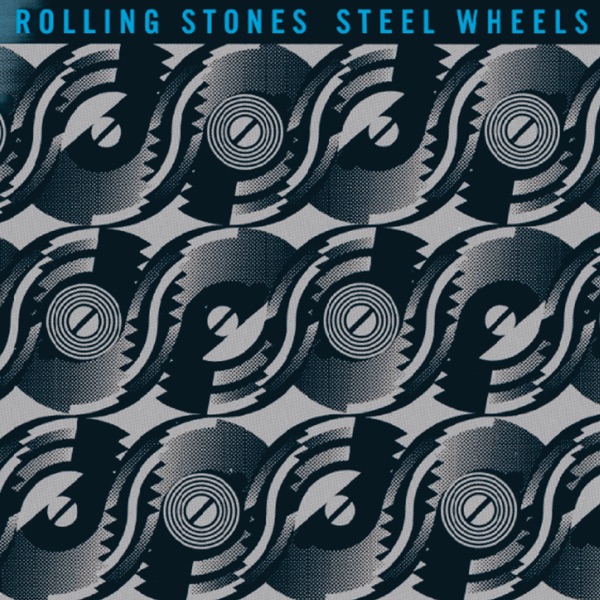
- 1 Sad Sad Sad ↗ 3:36
- 2 Mixed Emotions ↗ 4:39
- 3 Terrifying ↗ 4:54
- 4 Hold On to Your Hat ↗ 3:32
- 5 Hearts for Sale ↗ 4:41
- 6 Blinded By Love ↗ 4:37
- 7 Rock and a Hard Place ↗ 5:25
- 8 Can't Be Seen ↗ 4:10
- 9 Almost Hear You Sigh ↗ 4:37
- 10 Continental Drift ↗ 5:15
- 11 Break the Spell ↗ 3:07
- 12 Slipping Away ↗ 4:30

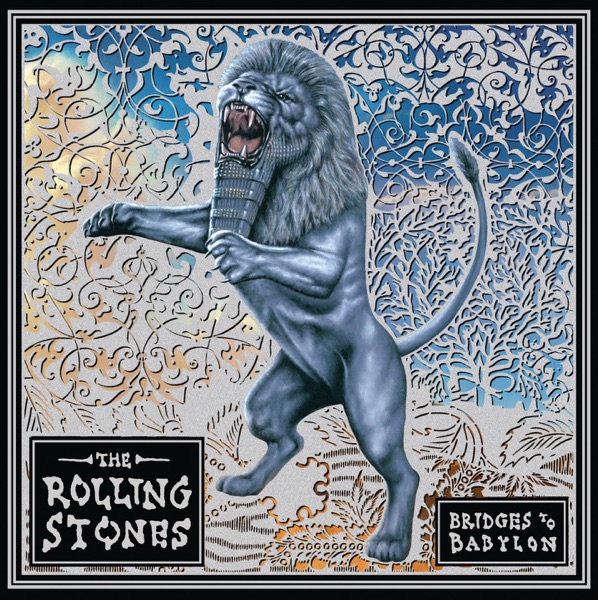
- 1 Flip The Switch ↗ 3:27
- 2 Anybody Seen My Baby? ↗ 4:31
- 3 Low Down ↗ 4:26
- 4 Already Over Me ↗ 5:24
- 5 Gunface ↗ 5:02
- 6 You Don't Have To Mean It ↗ 3:44
- 7 Out Of Control ↗ 4:44
- 8 Saint Of Me ↗ 5:15
- 9 Might As Well Get Juiced ↗ 5:23
- 10 Always Suffering ↗ 4:44
- 11 Too Tight ↗ 3:37
- 12 Thief In The Night ↗ 5:16
- 13 How Can I Stop ↗ 6:54
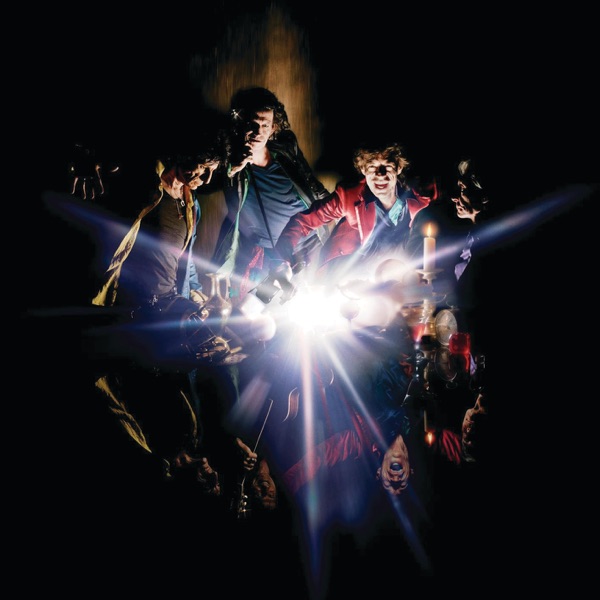
- 1 Rough Justice ↗ 3:12
- 2 Let Me Down Slow ↗ 4:16
- 3 It Won't Take Long ↗ 3:55
- 4 Rain Fall Down ↗ 4:54
- 5 Streets Of Love ↗ 5:10
- 6 Back Of My Hand ↗ 3:33
- 7 She Saw Me Coming ↗ 3:12
- 8 Biggest Mistake ↗ 4:06
- 9 This Place Is Empty ↗ 3:17
- 10 Oh No, Not You Again ↗ 3:47
- 11 Dangerous Beauty ↗ 3:48
- 12 Laugh, I Nearly Died ↗ 4:54
- 13 Sweet Neo Con ↗ 4:34
- 14 Look What The Cat Dragged In ↗ 3:57
- 15 Driving Too Fast ↗ 3:57
- 16 Infamy ↗ 3:48
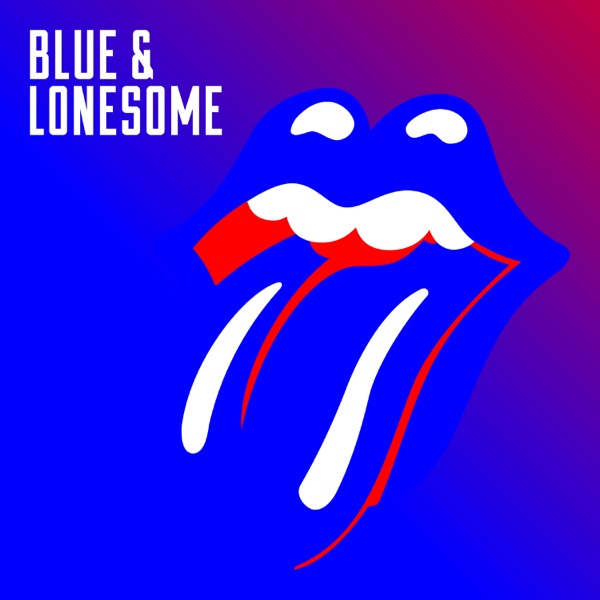
- 1 Just Your Fool ↗ 2:16
- 2 Commit a Crime ↗ 3:38
- 3 Blue and Lonesome ↗ 3:07
- 4 All of Your Love ↗ 4:47
- 5 I Gotta Go ↗ 3:26
- 6 Everybody Knows About My Good Thing ↗ 4:31
- 7 Ride 'Em On Down ↗ 2:49
- 8 Hate to See You Go ↗ 3:21
- 9 Hoo Doo Blues ↗ 2:37
- 10 Little Rain ↗ 3:32
- 11 Just Like I Treat You ↗ 3:25
- 12 I Can't Quit You Baby ↗ 5:13