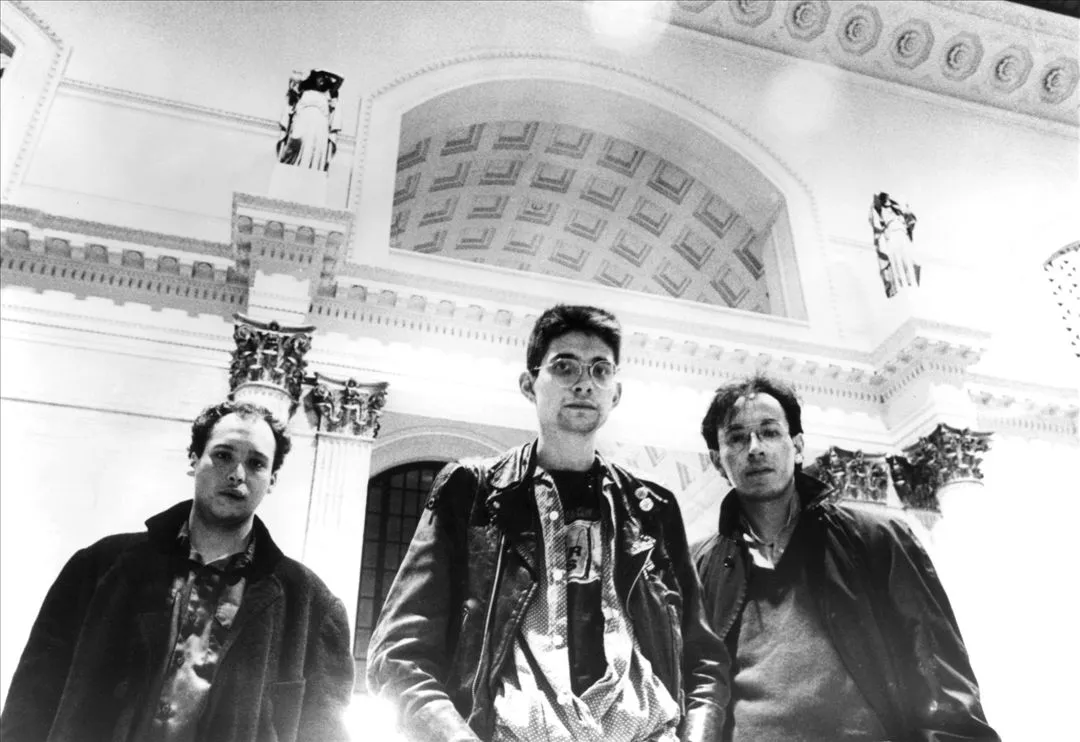
Photo by Photograph by John Bohnen ("Spell it right, fucker"). , licensed under Public domain · Wikimedia Commons
Rank #437
Big Black
Steve Albini's drum-machine-and-knives noise-rock trio.
From Wikipedia
Big Black was an American punk rock band from Evanston, Illinois, active from 1981 to 1987. Founded first as a solo project by singer and guitarist Steve Albini, the band became a trio with an initial lineup that included guitarist Santiago Durango and bassist Jeff Pezzati, both of Naked Raygun. In 1985, Pezzati was replaced by Dave Riley, who played on Big Black's two full-length studio albums, Atomizer (1986) and Songs About Fucking (1987).
Members
- Steve Albini (1982–1987)
- Jeff Pezzati (1983–1984)
- Santiago Durango (1983–1987)
- Dave Riley (1985–1987)
- Roland
Studio Albums
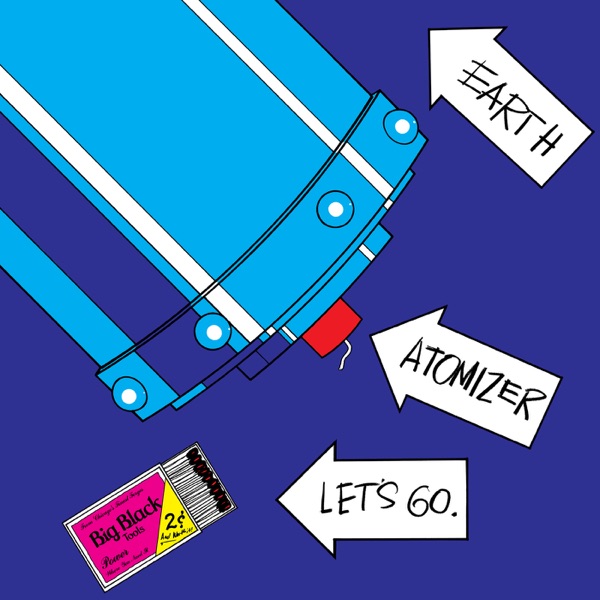
- 1986 Atomizer
- 1987 Songs About Fucking
- — Live 1986
Source: MusicBrainz
Deep Dive
Overview
Big Black was an American noise rock band from Evanston, Illinois, that operated from 1981 to 1987. The trio, anchored by guitarist and vocalist Steve Albini, built a reputation for a confrontational sound that fused post-punk austerity with abrasive, machine-like guitar work and Albini’s signature use of a drum machine in place of a traditional drummer. Though the band’s commercial reach remained limited during its lifetime, Big Black’s two studio albums—Atomizer (1986) and Songs About Fucking (1987)—would come to exert substantial influence on noise rock, post-hardcore, and the broader underground rock landscape of the late 1980s and beyond.
Formation Story
Big Black began as a solo project by Steve Albini in 1982, before coalescing into a full ensemble lineup in 1983. The initial trio paired Albini’s guitar and vocals with Santiago Durango on second guitar and Jeff Pezzati on bass. Both Durango and Pezzati came from Naked Raygun, an Evanston post-punk band, bringing a disciplined post-punk sensibility to Albini’s more abstract, noise-driven vision. Albini’s decision to employ a drum machine rather than recruit a live drummer became central to the band’s identity from the outset, establishing a mechanical, relentless rhythmic foundation that would define their recorded output. In 1985, Pezzati departed and was replaced by bassist Dave Riley, who anchored the band through its final two years and both of its full-length studio albums.
Breakthrough Moment
Big Black’s initial recognition came through underground and independent release channels. The band released material on smaller labels—Ruthless Records, Blast First, and Touch and Go Records—that cultivated devoted audiences within post-punk and noise rock circles. The release of Atomizer in 1986 marked a turning point, presenting a fully realized vision of Big Black’s sound and attracting wider attention within the independent rock community. The album’s uncompromising aesthetic and Albini’s distinctive guitar textures began to circulate among critics and musicians who tracked the avant-garde edges of rock music. By the time Songs About Fucking appeared in 1987, Big Black had secured a position as one of the more challenging and sonically inventive bands of the mid-1980s underground.
Peak Era
Big Black’s creative peak and period of greatest visibility spanned 1986 to 1987, encompassing the release and touring cycle of both Atomizer and Songs About Fucking. During these final years, the band refined its approach while maintaining an unflinching commitment to experimentation and sonic extremity. The rigid, dissonant guitar lines, the implacable drum machine, and Albini’s often anguished vocal delivery created a sound that was simultaneously structured and chaotic. The band’s live performances during this period became notorious for their intensity; though their studio catalog remained sparse, the albums and touring reinforced Big Black’s standing as an essential reference point for musicians and listeners seeking music that pushed against rock convention. The band dissolved in 1987, ceasing before the broader breakthrough of noise rock in the 1990s.
Musical Style
Big Black’s sound emerged from post-punk’s structural clarity and minimalism, but pushed toward noise and dissonance rather than pop melody. Albini’s guitar playing favored harsh, repetitive riffs and atonal textures over conventional chord progressions, often sounding closer to an industrial instrument than a traditional rock guitar. The drum machine provided metronomic precision and an almost anti-human regularity that intensified the music’s alienating quality. Dave Riley’s bass work supplied low-end weight and occasional melodic counterpoint, grounding the arrangements even as the guitar work grew more abstract. Albini’s vocals ranged from spoken or shouted delivery to anguished, high-register cries, reinforcing the music’s emotional register as one of anxiety, aggression, and refusal. The overall aesthetic was one of calculated discomfort—rock music stripped of gentleness, prettiness, or conventional rock and roll pleasure.
Major Albums
Atomizer (1986)
Big Black’s debut full-length synthesized their post-punk origins and noise-rock ambitions into a cohesive statement, with tracks built from grinding guitar riffs, mechanical drum patterns, and lyrics that engaged industrial and urban themes. The album established the template that the band would refine immediately thereafter.
Songs About Fucking (1987)
The band’s second and final studio album deepened their exploration of dissonance and structural abstraction, cementing Big Black as uncompromising architects of noise rock. Released in the year of the band’s breakup, it remains their most well-known work among musicians and critics tracking the origins of noise and post-hardcore music.
Signature Songs
- Bitches Brew — A descending, repetitive guitar motif anchors one of Big Black’s most immediately recognizable compositions, exemplifying Albini’s gift for memorable riffs within an abrasive context.
- Keener Than Seeing/20 Times a Night — A showcase for the mechanical precision of the drum machine and the way Big Black could build tension through relentless repetition.
- Babyface — Demonstrates Albini’s range as a lyricist and vocalist, pairing abstract, unsettling vocals with some of the band’s most guitar-driven passages.
- L Dopa — A disorienting, high-energy track that captures the band’s capacity to unsettle and provoke through pure sound and intensity.
Influence on Rock
Though Big Black had disbanded by 1987, their impact on subsequent noise rock, post-hardcore, and experimental rock cannot be overstated. The band’s model—lean, guitar-driven, uninterested in mainstream appeal or accessibility—influenced countless acts that emerged from the underground in the 1990s. The use of dissonance as an emotional or artistic end in itself, rather than as a flaw to be overcome, became a touchstone for noise rock bands of the following decade. Steve Albini’s approach to guitar tone and production would also inform his later work as a recording engineer and studio owner, shaping the sound of hundreds of independent and alternative bands. Big Black’s refusal to compromise their vision, combined with the release of live recordings and the eventual reissue of their studio catalog, ensured that subsequent generations of musicians could access and learn from their work.
Legacy
Big Black’s legacy rests on their role as pioneers of noise rock and their demonstration that abstract, hostile, and unlyrical-friendly music could sustain a career, however briefly. The band’s two studio albums have remained continuously available and have been reissued multiple times, ensuring that their work circulates among musicians, critics, and fans invested in experimental rock history. Steve Albini’s subsequent decades as a recording engineer—working with artists across multiple genres and operating his own studio—have further cemented Big Black’s historical significance, as Albini’s influence extended well beyond the band’s initial run. While Big Black never achieved mainstream recognition during their seven-year existence, their standing within underground and academic discussions of rock music has only strengthened, and both Atomizer and Songs About Fucking are widely recognized as essential reference points in the genealogy of noise rock and post-hardcore music.
Fun Facts
- Steve Albini’s decision to use a drum machine instead of hiring a live drummer was partly economic, but became one of the band’s most distinctive features, contributing to the mechanical, inhuman quality of their sound.
- Big Black was based in Evanston, Illinois, a Midwestern location that placed them outside the more visible scenes of New York, Los Angeles, and London, yet they maintained connections with the post-punk heritage of their hometown through Naked Raygun’s influence on founding members Durango and Pezzati.
- The band’s second album title, Songs About Fucking, deliberately courted controversy and was issued with intentionally obscured or altered cover art by some retailers, reflecting the band’s commitment to provocative artistic presentation.
Discography & Previews
Click any album to expand its track list. Each track plays a 30-second preview streamed from Apple Music. Tap the link icon next to a track to open it in Apple Music for full playback.