Photo by Kylecherops , licensed under CC BY-SA 3.0 · Wikimedia Commons
Rank #338
Death from Above 1979
Toronto bass-and-drums duo of distorted dance-punk.
From Wikipedia
Death from Above 1979 is a Canadian rock duo from Toronto, Ontario, formed in 2001 by bassist Jesse F. Keeler and drummer and vocalist Sebastien Grainger. The band released their debut album, You're a Woman, I'm a Machine, in 2004 and broke up in 2006. They reformed in 2011 and released their second album, The Physical World, in 2014. Since then the band has released two more albums, Outrage! Is Now in 2017 and Is 4 Lovers in 2021.
Members
- Jesse F. Keeler
- Sebastien Grainger
Studio Albums
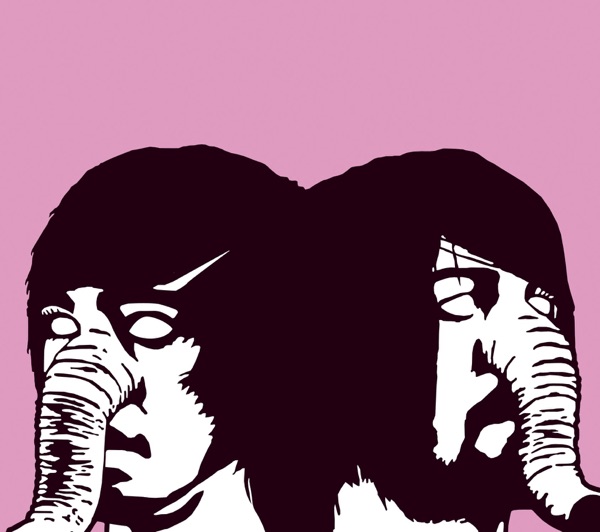
- 2004 You’re a Woman, I’m a Machine
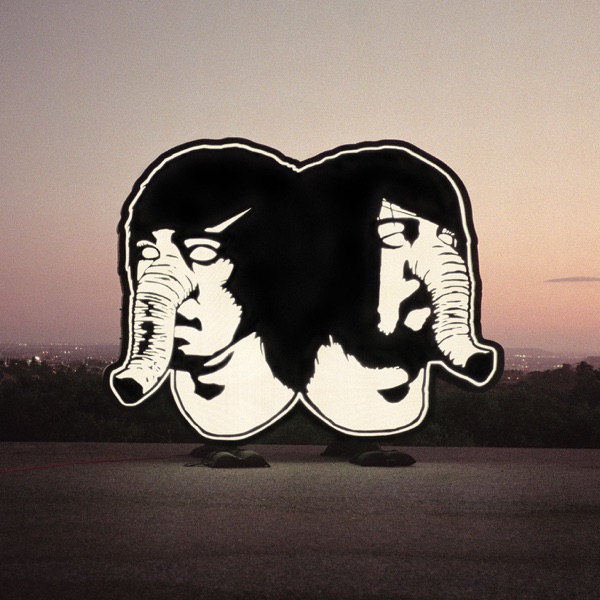
- 2014 The Physical World
- 2017 Outrage! Is Now
- 2021 Is 4 Lovers
Source: MusicBrainz
Deep Dive
Overview
Death from Above 1979 is a Canadian rock duo from Toronto, Ontario, consisting of bassist Jesse F. Keeler and drummer and vocalist Sebastien Grainger. The band operates as a stripped-down, high-impact two-piece, channeling distorted bass, live drums, and raw vocal delivery into a hybrid sound that sits at the intersection of noise rock and dance-punk. Since their formation in the early 2000s, they have become emblematic of a particular strain of Canadian indie and alternative rock—one that prizes kinetic energy and sonic texture over conventional song structure or polish.
Formation Story
Death from Above 1979 came together in Toronto in 2001 and 2002, when Keeler and Grainger began collaborating as a duo. The city’s music landscape at the turn of the millennium was marked by a thriving underground and indie scene, and the pair’s decision to work as a bass-and-drums outfit was itself a radical simplification in an era when many rock bands still clung to the three- or four-piece format. This minimalist setup became their defining characteristic: all songs would flow through the interplay of heavily distorted bass and pounding, often loose drumming, with Grainger’s vocals layered atop.
Breakthrough Moment
Death from Above 1979 released their debut album, You’re a Woman, I’m a Machine, in 2004 on Last Gang Records. The record announced the duo with significant impact, introducing their abrasive, propulsive sound to critics and underground audiences across North America and Europe. The album’s combination of abstract noise textures and infectious bass-driven rhythm hooks set them apart from both conventional punk bands and the broader post-rock and math-rock movements of the time. By the mid-2000s, they had gained a reputation for explosive live performances and had begun to circulate widely among indie rock audiences.
Peak Era
The band broke up in 2006 but reunited in 2011, a return that signaled both a resurgence of interest in their catalogue and a decision by Keeler and Grainger to continue their musical partnership. This second phase of their career yielded The Physical World in 2014, followed by Outrage! Is Now in 2017 and Is 4 Lovers in 2021. These three albums demonstrate an ongoing commitment to their core sound while revealing subtle shifts in production approach and songwriting emphasis, with the later records showing greater integration of electronic elements and refined song arrangement alongside their foundational noise and distortion.
Musical Style
Death from Above 1979’s sound is rooted in the interaction between Keeler’s heavily overdriven bass guitar and Grainger’s live, often deliberately sloppy drumming. The bass operates as both a rhythmic anchor and a lead melodic voice, often pushed through distortion pedals and amplification rigs that yield a thick, fuzzy tone reminiscent of both punk rock and industrial music. Grainger’s drumming is loose and energetic rather than metronomic, creating a sense of controlled chaos that distinguishes their work from the tighter, more technical approaches of post-punk revival bands. His vocal delivery is urgent and sometimes shouted, rarely taking a lead role in traditional verses and choruses but instead functioning as another textural and rhythmic element. The duo’s approach strips rock music to its elemental components—low-end power, percussion, and voice—and then floods those components with distortion, feedback, and production techniques borrowed from noise music and electronic production.
Major Albums
You’re a Woman, I’m a Machine (2004)
The debut introduced the duo’s signature two-piece assault, combining heavily processed bass riffs with driving drums and sparse, shouted vocals across ten tracks that blur the line between punk rock energy and noise art.
The Physical World (2014)
Their reunion album refined the formula without abandoning it, featuring cleaner production values and more developed song structures while retaining the distorted bass and pounding drums that defined them.
Outrage! Is Now (2017)
This record continued to expand their sonic palette, incorporating additional electronic production touches and demonstrating increased compositional complexity across a stronger set of individual songs.
Is 4 Lovers (2021)
Their most recent studio album, released a decade after The Physical World, shows the band’s continued commitment to their core sound, balancing established aesthetics with ongoing experimentation.
Signature Songs
- Romantic Rights — A driving bass-forward track that exemplifies their ability to create dance-punk momentum from pure distortion.
- Sexy Results — A showcase for Keeler’s overdriven bass as both rhythmic and melodic force, with Grainger’s percussion providing urgency.
- Government Trash — A loud, direct expression of their noise-rock foundations, demonstrating their comfort with raw, unpolished textures.
- Trainwreck 1979 — Among their most recognizable works, layering infectious bass patterns beneath urgent vocal delivery.
Influence on Rock
Death from Above 1979 arrived during a period when rock music was diversifying into increasingly specific niches and sub-genres. Their insistence on working as a duo—dispensing with guitarist, second drummer, or keyboard player—represented a deliberate counter-current to the expanding arrangements and production complexity of 2000s alternative and indie rock. They demonstrated that rock music could retain power and danceability while embracing noise, distortion, and abstraction. Their influence extends through later noise-rock and post-punk revival acts, many of whom drew inspiration from the duo’s willingness to treat the bass guitar as a primary creative instrument and their comfort with sonic harshness paired with rhythmic clarity.
Legacy
Since their 2011 reunion, Death from Above 1979 have maintained an active recording and touring presence, establishing themselves as a permanent fixture of Canadian rock music and a respected presence within the international indie and alternative rock community. Their four albums span nearly two decades of recording, and their aesthetic—the two-piece with distorted bass and live drums—has proven enduring and influential among musicians interested in stripped-down, high-impact rock arrangements. Their catalogue remains in steady circulation on streaming platforms, and their reputation continues to draw new audiences to their work, particularly among listeners interested in the intersection of punk, noise, and dance music.
Fun Facts
- The band’s name references the year 1979, which carries cultural and musical significance in punk and post-punk history, though the duo itself formed more than two decades later.
- Death from Above 1979 released all four of their studio albums on independent or alternative record labels, including Last Gang Records and Ache Records, maintaining creative autonomy throughout their career.
- The band’s decision to disband in 2006 after only two years of major-label activity and then reunite in 2011 reflects the growing trend of artists revisiting earlier projects and re-evaluating their creative legacies in the streaming era.
Discography & Previews
Click any album to expand its track list. Each track plays a 30-second preview streamed from Apple Music. Tap the link icon next to a track to open it in Apple Music for full playback.