
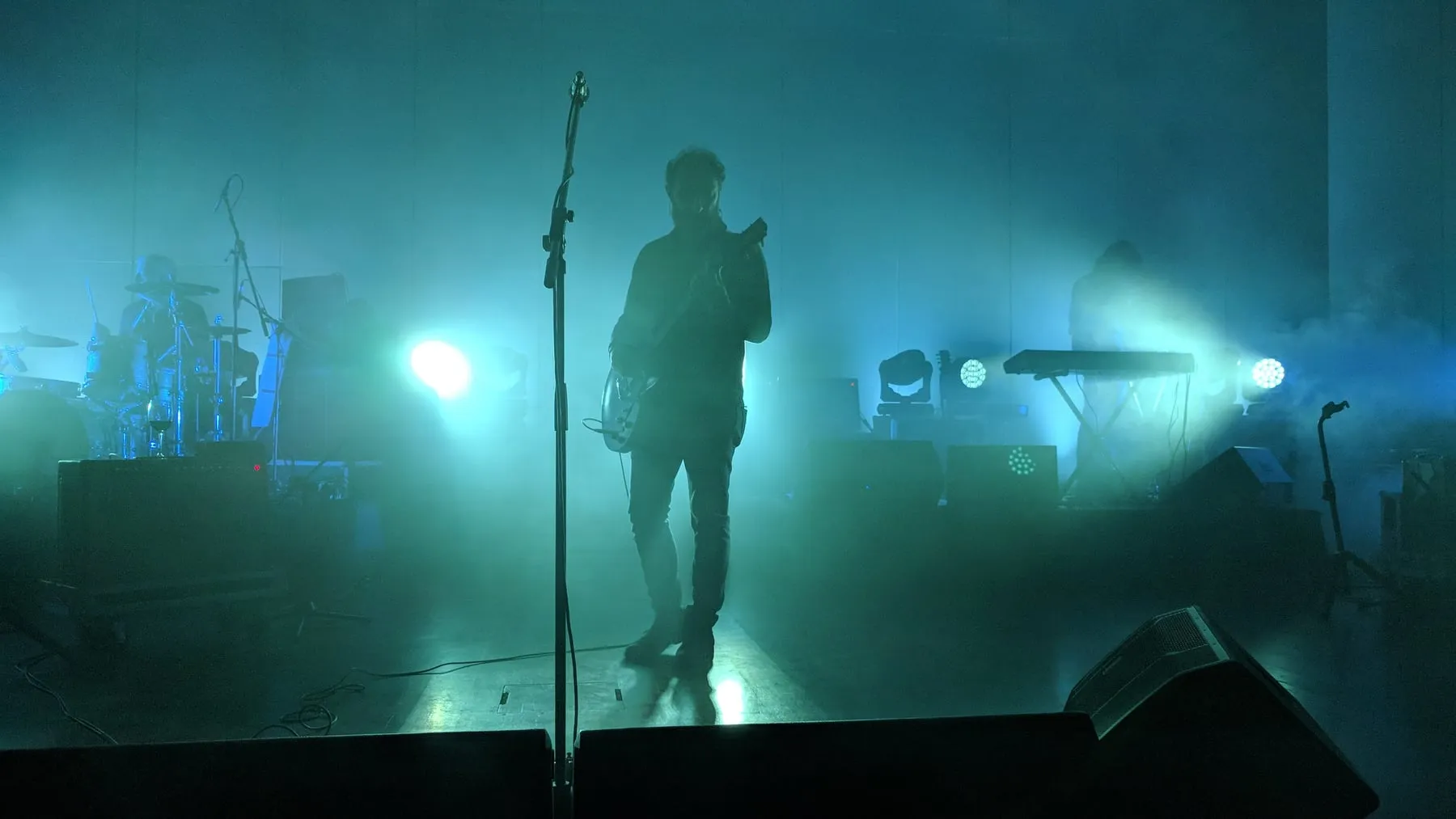
Photo by Antonio3000 , licensed under CC BY-SA 4.0 · Wikimedia Commons
Rank #274
Los Planetas
Granada indie-rock standard-bearers in Spain.
From Wikipedia
Los Planetas is a Spanish indie rock group from the city of Granada, formed in 1993. The group's first hit was "Qué puedo hacer" from their album "Super 8", although they had previously achieved some success with various demos on a contest run by the Spanish national public radio station Radio 3.
Members
- Jota
Studio Albums
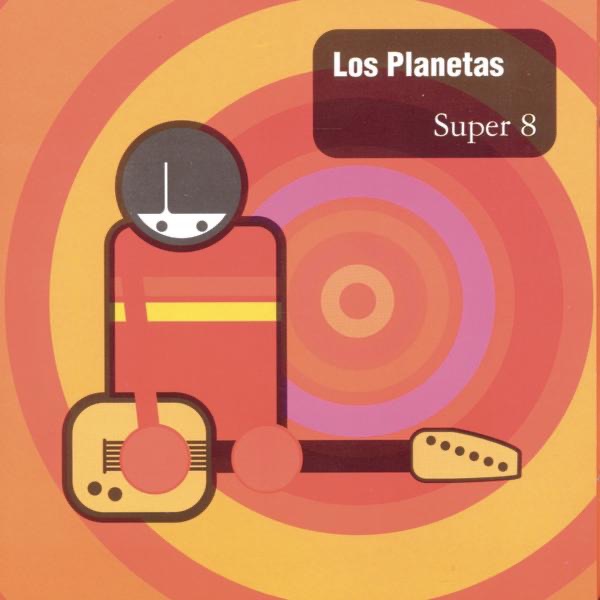
- 1995 Super 8
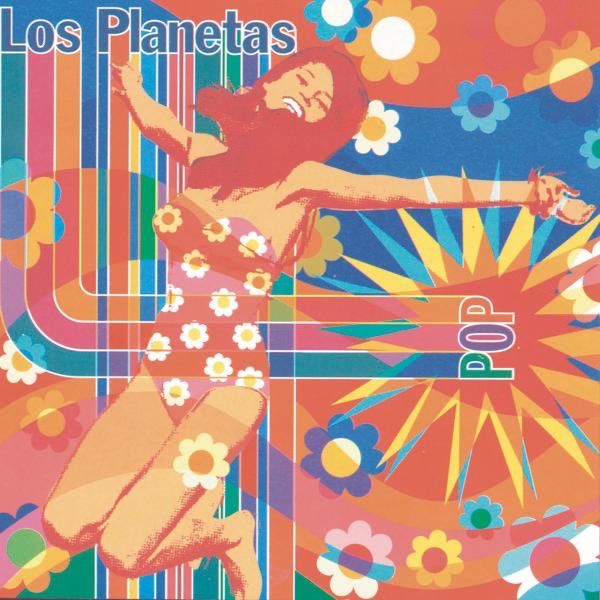
- 1996 Pop
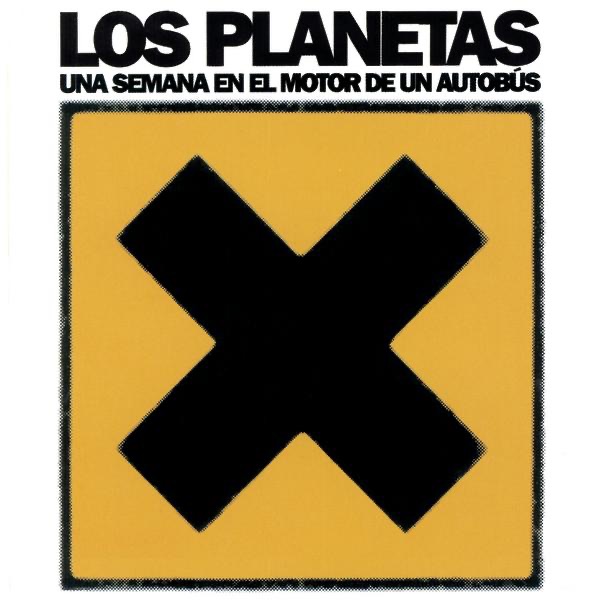
- 1998 Una semana en el motor de un autobús
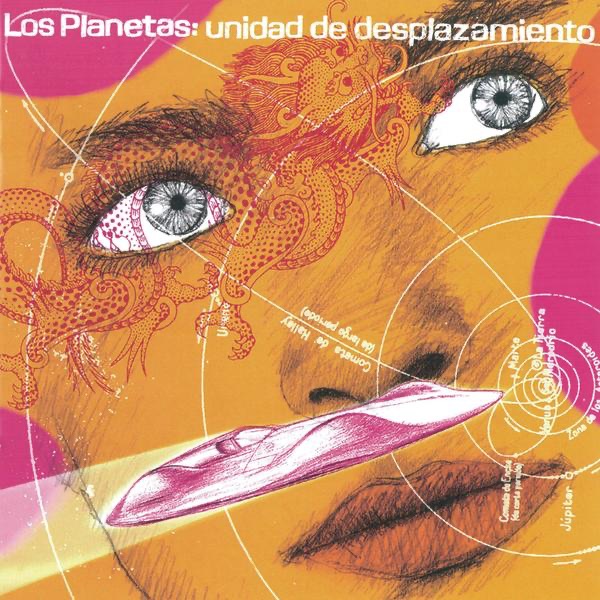
- 2000 Unidad de desplazamiento
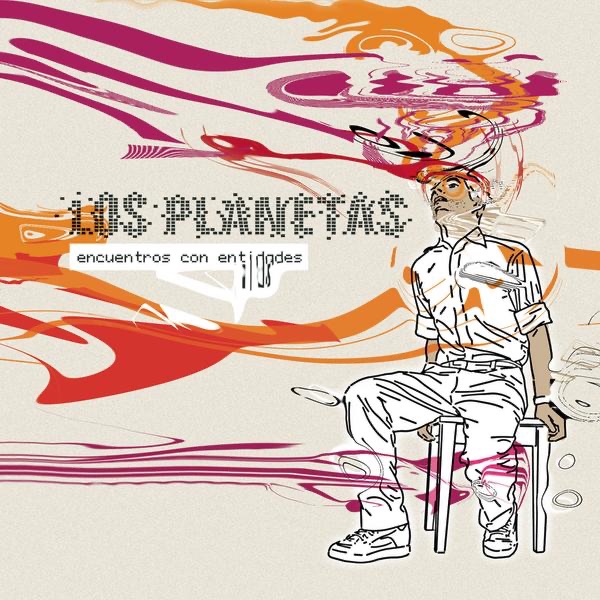
- 2002 Encuentros con entidades
- 2004 Los Planetas contra la ley de la gravedad
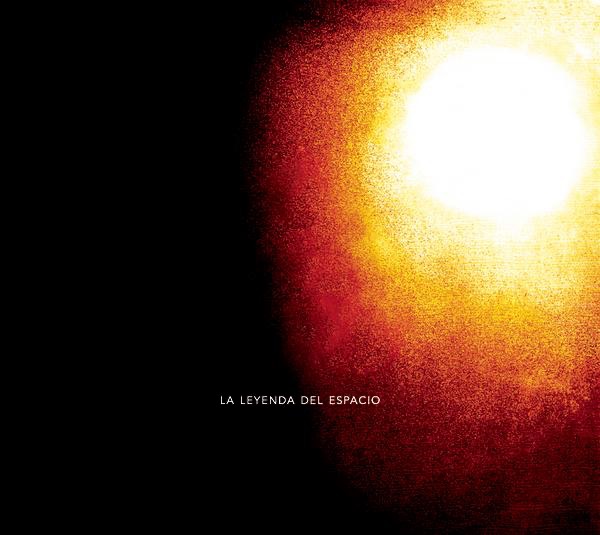
- 2007 La leyenda del espacio
- 2010 Una ópera egipcia
- 2017 Zona temporalmente autónoma
- 2022 Las canciones del agua
Source: MusicBrainz
Deep Dive
Overview
Los Planetas emerged from Granada, Spain in 1993 as one of the country’s most distinctive indie rock groups. Over three decades, they established themselves as a standard-bearing act in Spanish rock music, blending shoegaze textures with indie sensibilities in a catalog that reflects both consistency and subtle evolution. Their longevity and prolific output have made them central figures in understanding how indie rock took root and flourished in Spain during and after the 1990s boom.
Formation Story
Los Planetas formed in Granada in 1993, arriving amid the post-punk and alternative rock ferment that had energized European underground scenes throughout the 1980s and early 1990s. The band’s initial lineup included Jota, who would become synonymous with the group’s identity throughout its existence. Granada, while not as high-profile as Madrid or Barcelona in the Spanish music landscape, provided fertile ground for experimental indie rock. The band’s early years were marked by active participation in the Spanish music underground, including multiple entries in contests run by Radio 3, Spain’s national public radio station, which served as an important platform for emerging Spanish rock acts.
Breakthrough Moment
Los Planetas’ first significant commercial success arrived with the song “Qué puedo hacer,” drawn from their debut album Super 8 (1995). The track demonstrated the group’s ability to craft accessible indie rock hooks while maintaining the textural ambition that would characterize their work. The Super 8 album established a template: melodic indie rock with production sophistication and an ear for arrangement detail. This early breakthrough on Super 8 positioned Los Planetas within the broader Spanish indie rock movement that was gaining traction through the mid-1990s, validating their approach and audience reach beyond the provincial underground.
Peak Era
The period spanning Unidad de desplazamiento (2000) through La leyenda del espacio (2007) represented Los Planetas’ most creatively restless and productive phase. Over this seven-year stretch, they released five studio albums while maintaining a consistent presence in Spanish rock discourse. Unidad de desplazamiento marked an artistic consolidation, while Encuentros con entidades (2002) and Los Planetas contra la ley de la gravedad (2004) demonstrated their willingness to experiment with production aesthetics and compositional approach. By La leyenda del espacio (2007), the band had proven themselves capable of sustaining artistic relevance across multiple stylistic registers and recording contexts, establishing themselves not as a single-album phenomenon but as serious practitioners of the indie rock form.
Musical Style
Los Planetas’ sound draws from the shoegaze and indie rock lineages, combining layered guitar textures with contemplative songwriting and melodic sensibility. Their early work reflected the influence of 1990s British and American indie rock, but filtered through a distinctly Spanish sensibility. The production choices across their catalog—from the relatively straightforward Super 8 and Pop (1996) through the more experimentally arranged Una semana en el motor de un autobús (1998)—reveal a band interested in how recording technique and mixing could shape emotional resonance. Jota’s vocal presence, while not technically virtuosic, carries emotional weight through phrasing and restraint rather than spectacle. The band’s approach to arrangement privileges texture and space over bombast, allowing individual instruments—guitar, bass, drums, and keyboard elements—to occupy distinct positions within the mix. Over time, their sound evolved from the straightforward indie rock of their debut toward increasingly sophisticated production and compositional frameworks, though always remaining rooted in melodic accessibility.
Major Albums
Super 8 (1995)
The debut album that introduced Los Planetas to Spanish audiences and contained “Qué puedo hacer,” establishing the band’s signature blend of melodic indie rock and textural sophistication. This album set the creative and commercial foundation for everything that followed.
Una semana en el motor de un autobús (1998)
A more experimentally ambitious effort that demonstrated the band’s willingness to challenge its own formula, with extended arrangements and complex song structures that suggested growing studio confidence and compositional ambition.
Unidad de desplazamiento (2000)
Released at the threshold of the new decade, this album consolidated Los Planetas’ artistic vision and represented a peak moment of creative authority within the Spanish indie rock landscape.
Encuentros con entidades (2002)
Continuing their trajectory of steady output, this album further refined their approach to production and arrangement, showcasing a band comfortable with its identity while remaining open to subtle stylistic evolution.
Los Planetas contra la ley de la gravedad (2004)
A mid-catalog statement that demonstrated the band’s sustained relevance and capacity for reinvention without abandoning their core sonic principles.
La leyenda del espacio (2007)
Marking the close of their most prolific period, this album cemented Los Planetas’ status as enduring figures in Spanish indie rock, combining the melodic strengths of their earlier work with the production sophistication acquired across a decade of recording experience.
Signature Songs
- “Qué puedo hacer” — The breakthrough single that brought Los Planetas to wider Spanish attention, combining hook-driven indie rock with textural detail.
Influence on Rock
Los Planetas occupied a crucial position in Spanish rock music during the 1990s and 2000s, demonstrating that indie rock and shoegaze aesthetics could take root in a non-Anglo context while maintaining artistic authenticity. Their sustained productivity—releasing studio albums throughout the 1990s, 2000s, and into the 2010s—provided a model for indie rock longevity in Spain at a time when many international trends burned brightly but briefly. While their direct influence on broader Anglo-American rock may have been limited by language and geography, their presence in Spanish music discourse elevated the perceived artistic legitimacy of indie rock and alternative approaches within a traditionally pop and flamenco-conscious market. They operated as proof that Granada and Spain more broadly could produce rock acts of international quality and serious artistic intent.
Legacy
Los Planetas have remained active through the 2010s and into the 2020s, releasing Zona temporalmente autónoma (2017) and Las canciones del agua (2022), demonstrating remarkable longevity in a genre where sustained relevance is difficult to maintain. Their three-decade career—from 1993 through the present—positions them among Spain’s most durable rock acts, having navigated multiple shifts in the music industry while retaining artistic credibility. The band’s presence on major streaming platforms has introduced their catalog to new audiences internationally, while their steady recording schedule suggests continued creative engagement with their fundamental sonic principles. For historians of Spanish rock, Los Planetas represent a crucial link between the alternative rock movements of the 1990s and the contemporary indie rock landscape, embodying both the ideals and practical realities of building a sustainable career in rock music outside the Anglo-American axis.
Fun Facts
- Los Planetas achieved early recognition through contests run by Radio 3, Spain’s national public broadcasting station, which served as a crucial discovery platform for Spanish alternative rock acts in the 1990s.
- The band’s name itself—translating to “The Planets”—reflects the cosmic and expansive aesthetic they have consistently explored through their album artwork, song titles, and general artistic mythology.
- Granada, while not Madrid or Barcelona, developed into a meaningful center for Spanish indie rock partly through Los Planetas’ presence and reputation within the local music scene.
Discography & Previews
Click any album to expand its track list. Each track plays a 30-second preview streamed from Apple Music. Tap the link icon next to a track to open it in Apple Music for full playback.
- 1 Segundo Premio ↗ 5:32
- 2 Desaparecer ↗ 4:04
- 3 La Playa ↗ 4:01
- 4 Parte de Lo Que Me Debes ↗ 5:38
- 5 Un Mundo de Gente Incompleta ↗ 4:45
- 6 Ciencia Ficción ↗ 2:41
- 7 Montañas de Basura ↗ 3:49
- 8 Cumpleaños Total ↗ 3:08
- 9 Laboratorio Mágico ↗ 3:57
- 10 Toxicosmos ↗ 7:42
- 11 Línea 1 ↗ 4:15
- 12 La Copa de Europa ↗ 9:32
- 1 Flotando Sobre Loscos ↗ 6:54
- 2 Santos Que Yo Te Pinte ↗ 4:40
- 3 Maniobra de Evasion ↗ 3:46
- 4 Anuncio Para Coche ↗ 3:25
- 5 Vas a Verme Por la Tele ↗ 4:38
- 6 Flotando Sobre Loscos II ↗ 3:14
- 7 Tierras Altas ↗ 2:27
- 8 Que No Sea Gang, Por Favor ↗ 4:44
- 9 Plan de Fuga ↗ 6:10
- 10 Un Buen Día ↗ 3:51
- 11 La Cara de Niki Lauda ↗ 3:23
- 12 Cancion Para Ligar (Para Que No Me Dejes) ↗ 3:36
- 13 Paseo Por el Parque ↗ 6:12
- 1 San Juan de la Cruz ↗ 5:42
- 2 Corrientes Circulares en el Tiempo ↗ 4:38
- 3 El Artista Madridista ↗ 4:41
- 4 Mis Problemas Con la Justicia ↗ 4:27
- 5 Mil Millones de Veces ↗ 5:38
- 6 Temporalmente ↗ 3:58
- 7 Pesadilla en el Parque de Atracciones ↗ 2:23
- 8 Dulces Sueños ↗ 10:22
- 9 El Espíritu de la Navidad ↗ 2:38
- 10 Nosotros Somos los Zíngaros ↗ 4:08
- 1 El Canto del Bute (Tientos) ↗ 4:49
- 2 Si Estaba Loco Por Ti (Verdiales) ↗ 6:18
- 3 Reunion en la Cumbre ↗ 3:09
- 4 La Verdulera (Mirabras) ↗ 3:07
- 5 Ya No Me Asomo a la Reja (Fandangos) ↗ 6:32
- 6 Negras las Intenciones (Soleares) ↗ 7:37
- 7 Si Me Diste la Espalda ↗ 3:25
- 8 Deseando una Cosa (Cantiñas) ↗ 2:55
- 9 Entre las Flores del Campo (Caracoles) ↗ 2:43
- 10 La Que Vive en la Carrera (Granainas) ↗ 2:35
- 11 Alegrias del Incendio ↗ 3:49
- 12 Sol y Sombra ↗ 4:10
- 13 Sideral / Caña Sideral (Cañas) ↗ 5:01

- 1 Islamabad ↗ 7:03
- 2 Una Cruz a Cuestas (feat. Soleá Morente) ↗ 4:10
- 3 Soleá ↗ 3:33
- 4 Seguiriya de los 107 Faunos ↗ 4:36
- 5 Hierro y Níquel ↗ 4:06
- 6 Porque Me Lo Digas Tú ↗ 2:38
- 7 Libertad para el Solitario ↗ 4:05
- 8 La Gitana ↗ 5:59
- 9 Ijtihad ↗ 3:54
- 10 Espíritu Olímpico (feat. La Bien Querida) ↗ 4:17
- 11 Zona Autónoma Permanente ↗ 4:14
- 12 Amanecer ↗ 3:06
- 13 Hay una Estrella ↗ 3:39
- 14 Guitarra Roja ↗ 9:52
