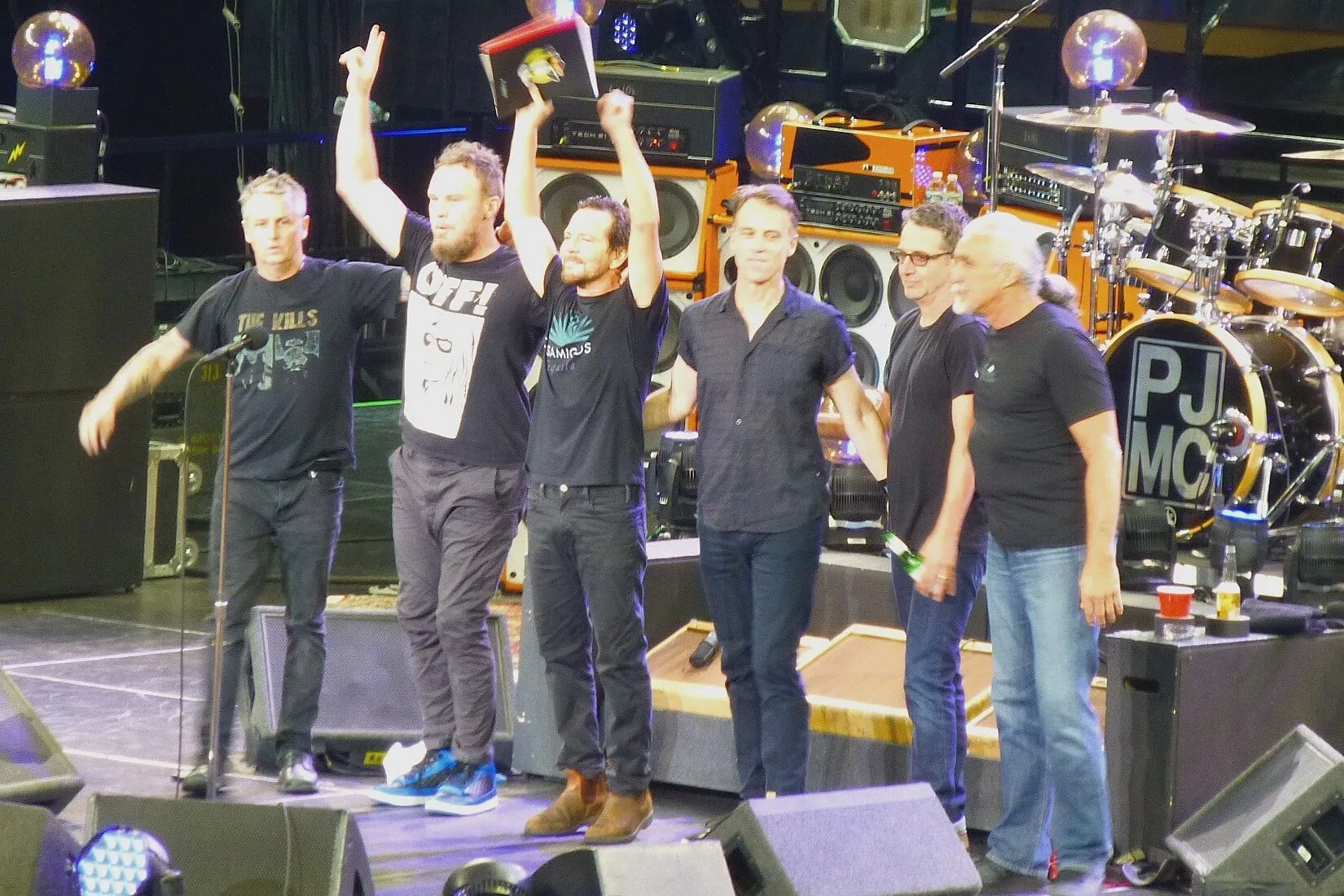
Photo by Lugnuts , licensed under CC BY-SA 4.0 · Wikimedia Commons
Rank #29
Pearl Jam
Seattle's enduring grunge standard-bearers with a deep catalog.
From Wikipedia
Pearl Jam is an American rock band formed in Seattle, Washington, in 1990. One of the key bands in the grunge movement of the early 1990s, Pearl Jam has outsold and outlasted many of its contemporaries and is considered one of the most influential bands from that decade, dubbed "the most popular American rock and roll band of the '90s". The band has consisted of guitarists Stone Gossard and Mike McCready, bassist Jeff Ament, and vocalist and guitarist Eddie Vedder since its formation. The band had a revolving cast of drummers throughout their early days, including Dave Krusen, Matt Chamberlain, Dave Abbruzzese, and Jack Irons. The band's longest-tenured drummer was Matt Cameron, who joined the band in 1998 and departed in 2025. Keyboardist Boom Gaspar has also featured with the band as a session and touring musician since 2002.
Members
- Eddie Vedder
- Jeff Ament
- Josh Klinghoffer
- Matt Cameron
- Mike McCready
- Stone Gossard
Studio Albums
- 1991 Ten
- 1993 Vs.
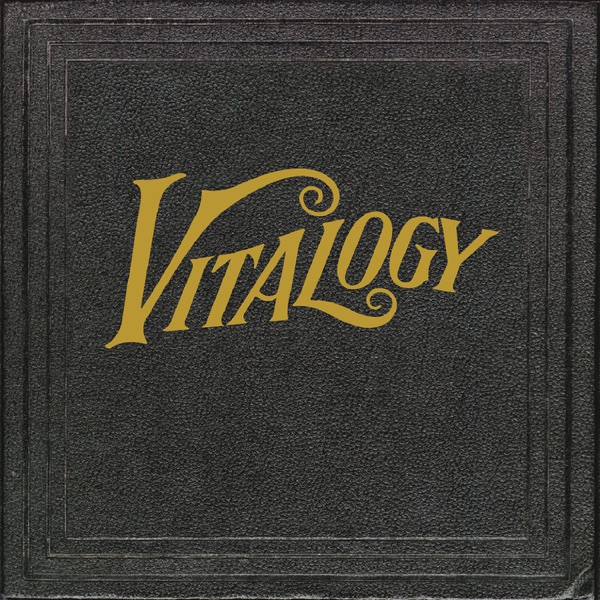
- 1994 Vitalogy
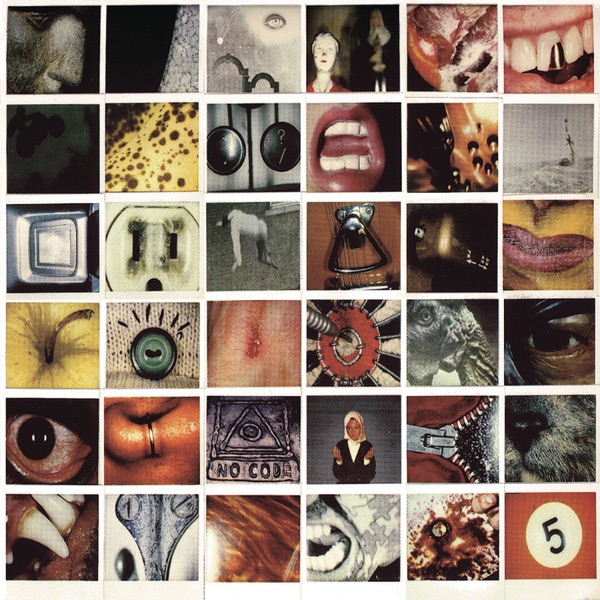
- 1996 No Code
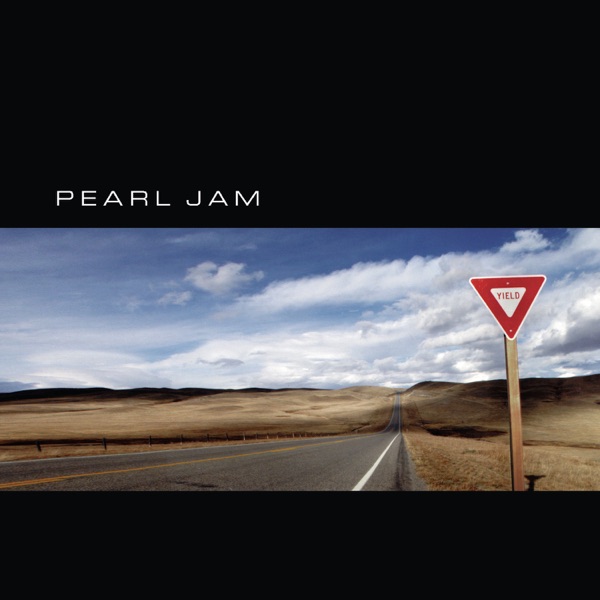
- 1998 Yield
- 2000 Binaural
- 2002 Riot Act
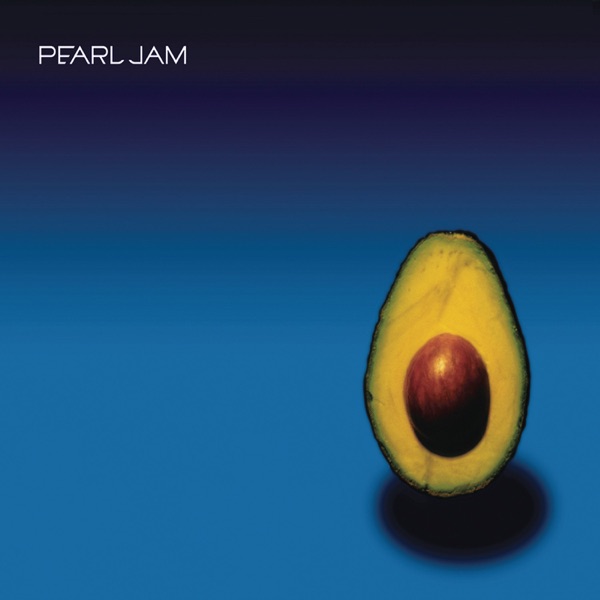
- 2006 Pearl Jam
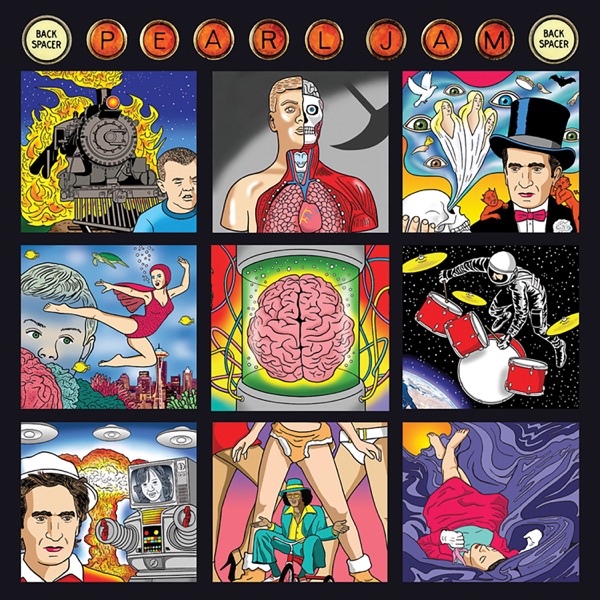
- 2009 Backspacer
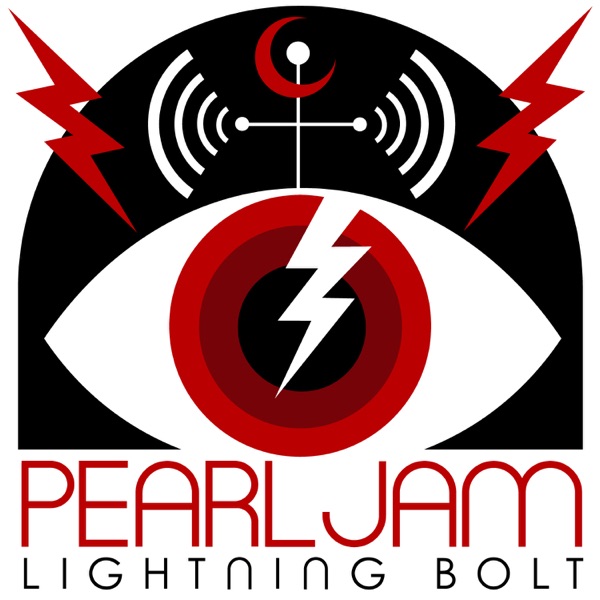
- 2013 Lightning Bolt
- 2020 Gigaton
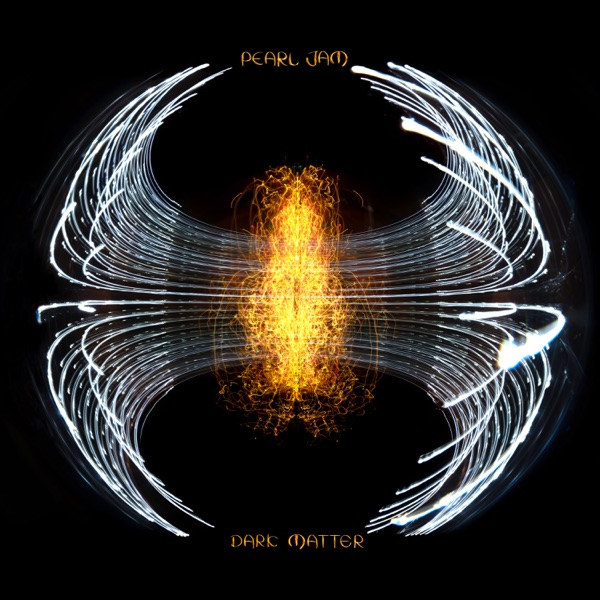
- 2024 Dark Matter
Source: MusicBrainz
Deep Dive
Overview
Pearl Jam emerged from Seattle in 1990 as one of the defining acts of the grunge movement and became the most commercially durable band of the 1990s rock landscape. Formed by guitarist Stone Gossard and bassist Jeff Ament alongside vocalist and guitarist Eddie Vedder and guitarists Mike McCready, the band built a catalog spanning from Ten (1991) through Dark Matter (2024)—a trajectory of thirty-four years that few of their contemporaries have matched. Unlike many bands associated with the Seattle sound, Pearl Jam established a business and artistic model that prioritized longevity and fan connection over the burnout or dissolution that claimed other acts from the era.
Formation Story
Stone Gossard and Jeff Ament had both participated in earlier Seattle bands when they began writing together in 1990, recruiting Mike McCready as lead guitarist. Eddie Vedder, a vocalist and rhythm guitarist who had been living in San Diego, was brought into the project and quickly became the public face and voice of the band. The early lineup cycled through drummers—Dave Krusen, Matt Chamberlain, and Dave Abbruzzese all held the position during the band’s formative years—before Matt Cameron, a drummer with deep Seattle roots, joined in 1998 and became the longest-tenured player in that role until his 2025 departure. Keyboardist Boom Gaspar began contributing as a session and touring musician starting in 2002, adding textural depth to the band’s sound. This fluid approach to membership, particularly in the rhythm section, allowed the band to refresh its internal dynamics while maintaining creative continuity through the core songwriting partnership of Gossard, Ament, and Vedder.
Breakthrough Moment
Pearl Jam’s debut album, Ten, arrived in 1991 and became the fulcrum of their rise. The record’s blend of hard rock riffing, introspective lyrics, and Vedder’s distinctive baritone resonated with audiences at precisely the moment when Seattle’s underground was breaking into mainstream consciousness. Ten sold millions of copies worldwide and established the band as more than a regional phenomenon. The 1993 follow-up, Vs., demonstrated that the initial success was not a fluke; it debuted at number one and proved that Pearl Jam could sustain momentum while resisting the formulaic repetition that plagued many one-hit wonders of the grunge era. By 1994, with Vitalogy, Pearl Jam had solidified their place as the grunge movement’s most commercially successful and critically credible act.
Peak Era
The mid-to-late 1990s constituted Pearl Jam’s commercial and creative apex. No Code (1996) and Yield (1998) continued the band’s commercial dominance while exploring sonic territory that moved beyond the raw distortion of earlier work. During this period, Pearl Jam filled stadiums, commanded festival lineups, and generated a devoted fanbase that organized itself through bootleg tape trading and early internet communities—foreshadowing the band’s later embrace of direct fan engagement. Binaural (2000) and Riot Act (2002) extended this run into the new millennium, proving that grunge as a commercial force had not evaporated with the 1990s but had instead calcified into a permanent part of rock’s mainstream.
Musical Style
Pearl Jam’s sound draws from hard rock and punk foundations but is distinguished by a melodic sensibility and introspective lyrical approach that elevated them above simple genre imitation. Stone Gossard and Mike McCready’s guitar work combines heavy riffing with textural layering, while Jeff Ament’s bass lines provide harmonic counterpoint rather than simple reinforcement. Eddie Vedder’s vocals—a low, sometimes nasal delivery with considerable emotional range—became as recognizable a marker of 1990s rock as the drum machines of synthpop or the wailing solos of classic rock. The band’s production has evolved from the raw, immediate sound of Ten to increasingly layered and experimental approaches on later records, with Backspacer (2009), Lightning Bolt (2013), Gigaton (2020), and Dark Matter (2024) showing comfort with electronic textures and studio manipulation while retaining the core identity established in their first years.
Major Albums
Ten (1991)
The debut that launched Pearl Jam into the mainstream, balancing hard rock muscle with confessional songwriting. Ten became a cultural touchstone of early 1990s rock and remains the band’s most widely recognized work.
Vs. (1993)
The sophomore release proved early success was not circumstantial, debuting at number one and showcasing the band’s ability to vary song structures and emotional registers without losing their essential identity.
Vitalogy (1994)
A studio album that consolidated Pearl Jam’s dominance and demonstrated their willingness to experiment with production and unconventional song arrangements.
No Code (1996)
An ambitious record that moved the band toward greater sonic complexity and exploratory song construction, marking a shift away from straightforward hard rock toward more textured, atmospheric work.
Yield (1998)
Crafted with producer Brendan O’Brien, Yield balanced accessibility with experimentation, producing some of the band’s most enduring catalog entries from the late 1990s.
Binaural (2000)
Recorded using Neumann binaural microphones intended to create three-dimensional sound, the album exemplified Pearl Jam’s technical adventurousness and continued their run as stadium-filling rock mainstays.
Signature Songs
- Alive — The breakthrough single from Ten that became synonymous with Pearl Jam’s emergence and defined early 1990s rock radio.
- Jeremy — A haunting exploration of adolescent alienation that won substantial MTV airplay and became a cultural marker of the grunge era.
- Black — An acoustic-based ballad from Ten showcasing Vedder’s vocal range and the band’s melodic sophistication.
- Rearviewmirror — A driving rock song from Vs. demonstrating the band’s instrumental tightness and dynamic control.
- Better Man — A contemplative track from Vitalogy that reflected the band’s ability to craft introspective material alongside harder rock songs.
- Corduroy — From Vitalogy, a track exemplifying the band’s willingness to build songs from unconventional structures and production approaches.
Influence on Rock
Pearl Jam became a model for post-grunge rock longevity precisely because they avoided the image-based marketing and carefully curated iconography that made some contemporaries seem disposable. Their insistence on controlling ticket prices, their extensive touring schedule, and their willingness to release bootleg recordings of live shows established a template for direct artist-fan relationship that influenced how subsequent rock bands approached their careers. The band’s commercial success across three-plus decades normalized the idea that grunge was not a temporary phenomenon but a lasting strain in American rock music. Their influence extends beyond direct imitation; bands in subsequent decades learned from Pearl Jam’s structural approach to songwriting—the building of arrangements around vocal melody and rhythmic momentum rather than technical display.
Legacy
Pearl Jam’s status as one of the era’s most influential acts reflects not a single album’s impact but a consistent output across decades and a touring presence that has remained continuous since their formation. The band’s catalog of fourteen studio albums from Ten through Dark Matter constitutes one of rock’s longest-sustained major recording careers. Their deep catalog and streaming presence ensure ongoing discovery by new audiences, while their live performances have become events that loyal fans prioritize—the band has maintained a touring schedule that produces extensive bootleg communities and dedicated fan documentation. The 2025 departure of Matt Cameron, who had been with the band since 1998, marked a significant transition; Josh Klinghoffer has been associated with the band as a member during this period. Pearl Jam’s ability to remain creatively active and commercially relevant into the 2020s places them among the era-defining acts whose reach extended far beyond their moment of origin.
Fun Facts
- Stone Gossard and Jeff Ament, the two core founding members, had previously collaborated in Seattle bands before forming Pearl Jam, giving the project roots in the city’s underground rock scene that predated the mainstream grunge explosion.
- The band’s 1994 decision to fight Ticketmaster over service fees and ticket allocation became a precedent-setting consumer advocacy moment in rock music history, demonstrating their willingness to prioritize fan access over corporate relationships.
- Boom Gaspar, who joined as a keyboard and session musician in 2002, expanded the band’s sonic palette significantly, contributing orchestral textures to albums from Riot Act onward and becoming a fixture in their touring lineup.
Discography & Previews
Click any album to expand its track list. Each track plays a 30-second preview streamed from Apple Music. Tap the link icon next to a track to open it in Apple Music for full playback.


- 1 Go (Remastered) ↗ 3:13
- 2 Animal (Remastered) ↗ 2:49
- 3 Daughter (Remastered) ↗ 3:55
- 4 Glorified G (Remastered) ↗ 3:27
- 5 Dissident (Remastered) ↗ 3:35
- 6 W.M.A. (Remastered) ↗ 5:59
- 7 Blood (Remastered) ↗ 2:50
- 8 Rearviewmirror (Remastered) ↗ 4:43
- 9 Rats (Remastered) ↗ 4:15
- 10 Elderly Woman Behind the Counter in a Small Town (Remastered) ↗ 3:16
- 11 Leash (Remastered) ↗ 3:09
- 12 Indifference (Remastered) ↗ 5:08
- 13 Hold On (bonus track) ↗ 4:40
- 14 Cready Stomp (bonus track) ↗ 3:23
- 15 Crazy Mary (Remastered) ↗ 5:37
- 1 Last Exit ↗ 2:55
- 2 Spin the Black Circle ↗ 2:48
- 3 Not for You ↗ 5:53
- 4 Tremor Christ ↗ 4:12
- 5 Nothingman ↗ 4:36
- 6 Whipping ↗ 2:34
- 7 Pry, To ↗ 1:03
- 8 Corduroy ↗ 4:38
- 9 Bugs ↗ 2:45
- 10 Satan's Bed ↗ 3:31
- 11 Better Man ↗ 4:29
- 12 Aya Davanita ↗ 2:58
- 13 Immortality ↗ 5:29
- 14 Stupidmop ↗ 7:28
- 15 Better Man (Guitar / Organ Only) ↗ 3:56
- 16 Corduroy (Alternate Take) ↗ 4:44
- 17 Nothingman (Demo) ↗ 4:34

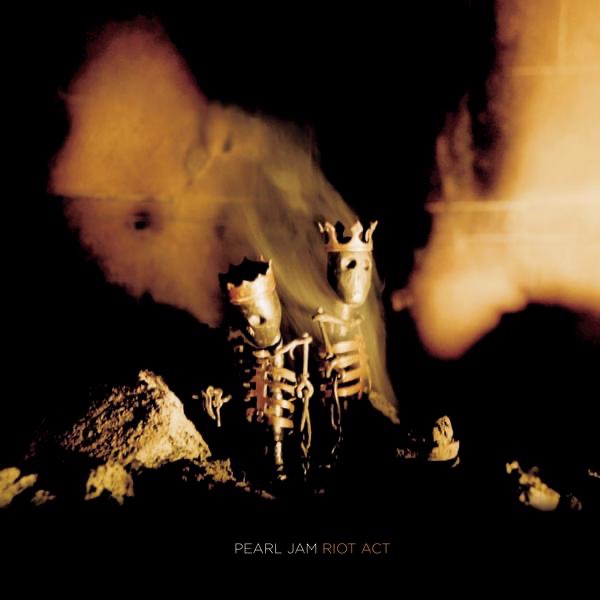
- 1 Can't Keep ↗ 3:39
- 2 Save You ↗ 3:50
- 3 Love Boat Captain ↗ 4:36
- 4 Cropduster ↗ 3:52
- 5 Ghost ↗ 3:15
- 6 I Am Mine ↗ 3:36
- 7 Thumbing My Way ↗ 4:10
- 8 You Are ↗ 4:31
- 9 Get Right ↗ 2:38
- 10 Green Disease ↗ 2:41
- 11 Help Help ↗ 3:35
- 12 Bu$Hleaguer ↗ 3:57
- 13 1/2 Full ↗ 4:11
- 14 Arc ↗ 1:05
- 15 All or None ↗ 4:37