
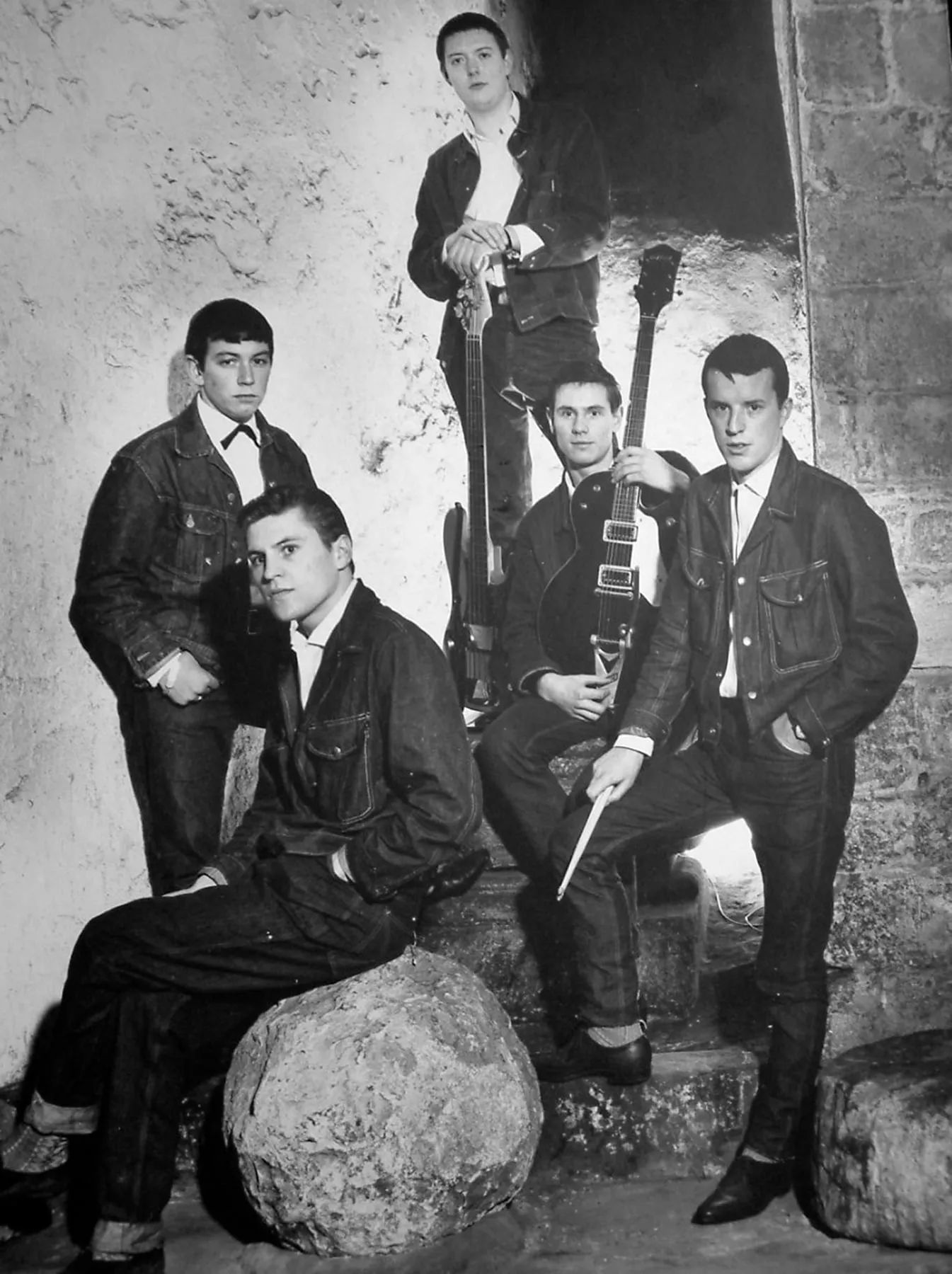
Photo by Richard William Laws , licensed under CC BY-SA 3.0 · Wikimedia Commons
Rank #78
The Animals
Newcastle British Invasion band famous for their take on 'House of the Rising Sun'.
From Wikipedia
The Animals, known intermittently as Eric Burdon and the Animals and also as Animals and Friends, are an English rock band formed in Newcastle upon Tyne in 1962.
Deep Dive
Overview
The Animals were an English rock band formed in Newcastle upon Tyne in 1962, emerging from the industrial north of England to become central figures in the mid-1960s British Invasion. Working primarily in blues rock and rhythm and blues, the band built their reputation by electrifying traditional American folk and blues standards, transforming them into urgent, modern rock statements. Their most enduring contribution—an electric arrangement of the traditional folk ballad “House of the Rising Sun”—became one of the defining recordings of 1964 and remains a touchstone of rock radio.
Formation Story
The Animals coalesced in Newcastle upon Tyne during 1962, a city removed from London’s Soho clubs and Liverpool’s Cavern Scene yet vital to the era’s regional rock movement. The band’s origins lay in earlier Newcastle groups and the city’s thriving blues and R&B circuit, where American records and live performances held sway over local musicians. The initial lineup featured vocalist Eric Burdon, organist Alan Price, guitarist Hilton Valentine, bassist Chas Chandler, and drummer John Steel, each bringing instrumental prowess and interpretive sensibility to their chosen material. Newcastle’s geographic distance from the capital proved no barrier to ambition; the band quickly absorbed the energy of American blues singers and the raw energy of their contemporaries, building a reputation through live performances that caught the attention of the broader British rock scene.
Breakthrough Moment
The Animals’ breakthrough arrived swiftly following their eponymous debut album in 1964. That same year, the band’s arrangement of “House of the Rising Sun”—a traditional folk composition with roots in American prison blues and New Orleans street vernacular—became a substantial hit, reaching audiences on both sides of the Atlantic. The recording transformed the song from acoustic folk ballad into a propulsive, organ-driven rock composition, with Burdon’s vocal delivery cutting through Alan Price’s prominent keyboard work and the rhythm section’s driving pulse. This single recording established the band as interpreters capable of bringing contemporary urgency to historical material, a strategy that defined much of their early catalog and proved transferable to other blues standards and traditional songs.
Peak Era
The years 1964 through 1966 constituted the Animals’ most creatively fertile and commercially successful period. Following their initial self-titled release, the band released The Animals on Tour (1965), Animal Tracks (1965), Animalization (1966), and Animalisms (1966), each building on the foundation established by “House of the Rising Sun” while expanding their material and studio experimentation. During this span, the group refined their approach to arrangement, deepening their exploration of blues vocabulary while incorporating elements of hard rock intensity and, toward the mid-1960s, psychedelic textures. The band’s ability to sustain commercial relevance and creative forward motion across multiple album releases established them as more than a one-hit phenomenon, proving their staying power amid the rapidly evolving landscape of mid-1960s rock.
Musical Style
The Animals’ sound centered on the marriage of American blues and R&B to British rock energy, with Alan Price’s organ work serving as a defining sonic signature. Price’s playing—influenced by jazz and blues organ traditions—provided the band’s harmonic and textural foundation, often occupying foreground space in arrangements alongside Eric Burdon’s expressive, bluesy vocal delivery. Hilton Valentine’s guitar work ranged from subtle rhythmic accompaniment to melodic lead lines, while the rhythm section of Chandler and Steel maintained the propulsive drive essential to their reinterpretation of standards. As the decade progressed, the band incorporated harder rock elements and, by 1966, psychedelic textures and studio effects, reflecting the broader shift in rock music toward experimentation and studio sophistication. The Animals’ core approach remained rooted in American vernacular song traditions—folk ballads, blues standards, and R&B numbers—but their execution was distinctly contemporary and distinctly British in its intensity and rhythmic approach.
Major Albums
The Animals (1964)
The band’s debut introduced their signature approach to blues standards and original compositions, establishing the template for their early commercial success and establishing Burdon’s vocal presence as a central component of their identity.
The Animals on Tour (1965)
Captured the band’s live energy and touring momentum while expanding their repertoire beyond the debut’s material, demonstrating their interpretive range across blues, folk, and rock idioms.
Animal Tracks (1965)
Offered further exploration of blues standards and original songs, solidifying the band’s position as reliable interpreters of American blues traditions filtered through British rock sensibilities.
Animalization (1966)
Marked a shift toward harder rock textures and studio experimentation, with more prominent use of electric effects and arrangement complexity compared to earlier recordings.
Before We Were So Rudely Interrupted (1977)
Represented the band’s return following more than a decade of dormancy or reduced activity, indicating their enduring appeal and willingness to continue recording and performing.
Signature Songs
- “House of the Rising Sun” — The band’s most famous recording, an electric transformation of a traditional folk standard that became one of 1964’s defining rock moments.
- “We Gotta Get Out of This Place” — A propulsive blues-rock composition that exemplified the band’s ability to craft contemporary rock statements with blues sensibility.
- “It’s My Life” — Showcased Burdon’s expressive vocal range and the band’s command of soul-inflected rock arrangements.
- “Don’t Let Me Be Misunderstood” — A blues-based composition that became a showcase for the band’s interpretive approach and emotional nuance.
Influence on Rock
The Animals’ most significant contribution to rock music lay in their demonstration that American blues and folk standards could be successfully electrified and reinterpreted for contemporary audiences without sacrificing their essential character or emotional resonance. Their arrangement of “House of the Rising Sun” became a template for future generations of rock musicians seeking to engage with American vernacular traditions, proving that the electric interpretation of acoustic or traditional material could yield commercially successful and artistically valid results. The band’s emphasis on strong organ work influenced the British blues-rock movement that emerged in the late 1960s and early 1970s, establishing the instrument’s central role in rock music and inspiring countless subsequent blues-rock and progressive rock bands to prioritize keyboard voices. Their success as a regional British band achieving international recognition helped validate the broader British Invasion, demonstrating that rock music innovation was not confined to London or Liverpool but could emerge from provincial cities and be amplified through radio and recordings to worldwide audiences.
Legacy
The Animals’ legacy rests primarily on their defining recordings of the early-to-mid 1960s, particularly “House of the Rising Sun,” which has remained in continuous radio rotation and cultural circulation since its release. The band’s willingness to reunite and record new material, as evidenced by Before We Were So Rudely Interrupted (1977) and subsequent activity, demonstrated their enduring appeal and the durability of their 1960s catalog. Their influence on blues-rock interpretation persists in subsequent generations of rock musicians who have drawn on their model of electrifying traditional or folk-based material. The band’s recordings remain widely available through streaming platforms and continue to introduce new listeners to their particular vision of British blues-rock during the British Invasion era.
Fun Facts
- The Animals’ version of “House of the Rising Sun” was recorded as a relatively spontaneous arrangement during studio sessions, becoming a hit through radio play rather than initial industry expectation.
- Alan Price’s organ work on “House of the Rising Sun” became so iconic that the instrument became inseparable from the song’s identity in rock music consciousness.
- The band recorded multiple versions and variations of their albums during the 1960s, with some titles and track listings varying between vinyl releases in different territories.
- Eric Burdon’s vocal style drew consciously from American blues singers, bridging British rock and American blues traditions through his interpretive choices.