

Photo by Chris Barber from Dartford, England , licensed under CC BY-SA 2.0 · Wikimedia Commons
Rank #420
Bert Jansch
From Wikipedia
Herbert Jansch was a Scottish folk musician and founding member of the band Pentangle. He was born in Glasgow and came to prominence in London in the 1960s as an acoustic guitarist and singer-songwriter. He recorded more than 28 albums and toured extensively from the 1960s to the 21st century.
Discography & Previews
Browse through and click an album to open and play 30-second previews streamed from Apple Music.
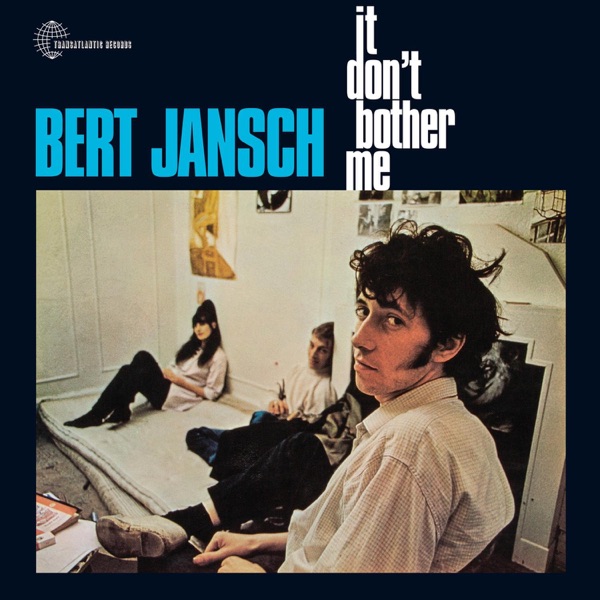
It Don’t Bother Me
1965 · 14 tracks
- 1 Oh My Babe (2015 Remaster) ↗ 4:01
- 2 Ring-A-Ding Bird (2015 Remaster) ↗ 4:44
- 3 Tinker's Blues (2015 Remaster) ↗ 1:10
- 4 Anti Apartheid (2015 Remaster) ↗ 4:07
- 5 The Wheel (2015 Remaster) ↗ 1:51
- 6 A Man I'd Rather Be (2015 Remaster) ↗ 2:08
- 7 My Lover (with John Renbourn) [2015 Remaster] ↗ 4:05
- 8 It Don't Bother Me (2015 Remaster) ↗ 4:29
- 9 Harvest Your Thoughts of Love (2015 Remaster) ↗ 2:16
- 10 Lucky Thirteen (with John Renbourn) [2015 Remaster] ↗ 3:35
- 11 As the Day Grows Longer Now (2015 Remaster) ↗ 3:45
- 12 So Long (Been On the Road so Long) [2015 Remaster] ↗ 3:15
- 13 Want My Daddy Now (2015 Remaster) ↗ 1:39
- 14 900 Miles (2015 Remaster) ↗ 3:03
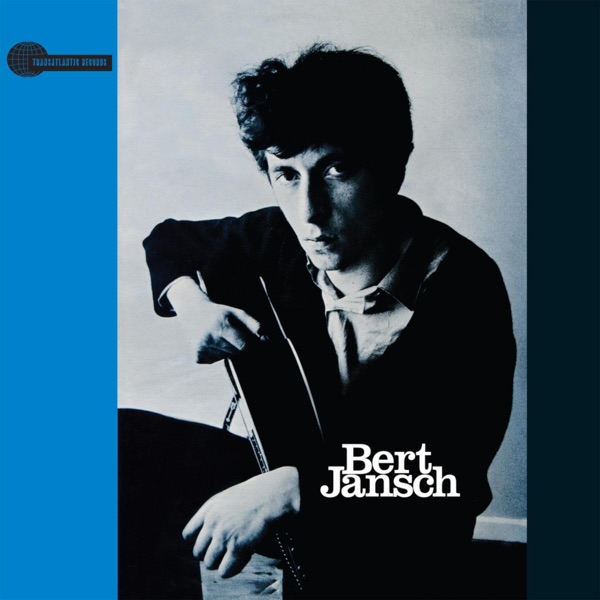
Bert Jansch
1965 · 15 tracks
- 1 Strolling Down the Highway (2015 Remaster) ↗ 3:04
- 2 Smokey River (2015 Remaster) ↗ 2:54
- 3 Oh How Your Love Is Strong (2015 Remaster) ↗ 3:38
- 4 I Have No Time (2015 Remaster) ↗ 3:07
- 5 Finches (2015 Remaster) ↗ 0:49
- 6 Veronica (2015 Remaster) ↗ 1:31
- 7 Needle of Death (2015 Remaster) ↗ 3:22
- 8 Do You Hear Me (2015 Remaster) ↗ 2:06
- 9 Rambling's Gonna Be the Death of Me (2015 Remaster) ↗ 3:17
- 10 Alice's Wonderland (2015 Remaster) ↗ 1:45
- 11 Running from Home (2015 Remaster) ↗ 2:22
- 12 Courting Blues (2015 Remaster) ↗ 4:00
- 13 Casbah (2015 Remaster) ↗ 2:09
- 14 Dreams of Love (2015 Remaster) ↗ 1:43
- 15 Angie (2015 Remaster) ↗ 3:09
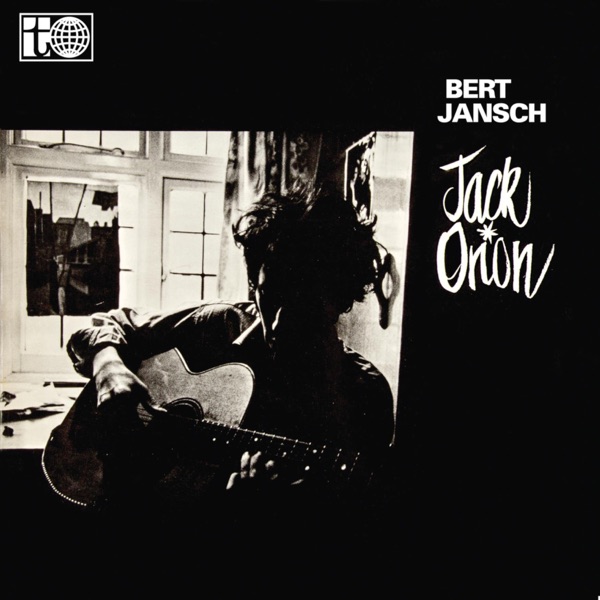
Jack Orion
1966 · 8 tracks
- 1 The Waggoner's Lad (2015 Remaster) ↗ 3:31
- 2 The First Time Ever I Saw Your Face (2015 Remaster) ↗ 1:46
- 3 Jack Orion (2015 Remaster) ↗ 9:50
- 4 The Gardener (2015 Remaster) ↗ 1:48
- 5 Nottamun Town (2015 Remaster) ↗ 4:38
- 6 Henry Martin (2015 Remaster) ↗ 3:14
- 7 Black Water Side (2015 Remaster) ↗ 3:49
- 8 Pretty Polly (2015 Remaster) ↗ 4:01
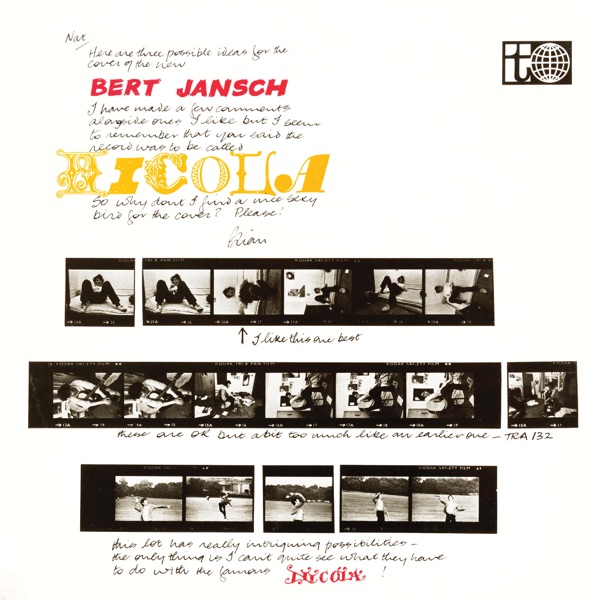
Nicola
1967 · 12 tracks
- 1 Go Your Way My Love (2015 Remaster) ↗ 4:22
- 2 Woe Is Love My Dear (2015 Remaster) ↗ 2:20
- 3 Nicola (2015 Remaster) ↗ 2:56
- 4 Come Back Baby (2015 Remaster) ↗ 3:03
- 5 A Little Sweet Sunshine (2015 Remaster) ↗ 2:22
- 6 Love Is Teasing (2015 Remaster) ↗ 2:08
- 7 Rabbit Run (2015 Remaster) ↗ 2:46
- 8 Life Depends On Love (2015 Remaster) ↗ 1:48
- 9 Weeping Willow Blues (2015 Remaster) ↗ 3:43
- 10 Box of Love (2015 Remaster) ↗ 2:04
- 11 Wish My Baby Was Here (2015 Remaster) ↗ 1:41
- 12 If the World Isn't There (2015 Remaster) ↗ 3:04
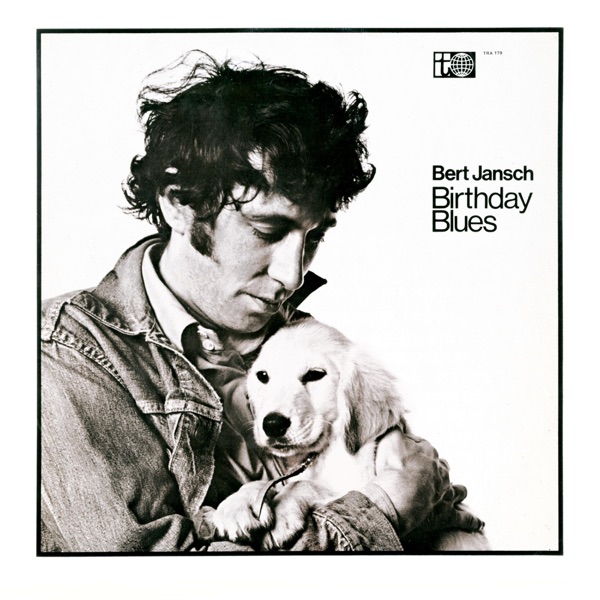
Birthday Blues
1969 · 12 tracks
- 1 Come Sing Me a Happy Song to Prove We Can All Get Along the Lumpy Bumpy Long and Dusty Road (2015 Remaster) ↗ 2:05
- 2 The Bright New Year (2015 Remaster) ↗ 1:35
- 3 Tree Song (2015 Remaster) ↗ 2:38
- 4 Poison (2015 Remaster) ↗ 3:16
- 5 Miss Heather Rosemary Sewell (2015 Remaster) ↗ 2:13
- 6 I've Got a Woman (2015 Remaster) ↗ 5:21
- 7 A Woman Like You (2015 Remaster) ↗ 4:27
- 8 I Am Lonely (2015 Remaster) ↗ 2:32
- 9 Promised Land (2015 Remaster) ↗ 2:52
- 10 Birthday Blues (2015 Remaster) ↗ 1:13
- 11 Wishing Well (2015 Remaster) ↗ 2:17
- 12 Blues (2015 Remaster) ↗ 2:40
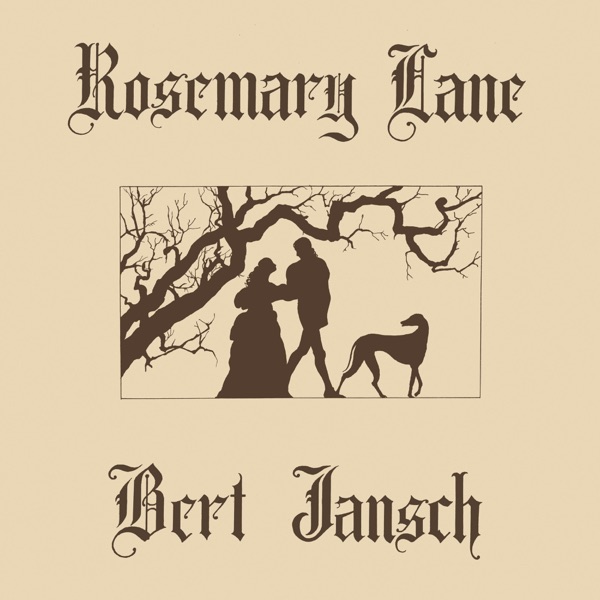
Rosemary Lane
1971 · 13 tracks
- 1 Tell Me What Is True Love (2015 Remaster) ↗ 2:05
- 2 Rosemary Lane (2015 Remaster) ↗ 4:05
- 3 M'Lady Nancy (2015 Remaster) ↗ 2:34
- 4 A Dream, a Dream, a Dream (2015 Remaster) ↗ 2:44
- 5 Alman (2015 Remaster) ↗ 1:30
- 6 Wayward Child (2015 Remaster) ↗ 2:07
- 7 Nobody's Bar (2015 Remaster) ↗ 3:04
- 8 Reynardine (2015 Remaster) ↗ 5:26
- 9 Silly Woman (2015 Remaster) ↗ 3:17
- 10 Peregrinations (2015 Remaster) ↗ 1:51
- 11 Sylvie (2015 Remaster) ↗ 4:34
- 12 Sarabanda (2015 Remaster) ↗ 1:34
- 13 Bird Song (2015 Remaster) ↗ 2:56
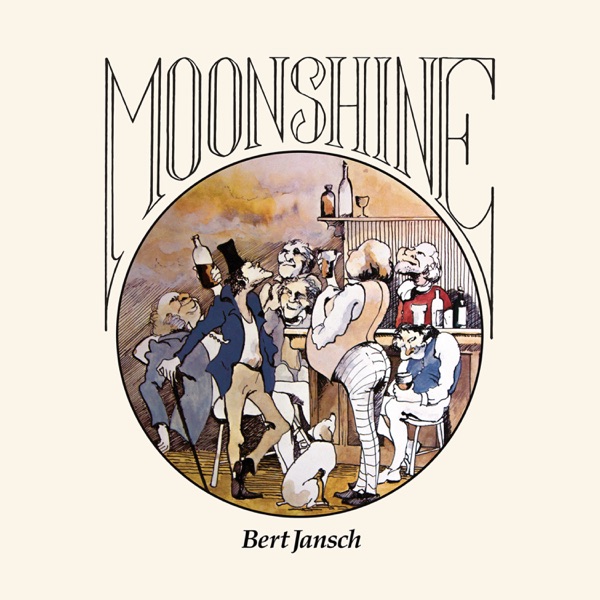
Moonshine
1973 · 9 tracks
- 1 Yarrow (feat. Toni Visconti) ↗ 5:09
- 2 Brought with the Rain (feat. Ralph McTell) ↗ 2:56
- 3 The January Man ↗ 3:32
- 4 Night Time Blues ↗ 7:15
- 5 Moonshine (feat. Toni Visconti) ↗ 4:56
- 6 The First Time Ever I Saw Your Fa ↗ 3:00
- 7 Rambleaway ↗ 4:36
- 8 Twa Corbies ↗ 3:01
- 9 Oh My Father (feat. Toni Visconti) ↗ 4:07
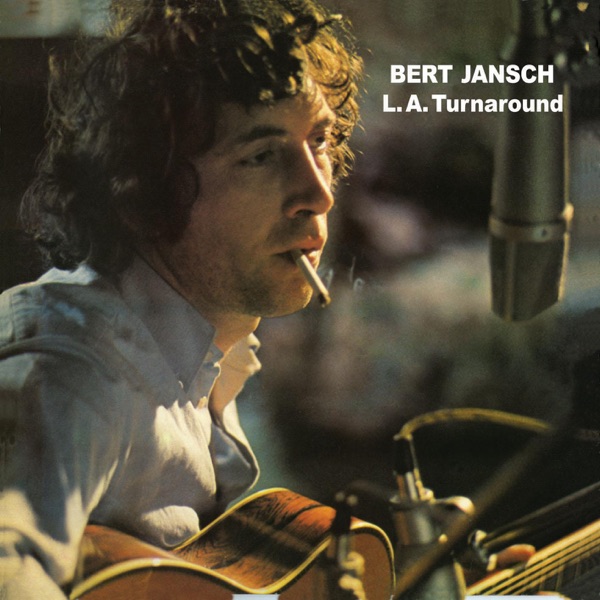
L.A. Turnaround
1974 · 16 tracks
- 1 Fresh As a Sweet Sunday Morning ↗ 3:58
- 2 Chambertin ↗ 4:05
- 3 One for Jo ↗ 2:39
- 4 Travelling Man ↗ 2:48
- 5 Open Up the Watergate (Let the Sunshine In) ↗ 2:40
- 6 Stone Monkey ↗ 3:11
- 7 Of Love and Lullaby ↗ 2:29
- 8 Needle of Death ↗ 3:24
- 9 Lady Nothing ↗ 2:33
- 10 There Comes a Time ↗ 2:38
- 11 Cluck Old Hen ↗ 3:11
- 12 The Blacksmith ↗ 3:30
- 13 Open Up the Watergate (Let the Sunshine In) [Alternate Version] ↗ 3:38
- 14 One for Jo (Alternate Version) ↗ 2:41
- 15 The Blacksmith (Alternate Version) ↗ 3:40
- 16 In the Bleak Mid Winter ↗ 2:24

Santa Barbara Honeymoon
1975 · 18 tracks
- 1 Love Anew ↗ 3:21
- 2 Mary and Joseph ↗ 3:21
- 3 Be My Friend ↗ 2:45
- 4 Baby Blue ↗ 2:32
- 5 Dance Lady Dance ↗ 3:36
- 6 You Are My Sunshine ↗ 3:39
- 7 Lost and Gone ↗ 3:46
- 8 Blues Run the Game ↗ 2:52
- 9 Build Another Band ↗ 3:00
- 10 When the Teardrops Fell ↗ 4:15
- 11 Dynamite ↗ 3:50
- 12 Buckrabbit ↗ 2:56
- 13 Build Another Band (Alternate Version) ↗ 3:23
- 14 When the Teardrops Fell (Live at Montreux 4/7/75) ↗ 4:30
- 15 Lady Nothing (Live at Montreux 4/7/75) ↗ 2:31
- 16 Dance Lady Dance (Live at Montreux 4/7/75) ↗ 2:44
- 17 Angie (Live at Montreux 4/7/75) ↗ 2:56
- 18 One for Jo (Live at Montreux 4/7/75) ↗ 3:31
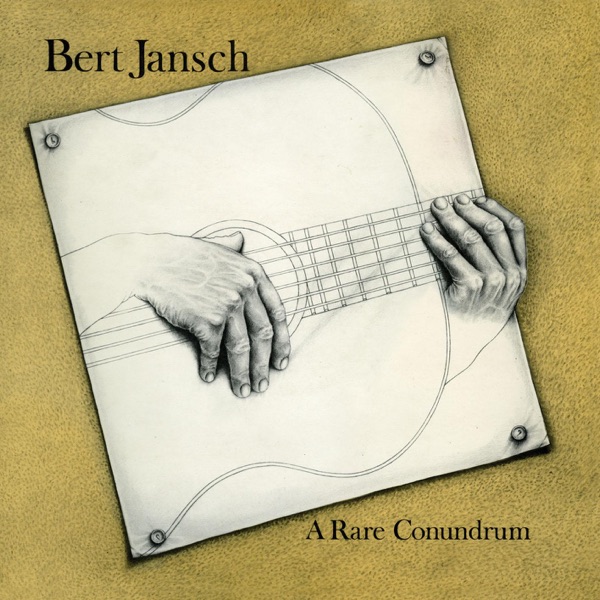
A Rare Conundrum
1977 · 17 tracks
- 1 Daybreak ↗ 2:51
- 2 One to a Hundred ↗ 3:01
- 3 Pretty Saro ↗ 3:23
- 4 Doctor, Doctor ↗ 2:58
- 5 3Am ↗ 3:45
- 6 The Curragh of Kildare ↗ 4:47
- 7 Per's Hose Pipe (Instrumentally Irish) ↗ 2:02
- 8 St. Fiacre ↗ 1:36
- 9 If You See My Love ↗ 2:56
- 10 Looking for a Home ↗ 3:30
- 11 Poor Mouth ↗ 2:46
- 12 Cat and Mouse ↗ 2:35
- 13 Three Chord Trick ↗ 2:47
- 14 Lost Love ↗ 3:19
- 15 Three Dreamers ↗ 2:30
- 16 Dragonfly ↗ 2:34
- 17 Candy Man ↗ 3:03

Avocet
1979 · 9 tracks
- 1 Avocet (feat. Martin Jenkins) ↗ 17:59
- 2 Lapwing (feat. Martin Jenkins) ↗ 1:34
- 3 Bittern (feat. Martin Jenkins) ↗ 7:49
- 4 Kingfisher (feat. Martin Jenkins) ↗ 3:44
- 5 Osprey (feat. Martin Jenkins) ↗ 3:15
- 6 Kittiwake (feat. Martin Jenkins) ↗ 2:48
- 7 Bittern (Live) ↗ 7:15
- 8 Kingfisher (Live) ↗ 3:39
- 9 Avocet (Live) ↗ 9:59
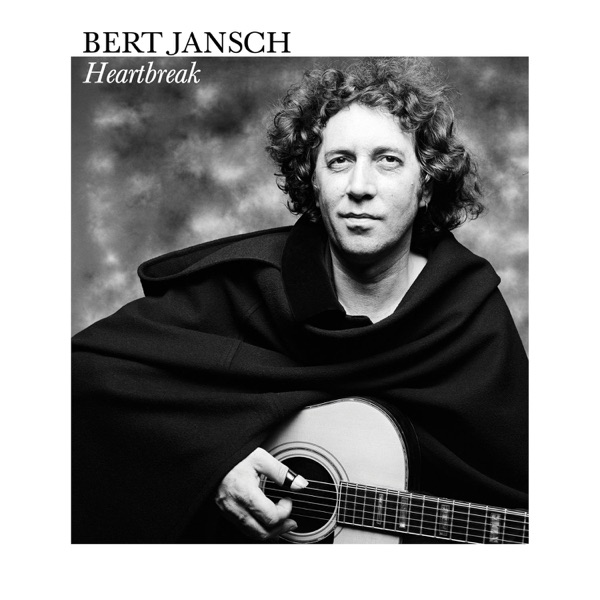
Heartbreak
1982 · 24 tracks
- 1 Blackwater Side ↗ 3:38
- 1 Curragh of Kildare (Live at McCabe's Guitar Shop) ↗ 4:41
- 2 Sit Down Bedise Me ↗ 3:06
- 2 Poor Mouth (Live at McCabe's Guitar Shop) ↗ 3:37
- 3 Up To the Stars ↗ 3:01
- 3 Blackwater Side (Live at McCabe's Guitar Shop) ↗ 4:35
- 4 It Is Real? ↗ 3:59
- 4 One For Jo (Live at McCabe's Guitar Shop) ↗ 3:15
- 5 Wild Mountain Thyme ↗ 4:53
- 5 Let Me Sing (Live at McCabe's Guitar Shop) ↗ 2:58
- 6 Heartbreak Hotel ↗ 2:37
- 6 If I Were a Carpenter (Live at McCabe's Guitar Shop) ↗ 2:26
- 7 No Rhyme Nor Reason ↗ 2:36
- 7 Blues Run the Game (Live at McCabe's Guitar Shop) ↗ 3:19
- 8 If I Were a Carpenter ↗ 2:53
- 8 It Is Real? (Live at McCabe's Guitar Shop) ↗ 4:03
- 9 Give Me the Time ↗ 3:29
- 9 Ask Your Daddy (Live at McCabe's Guitar Shop) ↗ 3:03
- 10 And Not a Word Was Said ↗ 8:34
- 10 First Time Ever I Saw Your Face (Live at McCabe's Guitar Shop) ↗ 3:04
- 11 Kingfisher (Live at McCabe's Guitar Shop) ↗ 3:20
- 12 Wild Mountain Thyme (Live at McCabe's Guitar Shop) ↗ 3:37
- 13 Come Back Baby (Live at McCabe's Guitar Shop) ↗ 3:16
- 14 I Am Lonely (Live at McCabe's Guitar Shop) ↗ 3:01

From the Outside
1985 · 15 tracks
- 1 Sweet Rose ↗ 3:02
- 2 Blackbird in the Morning ↗ 3:41
- 3 Read All About It ↗ 3:04
- 4 Change the Song ↗ 3:16
- 5 Shout ↗ 3:18
- 6 From the Outside ↗ 1:43
- 7 If You're Thinking 'Bout Me Babe ↗ 2:43
- 8 Silver Raindrops ↗ 2:43
- 9 Why Me? (Still Love Her Now That She's Gone) ↗ 2:54
- 10 Get out of My Life ↗ 2:35
- 11 Time Is an Old Friend ↗ 2:54
- 12 River Running ↗ 3:17
- 13 High Emotion ↗ 3:31
- 14 I Sure Wanna Know ↗ 3:32
- 15 From the Inside ↗ 1:46
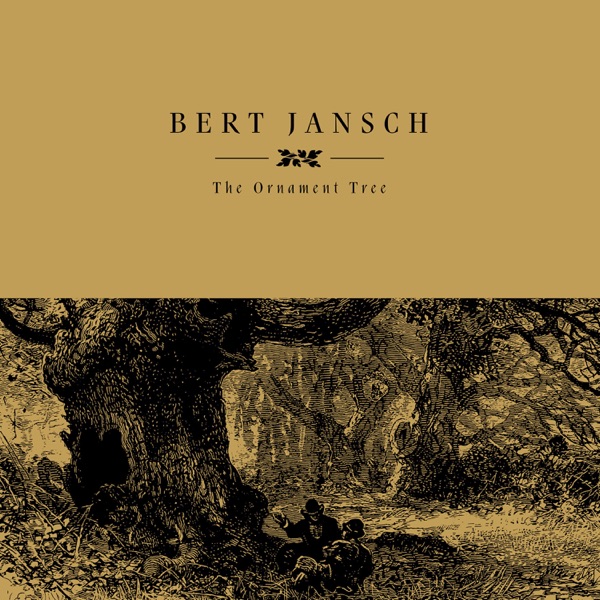
The Ornament Tree
1990 · 12 tracks
- 1 The Ornament Tree (Bonny Portmore) ↗ 3:50
- 2 The Banks O'Sicily ↗ 3:34
- 3 The Rambling Boys of Pleasure ↗ 4:40
- 4 The Rocky Road to Dublin ↗ 2:58
- 5 Three Dreamers ↗ 3:46
- 6 The Mountain Streams ↗ 3:49
- 7 The Blackbirds of Mullamore ↗ 4:48
- 8 Ladyfair ↗ 2:15
- 9 The Road Tae Dundee ↗ 4:08
- 10 Tramps and Hawkers ↗ 3:16
- 11 The January Man ↗ 3:43
- 12 Dobbins Flowery Vale ↗ 3:34
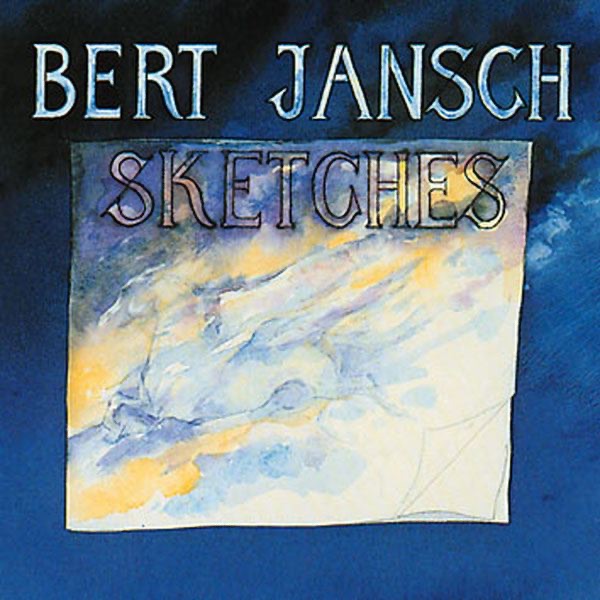
Sketches
1990 · 13 tracks
- 1 Ring-a-Ding Bird ↗ 3:56
- 2 One for Jo ↗ 2:55
- 3 Poison ↗ 3:41
- 4 The Old Routine ↗ 3:23
- 5 Needle of Death ↗ 3:54
- 6 Oh My Father ↗ 3:15
- 7 Running, Running from Home ↗ 3:00
- 8 Afterwards ↗ 3:36
- 9 Can't Hide Love ↗ 3:55
- 10 Moonshine ↗ 3:36
- 11 A Woman Like You ↗ 3:46
- 12 A Windy Day ↗ 6:08
- 13 As the Day Grows Longer Now ↗ 2:18
When the Circus Comes to Town
1995 · 14 tracks
- 1 Walk Quietly By ↗ 2:55
- 2 Open Road ↗ 3:48
- 3 Back Home ↗ 3:53
- 4 No-One Around ↗ 2:56
- 5 Step Back ↗ 3:56
- 6 When the Circus Comes to Town ↗ 2:29
- 7 Summer Heat ↗ 3:55
- 8 Just a Dream ↗ 3:46
- 9 The Lady Doctor from Ashington ↗ 2:01
- 10 Stealing the Night Away ↗ 3:29
- 11 Honey Don't You Understand ↗ 3:54
- 12 Born with the Blues ↗ 2:49
- 13 Morning Brings Peace of Mind ↗ 3:18
- 14 Living in the Shadows ↗ 4:00
Toy Balloon
1998 · 12 tracks
- 1 Carnival ↗ 4:26
- 2 She Moved Through the Fair ↗ 4:56
- 3 All I Got ↗ 3:16
- 4 Bett's Dance ↗ 2:46
- 5 Toy Balloon ↗ 3:33
- 6 Waitin' & Wonderin' ↗ 4:14
- 7 Hey Doc ↗ 2:46
- 8 Sweet Talking Lady ↗ 3:59
- 9 Paper Houses ↗ 3:01
- 10 Born and Bred in Old Ireland ↗ 3:10
- 11 How It All Came Down ↗ 4:41
- 12 Just a Simple Soul ↗ 3:54
Edge of a Dream
2002 · 11 tracks
- 1 On the Edge of a Dream (feat. Bernard Butler) ↗ 2:35
- 2 All This Remains (feat. Hope Sandoval) ↗ 4:44
- 3 What Is on Your Mind ↗ 3:26
- 4 Sweet Death (feat. Dave Swarbrick) ↗ 3:52
- 5 I Cannot Keep from Crying (feat. Bernard Butler) ↗ 4:07
- 6 La Luna ↗ 3:15
- 7 Gypsy Dave ↗ 2:44
- 8 Walking This Road (feat. Bernard Butler) ↗ 3:16
- 9 The Quiet Joys of Brotherhood ↗ 5:31
- 10 Black Cat Blues ↗ 3:08
- 11 Bright Sunny Morning (feat. Ralph McTell & Dave Swarbrick) ↗ 4:09
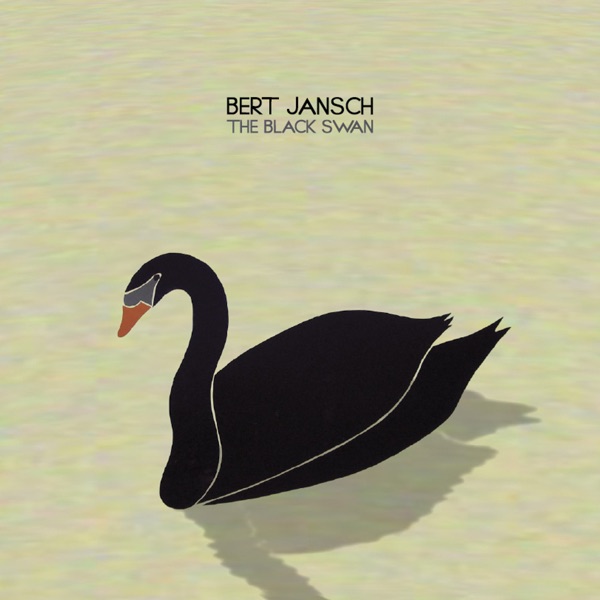
The Black Swan
2006 · 12 tracks
- 1 The Black Swan ↗ 6:25
- 2 High Days ↗ 3:47
- 3 When the Sun Comes Up ↗ 3:54
- 4 Katie Cruel ↗ 3:00
- 5 My Pocket's Empty ↗ 3:50
- 6 Watch the Stars ↗ 2:55
- 7 A Woman Like You ↗ 4:13
- 8 The Old Triangle ↗ 4:07
- 9 Bring Your Religion ↗ 3:06
- 10 Texas Cowboy Blues ↗ 3:07
- 11 Magdalina's Dance ↗ 3:19
- 12 Hey Pretty Girl ↗ 3:03
-
 It Don’t Bother MeBert Jansch196514 tracks
 -
 Bert JanschBert Jansch196515 tracks
 -
 Jack OrionBert Jansch19668 tracks
 -
 NicolaBert Jansch196712 tracks
 -
 Birthday BluesBert Jansch196912 tracks
 -
 Rosemary LaneBert Jansch197113 tracks
 -
 MoonshineBert Jansch19739 tracks
 -
 L.A. TurnaroundBert Jansch197416 tracks
 -
 Santa Barbara HoneymoonBert Jansch197518 tracks
 -
 A Rare ConundrumBert Jansch197717 tracks
 -
 AvocetBert Jansch19799 tracks
 -
 HeartbreakBert Jansch198224 tracks
 -
 From the OutsideBert Jansch198515 tracks
 -
 The Ornament TreeBert Jansch199012 tracks
 -
 SketchesBert Jansch199013 tracks
 -
 When the Circus Comes to TownBert Jansch199514 tracks
 -
 Toy BalloonBert Jansch199812 tracks
 -
 Crimson MoonBert Jansch200012 tracks
 -
 Edge of a DreamBert Jansch200211 tracks
 -
 The Black SwanBert Jansch200612 tracks
Deep Dive
Overview
Bert Jansch was a Scottish folk musician and guitarist whose fingerstyle acoustic work and introspective songwriting established him as a cornerstone of British folk rock in the 1960s and beyond. Born in Glasgow in 1943, Jansch came to prominence in London during the early 1960s, where he developed a reputation as a restless innovator—equally comfortable interpreting traditional folk material and composing his own material. Over a career spanning more than four decades, he recorded more than 28 albums and built a body of work that influenced generations of acoustic and folk-rock musicians.
Jansch’s significance lies not in commercial dominance but in artistic conviction. His approach to the acoustic guitar was technical yet deeply expressive, and his willingness to move between folk puritanism and rock experimentation set him apart from contemporaries who chose one path or the other.
Formation Story
Herbert Jansch grew up in Glasgow during the post-war years, coming of age during a period when traditional Scottish and Irish folk music still held deep roots in working-class communities. He discovered the acoustic guitar in his teens and gravitated toward folk music as both a cultural expression and an avenue for personal artistic development. By the early 1960s, Jansch migrated south to London, where a folk revival was taking shape—driven by younger musicians seeking authenticity in acoustic instrumentation and traditional song. The London folk scene provided the crucible in which Jansch’s guitar technique and compositional voice matured.
London’s folk clubs and small venues became his testing ground. Unlike some folk musicians who remained bound to repertoire and tradition, Jansch used traditional forms as a springboard for originality, developing a fingerstyle approach that was both rooted in folk practice and distinctly personal.
Breakthrough Moment
Jansch’s first two albums arrived in 1965: It Don’t Bother Me and the self-titled Bert Jansch, both released on Transatlantic Records, the label that would remain central to his early career. The self-titled album, in particular, showcased his fingerstyle virtuosity and interpretive gifts, blending traditional songs with his own compositions. His next album, Bert and John (1966), a collaboration, further established his presence within the folk community.
By 1966, with the release of Jack Orion, Jansch had demonstrated sufficient artistic range and technical mastery to be recognized beyond folk-club audiences. The album’s ambitious arrangements and sophisticated instrumental work signaled that he was not content to be a folk revivalist; he was an artist with his own vision. From 1966 onward, Jansch enjoyed sustained touring and recording opportunities, earning a foothold in both the folk and emerging folk-rock markets.
Peak Era
Jansch’s most creatively fertile period extended through the early to mid-1970s. Albums like Nicola (1967), Birthday Blues (1969), Rosemary Lane (1971), Moonshine (1973), and L.A. Turnaround (1974) showcased his evolution as both guitarist and songwriter. During this span, he balanced solo work with his participation in Pentangle, a group that merged folk, jazz, and rock influences. The 1970s albums reveal an artist willing to experiment with production, arrangement, and lyrical scope while maintaining the acoustic guitar as his artistic center.
Santa Barbara Honeymoon (1975) and Poor Mouth (1976) extended this exploratory phase, demonstrating that Jansch’s productivity and inventive spirit remained undiminished well into his fourth decade of life. His ability to sustain a recording career across changing musical trends—from the folk boom of the 1960s through the rock-dominated 1970s—underscored his staying power and musical substance.
Musical Style
Bert Jansch’s sound was defined by his fingerstyle acoustic guitar technique, which combined precision, rhythmic complexity, and emotional nuance. His playing drew from traditional folk guitar but incorporated influences from blues and other forms, creating a hybrid approach that felt neither purely traditional nor derivative. His voice was introspective and sometimes fragile, suited to intimate performance spaces and close listening; he was not a belter or a showman in vocal delivery but rather a narrator conveying emotional depth through understatement.
As a songwriter, Jansch favored introspection, narrative, and poetic imagery. His compositions often explored themes of loss, travel, and longing, rendered in language that was literary without being precious. Across his albums, his production choices ranged from sparse, close-miked solo performances to fuller arrangements incorporating other instruments—strings, woodwinds, percussion—without ever obscuring the primacy of his guitar. This willingness to work across scales of arrangement, from solo acoustic to ensemble settings, kept his work fresh across multiple decades.
Major Albums
Jack Orion (1966)
Jansch’s third album established his reputation beyond the folk underground, showcasing ambitious arrangements and sophisticated instrumental work that hinted at his willingness to move beyond folk orthodoxy.
Nicola (1967)
Features some of Jansch’s most personal songwriting and demonstrates his maturing voice as a composer, blending introspection with technical guitar mastery.
Birthday Blues (1969)
Reflects Jansch’s continued evolution and his ability to sustain artistic momentum through a period of rapid musical change in the broader rock world.
Moonshine (1973)
Represents the peak of Jansch’s 1970s output, balancing solo acoustic passages with fuller production and showcasing his versatility across varied material.
Avocet (1979)
Released in the late 1970s, Avocet demonstrates Jansch’s enduring commitment to recording and touring despite shifts in commercial attention away from folk-oriented music.
The Ornament Tree (1990)
A later-career album showing that Jansch remained creatively engaged and continued to record regularly, maintaining his presence across three decades of shifting musical landscapes.
Signature Songs
- “Angie” — A poignant Jansch composition that became one of his most recognizable pieces, showcasing his gift for emotional directness.
- “Anji” — An instrumental fingerstyle showcase that has become synonymous with his guitar technique and influence.
- “Needle of Death” — Demonstrates Jansch’s ability to engage with darker, more socially conscious themes within a folk framework.
- “Coat of Colors” — A folk composition that illustrates his skill at working within traditional forms while maintaining personal voice.
- “Ramlin’ Boy” — A traveling song that captures the restlessness and poetic sensibility central to his songwriting.
Influence on Rock
Bert Jansch’s influence extends across folk-rock and beyond, reaching musicians who valued acoustic authenticity and virtuosic guitar playing. His fingerstyle technique inspired subsequent generations of acoustic guitarists working in both folk and rock contexts. Within the folk-rock fusion that emerged in the late 1960s, artists looked to Jansch as evidence that folk music could accommodate complexity and experimentation without sacrificing its roots.
His membership in Pentangle further extended his influence, as that group’s fusion of folk, jazz, and rock idioms reached broader audiences and demonstrated new structural possibilities for folk-informed music. Jansch’s commitment to the acoustic guitar as a vehicle for serious artistic expression—rather than a nostalgic or merely accompanimentary tool—helped legitimize solo acoustic work within rock culture, paving the way for later singer-songwriters and folk-rock artists who might otherwise have faced skepticism.
Legacy
Bert Jansch’s legacy is that of an artist who remained creatively active across five decades, recording more than 28 albums from 1965 until his death in 2011. His long career across changing eras—the folk boom, the rock-dominated 1970s, the indie-rock emergence of the 1990s, and the digital age—speaks to the durability of his artistic vision and the depth of his catalog. His association with Pentangle and his prolific solo output established him as a key figure in British folk-rock history.
In the 21st century, his recordings have remained in print and available on streaming platforms, ensuring that new listeners continue to encounter his work. The consistent reissuing of his catalog and the recognition accorded to him by musicians and critics underscore his place as a foundational figure in acoustic rock and folk music.
Fun Facts
- Jansch was a founding member of Pentangle, a fusion group that blended folk, jazz, and rock elements, making him instrumental in shaping the folk-rock-jazz crossover sound of the late 1960s and early 1970s.
- He recorded for multiple labels across his career, including Transatlantic Records early on and later labels such as Charisma and Drag City, reflecting both his longevity and his ability to adapt to changing industry structures.
- Despite his extensive catalog and influence, Jansch maintained a relatively low public profile compared to some contemporaries, remaining dedicated to touring and recording rather than pursuing mainstream celebrity.
- His recording career spanned from 1965 to 2006, with The Black Swan serving as one of his final studio releases, demonstrating his continued commitment to composition and recording well into his seventh decade of life.