
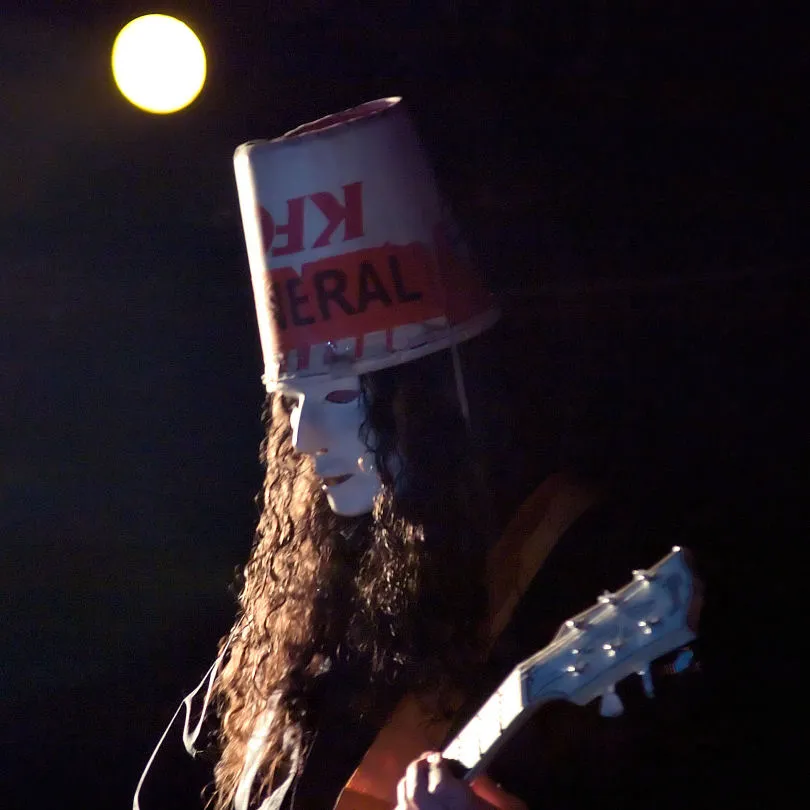
Photo by Jason Scragz ; modified by anetode , licensed under CC BY 2.0 · Wikimedia Commons
Rank #89
Buckethead
From Wikipedia
Brian Patrick Carroll, known professionally as Buckethead, is an American guitarist.
Discography & Previews
Browse through and click an album to open and play 30-second previews streamed from Apple Music.


Giant Robot
1994 · 19 tracks
- 1 Doomride ↗ 0:57
- 2 Welcome to Bucketheadland ↗ 3:42
- 3 I Come In Peace ↗ 6:04
- 4 Buckethead's Toy Store ↗ 8:03
- 5 Want Some Slaw? ↗ 4:30
- 6 Warweb ↗ 3:06
- 7 Aquabot ↗ 5:57
- 8 Binge and Grab (Instrumental Version) ↗ 5:18
- 9 Pure Imagination ↗ 1:49
- 10 Buckethead's Chamber of Horrors ↗ 4:49
- 11 Onions Onleashed ↗ 2:21
- 12 Chicken ↗ 1:07
- 13 I Love My Parents ↗ 4:10
- 14 Buckethead's TV Show ↗ 3:18
- 15 Robot Transmission ↗ 2:59
- 16 Pirate's Life for Me ↗ 1:01
- 17 Post Office Buddy ↗ 6:41
- 18 Star Wars ↗ 1:54
- 19 Last Train to Bucketheadland ↗ 5:48
Giant Robot (NTT release)
1996 · 19 tracks
- 1 Doomride ↗ 0:57
- 2 Welcome to Bucketheadland ↗ 3:42
- 3 I Come In Peace ↗ 6:04
- 4 Buckethead's Toy Store ↗ 8:03
- 5 Want Some Slaw? ↗ 4:30
- 6 Warweb ↗ 3:06
- 7 Aquabot ↗ 5:57
- 8 Binge and Grab (Instrumental Version) ↗ 5:18
- 9 Pure Imagination ↗ 1:49
- 10 Buckethead's Chamber of Horrors ↗ 4:49
- 11 Onions Onleashed ↗ 2:21
- 12 Chicken ↗ 1:07
- 13 I Love My Parents ↗ 4:10
- 14 Buckethead's TV Show ↗ 3:18
- 15 Robot Transmission ↗ 2:59
- 16 Pirate's Life for Me ↗ 1:01
- 17 Post Office Buddy ↗ 6:41
- 18 Star Wars ↗ 1:54
- 19 Last Train to Bucketheadland ↗ 5:48

Colma
1998 · 13 tracks

Monsters and Robots
1999 · 12 tracks

Electric Tears
2002 · 13 tracks
- 1 All In the Waiting ↗ 3:44
- 2 Sketches of Spain (for Miles) ↗ 4:04
- 3 Padmasana ↗ 11:39
- 4 Mustang ↗ 5:38
- 5 The Way to Heaven ↗ 5:50
- 6 Baptism of Solitude ↗ 6:10
- 7 Kansas Storm ↗ 5:33
- 8 Datura ↗ 5:39
- 9 Mantaray ↗ 4:11
- 10 Witches On the Heath ↗ 2:41
- 11 Angel Monster ↗ 5:07
- 12 Electric Tears ↗ 5:32
- 13 Spell of the Gypsies ↗ 5:12
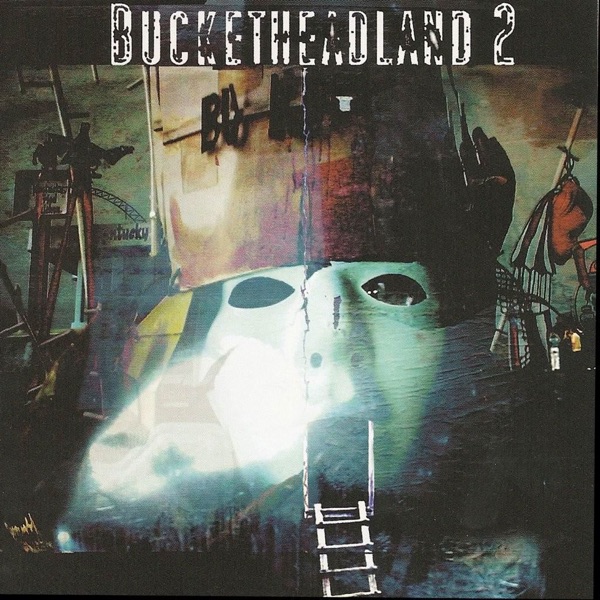
Bucketheadland 2
2003 · 30 tracks
- 1 Welcome ↗ 0:13
- 2 Slaughter Zone Entrance ↗ 0:11
- 3 The Cobra's Head ↗ 2:59
- 4 Transportation Options ↗ 0:51
- 5 Machoto Mirago ↗ 3:01
- 6 Slaughter Buddies Outside the Revenge Wedge ↗ 0:22
- 7 We Cannot Guarantee Bodily Harm ↗ 0:17
- 8 John Merrick - Elephant Man Bones Explosion ↗ 4:54
- 9 Taxidermy Tots ↗ 0:23
- 10 Bloody Rainbow Spiraling Sherbet Scoop ↗ 2:55
- 11 Can You Get Past Albert? ↗ 0:28
- 12 Vladimir Pocket's Incredible Bloated Skunk Show ↗ 3:11
- 13 The Ballad of Inside-Out Face ↗ 1:05
- 14 The Battery Cage Brawls ↗ 2:18
- 15 Ferris Wheel Apology ↗ 0:08
- 16 Can You Help Me? ↗ 1:03
- 17 Grimm's Sponsorship ↗ 0:14
- 18 Realistic Coop Replica ↗ 0:42
- 19 Frozen Brains Tell No Tale ↗ 5:34
- 20 Rooster Landing / Lime Time ↗ 2:36
- 21 Two Pints ↗ 0:28
- 22 Health and Safety Advisory ↗ 2:15
- 23 Digger's Don ↗ 3:14
- 24 One-Way Ticket to Grab Bag Alley ↗ 0:46
- 25 Fun for You ↗ 1:03
- 26 Carpal Tunnel Tomb Torker ↗ 3:35
- 27 Today's Schedule ↗ 0:08
- 28 The Corpse Plower ↗ 3:21
- 29 Unemployment Blues ↗ 2:06
- 30 Slaughter Zone Exit ↗ 8:16
Bucketheadland 2
2003 · 30 tracks
- 1 Welcome ↗ 0:13
- 2 Slaughter Zone Entrance ↗ 0:11
- 3 The Cobra's Head ↗ 2:59
- 4 Transportation Options ↗ 0:51
- 5 Machoto Mirago ↗ 3:01
- 6 Slaughter Buddies Outside the Revenge Wedge ↗ 0:22
- 7 We Cannot Guarantee Bodily Harm ↗ 0:17
- 8 John Merrick - Elephant Man Bones Explosion ↗ 4:54
- 9 Taxidermy Tots ↗ 0:23
- 10 Bloody Rainbow Spiraling Sherbet Scoop ↗ 2:55
- 11 Can You Get Past Albert? ↗ 0:28
- 12 Vladimir Pocket's Incredible Bloated Skunk Show ↗ 3:11
- 13 The Ballad of Inside-Out Face ↗ 1:05
- 14 The Battery Cage Brawls ↗ 2:18
- 15 Ferris Wheel Apology ↗ 0:08
- 16 Can You Help Me? ↗ 1:03
- 17 Grimm's Sponsorship ↗ 0:14
- 18 Realistic Coop Replica ↗ 0:42
- 19 Frozen Brains Tell No Tale ↗ 5:34
- 20 Rooster Landing / Lime Time ↗ 2:36
- 21 Two Pints ↗ 0:28
- 22 Health and Safety Advisory ↗ 2:15
- 23 Digger's Don ↗ 3:14
- 24 One-Way Ticket to Grab Bag Alley ↗ 0:46
- 25 Fun for You ↗ 1:03
- 26 Carpal Tunnel Tomb Torker ↗ 3:35
- 27 Today's Schedule ↗ 0:08
- 28 The Corpse Plower ↗ 3:21
- 29 Unemployment Blues ↗ 2:06
- 30 Slaughter Zone Exit ↗ 8:16

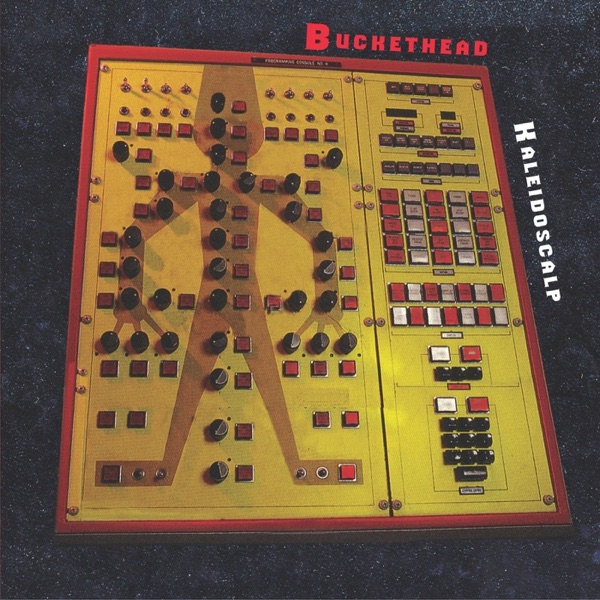
Kaleidoscalp
2005 · 13 tracks
- 1 Frankenseuss Laboratories ↗ 4:34
- 2 Stun Pike and the Jack In the Box Head ↗ 4:11
- 3 Music Box Innards ↗ 3:46
- 4 Breakfast Cyborg ↗ 4:20
- 5 The Bronze Bat ↗ 0:38
- 6 The Last Ride of the Bozomobile ↗ 2:02
- 7 Rack Maintenance ↗ 4:34
- 8 The Sticker On Hallucinogens ↗ 1:41
- 9 Pylon Shift ↗ 4:31
- 10 Citadel ↗ 3:29
- 11 The Slunk, The Gutter and the Candlestick Maker ↗ 4:17
- 12 The Android of Notre Dame ↗ 3:38
- 13 She Sells Sea Shells By the Slaughterhouse ↗ 11:43

Kaleidoscalp
2005 · 13 tracks
- 1 Frankenseuss Laboratories ↗ 4:34
- 2 Stun Pike and the Jack In the Box Head ↗ 4:11
- 3 Music Box Innards ↗ 3:46
- 4 Breakfast Cyborg ↗ 4:20
- 5 The Bronze Bat ↗ 0:38
- 6 The Last Ride of the Bozomobile ↗ 2:02
- 7 Rack Maintenance ↗ 4:34
- 8 The Sticker On Hallucinogens ↗ 1:41
- 9 Pylon Shift ↗ 4:31
- 10 Citadel ↗ 3:29
- 11 The Slunk, The Gutter and the Candlestick Maker ↗ 4:17
- 12 The Android of Notre Dame ↗ 3:38
- 13 She Sells Sea Shells By the Slaughterhouse ↗ 11:43

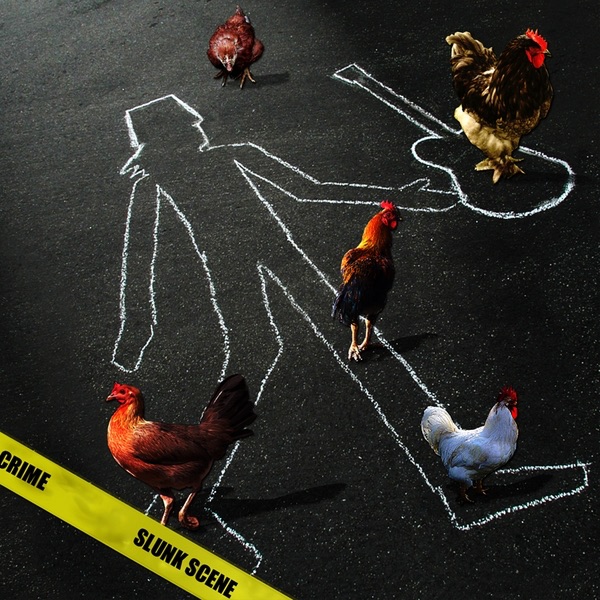
Crime Slunk Scene
2006 · 11 tracks
- 1 King James ↗ 3:57
- 2 Gory Head Stump 2006 the Pageant of the Slunks ↗ 5:31
- 3 The Fairy and the Devil ↗ 2:58
- 4 Buddy Berkman's Ballad ↗ 3:40
- 5 Mad Monster Party ↗ 3:24
- 6 Soothsayer (dedicated to Aunt Suzie) ↗ 9:05
- 7 Col. Austin Vs. Col. Sanders A.K.A. Red Track Suit ↗ 3:23
- 8 We Can Rebuild Him ↗ 3:37
- 9 Electronic Slight of Hand ↗ 2:57
- 10 Mecha Gigan ↗ 2:39
- 11 Slunk Parade A.K.A. Freaks In the Back ↗ 3:15
Acoustic Shards
2007 · 15 tracks
- 1 For Mom(Early Version) ↗ 2:39
- 2 Little Gracie ↗ 3:03
- 3 Who Me?(Early Version) ↗ 2:12
- 4 Ed's Rhapsody:Midnight Dance:Jars ↗ 2:57
- 5 Ganru Island:Saskia's Gone ↗ 2:14
- 6 Ghosts Upstairs ↗ 2:41
- 7 Spirals ↗ 3:51
- 8 Cubes,Chunks,& Crumbles ↗ 3:29
- 9 Thugs ↗ 7:40
- 10 Dinging:AH-JI-JEE ↗ 2:41
- 11 Johnny ↗ 2:20
- 12 Stay Out Of The Shed ↗ 3:02
- 13 Serape ↗ 1:49
- 14 Longing ↗ 10:36
- 15 Box Elders ↗ 1:16
Pepper’s Ghost
2007 · 13 tracks
- 1 Pepper's Ghost ↗ 5:00
- 2 Carpal Tunnel Slug ↗ 3:05
- 3 Magua's Scalp ↗ 3:56
- 4 Imprint (Dedicated to Takashi Miike) ↗ 4:00
- 5 Goblin Shark ↗ 2:20
- 6 Brewer In the Air ↗ 3:53
- 7 Exit 209 ↗ 3:55
- 8 Plankton ↗ 4:14
- 9 The Hills Have Headcheese ↗ 3:44
- 10 Bag Some Game ↗ 0:56
- 11 Towel In the Kitchen ↗ 2:31
- 12 Callbox ↗ 4:16
- 13 Embalming Plaza ↗ 3:27

Decoding the Tomb of Bansheebot
2007 · 13 tracks
- 1 Materializing the Disembodied ↗ 2:04
- 2 Asylum of Glass ↗ 4:36
- 3 Ghost Host ↗ 3:08
- 4 Killing Cone ↗ 4:21
- 5 Bloodless ↗ 4:06
- 6 Checkerboard Incision ↗ 4:02
- 7 Circarama ↗ 2:15
- 8 Disecto ↗ 2:22
- 9 Pickwick's Lost Chapter ↗ 0:33
- 10 I Can Only Carry 50 Chickens At a Time ↗ 3:06
- 11 Stretching Lighthouse ↗ 3:19
- 12 Hall of Scalding Vats ↗ 6:25
- 13 Sail On Soothsayer (In Memory of Aunt Susie 1932-2007) ↗ 6:29
Albino Slug
2008 · 13 tracks
- 1 The Redeem Team ↗ 5:01
- 2 Siege Engine ↗ 8:12
- 3 Pink Eye ↗ 3:24
- 4 Dawn At the Deuce ↗ 4:17
- 5 Flee Flicker ↗ 2:34
- 6 Symmetrical Slug ↗ 2:50
- 7 The Bight of Benin ↗ 1:36
- 8 Fear of Salt ↗ 2:56
- 9 Spooner Arks ↗ 2:43
- 10 Electric Bell Blanket ↗ 0:54
- 11 Tide Pools ↗ 2:44
- 12 Shell Substitutions ↗ 1:51
- 13 Forgotten Trail ↗ 8:07
A Real Diamond in the Rough
2009 · 13 tracks
- 1 Broken Mirror ↗ 4:14
- 2 Big D's Touch ↗ 4:09
- 3 Separate Sky ↗ 2:56
- 4 Dawn Appears ↗ 3:44
- 5 A Real Diamond In the Rough ↗ 4:06
- 6 Sundial ↗ 1:02
- 7 Squid Ink ↗ 3:03
- 8 Four Rivers ↗ 2:36
- 9 Allowed to Play ↗ 1:52
- 10 Formless Present ↗ 3:42
- 11 Squid Ink Part 2 ↗ 0:54
- 12 The Miracle of Surrender ↗ 5:35
- 13 The Return of Captain E.O. ↗ 3:30
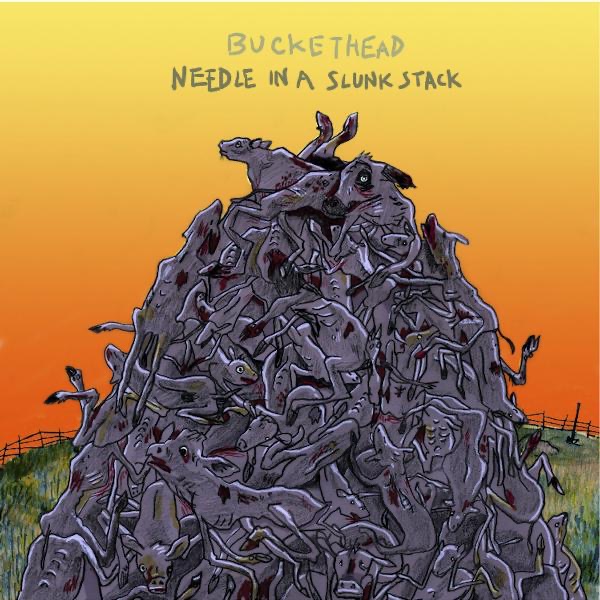
Needle in a Slunk Stack
2009 · 13 tracks
- 1 Needle In a Slunk Stack ↗ 4:08
- 2 Interview With the Double Man ↗ 4:07
- 3 Carcass Cable ↗ 2:44
- 4 Next Stop, the Shell ↗ 2:05
- 5 Distilled Scalp ↗ 4:55
- 6 Furnace ↗ 3:17
- 7 Mego Frankenstein ↗ 2:57
- 8 Alpha Sea ↗ 2:30
- 9 Wormwood's Workshop Part 1 ↗ 3:23
- 10 Pythagorus Sled ↗ 0:59
- 11 Slunk Smuggler ↗ 1:55
- 12 Wormwood's Workshop Part 2 ↗ 4:09
- 13 Astral Traveler ↗ 3:08
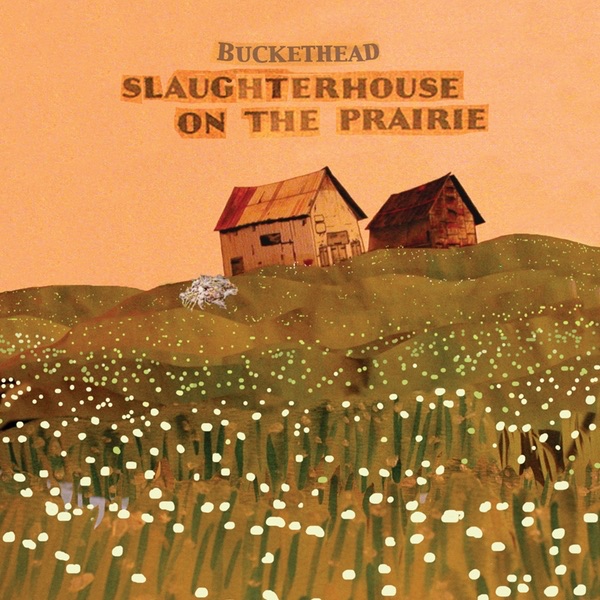
Slaughterhouse on the Prairie
2009 · 13 tracks
- 1 Lebron ↗ 4:31
- 2 Lebron's Hammer ↗ 3:41
- 3 Blood Bayou ↗ 2:55
- 4 Iceman [Tribute to George Gervin] ↗ 2:03
- 5 Don't Use Roosts If You Raise Broilers ↗ 3:26
- 6 Robot Checkerboard ↗ 4:26
- 7 Premonition ↗ 2:40
- 8 Crouching Stump Hidden Limb ↗ 3:06
- 9 Goat Host ↗ 2:33
- 10 The Streching Room ↗ 3:09
- 11 Pumpkin Pike ↗ 2:49
- 12 Collecting Specimens ↗ 2:44
- 13 Rack Maintenance Part 2 ↗ 3:23
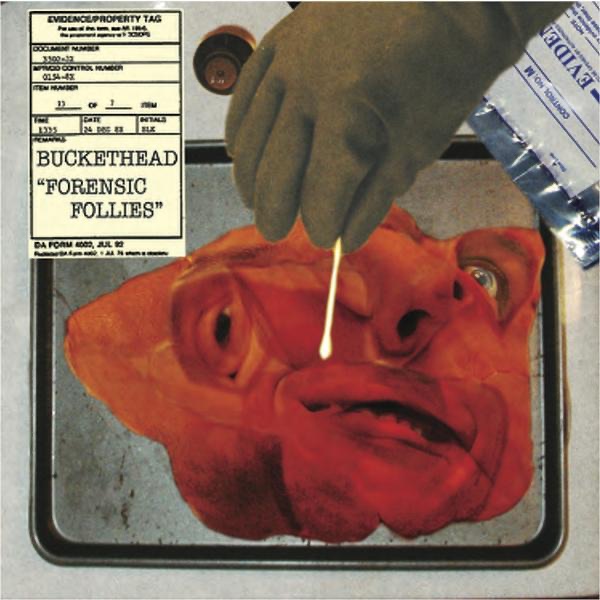
Forensic Follies
2009 · 13 tracks
- 1 Forensic Follies ↗ 3:52
- 2 A-cycle Light-ray Cannons ↗ 6:23
- 3 Splinter In a Slunk's Eye ↗ 5:33
- 4 Under Sea Scalp ↗ 2:51
- 5 Whirlwind ↗ 3:34
- 6 Plunger ↗ 3:04
- 7 Trunk of the Tree ↗ 2:00
- 8 Slunk Shrine ↗ 2:10
- 9 Open Coffin Jamboree ↗ 3:15
- 10 (I'll Be) Taking Care of Grampa ↗ 2:34
- 11 Three Headed Troll ↗ 2:22
- 12 Splinter Disection ↗ 2:10
- 13 Mannequin Molds ↗ 2:41
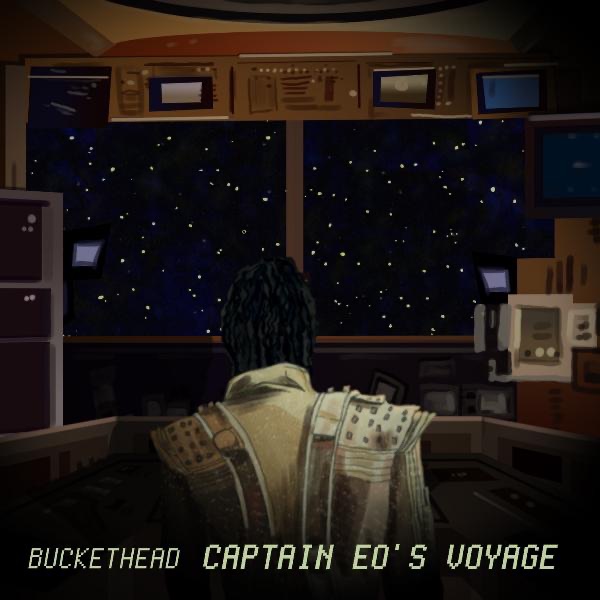
Captain EO’s Voyage
2010 · 12 tracks
- 1 Captain EO's Voyage ↗ 3:29
- 2 Light ↗ 3:50
- 3 Infinity Appears ↗ 3:24
- 4 Stained Glass Hill ↗ 2:40
- 5 Trails of Moondust ↗ 3:39
- 6 Star Chasing ↗ 2:57
- 7 Dancing the Dream ↗ 3:48
- 8 The Siphoning Sequence ↗ 3:55
- 9 Chase the Darkness Out ↗ 3:07
- 10 Backwards Footprint ↗ 1:56
- 11 Tarantula Crossing ↗ 5:25
- 12 Tears In the Mirror ↗ 3:33
Shadows Between the Sky
2010 · 14 tracks
- 1 Shadows Between The Sky ↗ 3:01
- 2 Inward Journey ↗ 5:12
- 3 Chaos of the Unconscious ↗ 3:00
- 4 Rim of the World ↗ 2:33
- 5 Sea Wall ↗ 2:38
- 6 Sled Ride ↗ 3:04
- 7 Sunken Statue ↗ 2:35
- 8 Cookies for Santa ↗ 3:30
- 9 Andrew Henry's Meadow ↗ 2:41
- 10 Centrum ↗ 2:26
- 11 The Cliff's Stare ↗ 4:40
- 12 Greenskeeper ↗ 0:56
- 13 Wax Paper ↗ 3:07
- 14 Walk On the Moon ↗ 2:45

3 Foot Clearance
2010 · 13 tracks
- 1 Griffin's Spike ↗ 4:07
- 2 Rammellzee: Hero of the Abyss ↗ 4:00
- 3 Three Headed Guardian ↗ 3:56
- 4 Floating Graveyard ↗ 3:18
- 5 Ballad of Jerry Mono ↗ 4:56
- 6 H.D. Autopsy ↗ 3:18
- 7 Droid Hunt ↗ 2:45
- 8 Battlefields ↗ 3:11
- 9 Handprint Ornament ↗ 2:47
- 10 Harpoon the Goon ↗ 2:28
- 11 Critical Leg Assignment ↗ 2:34
- 12 Siamese Butterfly ↗ 1:54
- 13 X-Ray ↗ 0:49


Look Up There
2011 · 2 tracks

Underground Chamber
2011 · 10 tracks
- 1 Underground Chamber Part 1 ↗ 2:14
- 2 Underground Chamber Part 2 ↗ 2:33
- 3 Underground Chamber Part 3 ↗ 3:32
- 4 Underground Chamber Part 4 ↗ 3:26
- 5 Underground Chamber Part 5 ↗ 2:29
- 6 Underground Chamber Part 6 ↗ 2:51
- 7 Underground Chamber Part 7 ↗ 1:41
- 8 Underground Chamber Part 8 ↗ 2:42
- 9 Underground Chamber Part 9 ↗ 4:28
- 10 Underground Chamber Part 10 ↗ 4:51
March of the Slunks
2012 · 11 tracks

Balloon Cement
2012 · 12 tracks



The Shores of Molokai
2012 · 11 tracks




-
 BucketheadlandBuckethead19929 tracks
 -
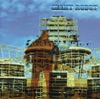 Giant RobotBuckethead199419 tracks
 - Giant Robot (NTT release)Buckethead199619 tracks
-
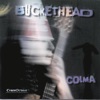 ColmaBuckethead199813 tracks
 -
 Monsters and RobotsBuckethead199912 tracks
 -
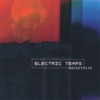 Electric TearsBuckethead200213 tracks
 -
 Bucketheadland 2Buckethead200330 tracks
 - Bucketheadland 2Buckethead200330 tracks
-
 Enter the ChickenBuckethead200511 tracks
 -
 KaleidoscalpBuckethead200513 tracks
 -
 Inbred MountainBuckethead20057 tracks
 - KaleidoscalpBuckethead200513 tracks
-
 Chicken NoodlesBuckethead20064 tracks
 -
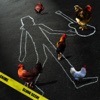 Crime Slunk SceneBuckethead200611 tracks
 -
 Acoustic ShardsBuckethead200715 tracks
 -
 Pepper’s GhostBuckethead200713 tracks
 -
 Decoding the Tomb of BansheebotBuckethead200713 tracks
 -
 Albino SlugBuckethead200813 tracks
 -
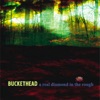 A Real Diamond in the RoughBuckethead200913 tracks
 -
 Needle in a Slunk StackBuckethead200913 tracks
 -
 Slaughterhouse on the PrairieBuckethead200913 tracks
 -
 Forensic FolliesBuckethead200913 tracks
 -
 Captain EO’s VoyageBuckethead201012 tracks
 -
 Shadows Between the SkyBuckethead201014 tracks
 -
 3 Foot ClearanceBuckethead201013 tracks
 -
 It’s AliveBuckethead20118 tracks
 -
 Look Up ThereBuckethead20112 tracks
 -
 Empty SpaceBuckethead201110 tracks
 -
 Underground ChamberBuckethead201110 tracks
 -
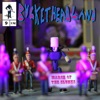 March of the SlunksBuckethead201211 tracks
 -
 Balloon CementBuckethead201212 tracks
 -
 The Silent Picture BookBuckethead20129 tracks
 -
 Electric SeaBuckethead201211 tracks
 -
 RacksBuckethead201210 tracks
 -
 The Shores of MolokaiBuckethead201211 tracks
 -
 The Mark of DavisBuckethead20138 tracks
 -
 Forgotten LibraryBuckethead20137 tracks
 -
 The Boiling PondBuckethead201310 tracks
 -
 View MasterBuckethead201312 tracks
Deep Dive
Overview
Buckethead is an American guitarist and experimental rock musician whose work spans noise rock, hard rock, and avant-garde instrumentation. Since his debut in 1992, he has established himself as one of the most prolific and technically uncompromising solo artists in rock, releasing dozens of albums that blur genre boundaries through intricate guitar work, sampling, and conceptual frameworks. His approach to the instrument—combining speed, precision, and textural experimentation—has positioned him as a distinctive voice in post-1990s rock music, independent of mainstream commercial expectation.
Formation Story
Buckethead’s emergence as a solo artist coincided with the early 1990s experimental rock scene, a period marked by increasing accessibility to recording technology and the growth of independent record labels focused on avant-garde and noise-oriented work. His entry into the recorded realm came through John Zorn’s Japanese label, Avant Records, which released his debut, Bucketheadland, in 1992. This foundational release established the conceptual and sonic framework that would define much of his subsequent work: technically demanding guitar performance married to surrealist imagery and thematic coherence. The decision to build a body of work around invented narratives and fictional constructs—rather than conventional songwriting rooted in personal biography—set the stage for three decades of prolific, genre-resistant creation.
Breakthrough Moment
Buckethead’s earliest albums consolidated his reputation within the experimental and avant-garde rock community. Bucketheadland (1992) introduced listeners to his core aesthetic: fractured song structures, rapid-fire technical solos, and conceptual thematics centered on a fictional amusement park. The album’s division into distinct sonic “areas” of the park—reinforced by sampled dialogue and effects from the 1960s Japanese television series Giant Robot—demonstrated an artist uninterested in conventional song forms. Following releases like Octave of the Holy Innocents (1993) and Giant Robot (1994) deepened this approach, establishing him as a figure of serious experimental intent within underground rock circles rather than a mainstream breakthrough artist. By the mid-1990s, his prolific output and consistent conceptual rigor had secured his position as a significant voice in noise rock and experimental music, even as wider commercial recognition remained limited.
Peak Era
The period from 1998 to 2007 marked Buckethead’s most fertile creative stretch, yielding some of his most substantial and thematically cohesive work. Albums such as Colma (1998), Monsters and Robots (1999), Somewhere Over the Slaughterhouse (2001), and Electric Tears (2002) demonstrated increasing refinement in production and compositional approach. The mid-2000s saw an acceleration in output, with releases like Crime Slunk Scene (2006), Pepper’s Ghost (2007), and The Dragons of Eden (2008) showcasing his ability to balance virtuosic guitar performance with ambient textures and noise elements. Throughout this period, Buckethead maintained an almost industrial rate of release—sometimes issuing multiple albums per year—while preserving conceptual and sonic distinctiveness across projects. This era established him not merely as a technically exceptional guitarist, but as a serious composer and sound architect working at the margins of rock music.
Musical Style
Buckethead’s guitar work is characterized by extreme technical facility, combining rapid legato passages, hammer-ons, and intricate fingerpicking with extensive use of effects processing and sampling. His approach is rooted in hard rock and metal virtuosity but extends into noise, ambient, and experimental territories where melody and conventional harmonic structure dissolve into textural abstraction. Production-wise, his albums frequently employ layered, densely processed guitar tones, non-traditional percussion elements, and vocal samples—particularly dialogue extracted from film and television—that function as structural or thematic anchors rather than narrative clarifications. The conceptual framing of his work, organized around fictional narratives and imagined spaces, distinguishes his practice from conventional instrumental rock. Stylistically, Buckethead operates across a spectrum from relatively structured hard-rock songs to soundscape-oriented pieces composed largely of effects and processed guitar, reflecting an artist more invested in sonic exploration than genre maintenance.
Major Albums
Bucketheadland (1992)
Buckethead’s debut and conceptual anchor, structured as a tour through a fictional amusement park. Establishes his signature blend of technical guitar, sampled dialogue from Giant Robot, and surrealist thematic organization.
Colma (1998)
A substantial release demonstrating maturation in compositional structure and production quality, marking a peak in his mid-period creative output.
Electric Tears (2002)
A departure emphasizing ambient textures and cleaner guitar tones, showcasing his ability to work in quieter, more introspective sonic registers without sacrificing technical precision.
Crime Slunk Scene (2006)
A notable entry from his extraordinarily prolific mid-2000s phase, exemplifying his consistent synthesis of noise rock, hard rock, and experimental approaches.
Bucketheadland 2 (2003)
A sequel to his 1992 debut, revisiting and expanding the conceptual universe of the original while incorporating production and compositional advances from over a decade of work.
The Dragons of Eden (2008)
A substantial project representing the continued refinement of his prolific late-2000s output, maintaining thematic and sonic ambition across its duration.
Signature Songs
- Soothsayer — A compositionally distinct entry showcasing dynamic range from quiet passages to explosive, technically demanding climaxes.
- Jordan — Demonstrates his ability to craft guitar-driven pieces with melodic clarity amid experimental production choices.
- Spokes for the Wheel of Inventions — Exemplifies the fusion of hard rock virtuosity with textural and conceptual experimentation central to his practice.
- Electric Tears — Reflects his capacity to work in introspective, ambient registers while maintaining instrumental sophistication.
Influence on Rock
Buckethead’s sustained practice has established a template for prolific, independently-minded guitarists operating outside mainstream rock structures. His refusal to pursue conventional song forms, combined with technical rigor and conceptual ambition, demonstrated that noise rock and experimental music could sustain serious artistic careers without mass-market appeal. The sheer volume of his output—releasing multiple albums annually throughout the 2000s and 2010s—has influenced younger experimenters’ approaches to prolific creation and self-directed distribution. His willingness to operate across hard rock virtuosity, noise, and ambient textures has loosened genre boundaries for guitarists seeking to work across multiple idioms without compromise. Though never a mainstream figure, Buckethead’s consistent practice has made him a touchstone for musicians engaged in experimental rock’s margins, demonstrating that technical mastery and conceptual rigor need not serve commercial ends.
Legacy
Buckethead’s legacy rests on three decades of uncompromising artistic output and a body of work numbering in the dozens of albums. His approach—built on technical facility, conceptual frameworks, and refusal to conform to commercial expectations—has secured his position as a significant figure in experimental and noise rock even as mainstream recognition has remained limited. The sheer prolific nature of his catalog, coupled with his consistent thematic and sonic ambition, has established him as a model of independent artistic practice within rock music. His continued activity and releases into the 2020s demonstrate a commitment to exploration and creation without pause or revision toward accessibility. Buckethead’s influence extends primarily through underground and experimental rock circles, where his work serves as evidence that rock guitar—historically a vehicle for commercial success—can be redirected entirely toward artistic experimentation.
Fun Facts
- Buckethead’s prolific output included multiple album releases per year during the 2000s and 2010s, establishing one of the most expansive discographies in rock music.
- His conceptual framework often centers on fictional constructs and imagined spaces, including the recurring Bucketheadland universe first introduced on his 1992 debut.
- Albums frequently employ samples and dialogue drawn from non-musical sources, particularly vintage television, integrating pop culture ephemera into experimental rock contexts.
- His work spans a remarkable range of sonic textures, from aggressive noise rock to ambient and atmospheric guitar work, often within single albums or projects.