

Photo by Raph_PH , licensed under CC BY 2.0 · Wikimedia Commons
Rank #48
Cat Stevens
From Wikipedia
Yusuf Islam, commonly known by his stage names Cat Stevens or Yusuf/Cat Stevens, is a British singer-songwriter and musician. He has sold more than 100 million records and has more than two billion streams. His musical style consists of folk, rock, pop, and, later in his career, Islamic music. Following two decades in which he performed only music which met strict religious standards, he returned to making secular music in 2006. He was inducted into the Rock and Roll Hall of Fame in 2014. He has received two honorary doctorates and awards for promoting peace as well as other humanitarian awards.
Discography & Previews
Browse through and click an album to open and play 30-second previews streamed from Apple Music.

New Masters
1967 · 23 tracks
- 1 Kitty ↗ 2:21
- 2 I'm So Sleepy ↗ 2:22
- 3 Northern Wind ↗ 2:49
- 4 The Laughing Apple ↗ 2:38
- 5 Smash Your Heart ↗ 3:00
- 6 Moonstone ↗ 2:16
- 7 The First Cut Is The Deepest ↗ 3:00
- 8 I'm Gonna Be King ↗ 2:28
- 9 Ceylon City ↗ 2:27
- 10 Blackness Of The Night ↗ 2:29
- 11 Come On Baby (Shift That Log) ↗ 3:50
- 12 I Love Them All ↗ 2:09
- 13 Here Comes My Wife (Mono Single Version) ↗ 2:59
- 14 A Bad Night (Mono Single Version) ↗ 3:11
- 15 The Laughing Apple (Mono Single Version) ↗ 2:35
- 16 Kitty (Mono Single Version) ↗ 2:22
- 17 Blackness of the Night (Mono Single Version) ↗ 2:29
- 18 Lovely City (When Do You Laugh?) [Mono Single Version] ↗ 2:41
- 19 Image Of Hell (Mono Single Version) ↗ 3:07
- 20 It's A Super (Dupa) Life (Mono Single Version) ↗ 2:51
- 21 Here Comes My Wife (Mono Single Version) ↗ 3:00
- 22 Where Are You (Mono Single Version) ↗ 3:01
- 23 The View From The Top (Mono Single Version) ↗ 3:36
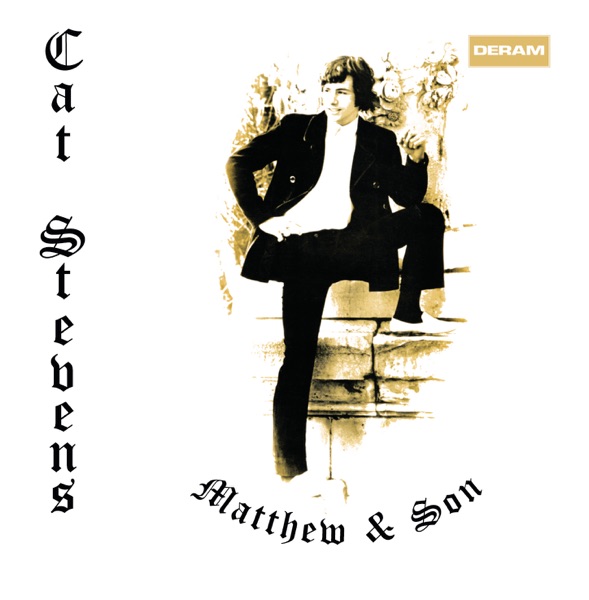
Matthew & Son
1967 · 16 tracks
- 1 Matthew & Son ↗ 2:42
- 2 I Love My Dog ↗ 2:19
- 3 Here Comes My Baby ↗ 2:55
- 4 Bring Another Bottle Baby ↗ 2:42
- 5 Portobello Road (Stereo Version) ↗ 2:27
- 6 I've Found a Love ↗ 2:29
- 7 I See a Road ↗ 2:08
- 8 Baby Get Your Head Screwed On ↗ 2:20
- 9 Granny ↗ 3:10
- 10 When I Speak To the Flowers ↗ 2:23
- 11 The Tramp ↗ 2:08
- 12 Come On and Dance ↗ 2:07
- 13 Hummingbird ↗ 2:34
- 14 Lady ↗ 3:01
- 15 School Is Out (Stereo Version) ↗ 2:57
- 16 I'm Gonna Get Me a Gun ↗ 2:13


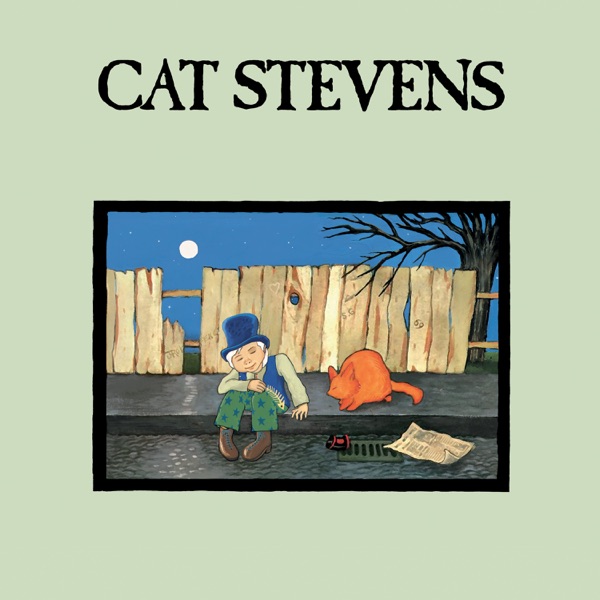
Tea for the Tillerman
1970 · 11 tracks




-
 New MastersCat Stevens196723 tracks
 -
 Matthew & SonCat Stevens196716 tracks
 -
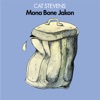 Mona Bone JakonCat Stevens197011 tracks
 -
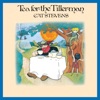 Tea for the TillermanCat Stevens197011 tracks
 -
 Teaser and the FirecatCat Stevens197110 tracks
 -
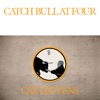 Catch Bull at FourCat Stevens197210 tracks
 -
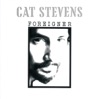 ForeignerCat Stevens19735 tracks
 -
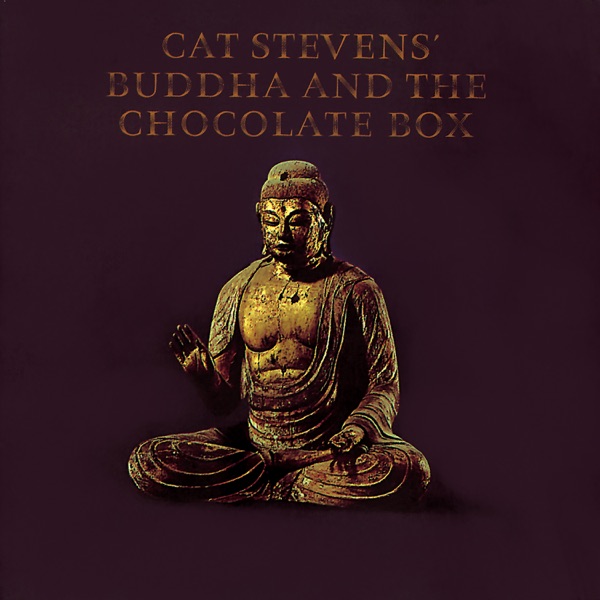
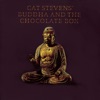 Buddha and the Chocolate BoxCat Stevens19749 tracks
 -
 IzitsoCat Stevens197710 tracks
 -
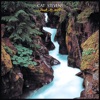 Back to EarthCat Stevens197810 tracks
Deep Dive
Overview
Cat Stevens, born Yusuf Islam, stands as one of the most commercially successful singer-songwriters of the 1970s, whose intimate acoustic arrangements and introspective lyrics shaped the folk-rock landscape of that era. With over 100 million records sold and more than two billion streams, Stevens created a body of work that blended folk traditions with contemporary rock sensibility, establishing him as a defining voice of the singer-songwriter movement. His career trajectory—from precocious talent in the late 1960s through peak creative and commercial success in the mid-1970s, followed by a profound spiritual transformation that temporarily withdrew him from secular music—positions him as a singular figure whose influence extended across generations of acoustic and folk-influenced rock musicians.
Formation Story
Born in London in 1948, Yusuf Islam emerged from a musical household shaped by postwar British culture and the folk traditions that animated the British music scene of the 1960s. He came of age during a period when acoustic guitar-based songwriting was gaining traction as an alternative to the electric rock dominating the radio. By the mid-1960s, still using the stage name Cat Stevens, he began his professional recording career, signing with Decca Records in 1966. His early artistic identity crystallized around introspective, folk-influenced songwriting paired with fingerpicked acoustic guitar work—a sound that reflected both contemporary influences and timeless ballad traditions. The folk-rock moment of the mid-to-late 1960s provided the cultural context in which Stevens refined his distinctive approach: sincere, melodically sophisticated, and lyrically focused on personal reflection and observation rather than overt social protest.
Breakthrough Moment
Stevens’s initial releases, including New Masters and Matthew & Son in 1967, attracted modest attention, but his commercial breakthrough arrived with Mona Bone Jakon in 1970. This album, followed immediately by Tea for the Tillerman later that same year, established him as a major force in acoustic rock. Tea for the Tillerman, in particular, became his signature statement—an album of unflinching emotional honesty featuring arrangements that placed his voice and guitar at the center, supported by sympathetic instrumentation that enhanced rather than obscured the songs themselves. The album’s success in both critical and commercial terms signaled that the intimate singer-songwriter model could achieve massive reach, and Stevens found himself suddenly recognized as a major artist rather than a promising newcomer. This rapid rise coincided with the broader commercial expansion of folk-rock into the mainstream popular market.
Peak Era
Between 1970 and 1977, Stevens entered his most artistically fertile and commercially successful period. Teaser and the Firecat (1971) and Catch Bull at Four (1972) consolidated his status as a leading figure in the singer-songwriter idiom, each album deepening his exploration of melodic sophistication and lyrical nuance. Buddha and the Chocolate Box (1974) represented the apex of his secular creative ambitions, showcasing increasingly complex arrangements while maintaining the emotional directness that defined his work. By the mid-1970s, Stevens had become a fixture on international charts and concert halls, his albums achieving platinum certification and his songs demonstrating remarkable longevity in both radio rotation and cultural memory. These years represented a period in which Stevens’s songwriting, vocal maturity, and production sensibility aligned most completely, yielding work that balanced commercial accessibility with genuine artistic substance. The appearance of Izitso in 1977 marked a transition point, as Stevens began exploring spiritual themes more explicitly within his secular output.
Musical Style
Cat Stevens’s fundamental musical identity rested on the marriage of intricate fingerpicked acoustic guitar work with conversational, often biographical songwriting that prioritized emotional clarity over rhetorical complexity. His vocal approach—warm, slightly nasal, and possessed of considerable interpretive flexibility—conveyed vulnerability and sincerity rather than technical virtuosity. While rooted in folk traditions, his arrangements frequently incorporated strings, piano, and subtle orchestration that elevated the songs without overwhelming them; producers and arrangers understood that Stevens’s compositions required space and clarity. His melodies, written in the folk-song tradition of strong, singable hooks, often evoked British and European art-song traditions, lending his work a timelessness that transcended the specific era of its creation. Lyrically, Stevens favored observation and introspection, crafting songs about relationships, aging, spirituality, and the interior life with specificity and without sentimentality. His work sat at the intersection of traditional folk repertoire, contemporary rock production, and avant-garde sensibility—conservative in its rejection of bombast, experimental in its careful orchestral choices.
Major Albums
Tea for the Tillerman (1970)
Stevens’s breakthrough and defining statement, this album established the template for his subsequent work: emotionally direct songwriting paired with spare, elegant arrangements that allowed lyrical and melodic content to dominate. Its commercial and critical success positioned him as a major artist.
Teaser and the Firecat (1971)
This album deepened the sophistication of his songwriting and arrangements, demonstrating that his initial success was not a one-time commercial accident but reflected genuine artistic development and broad appeal.
Catch Bull at Four (1972)
Representing the full maturation of Stevens’s melodic and lyrical gifts, this album showcased increasingly complex compositional choices while preserving the directness that made his work accessible and affecting.
Buddha and the Chocolate Box (1974)
Stevens’s most elaborately arranged work of this period, featuring orchestral accompaniment and thematic ambition while maintaining his core commitment to emotional honesty and melodic memorability.
Izitso (1977)
This album marked a significant shift toward explicitly spiritual themes and signaled Stevens’s deepening engagement with religious and philosophical inquiry, foreshadowing the transformative spiritual journey that would reshape his life and work.
Signature Songs
- “Morning Has Broken” — A spiritual reflection on awakening and grace that became one of Stevens’s most widely known and covered compositions, demonstrating his capacity for both simplicity and profundity.
- “Wild World” — A meditation on romantic dissolution and adult vulnerability that became a standard of the singer-songwriter repertoire and has been recorded countless times by subsequent artists.
- “Peace Train” — An affirmation of spiritual seeking and collective hope, this song exemplified Stevens’s ability to address large themes through personal, intimate vocal delivery.
- “Father and Son” — A narrative duet examining generational conflict and paternal wisdom, this song showcased Stevens’s storytelling gifts and emotional range within a single composition.
- “Moonshadow” — A whimsical yet philosophically grounded song about impermanence and acceptance that balanced wit with genuine spiritual inquiry.
Influence on Rock
Cat Stevens’s influence on rock music and the broader singer-songwriter movement cannot be separated from his demonstration that acoustic-based, introspective music could achieve mainstream commercial success without compromising artistic integrity. He legitimized the folk-influenced singer-songwriter model at precisely the moment when it was expanding from subcultural phenomenon to dominant popular form. His melodic sophistication and production choices influenced countless artists working in acoustic and folk-rock idioms throughout the 1970s and beyond. The careful balance Stevens struck between emotional accessibility and compositional complexity became a template for successful singer-songwriters who followed. His work also demonstrated that rock music need not depend on amplification, volume, or conventional rock instrumentation to achieve impact and cultural penetration. In the folk-rock genealogy that connects the 1960s British folk boom to contemporary singer-songwriter practice, Stevens occupies a position of significant influence, particularly among artists exploring the relationship between spiritual inquiry and personal narrative within popular music forms.
Legacy
Stevens’s commercial retreat from secular music in the late 1970s and his subsequent focus on Islamic music and humanitarian work created a distinctive historical trajectory that separates his career into distinct eras. His induction into the Rock and Roll Hall of Fame in 2014 affirmed the enduring significance of his 1970s work, recognizing his contributions to rock history despite his long absence from recording in secular rock idioms. The continued streaming and radio play of his 1970s catalog—accumulating billions of streams globally—testifies to the durability of his songwriting and the timeless quality of his arrangements. His albums from this period remain foundational texts in singer-songwriter study and continue to influence musicians working in acoustic, folk, and confessional rock traditions. Beyond music, his humanitarian work and awards for peace advocacy have added another dimension to his public presence, positioning him as an artist whose influence extends beyond the commercial and artistic to the ethical and spiritual spheres. The fact of his name—performing as both Cat Stevens and Yusuf Islam—encodes the fundamental journey of his life, and contemporary audiences encounter his work across both the secular rock canon and broader contexts of world music and spiritual practice.
Fun Facts
- Stevens recorded his debut album New Masters at age 19, demonstrating precocious songwriting talent during a period when most singer-songwriters were significantly older.
- “Morning Has Broken” became one of the first explicitly religious songs in the contemporary singer-songwriter repertoire to achieve major mainstream success, predating Stevens’s own spiritual transformation by several years.
- Stevens has received two honorary doctorates recognizing his contributions to music and humanitarian work, reflecting the breadth of his impact beyond purely commercial achievement.
- His transformation from Cat Stevens to Yusuf Islam, while marked by a retreat from secular recording, has not diminished his original work’s cultural presence; his albums from the 1970s remain integral to the popular music canon and continue to attract new listeners.