
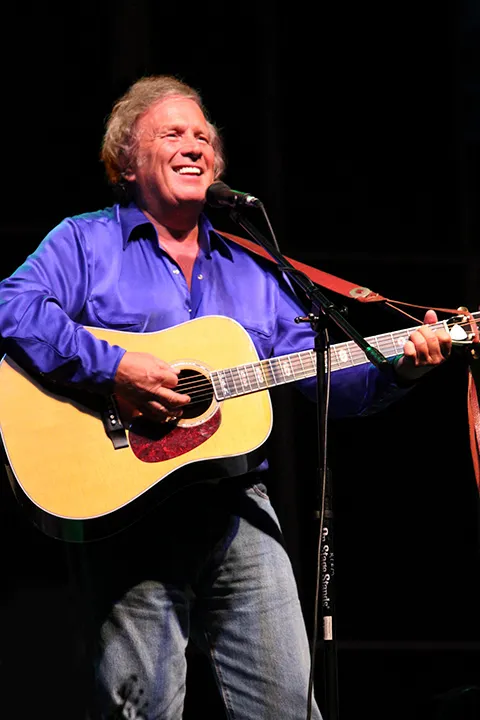
Photo by A Howard , licensed under CC BY 2.0 · Wikimedia Commons
Rank #205
Don McLean
From Wikipedia
Donald McLean III is an American singer-songwriter and guitarist. Known as the "American Troubadour" or "King of the Trail", he is best known for his 1971 hit "American Pie", an eight-and-a-half-minute folk rock song that has been referred to as a "cultural touchstone". His other hit singles include "Vincent", "Dreidel", "Castles in the Air", and "Wonderful Baby", as well as renditions of Roy Orbison's "Crying" and the Skyliners' "Since I Don't Have You".
Discography & Previews
Browse through and click an album to open and play 30-second previews streamed from Apple Music.


Playin’ Favorites
1973 · 12 tracks
- 1 Sitting On Top Of The World ↗ 1:59
- 2 Living With The Blues ↗ 2:19
- 3 Mountains O'Mourne ↗ 4:33
- 4 Fool's Paradise ↗ 4:10
- 5 Love O Love ↗ 0:53
- 6 Bill Cheatham / Old Joe Clark ↗ 3:51
- 7 Everyday ↗ 2:30
- 8 Ancient History ↗ 3:22
- 9 Over The Mountains ↗ 3:17
- 10 Lovesick Blues (Live/1976) ↗ 2:48
- 11 New Mule Skinner Blues ↗ 2:55
- 12 Happy Trails ↗ 1:11

Homeless Brother
1974 · 11 tracks
- 1 Winter Has Me In Its Grip ↗ 3:19
- 2 La La Love You ↗ 3:46
- 3 Homeless Brother ↗ 4:21
- 4 Sunshine Life for Me (Sail Away Raymond) ↗ 1:49
- 5 The Legend of Andrew McCrew ↗ 6:05
- 6 Wonderful Baby ↗ 2:03
- 7 You Have Lived ↗ 3:41
- 8 Great Big Man ↗ 3:16
- 9 Tangled (Like a Spider In Her Hair) ↗ 3:39
- 10 Crying In the Chapel ↗ 2:20
- 11 Did You Know ↗ 4:07

Prime Time
1977 · 13 tracks
- 1 Prime Time ↗ 5:02
- 2 The Statue ↗ 3:19
- 3 Jump ↗ 3:37
- 4 Red Wing ↗ 1:12
- 5 The Wrong Thing to Do ↗ 3:33
- 6 The Pattern Is Broken ↗ 2:49
- 7 When Love Begins ↗ 3:30
- 8 Color TV Blues ↗ 3:57
- 9 Building My Body ↗ 3:14
- 10 Down the Road / Sally Ann ↗ 1:33
- 11 When a Good Thing Goes Bad ↗ 4:00
- 12 South of the Border ↗ 2:20
- 13 If You Can Dream ↗ 2:48

Chain Lightning
1978 · 11 tracks
- 1 Words and Music ↗ 3:06
- 2 Crying ↗ 3:51
- 3 It's Just the Sun ↗ 2:31
- 4 Lotta Lovin' ↗ 2:12
- 5 Chain Lightning ↗ 7:49
- 6 Your Cheatin' Heart ↗ 3:05
- 7 Wonderful Night ↗ 3:07
- 8 It Doesn't Matter Anymore ↗ 3:06
- 9 Since I Don't Have You ↗ 2:36
- 10 Genesis (In the Beginning) ↗ 5:07
- 11 It's a Beautiful Life ↗ 2:13

Believers
1981 · 12 tracks
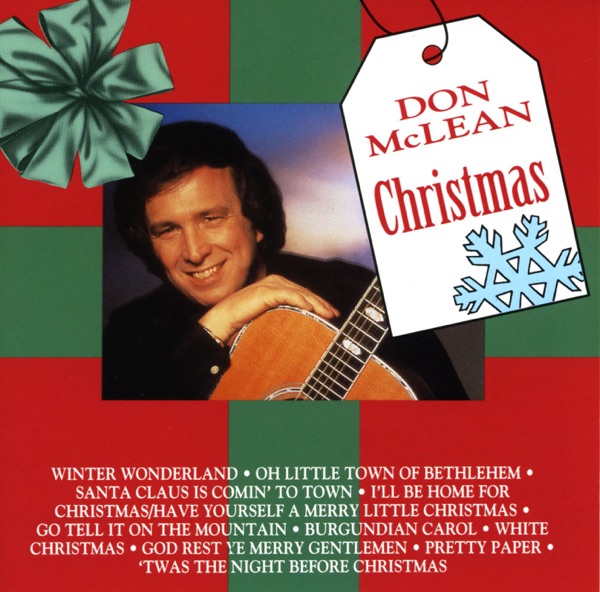
Christmas
1991 · 10 tracks
- 1 Winter Wonderland ↗ 2:56
- 2 Oh Little Town of Bethlehem ↗ 3:53
- 3 Santa Claus Is Comin' to Town ↗ 3:08
- 4 I'll Be Home for Christmas / Have Yourself a Merry Little Christmas ↗ 4:57
- 5 Go Tell It On the Mountain ↗ 2:58
- 6 Burgundian Carol ↗ 2:50
- 7 White Christmas ↗ 4:01
- 8 God Rest Ye Merry Gentlemen ↗ 2:23
- 9 Pretty Paper ↗ 3:28
- 10 'Twas the Night Before Christmas ↗ 3:48

Love Tracks
1992 · 10 tracks
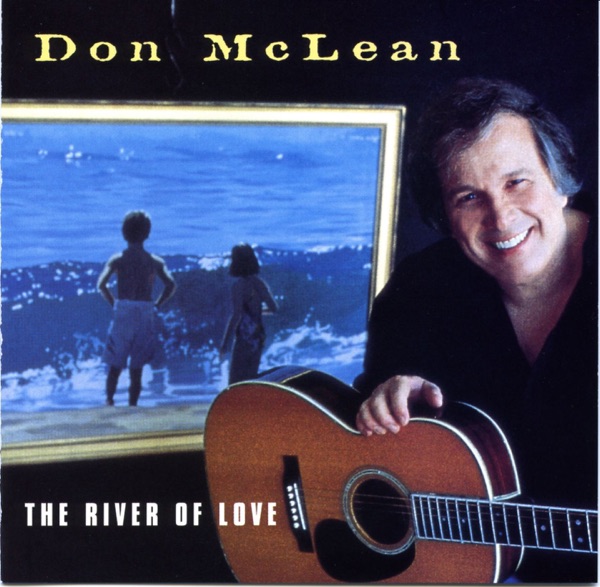
The River Of Love
1995 · 11 tracks
- 1 The River of Love ↗ 3:12
- 2 You're My Little Darlin' ↗ 3:30
- 3 If I Hadn't Met You ↗ 3:55
- 4 Better Still ↗ 4:03
- 5 You Got a Way About You, Baby ↗ 3:57
- 6 Angry Words ↗ 3:22
- 7 This Little Girl (Daddy-O) ↗ 3:14
- 8 Planet Noise ↗ 0:19
- 9 From a Beautiful Star ↗ 3:38
- 10 Little Cowboy ↗ 1:51
- 11 My Love Was True ↗ 3:54

Botanical Gardens
2018 · 13 tracks
- 1 Botanical Gardens ↗ 3:48
- 2 The Lucky Guy ↗ 3:20
- 3 A Total Eclipse of the Sun ↗ 4:26
- 4 The Waving Man ↗ 4:23
- 5 When July Comes ↗ 3:36
- 6 You’re All I Ever Had ↗ 4:21
- 7 Rock and Roll Your Baby ↗ 4:55
- 8 I’ve Cried All the Tears That I Have ↗ 3:00
- 9 Ain’t She a Honey ↗ 2:59
- 10 The King of Fools ↗ 4:48
- 11 Grief and Hope ↗ 3:49
- 12 You’ve Got Such Beautiful Eyes ↗ 3:36
- 13 Last Night When We Were Young ↗ 2:31

Still Playin’ Favorites
2020 · 14 tracks
- 1 So Doggone Lonesome ↗ 2:54
- 2 Greenback Dollar ↗ 4:26
- 3 Hide Nor Hair ↗ 3:10
- 4 I Ain't Never ↗ 2:10
- 5 Little Sister ↗ 3:26
- 6 I’m Going To Live The Life I Sing About In My Song ↗ 3:06
- 7 Six White Horses ↗ 3:30
- 8 Treat Me Nice ↗ 2:49
- 9 Most Likely You Go Your Way (And I’ll Go Mine) ↗ 3:24
- 10 Backwater Blues ↗ 6:16
- 11 Key to the Kingdom ↗ 4:28
- 12 Got The Bull By The Horns ↗ 2:59
- 13 Tell Old Bill ↗ 3:42
- 14 She Used to Love Me A Lot ↗ 3:46

American Boys
2024 · 13 tracks
- 1 American Boys ↗ 3:46
- 2 Thunderstorm Girl ↗ 2:48
- 3 Stone Cold Gangster ↗ 3:15
- 4 Truth And Fame ↗ 3:59
- 5 The Gypsy Road ↗ 3:58
- 6 I Shall Find My Way ↗ 3:47
- 7 Mexicali Gal ↗ 2:53
- 8 Vacant Luxury ↗ 4:14
- 9 The Ballad Of George Floyd ↗ 3:08
- 10 The Meanest Girl ↗ 4:34
- 11 Marley's Song (Save Yourself) ↗ 5:28
- 12 Resurrection Man ↗ 3:05
- 13 Gotta Make You Mine (Bonus Track) ↗ 3:58
-
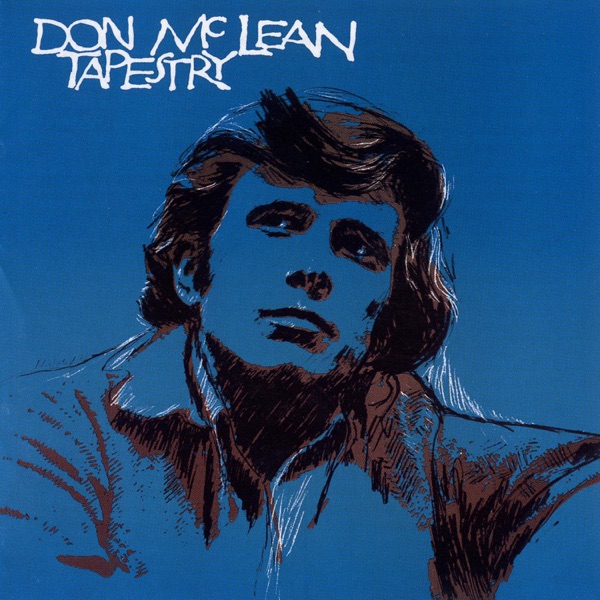
 TapestryDon McLean197011 tracks
 -
 American PieDon McLean197110 tracks
 -
 Don McLeanDon McLean197210 tracks
 -
 Playin’ FavoritesDon McLean197312 tracks
 -
 Homeless BrotherDon McLean197411 tracks
 -
 Prime TimeDon McLean197713 tracks
 -
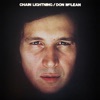 Chain LightningDon McLean197811 tracks
 -
 BelieversDon McLean198112 tracks
 -
 ChristmasDon McLean199110 tracks
 -
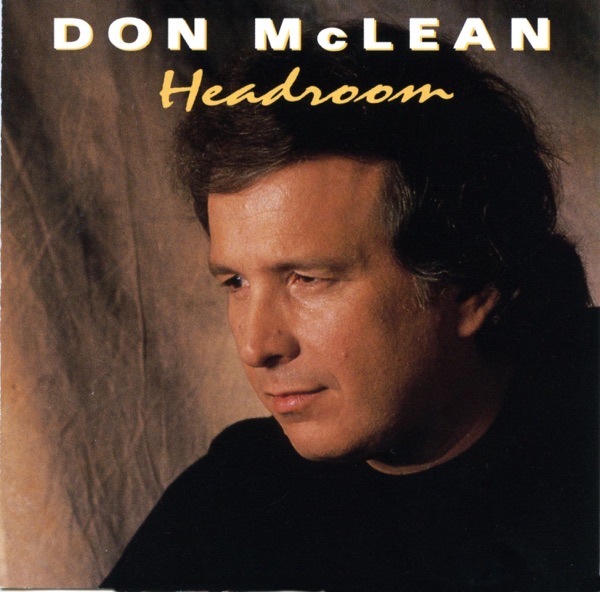
 HeadroomDon McLean199110 tracks
 -
 Love TracksDon McLean199210 tracks
 -
 The River Of LoveDon McLean199511 tracks
 -
 Botanical GardensDon McLean201813 tracks
 -
 Still Playin’ FavoritesDon McLean202014 tracks
 -
 American BoysDon McLean202413 tracks
Deep Dive
Overview
Don McLean is an American singer-songwriter and guitarist born in 1945 who became one of the defining voices of 1970s folk rock. Known as the “American Troubadour” and the “King of the Trail,” McLean achieved lasting fame through a catalog of introspective, narrative-driven songs that blended folk sensibilities with rock instrumentation. His 1971 hit “American Pie”—an eight-and-a-half-minute epic that traces American popular music history—stands as one of the most analyzed and culturally resonant songs in rock history, a status McLean has maintained through five decades of continuous recording and performance.
Formation Story
Don McLean’s path to music emerged from post-war American folk tradition and the singer-songwriter movement that crystallized in the 1960s. Born in 1945, he came of age during a period when folk music was undergoing a major revival, with artists like Woody Guthrie, Hank Williams, and later Bob Dylan redefining what American song could be. McLean absorbed this heritage deeply, developing an approach that married folk authenticity with rock production values. By the end of the 1960s, as folk-rock fusion was becoming a commercial and artistic force, McLean was positioned to emerge as both a keeper of American musical traditions and a contemporary songwriter capable of capturing the anxieties and reflections of his generation.
Breakthrough Moment
McLean’s initial album, Tapestry (1970), introduced him as a serious songwriter, but it was his second album, American Pie (1971), that transformed him into a major cultural figure. The title track—a sprawling, meticulously constructed eight-and-a-half-minute folk-rock composition—became the centerpiece of his career. The song’s structure combined a driving acoustic-electric foundation with McLean’s direct, conversational vocal delivery, while its lyrics wove together decades of American popular music history, from Buddy Holly’s 1959 plane crash through the rise of rock and roll, soul, and the counterculture. “American Pie” climbed charts worldwide and became embedded in American consciousness as a quasi-historical document and a meditation on cultural loss and continuity. The album’s success established McLean as more than a folk revivalist; he was an artist capable of writing songs of genuine scope and commercial appeal.
Peak Era
The period from 1971 to 1978 marked McLean’s creative and commercial peak. Following American Pie, he released the self-titled Don McLean (1972), which further solidified his reputation as a songwriter of emotional depth and craft. His renditions of existing material—including Roy Orbison’s “Crying” and the Skyliners’ “Since I Don’t Have You”—demonstrated an interpreter’s sensitivity alongside his original voice. During this stretch, McLean also recorded Playin’ Favorites (1973), Homeless Brother (1974), Prime Time (1977), and Chain Lightning (1978), establishing a pattern of consistent output that kept him visible in American popular music. His other hit singles—“Vincent,” “Dreidel,” “Castles in the Air,” and “Wonderful Baby”—became staples of FM radio and confirmed that his appeal extended beyond the one-song phenomenon that some had predicted. These years saw McLean touring extensively and recording for United Artists Records, the label that backed much of his most significant work.
Musical Style
Don McLean’s sound synthesizes American folk tradition with 1970s rock production. His voice is warm and conversational, often understated, favoring clarity of lyrical delivery over vocal display. Guitarwork forms the foundation of his arrangements—typically fingerpicked or strummed acoustic guitar, often with electric accompaniment that adds texture without overwhelming the song’s core melody. His songwriting draws from the American songbook: he writes with narrative specificity, often conjuring particular moments, places, or figures in ways that invite both literal listening and symbolic interpretation. While his primary idiom is folk-rock, McLean’s recordings show genuine catholicism in source material, covering Marty Robbins (the 2000 album Don McLean Sings Marty Robbins) and addressing diverse themes from childhood wonder (You’ve Got to Share: Songs for Children, 2004) to spiritual searching (Believers, 1981). The production style of his 1970s peak—full but never cluttered, with strings, piano, and electric instruments arranged to support rather than compete with his vocal—became the template for soft-rock radio of that era.
Major Albums
Tapestry (1970)
McLean’s debut introduced his singer-songwriter approach on a national stage, establishing the acoustic-to-electric arrangement style and literate lyrical sensibility that would define his career.
American Pie (1971)
The title track became a permanent fixture of American culture, and the album surrounding it proved McLean was a serious songwriter capable of writing songs of scope, emotion, and historical consciousness.
Don McLean (1972)
The self-titled follow-up deepened his reputation with introspective original material and covers that showcased his interpretive gifts, keeping him commercially vital after the massive success of American Pie.
Prime Time (1977)
Recorded near the midpoint of his peak years, this album demonstrated McLean’s continued ability to write and record engaging folk-rock material even as his chart dominance began to fade.
Signature Songs
- “American Pie” (1971) — An eight-and-a-half-minute folk-rock narrative that traces American popular music history and became one of rock’s most enduring and discussed songs.
- “Vincent” (1971) — A tender, affectionate song addressed to painter Vincent van Gogh, featuring a memorable melody and lyrics that sympathetically imagine the artist’s inner life.
- “Crying” (1980) — A cover of Roy Orbison’s ballad that showcased McLean’s ability to honor and reinterpret classic material with genuine reverence and vocal grace.
- “Castles in the Air” (1970) — An early signature track that demonstrated McLean’s gift for introspective songwriting and folk-rock arrangement.
- “Since I Don’t Have You” (1980) — A cover of the Skyliners’ doo-wop standard rendered as a folk-rock lament, proving McLean’s range across American musical traditions.
Influence on Rock
Don McLean’s primary influence on rock music came through the legitimization of the extended, lyrically ambitious song within a commercial context. “American Pie” demonstrated that a single could exceed five minutes, prioritize narrative complexity over hook-driven repetition, and still achieve massive radio and chart success. This opened space for subsequent singer-songwriters and progressive-leaning artists to believe that artistic ambition and popular appeal were not mutually exclusive. His album-oriented approach to folk-rock—favoring song craft, thematic coherence, and interpretive depth over the histrionics of hard rock—provided a template for countless soft-rock and adult contemporary artists in the 1970s and beyond. McLean’s reverence for earlier American musical forms (folk, country, doo-wop, rockabilly) also positioned him within a lineage of rock artists who understood the genre as part of a longer historical continuum rather than an isolated phenomenon.
Legacy
Don McLean remains one of the most recognizable figures in 1970s popular music, a status anchored almost entirely by “American Pie,” a song that has never left the cultural conversation since its release. The track has been interpreted by scholars as everything from a history lesson to a lament for the loss of innocence in American culture; it continues to be sampled, quoted, and discussed in contemporary music and media. McLean’s other hits—“Vincent,” “Crying,” “Castles in the Air”—retain their place in classic-rock radio rotation and remain familiar to multiple generations of listeners. His career has extended into the 2020s with continued recording and touring; American Boys (2024) represents his most recent studio work, demonstrating a commitment to active artistic engagement spanning more than fifty years. While his chart success peaked in the 1970s, his cultural footprint has only deepened with time, as “American Pie” has become one of rock’s most permanent and studied texts. Streaming platforms and modern radio continue to expose his work to listeners worldwide, ensuring that his contributions to folk-rock songwriting remain accessible and relevant.
Fun Facts
- McLean recorded a Christmas album titled Christmas in 1991, and followed it with Christmas Dreams in 1997, demonstrating a long-standing interest in the holiday music tradition.
- In addition to his numerous original albums, McLean has recorded thematic deep-dives into other artists and genres, including the 2000 album Don McLean Sings Marty Robbins, a tribute to the country music legend.
- The lyrics to “American Pie” have generated decades of scholarly and popular interpretation, with various listeners and critics debating the identities of the figures referenced in the song’s narrative.