
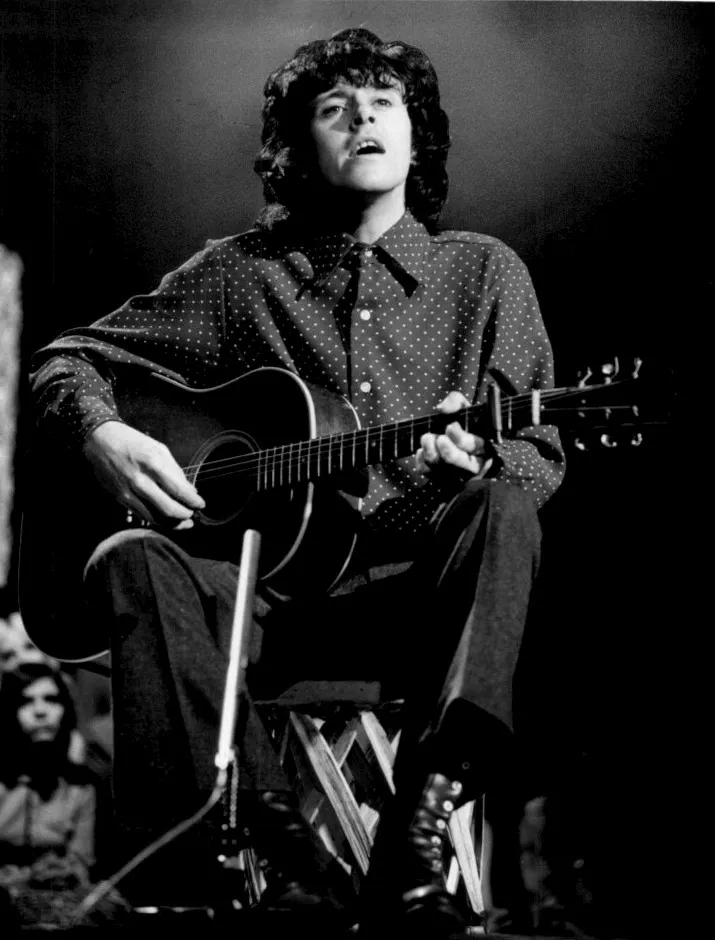
Photo by CBS Television , licensed under Public domain · Wikimedia Commons
Rank #99
Donovan
From Wikipedia
Donovan Phillips Leitch is a Scottish musician, songwriter and record producer. He emerged from the British folk scene in early 1965 and subsequently scored numerous international hit singles and albums during the late 1960s. His work became emblematic of the flower power era with its blend of folk, pop, psychedelia and jazz stylings.
Discography & Previews
Browse through and click an album to open and play 30-second previews streamed from Apple Music.

What’s Bin Did and What’s Bin Hid
1965 · 16 tracks
- 1 Josie ↗ 3:26
- 2 Catch the Wind ↗ 2:54
- 3 Remember the Alamo ↗ 3:02
- 4 Cuttin' Out ↗ 2:17
- 5 Car Car ↗ 1:29
- 6 Keep On Truckin' ↗ 1:48
- 7 Goldwatch Blues ↗ 2:30
- 8 To Sing for You ↗ 2:43
- 9 You're Gonna Need Somebody On Your Bond ↗ 4:01
- 10 Tangerine Puppet ↗ 1:49
- 11 Donna Donna ↗ 2:54
- 12 Ramblin' Boy ↗ 2:31
- 13 Catch the Wind (Single Version with Strings) ↗ 2:16
- 14 Why Do You Treat Me Like You Do? (Single B-Side) ↗ 2:54
- 15 Every Man Has His Chain (French EP Track) ↗ 2:10
- 16 Colours (Single Version) ↗ 2:45

Fairytale
1965 · 18 tracks
- 1 Colours ↗ 2:44
- 2 To Try for the Sun ↗ 3:37
- 3 Sunny Goodge Street ↗ 2:55
- 4 Oh Deed I Do ↗ 2:06
- 5 Circus of Sour ↗ 1:49
- 6 The Summer Day Reflection Song ↗ 2:11
- 7 Candy Man ↗ 3:25
- 8 Jersey Thursday ↗ 2:12
- 9 Belated Forgiveness Plea ↗ 2:55
- 10 The Ballad of a Crystal Man ↗ 3:51
- 11 Little Tin Soldier ↗ 2:58
- 12 The Ballad of Geraldine ↗ 4:39
- 13 Universal Soldier ↗ 2:12
- 14 The Ballad of a Crystal Man (Universal Soldier EP Version) ↗ 3:15
- 15 The War Drags On ↗ 3:40
- 16 Do You Hear Me Now ↗ 1:47
- 17 Turquoise ↗ 3:28
- 18 Hey Gyp (Dig the Slowness) ↗ 3:09

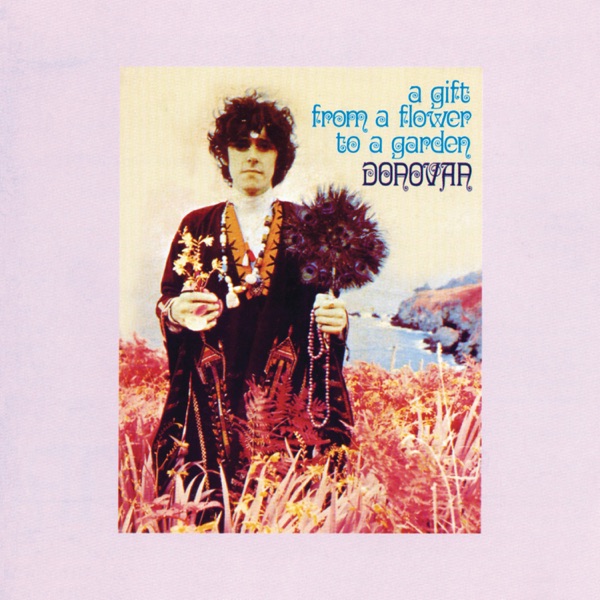
A Gift From a Flower to a Garden
1967 · 22 tracks
- 1 Wear Your Love Like Heaven ↗ 2:27
- 2 Mad John's Escape ↗ 2:18
- 3 Skip-a-Long Sam ↗ 2:24
- 4 Sun ↗ 3:16
- 5 There Was a Time ↗ 2:01
- 6 Oh Gosh ↗ 1:47
- 7 Little Boy In Corduroy ↗ 2:32
- 8 Under the Greenwood Tree ↗ 1:56
- 9 The Land of Doesn't Have to Be ↗ 2:28
- 10 Someone's Singing ↗ 3:04
- 11 Song of the Naturalist's Wife ↗ 2:51
- 12 The Enchanted Gypsy ↗ 3:19
- 13 Voyage Into the Golden Screen ↗ 3:15
- 14 Isle of Islay ↗ 2:23
- 15 The Mandolin Man and His Secret ↗ 3:27
- 16 Lay of the Last Tinker ↗ 1:49
- 17 The Tinker and the Crab ↗ 2:53
- 18 Widow with Shawl (A Portrait) ↗ 3:01
- 19 The Lullaby of Spring ↗ 3:27
- 20 The Magpie ↗ 1:29
- 21 Starfish-On-the-Toast ↗ 2:45
- 22 Epistle to Derroll ↗ 5:49

The Hurdy Gurdy Man
1968 · 13 tracks
- 1 Hurdy Gurdy Man ↗ 3:13
- 2 Peregrine ↗ 3:34
- 3 The Entertaining of a Shy Girl ↗ 1:39
- 4 As I Recall It ↗ 2:06
- 5 Get Thy Bearings ↗ 2:47
- 6 Hi It's Been a Long Time ↗ 2:32
- 7 West Indian Lady ↗ 2:15
- 8 Jennifer Juniper ↗ 2:40
- 9 The River Song ↗ 2:14
- 10 Tangier ↗ 4:10
- 11 A Sunny Day ↗ 1:52
- 12 The Sun Is a Very Magic Fellow ↗ 2:42
- 13 Teas ↗ 2:29
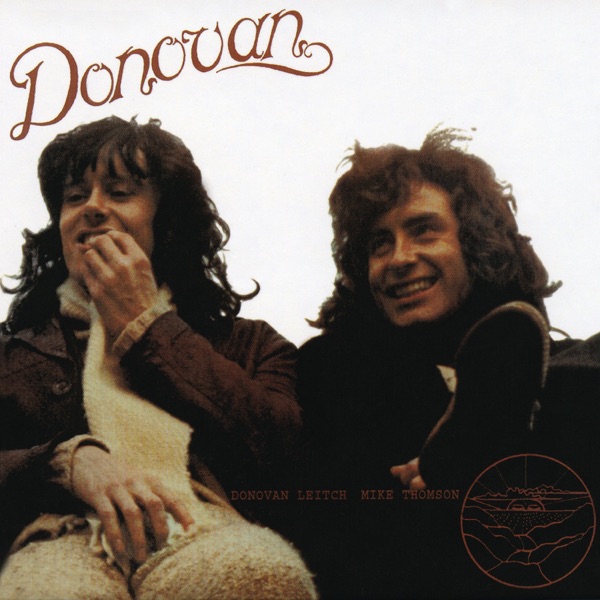
Open Road
1970 · 12 tracks

HMS Donovan
1971 · 28 tracks
- 1 The Walrus and the Carpenter ↗ 8:38
- 2 Jabberwocky ↗ 2:39
- 3 The Seller of Stars ↗ 2:55
- 4 Lost Time ↗ 2:31
- 5 The Little White Road ↗ 2:07
- 6 The Stars ↗ 1:47
- 7 Coulter's Candy ↗ 1:47
- 8 The Road ↗ 1:10
- 9 Things to Wear ↗ 1:09
- 10 The Owl and the Pussycat ↗ 2:27
- 11 Homesickness ↗ 2:33
- 12 Fishes in Love ↗ 1:07
- 13 Mr. Wind ↗ 2:41
- 14 Wynken, Blymken and Nod ↗ 2:26
- 15 Celia of the Seals ↗ 3:05
- 16 The Pee Song ↗ 2:08
- 17 The Voyage of the Moon ↗ 5:21
- 18 The Unicorn ↗ 0:57
- 19 Lord of the Dance ↗ 2:34
- 20 Little Ben ↗ 1:46
- 21 Can Ya Dance ↗ 1:34
- 22 In an Old Fashioned Picture Book ↗ 3:13
- 23 The Song of Wandering Aengus ↗ 3:59
- 24 A Funny Man ↗ 1:54
- 25 Lord of the Reedy River ↗ 2:41
- 26 Henry Martin ↗ 5:11
- 27 Queen Mab ↗ 2:20
- 28 La Moora ↗ 2:22

Essence to Essence
1973 · 10 tracks

7-Tease
1974 · 12 tracks

Slow Down World
1976 · 11 tracks


Lady of the Stars
1984 · 10 tracks

Sutras
1996 · 14 tracks
- 1 Please Don't Bend ↗ 4:12
- 2 Give It All Up ↗ 3:10
- 3 Sleep ↗ 2:48
- 4 Everlasting Sea ↗ 3:33
- 5 High Your Love ↗ 2:30
- 6 The Clear-Browed One ↗ 3:19
- 7 The Way ↗ 2:15
- 8 Deep Peace ↗ 3:11
- 9 Nirvana ↗ 3:31
- 10 Eldorado ↗ 3:07
- 11 Be Mine ↗ 3:27
- 12 Lady of the Lamp ↗ 3:53
- 13 The Evernow ↗ 4:09
- 14 Universe Am I ↗ 4:45

Pied Piper
2002 · 13 tracks
- 1 I Love My Shirt ↗ 3:31
- 2 Happiness Runs ↗ 4:43
- 3 Sun Magic ↗ 3:47
- 4 People Call Me the Pied Piper ↗ 4:21
- 5 Little Boy in Corduroy ↗ 3:39
- 6 Colours ↗ 3:19
- 7 Jackie Beanstalk ↗ 6:24
- 8 A Funny Man ↗ 2:02
- 9 Mandolin Man and His Secret ↗ 3:51
- 10 Nature Friends ↗ 1:17
- 11 Wynken, Blynken and Nod ↗ 3:26
- 12 Little Teddy Bear ↗ 3:01
- 13 Voyage of the Moon ↗ 5:50


Brother Sun, Sister Moon
2004 · 10 tracks


Ritual Groove
2010 · 26 tracks
- 1 Univerz ↗ 2:31
- 2 E-Motion ↗ 3:59
- 3 Waves ↗ 4:29
- 4 Diggin' The Future Now ↗ 2:30
- 5 I'm An American ↗ 4:04
- 6 Mistaken Eternity ↗ 3:07
- 7 Cherchez L'Erreur ↗ 3:34
- 8 Shaman ↗ 1:41
- 9 The Mountain ↗ 3:32
- 10 Devil Weed ↗ 4:45
- 11 The Olive Tree ↗ 4:24
- 12 Linda ↗ 3:13
- 13 Local Boy Chops Wood ↗ 3:31
- 14 The Breath ↗ 4:33
- 15 The Illusion ↗ 5:14
- 16 Flame ↗ 3:24
- 17 Refugee of Love ↗ 5:28
- 18 Still Waters ↗ 3:38
- 19 Big Pop Star ↗ 3:50
- 20 Love Seed ↗ 3:47
- 21 Ja Healer ↗ 3:43
- 22 Gentle Heart ↗ 3:56
- 23 Dreams of Love ↗ 3:24
- 24 A Woman's Work ↗ 4:09
- 25 Save the World ↗ 3:18
- 26 The Breath (Reprise) ↗ 2:40

The Sensual Donovan
2012 · 10 tracks
- 1 Only You (with The Crusaders) ↗ 4:29
- 2 Amore (with The Crusaders) ↗ 5:53
- 3 Two Lovers (with The Crusaders) ↗ 4:00
- 4 Astrella (with The Crusaders) ↗ 4:13
- 5 Amore (with The Crusaders) [Instrumental] ↗ 5:35
- 6 Hotel Lonely (with The Crusaders) ↗ 3:28
- 7 Two Lovers (with The Crusaders) [Instrumental] ↗ 4:20
- 8 Open Up Your Heart (with The Crusaders) ↗ 3:06
- 9 Astrella (with The Crusaders) [Instrumental] ↗ 3:04
- 10 The Dignity of Man (with The Crusaders) [Bonus Track] ↗ 5:10

The Living Crystal Faery Realm
2017 · 15 tracks
- 1 The Seller of Stars ↗ 2:55
- 2 Things to Wear ↗ 1:09
- 3 Mr Wind ↗ 2:41
- 4 The Voyage of the Moon ↗ 5:21
- 5 The Unicorn ↗ 0:57
- 6 Little Ben ↗ 1:46
- 7 Can Ya Dance ↗ 1:34
- 8 The Song of Wandering Aengus ↗ 3:59
- 9 Lord of the Reedy River ↗ 2:41
- 10 Queen Mab ↗ 2:20
- 11 La Moora ↗ 2:24
- 12 The Owl and the Pussycat ↗ 2:27
- 13 The Star ↗ 1:47
- 14 The Walrus and the Carpenter ↗ 8:38
- 15 Wynken Blymken and Nod ↗ 2:26

Jump In the Line - A Tribute to Harry Belafonte
2019 · 10 tracks


Gaelia
2022 · 13 tracks
- 1 Moon over Clare ↗ 2:40
- 2 Watching the Sun Go Down ↗ 3:52
- 3 Glasgow Town ↗ 3:20
- 4 The Ferryman's Daughter ↗ 3:47
- 5 The Ghost of Pagan Song ↗ 8:36
- 6 Where Are You Now? ↗ 3:59
- 7 Living on Love ↗ 2:30
- 8 The Lake Isle of Innisfree ↗ 2:36
- 9 Madrigalinda ↗ 2:56
- 10 Down by the Harbour ↗ 4:38
- 11 Rock Me (feat. David Gilmour) ↗ 4:26
- 12 Lover O' Lover (feat. David Gilmour) ↗ 4:50
- 13 Awaking Year ↗ 2:14
-
 What’s Bin Did and What’s Bin HidDonovan196516 tracks
 -
 FairytaleDonovan196518 tracks
 -
 Sunshine SupermanDonovan196610 tracks
 -
 A Gift From a Flower to a GardenDonovan196722 tracks
 -
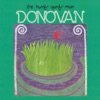 The Hurdy Gurdy ManDonovan196813 tracks
 -
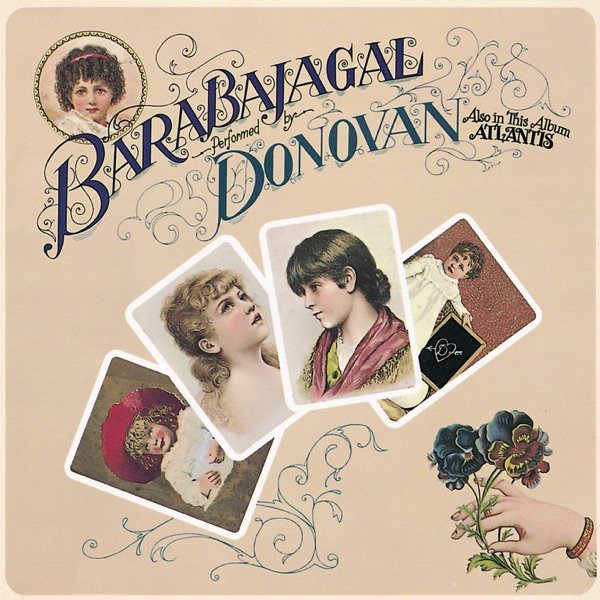
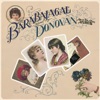 BarabajagalDonovan196910 tracks
 -
 Open RoadDonovan197012 tracks
 -
 HMS DonovanDonovan197128 tracks
 -
 Essence to EssenceDonovan197310 tracks
 -
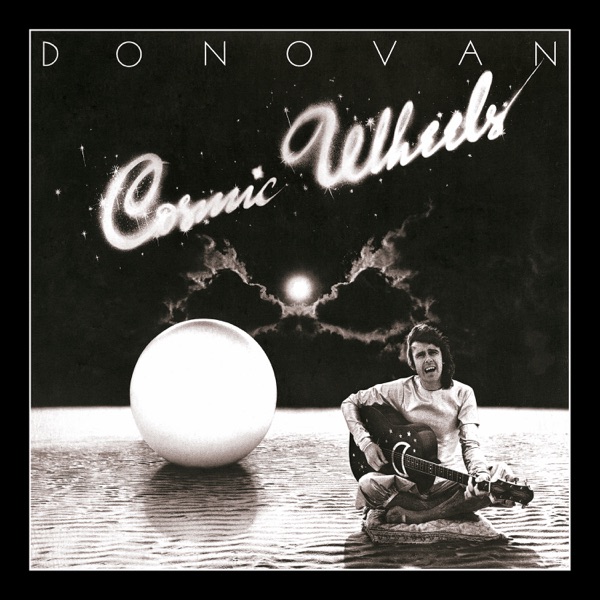
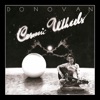 Cosmic WheelsDonovan197310 tracks
 -
 7-TeaseDonovan197412 tracks
 -
 Slow Down WorldDonovan197611 tracks
 -
 DonovanDonovan197710 tracks
 -
 NeutronicaDonovan198011 tracks
 -
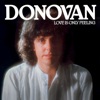 Love Is Only FeelingDonovan198110 tracks
 -
 Lady of the StarsDonovan198410 tracks
 -
 SutrasDonovan199614 tracks
 -
 Pied PiperDonovan200213 tracks
 -
 Sixty FourDonovan20029 tracks
 -
 Brother Sun, Sister MoonDonovan200410 tracks
 -
 Beat CafeDonovan200412 tracks
 -
 Ritual GrooveDonovan201026 tracks
 -
 The Sensual DonovanDonovan201210 tracks
 -
 Shadows of BlueDonovan201310 tracks
 -
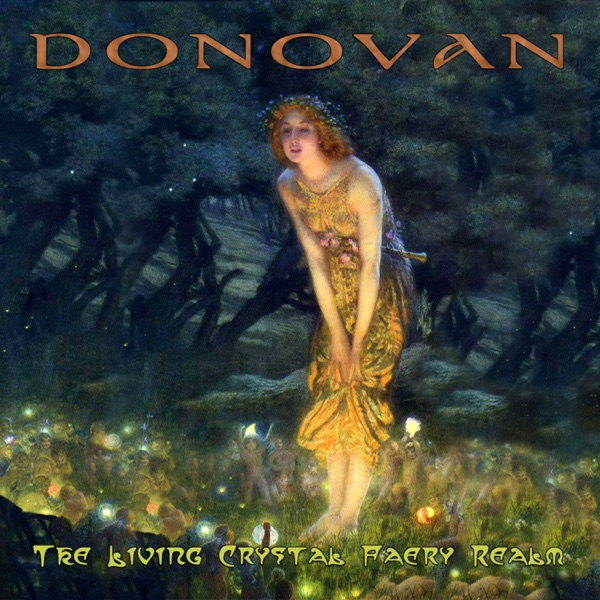
 The Living Crystal Faery RealmDonovan201715 tracks
 -
 Jump In the Line - A Tribute to Harry BelafonteDonovan201910 tracks
 -
 LunarianDonovan202110 tracks
 -
 GaeliaDonovan202213 tracks
Deep Dive
Overview
Donovan Phillips Leitch is a Scottish musician and songwriter who emerged from the British folk scene in early 1965 and became one of the defining voices of the flower power era. Operating across folk, pop, psychedelia, and jazz, Donovan crafted a body of work that captured the optimism and experimental spirit of the late 1960s. His ascent from folk troubadour to international pop phenomenon occurred with remarkable speed, establishing him as a key figure in the broader shift from acoustic singer-songwriter tradition toward psychedelic and studio-driven rock music.
Formation Story
Born in 1946 in Scotland, Donovan grew up during a period of post-war cultural ferment. He came of age during the British folk revival of the early 1960s, a movement driven by both traditional acoustic performers and younger singer-songwriters seeking to revive and reimagine folk idioms. By the mid-1960s, Donovan was embedded in this flourishing scene, positioned alongside figures exploring the intersection of folk authenticity and contemporary pop production. His emergence in early 1965 coincided with a broader cultural moment when British musicians were beginning to synthesize folk traditions with electric instrumentation and studio experimentation. This convergence of folk heritage and modern production would become the foundation of his artistic identity throughout his career.
Breakthrough Moment
Donovan’s breakthrough came rapidly after his emergence into the mainstream. His debut album, What’s Bin Did and What’s Bin Hid, arrived in 1965, followed shortly by Fairytale the same year. However, it was Sunshine Superman in 1966 that crystallized his commercial and artistic ascendancy. The album showcased his maturation as a songwriter and arranger, blending acoustic folk frameworks with sophisticated studio production, strings, and orchestral arrangements. This record established the template that would define his most successful period: accessible melodies grounded in folk sensibility yet enhanced by psychedelic instrumentation and advanced production techniques. The album’s success transformed Donovan from a promising folk newcomer into a genuine international star.
Peak Era
Donovan’s most creatively vital and commercially dominant period spanned 1966 through 1969, encompassing Sunshine Superman (1966), Mellow Yellow (1967), Wear Your Love Like Heaven (1967), A Gift From a Flower to a Garden (1967), The Hurdy Gurdy Man (1968), and Barabajagal (1969). During these years, he released a torrent of material that showcased remarkable stylistic range and inventiveness. Each album pushed further into psychedelic territory while maintaining the melodic accessibility and folkish warmth that distinguished his work from purely experimental psychedelic acts. The rapid release cycle reflected both the era’s appetite for new music and Donovan’s prodigious creative output. By 1969, he had established himself not merely as a hitmaker but as an artist whose work embodied the spiritual and aesthetic aspirations of the flower power movement. His music during this period became emblematic of late-1960s optimism and psychedelic exploration, heard across radio, in homes, and at gatherings of the youth culture that defined the era.
Musical Style
Donovan’s sound emerged from an unusual synthesis of influences: traditional folk music, contemporary pop songwriting, psychedelic rock experimentation, and jazz inflections. His vocal approach was gentle and conversational, often floating above arrangements that ranged from sparse acoustic guitar to lush orchestration. Unlike harder rock psychedelia, Donovan’s work retained folk music’s emphasis on melody and lyrical storytelling while adopting psychedelia’s willingness to employ unconventional instruments, studio effects, and song structures. His later recordings incorporated elements of world music, spiritual themes, and esoteric subject matter that aligned with 1960s counterculture interests without sacrificing accessibility. Throughout his career, Donovan worked as a songwriter and record producer, maintaining control over artistic direction and demonstrating sophisticated understanding of studio technique. His evolution across seven decades of recording—from folk purist to psychedelic innovator to explorer of diverse traditions—reflects both personal artistic curiosity and responsiveness to shifting musical and cultural landscapes.
Major Albums
Sunshine Superman (1966)
A watershed album that repositioned Donovan as a sophisticated studio artist, Sunshine Superman combined folk-pop accessibility with psychedelic production and orchestral arrangements. The album established the formula that would sustain his commercial success and creative credibility throughout the late 1960s.
Mellow Yellow (1967)
Released in 1967, this album deepened Donovan’s psychedelic palette while maintaining the melodic sophistication and spiritual undercurrents that characterized his best work. It represented his fullest realization of the flower power aesthetic during its peak moment.
Wear Your Love Like Heaven (1967)
Another 1967 release, this album demonstrated Donovan’s capacity to work across multiple psychedelic approaches simultaneously, incorporating gentle acoustic passages alongside more elaborate arrangements.
The Hurdy Gurdy Man (1968)
Donovan’s 1968 offering showcased further studio experimentation while introducing more overt world music and spiritual themes, pointing toward the more esoteric directions his work would take in subsequent decades.
Barabajagal (1969)
His final album of the decade marked a continuation of psychedelic exploration and increasingly ambitious arrangements, representing the culmination of his most commercially successful period.
Cosmic Wheels (1973)
Released in 1973, Cosmic Wheels demonstrated Donovan’s ongoing creative restlessness, incorporating new spiritual and mystical themes that would preoccupy much of his later work.
Signature Songs
- “Sunshine Superman” — The title track from his breakthrough 1966 album, embodying the optimistic psychedelic-folk fusion that made him an international star.
- “Mellow Yellow” — His most famous single, the title track from his 1967 album, representing the essence of flower power pop accessibility and psychedelic whimsy.
- “Wear Your Love Like Heaven” — A gentle psychedelic showcase demonstrating his gift for melodic accessibility married to experimental production.
- “Hurdy Gurdy Man” — The defining track from his 1968 album, showcasing Donovan’s ability to craft memorable hooks within adventurous sonic frameworks.
- “Barabajagal” — The title track from his 1969 album, representing his sophisticated approach to psychedelic rock structures and orchestration.
Influence on Rock
Donovan occupied a crucial transitional position in rock history, demonstrating how folk tradition could be synthesized with psychedelic experimentation without sacrificing either authenticity or pop accessibility. His work influenced numerous singer-songwriters who came of age during the late 1960s and sought to integrate acoustic instruments and folk sensibility into contemporary rock frameworks. While harder rock and blues-based psychedelia captured more critical attention, Donovan’s gentler psychedelic-folk approach proved influential among artists who valued melodic sophistication and harmonic complexity. His willingness to explore world music, spiritual themes, and unconventional song structures early in his career anticipated later developments in progressive rock and world music fusion. The sustained commercial and artistic success of his work during the flower power era established templates that subsequent generations of folk-influenced rock artists would return to and reinterpret.
Legacy
Donovan’s career arc—spanning from 1965 through the present day—testifies to enduring appeal and creative restlessness. His output across seven decades of recording demonstrates commitment to artistic exploration without concern for commercial trends or genre boundaries. The late 1960s albums that established his reputation remain in the cultural consciousness, heard regularly on classic rock radio and streamed across digital platforms. His prolific output in recent decades—including releases through 2022 such as Gaelia—reflects sustained creative engagement and refusal to rest on past achievements. Though his influence on rock music proved less revolutionary than that of certain contemporaries, Donovan’s integration of folk, psychedelia, pop, and world music into coherent artistic vision preserved elements of tradition while embracing innovation, a balancing act that continues to resonate with listeners drawn to psychedelic music rooted in melodic sensibility rather than pure sonic experimentation.
Fun Facts
- Donovan emerged from the British folk scene simultaneously with but distinctly apart from protest-oriented folk musicians, instead emphasizing accessibility and spiritual themes.
- He recorded albums for multiple major labels throughout his career, including Pye Records, Epic Records, and Dawn Records, maintaining artistic consistency despite shifting commercial circumstances.
- Donovan has maintained an official presence online at http://www.donovan.ie, engaging directly with fans and documenting his ongoing creative work into the 2020s.
- His recording career spans fifty-seven years from his 1965 debut to his 2022 album Gaelia, demonstrating exceptional longevity and sustained creative output.