
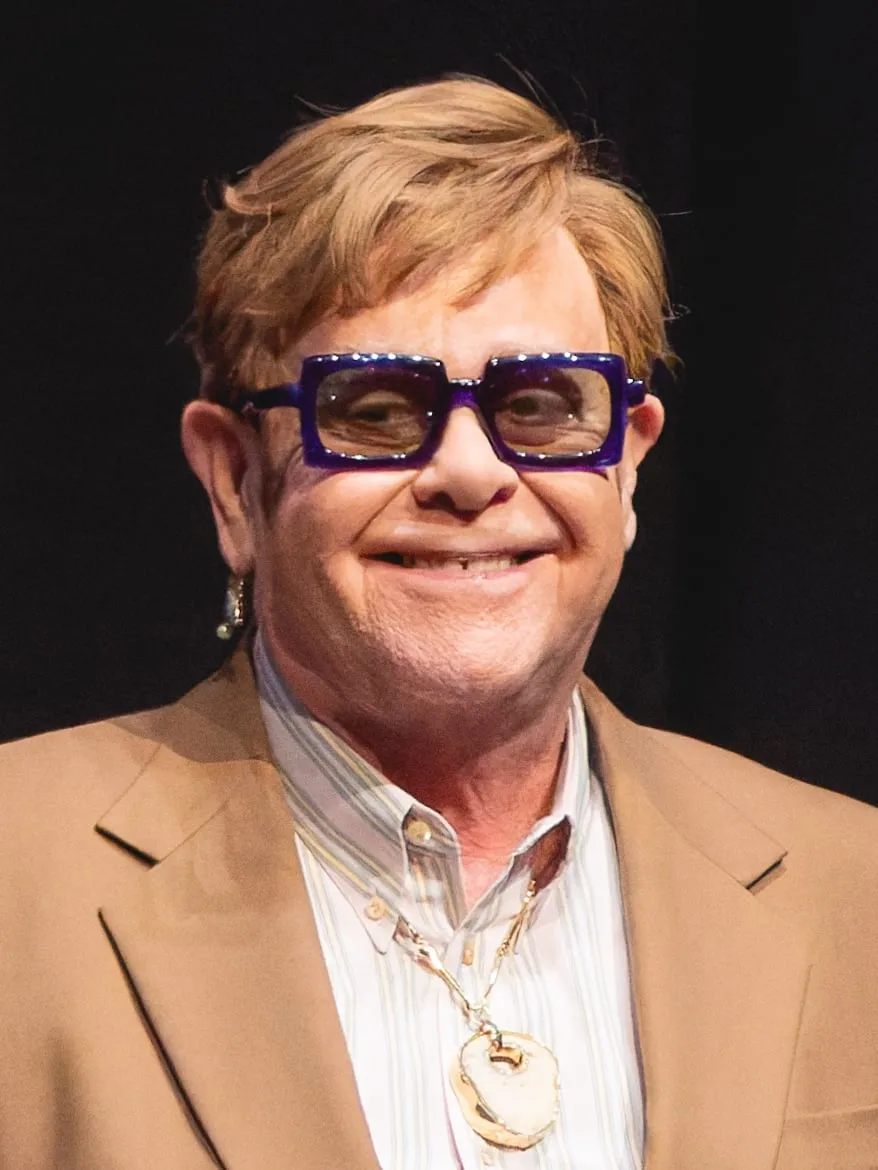
Photo by Raph_PH , licensed under CC BY 2.0 · Wikimedia Commons
Rank #9
Elton John
From Wikipedia
Sir Elton Hercules John is a British singer, songwriter and pianist. His music and showmanship have had a significant, lasting effect on the music industry, and his songwriting partnership with the lyricist Bernie Taupin is one of the most successful in history. John was the 19th person to achieve an "EGOT", winning Emmy, Grammy, Oscar, and Tony awards. He has sold over 300 million records worldwide, making him one of the best-selling music artists of all time.
Discography & Previews
Browse through and click an album to open and play 30-second previews streamed from Apple Music.
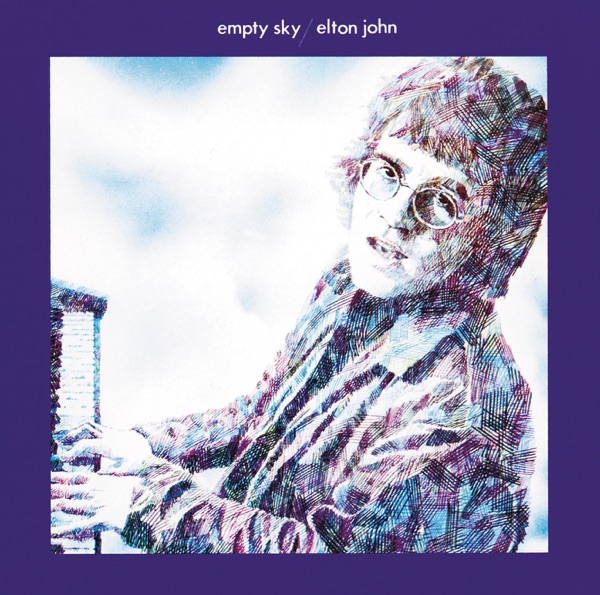
Empty Sky
1969 · 13 tracks
- 1 Empty Sky ↗ 8:30
- 2 Val-Hala ↗ 4:12
- 3 Western Ford Gateway ↗ 3:15
- 4 Hymn 2000 ↗ 4:30
- 5 Lady What's Tomorrow ↗ 3:09
- 6 Sails ↗ 3:45
- 7 The Scaffold ↗ 3:18
- 8 Skyline Pigeon ↗ 3:38
- 9 Gulliver/It's Hay Chewed (Reprise Version) ↗ 6:58
- 10 Lady Samantha ↗ 3:03
- 11 All Across the Havens ↗ 2:53
- 12 It's Me That You Need ↗ 4:04
- 13 Just Like Strange Rain ↗ 3:44

Tumbleweed Connection
1970 · 12 tracks
- 1 Ballad of a Well-Known Gun ↗ 5:01
- 2 Come Down in Time ↗ 3:26
- 3 Country Comfort ↗ 5:07
- 4 Son of Your Father ↗ 3:49
- 5 My Father's Gun ↗ 6:21
- 6 Where to Now St. Peter? ↗ 4:11
- 7 Love Song ↗ 3:39
- 8 Amoreena ↗ 5:03
- 9 Talking Old Soldiers ↗ 4:04
- 10 Burn Down the Mission ↗ 6:23
- 11 Into the Old Man's Shoes ↗ 4:17
- 12 Madman Across the Water (feat. Mick Ronson) ↗ 8:52

Elton John
1970 · 13 tracks
- 1 Your Song ↗ 4:05
- 2 I Need You to Turn To ↗ 2:34
- 3 Take Me to the Pilot ↗ 3:47
- 4 No Shoe Strings On Louise ↗ 3:32
- 5 First Episode At Hienton ↗ 4:50
- 6 Sixty Years On ↗ 4:36
- 7 Border Song ↗ 3:22
- 8 The Greatest Discovery ↗ 4:13
- 9 The Cage ↗ 3:31
- 10 The King Must Die ↗ 5:24
- 11 Bad Side of the Moon ↗ 3:15
- 12 Grey Seal ↗ 3:37
- 13 Rock and Roll Madonna ↗ 4:19
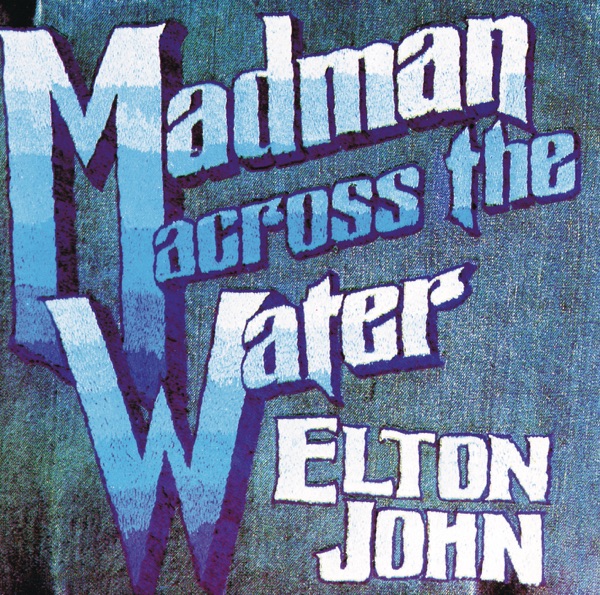
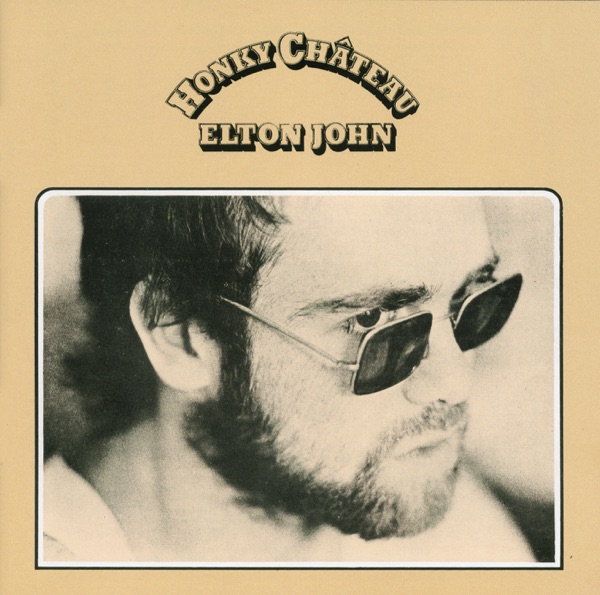
Honky Château
1972 · 11 tracks
- 1 Honky Cat ↗ 5:13
- 2 Mellow ↗ 5:33
- 3 I Think I'm Going to Kill Myself ↗ 3:35
- 4 Susie (Dramas) ↗ 3:25
- 5 Rocket Man (I Think It's Going to Be a Long Long Time) ↗ 4:42
- 6 Salvation ↗ 3:59
- 7 Slave ↗ 4:22
- 8 Amy ↗ 4:03
- 9 Mona Lisas and Mad Hatters ↗ 5:01
- 10 Hercules ↗ 5:21
- 11 Slave (Alternate "Fast" Version) [Bonus Track] ↗ 2:53
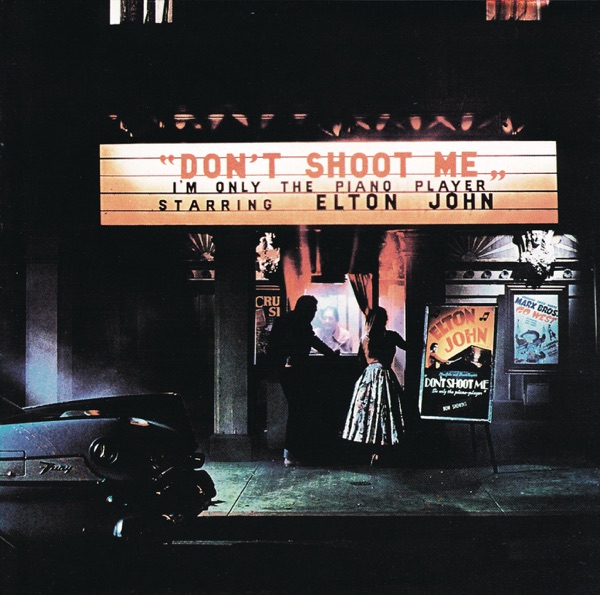
Don’t Shoot Me I’m Only the Piano Player
1973 · 14 tracks
- 1 Daniel ↗ 3:55
- 2 Teacher I Need You ↗ 4:10
- 3 Elderberry Wine ↗ 3:34
- 4 Blues For Baby And Me ↗ 5:39
- 5 Midnight Creeper ↗ 3:52
- 6 Have Mercy On the Criminal ↗ 5:58
- 7 I'm Going To Be A Teenage Idol ↗ 3:56
- 8 Texan Love Song ↗ 3:33
- 9 Crocodile Rock ↗ 3:55
- 10 High Flying Bird ↗ 4:12
- 11 Screw You (Young Man's Blues) [Bonus Track] ↗ 4:43
- 12 Jack Rabbit (Bonus Track) ↗ 1:50
- 13 Whenever You're Ready (We'll Go Steady Again) [Bonus Track] ↗ 2:51
- 14 Skyline Pigeon (Piano Version) [Bonus Track] ↗ 3:56

Goodbye Yellow Brick Road
1973 · 17 tracks
- 1 Funeral for a Friend / Love Lies Bleeding (2014 Remaster) ↗ 11:07
- 2 Candle In the Wind (2014 Remaster) ↗ 3:49
- 3 Bennie and the Jets (2014 Remaster) ↗ 5:23
- 4 Goodbye Yellow Brick Road (2014 Remaster) ↗ 3:13
- 5 This Song Has No Title (2014 Remaster) ↗ 2:23
- 6 Grey Seal (2014 Remaster) ↗ 4:00
- 7 Jamaica Jerk-Off (2014 Remaster) ↗ 3:38
- 8 I've Seen That Movie Too (2014 Remaster) ↗ 5:58
- 9 Sweet Painted Lady (2014 Remaster) ↗ 3:54
- 10 The Ballad of Danny Bailey (1909-1934) [2014 Remaster] ↗ 4:23
- 11 Dirty Little Girl (2014 Remaster) ↗ 5:00
- 12 All the Girls Love Alice (2014 Remaster) ↗ 5:08
- 13 Your Sister Can't Twist (But She Can Rock 'N Roll) [2014 Remaster] ↗ 2:42
- 14 Saturday Night's Alright for Fighting (2014 Remaster) ↗ 4:55
- 15 Roy Rogers (2014 Remaster) ↗ 4:07
- 16 Social Disease (2014 Remaster) ↗ 3:43
- 17 Harmony (2014 Remaster) ↗ 2:45

Caribou
1974 · 14 tracks
- 1 The Bitch Is Back ↗ 3:45
- 2 Pinky ↗ 3:55
- 3 Grimsby ↗ 3:47
- 4 Dixie Lily ↗ 2:55
- 5 Solar Prestige a Gammon ↗ 2:53
- 6 You're So Static ↗ 4:53
- 7 I've Seen the Saucers ↗ 4:48
- 8 Stinker ↗ 5:20
- 9 Don't Let the Sun Go Down On Me ↗ 5:37
- 10 Ticking ↗ 7:34
- 11 Pinball Wizard ↗ 5:09
- 12 Sick City ↗ 5:24
- 13 Cold Highway ↗ 3:25
- 14 Step Into Christmas ↗ 4:32

Captain Fantastic and the Brown Dirt Cowboy
1975 · 13 tracks
- 1 Captain Fantastic and the Brown Dirt Cowboy ↗ 5:46
- 2 Tower of Babel ↗ 4:29
- 3 Bitter Fingers ↗ 4:34
- 4 Tell Me When the Whistle Blows ↗ 4:21
- 5 Someone Saved My Life Tonight ↗ 6:46
- 6 (Gotta Get A) Meal Ticket ↗ 4:02
- 7 Better Off Dead ↗ 2:38
- 8 Writing ↗ 3:41
- 9 We All Fall In Love Sometimes ↗ 4:13
- 10 Curtains ↗ 6:27
- 11 Lucy In the Sky With Diamonds ↗ 6:19
- 12 One Day At a Time ↗ 3:50
- 13 Philadelphia Freedom ↗ 5:22

Rock of the Westies
1975 · 10 tracks
- 1 Medley: Yell Help / Wednesday Night / Ugly ↗ 6:15
- 2 Dan Dare (Pilot of the Future) ↗ 3:29
- 3 Island Girl ↗ 3:42
- 4 Grow Some Funk of Your Own ↗ 4:47
- 5 I Feel Like a Bullet (In the Gun of Robert Ford) ↗ 5:27
- 6 Street Kids ↗ 6:25
- 7 Hard Luck Story ↗ 5:16
- 8 Feed Me ↗ 4:01
- 9 Billy Bones and the White Bird ↗ 4:25
- 10 Don't Go Breaking My Heart ↗ 4:35
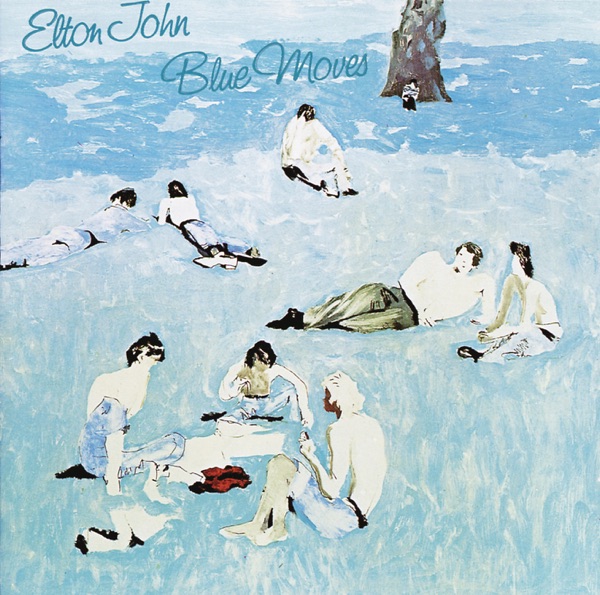
Blue Moves
1976 · 18 tracks
- 1 Your Starter for ... ↗ 1:24
- 1 Sorry Seems to Be the Hardest Word ↗ 3:49
- 2 Tonight ↗ 7:52
- 2 Out of the Blue ↗ 6:15
- 3 One Horse Town ↗ 5:57
- 3 Between Seventeen and Twenty ↗ 5:18
- 4 Chameleon ↗ 5:28
- 4 The Wide-Eyed and Laughing ↗ 3:28
- 5 Boogie Pilgrim ↗ 6:06
- 5 Someone's Final Song ↗ 4:11
- 6 Cage the Songbird ↗ 3:26
- 6 Where's the Shoorah? ↗ 4:09
- 7 Crazy Water ↗ 5:43
- 7 If There's a God In Heaven (What's He Waiting For?) ↗ 4:25
- 8 Shoulder Holster ↗ 5:10
- 8 Idol ↗ 4:09
- 9 Theme from a Non-Existent TV Series ↗ 1:19
- 10 Bite Your Lip (Get Up and Dance!) ↗ 6:44

A Single Man
1978 · 16 tracks
- 1 Shine On Through ↗ 3:45
- 2 Return to Paradise ↗ 4:16
- 3 I Don't Care ↗ 4:24
- 4 Big Dipper ↗ 4:04
- 5 It Ain't Gonna Be Easy ↗ 8:28
- 6 Part Time Love ↗ 3:16
- 7 Georgia ↗ 4:50
- 8 Shooting Star ↗ 2:44
- 9 Madness ↗ 5:53
- 10 Reverie ↗ 0:54
- 11 Song for Guy ↗ 6:54
- 12 Ego ↗ 4:00
- 13 Flinstone Boy ↗ 4:13
- 14 I Cry At Night ↗ 3:16
- 15 Lovesick ↗ 3:59
- 16 Strangers ↗ 4:47

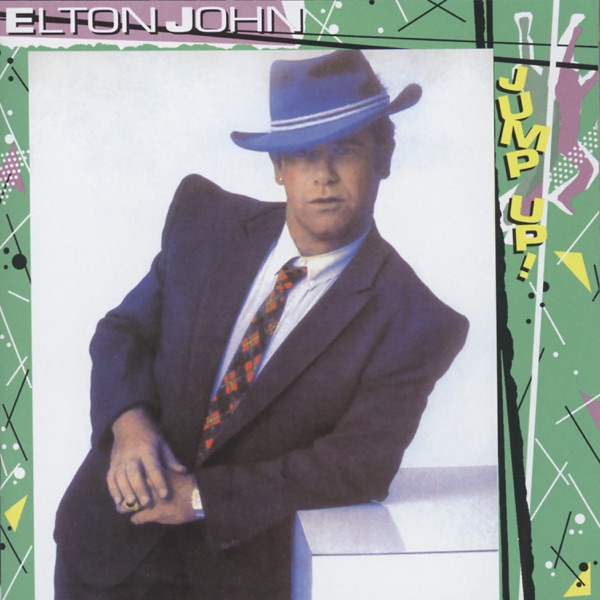

Too Low for Zero
1983 · 13 tracks
- 1 Cold As Christmas (In the Middle of the Year) ↗ 4:22
- 2 I'm Still Standing ↗ 3:03
- 3 Too Low For Zero ↗ 5:46
- 4 Religion ↗ 4:07
- 5 I Guess That's Why They Call It the Blues ↗ 4:45
- 6 Crystal ↗ 5:06
- 7 Kiss the Bride ↗ 4:22
- 8 Whipping Boy ↗ 3:44
- 9 Saint ↗ 5:20
- 10 One More Arrow ↗ 3:48
- 11 Earn While You Learn ↗ 6:47
- 12 Dreamboat ↗ 7:35
- 13 The Retreat ↗ 4:46
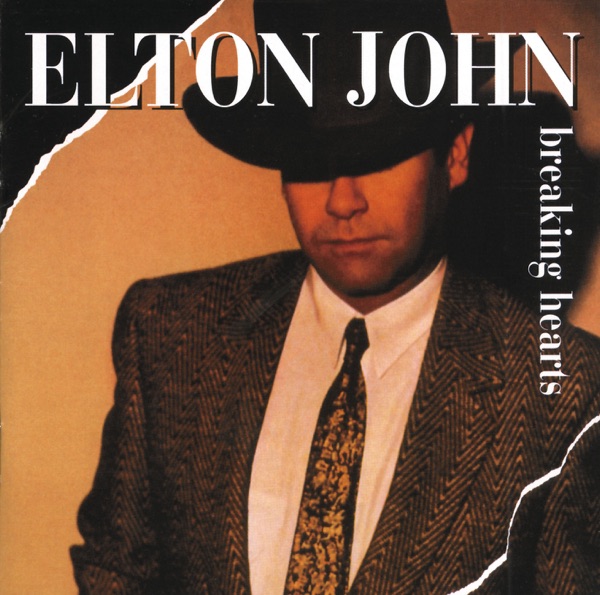
Breaking Hearts
1984 · 10 tracks

Ice on Fire
1985 · 14 tracks
- 1 This Town ↗ 3:57
- 2 Cry To Heaven ↗ 4:17
- 3 Soul Glove ↗ 3:31
- 4 Nikita ↗ 5:43
- 5 Too Young ↗ 5:13
- 6 Wrap Her Up (feat. George Michael) ↗ 6:21
- 7 Satellite ↗ 4:38
- 8 Tell Me What the Papers Say ↗ 3:40
- 9 Candy By the Pound ↗ 3:57
- 10 Shoot Down the Moon ↗ 5:09
- 11 The Man Who Never Died (1985 Remix) ↗ 5:13
- 12 Restless (Live At Wembley Stadium 1984) ↗ 4:26
- 13 Sorry Seems To Be the Hardest Word (Live Version) ↗ 3:23
- 14 I'm Still Standing (Live At Wembley Stadium 1984) ↗ 4:52


Reg Strikes Back
1988 · 14 tracks
- 1 Town of Plenty ↗ 3:41
- 2 A Word In Spanish ↗ 4:39
- 3 Mona Lisas and Mad Hatters (Pt. 2) ↗ 4:13
- 4 I Don't Wanna Go On With You Like That ↗ 4:35
- 5 Japanese Hands ↗ 4:41
- 6 Goodbye Marlon Brando ↗ 3:31
- 7 The Camera Never Lies ↗ 4:36
- 8 Heavy Traffic ↗ 3:30
- 9 Poor Cow ↗ 3:51
- 10 Since God Invented Girls ↗ 4:54
- 11 Rope Around a Fool ↗ 3:48
- 12 I Don't Wanna Go On With You Like That (Shep Pettibone Mix) ↗ 7:17
- 13 I Don't Wanna Go On With You Like That (Just Elton And His Piano Mix) ↗ 4:38
- 14 Mona Lisas and Mad Hatters (Pt. 2) [The Renaissance Mix] ↗ 6:19
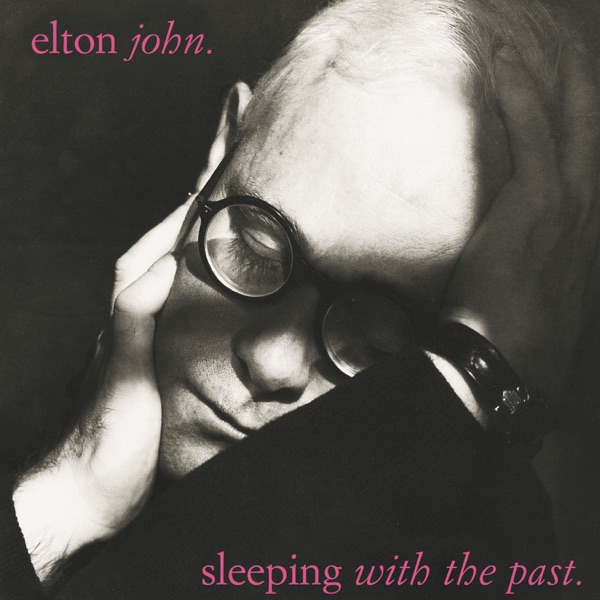
Sleeping With the Past
1989 · 12 tracks
- 1 Durban Deep ↗ 5:29
- 2 Healing Hands ↗ 4:30
- 3 Whispers ↗ 5:26
- 4 Club At the End of the Street ↗ 4:52
- 5 Sleeping With the Past ↗ 4:52
- 6 Stone's Throw From Hurtin' ↗ 4:44
- 7 Sacrifice ↗ 5:04
- 8 I Never Knew Her Name ↗ 3:28
- 9 Amazes Me ↗ 4:36
- 10 Blue Avenue ↗ 4:19
- 11 Dancing In the End Zone ↗ 3:53
- 12 Love Is a Cannibal ↗ 3:53
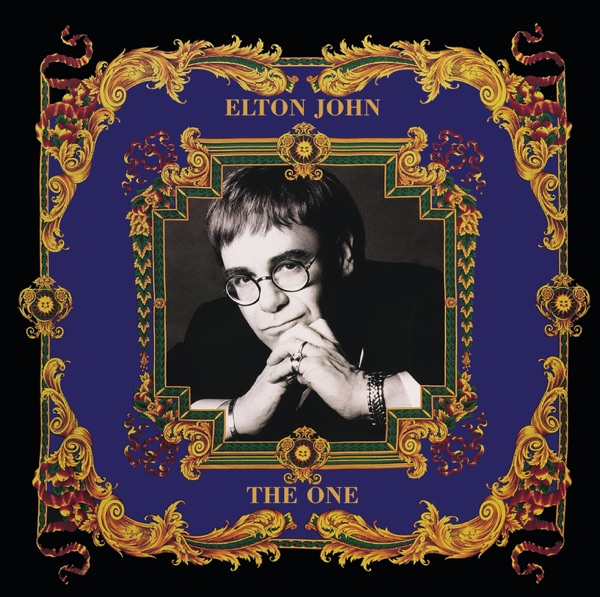
The One
1992 · 13 tracks
- 1 Simple Life ↗ 6:26
- 2 The One ↗ 5:53
- 3 Sweat It Out ↗ 6:39
- 4 Runaway Train (feat. Eric Clapton) ↗ 5:23
- 5 Whitewash Country ↗ 5:30
- 6 The North ↗ 5:15
- 7 When a Woman Doesn't Want You ↗ 4:56
- 8 Emily ↗ 4:58
- 9 On Dark Street ↗ 4:43
- 10 Understanding Women ↗ 5:03
- 11 The Last Song ↗ 3:33
- 12 Suit of Wolves ↗ 5:49
- 13 Fat Boys and Ugly Girls ↗ 4:14

Duets
1993 · 16 tracks
- 1 Teardrops ↗ 4:53
- 2 When I Think About Love (I Think About You) ↗ 4:34
- 3 The Power ↗ 6:25
- 4 Shakey Ground ↗ 3:51
- 5 True Love ↗ 3:33
- 6 If You Were Me ↗ 4:24
- 7 A Woman's Needs ↗ 5:17
- 8 Old Friend ↗ 4:16
- 9 Go On and On ↗ 5:50
- 10 Don't Go Breaking My Heart ↗ 5:00
- 11 Ain't Nothing Like the Real Thing (feat. Marcella Detroit) ↗ 3:34
- 12 I'm Your Puppet ↗ 3:36
- 13 Love Letters ↗ 4:01
- 14 Born to Lose ↗ 4:32
- 15 Don't Let the Sun Go Down On Me (Live At Wembley Arena / 1991) ↗ 5:47
- 16 Duet for One ↗ 4:52


The Big Picture
1997 · 11 tracks
- 1 Long Way from Happiness ↗ 4:46
- 2 Live Like Horses (Elton John Solo Studio) ↗ 5:02
- 3 The End Will Come ↗ 4:53
- 4 If the River Can Bend ↗ 5:22
- 5 Love's Got a Lot to Answer For ↗ 5:00
- 6 Something About the Way You Look Tonight (Full Length) ↗ 5:09
- 7 The Big Picture ↗ 3:45
- 8 Recover Your Soul ↗ 5:18
- 9 January ↗ 4:00
- 10 I Can't Steer My Heart Clear of You ↗ 4:08
- 11 Wicked Dreams ↗ 4:40

Songs From the West Coast
2001 · 13 tracks
- 1 The Emperor's New Clothes ↗ 4:29
- 2 Dark Diamond ↗ 4:27
- 3 Look Ma, No Hands ↗ 4:22
- 4 American Triangle ↗ 4:49
- 5 Original Sin ↗ 4:49
- 6 Birds ↗ 3:52
- 7 I Want Love ↗ 4:35
- 8 The Wasteland ↗ 4:21
- 9 Ballad of the Boy in the Red Shoes ↗ 4:52
- 10 Love Her Like Me ↗ 3:58
- 11 Mansfield ↗ 4:53
- 12 This Train Don't Stop There Anymore ↗ 4:38
- 13 Your Song ↗ 4:21

Peachtree Road
2004 · 12 tracks
- 1 Weight of the World ↗ 3:58
- 2 Porch Swing In Tupelo ↗ 4:39
- 3 Answer In the Sky ↗ 4:04
- 4 Turn the Lights Out When You Leave ↗ 5:02
- 5 My Elusive Drug ↗ 4:12
- 6 They Call Her the Cat ↗ 4:27
- 7 Freaks In Love ↗ 4:31
- 8 All That I'm Allowed (I'm Thankful) ↗ 4:52
- 9 I Stop and I Breathe ↗ 3:39
- 10 Too Many Tears ↗ 4:15
- 11 It's Getting Dark In Here ↗ 3:50
- 12 I Can't Keep This from You ↗ 4:35

The Union
2010 · 14 tracks
- 1 If It Wasn't For Bad ↗ 3:43
- 2 Eight Hundred Dollar Shoes ↗ 3:23
- 3 Hey Ahab ↗ 5:39
- 4 Gone To Shiloh ↗ 4:50
- 5 Jimmie Rodgers' Dream ↗ 3:43
- 6 There's No Tomorrow ↗ 3:45
- 7 Monkey Suit ↗ 4:46
- 8 The Best Part Of The Day ↗ 4:45
- 9 A Dream Come True ↗ 5:07
- 10 When Love Is Dying ↗ 4:51
- 11 I Should Have Sent Roses ↗ 5:21
- 12 Hearts Have Turned To Stone ↗ 3:47
- 13 Never Too Old (To Hold Somebody) ↗ 4:58
- 14 In The Hands Of Angels ↗ 4:43

The Diving Board
2013 · 15 tracks
- 1 Oceans Away ↗ 3:58
- 2 Oscar Wilde Gets Out ↗ 4:35
- 3 A Town Called Jubilee ↗ 4:30
- 4 The Ballad of Blind Tom ↗ 4:12
- 5 Dream #1 ↗ 0:40
- 6 My Quicksand ↗ 4:47
- 7 Can't Stay Alone Tonight ↗ 4:49
- 8 Voyeur ↗ 4:16
- 9 Home Again ↗ 5:01
- 10 Take This Dirty Water ↗ 4:25
- 11 Dream #2 ↗ 0:43
- 12 The New Fever Waltz ↗ 4:39
- 13 Mexican Vacation (Kids In the Candlelight) ↗ 3:34
- 14 Dream #3 ↗ 1:37
- 15 The Diving Board ↗ 5:56

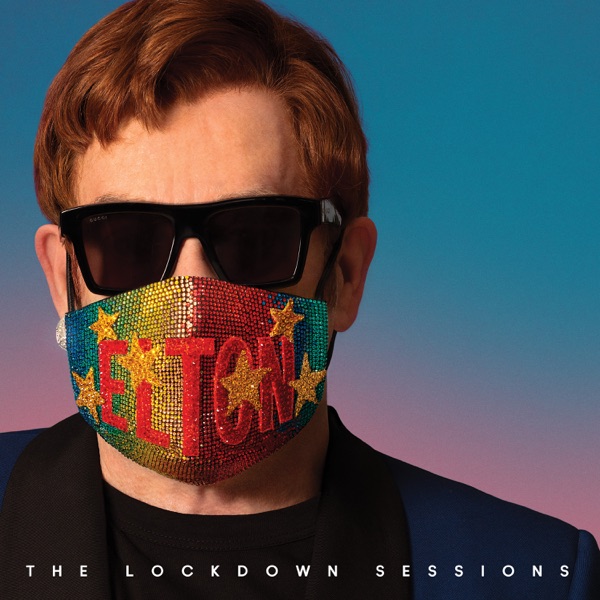
The Lockdown Sessions
2021 · 16 tracks
- 1 Cold Heart (PNAU Remix) ↗ 3:23
- 2 Always Love You ↗ 4:17
- 3 Learn To Fly ↗ 3:31
- 4 After All ↗ 3:29
- 5 Chosen Family ↗ 4:40
- 6 The Pink Phantom (feat. Elton John & 6LACK) ↗ 4:13
- 7 It's a sin (global reach mix) ↗ 4:45
- 8 Nothing Else Matters (feat. WATT, Elton John, Yo-Yo Ma, Robert Trujillo & Chad Smith) ↗ 6:36
- 9 Orbit ↗ 3:28
- 10 Simple Things ↗ 4:12
- 11 Beauty In The Bones ↗ 3:51
- 12 One Of Me (feat. Elton John) ↗ 2:42
- 13 E-Ticket ↗ 3:19
- 14 Finish Line ↗ 4:25
- 15 Stolen Car ↗ 5:38
- 16 I'm Not Gonna Miss You ↗ 2:57

Regimental Sgt. Zippo
2021 · 12 tracks
- 1 When I Was Tealby Abbey (Stereo Mix) ↗ 2:37
- 2 And The Clock Goes Round (Stereo Mix) ↗ 3:11
- 3 Sitting Doing Nothing (Stereo Mix) ↗ 2:34
- 4 Turn To Me (Stereo Mix) ↗ 3:20
- 5 Angel Tree (Stereo Mix) ↗ 2:04
- 6 Regimental Sgt. Zippo (Stereo Mix) ↗ 4:47
- 7 A Dandelion Dies In The Wind (Stereo Mix) ↗ 3:15
- 8 You'll Be Sorry To See Me Go (Stereo Mix) ↗ 2:35
- 9 Nina (Stereo Mix) ↗ 3:52
- 10 Tartan Coloured Lady (Stereo Mix) ↗ 4:11
- 11 Hourglass (Stereo Mix) ↗ 3:00
- 12 Watching The Planes Go By (Stereo Mix) ↗ 4:12

Who Believes in Angels?
2025 · 10 tracks
-
 Empty SkyElton John196913 tracks
 -
 Tumbleweed ConnectionElton John197012 tracks
 -
 Elton JohnElton John197013 tracks
 -
 Madman Across the WaterElton John19719 tracks
 -
 Honky ChâteauElton John197211 tracks
 -
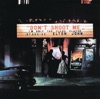 Don’t Shoot Me I’m Only the Piano PlayerElton John197314 tracks
 -
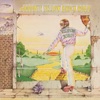 Goodbye Yellow Brick RoadElton John197317 tracks
 -
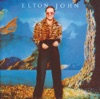 CaribouElton John197414 tracks
 -
 Captain Fantastic and the Brown Dirt CowboyElton John197513 tracks
 -
 Rock of the WestiesElton John197510 tracks
 -
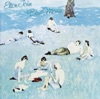 Blue MovesElton John197618 tracks
 -
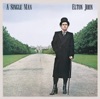 A Single ManElton John197816 tracks
 -
 Victim of LoveElton John19797 tracks
 -
 21 at 33Elton John19809 tracks
 -
 The FoxElton John19819 tracks
 -
 Jump Up!Elton John198210 tracks
 -
 Too Low for ZeroElton John198313 tracks
 -
 Breaking HeartsElton John198410 tracks
 -
 Ice on FireElton John198514 tracks
 -
 Leather JacketsElton John198611 tracks
 -
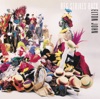 Reg Strikes BackElton John198814 tracks
 -
 Sleeping With the PastElton John198912 tracks
 -
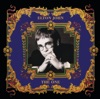 The OneElton John199213 tracks
 -
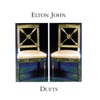 DuetsElton John199316 tracks
 -
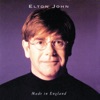 Made in EnglandElton John199511 tracks
 -
 The Big PictureElton John199711 tracks
 -
 Songs From the West CoastElton John200113 tracks
 -
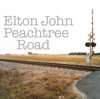 Peachtree RoadElton John200412 tracks
 -
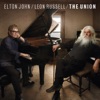 The UnionElton John201014 tracks
 -
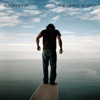 The Diving BoardElton John201315 tracks
 -
 Wonderful Crazy NightElton John201610 tracks
 -
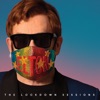 The Lockdown SessionsElton John202116 tracks
 -
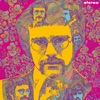 Regimental Sgt. ZippoElton John202112 tracks
 -
 Who Believes in Angels?Elton John202510 tracks
Deep Dive
Overview
Sir Elton Hercules John stands as one of the most prolific and commercially successful recording artists in popular music history. A British singer, songwriter, and pianist born in 1947, he emerged from a tradition of piano-driven pop and rock to become a defining figure of glam rock in the 1970s and a mainstream pop institution for five decades beyond. His songwriting partnership with lyricist Bernie Taupin produced some of the most enduring rock and pop standards of the second half of the twentieth century. With over 300 million records sold worldwide and the rare achievement of EGOT status—winning Emmy, Grammy, Oscar, and Tony awards—John’s reach extended far beyond music into film, theater, and cultural commentary.
Formation Story
Elton John was born Reginald Kenneth Dwight in Pinner, Middlesex, in 1947. He came of age during the British Invasion and the rise of R&B-influenced rock music in the early 1960s. Classically trained as a pianist from childhood, John absorbed the rhythmic drive of rhythm and blues alongside the sophistication of classical composition. By the mid-1960s, he was working as a session musician and arranger, playing on records for other artists while performing in various bands around London. His early professional life was marked by a search for his own voice—recording singles for Congress and other small labels in the late 1960s, but without breakthrough commercial success. In 1967, he met Bernie Taupin, a young lyricist and poet, at an audition. The partnership was immediate and transformative. Where John excelled at melody and arrangement, Taupin provided sharply observant lyrics rooted in storytelling and emotional directness. This complementary dynamic would define John’s most celebrated work.
Breakthrough Moment
Elton John’s debut album, Empty Sky (1969), introduced the Taupin-John songwriting team to record audiences, but it arrived with minimal commercial impact. The turning point came with his 1970 self-titled album Elton John, released on the Uni label. The record marked a quantum leap in production sophistication and melodic memorability, and it gained substantial radio play, particularly in North America. The album’s success established John as more than a session musician—it positioned him as a recording artist capable of writing and performing his own material at a high level. Over the next two years, a series of albums—Tumbleweed Connection (1970), Madman Across the Water (1971), and Honky Château (1972)—built his audience incrementally. By 1973, with the double album Goodbye Yellow Brick Road, John had become an international star. The album’s title track became one of his most recognizable songs, and the record spawned multiple hit singles, cementing his arrival as a major commercial and artistic force.
Peak Era
From 1972 through 1976, Elton John entered his most creatively vital and commercially dominant period. Honky Château (1972) established the formula of piano-led rock married to sophisticated production and Taupin’s narrative lyrics. Goodbye Yellow Brick Road (1973) expanded that template into a double album of ambitious scope, blending glam rock theatricality with soft rock accessibility. Caribou (1974) and Captain Fantastic and the Brown Dirt Cowboy (1975) continued the streak of platinum sales and chart dominance. Captain Fantastic, in particular, marked John’s most autobiographical work, mining his childhood and early career for raw emotional material. Rock of the Westies (1975) and Blue Moves (1976) sustained his commercial momentum even as they showed signs of the creative exhaustion that would follow. During these four years, John became not just a recording artist but a phenomenon—touring extensively, building a visual and performative identity rooted in flamboyant costume and theatrical presentation. He performed at venues from arenas to television specials, and his albums regularly topped charts on both sides of the Atlantic.
Musical Style
Elton John’s sound is fundamentally rooted in the piano. Whether playing stride-influenced accompaniment in the vein of 1950s rock and roll pianists or commanding the instrument as a lead voice, John made the piano the emotional center of his arrangements. His vocal delivery ranges from intimate and conversational to dramatically belted, often within the same song, and his phrasing draws from both soul and theatrical traditions. The early albums (Elton John, Honky Château) lean into a stripped-down, guitar-and-piano rock sound influenced by singer-songwriters and R&B; by the mid-1970s, his records incorporated strings, horns, and layered production that gave his songs orchestral grandeur without sacrificing their pop hooks. His songwriting style, in partnership with Taupin, favors narrative lyrics grounded in character and place—small-town America, failed relationships, social outsiders—paired with melodies that balance accessibility with harmonic sophistication. Rhythmically, John’s music draws from rock and roll, soft rock, and rhythm and blues, creating a hybrid that appeals across demographic lines. The glam rock era saw him embrace more theatrical and excessive production, though his fundamental gift for melody remained constant even as the production grew more ornate.
Major Albums
Goodbye Yellow Brick Road (1973)
A double album and the artistic centerpiece of John’s peak period, Goodbye Yellow Brick Road balanced accessible pop anthems with ambitious arrangements and Taupin’s most literary lyrics, establishing John as a major rock artist beyond his commercial success.
Captain Fantastic and the Brown Dirt Cowboy (1975)
John’s most autobiographical album, mining his childhood and early career for material, this record showcased his ability to marry personal narrative with universal emotional resonance, debuting at number one on the Billboard chart.
Tumbleweed Connection (1970)
The second album to reach audiences, Tumbleweed Connection deepened the Taupin-John partnership and featured some of their most enduring character sketches and lyrical storytelling.
Honky Château (1972)
A landmark in establishing John’s commercial and critical momentum, Honky Château refined the piano-rock formula and produced multiple radio hits, signaling his arrival as a major force.
The One (1992)
Released during a creative resurgence in the early 1990s, The One demonstrated John’s continued ability to produce commercially viable and artistically coherent work well into his fourth decade of recording.
Signature Songs
- “Tiny Dancer” — A chamber pop ballad from Madman Across the Water (1971) that became one of John’s most beloved songs through its intimate vulnerability and sophisticated arrangement.
- “Rocket Man (I Think It’s Gonna Be a Long, Long Time)” — From Honky Château (1972), this science-fiction-inflected narrative of space exploration showcases John’s ability to marry concept and melody.
- “Goodbye Yellow Brick Road” — The title track of the 1973 album, a two-part song that moves from defiant rock to tender ballad, epitomizing his range and arrangement skill.
- “Bennie and the Jets” — A glam-rock novelty from Goodbye Yellow Brick Road that became a stadium anthem and demonstrated John’s commercial instinct.
- “Your Song” — From the 1970 self-titled album, a love song of direct emotional simplicity that became one of his most frequently covered works.
- “Candle in the Wind” — A melancholic ballad whose original 1974 version demonstrated John’s gift for atmosphere and restraint.
Influence on Rock
Elton John’s influence on rock and popular music is vast and multidirectional. By demonstrating that a piano could anchor contemporary rock music rather than exist on its margins, he opened stylistic possibilities for artists across genres. His glam rock period legitimized theatrical presentation and visual spectacle within rock and pop, paving the way for artists to treat costume, staging, and performance as integral to their artistic identity rather than mere entertainment. The Taupin-John songwriting partnership became a model for lyricist-composer collaborations, showing how distinct creative voices could strengthen rather than compete with each other. John’s commercial consistency across decades—producing saleable albums from the early 1970s through the 1990s—demonstrated a template for longevity that contrasted with the burn-out trajectories of many contemporaries. His work influenced soft-rock traditions, pop-rock craftsmanship, and the broader legitimacy of emotional directness in rock music. From singer-songwriters to arena rock acts, artists acknowledged or absorbed his approach to melody, arrangement, and performer presentation.
Legacy
Elton John’s legacy rests on two pillars: the commercial achievement of having sold over 300 million records and maintained relevance across five decades, and the artistic achievement of having created a substantial catalog of durable songs that continue to circulate through cover versions, film placements, and streaming. His EGOT status—a rare achievement held by fewer than thirty individuals—reflects the breadth of his cultural reach beyond music into theater and film. Albums from his peak era remain standards in rock music collections, and his songwriting with Bernie Taupin is studied as an exemplary partnership in popular music craft. The 2019 biographical film Rocketman introduced his story to younger audiences and reinforced his place in cultural memory. His most recent studio albums, including The Diving Board (2013), Wonderful Crazy Night (2016), and The Lockdown Sessions (2021), demonstrate his continued engagement with recording and collaboration into his eighth decade. His influence extends across generations—from direct emulation by glam-rock and theatrical rock artists to the way his songwriting framework appears in pop music broadly. Museums and festivals regularly feature his work, and his early records remain touchstones for rock music education.
Fun Facts
- Elton John achieved dual British and United States citizenship, reflecting the geographic span of his career and cultural influence.
- His 1993 album Duets brought together an unusual range of collaborators across genres, demonstrating the breadth of his appeal and willingness to work outside his traditional stylistic boundaries.
- The Bernie Taupin-Elton John songwriting partnership, beginning in 1967, became one of the most enduring and successful collaborations in popular music, spanning more than five decades of writing together.
- John’s record label associations expanded across his career, from DJM Records in his early years to working with Def Jam Recordings and other imprints, reflecting his adaptability and continued relevance to the music industry.