
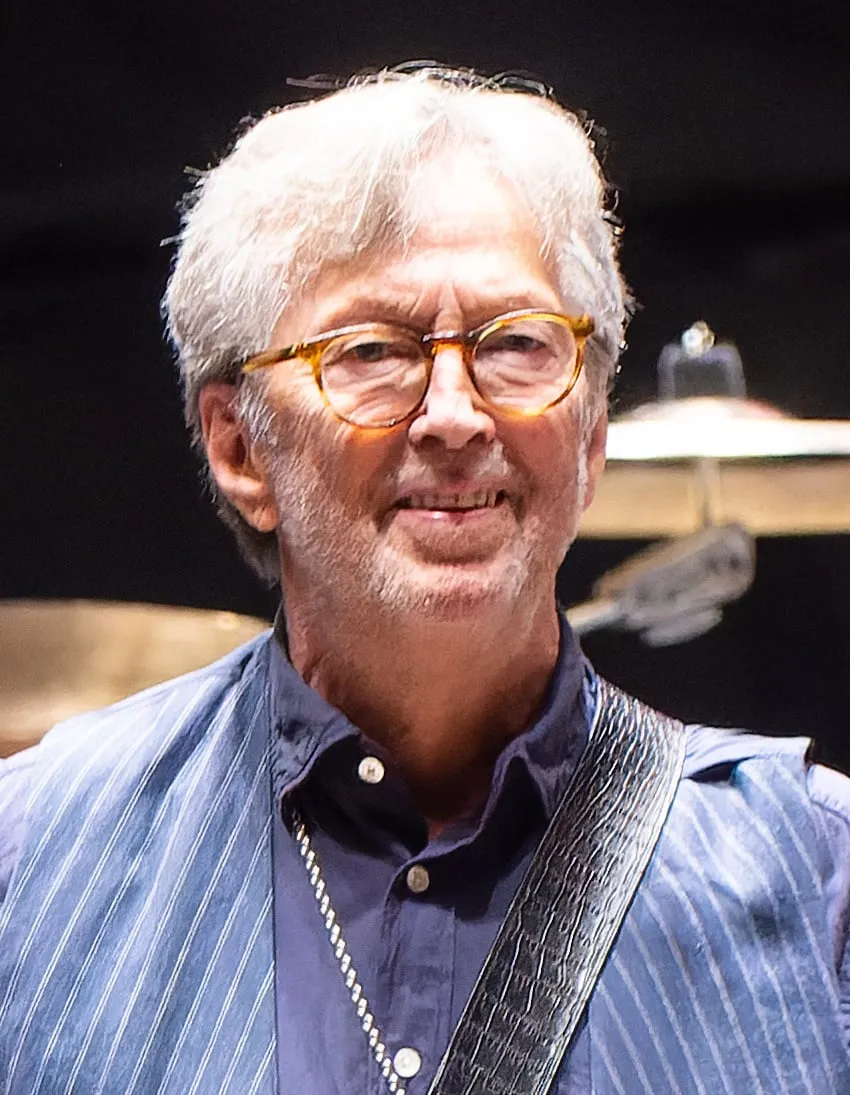
Photo by Raph_PH , licensed under CC BY 2.0 · Wikimedia Commons
Rank #27
Eric Clapton
From Wikipedia
Eric Patrick Clapton is an English rock and blues guitarist, singer, and songwriter. He is regarded as one of the most successful and influential guitarists in rock music. Clapton ranked second in Rolling Stone's list of the "100 Greatest Guitarists of All Time" and fourth in Gibson's "Top 50 Guitarists of All Time". He was named number five in Time magazine's list of "The 10 Best Electric Guitar Players" in 2009.
Discography & Previews
Browse through and click an album to open and play 30-second previews streamed from Apple Music.
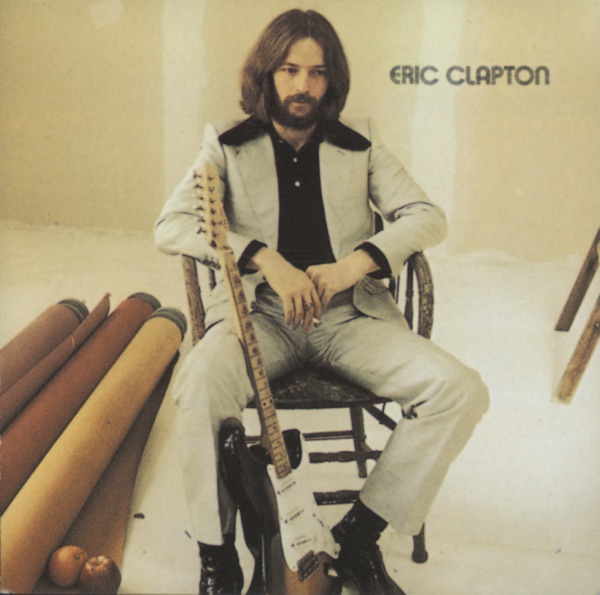
Eric Clapton
1970 · 11 tracks

The London Howlin’ Wolf Sessions
1971 · 13 tracks
- 1 Rockin' Daddy (feat. Eric Clapton, Steve Winwood, Bill Wyman, Charlie Watts & Hubert Sumlin) ↗ 3:47
- 2 I Ain't Superstitious (feat. Eric Clapton, Steve Winwood, Bill Wyman & Charlie Watts) ↗ 3:32
- 3 Sitting On Top Of The World (feat. Eric Clapton, Steve Winwood, Bill Wyman & Charlie Watts) ↗ 3:55
- 4 Worried About My Baby (feat. Eric Clapton, Steve Winwood, Bill Wyman & Charlie Watts) ↗ 2:59
- 5 What A Woman (feat. Eric Clapton, Steve Winwood, Bill Wyman, Charlie Watts & Hubert Sumlin) ↗ 3:03
- 6 Poor Boy (feat. Eric Clapton, Steve Winwood, Bill Wyman & Charlie Watts) ↗ 3:08
- 7 Built For Comfort (feat. Eric Clapton, Steve Winwood, Bill Wyman & Charlie Watts) ↗ 2:12
- 8 Who's Been Talking? (feat. Eric Clapton, Steve Winwood, Bill Wyman, Charlie Watts & Hubert Sumlin) ↗ 3:07
- 9 The Red Rooster (feat. Eric Clapton, Steve Winwood, Bill Wyman & Charlie Watts) [False Start With Dialog] ↗ 2:04
- 10 Red Rooster (feat. Eric Clapton, Steve Winwood, Bill Wyman, Charlie Watts & Hubert Sumlin) ↗ 3:59
- 11 Do The Do (feat. Eric Clapton, Steve Winwood, Bill Wyman, Charlie Watts & Hubert Sumlin) ↗ 2:24
- 12 Highway 49 (feat. Eric Clapton, Steve Winwood, Bill Wyman, Charlie Watts & Hubert Sumlin) ↗ 2:50
- 13 Wang Dang Doodle (feat. Eric Clapton, Steve Winwood, Bill Wyman & Charlie Watts) ↗ 4:31
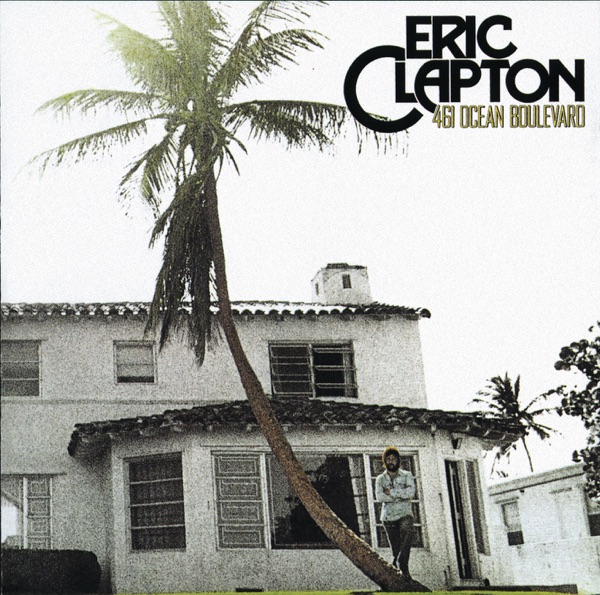
461 Ocean Boulevard
1974 · 10 tracks

There’s One in Every Crowd
1975 · 10 tracks

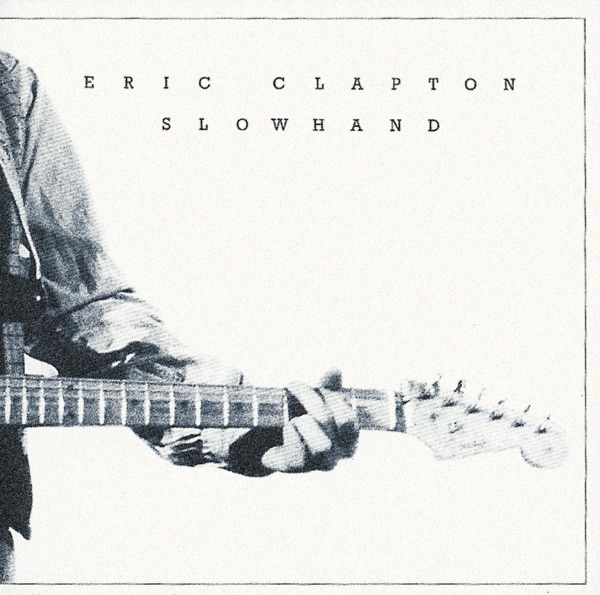

Backless
1978 · 10 tracks

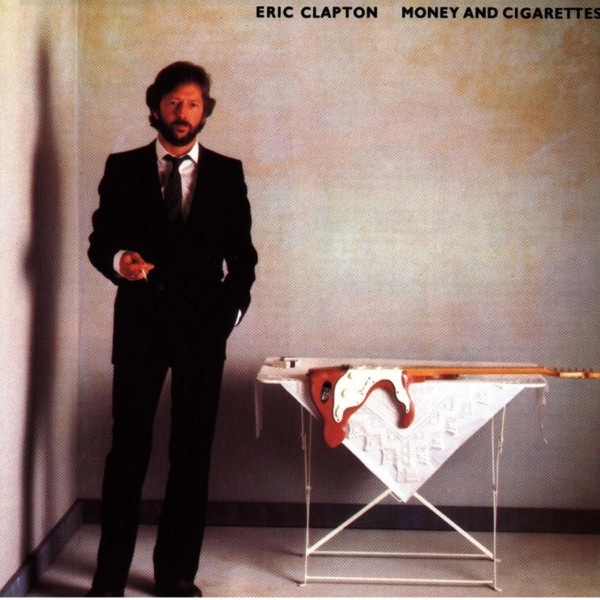
Money and Cigarettes
1983 · 10 tracks
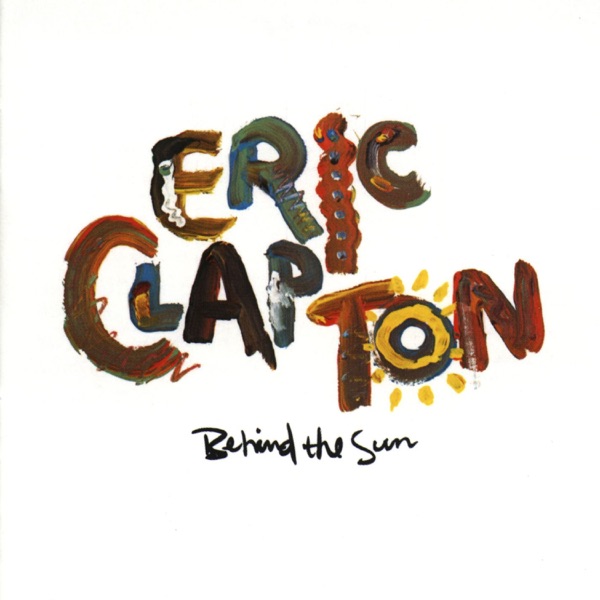
Behind the Sun
1985 · 11 tracks

August
1986 · 12 tracks
- 1 It's in the Way That You Use It ↗ 4:11
- 2 Run ↗ 3:40
- 3 Tearing Us Apart (feat. Tina Turner) ↗ 4:16
- 4 Bad Influence ↗ 5:09
- 5 Walk Away ↗ 3:52
- 6 Hung up on Your Love ↗ 3:54
- 7 Take a Chance ↗ 4:54
- 8 Hold On ↗ 4:57
- 9 Miss You ↗ 5:06
- 10 Holy Mother ↗ 4:56
- 11 Behind the Mask ↗ 4:48
- 12 Grand Illusion ↗ 6:23

From the Cradle
1994 · 16 tracks
- 1 Blues Before Sunrise ↗ 2:58
- 2 Third Degree ↗ 5:09
- 3 Reconsider Baby ↗ 3:20
- 4 Hoochie Coochie Man ↗ 3:16
- 5 Five Long Years ↗ 4:48
- 6 I'm Tore Down ↗ 3:03
- 7 How Long Blues ↗ 3:08
- 8 Goin' Away Baby ↗ 4:01
- 9 Blues Leave Me Alone ↗ 3:37
- 10 Sinner's Prayer ↗ 3:21
- 11 Motherless Child ↗ 2:57
- 12 It Hurts Me Too ↗ 3:19
- 13 Someday After a While ↗ 4:28
- 14 Standin' Round Crying ↗ 3:38
- 15 Driftin' ↗ 3:09
- 16 Groaning the Blues ↗ 6:07

Pilgrim
1998 · 14 tracks
- 1 My Father's Eyes ↗ 5:23
- 2 River of Tears ↗ 7:22
- 3 Pilgrim ↗ 5:50
- 4 Broken Hearted ↗ 7:52
- 5 One Chance ↗ 5:56
- 6 Circus ↗ 4:12
- 7 Goin' Down Slow ↗ 5:20
- 8 Fall Like Rain ↗ 3:50
- 9 Born in Time ↗ 4:42
- 10 Sick and Tired ↗ 5:44
- 11 Needs His Woman ↗ 3:46
- 12 She's Gone ↗ 4:45
- 13 You Were There ↗ 5:31
- 14 Inside of Me ↗ 5:26
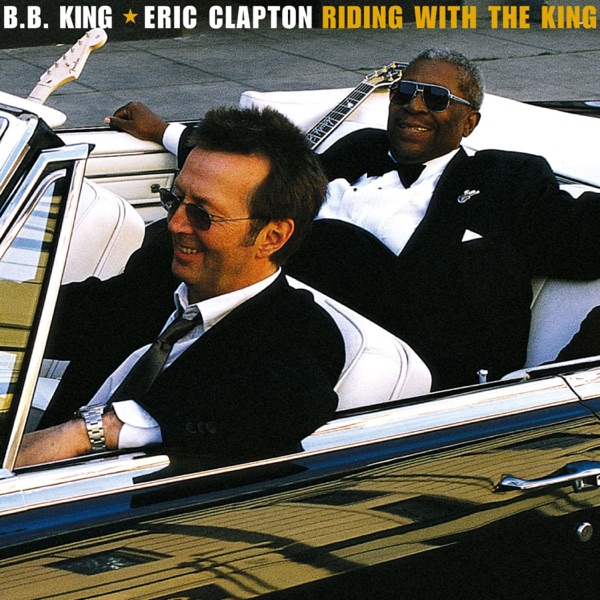
Riding With the King
2000 · 12 tracks
- 1 Riding with the King ↗ 4:24
- 2 Ten Long Years ↗ 4:40
- 3 Key to the Highway ↗ 3:40
- 4 Marry You ↗ 5:00
- 5 Three O'Clock Blues ↗ 8:37
- 6 Help the Poor ↗ 5:06
- 7 I Wanna Be ↗ 4:46
- 8 Worried Life Blues ↗ 4:26
- 9 Days of Old ↗ 3:00
- 10 When My Heart Beats Like a Hammer ↗ 7:10
- 11 Hold On, I'm Comin' ↗ 6:19
- 12 Come Rain or Come Shine ↗ 4:11
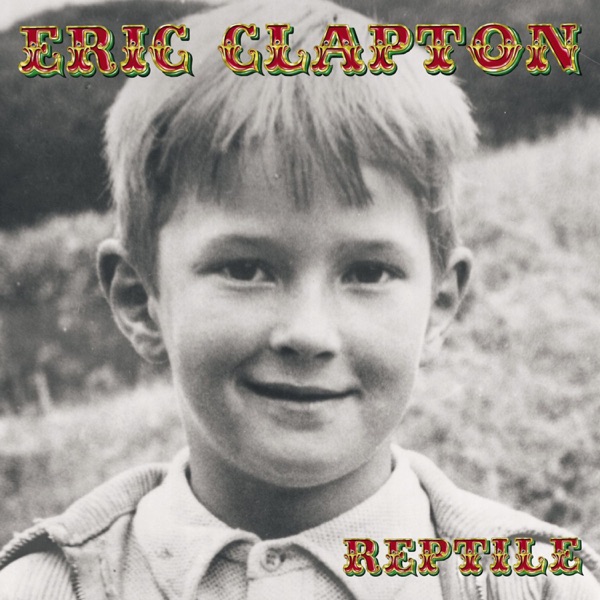
Reptile
2001 · 14 tracks
- 1 Reptile ↗ 3:25
- 2 Got You on My Mind ↗ 4:30
- 3 Travelin' Light ↗ 4:17
- 4 Believe in Life ↗ 5:06
- 5 Come Back Baby ↗ 3:55
- 6 Broken Down ↗ 5:26
- 7 Find Myself ↗ 5:15
- 8 I Ain't Gonna Stand for It ↗ 4:50
- 9 I Want a Little Girl ↗ 2:58
- 10 Second Nature ↗ 4:48
- 11 Don't Let Me Be Lonely Tonight ↗ 4:48
- 12 Modern Girl ↗ 4:50
- 13 Superman Inside ↗ 5:07
- 14 Son & Sylvia ↗ 4:44

Me and Mr Johnson
2004 · 14 tracks
- 1 When You Got a Good Friend ↗ 3:20
- 2 Little Queen of Spades ↗ 4:56
- 3 They're Red Hot ↗ 3:24
- 4 Me and the Devil Blues ↗ 2:55
- 5 Traveling Riverside Blues ↗ 4:30
- 6 Last Fair Deal Gone Down ↗ 2:35
- 7 Stop Breakin' Down Blues ↗ 2:29
- 8 Milkcow's Calf Blues ↗ 3:18
- 9 Kind Hearted Woman Blues ↗ 4:06
- 10 Come on in My Kitchen ↗ 3:34
- 11 If I Had Possession over Judgement Day ↗ 3:27
- 12 Love in Vain ↗ 4:02
- 13 32-20 Blues ↗ 2:58
- 14 Hell Hound on My Trail ↗ 3:52


Back Home
2005 · 13 tracks
- 1 So Tired ↗ 4:48
- 2 Say What You Will ↗ 4:35
- 3 I'm Going Left ↗ 4:03
- 4 Love Don't Love Nobody ↗ 7:13
- 5 Revolution ↗ 5:01
- 6 Love Comes to Everyone ↗ 4:35
- 7 Lost and Found ↗ 5:22
- 8 Piece of My Heart ↗ 4:23
- 9 One Day ↗ 5:20
- 10 One Track Mind ↗ 5:04
- 11 Run Home to Me ↗ 6:18
- 12 Back Home ↗ 3:33
- 13 Say What You Will (Acoustic) [Bonus Track] ↗ 4:37

The Road to Escondido
2006 · 14 tracks
- 1 Danger ↗ 5:33
- 2 Heads in Georgia ↗ 4:09
- 3 Missing Person ↗ 4:27
- 4 When the War is Over ↗ 3:48
- 5 Sporting Life Blues ↗ 3:31
- 6 Dead End Road ↗ 3:28
- 7 It's Easy ↗ 4:17
- 8 Hard to Thrill ↗ 5:11
- 9 Anyway the Wind Blows ↗ 3:54
- 10 Three Little Girls ↗ 2:44
- 11 Don't Cry Sister ↗ 3:09
- 12 Last Will and Testament ↗ 3:57
- 13 Who Am I Telling You? ↗ 4:07
- 14 Ride the River ↗ 4:36
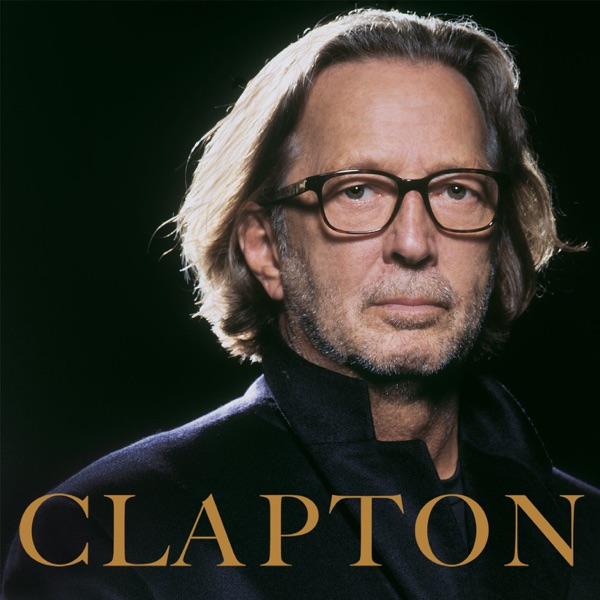
Clapton
2010 · 15 tracks
- 1 Travelin' Alone ↗ 3:57
- 2 Rockin' Chair ↗ 4:03
- 3 River Runs Deep ↗ 5:53
- 4 Judgement Day ↗ 3:12
- 5 How Deep Is the Ocean ↗ 5:29
- 6 My Very Good Friend the Milkman ↗ 3:19
- 7 Can't Hold Out Much Longer ↗ 4:09
- 8 That's No Way to Get Along ↗ 6:08
- 9 Everything Will Be Alright ↗ 3:49
- 10 Diamonds Made from Rain ↗ 4:21
- 11 When Somebody Thinks You're Wonderful ↗ 2:51
- 12 Hard Times Blues ↗ 3:44
- 13 Run Back to Your Side ↗ 5:18
- 14 Autumn Leaves ↗ 5:41
- 15 I Was Fooled (Bonus Track) ↗ 3:05

Old Sock
2013 · 12 tracks
- 1 Further on Down the Road ↗ 5:44
- 2 Angel ↗ 3:54
- 3 The Folks Who Live on the Hill ↗ 3:46
- 4 Gotta Get Over ↗ 4:38
- 5 Till Your Well Runs Dry ↗ 4:42
- 6 All of Me ↗ 3:23
- 7 Born to Lose ↗ 4:03
- 8 Still Got the Blues ↗ 5:55
- 9 Goodnight Irene ↗ 4:23
- 10 Your One and Only Man ↗ 4:31
- 11 Every Little Thing ↗ 4:35
- 12 Our Love Is Here to Stay ↗ 4:11

The Breeze: An Appreciation of JJ Cale
2014 · 16 tracks
- 1 Call Me the Breeze ↗ 3:07
- 2 Rock and Roll Records (feat. Tom Petty) ↗ 2:19
- 3 Someday (feat. Mark Knopfler) ↗ 3:48
- 4 Lies (feat. John Mayer) ↗ 3:07
- 5 Sensitive Kind (feat. Don White) ↗ 5:17
- 6 Cajun Moon ↗ 2:28
- 7 Magnolia (feat. John Mayer) ↗ 3:42
- 8 I Got the Same Old Blues (feat. Tom Petty) ↗ 3:03
- 9 Songbird (feat. Willie Nelson) ↗ 2:56
- 10 Since You Said Goodbye ↗ 3:01
- 11 I'll Be There (If You Ever Want Me) [feat. Don White] ↗ 2:37
- 12 The Old Man and Me (feat. Tom Petty) ↗ 2:56
- 13 Train to Nowhere (feat. Mark Knopfler & Don White) ↗ 4:51
- 14 Starbound (feat. Willie Nelson & Derek Trucks) ↗ 2:03
- 15 Don't Wait (feat. John Mayer) ↗ 2:47
- 16 Crying Eyes (feat. Christine Lakeland & Derek Trucks) ↗ 3:31
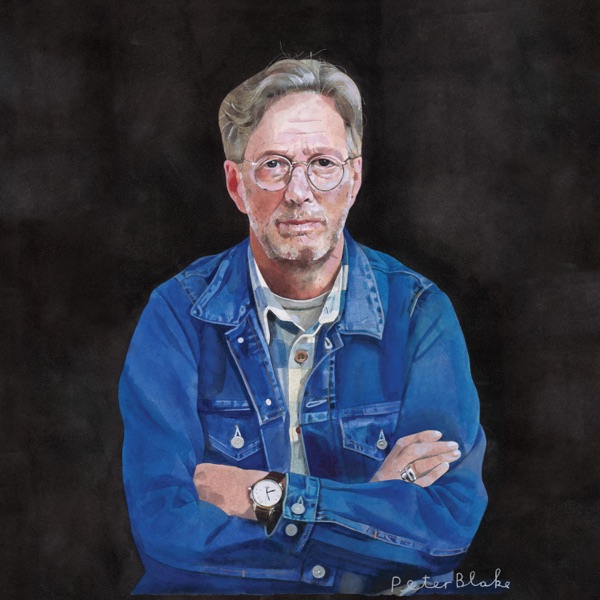
I Still Do
2016 · 12 tracks
- 1 Alabama Woman Blues ↗ 5:06
- 2 Can't Let You Do It ↗ 3:51
- 3 I Will Be There ↗ 4:38
- 4 Spiral ↗ 5:04
- 5 Catch the Blues ↗ 4:52
- 6 Cypress Grove ↗ 4:50
- 7 Little Man, You've Had a Busy Day ↗ 3:12
- 8 Stones in My Passway ↗ 4:03
- 9 I Dreamed I Saw St. Augustine ↗ 4:02
- 10 I'll Be Alright ↗ 4:23
- 11 Somebody's Knockin' ↗ 5:11
- 12 I'll Be Seeing You ↗ 5:01

Happy Xmas
2018 · 14 tracks
- 1 White Christmas ↗ 2:58
- 2 Away in a Manger (Once in Royal David's City) ↗ 4:44
- 3 For Love on Christmas Day ↗ 3:36
- 4 Everyday Will Be Like a Holiday ↗ 3:38
- 5 Christmas Tears ↗ 4:23
- 6 Home for the Holidays ↗ 4:00
- 7 Jingle Bells ↗ 5:58
- 8 Christmas in My Hometown ↗ 2:52
- 9 It's Christmas ↗ 4:44
- 10 Sentimental Moments ↗ 4:07
- 11 Lonesome Christmas ↗ 3:51
- 12 Silent Night ↗ 4:03
- 13 Merry Christmas Baby ↗ 4:12
- 14 Have Yourself a Merry Little Christmas ↗ 3:29

Meanwhile
2024 · 14 tracks
- 1 Pompous Fool ↗ 4:45
- 2 Heart of a Child ↗ 7:04
- 3 Moon River ↗ 5:06
- 4 Sam Hall ↗ 5:27
- 5 Smile ↗ 3:46
- 6 Always On My Mind ↗ 3:37
- 7 One Woman ↗ 4:50
- 8 The Rebels ↗ 4:08
- 9 The Call ↗ 5:07
- 10 How Could We Know (feat. Simon Climie & Daniel Santiago) ↗ 4:19
- 11 This Has Gotta Stop ↗ 4:23
- 12 Stand and Deliver (feat. Van Morrison) ↗ 4:30
- 13 You've Changed ↗ 3:52
- 14 Misfortune ↗ 3:25
-
 Eric ClaptonEric Clapton197011 tracks
 -
 The London Howlin’ Wolf SessionsEric Clapton197113 tracks
 -
 461 Ocean BoulevardEric Clapton197410 tracks
 -
 There’s One in Every CrowdEric Clapton197510 tracks
 -
 No Reason to CryEric Clapton197611 tracks
 -
 SlowhandEric Clapton19779 tracks
 -
 BacklessEric Clapton197810 tracks
 -
 Another TicketEric Clapton19819 tracks
 -
 Money and CigarettesEric Clapton198310 tracks
 -
 Behind the SunEric Clapton198511 tracks
 -
 AugustEric Clapton198612 tracks
 -
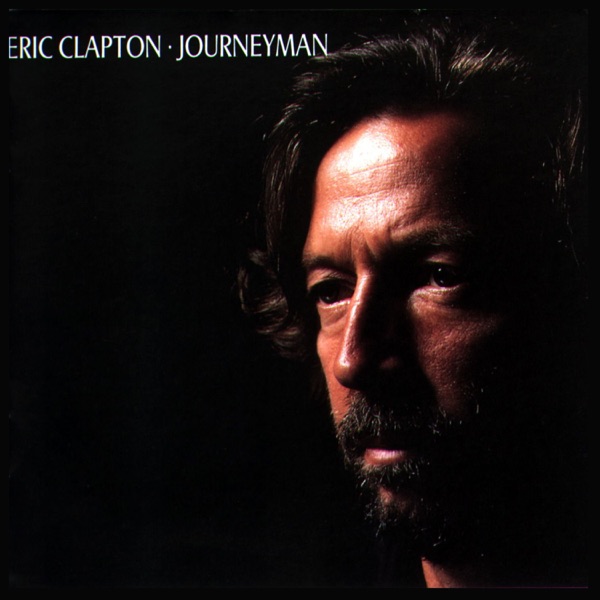
 JourneymanEric Clapton198912 tracks
 -
 From the CradleEric Clapton199416 tracks
 -
 PilgrimEric Clapton199814 tracks
 -
 Riding With the KingEric Clapton200012 tracks
 -
 ReptileEric Clapton200114 tracks
 -
 Me and Mr JohnsonEric Clapton200414 tracks
 -
 Sessions for Robert JEric Clapton20044 tracks
 -
 Back HomeEric Clapton200513 tracks
 -
 The Road to EscondidoEric Clapton200614 tracks
 -
 ClaptonEric Clapton201015 tracks
 -
 Old SockEric Clapton201312 tracks
 -
 The Breeze: An Appreciation of JJ CaleEric Clapton201416 tracks
 -
 I Still DoEric Clapton201612 tracks
 -
 Happy XmasEric Clapton201814 tracks
 -
 MeanwhileEric Clapton202414 tracks
Deep Dive
Overview
Eric Clapton stands as one of rock music’s most commercially successful and technically accomplished guitarists. Born in 1945 in the United Kingdom, Clapton emerged from the British blues boom of the 1960s and went on to build a solo career spanning five decades that has sold millions of records worldwide and earned him recognition as one of the greatest electric guitar players of his generation. His approach to blues-rock—grounded in American blues tradition yet filtered through a distinctly British sensibility—established a template that countless rock musicians would follow.
Formation Story
Clapton’s path to becoming a solo artist was shaped by his immersion in blues music during his formative years. Growing up in postwar Britain, Clapton was captivated by American blues records and sought to master the electric guitar idiom pioneered by players such as Robert Johnson and Muddy Waters. His early career saw him apprenticing in blues and rock ensembles throughout the 1960s, absorbing both traditional delta blues and contemporary rock approaches. This extended period of learning and collaborating in various bands provided Clapton with the technical mastery and musical vocabulary that would define his solo work. By the time he embarked on his solo recording career in the early 1970s, Clapton had developed a distinctive voice as a guitarist and vocalist—one that balanced virtuosic technique with emotional restraint.
Breakthrough Moment
Clapton’s first solo album, Eric Clapton, arrived in 1970 and introduced audiences to his work as both instrumentalist and singer-songwriter. However, his major commercial breakthrough as a solo artist came with 461 Ocean Boulevard in 1974, which demonstrated his ability to craft accessible yet sophisticated blues-rock songs. The album marked a turning point, establishing Clapton as a leading figure in the mainstream rock market. His subsequent release, Slowhand in 1977, cemented his status as an international superstar. These albums proved that Clapton could sustain a solo career independent of any ensemble context, drawing listeners through his guitar playing, songwriting, and increasingly confident vocal delivery.
Peak Era
The mid-to-late 1970s through the 1980s represented Clapton’s most commercially vigorous period. Albums such as There’s One in Every Crowd (1975), No Reason to Cry (1976), Slowhand (1977), and Backless (1978) established a consistent presence on the charts and in radio rotation. Throughout this span, Clapton refined his approach to blues-rock, incorporating elements of soul, reggae, and pop without abandoning his blues foundation. His work during the 1980s, including Money and Cigarettes (1983), Behind the Sun (1985), and August (1986), saw him experiment with contemporary production techniques while maintaining the guitar-centric focus that defined his appeal. This era solidified Clapton’s position as a mainstream rock institution rather than a specialist blues performer.
Musical Style
Clapton’s sound is defined by his approach to the electric guitar, which emphasizes melodic phrasing, dynamic control, and subtle expressiveness. Rather than pursue speed or technical flash for their own sake, Clapton developed a style that borrows from blues vocabulary—bending, vibrato, call-and-response phrasing—but applies it with restraint and precision. His singing voice, though not technically virtuosic, carries emotional weight through careful phrasing and an understated delivery. Across his solo albums, Clapton has drawn from blues, rock, soul, reggae, and even jazz influences, yet the unifying thread remains his blues-rock foundation. Production and arrangement shifted with the times—from the relatively spare instrumentation of his early 1970s work to the polished, contemporary sonics of the 1980s—but Clapton’s core approach to the instrument and song structure remained consistent.
Major Albums
461 Ocean Boulevard (1974)
This album marked Clapton’s major commercial breakthrough, showcasing his ability to write and perform blues-influenced rock songs with broad appeal. The album established the template for his subsequent solo work and demonstrated his skills as a vocalist and songwriter in his own right.
Slowhand (1977)
One of Clapton’s most successful releases, Slowhand balanced blues-rock credentials with pop sensibility and became a defining album of the 1970s. Its success internationally confirmed Clapton’s status as a major rock figure rather than a specialist blues guitarist.
Journeyman (1989)
Released after a period of relative chart quietude, Journeyman revitalized Clapton’s presence in popular music and marked a return to blues-focused material. The album reasserted his connection to his blues roots while maintaining contemporary production values.
From the Cradle (1994)
This album represented Clapton’s most thorough immersion in traditional blues, drawing heavily on classic blues standards and compositions. From the Cradle demonstrated his continuing respect for and commitment to the blues tradition that shaped his early career.
Reptile (2001)
Released at the turn of the millennium, Reptile balanced original compositions with contemporary arrangements, showing Clapton continuing to evolve his approach to blues-rock without abandoning its core principles.
Signature Songs
- “Layla” — A blues-rock standard featuring one of rock’s most recognizable guitar riffs and solos, showcasing Clapton’s melodic sensibility within the blues-rock framework.
- “Wonderful Tonight” — A restrained, emotionally direct ballad that demonstrated Clapton’s ability to connect with listeners through subtlety rather than virtuosity.
- “Crossroads” — A blues-rock reworking of the traditional Robert Johnson composition, illustrating his relationship to American blues tradition.
- “Change the World” — A smooth, contemporary blues-rock piece that maintained Clapton’s blues identity while appealing to mainstream radio audiences.
Influence on Rock
Clapton’s solo career established a blueprint for blues-rock guitarists seeking mainstream success. His demonstration that blues-derived material could achieve international commercial success without compromise of musical integrity influenced generations of rock musicians. His approach—technical mastery in service of emotional expression rather than display—provided an alternative model to the virtuosity-focused guitar tradition. Clapton’s work also helped sustain blues as a living tradition in rock music during decades when the genre might have receded further into historical artifact. His influence extended across rock subgenres, from hard rock players who absorbed his tone and phrasing to singer-songwriters who adopted his approach to restrained emotional delivery.
Legacy
Eric Clapton remains one of the most commercially successful recording artists in rock history, with decades of consistent sales and streaming presence. His rankings among the greatest guitarists of all time—including second place in Rolling Stone’s “100 Greatest Guitarists” and fourth in Gibson’s “Top 50 Guitarists of All Time”—reflect sustained critical recognition across generations. His willingness to revisit blues tradition through albums like From the Cradle and Me and Mr Johnson (2004) kept him engaged with his foundational influences even as his mainstream popularity fluctuated. His continued recording activity into the 2020s, including albums such as I Still Do (2016) and Meanwhile (2024), demonstrates his enduring presence in rock music.
Fun Facts
- Clapton recorded The London Howlin’ Wolf Sessions in 1971 in collaboration with blues legend Howlin’ Wolf, documenting a direct artistic encounter between British rock and American blues tradition.
- His album Back Home (2005) marked a return to recording in his native United Kingdom after decades of international touring and recording elsewhere.
- The Road to Escondido (2006) saw Clapton collaborating with J.J. Cale, another influential blues-rock guitarist and songwriter, resulting in a meeting of two understated blues-rock approaches.
- Clapton’s prolific output includes numerous albums celebrating other blues artists and traditions, such as Me and Mr Johnson and The Breeze: An Appreciation of JJ Cale (2014), reflecting his role as custodian of blues heritage in rock music.