
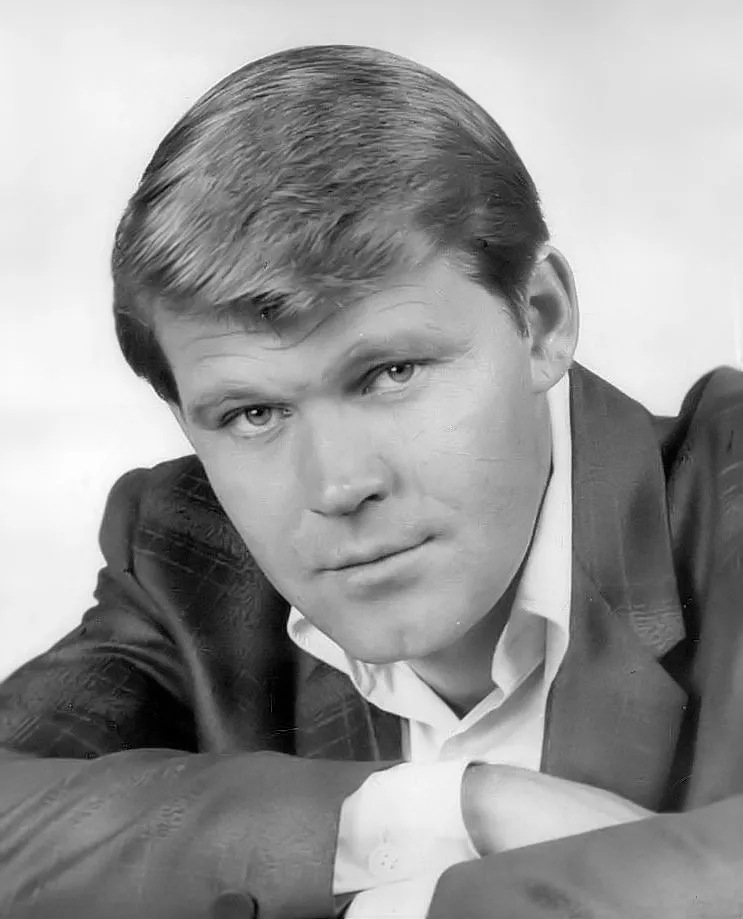
Photo by Capitol Records. This was his recording company at the time. There's a partial ink stamp on back at left showing a portion of the old Capitol logo and the file number 15341. , licensed under Public domain · Wikimedia Commons
Rank #137
Glen Campbell
From Wikipedia
Glen Travis Campbell was an American country musician and actor. He was best known for a series of hit songs in the 1960s and 1970s, and for hosting The Glen Campbell Goodtime Hour on CBS television from 1969 until 1972. A revered session guitarist before breaking through as a solo performer, Campbell released 64 albums in a career that spanned five decades, selling over 45 million records worldwide, including twelve gold albums, four platinum albums, and one double-platinum album.
Discography & Previews
Browse through and click an album to open and play 30-second previews streamed from Apple Music.

Too Late to Worry - Too Blue to Cry
1963 · 12 tracks
- 1 Walking the Floor Over You ↗ 2:40
- 2 I'll Hold You In My Heart ↗ 2:51
- 3 Be Honest With Me ↗ 2:45
- 4 Oh My Darlin' ↗ 2:28
- 5 Tomorrow Never Comes ↗ 2:31
- 6 Too Late to Worry, Too Blue to Cry ↗ 2:37
- 7 Here I Am ↗ 2:30
- 8 I Hang My Head and Cry ↗ 2:29
- 9 When You Cry (You Cry Alone) ↗ 3:01
- 10 How Do I Tell My Heart Not to Break ↗ 3:04
- 11 It's Been So Long Darlin' ↗ 2:34
- 12 Long Black Limousine ↗ 3:02
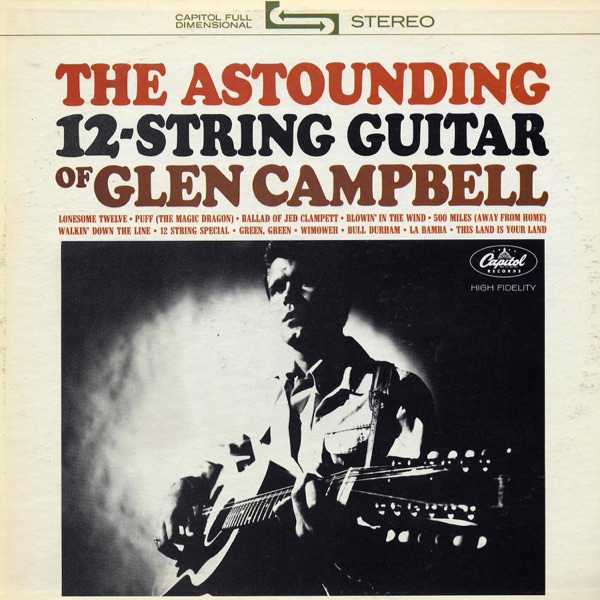
The Astounding 12-String Guitar of Glen Campbell
1964 · 10 tracks

The Big Bad Rock Guitar of Glen Campbell
1965 · 12 tracks
- 1 Walk, Don't Run ↗ 1:58
- 2 Ticket to Ride ↗ 2:20
- 3 Steve's Shuck ↗ 2:42
- 4 Spanish Shades ↗ 2:37
- 5 The Lone Arranger ↗ 2:13
- 6 James Bond Theme ↗ 2:14
- 7 It's Not Unusual ↗ 2:12
- 8 King of the Road (Instrumental) ↗ 2:17
- 9 Sassy ↗ 2:12
- 10 Mr. Tambourine Man ↗ 2:49
- 11 Spring Mist ↗ 2:17
- 12 Beef Jerky ↗ 2:38
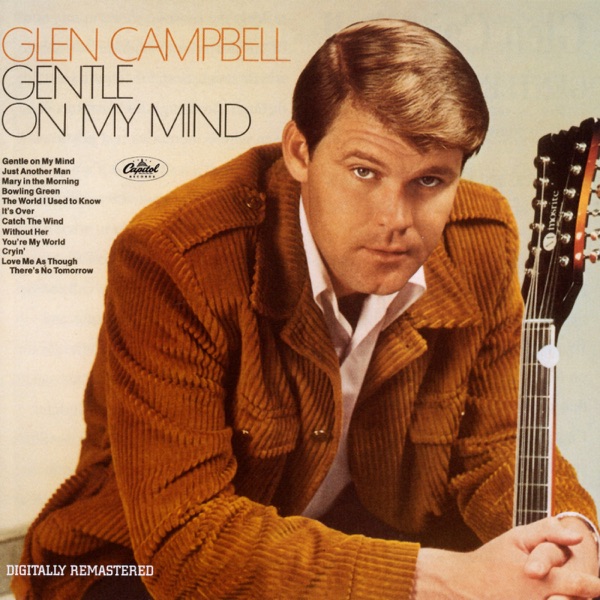
Gentle On My Mind
1967 · 11 tracks

By the Time I Get to Phoenix
1967 · 11 tracks
- 1 By the Time I Get to Phoenix ↗ 2:44
- 2 Homeward Bound ↗ 2:40
- 3 Tomorrow Never Comes ↗ 2:30
- 4 Cold December (In Your Heart) ↗ 2:29
- 5 My Baby's Gone ↗ 2:53
- 6 Back In the Race ↗ 1:58
- 7 Hey Little One ↗ 2:32
- 8 Bad Seed ↗ 2:20
- 9 I'll Be Lucky Someday ↗ 2:27
- 10 You're Young and You'll Forget ↗ 2:17
- 11 Love Is a Lonesome River ↗ 2:05

Burning Bridges
1967 · 11 tracks
- 1 Burning Bridges ↗ 2:28
- 2 Just to Satisfy You ↗ 2:25
- 3 Summer, Winter, Spring, and Fall ↗ 2:39
- 4 I'll Hold You In My Heart ↗ 2:49
- 5 As Far As I'm Concerned ↗ 2:13
- 6 Less of Me (feat. Bobbie Gentry) ↗ 2:35
- 7 You've Still Got a Place In My Heart ↗ 2:30
- 8 Too Late to Worry, Too Blue to Cry ↗ 2:34
- 9 Old Memories Never Die ↗ 2:17
- 10 Faith ↗ 2:03
- 11 Together Again ↗ 2:21
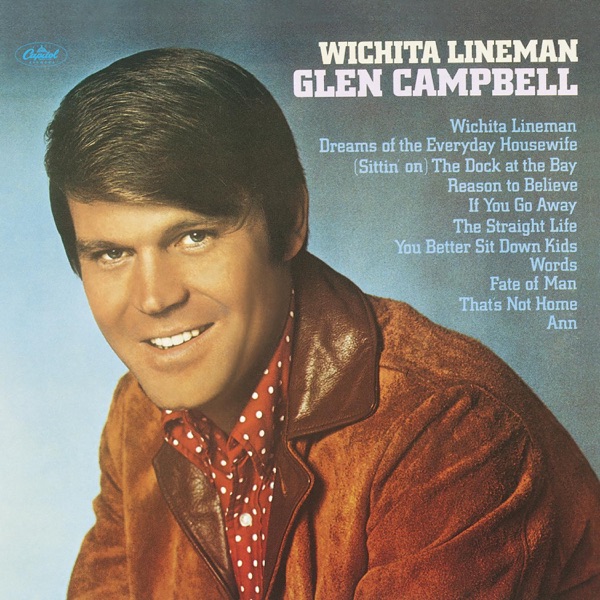
Wichita Lineman
1968 · 11 tracks

Hey Little One
1968 · 11 tracks
- 1 Hey, Little One ↗ 2:34
- 2 Elusive Butterfly ↗ 2:21
- 3 That's All That Matters ↗ 2:33
- 4 Break My Mind ↗ 2:51
- 5 Take Me Back ↗ 2:42
- 6 I Don't Believe You (She Acts Like We Never Have Met) ↗ 2:42
- 7 I Wanna Live ↗ 2:44
- 8 It's Over ↗ 2:40
- 9 Turn Around and Look At Me ↗ 2:55
- 10 Woman, Woman ↗ 3:06
- 11 The Impossible Dream (The Quest) ↗ 2:47

That Christmas Feeling
1968 · 11 tracks
- 1 Christmas Is for Children ↗ 3:22
- 2 Old Toy Trains ↗ 2:20
- 3 Little Altar Boy ↗ 4:02
- 4 It Must Be Getting Close to Christmas ↗ 2:33
- 5 Have Yourself a Merry Little Christmas ↗ 3:13
- 6 Blue Christmas ↗ 2:35
- 7 The Christmas Song (Merry Christmas to You) ↗ 3:02
- 8 Pretty Paper ↗ 2:36
- 9 There's No Place Like Home ↗ 3:18
- 10 I'll Be Home for Christmas ↗ 2:47
- 11 Christmas Day ↗ 2:57

A New Place in the Sun
1968 · 11 tracks
- 1 Freeborn Man ↗ 2:41
- 2 The Last Letter ↗ 2:59
- 3 She Called Me Baby ↗ 3:02
- 4 Visions of Sugar Plums ↗ 1:53
- 5 I Have No One to Love Me Anymore ↗ 2:45
- 6 The Legend of Bonnie and Clyde ↗ 2:19
- 7 A Place In the Sun ↗ 2:42
- 8 Have I Stayed Away Too Long ↗ 2:20
- 9 Within My Memory ↗ 2:14
- 10 The Twelfth of Never ↗ 2:33
- 11 Sunny Day Girl ↗ 2:15
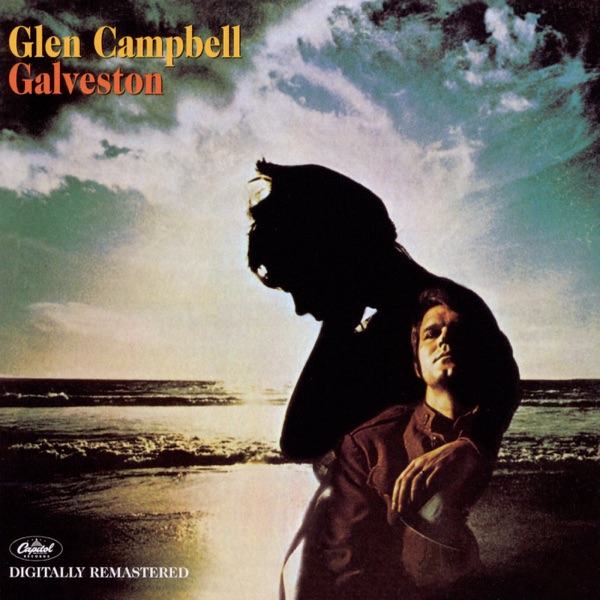
Galveston
1969 · 11 tracks
- 1 Galveston ↗ 2:41
- 2 Take My Hand for a While ↗ 2:43
- 3 If This Is Love ↗ 2:10
- 4 Today ↗ 2:31
- 5 Gotta Have Tenderness ↗ 2:10
- 6 Friends ↗ 2:34
- 7 Where's the Playground Susie ↗ 2:56
- 8 Time ↗ 2:45
- 9 Until It's Time for You to Go ↗ 3:05
- 10 Oh What a Woman ↗ 2:41
- 11 Every Time I Itch I Wind Up Scratchin' You ↗ 1:52

The Glen Campbell Goodtime Album
1970 · 10 tracks
- 1 It's Only Make Believe ↗ 2:27
- 2 MacArthur Park ↗ 4:51
- 3 As Far As I'm Concerned ↗ 2:38
- 4 Just Another Piece of Paper ↗ 2:09
- 5 Pave Your Way Into Tomorrow ↗ 1:40
- 6 My Way ↗ 4:06
- 7 Dream Sweet Dreams About Me ↗ 2:39
- 8 Bridge Over Troubled Water ↗ 3:24
- 9 Turn It Around In Your Mind ↗ 2:11
- 10 Funny Kind of Monday ↗ 2:08


Try a Little Kindness
1970 · 12 tracks
- 1 Try a Little Kindness ↗ 2:26
- 2 Both Sides Now ↗ 3:42
- 3 For My Woman's Love ↗ 3:09
- 4 Country Girl ↗ 2:52
- 5 All the Way ↗ 3:10
- 6 Where Do You Go ↗ 2:45
- 7 Honey, Come Back ↗ 2:59
- 8 Folk Singer ↗ 2:44
- 9 Love Is Not a Game ↗ 2:12
- 10 Once More With Feeling ↗ 3:16
- 11 And the World Keeps Spinning ↗ 2:40
- 12 Home Again ↗ 2:46

The Last Time I Saw Her
1971 · 10 tracks
- 1 The Last Time I Saw Her ↗ 4:07
- 2 Rose Garden ↗ 2:50
- 3 Help Me Make It Through the Night ↗ 2:20
- 4 She Understands Me ↗ 2:36
- 5 He Ain't Heavy, He's My Brother ↗ 3:29
- 6 If You Could Read My Mind ↗ 3:45
- 7 Dream Baby (How Long Must I Dream) ↗ 2:32
- 8 Today Is Mine ↗ 3:43
- 9 Here We Go Again ↗ 2:30
- 10 Where Do I Begin ↗ 3:04

Anne Murray / Glen Campbell
1971 · 10 tracks
- 1 You're Easy to Love ↗ 2:11
- 2 I Say a Little Prayer / By the Time I Get to Phoenix ↗ 3:15
- 3 We All Pull the Load ↗ 2:54
- 4 Canadian Sunset ↗ 2:52
- 5 Bring Back the Love ↗ 3:03
- 6 United We Stand ↗ 2:38
- 7 Love Story (You and Me) ↗ 3:43
- 8 Ease Your Pain ↗ 3:37
- 9 Let Me Be the One ↗ 3:18
- 10 My Ecstasy ↗ 2:21

Glen Travis Campbell
1972 · 10 tracks

I Knew Jesus (Before He Was a Star)
1973 · 10 tracks

I Remember Hank Williams
1973 · 10 tracks
- 1 I Could Never Be Ashamed of You ↗ 2:58
- 2 Your Cheatin' Heart ↗ 3:18
- 3 I'm So Lonesome I Could Cry ↗ 2:27
- 4 Half As Much ↗ 2:48
- 5 Wedding Bells ↗ 2:53
- 6 You Win Again ↗ 3:41
- 7 Mansion On the Hill ↗ 2:43
- 8 Take These Chains from My Heart ↗ 2:36
- 9 Cold, Cold Heart ↗ 2:46
- 10 I Can't Help It (If I'm Still In Love With You) ↗ 2:41

Reunion: The Songs of Jimmy Webb
1974 · 12 tracks
- 1 By the Time I Get to Phoenix ↗ 2:45
- 2 Wichita Lineman ↗ 3:07
- 3 Roll Me Easy ↗ 2:41
- 4 Just This One Time ↗ 3:44
- 5 You Might As Well Smile ↗ 3:34
- 6 Wishing Now ↗ 3:15
- 7 About the Ocean ↗ 2:59
- 8 Ocean In His Eyes ↗ 3:27
- 9 The Moon's a Harsh Mistress ↗ 3:06
- 10 I Keep It Hid ↗ 3:28
- 11 Adoration ↗ 3:17
- 12 It's a Sin (When You Love Somebody) ↗ 2:25

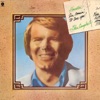
Houston (I’m Comin’ to See You!)
1974 · 10 tracks

Ernie Sings & Glen Picks
1975 · 10 tracks
- 1 Trouble In Mind ↗ 3:05
- 2 (I'd Be) A Legend In My Time ↗ 2:35
- 3 Here Comes My Baby Back Again ↗ 2:55
- 4 There Goes My Everything ↗ 2:58
- 5 She Called Me Baby ↗ 3:04
- 6 I Gotta Have My Baby Back ↗ 3:42
- 7 Nobody Wins ↗ 2:53
- 8 Loving Her Was Easier ↗ 3:04
- 9 I Really Don't Want to Know ↗ 2:52
- 10 For the Good Times ↗ 3:42

Rhinestone Cowboy
1975 · 15 tracks
- 1 Country Boy (You Got Your Feet In L.A.) ↗ 3:08
- 2 Comeback ↗ 3:23
- 3 Count On Me ↗ 3:12
- 4 I Miss You Tonight ↗ 3:09
- 5 My Girl ↗ 3:14
- 6 Rhinestone Cowboy ↗ 3:14
- 7 I'd Build a Bridge ↗ 3:43
- 8 Pencils for Sale ↗ 3:43
- 9 Marie ↗ 3:35
- 10 We're Over ↗ 2:59
- 11 Record Collector's Dream ↗ 2:59
- 12 Coming Home ↗ 2:47
- 13 Quits ↗ 3:14
- 14 Country Boy (You Got Your Feet In L.A.) [2009 Remix] ↗ 3:06
- 15 Rhinestone Cowboy (2008 Remix) ↗ 3:30

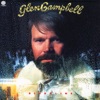
Bloodline
1976 · 10 tracks
- 1 Baby, Don't Be Givin' Me Up ↗ 3:36
- 2 See You On Sunday ↗ 3:37
- 3 Don't Pull Your Love / Then You Can Tell Me Goodbye ↗ 3:23
- 4 Christiaan No ↗ 2:34
- 5 Bloodline ↗ 4:33
- 6 Everytime I Sing a Love Song ↗ 3:09
- 7 Lay Me Down (Roll Me Out to Sea) ↗ 4:11
- 8 The Bottom Line ↗ 3:36
- 9 I Got Love for You Ruby ↗ 3:38
- 10 San Francisco Is a Lonely Town ↗ 3:25


Basic
1978 · 11 tracks
- 1 (You've Got To) Sing It Nice and Loud for Me Sonny ↗ 2:50
- 2 Stranger In the Mirror ↗ 3:48
- 3 Can You Fool ↗ 3:11
- 4 I See Love ↗ 2:15
- 5 (When I Feel Like) I Got No Love In Me ↗ 3:28
- 6 Love Takes You Higher ↗ 2:43
- 7 Never Tell You No Lies ↗ 2:21
- 8 I'm Gonna Love You ↗ 3:25
- 9 California ↗ 3:35
- 10 Let's All Sing a Song About It ↗ 3:15
- 11 Grafhaidh Me Thu ↗ 2:40


Somethin’ ’Bout You Baby I Like
1980 · 10 tracks
- 1 Somethin' 'Bout You Baby I Like (feat. Rita Coolidge) ↗ 2:44
- 2 If You Could See You Through My Eyes ↗ 3:43
- 3 That Kind ↗ 3:13
- 4 Part Time Love ↗ 2:33
- 5 Hollywood Smiles ↗ 3:16
- 6 If This Is Love ↗ 4:01
- 7 Hooked On Love ↗ 2:05
- 8 Show Me You Love Me ↗ 3:09
- 9 Late Night Confession (feat. Rita Coolidge) ↗ 3:34
- 10 It Goes Like It Goes ↗ 3:41

It’s the World Gone Crazy
1981 · 10 tracks
- 1 Why Don't We Just Sleep On It Tonight ↗ 3:07
- 2 I Don't Want to Know Your Name ↗ 4:02
- 3 In Cars ↗ 3:04
- 4 It's the World's Gone Crazy (Cotillion) ↗ 2:38
- 5 Rollin' ↗ 3:30
- 6 Nothing Quite Like Love ↗ 3:57
- 7 A Daisy a Day ↗ 3:40
- 8 Any Which Way You Can ↗ 3:14
- 9 It's Your World ↗ 3:46
- 10 Shoulder to Shoulder ↗ 3:25

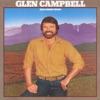
Old Home Town
1982 · 10 tracks
- 1 The Old Home Town (LP Version) ↗ 3:44
- 2 I Love How You Love Me (LP Version) ↗ 2:35
- 3 Hang On Baby (Ease My Mind) (LP Version) ↗ 2:30
- 4 Blues My Naughty Sweetie Gives To Me (LP Version) ↗ 2:32
- 5 A Few Good Men (LP Version) ↗ 3:08
- 6 On the Wings of My Victory (LP Version) ↗ 3:36
- 7 I Was Too Busy Loving You (LP Version) ↗ 3:12
- 8 Ruth (LP Version) ↗ 3:00
- 9 Woman's Touch (LP Version) ↗ 3:15
- 10 Mull of Kintyre (LP Version) ↗ 4:23
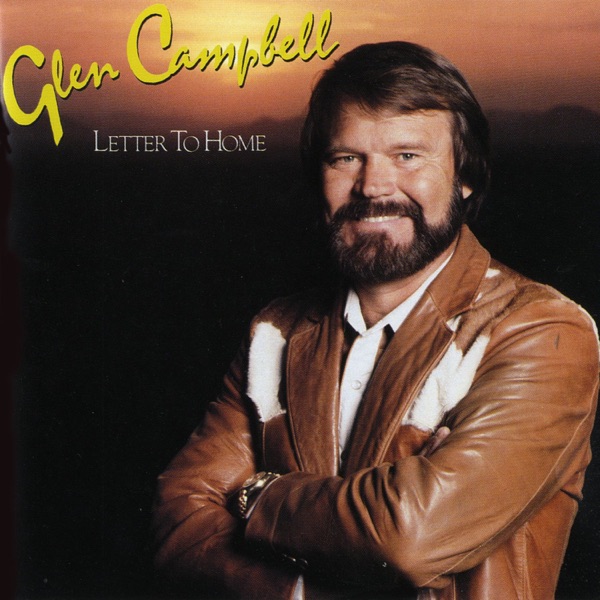
Letter to Home
1984 · 10 tracks
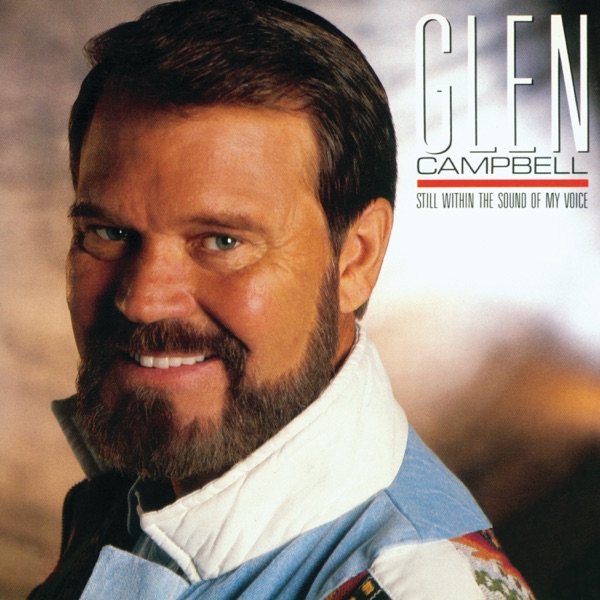
Still Within the Sound of My Voice
1987 · 10 tracks
- 1 I'm a One Woman Man ↗ 2:36
- 2 Still Within the Sound of My Voice ↗ 4:11
- 3 The Hand That Rocks the Cradle ↗ 3:08
- 4 For Sure, For Certain, Forever, For Always ↗ 3:19
- 5 I Have You ↗ 3:22
- 6 You Are ↗ 2:37
- 7 Arkansas ↗ 2:46
- 8 In My Life ↗ 4:05
- 9 Leavin's Not the Only Way To Go ↗ 3:46
- 10 I Remember You ↗ 2:49

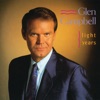
Light Years
1988 · 10 tracks
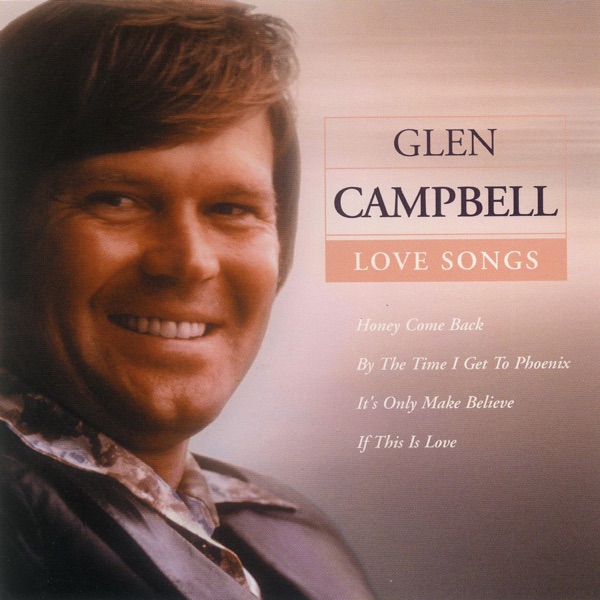
Love Songs
1990 · 20 tracks
- 1 Honey Come Back ↗ 3:03
- 2 By the Time I Get to Phoenix ↗ 2:44
- 3 Country Girl ↗ 2:53
- 4 Gentle On My Mind ↗ 3:08
- 5 Reason to Believe ↗ 2:19
- 6 One Last Time ↗ 3:20
- 7 (I'm Getting) Used to the Crying ↗ 2:49
- 8 It's Only Make Believe ↗ 2:26
- 9 How High Did We Go ↗ 3:05
- 10 If This Is Love ↗ 2:10
- 11 Love Is Not a Game ↗ 2:14
- 12 For My Woman's Love ↗ 3:11
- 13 Last Thing On My Mind ↗ 3:55
- 14 Everything a Man Could Ever Need ↗ 2:31
- 15 Dream Baby (How Long Must I Dream) ↗ 2:32
- 16 Hey Little One ↗ 2:33
- 17 Your Cheatin' Heart ↗ 3:18
- 18 This Is Sarah's Song ↗ 2:37
- 19 Let Go ↗ 3:31
- 20 God Only Knows ↗ 3:20

Walkin’ in the Sun
1990 · 11 tracks
- 1 She's Gone, Gone, Gone ↗ 2:49
- 2 You Will Not Lose ↗ 2:40
- 3 On a Good Night ↗ 3:25
- 4 If I Could Only Get My Hands On You Now ↗ 3:22
- 5 Walkin' In the Sun ↗ 2:31
- 6 The William Tell Overture ↗ 2:47
- 7 Woodcarver ↗ 3:24
- 8 Cheatin' Is ↗ 2:18
- 9 Tied to the Tracks ↗ 2:43
- 10 Somebody's Leaving ↗ 2:06
- 11 Jesus On Your Mind ↗ 2:40
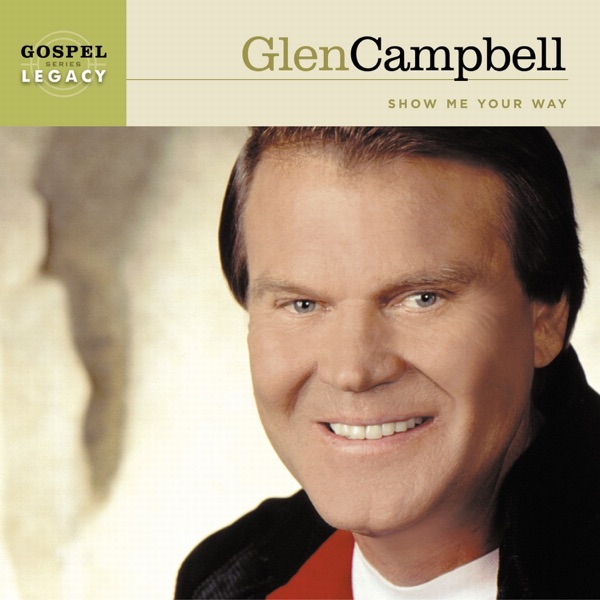
Show Me Your Way
1991 · 10 tracks
- 1 The Greatest Gift of All (feat. Russ Taff & Christ Church Choir) ↗ 4:42
- 2 Jesus and Me ↗ 2:57
- 3 Where I Am Going ↗ 4:10
- 4 The Wayward Son ↗ 4:13
- 5 Unto the Least of These ↗ 4:07
- 6 Show Me Your Way (feat. Anne Murray) ↗ 3:18
- 7 The Savior I Sing of Today ↗ 2:57
- 8 A Few Good Men ↗ 3:51
- 9 Where Shadows Never Fall (feat. Kelly Nelon Thompson) ↗ 3:01
- 10 The Four Horsemen ↗ 5:06

Unconditional Love
1991 · 10 tracks

Wings of Victory
1992 · 10 tracks

Home for the Holidays
1993 · 10 tracks
- 1 The Christmas Song ↗ 4:30
- 2 Away In a Manger Medley ↗ 4:22
- 3 It Came Upon a Midnight Clear ↗ 3:02
- 4 Little Drummer Boy ↗ 3:58
- 5 What Child Is This? ↗ 3:07
- 6 I'll Be Home for Christmas ↗ 3:22
- 7 Hark Herald Angels Medley ↗ 3:55
- 8 Silent Night ↗ 2:37
- 9 Have Yourself a Merry Little Christmas ↗ 4:19
- 10 O Holy Night ↗ 3:41

Somebody Like That
1993 · 10 tracks
- 1 Somebody Like That ↗ 3:15
- 2 Those Words ↗ 3:00
- 3 I Will Be Here ↗ 3:46
- 4 Love's Old Song ↗ 2:22
- 5 The One Who Hung the Moon ↗ 2:51
- 6 Swimming Upstream ↗ 3:03
- 7 The Best Part of Texas ↗ 3:44
- 8 Ain't It Just Like Love ↗ 2:33
- 9 (If I'd Only Known) It Was the Last Time ↗ 2:47
- 10 Rising Above It All ↗ 2:51


Glen Campbell
1996 · 20 tracks
- 1 Honey Come Back ↗ 3:03
- 2 By the Time I Get to Phoenix ↗ 2:44
- 3 Country Girl ↗ 2:53
- 4 Gentle On My Mind ↗ 3:08
- 5 Reason to Believe ↗ 2:19
- 6 One Last Time ↗ 3:20
- 7 (I'm Getting) Used to the Crying ↗ 2:49
- 8 It's Only Make Believe ↗ 2:26
- 9 How High Did We Go ↗ 3:05
- 10 If This Is Love ↗ 2:10
- 11 Love Is Not a Game ↗ 2:14
- 12 For My Womans Love ↗ 3:11
- 13 The Last Thing On My Mind ↗ 3:55
- 14 Everything a Man Could Ever Need ↗ 2:31
- 15 Dream Baby (How Long Must I Dream) ↗ 2:32
- 16 Hey Little One ↗ 2:33
- 17 Your Cheatin' Heart ↗ 3:18
- 18 This Is Sarah's Song ↗ 2:37
- 19 Let Go ↗ 3:31
- 20 God Only Knows ↗ 3:20

Love Is The Answer; 24 Songs Of Faith, Hope And Love
2004 · 24 tracks
- 1 Shower the People ↗ 4:23
- 2 People Get Ready ↗ 3:21
- 3 Up Where We Belong ↗ 4:26
- 4 Love Is the Answer ↗ 4:24
- 5 How Could I Ask for More ↗ 3:31
- 6 O, How I Love Jesus ↗ 3:17
- 7 Just a Closer Walk With Thee ↗ 3:39
- 8 'Tis So Sweet to Trust In Jesus ↗ 3:10
- 9 He Leadth Me ↗ 2:45
- 10 What a Friend We Have In Jesus ↗ 4:13
- 11 Pass Me Not, O Gentle Saviour ↗ 3:41
- 12 The Old Rugged Cross ↗ 3:57
- 13 Mighty Clouds of Joy ↗ 3:11
- 14 Lean On Me ↗ 3:50
- 15 Mary, Did You Know? ↗ 3:22
- 16 Try a Little Kindness ↗ 2:31
- 17 I Need Thee Every Hour ↗ 3:18
- 18 Where Could I Go But to the Lord ↗ 3:34
- 19 Rock of Ages ↗ 3:05
- 20 Love Lifted Me ↗ 3:22
- 21 Amazing Grace ↗ 3:37
- 22 I Love to Tell the Story ↗ 3:16
- 23 Blessed Assurance ↗ 3:16
- 24 You'll Never Walk Alone ↗ 2:48

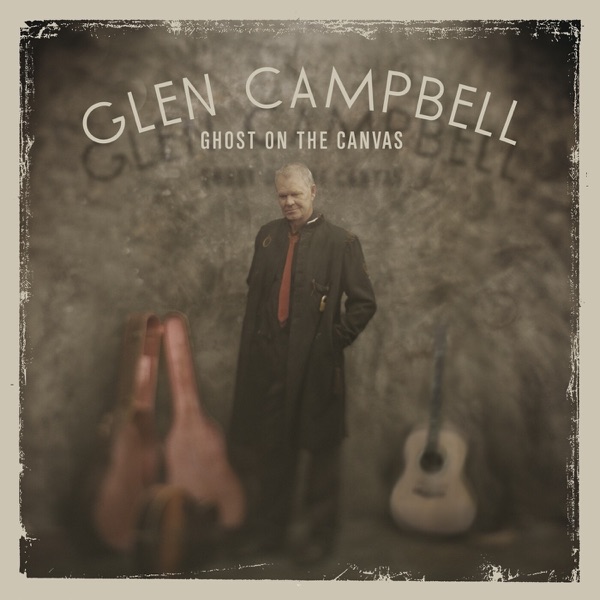
Ghost on the Canvas
2011 · 16 tracks
- 1 A Better Place ↗ 1:51
- 2 Ghost on the Canvas ↗ 4:13
- 3 The Billstown Crossroads ↗ 1:04
- 4 A Thousand Lifetimes ↗ 4:09
- 5 It's Your Amazing Grace ↗ 3:14
- 6 Second Street North ↗ 0:35
- 7 In My Arms (feat. Chris Isaak, Dick Dale & Brian Setzer) ↗ 3:27
- 8 May 21st, 1969 ↗ 0:34
- 9 Nothing but the Whole Wide World ↗ 3:41
- 10 Wild and Waste ↗ 1:13
- 11 Hold on Hope ↗ 3:33
- 12 Valley of the Son ↗ 0:57
- 13 Any Trouble ↗ 3:00
- 14 Strong (feat. The Dandy Warhols) ↗ 3:33
- 15 The Rest Is Silence ↗ 0:50
- 16 There's No Me...Without You (feat. Billy Corgan, Brian Setzer, Rick Nielsen & Marty Rifkin) ↗ 6:17

See You There
2013 · 12 tracks
- 1 Hey Little One ↗ 2:38
- 2 Wichita Lineman ↗ 3:36
- 3 Gentle on My Mind ↗ 3:02
- 4 Postcard from Paris ↗ 3:36
- 5 Waiting on the Comin' of My Lord ↗ 3:07
- 6 What I Wouldn't Give ↗ 2:45
- 7 Galveston ↗ 3:12
- 8 By the Time I Get to Phoenix ↗ 3:07
- 9 There's No Me...Without You ↗ 3:24
- 10 True Grit ↗ 2:40
- 11 Rhinestone Cowboy ↗ 2:49
- 12 Waiting on the Comin' of My Lord (feat. Jose Hernandez & Mariachi Sol de Mexico de Jose Hernandez) ↗ 3:10

Adiós
2017 · 12 tracks
- 1 Everybody's Talkin' ↗ 2:56
- 2 Just Like Always ↗ 3:48
- 3 Funny How Time Slips Away ↗ 3:32
- 4 Arkansas Farmboy ↗ 3:31
- 5 Am I All Alone (Or Is It Only Me) [Intro] ↗ 0:45
- 6 Am I All Alone (Or Is It Only Me) ↗ 2:44
- 7 It Won't Bring Her Back ↗ 3:31
- 8 Don't Think Twice, It's All Right ↗ 2:34
- 9 She Thinks I Still Care ↗ 3:56
- 10 Postcard From Paris ↗ 4:33
- 11 A Thing Called Love ↗ 2:20
- 12 Adiós ↗ 3:05

Glen Campbell Duets: Ghost on the Canvas Sessions
2024 · 13 tracks
- 1 Intro ↗ 0:52
- 2 There's No Me...Without You ↗ 3:47
- 3 Ghost On The Canvas ↗ 4:14
- 4 Hold On Hope ↗ 3:33
- 5 The Long Walk Home ↗ 2:18
- 6 Nothing But The Whole Wide World ↗ 3:35
- 7 In My Arms ↗ 3:27
- 8 A Better Place ↗ 1:54
- 9 Strong ↗ 3:40
- 10 A Thousand Lifetimes ↗ 3:57
- 11 It's Your Amazing Grace ↗ 3:03
- 12 Any Trouble ↗ 2:49
- 13 I'm Not Gonna Miss You ↗ 2:59
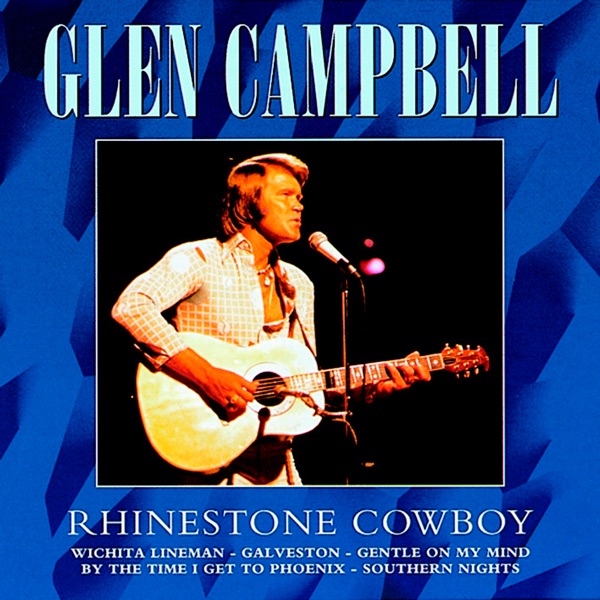
Rhinestone Cowboy
— · 17 tracks
- 1 Rhinestone Cowboy (Live) ↗ 3:09
- 2 Gentle on My Mind (Live) ↗ 2:10
- 3 Medley: Wichita Lineman/Galveston/Country Boy (You Got Your Feet In LA) [Live] ↗ 4:26
- 4 By the Time I Get to Phoenix (Live) ↗ 2:43
- 5 Dreams of the Everyday Housewife (Live) ↗ 2:08
- 6 Heartache Number Three (Live) ↗ 2:29
- 7 Please Come to Boston (Live) ↗ 3:32
- 8 It’s Only Make Believe (Live) ↗ 2:31
- 9 Crying (Live) ↗ 3:30
- 10 Blue Grass Medley: Foggy Mountain Breakdown/Orange Blossom Special (Live) ↗ 5:14
- 11 Milk Cow Blues (Live) ↗ 5:13
- 12 Rollin’ (In My Sweet Baby’s Arms) [Live] ↗ 3:39
- 13 I’m So Lonesome I Could Cry (Live) ↗ 3:14
- 14 Southern Nights (Live) ↗ 3:45
- 15 Amazing Grace (Live) ↗ 4:30
- 16 Try a Little Kindness (Live) ↗ 2:22
- 17 Mull of Kintyre (Live) ↗ 5:52
-
 Too Late to Worry - Too Blue to CryGlen Campbell196312 tracks
 -
 The Astounding 12-String Guitar of Glen CampbellGlen Campbell196410 tracks
 -
 The Big Bad Rock Guitar of Glen CampbellGlen Campbell196512 tracks
 -
 Gentle On My MindGlen Campbell196711 tracks
 -
 By the Time I Get to PhoenixGlen Campbell196711 tracks
 -
 Burning BridgesGlen Campbell196711 tracks
 -
 Wichita LinemanGlen Campbell196811 tracks
 -
 Hey Little OneGlen Campbell196811 tracks
 -
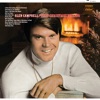 That Christmas FeelingGlen Campbell196811 tracks
 -
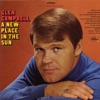 A New Place in the SunGlen Campbell196811 tracks
 -
 GalvestonGlen Campbell196911 tracks
 -
 The Glen Campbell Goodtime AlbumGlen Campbell197010 tracks
 -
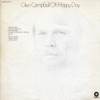 Oh Happy DayGlen Campbell197010 tracks
 -
 Try a Little KindnessGlen Campbell197012 tracks
 -
 The Last Time I Saw HerGlen Campbell197110 tracks
 -
 Anne Murray / Glen CampbellGlen Campbell197110 tracks
 -
 Glen Travis CampbellGlen Campbell197210 tracks
 -
 I Knew Jesus (Before He Was a Star)Glen Campbell197310 tracks
 -
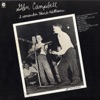 I Remember Hank WilliamsGlen Campbell197310 tracks
 -
 Reunion: The Songs of Jimmy WebbGlen Campbell197412 tracks
 -
 Houston (I’m Comin’ to See You!)Glen Campbell197410 tracks
 -
 Ernie Sings & Glen PicksGlen Campbell197510 tracks
 -
 Rhinestone CowboyGlen Campbell197515 tracks
 -
 BloodlineGlen Campbell197610 tracks
 -
 Southern NightsGlen Campbell197710 tracks
 -
 BasicGlen Campbell197811 tracks
 -
 HighwaymanGlen Campbell197910 tracks
 -
 Somethin’ ’Bout You Baby I LikeGlen Campbell198010 tracks
 -
 It’s the World Gone CrazyGlen Campbell198110 tracks
 -
 Old Home TownGlen Campbell198210 tracks
 -
 Letter to HomeGlen Campbell198410 tracks
 -
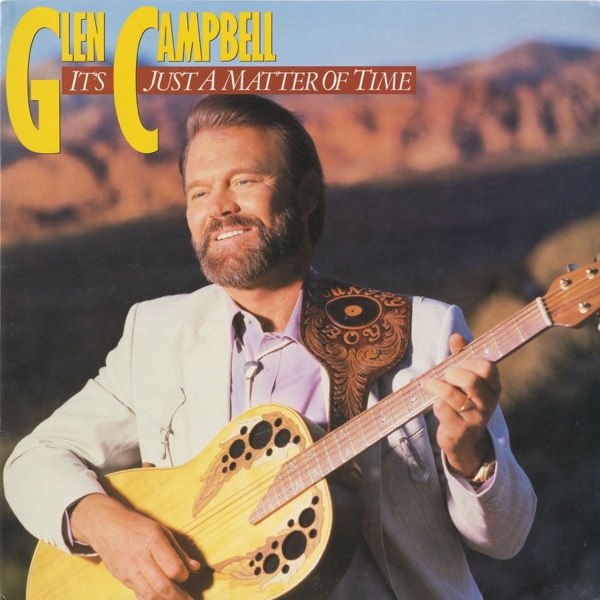
 It’s Just a Matter of TimeGlen Campbell198510 tracks
 -
 Still Within the Sound of My VoiceGlen Campbell198710 tracks
 -
 Light YearsGlen Campbell198810 tracks
 -
 Love SongsGlen Campbell199020 tracks
 -
 Walkin’ in the SunGlen Campbell199011 tracks
 -
 Show Me Your WayGlen Campbell199110 tracks
 -
 Unconditional LoveGlen Campbell199110 tracks
 -
 Wings of VictoryGlen Campbell199210 tracks
 -
 Home for the HolidaysGlen Campbell199310 tracks
 -
 Somebody Like ThatGlen Campbell199310 tracks
 -
 The Boy in MeGlen Campbell199410 tracks
 -
 Glen CampbellGlen Campbell199620 tracks
 -
 Love Is The Answer; 24 Songs Of Faith, Hope And LoveGlen Campbell200424 tracks
 -
 Meet Glen CampbellGlen Campbell200810 tracks
 -
 Ghost on the CanvasGlen Campbell201116 tracks
 -
 See You ThereGlen Campbell201312 tracks
 -
 AdiósGlen Campbell201712 tracks
 -
 Glen Campbell Duets: Ghost on the Canvas SessionsGlen Campbell202413 tracks
 -
 Rhinestone CowboyGlen Campbell—17 tracks
Deep Dive
Overview
Glen Travis Campbell was an American musician whose career bridged session artistry and mainstream stardom across five decades. Born in 1936, he became best known for a series of hit songs that dominated the 1960s and 1970s, anchored by compositions that merged country sensibility with pop accessibility. As both a revered session guitarist and solo performer, Campbell defined a particular strain of American popular music—neither purely country nor rock, but a synthesis that appealed across demographic lines. By his death in 2017, he had released 64 albums and sold over 45 million records worldwide, including twelve gold albums, four platinum albums, and one double-platinum release.
Formation Story
Glen Campbell emerged as a musician in the post-war American South, developing his craft as a guitarist across multiple idioms. His early albums—Big Bluegrass Special (1962) and Too Late to Worry - Too Blue to Cry (1963)—positioned him within the country and folk spheres, but his instrumental dexterity and willingness to cross genre lines quickly made him invaluable as a session player. Throughout the early and mid-1960s, Campbell established himself in Los Angeles studio circles, where his clean, precise playing and versatile approach brought him work across country, pop, and rock sessions. This period of behind-the-scenes musicianship—accompanying other artists and contributing to albums rather than leading—formed the foundation of his public emergence as a solo artist.
Breakthrough Moment
Campbell’s transition from session player to headliner accelerated dramatically between 1967 and 1968. The release of Gentle On My Mind in 1967 marked a turning point, introducing audiences to his voice and songwriting sensibility in a more prominent role. That same year, By the Time I Get to Phoenix deepened his commercial foothold, and in 1968, Wichita Lineman became a defining moment—a song that crystallized his appeal and reached a broad, mainstream audience. The track’s melancholic narrative and Campbell’s understated vocal delivery, set against a sophisticated production, demonstrated that he could sustain hits beyond novelty or strictly country appeal. This period established him as a pop-country crossover artist of the first rank, capable of selling millions of records and commanding substantial radio play.
Peak Era
The years from 1968 to 1975 constituted Campbell’s commercial and creative peak. Following the success of Wichita Lineman, he released Galveston in 1969, consolidating his status as a hitmaker. That same year, he premiered The Glen Campbell Goodtime Hour on CBS television, a weekly variety show that ran until 1972 and provided a platform for both music and entertainment. Studio albums flowed steadily during this period: The Glen Campbell Goodtime Album (1970), Try a Little Kindness (1970), Reunion: The Songs of Jimmy Webb (1974), and others. The album Rhinestone Cowboy (1975) became one of his defining records, arriving when his mainstream presence remained potent. Throughout this era, Campbell achieved a rare balance—sufficient commercial weight to chart consistently and appear on television, while maintaining credibility among musicians and listeners who valued instrumental skill and interpretive maturity.
Musical Style
Campbell’s sound rested fundamentally on his acoustic and electric guitar work. Albums such as The Astounding 12-String Guitar of Glen Campbell (1964) and The Big Bad Rock Guitar of Glen Campbell (1965) made his instrumental prowess the centerpiece, establishing him as a craftsman before he became a vocalist. His playing was characterized by clarity, melodic sensitivity, and an ability to accompany himself with conversational ease—qualities that translated to his later vocal recordings. As a singer, Campbell employed a warm, understated baritone that avoided excessive vibrato or dramatics; his delivery was conversational, sometimes almost spoken, which aligned him more with storytelling traditions than with the belted, emotional intensity of contemporary rock or soul singers. His songs often featured lush orchestral arrangements—strings, horns, and layered production—that placed him closer to sophisticated pop than to the raw or minimalist aesthetics of folk or hard rock. Over his career, he recorded across country, folk, pop, rock, gospel, and standard arrangements, demonstrating technical adaptability and a commitment to varied material.
Major Albums
Wichita Lineman (1968)
A landmark record that secured Campbell’s position as a major commercial artist, featuring the title track—a narrative song about connection and distance that became one of his signature pieces.
By the Time I Get to Phoenix (1967)
An early consolidation of his crossover appeal, showcasing his ability to interpret sophisticated material with emotional restraint and interpretive nuance.
Rhinestone Cowboy (1975)
A late-career commercial success that demonstrated Campbell’s enduring appeal and his willingness to explore themes of aspiration and American working-class identity.
Gentle On My Mind (1967)
An album that marked his emergence as a leading interpreter of contemporary songwriter material, establishing his reputation for tasteful, nuanced renditions.
Reunion: The Songs of Jimmy Webb (1974)
A thematic album devoted to one songwriter’s catalog, underscoring Campbell’s alignment with the singer-songwriter tradition and his interpretive range.
The Glen Campbell Goodtime Album (1970)
A studio album contemporaneous with his television show, capturing the variety and accessibility that defined his mainstream success at its height.
Signature Songs
- Wichita Lineman — A narrative about connection across distance, it became Campbell’s most recognizable recording and a standard of 1960s–70s country-pop.
- Galveston — A melancholic ballad released in 1969, it showcased his ability to sustain emotional depth across a full song.
- Rhinestone Cowboy — A 1975 recording that captured themes of ambition and perseverance, reaching audiences seeking contemporary subject matter.
- Gentle On My Mind — A 1967 recording that introduced his interpretive gifts to a broader audience and established his credibility as a vocalist.
- By the Time I Get to Phoenix — An early marker of his crossover success, demonstrating his range across theatrical and intimate material.
Influence on Rock
Campbell’s five-decade career influenced the trajectory of country-pop and soft rock, particularly in how those genres could achieve mainstream commercial success without sacrificing musicianship or interpretive depth. His early work as a session guitarist connected him to the Los Angeles studio scene that produced much of 1960s and 1970s pop and rock; his visibility as a solo artist demonstrated that instrumental virtuosity and sophisticated production could coexist with chart success. His television presence on The Glen Campbell Goodtime Hour established a template for how musicians could sustain careers through variety entertainment—music, comedy, and cultural presence combined. For country musicians seeking to reach pop audiences, Campbell’s example proved that crossover was possible through tasteful interpretation and broad musical literacy rather than stylistic surrender.
Legacy
Glen Campbell’s legacy rests on the longevity and consistency of his output. Released 64 albums across five decades, Campbell maintained a presence in American popular music from the early 1960s through 2017. His final recordings—Adiós and Amazing Grace: 14 Hymns and Gospel Favorites, both released in 2017—demonstrated his commitment to recording until the end of his life. The 2024 posthumous release Glen Campbell Duets: Ghost on the Canvas Sessions provided further evidence of the depth of his catalog and the continued interest in his work. With over 45 million records sold worldwide, including four platinum albums and one double-platinum record, Campbell achieved a commercial footprint rivaling that of major figures in rock and pop. His influence extends across contemporary artists who value interpretive skill and broad genre literacy over narrowly defined stylistic positioning. Streaming platforms and reissue campaigns have sustained his visibility among both longtime listeners and new audiences discovering his catalog, confirming his standing as a foundational figure in post-war American popular music.
Fun Facts
- Campbell recorded prolifically throughout his career, sometimes releasing multiple albums per year during his peak period, demonstrating his productivity and the record industry’s appetite for his material.
- He collaborated across genres and with other prominent artists, including a duet album with Anne Murray in 1971, extending his reach beyond his core audience.
- His range extended to gospel and spiritual material, particularly evident in recordings like I Knew Jesus (Before He Was a Star) (1973) and Oh Happy Day (1970), reflecting the breadth of American musical traditions he engaged with.
- The Glen Campbell Goodtime Hour was a significant television presence during its 1969–1972 run, providing him with a weekly platform to perform both his own material and to showcase guest artists in a variety format.