
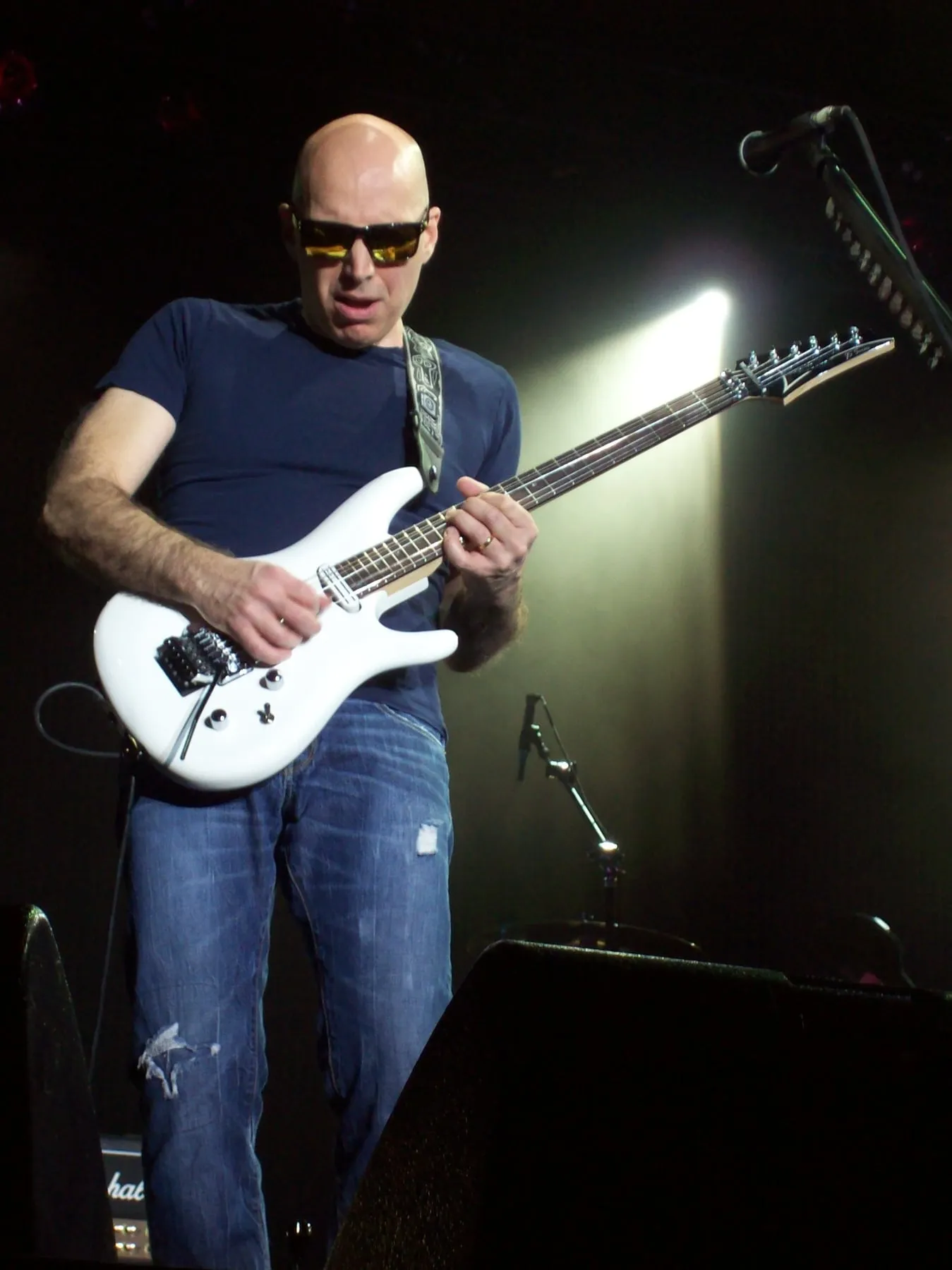
Photo by Shape Prior , licensed under CC BY-SA 3.0 · Wikimedia Commons
Rank #186
Joe Satriani
From Wikipedia
Joseph Satriani is an American rock guitarist, composer, record producer, and songwriter. Early in his career, he worked as a guitar instructor, with many of his former students achieving fame, including Steve Vai, Larry LaLonde, Rick Hunolt, Kirk Hammett, Andy Timmons, Charlie Hunter, Kevin Cadogan, and Alex Skolnick. Satriani went on to have a successful solo music career, starting in the mid-1980s. He is a 15-time Grammy Award nominee and has sold over ten million albums, making him the bestselling instrumental rock guitarist of all time.
Discography & Previews
Browse through and click an album to open and play 30-second previews streamed from Apple Music.
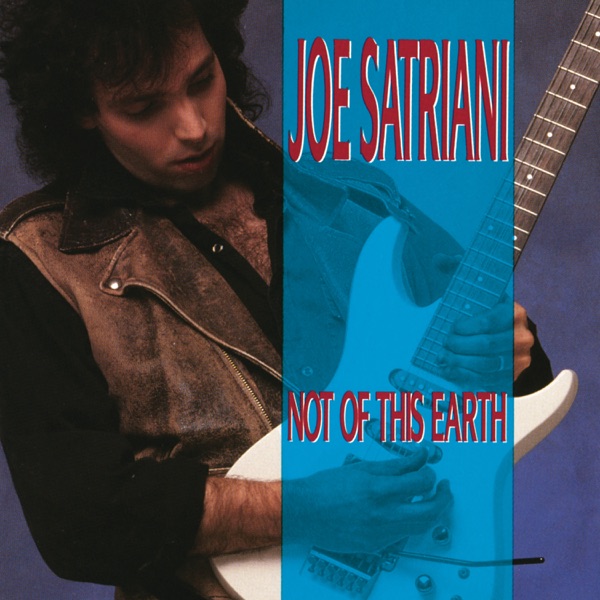


Flying in a Blue Dream
1989 · 18 tracks
- 1 Flying In a Blue Dream ↗ 5:22
- 2 The Mystical Potato Head Groove Thing ↗ 5:11
- 3 Can't Slow Down ↗ 4:50
- 4 Headless ↗ 1:30
- 5 Strange ↗ 5:03
- 6 I Believe ↗ 5:55
- 7 One Big Rush ↗ 3:26
- 8 Big Bad Moon ↗ 5:16
- 9 The Feeling ↗ 0:51
- 10 The Phone Call ↗ 3:01
- 11 Day at the Beach (New Rays from an Ancient Sun) ↗ 2:04
- 12 Back to Shalla-Bal ↗ 3:15
- 13 Ride ↗ 4:57
- 14 The Forgotten, Pt. 1 ↗ 1:13
- 15 The Forgotten, Pt. 2 ↗ 5:08
- 16 The Bells of Lal, Pt. 1 ↗ 1:20
- 17 The Bells of Lal, Pt. 2 ↗ 4:08
- 18 Into the Light ↗ 2:30

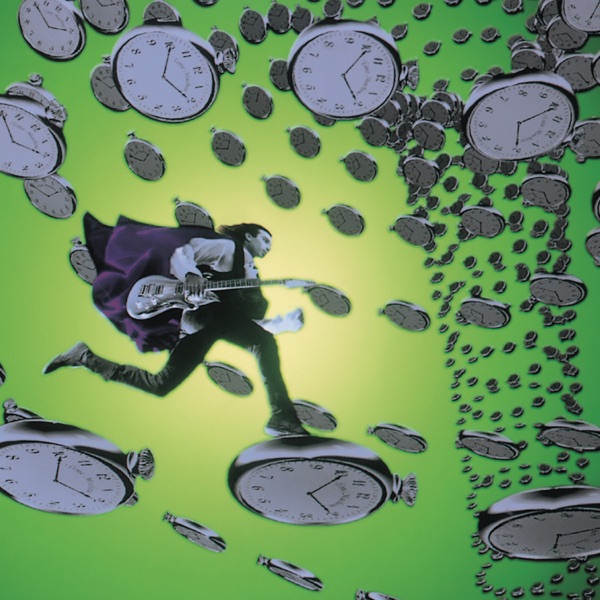
Time Machine
1993 · 14 tracks
- 1 Time Machine ↗ 5:06
- 2 The Mighty Turtle Head ↗ 5:12
- 3 All Alone ↗ 4:22
- 4 Banana Mango II ↗ 6:06
- 5 Thinking of You ↗ 3:58
- 6 Crazy ↗ 4:04
- 7 Speed of Light ↗ 5:14
- 8 Baroque ↗ 2:17
- 9 Dweller On the Treshold ↗ 4:15
- 10 Banana Mango ↗ 2:44
- 11 Dreaming #11 ↗ 3:38
- 12 I Am Become Death ↗ 3:55
- 13 Saying Goodbye ↗ 2:54
- 14 Woodstock Jam ↗ 16:07
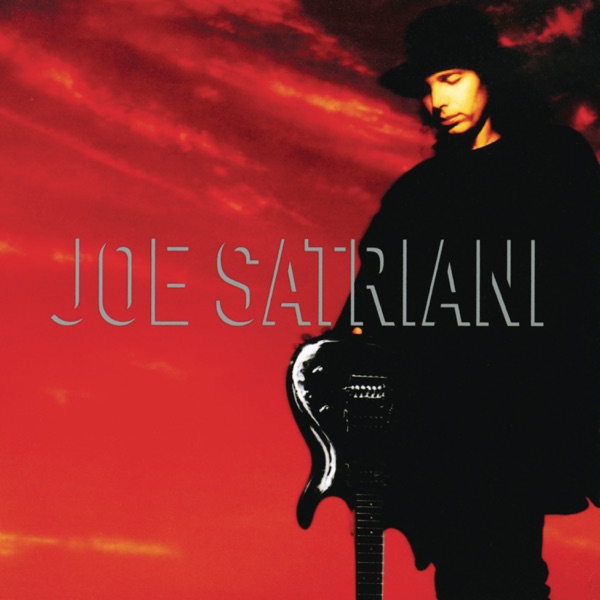

Crystal Planet
1998 · 15 tracks
- 1 Up In the Sky ↗ 4:09
- 2 House Full of Bullets ↗ 5:34
- 3 Crystal Planet ↗ 4:35
- 4 Love Thing ↗ 3:51
- 5 Trundrumbalind ↗ 5:13
- 6 Lights of Heaven ↗ 4:25
- 7 Raspberry Jam Delta-V ↗ 5:22
- 8 Ceremony ↗ 4:53
- 9 With Jupiter In Mind ↗ 5:47
- 10 Secret Prayer ↗ 4:28
- 11 A Train of Angels ↗ 3:43
- 12 A Piece of Liquid ↗ 3:05
- 13 Psycho Monkey ↗ 4:37
- 14 Time ↗ 5:04
- 15 Z.Z.'s Song ↗ 3:02

Engines of Creation
2000 · 11 tracks

Strange Beautiful Music
2002 · 14 tracks
- 1 Oriental Melody ↗ 3:55
- 2 Belly Dancer ↗ 5:03
- 3 Starry Night ↗ 3:55
- 4 Chords of Life ↗ 4:13
- 5 Mind Storm ↗ 4:12
- 6 Sleep Walk ↗ 2:46
- 7 New Last Jam ↗ 4:16
- 8 Mountain Song ↗ 3:31
- 9 What Breaks a Heart ↗ 5:20
- 10 Seven String ↗ 4:02
- 11 Hill Groove ↗ 4:10
- 12 The Journey ↗ 4:09
- 13 The Traveler ↗ 5:40
- 14 You Saved My Life ↗ 5:03
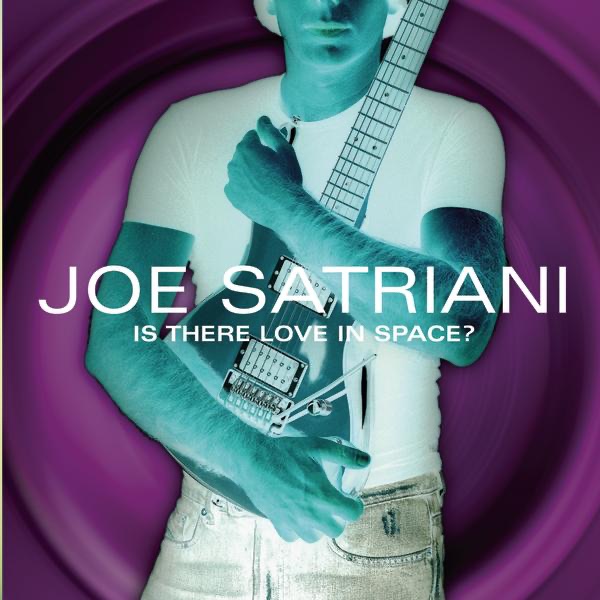

Super Colossal
2006 · 13 tracks
- 1 Super Colossal ↗ 4:15
- 2 Just Like Lightnin' ↗ 4:02
- 3 It's So Good ↗ 4:15
- 4 Redshift Riders ↗ 4:50
- 5 Ten Words ↗ 3:29
- 6 A Cool New Way ↗ 6:13
- 7 One Robot's Dream ↗ 6:16
- 8 The Meaning of Love ↗ 4:35
- 9 Made of Tears ↗ 5:33
- 10 Theme for a Strange World ↗ 4:40
- 11 Movin' On ↗ 4:06
- 12 A Love Eternal ↗ 3:34
- 13 Crowd Chant ↗ 3:16

Professor Satchafunkilus and the Musterion of Rock
2008 · 10 tracks

Black Swans and Wormhole Wizards
2010 · 11 tracks

Unstoppable Momentum
2013 · 11 tracks
- 1 Unstoppable Momentum ↗ 5:14
- 2 Can't Go Back ↗ 3:59
- 3 Lies and Truths ↗ 4:45
- 4 Three Sheets to the Wind ↗ 3:22
- 5 I'll Put a Stone On Your Cairn ↗ 1:43
- 6 A Door Into Summer ↗ 4:17
- 7 Shine On American Dreamer ↗ 4:46
- 8 Jumpin' In ↗ 5:11
- 9 Jumpin' Out ↗ 3:52
- 10 The Weight of the World ↗ 5:07
- 11 A Celebration ↗ 2:47
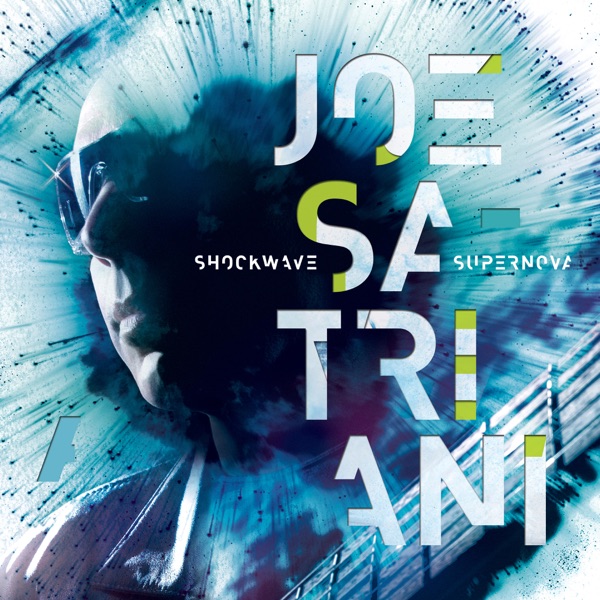
Shockwave Supernova
2015 · 15 tracks
- 1 Shockwave Supernova ↗ 3:50
- 2 Lost In a Memory ↗ 4:13
- 3 Crazy Joey ↗ 3:37
- 4 In My Pocket ↗ 4:13
- 5 On Peregrine Wings ↗ 5:23
- 6 Cataclysmic ↗ 5:03
- 7 San Francisco Blue ↗ 3:19
- 8 Keep On Movin' ↗ 4:23
- 9 All of My Life ↗ 4:03
- 10 A Phase I'm Going Through ↗ 3:59
- 11 Scarborough Stomp ↗ 3:59
- 12 Butterfly and Zebra ↗ 1:47
- 13 If There Is No Heaven ↗ 5:07
- 14 Stars Race Across the Sky ↗ 4:45
- 15 Goodbye Supernova ↗ 5:47

What Happens Next
2018 · 12 tracks

Shapeshifting
2020 · 13 tracks
- 1 Shapeshifting ↗ 3:55
- 2 Big Distortion ↗ 4:14
- 3 All for Love ↗ 2:32
- 4 Ali Farka, Dick Dale, an Alien and Me ↗ 3:42
- 5 Teardrops ↗ 4:09
- 6 Perfect Dust ↗ 3:30
- 7 Nineteen Eighty ↗ 3:35
- 8 All My Friends Are Here ↗ 3:24
- 9 Spirits, Ghosts and Outlaws ↗ 3:23
- 10 Falling Stars ↗ 3:42
- 11 Waiting ↗ 2:36
- 12 Here the Blue River ↗ 5:02
- 13 Yesterday's Yesterday ↗ 2:48

The Elephants of Mars
2022 · 14 tracks
- 1 Sahara ↗ 4:36
- 2 The Elephants of Mars ↗ 5:21
- 3 Faceless ↗ 4:48
- 4 Blue Foot Groovy ↗ 5:10
- 5 Tension and Release ↗ 5:50
- 6 Sailing the Seas of Ganymede ↗ 5:58
- 7 Doors of Perception ↗ 3:17
- 8 E 104th St NYC 1973 ↗ 5:36
- 9 Pumpin' ↗ 3:23
- 10 Dance of the Spores ↗ 6:20
- 11 Night Scene ↗ 4:34
- 12 Through a Mother's Day Darkly ↗ 4:12
- 13 22 Memory Lane ↗ 4:12
- 14 Desolation ↗ 3:20
-
 Not of This EarthJoe Satriani198610 tracks
 -
 Surfing With the AlienJoe Satriani198710 tracks
 -
 Flying in a Blue DreamJoe Satriani198918 tracks
 -
 The ExtremistJoe Satriani199210 tracks
 -
 Time MachineJoe Satriani199314 tracks
 -
 Joe SatrianiJoe Satriani199512 tracks
 -
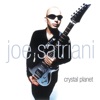 Crystal PlanetJoe Satriani199815 tracks
 -
 Engines of CreationJoe Satriani200011 tracks
 -
 Strange Beautiful MusicJoe Satriani200214 tracks
 -
 Is There Love in Space?Joe Satriani200411 tracks
 -
 Super ColossalJoe Satriani200613 tracks
 -
 Professor Satchafunkilus and the Musterion of RockJoe Satriani200810 tracks
 -
 Black Swans and Wormhole WizardsJoe Satriani201011 tracks
 -
 Unstoppable MomentumJoe Satriani201311 tracks
 -
 Shockwave SupernovaJoe Satriani201515 tracks
 -
 What Happens NextJoe Satriani201812 tracks
 -
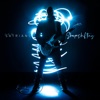 ShapeshiftingJoe Satriani202013 tracks
 -
 The Elephants of MarsJoe Satriani202214 tracks
Deep Dive
Overview
Joe Satriani stands as the bestselling instrumental rock guitarist of all time, a distinction earned through decades of prolific composition, technical mastery, and an uncompromising commitment to guitar-driven music that transcends genre boundaries. Born in 1956, Satriani emerged from the competitive guitar scene of the 1980s to establish instrumental rock as a viable solo enterprise, proving that rock listeners would embrace ambitious, melody-rich music entirely powered by the electric guitar rather than vocals. His influence extends beyond his own albums into a teaching legacy that shaped several of rock’s most recognizable figures, making him both a performer and a foundational voice in modern guitar culture.
Formation Story
Joe Satriani’s path to international prominence began in the classroom. Early in his career, he worked as a guitar instructor, a role that revealed his talent not just for playing but for transmitting musical ideas to emerging musicians. His pedagogical impact proved profound: among his former students were Steve Vai, Kirk Hammett (who would become Metallica’s lead guitarist), Larry LaLonde (of Praxis), Rick Hunolt (of Exodus), Andy Timmons, Charlie Hunter, Kevin Cadogan, and Alex Skolnick. This roster alone testifies to Satriani’s influence in shaping the technical vocabulary and aesthetic sensibilities of hard rock and metal guitar in the 1980s and beyond. Yet Satriani’s own artistic ambitions extended beyond the studio lesson; he possessed the compositional vision and instrumental prowess to launch a solo recording career that would ultimately eclipse his teaching reputation in the broader marketplace, though both pursuits remained lifelong commitments.
Breakthrough Moment
Satriani’s transition to a recording artist of international prominence crystallized with the release of Surfing With the Alien in 1987, the second of his albums but the first to achieve significant commercial and critical success. The album demonstrated that instrumental rock—music without lyrics, driven entirely by guitar tone, composition, and execution—could capture mainstream rock radio and MTV audiences. Released through Epic Records, Surfing With the Alien marked a watershed moment in his career, establishing him as a solo force independent of his teaching credentials. The album’s reception confirmed that listeners were hungry for guitar-based instrumental music that embraced both rock energy and compositional sophistication, a validation that would sustain his recording career through multiple decades and shifting industry conditions.
Peak Era
The period spanning the late 1980s through the early 1990s represented Satriani’s most commercially dominant and creatively assured era. Following the breakthrough of Surfing With the Alien, he released Flying in a Blue Dream in 1989 and The Extremist in 1992, albums that consolidated his status as instrumental rock’s leading figure and demonstrated his growing range as both composer and performer. These records balanced technical display with compositional accessibility, avoiding the trap of virtuosity-for-its-own-sake while maintaining the instrumental complexity that distinguished his work from mainstream rock. During this period, Satriani moved beyond the novelty of an instrumental act and into the territory of an established artist with a distinctive voice—one that listeners sought out for the qualities inherent in his instrumental approach rather than as a curiosity or secondary interest. His ability to sustain commercial and critical relevance without vocal performance became the defining proof of concept for instrumental rock as a viable mainstream category.
Musical Style
Satriani’s sound draws from a broad palette of influences spanning progressive metal, jazz fusion, instrumental rock, traditional heavy metal, hard rock, and blues, synthesizing these elements into a coherent and distinctive voice. His approach emphasizes singing tone on the electric guitar—the ability to render melodic lines with the emotional expressiveness traditionally associated with lead vocals—combined with rhythmic complexity and harmonic sophistication drawn from jazz and progressive music. His compositions typically favor lyrical melody lines built atop dynamic arrangements that incorporate varied tempos, harmonic movements, and textural contrasts, rejecting the idea that instrumental music must sacrifice emotional directness for technical complexity. Satriani’s production choices and collaboration history reflect his role not just as a performer but as a shaping force in how instrumental rock is recorded and presented, with a commitment to clarity and definition in the mix that allows every instrumental layer to register with distinct character. His electric guitar tone—deployed across a range of effects and amplification choices—serves as the central voice of his arrangements, yet he consistently employs supporting instrumentation including keyboards, bass, and drums in roles that enhance rather than compete with the lead voice.
Major Albums
Surfing With the Alien (1987)
The commercial and artistic breakthrough that established Satriani as an instrumental rock artist of international stature, introducing his melodic approach to the form and proving the commercial viability of vocals-free rock music in the mainstream market.
Flying in a Blue Dream (1989)
The follow-up consolidated his success and explored expanded compositional territory, further demonstrating his range as a composer and his ability to sustain artistic momentum through a full-length album.
The Extremist (1992)
Representing the peak of his early commercial run, this album deepened the sophistication of his arrangements and reinforced his status as instrumental rock’s dominant figure during the decade.
Strange Beautiful Music (2002)
A mature reflection on his musical identity and history, the album title captured Satriani’s persistent balancing act between technical accessibility and artistic ambition across multiple decades.
Unstoppable Momentum (2013)
A late-career statement demonstrating his continued vitality as a composer and his undiminished technical command, released during an era when instrumental rock had diminished in mainstream commercial presence.
Signature Songs
- Surfing with the Alien — The title track and lead single that introduced Satriani to a mass audience, crystallizing his approach to melodic instrumental rock.
- Flying in a Blue Dream — A showcase for his ability to create compositional drama and dynamic arrangement within purely instrumental frameworks.
- Always with Me, Always with You — A signature example of his gift for creating emotionally direct melody without reliance on vocal performance.
- The Mystical Potato Head Symphony — An extended composition demonstrating his ambition in longer-form instrumental arrangement and harmonic sophistication.
Influence on Rock
Satriani’s most significant contribution to rock music was the validation of instrumental rock as a commercially and artistically viable path for contemporary musicians. Before his success, instrumental rock was largely relegated to specialty audiences, tribute acts, and session musicians; Satriani proved that listeners would support a solo artist whose catalog consisted entirely of original instrumental compositions performed by a single voice on electric guitar. His success opened pathways for subsequent instrumental artists and demonstrated that technical mastery, compositional depth, and melodic directness could coexist in mainstream rock contexts. Beyond his own recordings, his influence as an educator shaped the technical and aesthetic foundation of multiple generations of hard rock and metal musicians, with his former students occupying positions of prominence in acts ranging from Metallica to Praxis. His synthesis of progressive metal, jazz fusion, and blues-based rock guitar provided a template for how instrumental sophistication could merge with rock energy and accessibility.
Legacy
With more than ten million albums sold and fifteen Grammy Award nominations, Satriani established himself as the bestselling instrumental rock guitarist of all time, a distinction that reflects both his commercial success and his singular role in the modern history of electric guitar music. His career spanned multiple decades and technological shifts in music distribution, from vinyl and compact disc through digital streaming, demonstrating the durability of his appeal and the continued relevance of instrumental rock in contemporary musical culture. His teaching legacy remains inseparable from his recording career; the prominence of his former students in major rock acts testifies to his pedagogical impact alongside his artistic achievement. Even as mainstream rock’s commercial dominance declined in the twenty-first century, Satriani continued to record new material, maintaining an active presence as both a recording artist and a touring performer, demonstrating the sustained audience for his brand of instrumental sophistication and technical excellence.
Fun Facts
- Satriani’s former students include Kirk Hammett of Metallica, Steve Vai, and Larry LaLonde of Praxis, making him arguably the most influential guitar instructor in modern rock.
- His album titles often display a creative eccentricity reflecting his compositional playfulness, including Professor Satchafunkilus and the Musterion of Rock (2008) and Black Swans and Wormhole Wizards (2010).
- Satriani has maintained a touring schedule spanning multiple decades, remaining an active live performer well into the twenty-first century despite the declining commercial dominance of instrumental rock radio.
- His 2000 release Best of 2000 occurred midway through his recording career, demonstrating both his prolific output and the retrospective interest in his work even as new material remained central to his artistic output.