
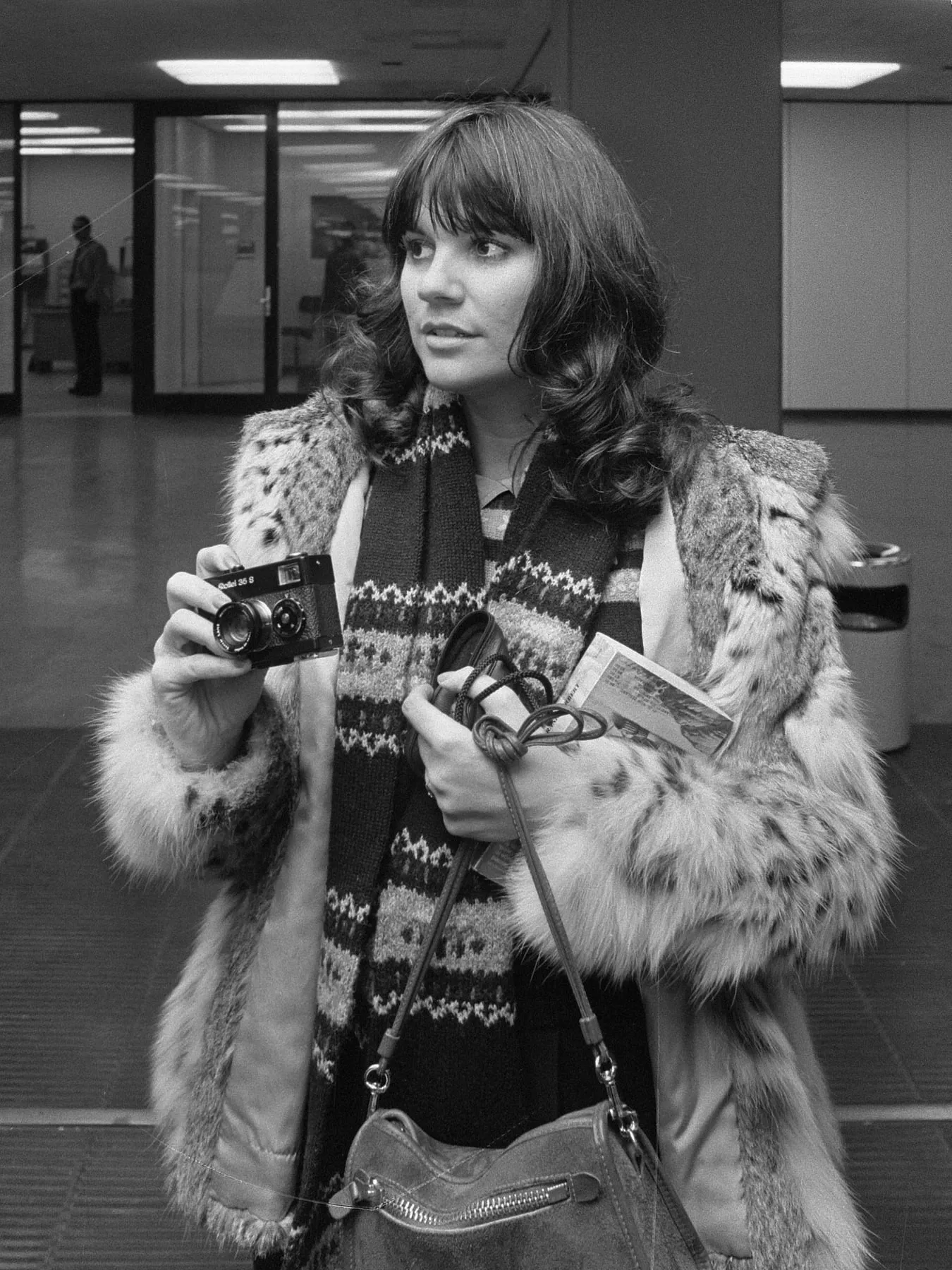
Photo by Rob Bogaerts / Anefo , licensed under CC0 · Wikimedia Commons
Rank #37
Linda Ronstadt
From Wikipedia
Linda Maria Ronstadt is an American former singer and musician who performed and recorded in diverse genres including rock, folk, pop, country, and soul.
Discography & Previews
Browse through and click an album to open and play 30-second previews streamed from Apple Music.

Hand Sown… Home Grown
1969 · 11 tracks
- 1 Baby You've Been On My Mind ↗ 2:33
- 2 Silver Threads and Golden Needles ↗ 2:21
- 3 Bet No One Ever Hurt This Bad ↗ 2:42
- 4 A Number and a Name ↗ 3:04
- 5 The Only Mama That'll Walk the Line ↗ 2:22
- 6 The Long Way Around ↗ 2:19
- 7 Break My Mind ↗ 2:52
- 8 I'll Be Your Baby Tonight ↗ 3:45
- 9 It's About Time ↗ 3:06
- 10 We Need a Whole Lot More of Jesus (And a Lot Less Rock & Roll) ↗ 2:31
- 11 The Dolphins ↗ 4:04

Silk Purse
1970 · 10 tracks

Linda Ronstadt
1971 · 10 tracks


Heart Like a Wheel
1974 · 10 tracks
- 1 You're No Good ↗ 3:43
- 2 It Doesn't Matter Anymore ↗ 3:26
- 3 Faithless Love ↗ 3:14
- 4 Dark End of the Street ↗ 3:52
- 5 Heart Like a Wheel ↗ 3:09
- 6 When Will I Be Loved ↗ 2:04
- 7 Willin' ↗ 2:59
- 8 I Can't Help It (If I'm Still in Love With You) ↗ 2:44
- 9 Keep Me From Blowing Away ↗ 3:09
- 10 You Can Close Your Eyes ↗ 3:09

Prisoner in Disguise
1975 · 11 tracks
- 1 Love Is a Rose ↗ 2:49
- 2 Hey Mister, That's Me Up On the Jukebox ↗ 4:10
- 3 Roll Um Easy ↗ 2:59
- 4 Tracks of My Tears ↗ 3:15
- 5 Prisoner In Disguise ↗ 3:56
- 6 Heat Wave ↗ 2:48
- 7 Many Rivers to Cross ↗ 4:08
- 8 The Sweetest Gift ↗ 3:05
- 9 You Tell Me That I'm Falling Down ↗ 3:20
- 10 I Will Always Love You ↗ 3:01
- 11 Silver Blue ↗ 3:05

Hasten Down the Wind
1976 · 12 tracks
- 1 Lose Again ↗ 3:38
- 2 The Tattler ↗ 3:59
- 3 If He's Ever Near ↗ 3:18
- 4 That'll Be the Day ↗ 2:36
- 5 Lo Siento Mi Vida ↗ 3:57
- 6 Hasten Down the Wind (with Don Henley) ↗ 2:44
- 7 Rivers of Babylon ↗ 0:54
- 8 Give One Heart ↗ 4:10
- 9 Try Me Again ↗ 3:58
- 10 Crazy ↗ 4:01
- 11 Down So Low ↗ 4:18
- 12 Someone To Lay Down Beside Me ↗ 4:27

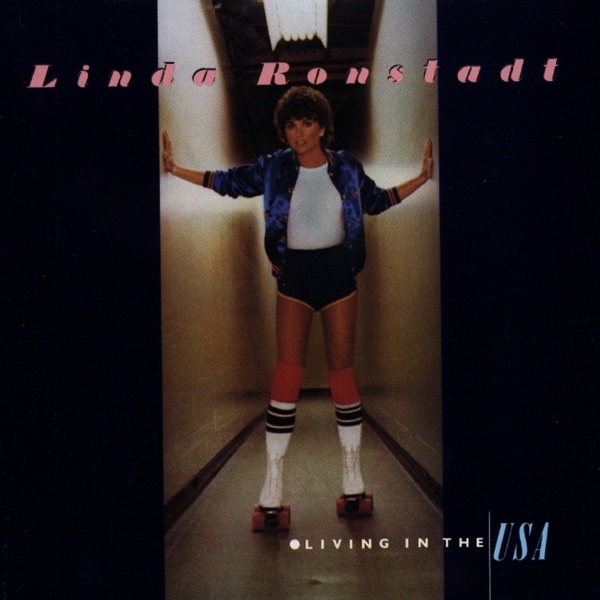


Get Closer
1982 · 12 tracks
- 1 Get Closer ↗ 2:30
- 2 The Moon Is a Harsh Mistress ↗ 3:02
- 3 I Knew You When ↗ 2:54
- 4 Easy For You To Say ↗ 4:02
- 5 People Gonna Talk ↗ 2:38
- 6 Talk To Me of Mendocino ↗ 3:02
- 7 I Think It's Gonna Work Out Fine (with James Taylor) [feat. James Taylor] ↗ 3:59
- 8 Mr. Radio ↗ 4:07
- 9 Lies ↗ 2:34
- 10 Tell Him ↗ 2:42
- 11 Sometimes You Just Can't Win ↗ 2:33
- 12 My Blue Tears ↗ 2:40

What’s New
1983 · 9 tracks
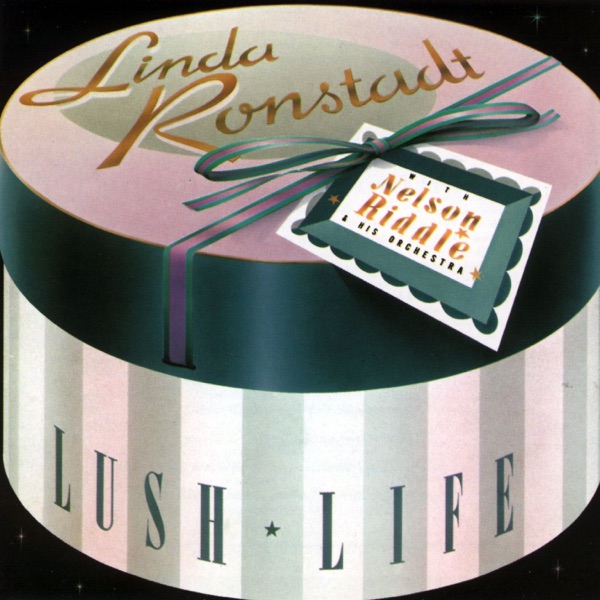
Lush Life
1984 · 12 tracks
- 1 When I Fall In Love ↗ 2:25
- 2 Skylark ↗ 3:10
- 3 It Never Entered My Mind ↗ 4:24
- 4 Mean To Me ↗ 4:13
- 5 When Your Lover Has Gone ↗ 4:24
- 6 I'm a Fool To Want You ↗ 4:49
- 7 You Took Advantage of Me ↗ 2:25
- 8 Sophisticated Lady ↗ 3:44
- 9 Can't We Be Friends ↗ 2:32
- 10 My Old Flame ↗ 3:29
- 11 Falling In Love Again ↗ 2:41
- 12 Lush Life ↗ 3:53

For Sentimental Reasons
1986 · 11 tracks
- 1 When You Wish Upon a Star ↗ 3:50
- 2 Bewitched, Bothered & Bewildered ↗ 4:25
- 3 You Go To My Head ↗ 3:39
- 4 But Not For Me ↗ 5:28
- 5 My Funny Valentine ↗ 3:01
- 6 I Get Along Without You Very Well ↗ 4:18
- 7 Am I Blue ↗ 2:59
- 8 (I Love You) For Sentimental Reasons ↗ 3:44
- 9 Straighten Up and Fly Right ↗ 2:16
- 10 Little Girl Blue ↗ 4:36
- 11 'Round Midnight ↗ 4:20

Trio
1987 · 11 tracks

Canciones de mi padre
1987 · 13 tracks
- 1 Por un Amor ↗ 2:59
- 2 Los Laureles ↗ 2:29
- 3 Hay Unos Ojos ↗ 2:48
- 4 La Cigarra ↗ 3:48
- 5 Tú Solo Tú ↗ 3:11
- 6 Y Ándale ↗ 2:38
- 7 Rogaciano El Huapanguero ↗ 3:04
- 8 La Charreada ↗ 3:45
- 9 Dos Arbolitos ↗ 2:36
- 10 Corrido de Canenea ↗ 3:28
- 11 La Barca de Guaymas ↗ 3:26
- 12 La Calandria ↗ 3:03
- 13 El Sol Que Tú Eres ↗ 3:00

Cry Like a Rainstorm - Howl Like the Wind
1989 · 12 tracks
- 1 Still Within the Sound of My Voice (feat. Aaron Neville) ↗ 4:32
- 2 Cry Like a Rainstorm (feat. Aaron Neville) ↗ 3:36
- 3 All My Life (with Aaron Neville) ↗ 3:30
- 4 I Need You (feat. Aaron Neville) ↗ 2:52
- 5 Don't Know Much (with Aaron Neville) ↗ 3:34
- 6 Adiós (feat. Aaron Neville) ↗ 3:38
- 7 Trouble Again (feat. Aaron Neville) ↗ 3:19
- 8 I Keep It Hid (feat. Aaron Neville) ↗ 3:35
- 9 So Right, So Wrong (feat. Aaron Neville) ↗ 3:28
- 10 Shattered (feat. Aaron Neville) ↗ 2:53
- 11 When Something Is Wrong with My Baby (feat. Aaron Neville) ↗ 3:51
- 12 Goodbye My Friend (feat. Aaron Neville) ↗ 3:45

Más canciones
1991 · 12 tracks
- 1 Ta Ta Dios (2016 Remastered) ↗ 4:19
- 2 El Toro Relajo (The Troublesome Bull) [2016 Remastered] ↗ 2:33
- 3 Mi Ranchito (2016 Remastered) ↗ 3:34
- 4 La Mariquita (2016 Remastered) ↗ 3:00
- 5 Gritenme Piedras Del Campo (2016 Remastered) ↗ 3:27
- 6 Siempre Hace Frío (2016 Remastered) ↗ 3:19
- 7 El Crucifijo De Piedra (2016 Remastered) ↗ 3:17
- 8 Palomita De Ojos Negros (2016 Remastered) ↗ 3:31
- 9 Pena De Los Amores (2016 Remastered) ↗ 4:02
- 10 El Camino (2016 Remastered) ↗ 3:30
- 11 El Gustito (2016 Remastered) ↗ 2:36
- 12 El Sueño (2016 Remastered) ↗ 3:41

Frenesí
1992 · 13 tracks
- 1 Frenesí (2016 Remastered) ↗ 3:33
- 2 Mentira Salome (2016 Remastered) ↗ 2:54
- 3 Alma Adentro (2016 Remastered) ↗ 3:15
- 4 Entre Abismos (2016 Remastered) ↗ 3:24
- 5 Cuando Me Querias Tu (2016 Remastered) ↗ 3:07
- 6 Piel Canela (2016 Remastered) ↗ 3:06
- 7 Verdad Amarga (2016 Remastered) ↗ 3:28
- 8 Despojos (2016 Remastered) ↗ 3:06
- 9 En Mi Soledad (2016 Remastered) ↗ 2:57
- 10 Piensa en Mí (2016 Remastered) ↗ 2:58
- 11 Quiéreme Mucho (2016 Remastered) ↗ 3:27
- 12 Perfidia (2016 Remastered) ↗ 3:47
- 13 Te Quiero Dijiste (2016 Remastered) ↗ 4:02
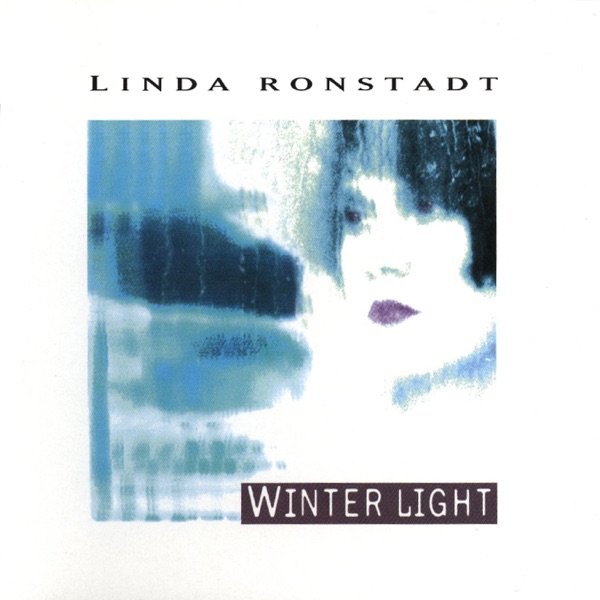
Winter Light
1993 · 11 tracks
- 1 Heartbeats Accelerating ↗ 3:50
- 2 Do What You Gotta Do ↗ 3:25
- 3 Anyone Who Had a Heart ↗ 3:27
- 4 Don't Talk (Put Your Head On My Shoulder) ↗ 3:16
- 5 Oh No, Not My Baby ↗ 3:05
- 6 It's Too Soon to Know ↗ 2:30
- 7 I Just Don't Know What to Do With Myself ↗ 3:11
- 8 A River for Him ↗ 4:31
- 9 Adonde Voy ↗ 3:09
- 10 You Can't Treat the Wrong Man Right ↗ 3:30
- 11 Winter Light ↗ 3:17
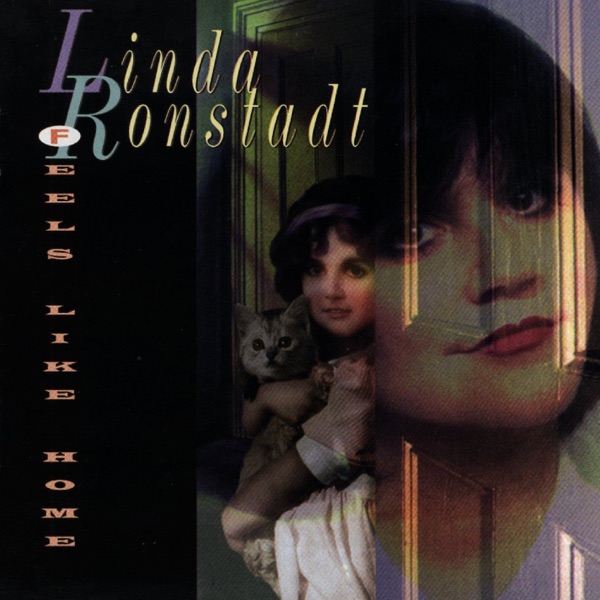

Dedicated to the One I Love
1996 · 11 tracks
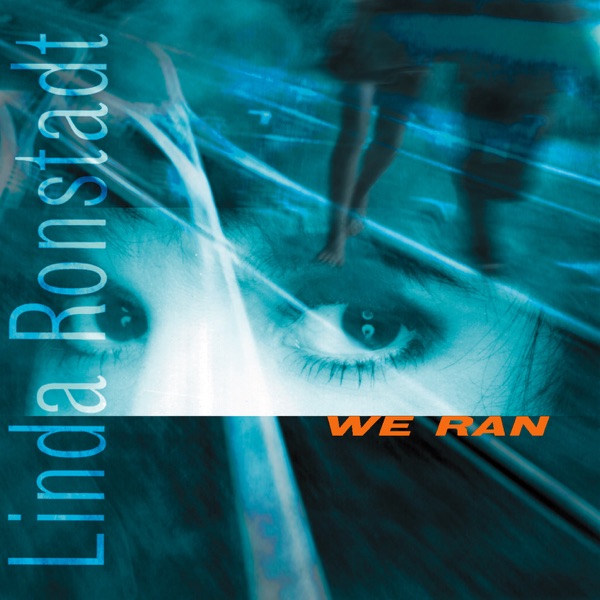
We Ran
1998 · 11 tracks
- 1 When We Ran ↗ 5:09
- 2 If I Should Fall Behind ↗ 4:06
- 3 Give Me a Reason ↗ 3:59
- 4 Ruler of My Heart ↗ 3:36
- 5 Just Like Tom Thumb's Blues ↗ 7:48
- 6 Cry 'Til My Tears Run Dry ↗ 4:03
- 7 I Go to Pieces ↗ 3:47
- 8 Heartbreak Kind ↗ 3:31
- 9 Damage ↗ 3:20
- 10 Icy Blue Heart ↗ 4:58
- 11 Dreams of the San Joaquin ↗ 5:15

Trio II
1998 · 10 tracks
- 1 Lover's Return (Remastered) ↗ 4:00
- 2 High Sierra (Remastered) ↗ 4:22
- 3 Do I Ever Cross Your Mind (Remastered) ↗ 3:17
- 4 After the Gold Rush (Remastered) ↗ 3:32
- 5 The Blue Train (Remastered) ↗ 4:59
- 6 I Feel the Blues Movin' In (Remastered) ↗ 4:31
- 7 You'll Never Be the Sun (Remastered) ↗ 4:44
- 8 He Rode All the Way to Texas (Remastered) ↗ 3:08
- 9 Feels Like Home (Remastered) ↗ 4:50
- 10 When We're Gone, Long Gone (Remastered) ↗ 4:00
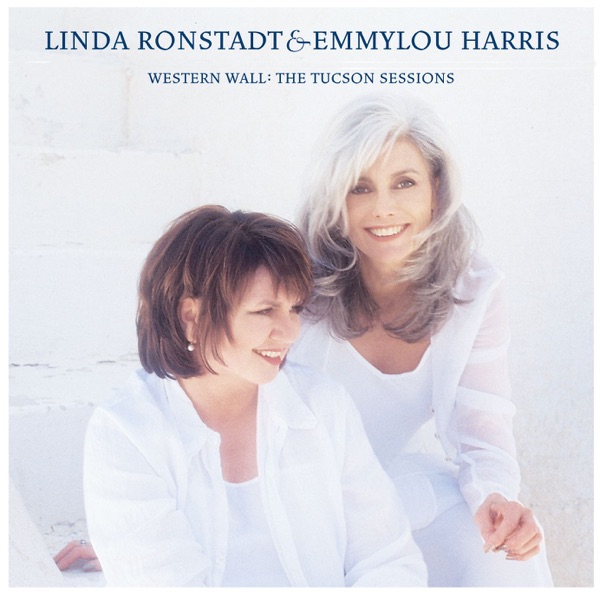
Western Wall: The Tucson Sessions
1999 · 13 tracks
- 1 Loving the Highway Man ↗ 3:31
- 2 Raise the Dead ↗ 3:19
- 3 For a Dancer ↗ 4:44
- 4 Western Wall ↗ 2:35
- 5 1917 ↗ 5:25
- 6 He Was Mine ↗ 3:19
- 7 Sweet Spot ↗ 3:35
- 8 Sisters of Mercy ↗ 3:59
- 9 Falling Down ↗ 3:16
- 10 Valerie ↗ 4:04
- 11 This Is to Mother You ↗ 3:17
- 12 All I Left Behind ↗ 3:24
- 13 Across the Border ↗ 6:20

A Merry Little Christmas
2000 · 14 tracks
- 1 The Christmas Song ↗ 4:25
- 2 I'll Be Home for Christmas ↗ 4:16
- 3 White Christmas ↗ 4:22
- 4 Have Yourself a Merry Little Christmas ↗ 3:56
- 5 River ↗ 4:09
- 6 O Come, O Come, Emmanuel ↗ 3:29
- 7 Xicochi, Xicochi ↗ 2:17
- 8 I Wonder As I Wander ↗ 3:20
- 9 Away In a Manger ↗ 2:08
- 10 Lo, How a Rose E're Blooming ↗ 2:11
- 11 Welsh Carol ↗ 3:57
- 12 Past Three O'Clock ↗ 0:42
- 13 O Magnum Mysterium ↗ 3:19
- 14 Silent Night ↗ 3:06

Hummin’ to Myself
2004 · 11 tracks
- 1 Tell Him I Said Hello ↗ 4:34
- 2 Never Will I Marry ↗ 2:23
- 3 Cry Me a River ↗ 4:25
- 4 Hummin' to Myself ↗ 2:45
- 5 Miss Otis Regrets ↗ 3:12
- 6 I Fall In Love Too Easily ↗ 3:36
- 7 Blue Prelude ↗ 3:01
- 8 Day Dream ↗ 4:28
- 9 I've Never Been In Love Before ↗ 3:26
- 10 Get Out of Town ↗ 2:50
- 11 I'll Be Seeing You ↗ 2:38

Adieu False Heart
2006 · 16 tracks
- 1 Opening ↗ 0:32
- 2 Adieu False Heart ↗ 3:35
- 3 I Can't Get Over You ↗ 3:07
- 4 Marie Mouri ↗ 3:32
- 5 King of Bohemia ↗ 3:05
- 6 Plus tu tournes ↗ 2:45
- 7 Go Away from My Window ↗ 3:02
- 8 Burns' Supper ↗ 3:44
- 9 The One I Love Is Gone ↗ 2:38
- 10 Interlude ↗ 0:25
- 11 Rattle My Cage ↗ 2:48
- 12 Parlez-moi d'amour ↗ 4:35
- 13 Too Old to Die Young ↗ 3:17
- 14 Interlude ↗ 0:32
- 15 Walk Away Renee ↗ 3:26
- 16 Closing ↗ 1:08
-
 Hand Sown… Home GrownLinda Ronstadt196911 tracks
 -
 Silk PurseLinda Ronstadt197010 tracks
 -
 Linda RonstadtLinda Ronstadt197110 tracks
 -
 Don’t Cry NowLinda Ronstadt197310 tracks
 -
 Heart Like a WheelLinda Ronstadt197410 tracks
 -
 Prisoner in DisguiseLinda Ronstadt197511 tracks
 -
 Hasten Down the WindLinda Ronstadt197612 tracks
 -
 Simple DreamsLinda Ronstadt197710 tracks
 -
 Living in the USALinda Ronstadt197810 tracks
 -
 Mad LoveLinda Ronstadt198010 tracks
 -
 Get CloserLinda Ronstadt198212 tracks
 -
 What’s NewLinda Ronstadt19839 tracks
 -
 Lush LifeLinda Ronstadt198412 tracks
 -
 For Sentimental ReasonsLinda Ronstadt198611 tracks
 -
 TrioLinda Ronstadt198711 tracks
 -
 Canciones de mi padreLinda Ronstadt198713 tracks
 -
 Cry Like a Rainstorm - Howl Like the WindLinda Ronstadt198912 tracks
 -
 Más cancionesLinda Ronstadt199112 tracks
 -
 FrenesíLinda Ronstadt199213 tracks
 -
 Winter LightLinda Ronstadt199311 tracks
 -
 Feels Like HomeLinda Ronstadt199510 tracks
 -
 Dedicated to the One I LoveLinda Ronstadt199611 tracks
 -
 We RanLinda Ronstadt199811 tracks
 -
 Trio IILinda Ronstadt199810 tracks
 -
 Western Wall: The Tucson SessionsLinda Ronstadt199913 tracks
 -
 A Merry Little ChristmasLinda Ronstadt200014 tracks
 -
 Hummin’ to MyselfLinda Ronstadt200411 tracks
 -
 Adieu False HeartLinda Ronstadt200616 tracks
Deep Dive
Overview
Linda Ronstadt stands as one of the most commercially successful and artistically restless vocalists in American popular music. Born in 1946 in Arizona, Ronstadt built a recording career that spanned five decades and encompassed rock, folk, country, pop, soul, and—late in her career—Spanish-language standards and holiday repertoire. Her light, pliable contralto and sophisticated phrasing allowed her to inhabit multiple genres without sounding generic in any of them. From the early 1970s through the mid-1980s, Ronstadt achieved a level of commercial dominance and critical respect rarely granted to female artists of her era.
Formation Story
Ronstadt grew up in Tucson, Arizona, in a musical household steeped in both Mexican folk traditions and American popular song. Her father was a musician and her family maintained close ties to both the region’s Spanish-language heritage and the broader American songbook. This bicultural upbringing would later inform her willingness to record in both English and Spanish and to draw on a range of traditions. She began performing in the mid-1960s and recorded early albums in the late 1960s, but her initial releases attracted only modest attention. It was not until her move to Los Angeles and her signing to Asylum Records in the early 1970s that the structural and commercial pieces aligned to make her a star.
Breakthrough Moment
Ronstadt’s breakthrough came with the 1974 album Heart Like a Wheel, which yielded a string of hit singles and established her as a major radio presence. The album’s success moved her from cult respect to mainstream fame and proved that her interpretive gifts and vocal control could anchor country-inflected pop songs that appealed to a broad audience. The years immediately following—particularly Prisoner in Disguise (1975), Hasten Down the Wind (1976), and Simple Dreams (1977)—cemented her status as one of the decade’s dominant pop and country artists. These albums generated repeated chart success and established Ronstadt as a bankable star capable of selling millions of records.
Peak Era
The period from 1974 to 1980 marked Ronstadt’s commercial and cultural apogee. Heart Like a Wheel, Prisoner in Disguise, Hasten Down the Wind, Simple Dreams, Living in the USA (1978), and Mad Love (1980) formed a six-album run of consistency and artistry that few performers matched during that span. These records showcased her ability to interpret material written by contemporary songwriters—including cover versions of songs by artists such as Warren Zevon and J.D. Souther—while maintaining a cohesive vocal and production identity. Her voice became instantly recognizable on radio, and her albums moved into multi-platinum territory with regularity.
Musical Style
Ronstadt’s vocal instrument was her primary asset: a warm, precisely controlled contralto with a natural vibrato and the ability to shift tone and phrasing to match the emotional contours of a lyric. She was not a belter or a dramatic vocalist; instead, her power lay in clarity, restraint, and interpretive sophistication. Her approach to arrangement and production emphasized acoustic instrumentation, particularly guitars, and an overall aesthetic of clarity and detail rather than bombast or heavy ornamentation. Her recordings from the 1970s, made with producers such as Peter Asher, married her vocal gifts to arrangements that foregrounded melody and lyrical storytelling. Later albums explored jazz standards, Spanish-language material, and duet collaborations, each genre shift undertaken with the same commitment to vocal precision and stylistic authenticity that defined her earlier work.
Major Albums
Heart Like a Wheel (1974)
Ronstadt’s breakthrough album and a turning point in her career, establishing her as a major pop and country artist with broad radio appeal and consistent commercial success.
Simple Dreams (1977)
One of her most successful albums both critically and commercially, featuring polished production and sophisticated arrangement of material that balanced contemporary songwriting with classic rock-and-roll touchstones.
Mad Love (1980)
A late-seventies-style pop-rock album that showcased her ability to inhabit contemporary pop idioms while maintaining her vocal and interpretive identity, marking the end of her peak era of straightforward pop-country records.
What’s New (1983)
A departure into jazz standards and classic American songbook material, demonstrating that her vocal gifts could inhabit entirely different repertoires and production aesthetics.
Canciones de mi padre (1987)
A Spanish-language album of traditional Mexican folk songs, representing her return to her cultural and familial roots and showing her commitment to musical breadth over commercial calculation.
Trio (1987)
A collaborative album with Emmylou Harris and Dolly Parton that became one of the year’s most successful releases, proving the commercial viability of carefully executed duet and harmony-driven recordings.
Signature Songs
- Blue Bayou — A reflective, melancholic interpretation of a Roy Orbison composition that became one of her defining vocals and signature radio staples.
- When Will I Be Loved — A cover of an earlier pop standard that Ronstadt transformed into a showcase for her phrasing and emotional control.
- Just One Look — A rhythmically driving pop song that demonstrated her ability to inhabit upbeat material without sacrificing vocal nuance.
- Desperado — An Eagles song that became closely associated with her voice and interpretive approach.
- Somewhere Out There — A duet recorded later in her career that showed her continued relevance in popular music.
Influence on Rock
Ronstadt’s career demonstrated that a female vocalist could achieve multi-platinum success and artistic credibility without conforming to a single genre or commercial formula. She proved the viability of genre-hopping and reinterpretation as a sustained career strategy, influencing subsequent generations of female rock and pop artists who sought breadth and creative autonomy over brand consistency. Her work with Emmylou Harris and Dolly Parton on the Trio albums reinvigorated the commercial market for harmony-driven, country-inflected pop music and demonstrated that collaborations among major female artists could attract substantial audiences. Ronstadt’s interpretive approach—her emphasis on clarity, emotional restraint, and syllabic precision—influenced how female vocalists approached popular song and country material through the 1980s and beyond.
Legacy
Ronstadt ceased recording and touring in the early 2000s, and her later career was marked by Spanish-language recordings and collaborations with established artists rather than fresh pop-rock material. Her commercial dominance had cooled considerably by the early 1990s, though her earlier catalog remained in steady rotation and on streaming platforms. Her commercial and critical peak occurred in the 1970s and early 1980s, when she sold millions of records and established herself as one of America’s most successful female recording artists. The breadth of her recorded output—spanning pop-rock, country, jazz standards, Spanish-language material, and holiday recordings—remains her defining artistic characteristic. Ronstadt’s influence on female rock and country vocalists who came after her, particularly in demonstrating the possibility of genre-crossing and interpretive sophistication, marks her as a significant figure in the history of American popular music.
Fun Facts
- Ronstadt’s family background in Tucson, Arizona, included both American and Mexican-American musical traditions, which later motivated her to record entire albums in Spanish, including Canciones de mi padre (1987) and Más canciones (1991).
- The Trio albums with Emmylou Harris and Dolly Parton became unexpected blockbuster successes, with the 1987 Trio album reaching platinum status and proving that collaborations among established female country-pop artists could command major commercial audiences.
- Ronstadt’s willingness to record jazz standards and American songbook material in her forties and fifties—including albums like What’s New (1983) and Lush Life (1984)—showed her commitment to artistic exploration beyond the commercial pop-rock and country material that had made her famous.