
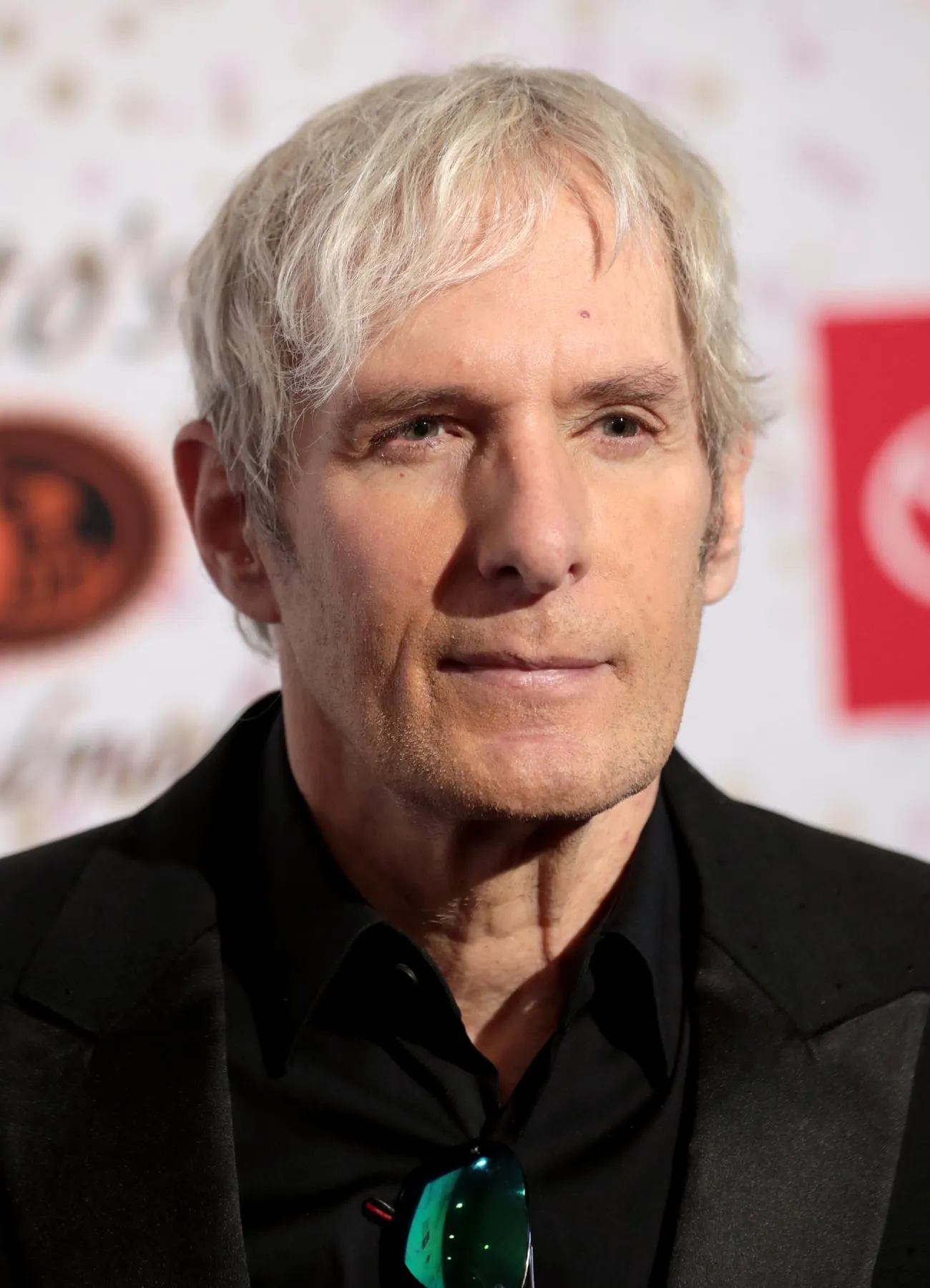
Photo by Gage Skidmore , licensed under CC BY-SA 3.0 · Wikimedia Commons
Rank #248
Michael Bolton
From Wikipedia
Michael Bolotin, known professionally as Michael Bolton, is an American singer and songwriter. Bolton performed in the hard rock and heavy metal music genres from the mid-1970s to the mid-1980s, both on his early solo albums and those he recorded as the frontman of the band Blackjack. His early career also saw him as a successful songwriter, co-writing hits like "How Am I Supposed to Live Without You" for Laura Branigan, which he later recorded as a solo single.
Discography & Previews
Browse through and click an album to open and play 30-second previews streamed from Apple Music.
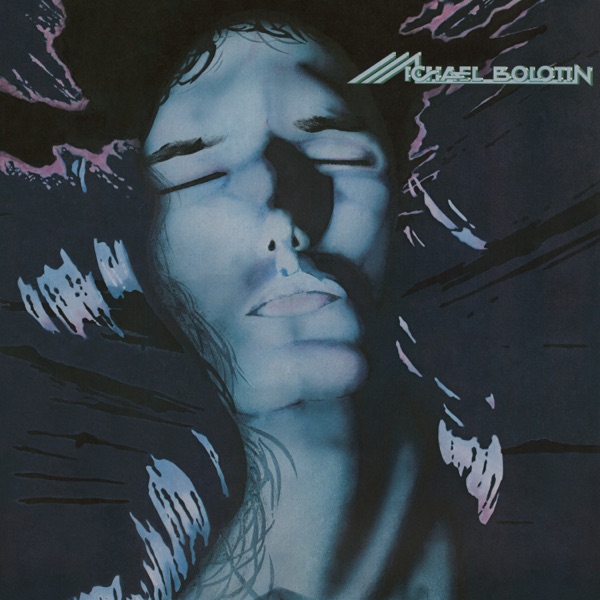
Michael Bolotin
1975 · 11 tracks
- 1 Your Love ↗ 3:26
- 2 Give Me a Reason ↗ 3:57
- 3 Dream While You Can ↗ 4:28
- 4 Tell Me How You Feel ↗ 3:27
- 5 It's All Comin' Back to You ↗ 3:45
- 6 It's Just a Feelin' ↗ 3:38
- 7 Everybody Needs a Reason ↗ 3:58
- 8 You're No Good ↗ 3:53
- 9 Time Is On My Side ↗ 5:08
- 10 Take Me as I Am ↗ 3:45
- 11 Lost In the City ↗ 3:43
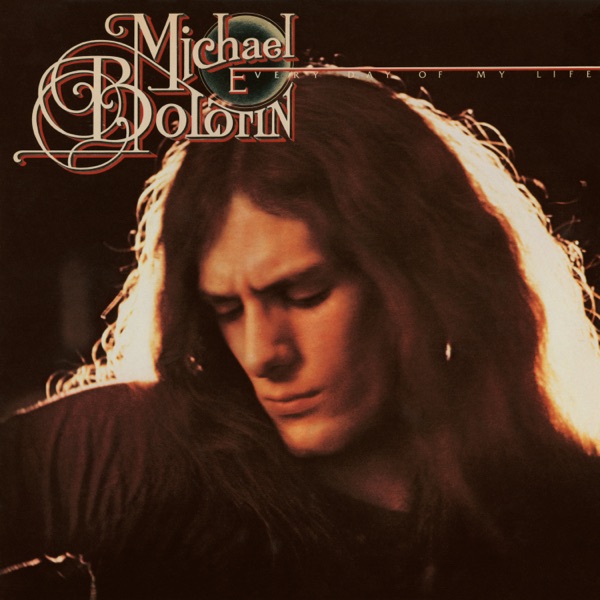
Every Day of My Life
1976 · 10 tracks
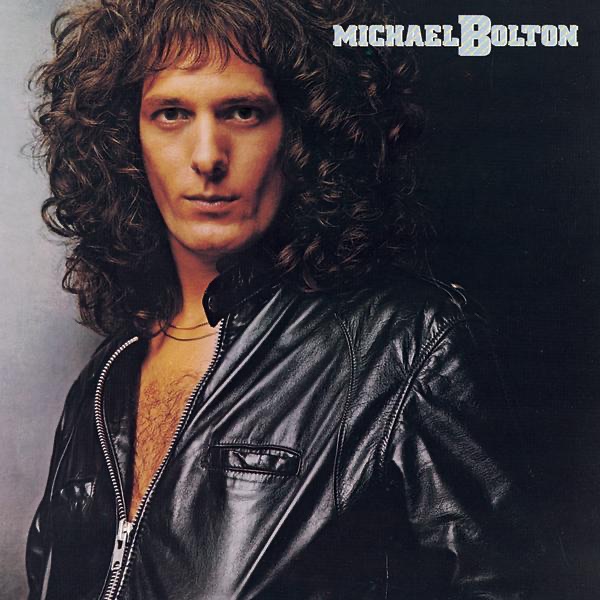
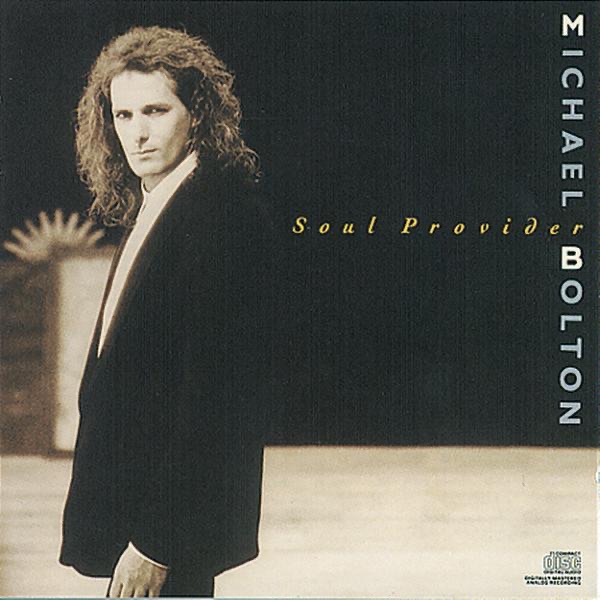
Soul Provider
1989 · 10 tracks
- 1 Soul Provider ↗ 4:27
- 2 Georgia On My Mind ↗ 4:58
- 3 It's Only My Heart ↗ 4:32
- 4 How Am I Supposed to Live Without You ↗ 4:16
- 5 How Can We Be Lovers ↗ 3:56
- 6 You Wouldn't Know Love ↗ 3:53
- 7 When I'm Back On My Feet Again ↗ 3:48
- 8 From Now On (Duet with Suzie Benson) [feat. Suzie Benson] ↗ 4:07
- 9 Love Cuts Deep ↗ 3:49
- 10 Stand Up for Love ↗ 4:44
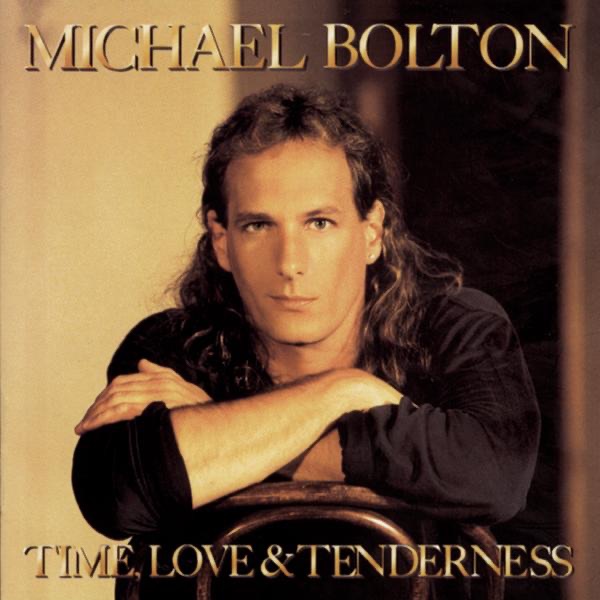
Time, Love & Tenderness
1991 · 10 tracks
- 1 Love Is a Wonderful Thing ↗ 4:43
- 2 Time, Love and Tenderness ↗ 5:30
- 3 Missing You Now ↗ 4:33
- 4 Forever Isn't Long Enough ↗ 4:31
- 5 Now That I Found You ↗ 4:32
- 6 When a Man Loves a Woman ↗ 3:51
- 7 We're Not Makin' Love Anymore (Duet With Patti LaBelle) ↗ 4:41
- 8 New Love ↗ 4:32
- 9 Save Me ↗ 4:22
- 10 Steel Bars ↗ 3:29
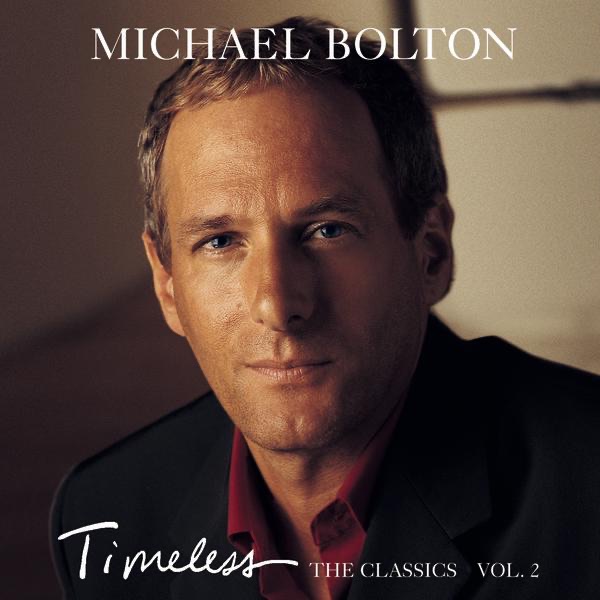
Timeless: The Classics
1992 · 11 tracks
- 1 Sexual Healing ↗ 4:37
- 2 Tired of Being Alone ↗ 3:54
- 3 Let's Stay Together ↗ 4:30
- 4 My Girl ↗ 3:22
- 5 Ain't No Sunshine ↗ 3:35
- 6 (What A) Wonderful World ↗ 4:06
- 7 Like a Rolling Stone ↗ 4:51
- 8 I Can't Stand the Rain ↗ 3:43
- 9 Try a Little Tenderness ↗ 4:47
- 10 What You Won't Do for Love ↗ 4:22
- 11 Whiter Shade of Pale ↗ 4:44
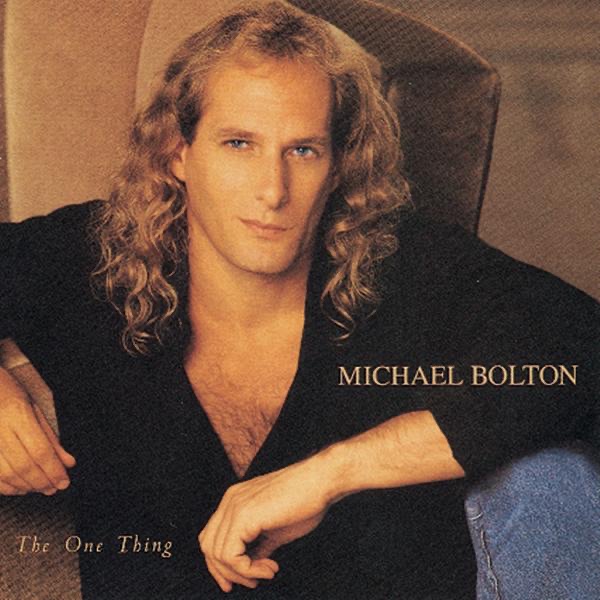
The One Thing
1993 · 10 tracks
- 1 Said I Loved You...But I Lied ↗ 5:05
- 2 I'm Not Made of Steel ↗ 5:11
- 3 The One Thing ↗ 5:09
- 4 Soul of My Soul ↗ 5:42
- 5 Completely ↗ 4:25
- 6 Lean On Me ↗ 5:20
- 7 Ain't Got Nothing If You Ain't Got Love ↗ 5:03
- 8 A Time for Letting Go ↗ 5:38
- 9 Never Get Enough of Your Love ↗ 5:07
- 10 In the Arms of Love ↗ 4:48
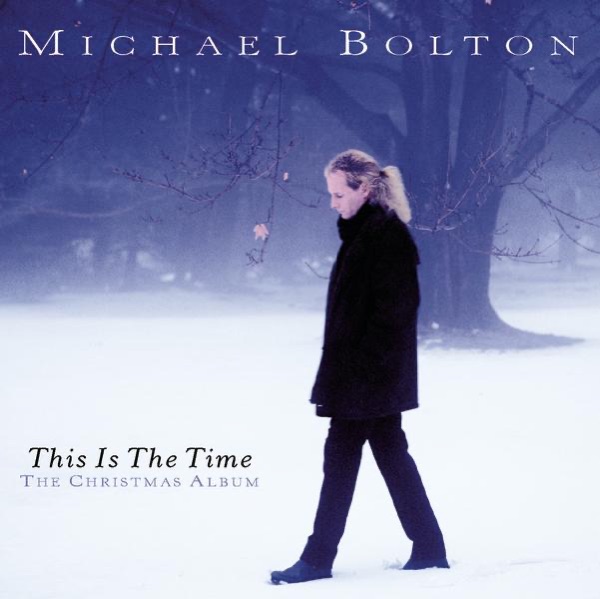
This Is the Time: The Christmas Album
1996 · 10 tracks
- 1 Silent Night ↗ 4:05
- 2 Santa Claus Is Coming to Town ↗ 4:05
- 3 Have Yourself a Merry Little Christmas ↗ 4:01
- 4 Joy to the World ↗ 4:05
- 5 Ave Maria (Duet With Placido Domingo) ↗ 4:40
- 6 The Christmas Song ↗ 4:09
- 7 O Holy Night ↗ 4:52
- 8 White Christmas ↗ 3:43
- 9 This Is The Time (Duet With Wynonna) ↗ 4:05
- 10 Love Is The Power ↗ 5:35
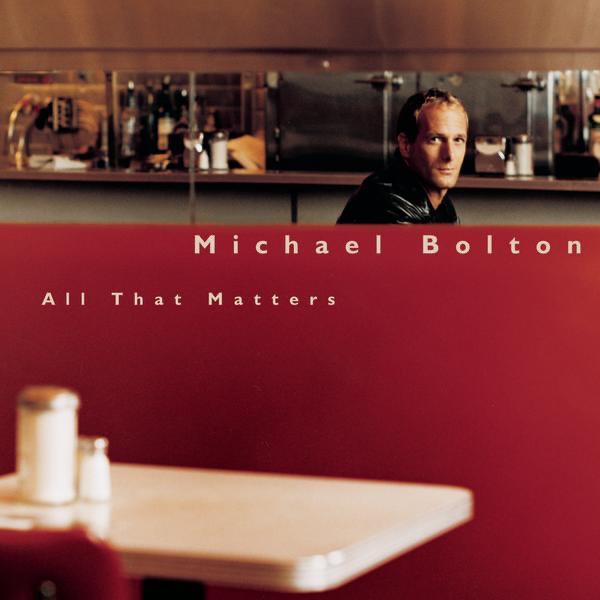
All That Matters
1997 · 13 tracks
- 1 Safe Place from the Storm (Radio Mix) ↗ 5:20
- 2 The Best of Love ↗ 4:17
- 3 Let's Make a Long Story Longer ↗ 4:38
- 4 A Heart Can Only Be So Strong ↗ 5:00
- 5 Fallin' ↗ 3:46
- 6 Forever's Just a Matter of Time ↗ 4:27
- 7 Whenever I Remember Loving You ↗ 4:25
- 8 Show Her the Way ↗ 4:42
- 9 Why Me ↗ 4:35
- 10 Can't Get Close Enough to You ↗ 4:45
- 11 Let There Be Love ↗ 5:22
- 12 Pleasure or Pain ↗ 4:06
- 13 Go the Distance (From Disney's Hercules) ↗ 4:41
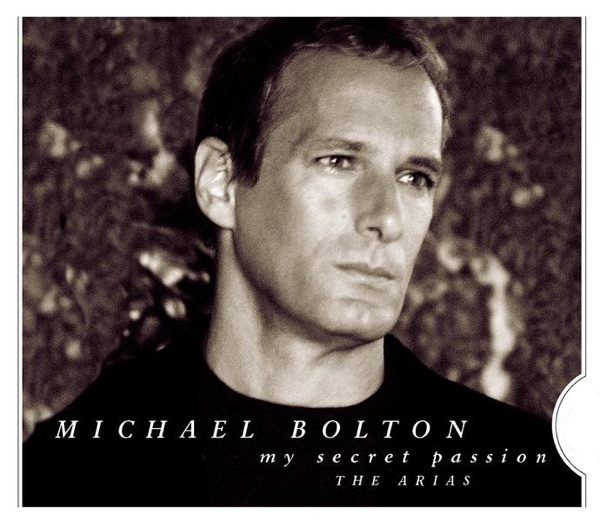
My Secret Passion: The Arias
1998 · 11 tracks
- 1 Pourquoi Me Réveiller? from Werther ↗ 2:56
- 2 Nessun Dorma! from Turandot ↗ 3:12
- 3 Una Furtiva Lagrima from L'elisir D'amore ↗ 4:48
- 4 M'apparì from Martha ↗ 3:07
- 5 Che Gelida Manina from la Bohème ↗ 4:46
- 6 O Soave Fanciulla from la Bohème ↗ 4:23
- 7 Vesti la Giubba from Pagliacci ↗ 3:11
- 8 E Lucevan Le Stelle from Tosca ↗ 3:16
- 9 Recondita Armonia from Tosca ↗ 2:22
- 10 È la Solita Storia from L'arlesiana ↗ 4:41
- 11 Celeste Aïda from Aïda ↗ 3:37
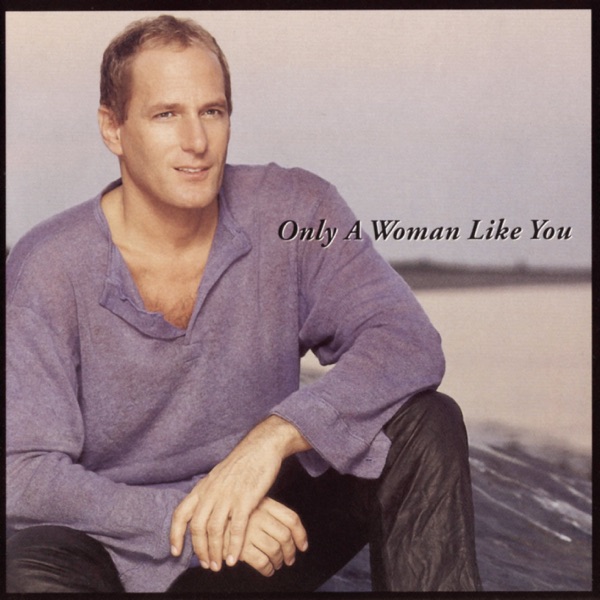
Only a Woman Like You
2002 · 11 tracks
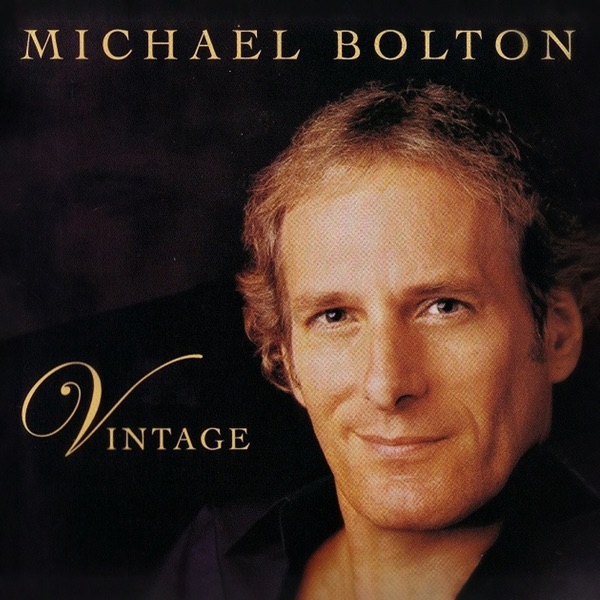
Vintage
2003 · 11 tracks
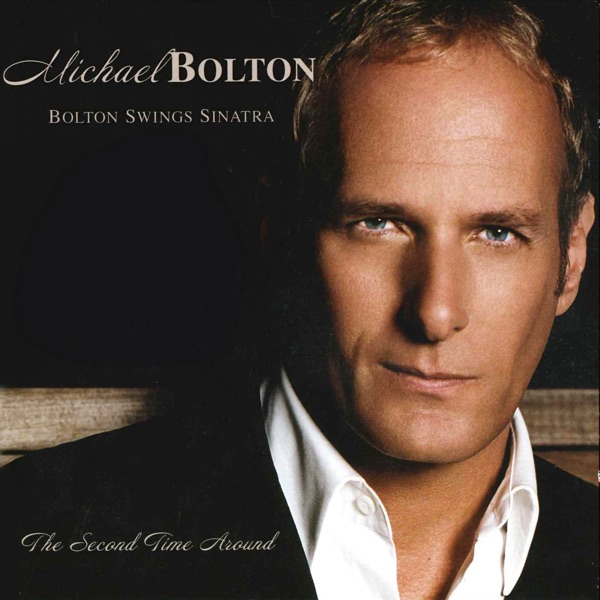
Bolton Swings Sinatra
2006 · 12 tracks
- 1 You Go to My Head ↗ 4:06
- 2 Fly Me to the Moon (In Other Words) ↗ 3:01
- 3 For Once in My Life ↗ 3:21
- 4 Summer Wind ↗ 2:37
- 5 My Funny Valentine ↗ 3:54
- 6 I've Got You Under My Skin ↗ 3:33
- 7 That's Life ↗ 3:20
- 8 The Second Time Around ↗ 4:04
- 9 The Girl from Ipanema ↗ 3:15
- 10 Night and Day ↗ 4:03
- 11 They Can't Take That Away from Me ↗ 3:13
- 12 Theme from New York, New York ↗ 3:26

Swingin’ Christmas
2006 · 10 tracks
- 1 Walkin' in a Winter Wonderland ↗ 3:12
- 2 The Christmas Song ↗ 3:30
- 3 I'll Be Home for Christmas ↗ 3:19
- 4 Santa Claus Is Coming to Town ↗ 3:04
- 5 White Christmas ↗ 3:13
- 6 Let It Snow ↗ 3:29
- 7 Jingle Bell Rock ↗ 2:56
- 8 Have Yourself a Merry Little Christmas ↗ 3:59
- 9 Silent Night ↗ 3:15
- 10 Joy to the World ↗ 3:19
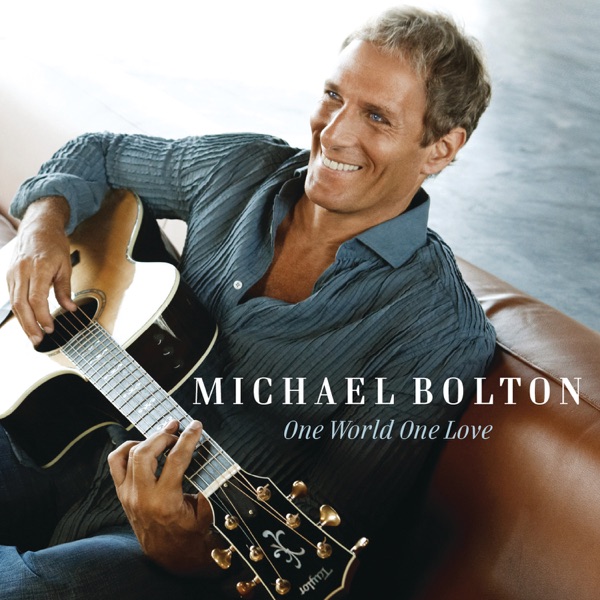
One World One Love
2009 · 12 tracks

Songs of Cinema
2017 · 10 tracks
- 1 When a Man Loves a Woman (2017 Version) ↗ 3:56
- 2 Stand By Me ↗ 2:57
- 3 I've Got a Woman ↗ 3:22
- 4 I Will Always Love You ↗ 3:36
- 5 Old Time Rock and Roll ↗ 3:08
- 6 I Heard It Through the Grapevine ↗ 4:07
- 7 Cupid ↗ 3:10
- 8 Somewhere Over the Rainbow ↗ 3:28
- 9 As Time Goes By ↗ 3:18
- 10 Jack Sparrow (Ballad) ↗ 1:44

Christmas Time
2023 · 10 tracks
- 1 Christmas Isn't Christmas ↗ 3:12
- 2 Joy to the World ↗ 3:19
- 3 The Prayer (feat. Lara Fabian) ↗ 4:28
- 4 White Christmas ↗ 3:13
- 5 Let It Snow, Let It Snow, Let It Snow ↗ 3:29
- 6 Jingle Bell Rock ↗ 2:56
- 7 I'll Be Home for Christmas ↗ 3:19
- 8 Santa Claus Is Coming to Town ↗ 3:04
- 9 The Christmas Song ↗ 3:29
- 10 Winter Wonderland ↗ 3:12
-
 Michael BolotinMichael Bolton197511 tracks
 -
 Every Day of My LifeMichael Bolton197610 tracks
 -
 Michael BoltonMichael Bolton19839 tracks
 -
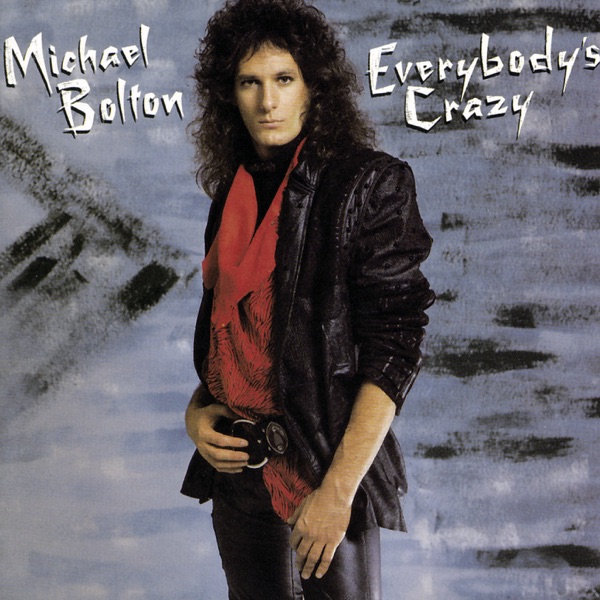
 Everybody’s CrazyMichael Bolton19859 tracks
 -
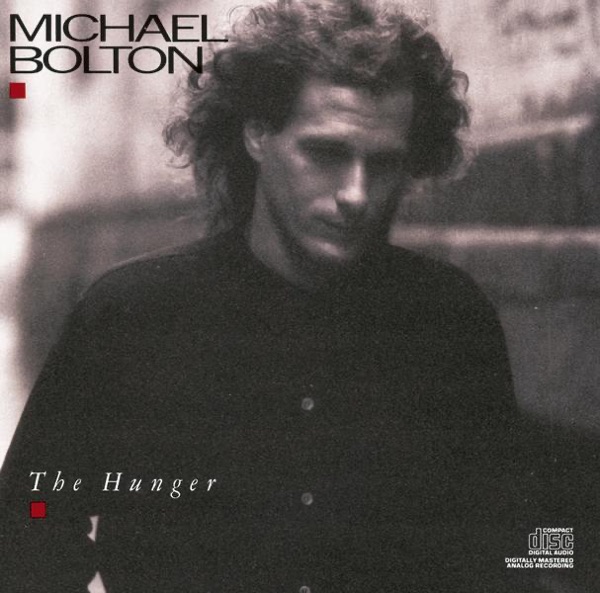
 The HungerMichael Bolton19879 tracks
 -
 Soul ProviderMichael Bolton198910 tracks
 -
 Time, Love & TendernessMichael Bolton199110 tracks
 -
 Timeless: The ClassicsMichael Bolton199211 tracks
 -
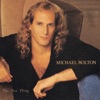 The One ThingMichael Bolton199310 tracks
 -
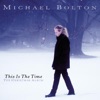 This Is the Time: The Christmas AlbumMichael Bolton199610 tracks
 -
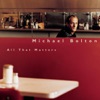 All That MattersMichael Bolton199713 tracks
 -
 My Secret Passion: The AriasMichael Bolton199811 tracks
 -
 Only a Woman Like YouMichael Bolton200211 tracks
 -
 VintageMichael Bolton200311 tracks
 -
 Bolton Swings SinatraMichael Bolton200612 tracks
 -
 Swingin’ ChristmasMichael Bolton200610 tracks
 -
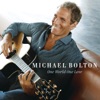 One World One LoveMichael Bolton200912 tracks
 -
 Songs of CinemaMichael Bolton201710 tracks
 -
 Christmas TimeMichael Bolton202310 tracks
 -
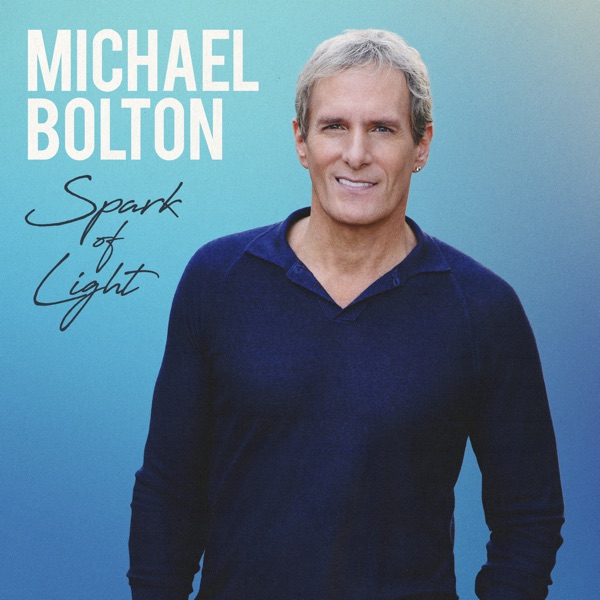
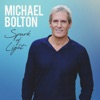 Spark of LightMichael Bolton202310 tracks
Deep Dive
Overview
Michael Bolton is an American singer and songwriter born in 1953 who navigated a striking transformation across five decades of recording. Beginning his career in hard rock and heavy metal during the mid-1970s through mid-1980s—both as a solo artist and as frontman of the band Blackjack—Bolton eventually pivoted toward pop-rock ballads and became a commercial powerhouse in the late 1980s and 1990s. His dual identity as both performer and songwriter positioned him at the intersection of rock ambition and pop accessibility, making him one of the era’s most commercially successful crossover artists.
Formation Story
Born Michael Bolotin, Bolton emerged from the American rock scene of the mid-1970s when hard rock and heavy metal were establishing themselves as dominant commercial forces. His early recordings under his birth name—beginning with Michael Bolotin in 1975 and Every Day of My Life in 1976—reflected the guitar-driven sensibilities of the era. Alongside his solo work, Bolton served as the frontman of Blackjack, a hard rock ensemble that allowed him to perform and develop his craft within a band context. This period, though not commercially dominant, established him as a serious musician with both vocal presence and songwriting ambition.
Breakthrough Moment
Bolton’s ascent to mainstream recognition came not primarily through his own recordings but through his work as a songwriter for other artists. Co-writing “How Am I Supposed to Live Without You” for Laura Branigan created significant industry buzz and demonstrated Bolton’s capacity to craft commercially viable material. The success of that song opened doors and validated his instincts as a pop songwriter. When Bolton recorded his own version of “How Am I Supposed to Live Without You,” it became a defining moment, signaling his transition from hard rock performer to pop-ballad interpreter and launching him toward superstardom in the late 1980s.
Peak Era
Bolton’s most commercially successful and creatively focused period spanned the late 1980s and early 1990s. Soul Provider (1989) marked a decisive stylistic pivot, establishing the smooth, orchestrated pop-ballad sound that would define his mainstream identity. This album and its follow-up Time, Love & Tenderness (1991) represented his peak commercial moment, when Bolton dominated adult contemporary radio and sales charts. During this window, he balanced pop sophistication with vocal expressiveness, crafting songs designed for emotional impact on radio and concert stages alike. The era established him as a major commercial force in pop music, though it also drew critical scrutiny regarding the artistic trade-offs inherent in his stylistic shift from rock to mainstream pop.
Musical Style
Bolton’s musical identity evolved substantially across his career. His early hard rock work drew from the electric guitar-driven traditions of 1970s metal and rock, featuring the distorted instrumentation and aggressive vocal delivery characteristic of that era. By the late 1980s, however, Bolton had repositioned himself within the pop-ballad tradition, emphasizing vocal theatricality, string arrangements, and emotional melodrama over instrumental complexity. His voice—a powerful, flexible instrument capable of both hard rock delivery and tender pop phrasing—became central to his commercial appeal. The later phase of his career saw him exploring classical material and standards, particularly through albums like My Secret Passion: The Arias (1998) and Bolton Swings Sinatra (2006), demonstrating his ambition to operate across multiple musical idioms and his comfort with traditional songwriting standards alongside contemporary pop composition.
Major Albums
Soul Provider (1989)
The album that catalyzed Bolton’s transformation from rock musician to pop superstar, establishing the orchestrated, ballad-heavy approach that defined his mainstream commercial identity.
Time, Love & Tenderness (1991)
Bolton’s follow-up reinforced his position in adult contemporary pop, featuring polished production and emphatic vocal performances that dominated radio playlists throughout the early 1990s.
Timeless: The Classics (1992)
A covers album that showcased Bolton’s desire to engage with established songwriting traditions, reinterpreting well-known standards and demonstrating his range as an interpreter.
My Secret Passion: The Arias (1998)
An ambitious classical crossover venture in which Bolton tackled operatic arias, signaling his willingness to pursue unconventional stylistic territory and reach toward art-music legitimacy.
Bolton Swings Sinatra (2006)
A full-scale tribute to the American songbook and Frank Sinatra’s legacy, reflecting Bolton’s mature-phase engagement with classic standards and orchestral sophistication.
Signature Songs
- “How Am I Supposed to Live Without You” — The crossover hit that launched Bolton into mainstream stardom and became his signature vocal showcase.
- “Soul Provider” — The title track from his breakthrough album, exemplifying the orchestrated pop-ballad style that defined his commercial peak.
- “Time, Love & Tenderness” — A romantic ballad that became a staple of 1990s pop radio and wedding playlists.
- “When a Man Loves a Woman” — His interpretation of the soul standard demonstrated his vocal power and commitment to classic songwriting traditions.
Influence on Rock
Bolton’s influence on rock and pop music is indirect but significant, particularly regarding the legitimization of the pop-ballad and adult contemporary genres during the late 1980s and 1990s. His commercial success demonstrated that rock musicians could transition into pop without losing credibility among a substantial audience segment. While he did not pioneer musical innovations or establish new sonic territories, his career trajectory—from hard rock to mainstream pop—reflected broader industry trends toward crossover appeal and radio-friendly melodicism. His success paved the way for other rock-trained musicians to explore softer, more pop-oriented material without perceived artistic compromise. Additionally, his work as a songwriter for other artists contributed to the development of the contemporary pop-ballad songwriting tradition.
Legacy
Michael Bolton remains a presence in popular music as a touring artist and recording musician, maintaining activity through the 2020s with releases including Spark of Light (2023). His catalog spans multiple decades and stylistic approaches, from hard rock experimentation to pop superstardom to classical crossover work, making him a figure of considerable if sometimes underexamined cultural significance. Bolton’s longevity—maintaining relevance and recording new material across five decades—testifies to his commercial appeal and connection with his audience. His willingness to move between genres and pursue unexpected stylistic detours, from opera to Sinatra tributes to original pop composition, reflects an artist comfortable navigating multiple musical worlds. Though critical reception has been mixed across his career, his commercial success and sustained cultural presence establish him as a major figure in late-twentieth-century pop music.
Fun Facts
- Bolton recorded under his birth name, Michael Bolotin, during his early hard rock phase in the mid-1970s before establishing his professional stage name.
- Beyond performing, Bolton’s songwriting contributions to other artists proved commercially significant, with “How Am I Supposed to Live Without You” becoming a hit before Bolton recorded his own definitive version.
- His discography demonstrates remarkable stylistic range, encompassing hard rock albums, pop-ballad collections, classical crossover projects, Sinatra tributes, and multiple Christmas albums.
- Bolton’s touring presence has remained consistent across decades, making him a regular performer on adult contemporary and nostalgia-oriented concert circuits.