
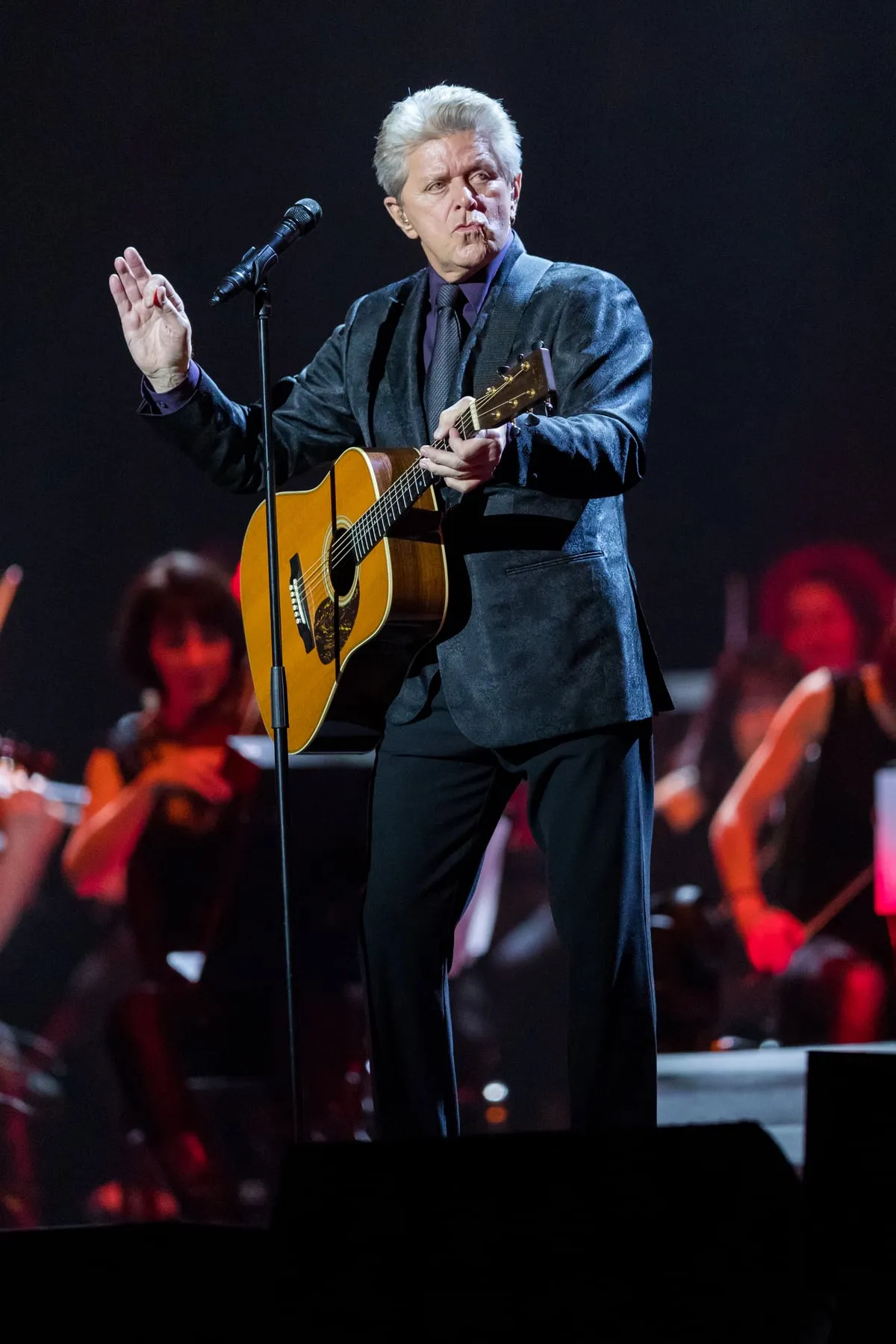
Photo by Sven Mandel , licensed under CC BY-SA 4.0 · Wikimedia Commons
Rank #284
Peter Cetera
From Wikipedia
Peter Paul Cetera Jr. is an American retired musician best known for being a frontman, vocalist, and bassist for the American rock band Chicago from 1967 until his departure in 1985. His career as a recording artist encompasses 17 studio albums with Chicago and eight solo studio albums. As a lead singer/vocal artist he has had four number one songs on the Billboard Hot 100, two during his tenure with Chicago and two during his solo career. Of those four songs he wrote or co-wrote three.
Discography & Previews
Browse through and click an album to open and play 30-second previews streamed from Apple Music.
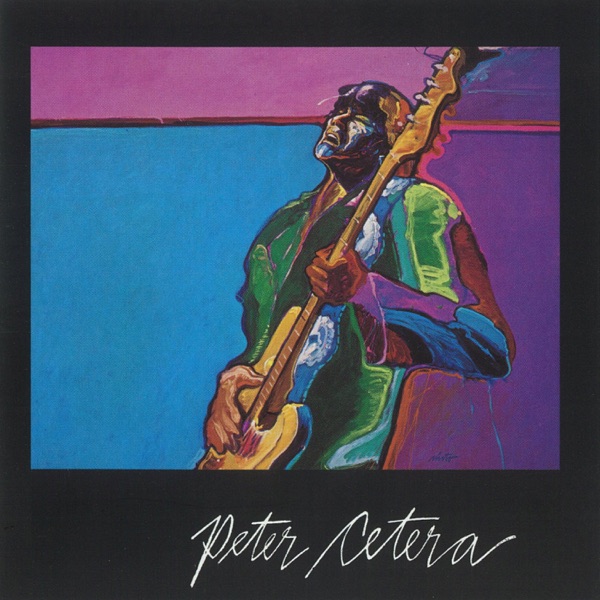

Solitude/Solitaire
1986 · 9 tracks
- 1 Big Mistake ↗ 5:42
- 2 They Don't Make 'Em Like They Used To ↗ 4:03
- 3 Glory of Love (Theme from "the Karate Kid, Pt. II") ↗ 4:18
- 4 Queen of the Masquerade Ball ↗ 3:53
- 5 Daddy's Girl ↗ 3:46
- 6 The Next Time I Fall (With Amy Grant) ↗ 3:46
- 7 Wake Up to Love ↗ 4:30
- 8 Solitude / Solitaire ↗ 5:01
- 9 Only Love Knows Why ↗ 4:32

World Falling Down
1992 · 10 tracks
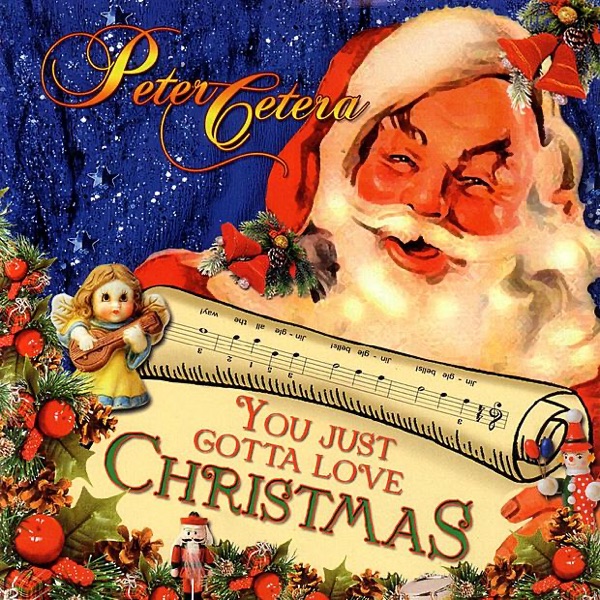
You Just Gotta Love Christmas
2004 · 12 tracks
- 1 Let It Snow ↗ 2:59
- 2 The Christmas Song ↗ 3:36
- 3 Santa Claus Is Coming to Town ↗ 3:11
- 4 Blue Christmas ↗ 3:19
- 5 Deck the Halls ↗ 3:11
- 6 I'll Be Home for Christmas ↗ 2:41
- 7 You Just Gotta Love Christmas ↗ 3:17
- 8 Jingle Bells ↗ 3:36
- 9 God Rest Ye Merry Gentlemen ↗ 3:01
- 10 Winter Wonderland ↗ 2:57
- 11 Something That Santa Claus Left Behind ↗ 3:57
- 12 Alone for the Holidays ↗ 3:59

Faithfully
2005 · 11 tracks
-
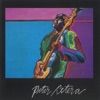 Peter CeteraPeter Cetera198110 tracks
 -
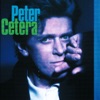 Solitude/SolitairePeter Cetera19869 tracks
 -
 One More StoryPeter Cetera198810 tracks
 -
 World Falling DownPeter Cetera199210 tracks
 -
 You Just Gotta Love ChristmasPeter Cetera200412 tracks
 -
 FaithfullyPeter Cetera200511 tracks
Deep Dive
Overview
Peter Cetera is an American rock musician best known as the frontman, vocalist, and bassist for Chicago, one of the most commercially successful rock bands of the 1970s and early 1980s. His career encompasses his lengthy tenure with Chicago from 1967 to 1985 and a subsequent solo recording career that produced eight studio albums beginning in 1981. Cetera holds the distinction of having achieved four number-one songs on the Billboard Hot 100 chart—two as lead vocalist of Chicago and two during his solo period—and he wrote or co-wrote three of those four hits, establishing him as both a vocalist of commercial appeal and a songwriter of substantive skill.
Formation Story
Peter Paul Cetera Jr. was born in 1944 in Chicago, Illinois, emerging from the city’s vibrant rock and pop scene during the post-war era. He came of age musically during the 1960s, when Chicago was home to both blues heritage and an emerging rock consciousness. In 1967, Cetera joined the Chicago Transit Authority, the band that would become simply Chicago—a group that sought to bridge rock’s guitar-driven energy with orchestral sophistication through horns and keyboards. As bassist and vocalist, Cetera became the voice of the band during a transformative period, helping establish the ensemble’s signature blend of hard rock, jazz, and pop sensibilities that would define their sound throughout the 1970s.
Breakthrough Moment
Cetera and Chicago achieved massive commercial breakthrough in the 1970s, though his most prominent solo breakthrough came later. His first solo album, Peter Cetera, arrived in 1981 while he was still an active member of Chicago, signaling his ambitions beyond the band. However, it was after his departure from Chicago in 1985 that Cetera’s solo career gained substantial momentum. The 1986 release Solitude/Solitaire marked his first full commitment to solo work, positioning him as a solo artist in his own right. This transition period established Cetera’s ability to sustain a recording career independent of Chicago, a feat not all band members successfully achieve.
Peak Era
Cetera’s solo peak era spanned the late 1980s and early 1990s, when he released One More Story in 1988, World Falling Down in 1992, and One Clear Voice in 1995. These albums consolidated his standing as a solo recording artist and cemented his two number-one Billboard Hot 100 hits achieved outside of Chicago. This period demonstrated that his commercial appeal and vocal talent could sustain a solo career in an era increasingly fragmented by changing musical tastes and the rise of new genres. The consistency of his output during this era—three albums in seven years—showed his commitment to recording and maintaining visibility as an independent artist.
Musical Style
Cetera’s musical identity as a vocalist and bassist is rooted in the rock tradition but marked by an unusual emphasis on melodic sophistication and crossover sensibility. Within Chicago, his voice anchored some of the band’s most commercially successful moments, often paired with the ensemble’s horn arrangements and orchestral textures. His songwriting contributions to Chicago and his solo work reveal an affinity for accessible, melody-driven compositions that appeal to mainstream audiences while maintaining rock credentials. As a solo artist, his albums reflected a move toward a more streamlined sound, stripped of some of the horn-section grandeur that defined Chicago, instead emphasizing his vocal delivery and the emotional content of his material. This shift allowed him to explore softer textures and more intimate vocal arrangements, demonstrating his range as a vocalist beyond the group setting.
Major Albums
Peter Cetera (1981)
Cetera’s debut solo album, released while still performing with Chicago, introduced his solo vision and established his capacity to record outside the band framework, prefiguring the full career shift to come.
Solitude/Solitaire (1986)
Released one year after his departure from Chicago, this album marked his full transition to solo recording and included material that showcased his songwriting and vocal maturity in a more focused, personal setting.
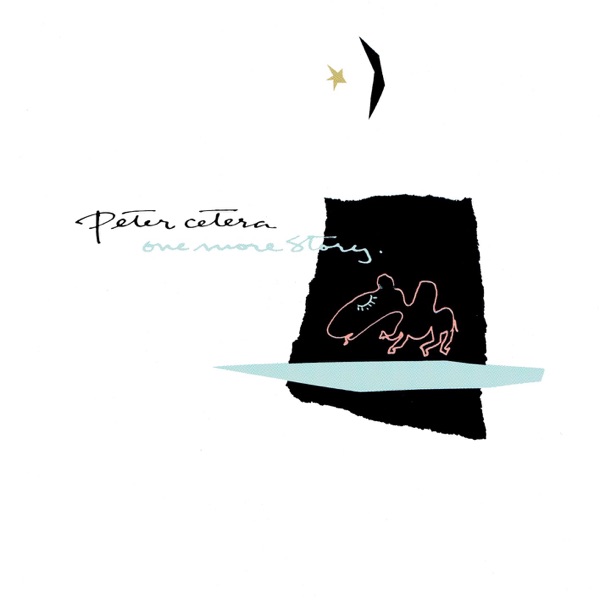
One More Story (1988)
This album further solidified Cetera’s solo commercial presence and represented a continuation of his exploration of melodic rock and pop sensibilities independent of the Chicago sound.
World Falling Down (1992)
Released during his most commercially successful solo period, this album demonstrated Cetera’s continued ability to craft engaging material and maintain recording relevance in the early 1990s.
One Clear Voice (1995)
This album rounded out his most productive solo decade, showcasing his evolution as a solo artist and his enduring appeal to audiences who had followed him from his Chicago years.
Signature Songs
- Two of Cetera’s four number-one Billboard Hot 100 hits came during his solo career, establishing his credentials as a solo hitmaker beyond his Chicago fame.
- His vocal performances are characterized by emotional directness and an ability to convey melodic sophistication even in pop-oriented material.
- His songwriting contributions resulted in three of his four number-one hits being songs he wrote or co-wrote, demonstrating his importance not merely as an interpreter but as a creator.
Influence on Rock
Cetera’s path from band frontman to solo artist became one template for how members of successful groups could transition to independent recording careers. His commercial success as a solo artist—achieved after leaving a legendary band rather than during its peak—proved that established rock musicians could find new audiences and relevance outside their original ensemble contexts. His emphasis on vocal melody and accessible songwriting influenced the broader softening of rock music’s edges that occurred during the 1980s and early 1990s, a period when rock radio increasingly accommodated more pop-oriented aesthetics. The eight solo albums he recorded demonstrated sustained commitment to recording, a factor that influenced how rock musicians approached longevity in changing markets.
Legacy
Peter Cetera’s dual legacy encompasses both his role as a foundational voice within Chicago during the band’s most commercially triumphant era and his subsequent career as a solo recording artist. His four number-one Billboard Hot 100 hits place him among the most commercially successful vocalists in rock history, a status few musicians achieve either within or outside band contexts. His solo catalog, spanning from 1981’s debut through 2005’s Faithfully, demonstrates a sustained recording presence across more than two decades, marking him as an artist who successfully navigated the transition from group member to solo performer. Cetera’s career trajectory—from Chicago’s tumultuous peak years through his independent solo work—offers a case study in how established rock musicians have managed career longevity and artistic independence in the modern era. His retirement from active performance and recording has not diminished the catalog’s streaming presence or his continued recognition among rock audiences who grew up during his most commercially visible period.
Fun Facts
- Cetera served as both bassist and vocalist for Chicago, a dual role that placed distinctive demands on his performance and made his stage presence central to the band’s visual identity.
- His songwriting contributions to Chicago resulted in co-writing three of his four number-one Billboard Hot 100 hits, placing him among the most prolific hit songwriters in his era.
- After his solo peak of the 1980s and 1990s, Cetera continued recording into the 2000s, releasing Another Perfect World in 2001 and the holiday-themed You Just Gotta Love Christmas in 2004.
- His solo albums were released through Warner Bros. Records, the major label partnership that facilitated distribution of his work during the peak commercial period of his independent career.