
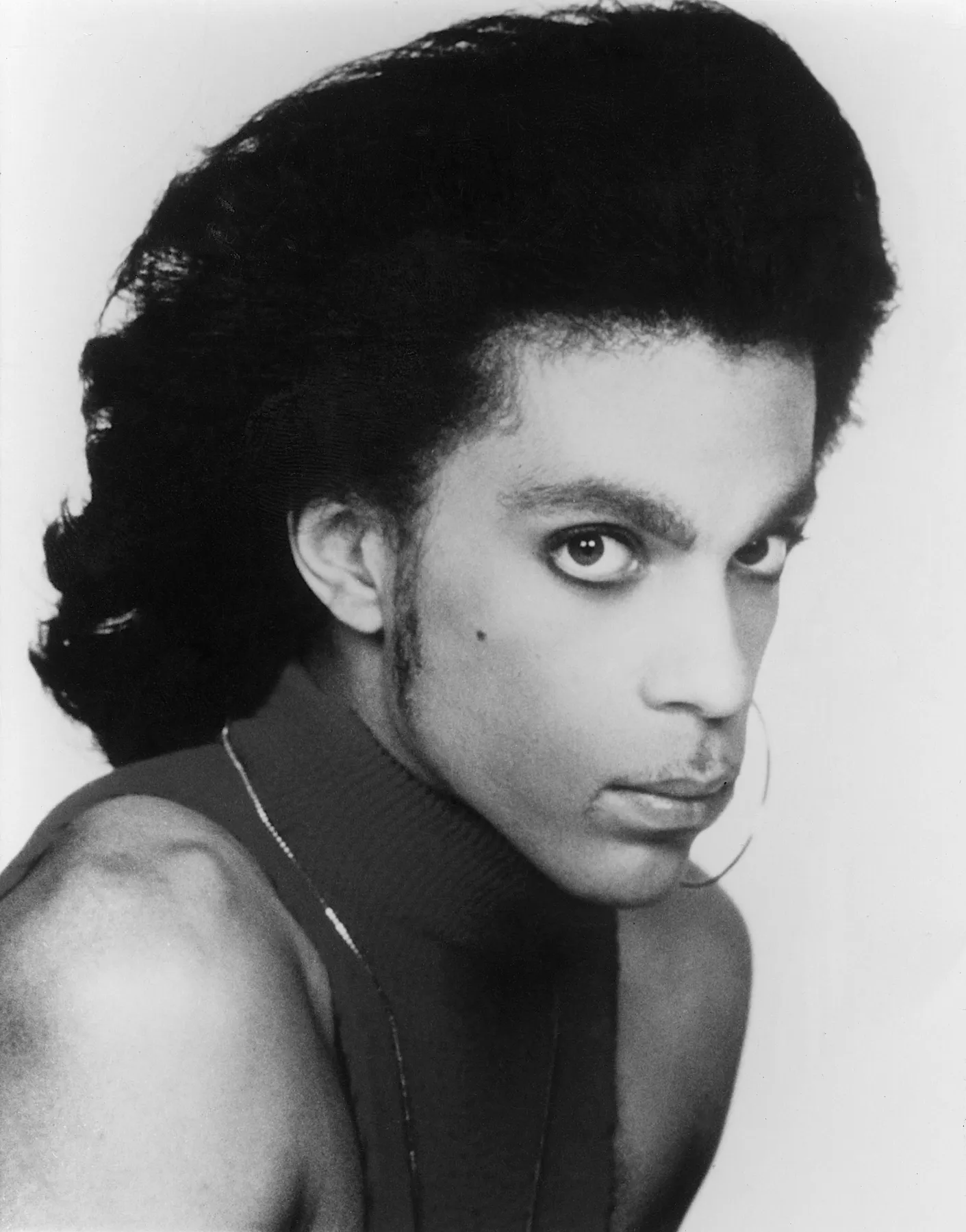
Photo by Unknown author Unknown author , based on File:Prince promo picture (1988; cropped).png , licensed under Public domain · Wikimedia Commons
Rank #5
Prince
From Wikipedia
Prince Rogers Nelson, known mononymously as Prince, was an American singer, songwriter, musician, dancer, actor, and filmmaker. Often being credited as one of the greatest musicians of his generation, he pioneered the Minneapolis sound and was influential in the evolution of various other genres.
Discography & Previews
Browse through and click an album to open and play 30-second previews streamed from Apple Music.


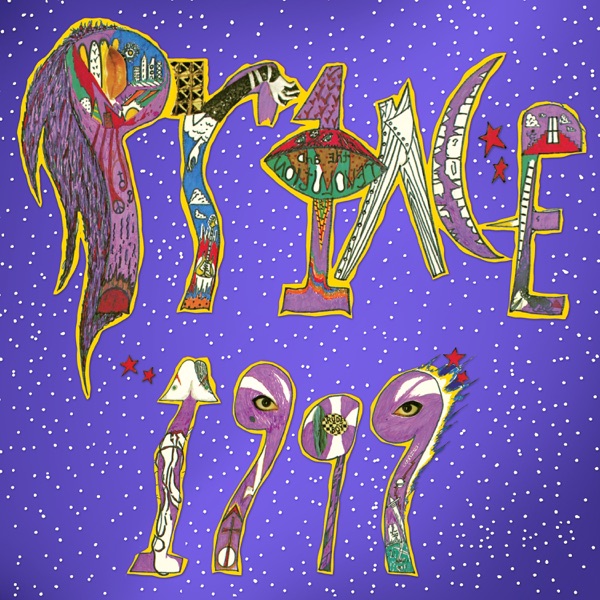
1999
1982 · 11 tracks
- 1 1999 ↗ 6:14
- 2 Little Red Corvette ↗ 5:04
- 3 Delirious ↗ 4:00
- 4 Let's Pretend We're Married ↗ 7:20
- 5 D.M.S.R. ↗ 8:18
- 6 Automatic ↗ 9:26
- 7 Something In The Water (Does Not Compute) ↗ 4:02
- 8 Free ↗ 5:07
- 9 Lady Cab Driver ↗ 8:17
- 10 All The Critics Love U In New York ↗ 5:58
- 11 International Lover ↗ 6:38


Diamonds and Pearls
1991 · 13 tracks

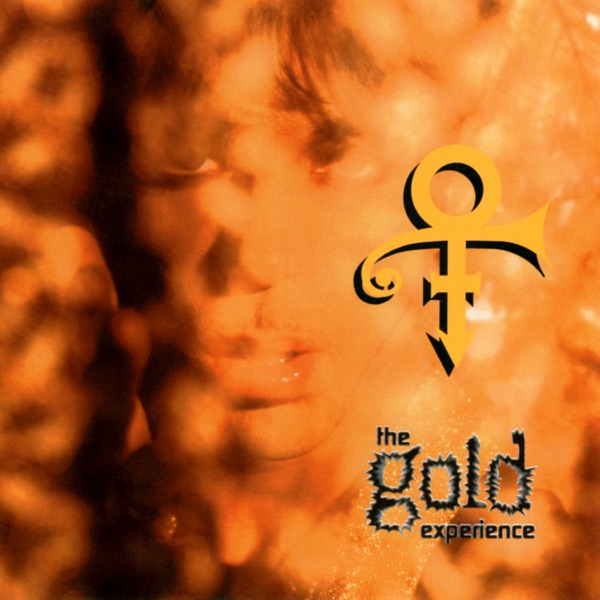
The Gold Experience
1995 · 18 tracks
- 1 P. Control ↗ 5:59
- 2 NPG Operator #1 ↗ 0:12
- 3 Endorphinmachine ↗ 4:07
- 4 Shhh ↗ 7:18
- 5 We March ↗ 4:49
- 6 NPG Operator #2 ↗ 0:17
- 7 The Most Beautiful Girl in the World ↗ 4:25
- 8 Dolphin ↗ 4:59
- 9 NPG Operator #3 ↗ 0:20
- 10 Now ↗ 4:30
- 11 NPG Operator #4 ↗ 0:31
- 12 319 ↗ 3:05
- 13 NPG Operator #5 ↗ 0:10
- 14 Shy ↗ 5:04
- 15 Billy Jack Bitch ↗ 5:32
- 16 Eye Hate U ↗ 5:54
- 17 NPG Operator #6 ↗ 0:44
- 18 Gold ↗ 7:23

Chaos and Disorder
1996 · 11 tracks
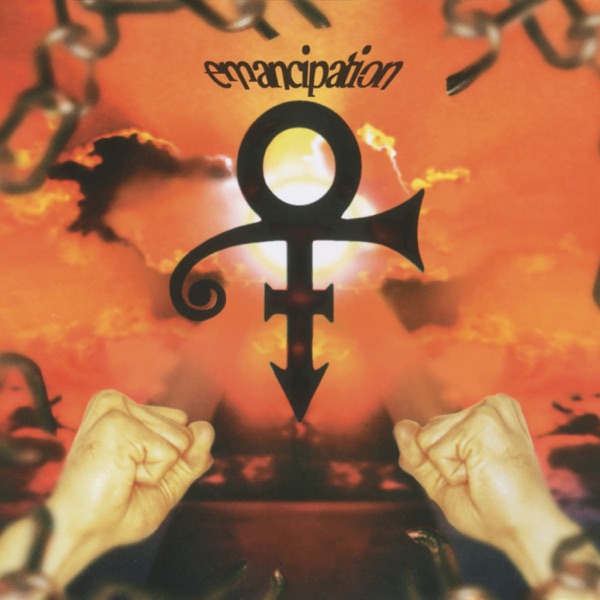
Emancipation
1996 · 36 tracks
- 1 Jam of the Year ↗ 6:10
- 1 Sex In the Summer ↗ 5:58
- 1 Slave ↗ 4:51
- 2 Right Back Here In My Arms ↗ 4:44
- 2 One Kiss at a Time ↗ 4:41
- 2 New World ↗ 3:43
- 3 Somebody's Somebody ↗ 4:44
- 3 Soul Sanctuary ↗ 4:42
- 3 The Human Body ↗ 5:42
- 4 Get Yo Groove On ↗ 6:32
- 4 Emale ↗ 3:39
- 4 Face Down ↗ 3:17
- 5 Courtin' Time ↗ 2:47
- 5 Curious Child ↗ 2:57
- 5 La, La, La Means I Love You ↗ 3:59
- 6 Betcha By Golly Wow! ↗ 3:31
- 6 Dreamin' About U ↗ 3:53
- 6 Style ↗ 6:41
- 7 We Gets Up ↗ 4:19
- 7 Joint 2 Joint ↗ 7:53
- 7 Sleep Around ↗ 7:43
- 8 White Mansion ↗ 4:48
- 8 The Holy River ↗ 6:56
- 8 Da, Da, Da ↗ 5:16
- 9 Damned If Eye Do ↗ 5:21
- 9 Let's Have a Baby ↗ 4:08
- 9 My Computer ↗ 4:37
- 10 I Can't Make U Love Me ↗ 6:38
- 10 Saviour ↗ 5:49
- 10 One of Us ↗ 5:19
- 11 Mr. Happy ↗ 4:47
- 11 The Plan ↗ 1:48
- 11 The Love We Make ↗ 4:39
- 12 In This Bed Eye Scream ↗ 5:41
- 12 Friend, Lover, Sister, Mother/Wife ↗ 7:37
- 12 Emancipation ↗ 4:13
The Truth
1997 · 12 tracks
- 1 The Truth ↗ 3:34
- 2 Don't Play Me ↗ 2:48
- 3 Circle of Amour ↗ 4:44
- 4 3rd Eye ↗ 4:54
- 5 Dionne ↗ 3:14
- 6 Man In a Uniform ↗ 3:08
- 7 Animal Kingdom ↗ 4:01
- 8 The Other Side of the Pillow ↗ 3:22
- 9 Fascination ↗ 4:55
- 10 One of Your Tears ↗ 3:27
- 11 Comeback ↗ 2:00
- 12 Welcome 2 the Dawn (Acoustic Version) ↗ 3:17

Crystal Ball
1998 · 30 tracks
- 1 Crystal Ball ↗ 10:28
- 1 Interactive ↗ 3:03
- 1 Days of Wild ↗ 9:19
- 2 Dream Factory ↗ 3:07
- 2 Da Bang ↗ 3:20
- 2 Last Heart ↗ 3:02
- 3 Acknowledge Me ↗ 5:27
- 3 Calhoun Square ↗ 4:47
- 3 Poom Poom ↗ 4:32
- 4 Ripopgodazippa ↗ 4:39
- 4 What's My Name ↗ 3:04
- 4 She Gave Her Angels ↗ 3:53
- 5 Love Sign (Shock G's Silky Remix) ↗ 3:53
- 5 Crucial ↗ 5:06
- 5 18 & Over ↗ 5:40
- 6 Hide the Bone ↗ 5:04
- 6 An Honest Man ↗ 1:13
- 6 The Ride ↗ 5:14
- 7 2Morrow ↗ 4:14
- 7 Sexual Suicide ↗ 3:40
- 7 Get Loose ↗ 3:31
- 8 So Dark ↗ 5:14
- 8 Cloreen Bacon Skin ↗ 15:37
- 8 P. Control (Remix) ↗ 6:00
- 9 Movie Star ↗ 4:26
- 9 Good Love ↗ 4:55
- 9 Make Your Mama Happy ↗ 4:01
- 10 Tell Me How U Wanna B Done ↗ 3:15
- 10 Strays of the World ↗ 5:07
- 10 Goodbye ↗ 4:34

The Vault… Old Friends 4 Sale
1999 · 10 tracks
Rave Un2 the Joy Fantastic
1999 · 17 tracks
- 1 Rave Un2 the Joy Fantastic ↗ 4:19
- 2 Undisputed (feat. Chuck D) ↗ 4:21
- 3 The Greatest Romance Ever Sold ↗ 5:33
- 4 Hot Wit U (feat. Eve) ↗ 5:10
- 5 Tangerine ↗ 1:33
- 6 So Far, So Pleased (feat. Gwen Stefani) ↗ 3:24
- 7 The Sun, The Moon and Stars ↗ 5:16
- 8 Everyday Is a Winding Road ↗ 6:12
- 9 Segue (One) ↗ 0:19
- 10 Man 'O' War ↗ 5:15
- 11 Baby Knows (feat. Sheryl Crow) ↗ 3:19
- 12 Eye Love U, But Eye Don't Trust U Anymore (feat. Ani DiFranco) ↗ 3:36
- 13 Silly Game ↗ 3:30
- 14 Strange But True ↗ 4:13
- 15 Wherever U Go, Whatever U Do ↗ 3:17
- 16 Segue (Two) ↗ 0:44
- 17 Prettyman ↗ 4:24

The Rainbow Children
2001 · 15 tracks
- 1 Rainbow Children ↗ 10:04
- 2 Muse 2 the Pharaoh ↗ 4:21
- 3 Digital Garden ↗ 4:07
- 4 The Work, Pt. 1 ↗ 4:28
- 5 Everywhere ↗ 2:55
- 6 The Sensual Everafter ↗ 2:58
- 7 Mellow ↗ 4:24
- 8 1+1+1 is 3 ↗ 5:17
- 9 Deconstruction ↗ 2:00
- 10 Wedding Feast ↗ 0:54
- 11 She Loves Me 4 Me ↗ 2:50
- 12 Family Name ↗ 8:17
- 13 The Everlasting Now ↗ 8:18
- 14 Last December ↗ 7:58
- 15 Last December (Reprise) ↗ 0:38


N.E.W.S.
2003 · 4 tracks

Musicology
2004 · 12 tracks
- 1 Musicology ↗ 4:24
- 2 Illusion, Coma, Pimp & Circumstance ↗ 4:46
- 3 A Million Days ↗ 3:50
- 4 Life 'O' the Party ↗ 4:30
- 5 Call My Name ↗ 5:16
- 6 Cinnamon Girl ↗ 3:57
- 7 What Do U Want Me 2 Do? ↗ 4:15
- 8 The Marrying Kind ↗ 2:49
- 9 If Eye Was the Man in Ur Life ↗ 3:09
- 10 On the Couch ↗ 3:34
- 11 Dear Mr. Man ↗ 4:15
- 12 Reflection ↗ 3:05

Lotusflow3r
2009 · 12 tracks


Art Official Age
2014 · 13 tracks

PLECTRUMELECTRUM
2014 · 12 tracks
Crystal Ball
2015 · 30 tracks
- 1 Crystal Ball ↗ 10:28
- 1 Interactive ↗ 3:03
- 1 Days of Wild ↗ 9:19
- 2 Dream Factory ↗ 3:07
- 2 Da Bang ↗ 3:20
- 2 Last Heart ↗ 3:02
- 3 Acknowledge Me ↗ 5:27
- 3 Calhoun Square ↗ 4:47
- 3 Poom Poom ↗ 4:32
- 4 Ripopgodazippa ↗ 4:39
- 4 What's My Name ↗ 3:04
- 4 She Gave Her Angels ↗ 3:53
- 5 Love Sign (Shock G's Silky Remix) ↗ 3:53
- 5 Crucial ↗ 5:06
- 5 18 & Over ↗ 5:40
- 6 Hide the Bone ↗ 5:04
- 6 An Honest Man ↗ 1:13
- 6 The Ride ↗ 5:14
- 7 2Morrow ↗ 4:14
- 7 Sexual Suicide ↗ 3:40
- 7 Get Loose ↗ 3:31
- 8 So Dark ↗ 5:14
- 8 Cloreen Bacon Skin ↗ 15:37
- 8 P. Control (Remix) ↗ 6:00
- 9 Movie Star ↗ 4:26
- 9 Good Love ↗ 4:55
- 9 Make Your Mama Happy ↗ 4:01
- 10 Tell Me How U Wanna B Done ↗ 3:15
- 10 Strays of the World ↗ 5:07
- 10 Goodbye ↗ 4:34

HITnRUN Phase Two
2015 · 12 tracks

HITnRUN Phase One
2015 · 11 tracks
- 1 Million $ Show (feat. Judith Hill) ↗ 3:10
- 2 Shut This Down ↗ 3:03
- 3 Ain't About 2 Stop (feat. Rita Ora) ↗ 3:39
- 4 Like a Mack (feat. Curly Fryz) ↗ 4:05
- 5 This Could B Us ↗ 4:11
- 6 Fallinlove2nite ↗ 3:13
- 7 X's Face ↗ 2:38
- 8 Hardrocklover ↗ 3:43
- 9 Mr. Nelson (feat. Lianne La Havas) ↗ 2:27
- 10 1000 X's & O's ↗ 4:27
- 11 June ↗ 3:22

The VERSACE Experience: Prelude 2 Gold
2019 · 15 tracks
- 1 P***y Control (Club Mix) [Edit] ↗ 3:02
- 2 Shhh (X-cerpt) ↗ 3:55
- 3 Get Wild in the House ↗ 2:15
- 4 Eye Hate U (Remix) ↗ 3:29
- 5 319 (X-cerpt) ↗ 1:28
- 6 Shy (X-cerpt) ↗ 2:23
- 7 Billy Jack Bitch ↗ 2:31
- 8 Sonny T. (X-cerpt) ↗ 0:28
- 9 Rootie Kazootie (Edit) ↗ 2:38
- 10 Chatounette Controle ↗ 2:25
- 11 P***y Control (Control Tempo) [Edit] ↗ 1:23
- 12 Kamasutra Overture #5 ↗ 0:44
- 13 Free the Music ↗ 1:44
- 14 Segue ↗ 0:50
- 15 Gold (X-cerpt) ↗ 3:36

Welcome 2 America
2021 · 12 tracks
- 1 Welcome 2 America ↗ 5:24
- 2 Running Game (Son Of A Slave Master) ↗ 4:05
- 3 Born 2 Die ↗ 5:03
- 4 1000 Light Years From Here ↗ 5:47
- 5 Hot Summer ↗ 3:33
- 6 Stand Up And B Strong ↗ 5:18
- 7 Check The Record ↗ 3:29
- 8 Same Page, Different Book ↗ 4:42
- 9 When She Comes ↗ 4:47
- 10 1010 (Rin Tin Tin) ↗ 4:43
- 11 Yes ↗ 2:57
- 12 One Day We Will All B Free ↗ 4:42
-
 For YouPrince19789 tracks
 -
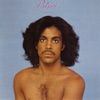 PrincePrince19799 tracks
 -
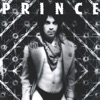 Dirty MindPrince19808 tracks
 -
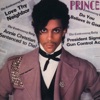 ControversyPrince19818 tracks
 -
 1999Prince198211 tracks
 -
 Around the World in a DayPrince19859 tracks
 -
 LovesexyPrince19889 tracks
 -
 Diamonds and PearlsPrince199113 tracks
 -
 ComePrince199410 tracks
 -
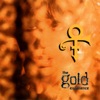 The Gold ExperiencePrince199518 tracks
 -
 Chaos and DisorderPrince199611 tracks
 -
 EmancipationPrince199636 tracks
 -
 The TruthPrince199712 tracks
 -
 Crystal BallPrince199830 tracks
 -
 The Vault… Old Friends 4 SalePrince199910 tracks
 -
 Rave Un2 the Joy FantasticPrince199917 tracks
 -
 The Rainbow ChildrenPrince200115 tracks
 -
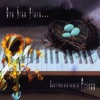 One Nite Alone…Prince200210 tracks
 -
 XpectationPrince20039 tracks
 -
 N.E.W.S.Prince20034 tracks
 -
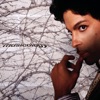 MusicologyPrince200412 tracks
 -
 3121Prince200612 tracks
 -
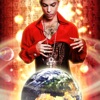 Planet EarthPrince200710 tracks
 -
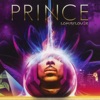 Lotusflow3rPrince200912 tracks
 -
 20TenPrince201010 tracks
 -
 Art Official AgePrince201413 tracks
 -
 PLECTRUMELECTRUMPrince201412 tracks
 - Crystal BallPrince201530 tracks
-
 HITnRUN Phase TwoPrince201512 tracks
 -
 HITnRUN Phase OnePrince201511 tracks
 -
 The VERSACE Experience: Prelude 2 GoldPrince201915 tracks
 -
 Welcome 2 AmericaPrince202112 tracks
Deep Dive
Overview
Prince Rogers Nelson, known mononymously as Prince, stands as one of the most prolific and musically ambitious figures in late-twentieth-century rock and pop music. Active from 1978 through 2016, he emerged from Minneapolis to pioneer a hybrid sound that fused funk, soul, pop, rock, and R&B into a distinctive aesthetic later known as the Minneapolis sound. His significance lies not only in the breadth of his output—more than forty studio albums—but in his unwavering commitment to musical innovation, multi-instrumental mastery, and artistic control, traits that shaped the trajectory of popular music across four decades.
Formation Story
Prince was born and raised in Minneapolis, a city with a rich but often overlooked legacy in soul and R&B music. Coming of age in the 1970s, he absorbed influences spanning funk, rock, soul, and avant-garde experimentation. Rather than apprenticing in a traditional band setting, Prince forged his path as a self-taught multi-instrumentalist, learning to play guitar, keyboards, drums, and bass in isolation. This solitary approach to musicianship would define his creative method: he often recorded albums single-handedly, writing, arranging, and performing every instrumental part and vocal harmony himself. He arrived at his first professional recordings in the late 1970s, signed to major label infrastructure but determined to operate with a degree of autonomy unusual for a young artist breaking into the industry.
Breakthrough Moment
Prince’s ascent from Minneapolis newcomer to international attention crystallized with the release of 1999 in 1982. The album synthesized the Minneapolis sound into a cohesive statement: a marriage of synth-driven pop, dance grooves, and rock instrumentation that felt both immediate and intricate. The title track and subsequent singles demonstrated his ability to craft radio-friendly pop songs without sacrificing instrumental sophistication or sexual provocation in his lyrics. 1999 established him as a singular voice in early-1980s pop music, one who could operate convincingly across genres while maintaining a recognizable sonic fingerprint. This breakthrough positioned him for the commercial and critical peak that would follow in the mid-1980s.
Peak Era
Prince’s most artistically fertile and commercially dominant period ran from 1985 through 1989. Around the World in a Day (1985) demonstrated his range across psychedelia, folk, and funk, while Sign “☮︎” the Times (1987) stands as his most cohesive artistic statement, a double album blending social commentary with instrumental virtuosity and genre-fluid songwriting. The years 1988–1989 saw the release of Lovesexy and the mythologized The Black Album (1989), the latter a largely unreleased funk and rock statement that circulated in bootleg form for decades. During this period, Prince was a charismatic live performer, a visual artist whose stage presence commanded attention, and a producer at the helm of his own musical vision. By 1990, he had already redefined the possibilities of what a solo rock and pop artist could accomplish.
Musical Style
Prince’s sound drew from multiple lineages: the Minneapolis funk tradition, the rock guitar heroism of Jimi Hendrix, the synth-pop production techniques of the 1980s, soul vocal traditions, and New Wave’s electronic experimentalism. His instrumental approach favored layered synthesizers, live drums (often programmed or heavily processed), funky bass lines, and guitar work that ranged from clean funk rhythms to distorted rock leads. His voice—often multi-tracked, harmonized, and processed—proved remarkably flexible: he could sing in falsetto, growl in low register, rap, and yodel, sometimes within the same song. The Minneapolis sound, which he pioneered, was characterized by tight production, intricate arrangements despite their apparent simplicity, and a blending of R&B and rock idioms that felt neither fully one nor the other but a third thing entirely. Over his career, his style evolved from synth-pop foundations through various experimental phases, incorporating jazz harmonic complexity, heavier rock textures, and eventually a return to live-band aesthetics in his later work.
Major Albums
1999 (1982)
A synth-pop manifesto that crystallized the Minneapolis sound, 1999 balanced radio accessibility with sophisticated production, establishing Prince as a major commercial force and containing some of his most enduring work.
Around the World in a Day (1985)
A kaleidoscopic exploration of psychedelia, folk, and funk, this album showcased Prince’s genre fluidity and arranged for broader instrumental and orchestral textures than his previous work.
Sign “☮︎” the Times (1987)
A sprawling double album that stands as Prince’s artistic peak, blending funk grooves, rock guitars, synth experimentation, and socially conscious lyrics into a cohesive vision of late-1980s pop-rock possibilities.
Emancipation (1996)
A 36-track triple album released during his contentious relationship with Warner Bros., Emancipation showcased his prolific output and refusal to be constrained by conventional album formats.
Musicology (2004)
A return to form featuring live instrumentation and a return to his funk and soul roots, Musicology proved his ability to remain relevant and artistically engaged decades into his career.
Signature Songs
- “1999” — The title track from his breakthrough 1982 album, a synth-pop anthem that captured millennial anxiety and dance-floor urgency in equal measure.
- “When Doves Cry” — A stripped-down masterpiece of production minimalism and emotional vulnerability that became his signature achievement in the mid-1980s.
- “Kiss” — A funk-rock single featuring his characteristic falsetto and minimal arrangement, showcasing his ability to create infectious grooves through restraint.
- “Let’s Go Crazy” — An upbeat rock-funk anthem that demonstrated his live-band sensibility and celebratory approach to pop music.
- “Sign O’ the Times” — The title track from his 1987 magnum opus, a soul-funk number addressing social and political themes with characteristic sonic sophistication.
Influence on Rock
Prince’s influence on rock and popular music cannot be overstated. He demonstrated that a solo artist could achieve artistic control, multi-instrumental mastery, and commercial success simultaneously—a template that influenced countless musicians across genres. His fusion of funk, rock, and pop influences provided a blueprint for how these traditionally separate idioms could coexist, influencing the trajectory of contemporary R&B, hip-hop, and alternative rock. His insistence on ownership and artistic autonomy—his later battles with record labels over name and contractual control—reshaped conversations about artist rights and the relationship between musicians and corporations. The Minneapolis sound he pioneered influenced the broader sonic palette of 1980s and 1990s pop and rock, while his approach to production and arrangement inspired producers and musicians working across genres, from alternative rock to electronic music. His gender-fluid presentation and refusal to be categorized by genre or image also expanded the scope of what rock and pop performance could encompass.
Legacy
Prince’s death in 2016 cemented his status as one of rock music’s most significant figures. His extensive vault of unreleased material—hundreds of hours of recordings—has become a subject of cultural and archival interest, with posthumous releases continuing to surface through the Paisley Park estate. His influence permeates contemporary music across genres, with artists from The Weeknd to Anderson .Paak citing him as foundational to their approach to genre-blending and production. The broad appreciation for his catalog, spanning from casual pop listeners to serious musicians and critics, reflects the durability and sophistication of his work. His insistence on artistic autonomy, ownership of his master recordings, and refusal to compromise his vision for commercial convenience remains a reference point for discussions of artist rights and creative independence in the modern music industry.
Fun Facts
- Prince played nearly every instrument on his early albums himself, including drums, bass, guitar, and keyboards, often recording parts multiple times to layer complex arrangements.
- His relationship with Warner Bros. Records became contentious over the question of artistic ownership and contractual control, leading him to symbolically write “slave” on his face in protest and release music under alternative names and identities throughout the 1990s.
- The Black Album, recorded in 1986–1987, was initially shelved by Prince himself and circulated only as a bootleg for years before official release, becoming one of rock music’s most mythologized unreleased recordings.
- Minneapolis, Prince’s hometown, became synonymous with the Minneapolis sound he pioneered, establishing the city as a center for innovative pop and funk music in the 1980s and 1990s.