

Photo by Squirrelhouse , licensed under CC0 · Wikimedia Commons
Rank #473
R. Stevie Moore
From Wikipedia
Robert Steven Moore is an American multi-instrumentalist, singer, and songwriter who pioneered lo-fi music. Often called the "godfather of home recording", he is one of the most recognized artists of the cassette underground, and his influence is particularly felt in the bedroom and hypnagogic pop artists of the post-millennium. Since 1968, he has self-released approximately 400 albums, while about three dozen official albums have been issued on various labels.
Discography & Previews
Browse through and click an album to open and play 30-second previews streamed from Apple Music.
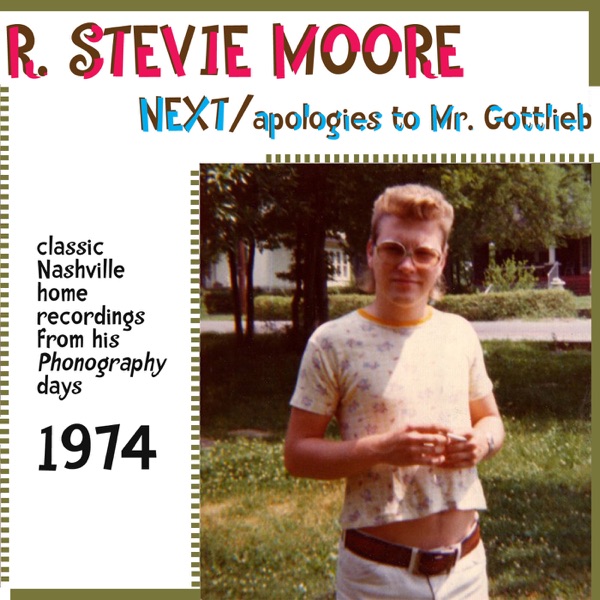
Next
1974 · 40 tracks
- 1 Adult Tree ↗ 4:20
- 1 A Thirst ↗ 3:00
- 2 Wonderful Wonderful ↗ 4:14
- 2 Pop Music (Early Version) ↗ 3:24
- 3 World's Fair (Early Version) ↗ 3:31
- 3 Mighty Short Piece ↗ 2:52
- 4 Don't Just Exist ↗ 0:49
- 4 Moons ↗ 5:57
- 5 Topic of Same ↗ 4:54
- 5 New Yorkus ↗ 5:23
- 6 Europe ↗ 4:17
- 6 I Not Listening (Full Version) ↗ 3:37
- 7 Stool Pidgeons School Teachers ↗ 3:29
- 7 Rockets By Two ↗ 6:02
- 8 Hot Bloose ↗ 5:48
- 8 Quarter Peep Show ↗ 3:07
- 9 Ballad of Ethos ↗ 7:12
- 9 I Love All the Girls ↗ 3:41
- 10 Kookie Coma ↗ 2:34
- 10 The Fight ↗ 4:57
- 11 I Still Chase the Women ↗ 2:42
- 11 I Need Your Love ↗ 4:30
- 12 Danny Newberry ↗ 2:49
- 12 Ribge Excuse Tempo / Prize Catch ↗ 0:47
- 13 Introduction ↗ 1:07
- 13 What We Did ↗ 2:47
- 14 Apologies to Mr. Gottleib (Theme) [Full Version] ↗ 5:14
- 14 Sophisicated Sleep ↗ 2:40
- 15 Snuffy Stops By I ↗ 1:57
- 15 Open Can ↗ 0:37
- 16 Baking It (Early Version) ↗ 2:31
- 16 March of the Dumb Drum ↗ 4:14
- 17 Snuffy Stops By II ↗ 3:53
- 17 Look Mr. Gottlieb ↗ 2:06
- 18 Keys ↗ 0:55
- 18 Sidepocket ↗ 1:59
- 19 Been Friends Too Long (Forget It) ↗ 4:44
- 19 Ta Da for Bass Viol ↗ 0:45
- 20 Stage Fun ↗ 0:59
- 20 Phantom of the Grand Ole Opry ↗ 4:48
Play
1976 · 19 tracks
- 1 I'm Happy Just to Dance With You ↗ 2:12
- 2 Eleanor Rigby ↗ 2:34
- 3 You're Gonna Lose That Girl ↗ 2:12
- 4 Martha My Dear ↗ 2:34
- 5 If I Needed Someone ↗ 2:15
- 6 She Said She Said ↗ 2:38
- 7 Your Mother Should Know ↗ 2:05
- 8 I'm Only Sleeping ↗ 4:52
- 9 Help! ↗ 2:14
- 10 I'll Be Back ↗ 2:38
- 11 And Your Bird Can Sing ↗ 2:07
- 12 If I Fell ↗ 2:45
- 13 It's Only Love ↗ 1:57
- 14 And I Love Her ↗ 1:47
- 15 I Wanna Be Your Man ↗ 4:37
- 16 The Long and Winding Road ↗ 2:26
- 17 Strawberry Fields Forever ↗ 4:05
- 18 Here, There and Everywhere ↗ 3:26
- 19 Abbey Road Medley ↗ 10:20
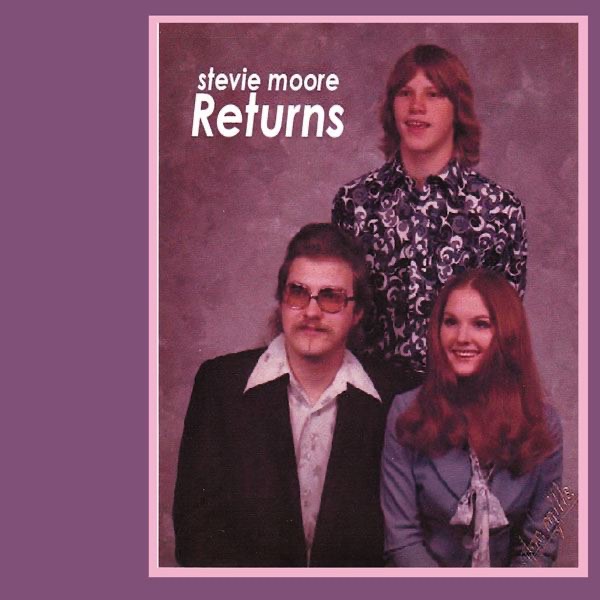
Stevie Moore Returns
1976 · 24 tracks
- 1 Melbourne ↗ 3:31
- 1 Milk Shake ↗ 3:03
- 2 I Wish I Could Sing ↗ 4:13
- 2 Sort of Way ↗ 2:20
- 3 Magnusifence ↗ 1:38
- 3 Love Is the Way to My Heart ↗ 2:55
- 4 Frank Jones Interview ↗ 5:30
- 4 Everybody Is So Ignorant ↗ 4:25
- 5 Louie Louie ↗ 2:07
- 5 Lonely Teardrops ↗ 4:10
- 6 I Want You In My Life ↗ 2:57
- 6 Just Another Sigh ↗ 1:47
- 7 Ready Set Grow (Disco Version) ↗ 6:18
- 7 For T.S. ↗ 4:50
- 8 Once In a Lifetime / This Is My Life ↗ 2:45
- 8 Mason Jar ↗ 4:22
- 9 Boy Is Running ↗ 2:19
- 9 The Winner ↗ 3:30
- 10 Maraschino Valley ↗ 4:42
- 10 Come My Way ↗ 2:56
- 11 Little Man ↗ 5:02
- 11 Goodbye Piano ↗ 2:38
- 12 Heaven On Earth ↗ 2:56
- 12 The Kids With Daddy ↗ 7:16
Swing and a Miss
1977 · 24 tracks
- 1 Manufacturers (early version) ↗ 6:10
- 2 I Wanna Hit You ↗ 2:00
- 3 Flowers Sleep Into The Night ↗ 4:37
- 4 Olive Frog ↗ 2:43
- 5 I'm Losing It ↗ 5:43
- 6 She's Dead ↗ 3:04
- 7 Don't Let Me Go To The Dogs (early version) ↗ 6:28
- 8 Flight Of Fancy ↗ 3:30
- 9 Steve ↗ 3:43
- 10 Johna Lynn Escapes To Chicago ↗ 4:14
- 11 Me Not Right ↗ 1:40
- 12 Strict Surveillance ↗ 2:06
- 13 I Just Want To Feel You ↗ 3:51
- 14 New Girl ↗ 2:06
- 15 Terribly Honest ↗ 3:33
- 16 Here Comes Summer Again ↗ 4:37
- 17 Andrea Buss ↗ 3:05
- 18 When You Gonna Find Me A Wife ↗ 2:41
- 19 Dance Man ↗ 3:11
- 20 New Talent Needed All The Time ↗ 3:43
- 21 You Are Too Far From Me ↗ 5:22
- 22 I Never Know ↗ 1:34
- 23 Resolve Dissolve ↗ 6:09
- 24 Outer Comments ↗ 3:49
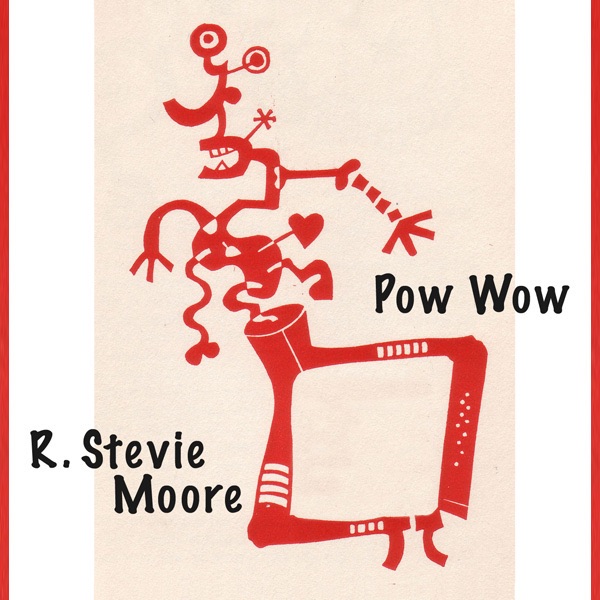
Pow Wow
1978 · 23 tracks
- 1 Pow Wow ↗ 3:55
- 1 Hearing Aid ↗ 3:54
- 2 The Residents ↗ 2:27
- 2 Debbie ↗ 4:07
- 3 Diet Pepsi and Rum ↗ 2:29
- 3 Let's Make the Water Turn Black ↗ 1:59
- 4 Oh Yeah ↗ 3:38
- 4 Waiting for Life to Stop ↗ 4:46
- 5 746-0531 ↗ 6:34
- 5 I Looked At the Bottom of My Foot ↗ 0:52
- 6 Jesus Rocks ↗ 3:00
- 6 One Sight of Me ↗ 2:20
- 7 Copy Me ↗ 3:27
- 7 Marie's the Name (His Latest Flame) ↗ 2:45
- 8 I Feel So Bad I Feel Good ↗ 2:16
- 8 No Talking (Slow Version) ↗ 1:42
- 9 Sand In My Eyes ↗ 2:38
- 9 So Much Personality ↗ 4:03
- 10 Misplacement ↗ 4:44
- 10 Why Can't I Write a Hit? ↗ 2:27
- 11 Love Come Soon ↗ 1:08
- 11 I'll See You In Bed ↗ 2:50
- 12 Blasted ↗ 9:14
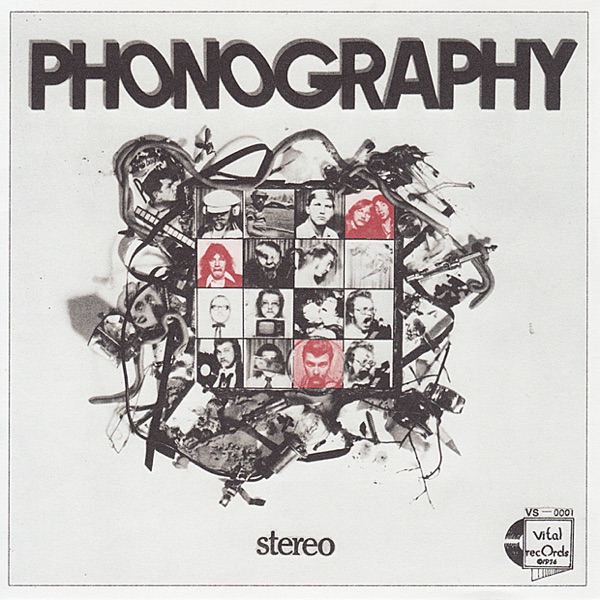
Phonography
1978 · 17 tracks
- 1 Melbourne ↗ 3:26
- 2 Explanation of Artist ↗ 0:32
- 3 Goodbye Piano ↗ 2:37
- 4 Explanation of Listener ↗ 0:49
- 5 Californian Rhythm ↗ 3:42
- 6 I've Begun to Fall In Love ↗ 2:04
- 7 The Spot ↗ 1:19
- 8 I Want You In My Life ↗ 2:26
- 9 I Wish I Could Sing ↗ 4:12
- 10 Theme from A. G. ↗ 1:25
- 11 The Voice ↗ 0:43
- 12 Showing Shadows ↗ 3:02
- 13 She Don't Know What to Do With Herself ↗ 3:17
- 14 The Lariat Wressed Posing Hour ↗ 3:53
- 15 I Not Listening ↗ 3:14
- 16 Mr. Nashville ↗ 1:35
- 17 Moons ↗ 5:58
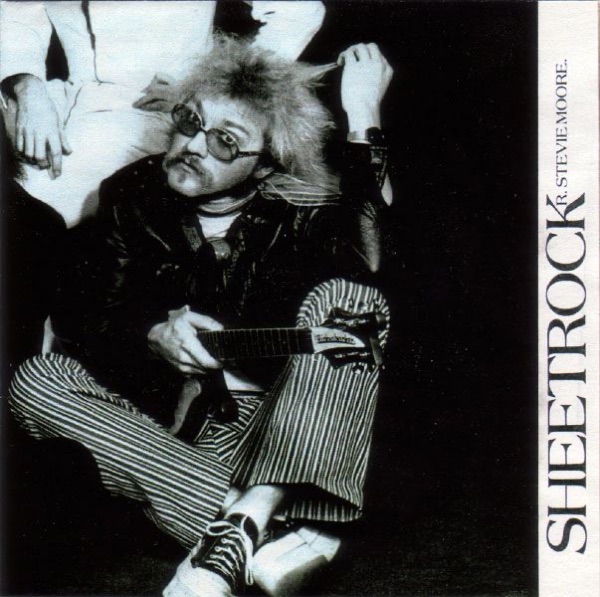
Sheetrock
1978 · 24 tracks
- 1 If You See Kay/Bleu Space ↗ 2:45
- 2 Joy to the World ↗ 2:02
- 3 Compatibility Leaves ↗ 3:36
- 4 Bad Mood ↗ 2:10
- 5 Do You Feel About the Same? ↗ 3:04
- 6 The Swings' Eulogy ↗ 3:51
- 7 Keeping You ↗ 2:55
- 8 Blue Angel ↗ 2:47
- 9 Treat Me ↗ 2:45
- 10 96 Tears ↗ 2:03
- 11 Alcohol Call ↗ 2:07
- 12 What Is the Matter With Me? ↗ 3:17
- 13 Irony ↗ 3:04
- 14 The Holocaust Parade ↗ 1:39
- 15 Cuss Me Out ↗ 3:10
- 16 How Many Moore ↗ 3:03
- 17 Oh Pat ↗ 1:22
- 18 Who You Gonna Do-Do On Today? ↗ 2:36
- 19 Apropos Joe ↗ 2:58
- 20 Epilogue ↗ 1:28
- 21 I'm Scared ↗ 1:58
- 22 The Rhetoric of the Ladies ↗ 1:56
- 23 Tribute to Liza Minelli ↗ 2:12
- 24 I Never Know ↗ 3:02
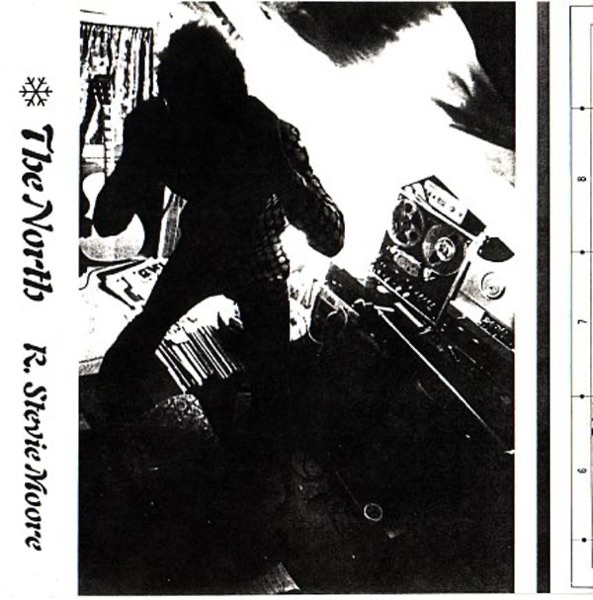
The North
1978 · 25 tracks
- 1 In My Room ↗ 2:32
- 2 Our Fabulous Communication ↗ 3:18
- 3 Theme from the North ↗ 1:50
- 4 Pedestrian Hop ↗ 2:25
- 5 Four from Phonography (1) ↗ 0:32
- 6 I Don't Think She Knows ↗ 2:26
- 7 You Don't Have to Worry 'Bout My Love ↗ 2:42
- 8 Going Down the Way ↗ 2:07
- 9 Thank You Very Much ↗ 3:12
- 10 (I'm Your) Latest Guest ↗ 1:46
- 11 God Only Knows ↗ 2:35
- 12 Loneliness Monologue/Why Can't I Forget Females ↗ 4:42
- 13 Norway ↗ 2:48
- 14 Darn That Dream ↗ 2:51
- 15 The Handicap Blues ↗ 3:37
- 16 Not a Second Time ↗ 2:38
- 17 Tape to Disc ↗ 2:15
- 18 Suspicion/Four from Phonography (2) ↗ 4:24
- 19 Girl Go ↗ 3:21
- 20 Once and for All ↗ 3:06
- 21 Wix la Chelme ↗ 1:24
- 22 Structure of Love ↗ 4:05
- 23 Wanna Git to You ↗ 5:13
- 24 You Became to Me ↗ 5:43
- 25 The Picture ↗ 3:28

Delicate Tension
1979 · 25 tracks
- 1 Cool Daddio ↗ 2:41
- 2 Delicate Tension ↗ 3:55
- 3 Schoolgirl ↗ 2:01
- 4 Don't Blame the N*****s ↗ 3:29
- 5 Zebra Standards 29 ↗ 4:30
- 6 You Are Too Far from Me ↗ 5:14
- 7 Oh Pat ↗ 1:19
- 8 Apropos Joe ↗ 3:11
- 9 Funny Child ↗ 2:03
- 10 Norway ↗ 2:41
- 11 This Wednesday ↗ 1:32
- 12 Some Voices ↗ 0:26
- 13 I Go into Your Mind ↗ 2:10
- 14 Horizontal Hideway ↗ 1:05
- 15 Don't Let Me Go to the Dogs ↗ 4:23
- 16 Ist or Mas ↗ 8:09
- 17 Dance Man ↗ 3:11
- 18 Manufacturers ↗ 4:43
- 19 My Little Automobile Is Sad ↗ 2:44
- 20 Caffeine Boy ↗ 2:40
- 21 Let's ↗ 2:12
- 22 Thinking ↗ 5:45
- 23 New Strings ↗ 2:43
- 24 Bulk of Knowledge ↗ 2:00
- 25 Adjacent Species Like You ↗ 3:12
R
1979 · 24 tracks
- 1 If You See Kay/Bleu Space ↗ 2:45
- 2 Joy to the World ↗ 2:02
- 3 Compatibility Leaves ↗ 3:36
- 4 Bad Mood ↗ 2:10
- 5 Do You Feel About the Same? ↗ 3:04
- 6 The Swings' Eulogy ↗ 3:51
- 7 Keeping You ↗ 2:55
- 8 Blue Angel ↗ 2:47
- 9 Treat Me ↗ 2:45
- 10 96 Tears ↗ 2:03
- 11 Alcohol Call ↗ 2:07
- 12 What Is the Matter With Me? ↗ 3:17
- 13 Irony ↗ 3:04
- 14 The Holocaust Parade ↗ 1:39
- 15 Cuss Me Out ↗ 3:10
- 16 How Many Moore ↗ 3:03
- 17 Oh Pat ↗ 1:22
- 18 Who You Gonna Do-Do On Today? ↗ 2:36
- 19 Apropos Joe ↗ 2:58
- 20 Epilogue ↗ 1:28
- 21 I'm Scared ↗ 1:58
- 22 The Rhetoric of the Ladies ↗ 1:56
- 23 Tribute to Liza Minelli ↗ 2:12
- 24 I Never Know ↗ 3:02
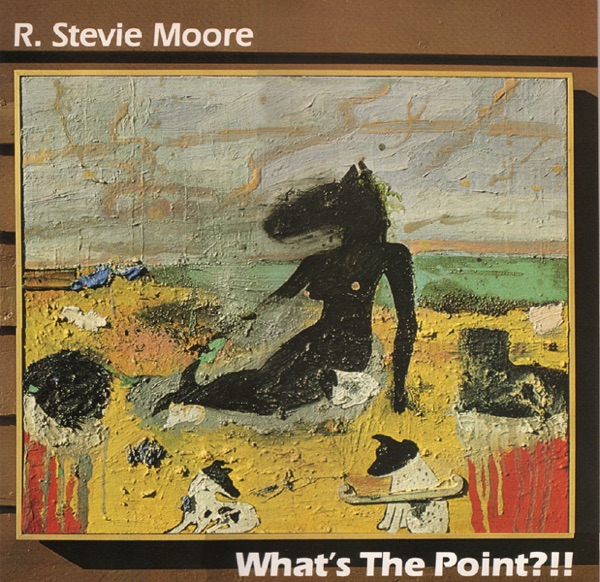
What’s the Point?!!
1984 · 19 tracks
- 1 Get the Job Done ↗ 4:40
- 2 Love Has Doubt ↗ 3:15
- 3 Theme from Hurricane David ↗ 4:18
- 4 Part of the Problem (Home Version) ↗ 3:50
- 5 Compatibility Leaves ↗ 3:37
- 6 Going Down the Way ↗ 2:07
- 7 For Vini ↗ 3:19
- 8 Puttin' Up the Groceries ↗ 3:02
- 9 Conflict of Interest ↗ 2:47
- 10 I Don't Think She Knows (Instrumental) ↗ 1:30
- 11 Bloody Knuckles (Studio Version) ↗ 3:44
- 12 Where You Reside ↗ 1:56
- 13 I Wanna Sleep ↗ 3:09
- 14 World's Fair ↗ 2:34
- 15 Too Old (To Fall In Love) ↗ 3:08
- 16 What's the Point?!! ↗ 2:51
- 17 Part of the Problem (Instrumental) ↗ 3:39
- 18 I Don't Think She Knows (Original Vocal Version) ↗ 1:00
- 19 Bloody Knuckles (Home Version) ↗ 4:22

Everything You Always Wanted To Know About R. Stevie Moore But Were Afraid To Ask
1984 · 38 tracks
- 1 World's Fair ↗ 1:45
- 1 First-Hand ↗ 2:26
- 2 I Just Want to Feel You ↗ 3:25
- 2 Teen Routines ↗ 2:22
- 3 The Holocaust Parade ↗ 1:37
- 3 New Strings ↗ 2:44
- 4 Eating Paper, Drinking Ink ↗ 1:50
- 4 Once and for All ↗ 3:07
- 5 Chantilly Lace ↗ 2:29
- 5 Adult Tree ↗ 4:22
- 6 Show Biz Is Dead ↗ 4:17
- 6 Pasketti ↗ 0:36
- 7 The Path of Joy ↗ 1:57
- 7 Misplacement ↗ 3:28
- 8 Puttin' up the Groceries ↗ 3:02
- 8 Why Can't I Write a Hit ↗ 2:26
- 9 One Moore Time ↗ 2:14
- 9 Play ↗ 3:58
- 10 Forecast ↗ 2:07
- 10 U.R. True ↗ 2:36
- 11 No Talking ↗ 1:00
- 11 Backbone Break ↗ 0:58
- 12 Welcome to London ↗ 1:22
- 12 Wayne Wayne (Go Away) ↗ 4:21
- 13 I Wanna Hit You ↗ 2:01
- 13 Debbie ↗ 4:08
- 14 Bloody Knuckle ↗ 3:43
- 14 The Meeting That Couldn't Be ↗ 6:02
- 15 Jump out in Front of a Car ↗ 1:52
- 15 Mama Weer All Crazee Now ↗ 4:03
- 16 Topic of Same ↗ 4:34
- 16 I Hope That You Remember ↗ 3:03
- 17 I Hate People ↗ 3:26
- 17 Paris Audio Diary, Pt. 2 ↗ 6:18
- 18 His Latest Flame ↗ 2:14
- 19 Right Perfume Wrong Mouthwash ↗ 2:44
- 20 For Vini ↗ 3:14
- 21 Paris Audio Diary, Pt. 1 ↗ 7:28

Verve
1985 · 21 tracks
- 1 I Want You in My Life ↗ 2:15
- 2 The Most Powerful Statement in History ↗ 6:32
- 3 Everything ↗ 3:00
- 4 Feisty Schoolmarm ↗ 3:05
- 5 Pledge Your Money ↗ 2:58
- 6 Splem Jeague 3 ↗ 1:30
- 7 I'm Bored ↗ 3:17
- 8 There Is No God in America ↗ 4:47
- 9 The Crystal Chandelier ↗ 5:34
- 10 Steve ↗ 3:13
- 11 Defeating the Purpose (Live) ↗ 1:41
- 12 Just a Little Kid ↗ 0:27
- 13 Curiously Enough (Excerpt) / Kaleidoscopics (Excerpt) ↗ 5:04
- 14 I See Star ↗ 4:36
- 15 Who Deserves It? ↗ 3:32
- 16 Delicate Tension ↗ 3:51
- 17 Oven Love ↗ 3:58
- 18 Thousands of Days ↗ 4:14
- 19 Here's to John Wesley Hardin ↗ 6:41
- 20 Bad Posture ↗ 2:21
- 21 Answers ↗ 4:02
Verve
1985 · 21 tracks
- 1 I Want You in My Life ↗ 2:15
- 2 The Most Powerful Statement in History ↗ 6:32
- 3 Everything ↗ 3:00
- 4 Feisty Schoolmarm ↗ 3:05
- 5 Pledge Your Money ↗ 2:58
- 6 Splem Jeague 3 ↗ 1:30
- 7 I'm Bored ↗ 3:17
- 8 There Is No God in America ↗ 4:47
- 9 The Crystal Chandelier ↗ 5:34
- 10 Steve ↗ 3:13
- 11 Defeating the Purpose (Live) ↗ 1:41
- 12 Just a Little Kid ↗ 0:27
- 13 Curiously Enough (Excerpt) / Kaleidoscopics (Excerpt) ↗ 5:04
- 14 I See Star ↗ 4:36
- 15 Who Deserves It? ↗ 3:32
- 16 Delicate Tension ↗ 3:51
- 17 Oven Love ↗ 3:58
- 18 Thousands of Days ↗ 4:14
- 19 Here's to John Wesley Hardin ↗ 6:41
- 20 Bad Posture ↗ 2:21
- 21 Answers ↗ 4:02
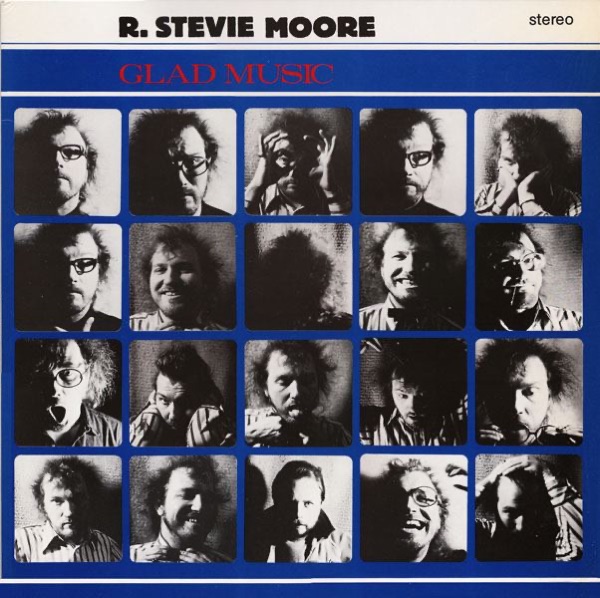
Glad Music
1986 · 15 tracks
- 1 Norway ↗ 3:03
- 2 I Like to Stay Home ↗ 4:06
- 3 I Wouldn't Mind Dyin' ↗ 2:33
- 4 He's Nuts ↗ 4:15
- 5 Part of the Problem ↗ 3:45
- 6 Don't Let Me Go to the Dogs ↗ 4:11
- 7 Your Dancing Ears ↗ 3:37
- 8 Glib Contempt ↗ 4:35
- 9 Why Should I Love You? ↗ 3:25
- 10 I Love You So Much It Hurts ↗ 3:16
- 11 Shakin' In the Sixties ↗ 2:43
- 12 Along Comes Mary ↗ 2:55
- 13 Colliding Circles ↗ 3:50
- 14 Time Stands Still ↗ 2:55
- 15 The Strange ↗ 7:37
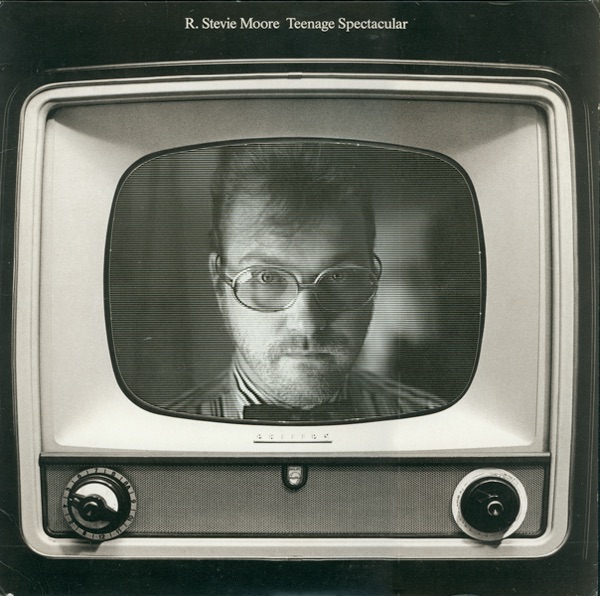
Teenage Spectacular
1987 · 15 tracks
- 1 The Bodycount ↗ 3:36
- 2 Hobbies Galore ↗ 4:16
- 3 Blues for Cathy Taylor ↗ 3:50
- 4 Cover of Rolling Stone ↗ 4:24
- 5 Everyone, But Everyone ↗ 6:55
- 6 On the Spot ↗ 3:41
- 7 Non Sequiturs #1 ↗ 1:53
- 8 I Love You Too Much to Bother You ↗ 3:13
- 9 All Well and Good ↗ 7:01
- 10 Who Killed Davey Moore? ↗ 6:24
- 11 Baby On Board ↗ 2:27
- 12 No Know ↗ 3:00
- 13 Hours of Delight ↗ 1:36
- 14 Play Myself Some Music ↗ 4:07
- 15 Non Sequiturs #2 ↗ 1:21
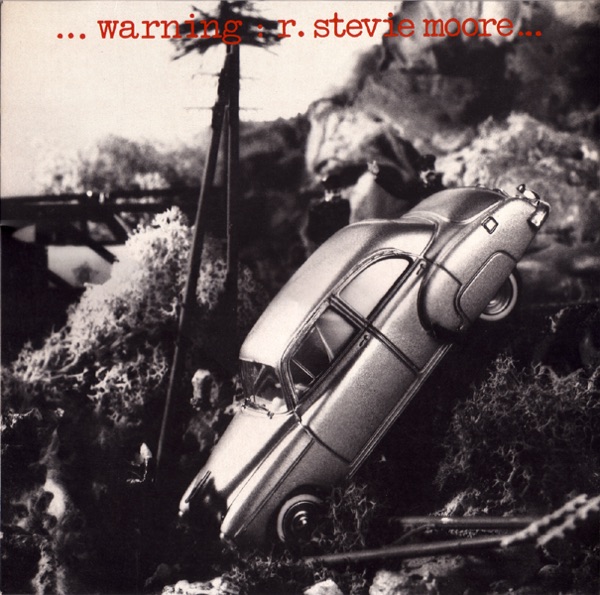
Warning:
1988 · 14 tracks
- 1 Manufacturers (1987 Version) ↗ 5:22
- 2 It's What You Do, It's Not What You Are ↗ 4:16
- 3 Alecia ↗ 5:39
- 4 You Always Want What You Don't Have (1987 Version) ↗ 4:14
- 5 Jailbait ↗ 3:42
- 6 The Whereabouts ↗ 3:32
- 7 Diary ↗ 3:24
- 8 Thinking (1987 Version) ↗ 5:10
- 9 Getting Better ↗ 3:06
- 10 Melbourne (1987 Version) ↗ 3:19
- 11 Rock 'N Roll Kit (1987 Version) ↗ 3:08
- 12 I'm Only Sleeping ↗ 3:05
- 13 And Your Bird Can Sing ↗ 2:04
- 14 Time of the Season ↗ 5:05
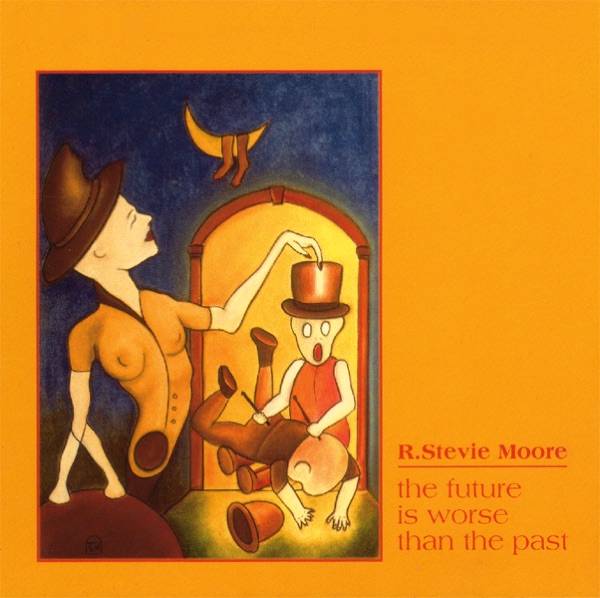
The Future Is Worse Than the Past
1999 · 17 tracks
- 1 Found a Job ↗ 4:47
- 2 Misplacement ↗ 3:28
- 3 Everyone, But Everyone ↗ 7:00
- 4 Where We Are Right Now ↗ 3:14
- 5 Academy Fight Song ↗ 3:08
- 6 Oh Baby Baby Baby ↗ 2:22
- 7 Rose Garden ↗ 2:56
- 8 Bladder ↗ 7:03
- 9 Play Myself Some Music ↗ 3:44
- 10 Idiot Opium ↗ 5:51
- 11 Column 88 ↗ 3:35
- 12 Fletcher Honorama ↗ 3:00
- 13 Once and for All ↗ 3:05
- 14 Backbone Break ↗ 0:50
- 15 Baby, Scratch My Back ↗ 3:05
- 16 For Vini ↗ 3:15
- 17 Disaster In the USA ↗ 2:14
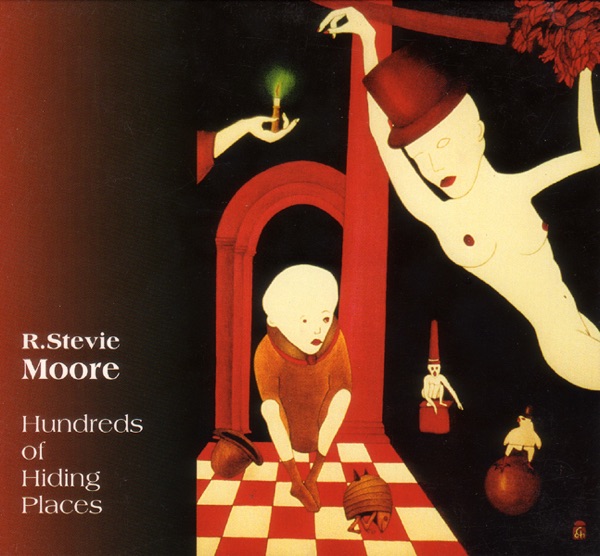
Hundreds of Hiding Places
2001 · 21 tracks
- 1 Wet Nap ↗ 2:45
- 2 Sort of Way ↗ 3:10
- 3 Good Job At Home ↗ 2:26
- 4 8 to 18 ↗ 4:11
- 5 Steve ↗ 3:18
- 6 Hasty Banana ↗ 4:24
- 7 Chutes and Ladders ↗ 4:39
- 8 Ersatz Theme ↗ 2:59
- 9 Wish I Had a Cigarette ↗ 1:34
- 10 Human Race ↗ 3:09
- 11 Kaleidoscopics II ↗ 4:24
- 12 Puttin' Up the Groceries ↗ 3:00
- 13 Linger Longer Lucy ↗ 4:02
- 14 Dancing In the Mirror ↗ 3:14
- 15 Exodus ↗ 5:24
- 16 Nico Knee Puccini ↗ 5:32
- 17 Man Without a Purpose ↗ 4:14
- 18 Want You In My Life ↗ 2:15
- 19 Horse In Striped Pajamas ↗ 2:20
- 20 Soul Zensation ↗ 4:13
- 21 Wet Nap (Coda) ↗ 2:04

Hobbies Galore
2003 · 24 tracks
- 1 Dates (with Dave Gregory) ↗ 3:28
- 2 I Wanna Hit You ↗ 2:02
- 3 Everything ↗ 3:00
- 4 Puttin' Up the Groceries ↗ 3:00
- 5 Don't Let Me Go to the Dogs ↗ 4:09
- 6 I Go Into Your Mind ↗ 2:09
- 7 This Wednesday ↗ 1:33
- 8 Play Myself Some Music ↗ 3:43
- 9 Schoolgirl ↗ 2:03
- 10 Colliding Circles ↗ 3:49
- 11 I Love You Too Much To Bother You ↗ 3:09
- 12 Everyone, But Everyone ↗ 6:53
- 13 I've Begun To Fall In Love ↗ 2:09
- 14 Part of the Problem ↗ 3:43
- 15 Ethan Sequence ↗ 3:08
- 16 I Want You In My Life ↗ 2:58
- 17 Why Should I Love You? ↗ 3:24
- 18 I Hope That You Remember ↗ 3:04
- 19 Norway ↗ 3:02
- 20 Sort of Way ↗ 3:10
- 21 Dewey Decimal System ↗ 3:05
- 22 The Bodycount ↗ 3:37
- 23 I Wish I Could Sing ↗ 3:56
- 24 Hobbies Galore ↗ 4:19

Advanced
2011 · 14 tracks
- 1 Icarus ↗ 4:14
- 2 Pop Music ↗ 3:49
- 3 The Buzz ↗ 3:39
- 4 Runny Nose, Money Woes ↗ 3:15
- 5 Theorem ↗ 2:48
- 6 You Don't Have to Worry About My Love ↗ 4:02
- 7 Carmen Is Coming ↗ 2:59
- 8 Milk Shake ↗ 3:21
- 9 Kix Tartar Sauce ↗ 4:36
- 10 Me, Too ↗ 3:25
- 11 Love Is the Way to My Heart ↗ 3:12
- 12 Jimi Cricket ↗ 4:44
- 13 One Sight of Me ↗ 2:16
- 14 Hurry Up ↗ 2:19
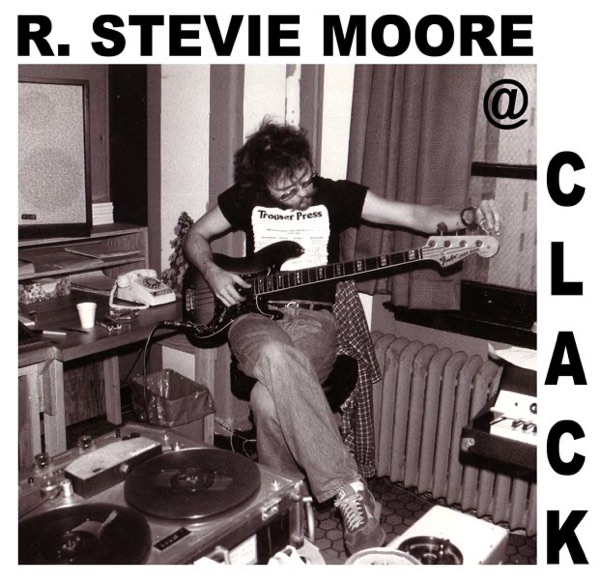
Clack!
2011 · 18 tracks
- 1 More Moores Than I Can Deal With ↗ 2:02
- 2 Chantilly Lace ↗ 2:26
- 3 Conflict of Interest ↗ 2:47
- 4 I Love You So Much It Hurts ↗ 3:14
- 5 The Flavour Is Mine ↗ 4:42
- 6 Aftertaste ↗ 3:56
- 7 Sit Down ↗ 6:24
- 8 Intelligence ↗ 3:48
- 9 Jump Out In Front of a Car (studio Version) ↗ 1:52
- 10 I Go Into Your Mind (studio Version) ↗ 2:06
- 11 Teen Routines ↗ 2:22
- 12 You Always Want What You Don't Have ↗ 5:53
- 13 I Hope That You Remember ↗ 3:02
- 14 Same ↗ 2:46
- 15 Bloody Knuckles ↗ 3:45
- 16 U.R. True ↗ 2:38
- 17 Theme from Hurricane David ↗ 4:20
- 18 Part of the Problem ↗ 3:46
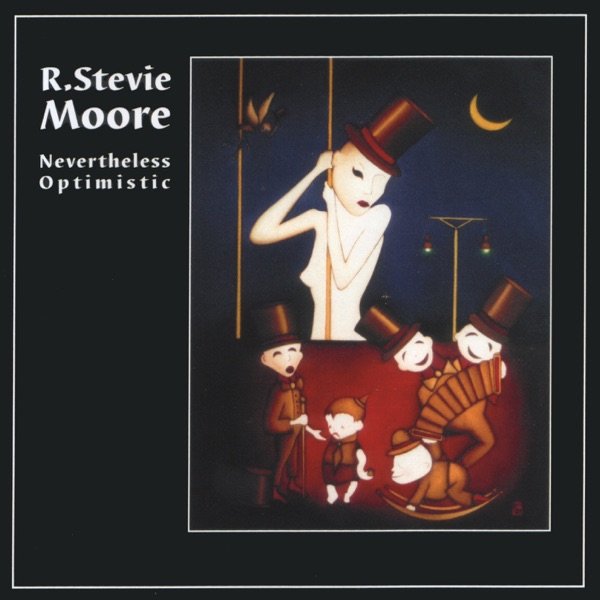
Nevertheless Optimistic
2012 · 23 tracks
- 1 Hug Me ↗ 1:14
- 2 Dates ↗ 3:27
- 3 First-Hand ↗ 2:25
- 4 Holocaust Parade ↗ 1:38
- 5 Part of the Problem ↗ 3:34
- 6 Hobbies Galore ↗ 4:13
- 7 Irony ↗ 3:04
- 8 Funny Child ↗ 2:10
- 9 Back in Time ↗ 4:37
- 10 The Jinx ↗ 4:36
- 11 Wayne, Wayne ↗ 4:16
- 12 Pedestrian Hop ↗ 2:22
- 13 Copy Me ↗ 3:25
- 14 Blues for Cathy Taylor ↗ 3:53
- 15 I Hate People ↗ 3:05
- 16 In My Own Quiet Way ↗ 1:49
- 17 One Moore Time ↗ 2:14
- 18 Cuss Me Out ↗ 3:09
- 19 I'm Looking Over a Four-Leaf Clover ↗ 1:19
- 20 Indian Giver ↗ 2:45
- 21 The Man with the Cigar ↗ 2:30
- 22 Love Is the Way to My Heart ↗ 2:54
- 23 Moons ↗ 5:48
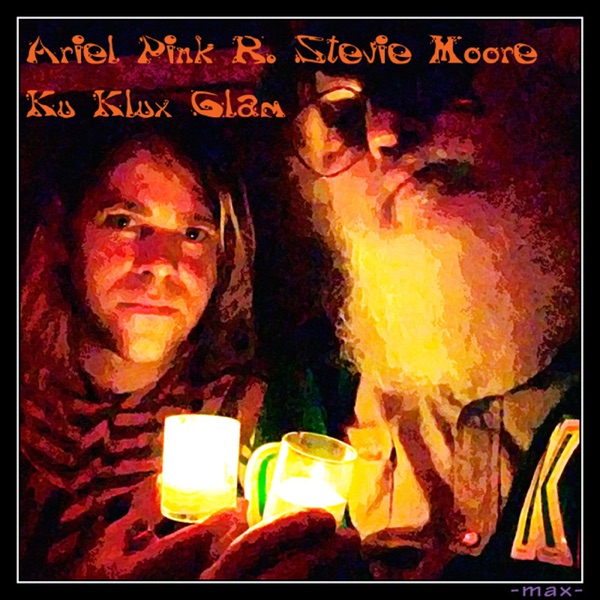
Ku Klux Glam
2012 · 19 tracks
- 1 Organ Trumpet Tower ↗ 0:55
- 2 Dutch Me ↗ 2:40
- 3 R. Stevie's Brain ↗ 3:06
- 4 Come My Way ↗ 3:03
- 5 No Zipper ↗ 3:25
- 6 Another No Answer ↗ 5:13
- 7 Steviepink Javascript ↗ 5:57
- 8 Desperation Passion ↗ 1:38
- 9 Nu Wav ↗ 2:22
- 10 Haunted Graffridgerator ↗ 1:39
- 11 Dutch Me Kareoak Me ↗ 2:41
- 12 What Else Am I Not Supposed to Do? ↗ 1:56
- 13 I Love to Meet People, I Hate to Know Them ↗ 1:25
- 14 In Pieces ↗ 5:27
- 15 Douche Me (Keel Her) ↗ 2:26
- 16 SteviePink Javascript Redo Theme ↗ 6:19
- 17 Chasing an Echo ↗ 3:27
- 18 Closing Credits ↗ 3:54
- 19 Bedroom Rock and Rotflmao ↗ 3:22

The Great American Songbook Vol. 1
2014 · 19 tracks
- 1 Waiting for My Gin to Hit Me ↗ 1:53
- 2 April Showers ↗ 2:47
- 3 Jeepers Creepers ↗ 1:30
- 4 Accentuate the Positive ↗ 2:06
- 5 I’ve Got the World on a String ↗ 1:34
- 6 Bourbon Street ↗ 1:32
- 7 Yes Sir, That’s My Baby ↗ 2:39
- 8 Ain’t I Good to You? ↗ 1:42
- 9 Fly Me to the Moon ↗ 1:22
- 10 Ain’t Misbehavin’ ↗ 1:32
- 11 Basin Street Blues ↗ 1:28
- 12 Trouble in Mind ↗ 3:25
- 13 I’ve Got You Under My Skin ↗ 3:52
- 14 Get Me to the Church on Time ↗ 1:21
- 15 I Can’t Give You Anything But Love ↗ 2:40
- 16 Them There Eyes ↗ 1:32
- 17 Lulu’s Back in Town ↗ 1:28
- 18 I Only Have Eyes for You ↗ 2:03
- 19 Santa Claus Is Coming to Town ↗ 3:48

Make It Be
2017 · 18 tracks
- 1 I H8 Ppl ↗ 3:52
- 2 Another Day Slips Away ↗ 4:30
- 3 I Love Us, We Love Me ↗ 3:53
- 4 Gower (Theme from a Scene) ↗ 1:40
- 5 Prohibited Permissions ↗ 0:32
- 6 Stamps ↗ 2:35
- 7 Horror Show ↗ 4:07
- 8 Guitar Interplé ↗ 1:31
- 9 Sincero Amore ↗ 3:21
- 10 Don't You Just Know It ↗ 3:43
- 11 If You See Kay / Run for Your Lives! ↗ 3:51
- 12 Guitar Interplay Dos ↗ 2:46
- 13 That's Fine, What Time? ↗ 4:04
- 14 Play Myself Some Music ↗ 3:41
- 15 Passed Away Today ↗ 5:41
- 16 Album Drop ↗ 1:15
- 17 I Am the Best for You ↗ 4:49
- 18 Falkner Walk ↗ 0:57

Fake News Trending
2019 · 17 tracks
- 1 Hey Gary (Have You Seen My Girl) ↗ 4:37
- 2 Space Down (Its Friday Night) ↗ 2:09
- 3 Let’s Take a Ride into Outer Space (feat. Jason Falkner) ↗ 2:00
- 4 Walkaway Bounce ↗ 1:59
- 5 When I Hear That Beep (feat. Jerry Solomon) ↗ 2:49
- 6 Gary Lives in a Weird, Weird World ↗ 2:00
- 7 On Our Side (feat. Jad Fair & Pall Jenkins) ↗ 1:58
- 8 The Wind It Knows a Thousand Dreams ↗ 4:40
- 9 See You Soon, Pt. 1 ↗ 1:28
- 10 Gary & Stevies Rock N Roll Show ↗ 0:59
- 11 See You Soon, Pt. 2 ↗ 2:18
- 12 If I Could Only Be With You (feat. Jimmy Whispers) ↗ 3:24
- 13 French Fries & Gravy in Johnson City ↗ 1:57
- 14 The Birds & the Squirrel ↗ 2:08
- 15 Do You Know Who I Am ? (feat. Karen Centrefold & Bebe McPherson) ↗ 2:07
- 16 I’ve Seen the Future (feat. Jimmy Whispers) ↗ 4:01
- 17 Night Time Turns to Morning ↗ 3:17

Afterlife
2019 · 14 tracks
- 1 Irony ↗ 2:55
- 2 Pop Music ↗ 3:50
- 3 Come My Way ↗ 3:05
- 4 The Winner ↗ 3:15
- 5 National Debate ↗ 3:46
- 6 What Do I Do With the Rest of My Life? ↗ 4:52
- 7 Too Old (To Fall In Love) ↗ 3:24
- 8 Take Back ↗ 2:28
- 9 Love Is the Way To My Heart ↗ 3:12
- 10 Another Day Slips Away ↗ 4:28
- 11 Here Comes Summer Again ↗ 4:55
- 12 Hurry Up ↗ 2:21
- 13 You Don't Have To Worry About My Love ↗ 4:01
- 14 Back In Time ↗ 4:11
-
 NextR. Stevie Moore197440 tracks
 -
 PlayR. Stevie Moore197619 tracks
 -
 Stevie Moore ReturnsR. Stevie Moore197624 tracks
 -
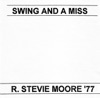 Swing and a MissR. Stevie Moore197724 tracks
 -
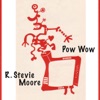 Pow WowR. Stevie Moore197823 tracks
 -
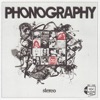 PhonographyR. Stevie Moore197817 tracks
 -
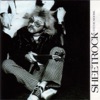 SheetrockR. Stevie Moore197824 tracks
 -
 The NorthR. Stevie Moore197825 tracks
 -
 Delicate TensionR. Stevie Moore197925 tracks
 - RR. Stevie Moore197924 tracks
-
 What’s the Point?!!R. Stevie Moore198419 tracks
 -
 Everything You Always Wanted To Know About R. Stevie Moore But Were Afraid To AskR. Stevie Moore198438 tracks
 -
 VerveR. Stevie Moore198521 tracks
 - VerveR. Stevie Moore198521 tracks
-
 Glad MusicR. Stevie Moore198615 tracks
 -
 Teenage SpectacularR. Stevie Moore198715 tracks
 -
 Warning:R. Stevie Moore198814 tracks
 -
 The Future Is Worse Than the PastR. Stevie Moore199917 tracks
 -
 Hundreds of Hiding PlacesR. Stevie Moore200121 tracks
 -
 Hobbies GaloreR. Stevie Moore200324 tracks
 -
 AdvancedR. Stevie Moore201114 tracks
 -
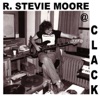 Clack!R. Stevie Moore201118 tracks
 -
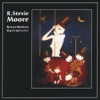 Nevertheless OptimisticR. Stevie Moore201223 tracks
 -
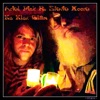 Ku Klux GlamR. Stevie Moore201219 tracks
 -
 The Great American Songbook Vol. 1R. Stevie Moore201419 tracks
 -
 Make It BeR. Stevie Moore201718 tracks
 -
 Fake News TrendingR. Stevie Moore201917 tracks
 -
 AfterlifeR. Stevie Moore201914 tracks
Deep Dive
Overview
R. Stevie Moore is an American multi-instrumentalist, singer, and songwriter who stands as the foundational figure in lo-fi and DIY home recording. Since 1968, he has self-released approximately 400 albums while approximately three dozen have appeared on various official labels. Moore’s work across power pop, experimental music, new wave, and spoken word has exerted profound influence on the bedroom pop and hypnagogic pop movements of the 21st century. His legacy rests not on chart dominance or mainstream radio play but on a radical artistic practice: the democratization of music production itself.
Formation Story
Born Robert Steven Moore in 1952, Moore emerged from the American cultural landscape during the post-war expansion of consumer technology. His path into music was shaped by the gradual availability of affordable recording equipment—reel-to-reel tape machines, multitrack home studios, and eventually compact cassettes. Rather than waiting for record labels to discover him or fighting for studio time, Moore began recording himself at home in the late 1960s. His first album, On Graycroft, appeared in 1969, marking the beginning of an unprecedented autodidactic journey. Moore’s early environment was one where the boundary between professional and amateur recording was beginning to blur, and he positioned himself at that frontier, turning his home into a perpetual creative laboratory.
Breakthrough Moment
Moore’s breakthrough was not the conventional kind—no hit single, no stadium tour, no MTV moment. Instead, his profile began to rise through the cassette underground of the 1970s and 1980s. As he accumulated hundreds of self-released recordings, music collectors and critics began to recognize the sheer prolific output and the conceptual consistency underlying it. The early-1980s album Everything You Always Wanted To Know About R. Stevie Moore But Were Afraid To Ask (1984) became a touchstone, functioning as both a provocation and a genuine survey of his chameleonic approach. By the mid-1980s, Moore had become a fixture in underground music networks—passed hand to hand on cassette tape before the internet existed. His recognition was grassroots and persistent rather than explosive, but it proved enduring.
Peak Era
Moore’s most prolific and artistically restless period spanned the 1970s and early 1980s. Between 1972 and 1984, he released dozens of albums with astonishing frequency and tonal variety. Works like Homers (1972), Mere Static (1973), Stevie Moore Often (1975), Sample for Approval (1978), and What’s the Point?!! (1984) showcased his refusal to settle into a single aesthetic. He moved fluidly between power pop hooks, experimental sound collages, instrumental workouts, and vocal-driven pop songs, often on consecutive albums or even within single releases. This period established the template for his entire career: prolific output, genre eclecticism, and an uncompromising commitment to self-release as both artistic statement and logistical necessity.
Musical Style
Moore’s sound is best understood not as a fixed style but as a philosophy of omnivorous creativity. His multi-instrumental proficiency—he performs guitar, keyboard, bass, drums, and vocals—enabled him to construct fully realized arrangements alone or with minimal collaboration. His work spans power pop’s melodic sensibility and punchy energy, lo-fi production’s embrace of tape hiss and technical imperfection, experimental music’s textural exploration, and new wave’s angular rhythmic sensibility. Vocally, Moore ranges from clear-toned pop singing to deadpan delivery to spoken-word passages. Lyrically, he oscillates between pop romance, absurdist humor, philosophical observation, and cultural commentary. What unifies these disparate modes is a refusal of polish and a commitment to capturing spontaneous creative impulses directly onto tape. The lo-fi aesthetic—often perceived as a limitation—becomes Moore’s signature: tape saturation, limited overdubbing, rough edits, and audio artifacts are not hidden but embraced as elements of the final work. This approach predated and essentially invented the bedroom pop and hypnagogic pop sensibilities that would flourish decades later among artists working with digital home recording.
Major Albums
Stevie Moore Often (1975)
A foundational example of Moore’s ability to craft conventional pop hooks within a homemade sonic environment, blending radio-friendly melodies with obviously non-professional production.
Sample for Approval (1978)
One of Moore’s most thematically coherent works, demonstrating his sophisticated approach to arrangement and his willingness to interrogate the recording process itself.
Everything You Always Wanted To Know About R. Stevie Moore But Were Afraid To Ask (1984)
A landmark retrospective compilation that functioned as both a joke and a serious artistic statement, presenting selections that illustrated his stylistic range while cementing his cult status.
Crises (1983)
An album that balanced power pop directness with experimental textural approaches, representative of his mid-1980s peak.
Comeback Special (2011)
Released decades into his career, this album demonstrated his continued creative vitality and relevance, resonating with a new generation discovering his work through digital platforms.
Signature Songs
- “The North” — A standout from the 1978 album of the same name, showcasing Moore’s gift for melodic pop within deliberately unpolished production.
- “Dumbdrops” — Title track from the 1980 album, exemplifying his blend of humor, catchiness, and compositional craft.
- “Pop Pain” — From the 1981 album of the same name, capturing the bittersweet emotional register that runs through much of his work.
- “How Can You Resist” — A 1982 track demonstrating his ability to construct irresistible pop arrangements despite—or because of—their lo-fi presentation.
Influence on Rock
Moore’s influence radiates through every subsequent movement in lo-fi, indie, and bedroom pop. He did not invent home recording, but he invented the artistic philosophy of home recording as liberation rather than compromise. By demonstrating that a single artist with affordable equipment could maintain total creative control while generating unlimited output, Moore provided a template for the bedroom pop artists of the 2010s and beyond. His influence is audible in the work of artists who embraced tape saturation, rejected studio polish, and prioritized prolific output over perfectionism. Beyond lo-fi proper, his genre-hopping approach—moving between power pop, new wave, experimental music, and spoken word—influenced the anything-goes eclecticism that became hallmarks of alternative and indie rock. The very notion that an artist could self-release hundreds of albums without major-label support or commercial success became normalized partly through Moore’s decades of example.
Legacy
R. Stevie Moore remains active and recording into the 2020s, with recent albums like Make It Be (2017), Fake News Trending (2019), and Afterlife (2019) attesting to his undiminished creative drive. His legacy is now secure in music history as the godfather of home recording and a key figure in the lo-fi genealogy. The recognition that came to him gradually through the cassette underground has been substantially deepened by streaming platforms and digital archives, which have made his vast catalog accessible to listeners worldwide. He is regularly cited by contemporary lo-fi and bedroom pop artists as a foundational influence, and his work has been reassessed and celebrated by critics examining the histories of DIY music and lo-fi aesthetics. The irony of his trajectory is that what was once marginal—amateur home recording, cassette self-releases, genre-hopping eclecticism—has become central to how music is now made and distributed. Moore did not invent these practices alone, but his sustained commitment to them over five decades made them visible as a coherent artistic position rather than a temporary necessity.
Fun Facts
- Moore’s official website has remained a personal hub and direct sales outlet for his work, embodying his lifelong commitment to artist-to-listener distribution outside the traditional music industry.
- The 1975 album R. Stevie Moore Does The Beatles demonstrates his willingness to engage in playful reimagining of canonical material within his lo-fi home-studio aesthetic.
- His prolific output accelerated dramatically in the 1970s, with years like 1973 and 1983 each yielding six or more album releases, a pace that underscores his tireless approach to songwriting and recording.
- The shifting quality and conceptual focus across albums—from instrumental workouts to conceptual releases to cover albums—has made his discography a unique historical document of how a single artist’s creative interests evolved over fifty years.