
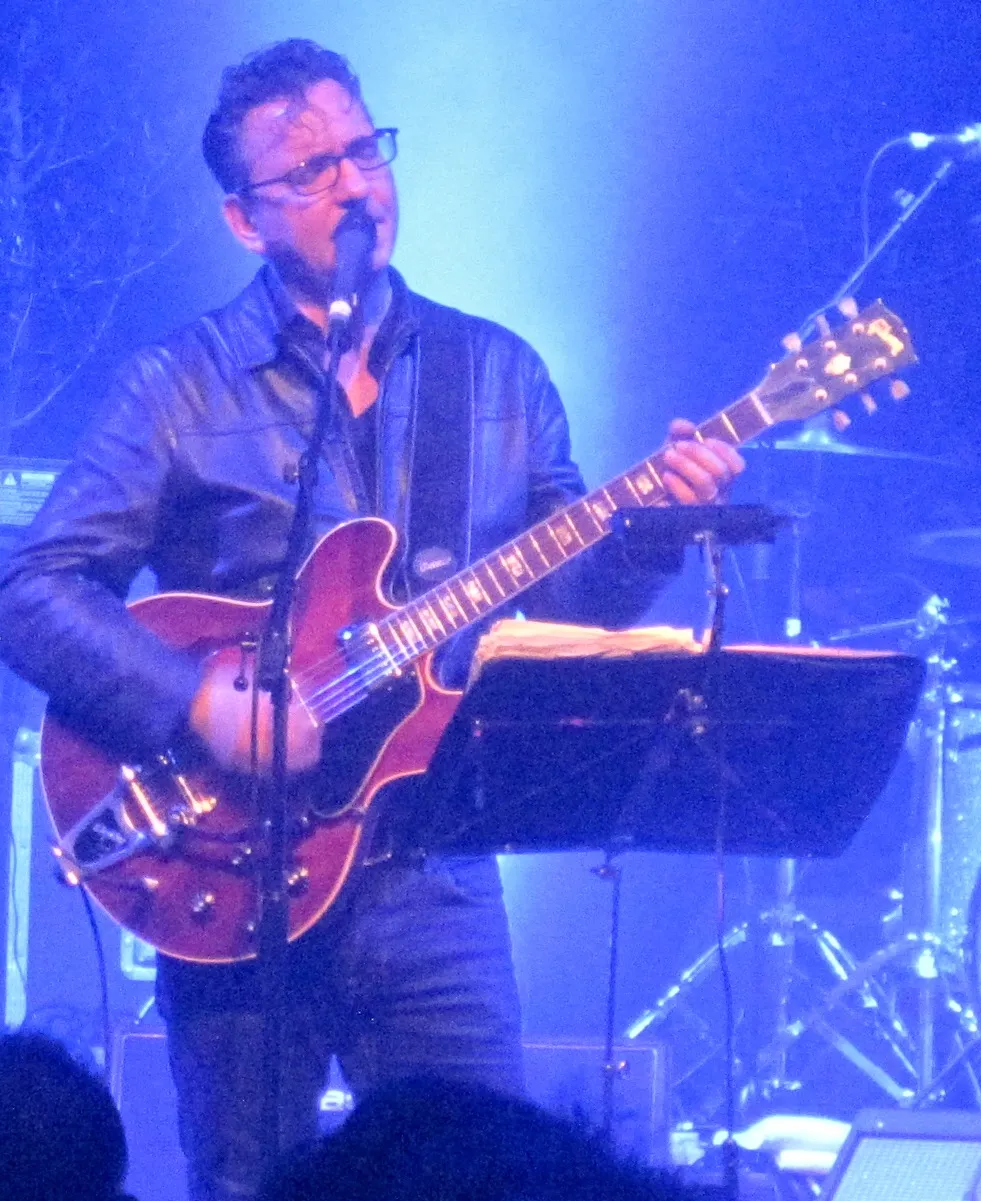
Photo by Hinton1994 , licensed under CC BY-SA 3.0 · Wikimedia Commons
Rank #251
Richard Hawley
From Wikipedia
Richard Willis Hawley is an English singer-songwriter, guitarist, and producer. After his first band Treebound Story broke up, Hawley found success as a member of Britpop band Longpigs in the 1990s. He played with Pulp, led by his friend Jarvis Cocker, as a touring musician for a short time. As a solo musician, Hawley has released ten studio albums. He has been nominated for a Mercury Prize twice and once for a Brit Award. He has also collaborated with Robbie Williams, Nancy Sinatra, Gwen Stefani, Arctic Monkeys, Paul Weller, Duane Eddy, Lisa Marie Presley and Manic Street Preachers.
Discography & Previews
Browse through and click an album to open and play 30-second previews streamed from Apple Music.
Richard Hawley
2001 · 12 tracks
Late Night Final
2001 · 11 tracks
- 1 Something Is ↗ 3:43
- 2 Baby You're My Light ↗ 2:56
- 3 Love of My Life ↗ 3:21
- 4 The Nights Are Cold ↗ 2:50
- 5 Can You Hear the Rain Love ↗ 4:56
- 6 Lonely Night ↗ 2:46
- 7 Precious Sight ↗ 4:16
- 8 No Way Home ↗ 4:15
- 9 Cry a Tear for the Man On the Moon ↗ 3:27
- 10 Long Black Train ↗ 4:14
- 11 The Light At the End of the Tunnel (Was a Train Coming the Other Way) ↗ 4:54
Lowedges
2003 · 11 tracks
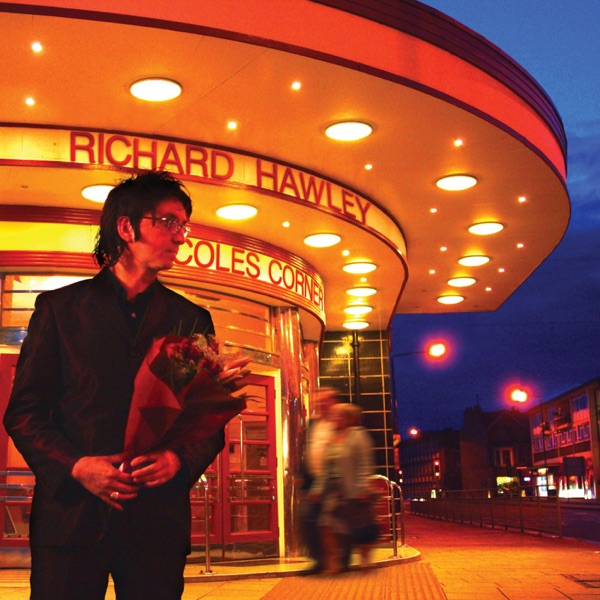
Coles Corner
2005 · 11 tracks
- 1 Coles Corner ↗ 4:53
- 2 Just Like the Rain ↗ 3:18
- 3 Hotel Room ↗ 3:42
- 4 Darlin' Wait for Me ↗ 3:54
- 5 The Ocean ↗ 5:37
- 6 Born Under a Bad Sign ↗ 3:41
- 7 I Sleep Alone ↗ 3:45
- 8 Tonight ↗ 4:32
- 9 (Wading Through) The Waters of My Time ↗ 3:48
- 10 Who's Going to Shoe Your Pretty Feet ↗ 4:08
- 11 Last Orders ↗ 4:59
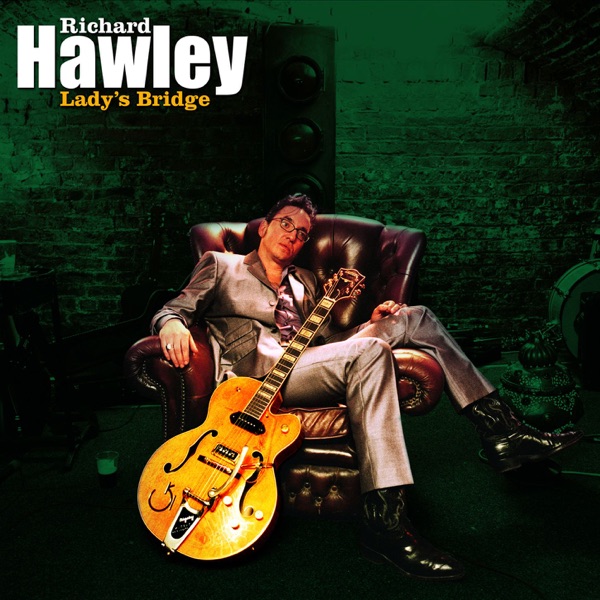
Lady’s Bridge
2007 · 11 tracks

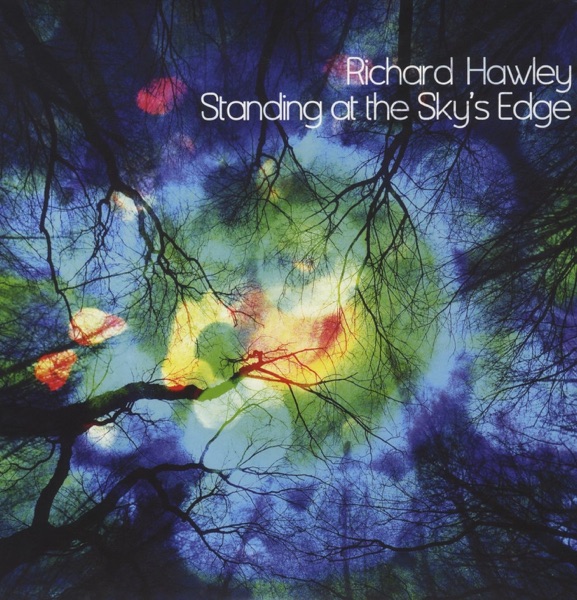
Standing at the Sky’s Edge
2012 · 9 tracks

Hollow Meadows
2015 · 11 tracks


In This City They Call You Love
2024 · 12 tracks
- 1 Two for His Heels ↗ 3:02
- 2 Have Love ↗ 4:32
- 3 Prism in Jeans ↗ 2:53
- 4 Heavy Rain ↗ 3:33
- 5 People ↗ 4:04
- 6 Hear That Lonesome Whistle Blow ↗ 3:27
- 7 Deep Space ↗ 3:59
- 8 Deep Waters ↗ 3:24
- 9 I'll Never Get Over You ↗ 3:25
- 10 Do I Really Need to Know? ↗ 3:34
- 11 When the Lights Go Out ↗ 3:06
- 12 'Tis Night ↗ 3:12
-
 Richard HawleyRichard Hawley200112 tracks
 -
 Late Night FinalRichard Hawley200111 tracks
 -
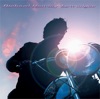 LowedgesRichard Hawley200311 tracks
 -
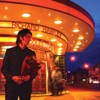 Coles CornerRichard Hawley200511 tracks
 -
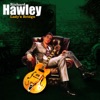 Lady’s BridgeRichard Hawley200711 tracks
 -
 Truelove’s GutterRichard Hawley20098 tracks
 -
 Standing at the Sky’s EdgeRichard Hawley20129 tracks
 -
 Hollow MeadowsRichard Hawley201511 tracks
 -
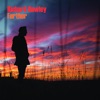 FurtherRichard Hawley201911 tracks
 -
 In This City They Call You LoveRichard Hawley202412 tracks
Deep Dive
Overview
Richard Willis Hawley is an English singer-songwriter, guitarist, and producer whose career arc encompasses the heights of 1990s Britpop and a sustained solo recording and touring presence stretching into the 2020s. Born in 1967, Hawley navigated the transition from ensemble player to bandleader to independent solo artist with a string of studio albums that garnered critical recognition, including two Mercury Prize nominations and a Brit Award nomination. His work bridges the melodic sensibilities of classic rock with contemporary production sensibilities, and his collaborative instincts have led to work alongside prominent figures from Robbie Williams to Arctic Monkeys.
Formation Story
Hawley’s entry into music began with his first band, Treebound Story, which did not achieve lasting commercial traction. In the 1990s, during the height of the Britpop movement, he became a key member of Longpigs, a band that captured some of the era’s guitar-driven energy and cultural moment. His reputation as a session and touring musician grew further when he played alongside his friend Jarvis Cocker in Pulp during the band’s peak years. These collaborative roles positioned Hawley as a reliable, skilled player within the network of Sheffield and broader British rock circles, establishing the foundation upon which his solo career would be built.
Breakthrough Moment
Hawley’s solo career began with two albums released in 2001: his self-titled debut Richard Hawley and Late Night Final. These early releases signaled his intent to step forward as a bandleader and primary creative voice rather than a supporting player. The dual release demonstrated productivity and confidence, and it marked the beginning of a prolific trajectory that would establish him as a fixture in British independent and alternative rock. While not commanding the mainstream pop charts, these albums earned him credibility within critical circles and among listeners attuned to serious, craft-oriented songwriting.
Peak Era
Hawley’s most creatively vital period came in the mid-to-late 2000s. Coles Corner (2005) and Lady’s Bridge (2007)—both referencing locations in his native Sheffield—represented a refined artistic vision, combining lush arrangements with deeply personal songwriting. These albums consolidated his reputation as a serious artist and drew international attention. Standing at the Sky’s Edge (2012) extended this momentum, arriving more than a decade into his solo career and confirming that Hawley had evolved beyond his Britpop-era origins into a distinctive mature artist. Throughout this decade and beyond, he remained active both as a recording artist and as a sought-after collaborator, working with Paul Weller, Duane Eddy, Lisa Marie Presley, and other established names.
Musical Style
Hawley’s sound is rooted in classic rock sensibility—built on clean electric guitar work, melodic song structures, and careful arrangement—but inflected with the production and sonic textures of contemporary indie and alternative rock. His voice carries a distinctly British inflection, often treated with subtle reverb and compression in the studio to sit comfortably within layered instrumental mixes. His approach to guitar playing emphasizes tone and atmosphere as much as technique, drawing influence from the post-Britpop era’s reappraisal of earlier rock and roll traditions. Over the course of his discography, he has experimented with orchestration, backing vocals, and studio layering while maintaining a core commitment to song-centered writing and emotional directness.
Major Albums
Coles Corner (2005)
Named after a Sheffield department store, Coles Corner represents Hawley’s artistic consolidation as a solo artist, combining introspective lyricism with expansive production and strong melodic hooks that appealed to both critics and dedicated listeners.
Lady’s Bridge (2007)
Continuing the Sheffield-focused thematic work, this album deepened Hawley’s exploration of regional identity and personal history while showcasing his growing mastery of studio production and arrangement.
Standing at the Sky’s Edge (2012)
Arguably his highest-profile album, Standing at the Sky’s Edge arrived after a five-year gap and demonstrated sustained creative ambition, earning widespread critical praise and further Mercury Prize recognition.
Hollow Meadows (2015)
This album maintained Hawley’s track record of consistent output and artistic quality, keeping him visible in the British rock landscape during the 2010s.
Further (2019)
Released nearly a decade into his career as an established solo artist, Further showcased Hawley’s continued productivity and his ability to sustain listener interest across multiple decades.
Signature Songs
- **