
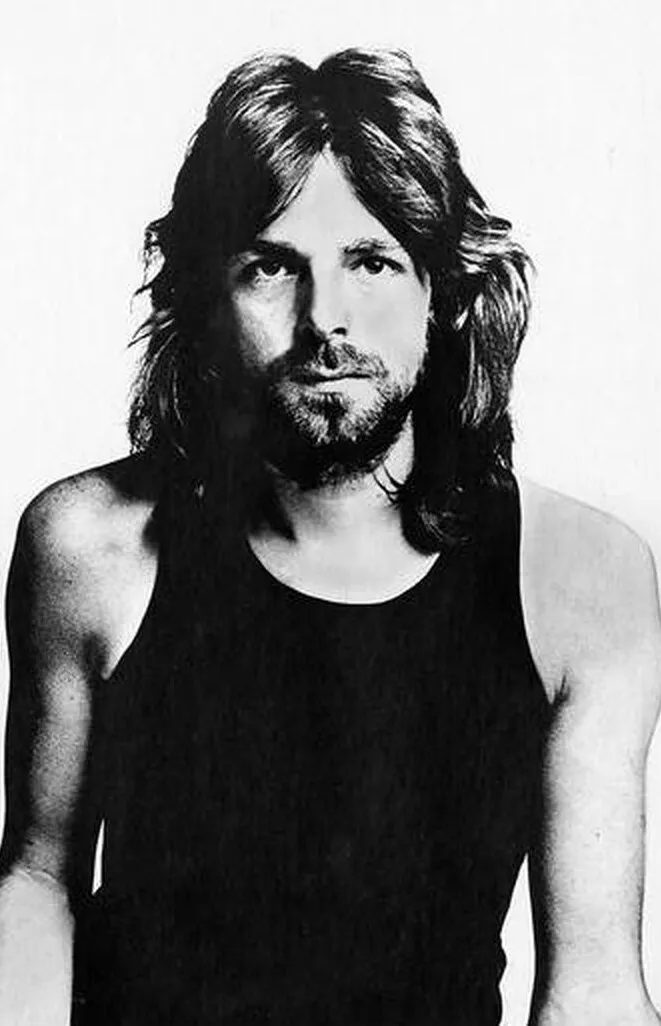
Photo by Capitol Records , licensed under Public domain · Wikimedia Commons
Rank #445
Richard Wright
From Wikipedia
Richard William Wright was an English keyboardist, singer, and songwriter who co-founded the rock band Pink Floyd. He appeared on almost every Pink Floyd album and performed on all of their tours. He was inducted into the Rock and Roll Hall of Fame in 1996 as a member of Pink Floyd.
Deep Dive
Overview
Richard William Wright was an English keyboardist, singer, and songwriter who co-founded Pink Floyd and remained a defining force in the band’s sound across four decades. His work on keyboards—ranging from organ and piano to synthesizers and electronic instruments—was fundamental to Pink Floyd’s evolution from psychedelic pioneers to art rock architects. Though he is remembered primarily for his collaborative output with Pink Floyd, Wright also pursued a parallel solo career, releasing albums that explored similar electronic and experimental terrain on his own terms.
Formation Story
Richard Wright was born in 1943 in the United Kingdom, coming of age during the post-war expansion of British popular music and the emerging youth culture of the 1950s and 1960s. He gravitated toward rock music in his formative years, training as a keyboardist during a period when the electric organ and later the synthesizer were beginning to reshape the sonic possibilities of rock bands. His early musical environment was steeped in the experimental and avant-garde impulses that would come to define British psychedelia. Rather than pursue a strictly solo path from the outset, Wright aligned himself with like-minded musicians who shared an appetite for sonic exploration and unconventional song structures—a collaboration that would ultimately cohere as Pink Floyd and position him at the forefront of 1960s art rock.
Breakthrough Moment
Wright’s breakthrough came as a founding member of Pink Floyd, the Cambridge-based group that emerged from the underground music scene of the mid-1960s. The band’s early psychedelic albums, beginning in 1967, immediately showcased Wright’s keyboard work as central to their identity. His contributions were integral to Pink Floyd’s rapid ascent from local act to international phenomenon, and he appeared on nearly every Pink Floyd studio recording and performance throughout the band’s history. This visibility and creative partnership ensured that Wright’s name became synonymous with Pink Floyd’s sound, even as his solo ambitions occasionally surfaced during the band’s intermissions and breaks.
Peak Era
Wright’s most creatively vital period coincided with Pink Floyd’s own peak years, spanning the late 1960s through the 1980s. During these decades, he evolved from a player of traditional rock keyboards to a master of synthesizer programming and electronic texture, adapting to the technological and stylistic shifts that the band pursued. His ability to blend classical sensibilities with avant-garde electronic experimentation made him invaluable to Pink Floyd’s progression through psychedelia, progressive rock, and the more introspective art rock that followed. The sheer duration of his participation—appearing on studio albums and tours across multiple eras—underscored his essential role in maintaining Pink Floyd’s sonic continuity and creative direction.
Musical Style
Wright’s musicianship was characterized by a deep command of harmonic complexity and an instinct for atmospheric keyboard textures that could elevate rock arrangements into orchestral and experimental realms. His training as a classically-minded musician gave his work a structural sophistication uncommon in rock keyboardists of his era. On organ and piano, he crafted melodic lines and chord progressions that often drove the emotional core of songs; on synthesizer, he created layered electronic landscapes that became a signature element of Pink Floyd’s sound. Wright’s vocal contributions, though less prominent than his instrumental work, added another dimension to the band’s compositions. His style evolved across multiple genres—incorporating elements of art rock, psychedelic rock, progressive rock, jazz, and electronic music—without abandoning the harmonic and melodic sensibility that defined his approach. Unlike some rock keyboardists who favored flash and virtuosity, Wright prioritized texture, space, and emotional resonance, making his playing an exercise in restraint and sophistication.
Major Albums
Wet Dream (1978)
Wright’s first solo album, released during a period of creative ferment in his parallel work with Pink Floyd, explored synthesizer-based compositions and experimental production techniques available to him outside the band context. The album signaled his interest in electronic music and atmospheric soundscaping as standalone pursuits.
Broken China (1996)
Released nearly two decades after his debut, Broken China arrived during Pink Floyd’s own extended hiatus and showcased Wright’s mature compositional voice and evolved approach to digital synthesis and production. The album reflected the technological and artistic developments of the intervening years, presenting a seasoned artist revisiting his solo ambitions.
Signature Songs
- “Echoes” — A Pink Floyd composition that exemplifies Wright’s ability to anchor lengthy, multi-section rock pieces with memorable melodic themes and ethereal keyboard atmospheres.
- “Time” — Features Wright’s organ and synthesizer work as the emotional bedrock of the song, demonstrating his gift for creating haunting, introspective keyboard passages.
- “Shine On You Crazy Diamond” — A piece that highlights Wright’s synthesizer artistry and his talent for constructing layered, evolving electronic textures.
- “Comfortably Numb” — Showcases his piano work as a vehicle for emotional depth, with his keyboard parts integral to the song’s structure and impact.
Influence on Rock
Richard Wright’s influence on rock and art rock cannot be separated from Pink Floyd’s own transformative impact on the genre. As a co-founder and primary keyboard voice, he helped establish the synthesizer as a cornerstone instrument in psychedelic and progressive rock, paving the way for subsequent generations of keyboard-driven bands. His commitment to electronic experimentation and atmospheric production—prioritizing texture over technical display—became a template for art rock and progressive rock practitioners. The integration of classical harmonic thinking with avant-garde sound design that Wright embodied influenced countless musicians who sought to elevate rock music through compositional sophistication and electronic innovation. His work demonstrated that keyboards could serve as more than a rhythm or fill instrument; they could be the primary vehicle for a band’s emotional and sonic identity.
Legacy
Richard Wright’s legacy rests on his indispensable role as co-founder and keyboardist of Pink Floyd, one of rock music’s most commercially successful and artistically influential bands. He was inducted into the Rock and Roll Hall of Fame in 1996 as a member of Pink Floyd, cementing his place in rock history. Though his solo discography remained modest by comparison to his band work, his two albums—Wet Dream and Broken China—stand as evidence of his independent creative vision and his willingness to explore electronic and experimental music on his own. His death in 2008 marked the end of an era, but his recorded output with Pink Floyd continues to define the sound of art rock and psychedelic music for listeners worldwide. Wright’s contributions to keyboard playing and electronic music production remain foundational to how rock musicians approach texture, atmosphere, and harmonic sophistication.
Fun Facts
- Wright was one of the earliest rock musicians to embrace the synthesizer as a primary compositional and performance tool, helping to legitimize the instrument in rock contexts during an era when it was often viewed with skepticism.
- His tenure with Pink Floyd spanned from the band’s formation through multiple reunions and extended hiatuses, making him one of the longest-serving members in the band’s history.
- Beyond his keyboard work, Wright also sang on several Pink Floyd compositions, contributing vocals that added emotional depth to the band’s more introspective material.