
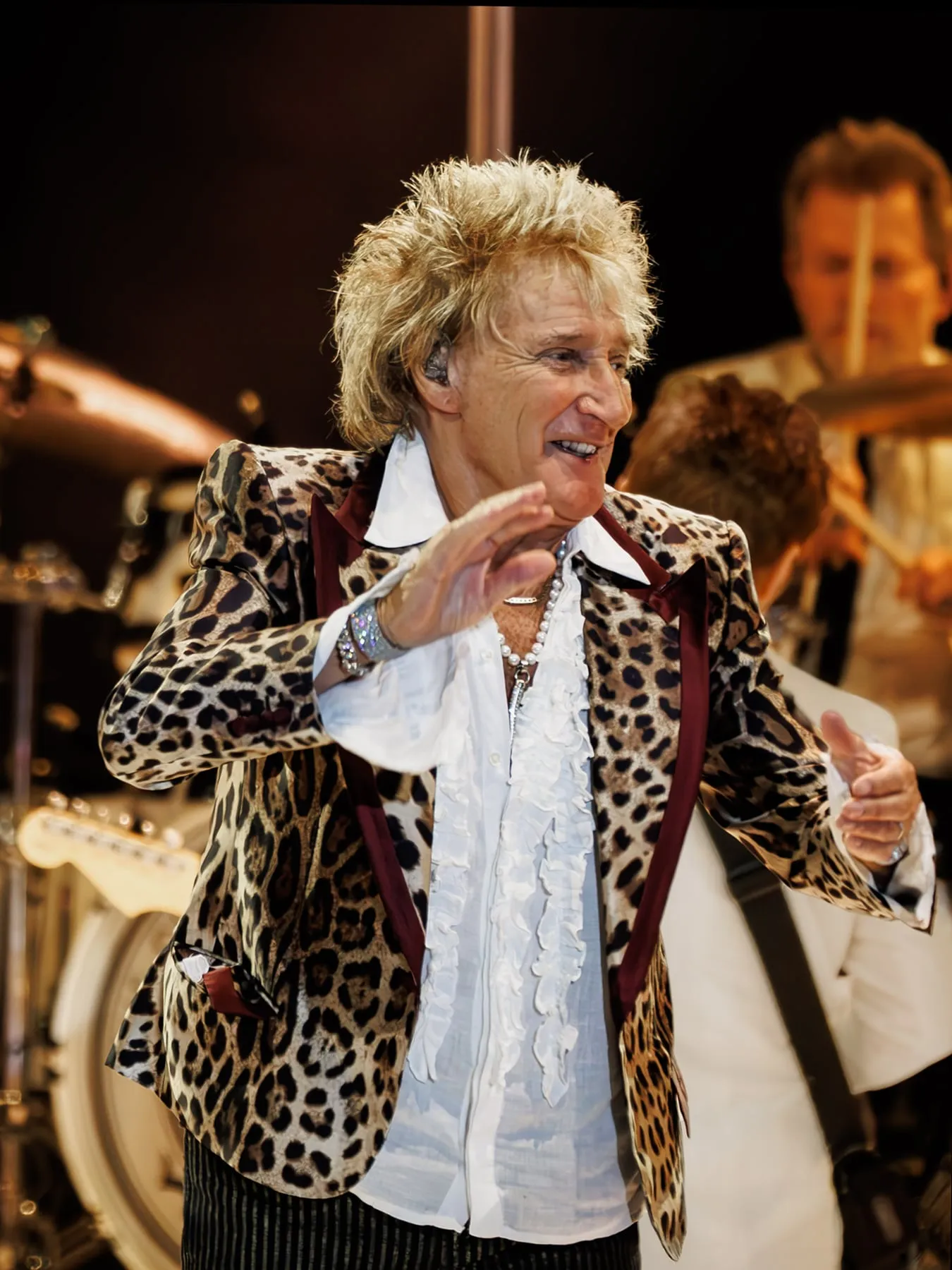
Photo by Michael Cohn Photo , licensed under CC BY-SA 4.0 · Wikimedia Commons
Rank #24
Rod Stewart
From Wikipedia
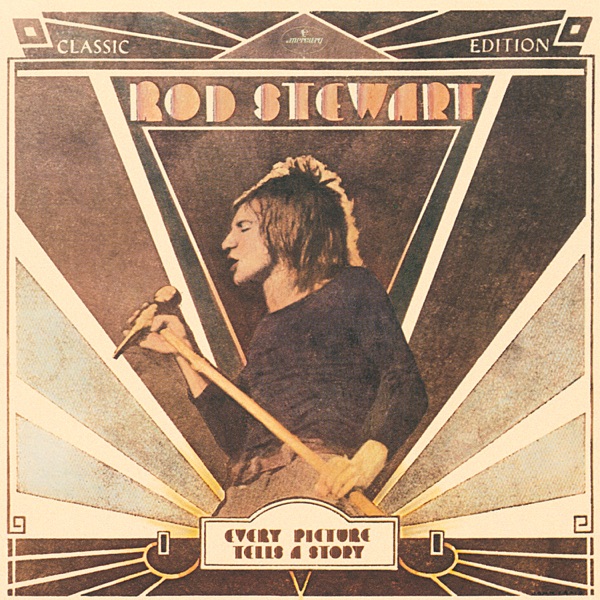
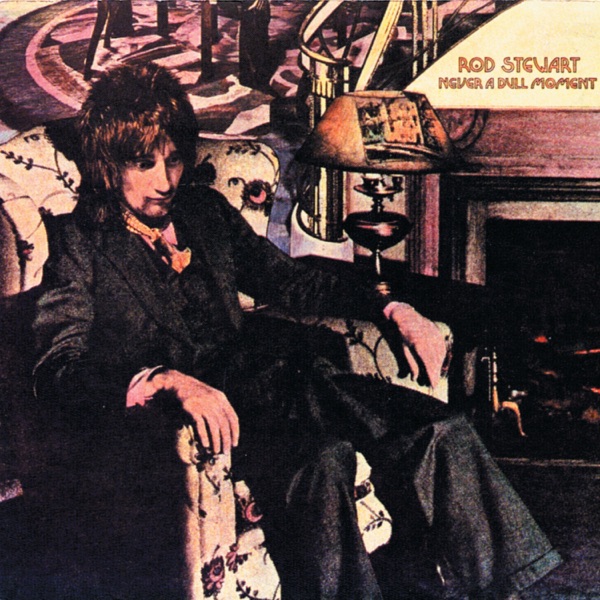
Sir Roderick David Stewart is a British singer and songwriter. Known for his distinctive raspy singing voice, Stewart is among the best-selling music artists of all time, having sold more than 120 million records worldwide. His music career began in 1962 when he took up busking with a harmonica. In 1963, he joined the Dimensions as a harmonica player and vocalist. In 1964, Stewart joined Long John Baldry and the All Stars before moving to the Jeff Beck Group in 1967. Joining Faces in 1969, he also launched a solo career, releasing his debut album, An Old Raincoat Won't Ever Let You Down, that year. Stewart's early albums were a fusion of rock, folk music, soul music, and R&B. His third album, 1971's Every Picture Tells a Story, was his breakthrough, topping the charts in the UK, US, Canada and Australia, as did its single "Maggie May". His 1972 follow-up album, Never a Dull Moment, also reached number one in the UK and Australia, while going top three in the US and Canada. Its single, "You Wear It Well", topped the chart in the UK and was a moderate hit elsewhere.
Discography & Previews
Browse through and click an album to open and play 30-second previews streamed from Apple Music.


Smiler
1974 · 12 tracks
- 1 Sweet Little Rock 'N' Roller ↗ 3:46
- 2 Lochinvar ↗ 0:24
- 3 Farewell ↗ 4:34
- 4 Sailor ↗ 3:37
- 5 Bring It On Home to Me / You Send Me ↗ 3:59
- 6 Let Me Be Your Car ↗ 4:59
- 7 (You Make Me Feel Like) A Natural Man ↗ 3:54
- 8 Dixie Toot ↗ 3:27
- 9 Hard Road ↗ 4:30
- 10 I've Grown Accustomed to Her Face ↗ 1:34
- 11 Girl from the North Country ↗ 3:54
- 12 Mine for Me ↗ 4:03

Atlantic Crossing
1975 · 10 tracks
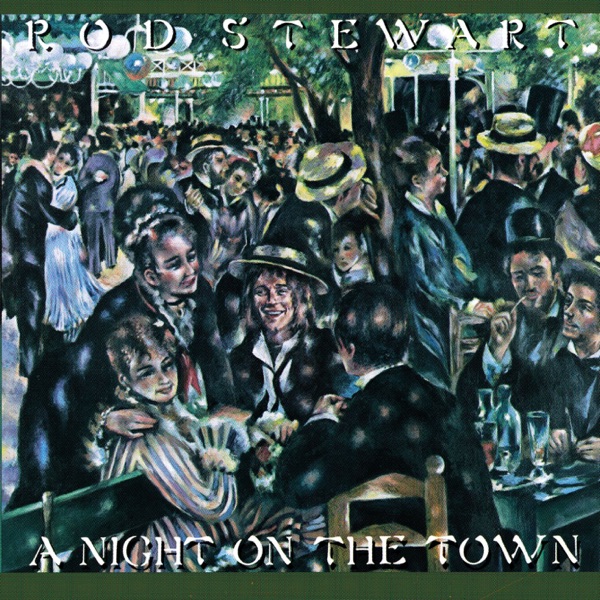
A Night on the Town
1976 · 9 tracks

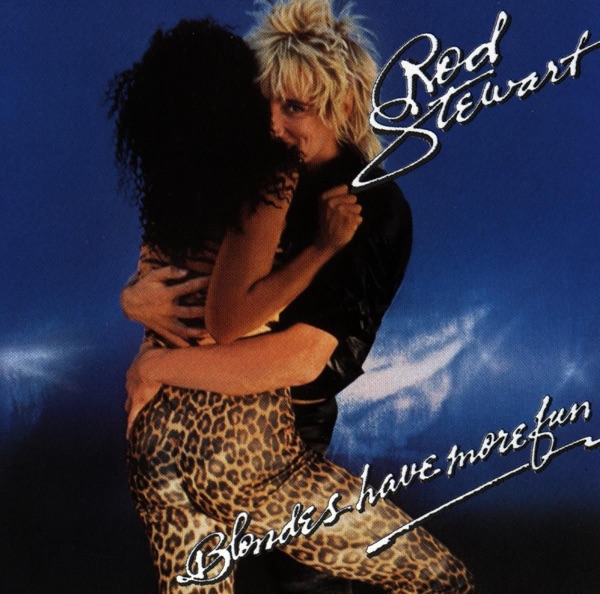
Blondes Have More Fun
1978 · 10 tracks
- 1 Da Ya Think I'm Sexy? ↗ 5:31
- 2 Dirty Weekend ↗ 2:36
- 3 Ain't Love a Bitch ↗ 4:40
- 4 The Best Days of My Life ↗ 4:22
- 5 Is That the Thanks I Get? ↗ 4:33
- 6 Attractive Female Wanted ↗ 4:17
- 7 Blondes (Have More Fun) ↗ 3:47
- 8 Last Summer ↗ 4:05
- 9 Standin' In the Shadows of Love ↗ 4:28
- 10 Scarred and Scared ↗ 4:55
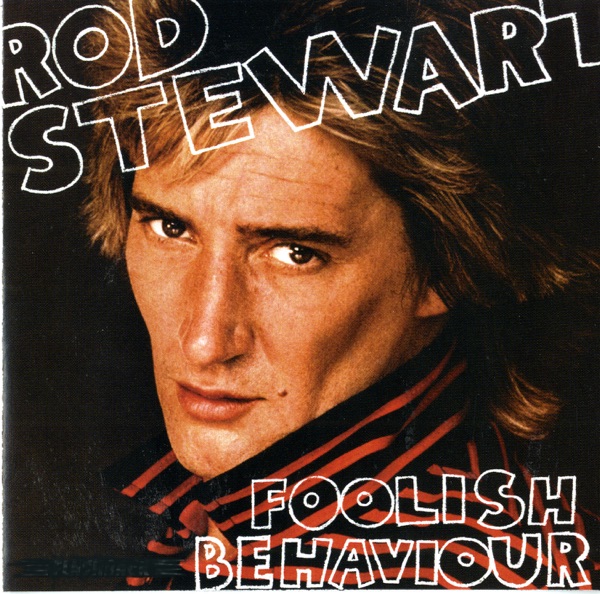
Foolish Behaviour
1980 · 10 tracks


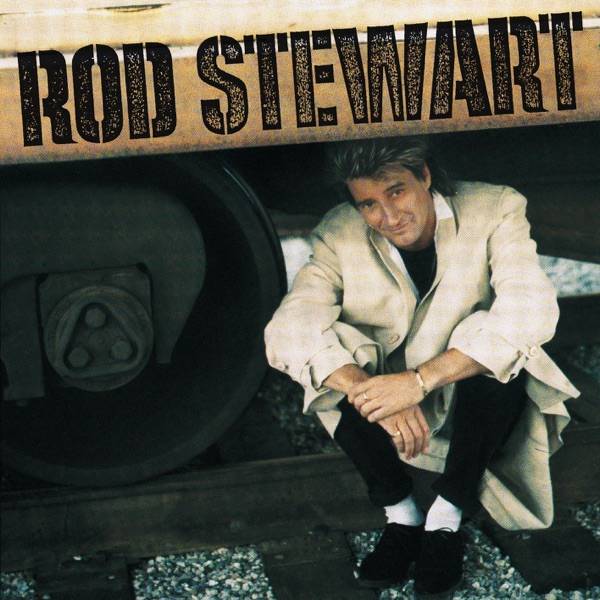
Every Beat of My Heart
1986 · 10 tracks
- 1 Here to Eternity ↗ 6:02
- 2 Another Heartache ↗ 4:29
- 3 A Night Like This ↗ 4:06
- 4 Who's Gonna Take Me Home (The Rise and Fall of a Budding Gigolo) ↗ 4:40
- 5 Red Hot In Black ↗ 3:18
- 6 Love Touch (Theme from "Legal Eagles") ↗ 4:04
- 7 In My Own Crazy Way ↗ 3:16
- 8 Every Beat of My Heart ↗ 5:19
- 9 Ten Days of Rain ↗ 5:23
- 10 In My Life ↗ 1:56
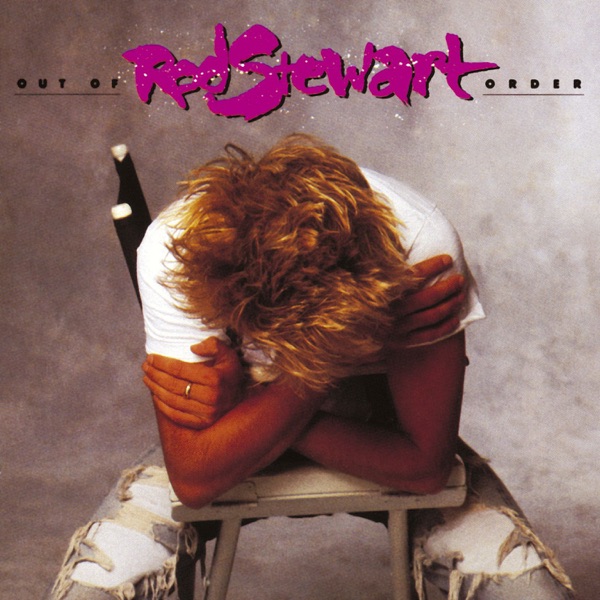
Out of Order
1988 · 11 tracks
- 1 Lost In You ↗ 5:02
- 2 The Wild Horse ↗ 5:02
- 3 Lethal Dose of Love ↗ 4:40
- 4 Forever Young ↗ 4:08
- 5 My Heart Can't Tell You No ↗ 5:15
- 6 Dynamite ↗ 4:21
- 7 Nobody Knows You When You're Down and Out ↗ 3:54
- 8 Crazy About Her ↗ 4:59
- 9 Try a Little Tenderness ↗ 4:32
- 10 When I Was Your Man ↗ 5:14
- 11 Almost Illegal ↗ 4:27
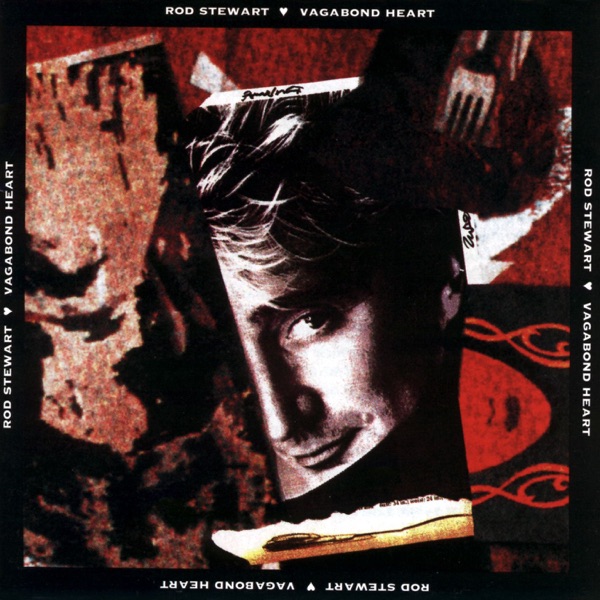
Vagabond Heart
1991 · 12 tracks
- 1 Rhythm of My Heart ↗ 4:15
- 2 Rebel Heart ↗ 4:10
- 3 Broken Arrow ↗ 4:27
- 4 It Takes Two ↗ 4:14
- 5 When a Man's In Love ↗ 5:34
- 6 You Are Everything ↗ 4:10
- 7 The Motown Song ↗ 4:00
- 8 Go Out Dancing ↗ 4:20
- 9 No Holding Back ↗ 5:47
- 10 Have I Told You Lately ↗ 4:02
- 11 Moment of Glory ↗ 4:47
- 12 If Only ↗ 4:57

A Spanner in the Works
1995 · 12 tracks

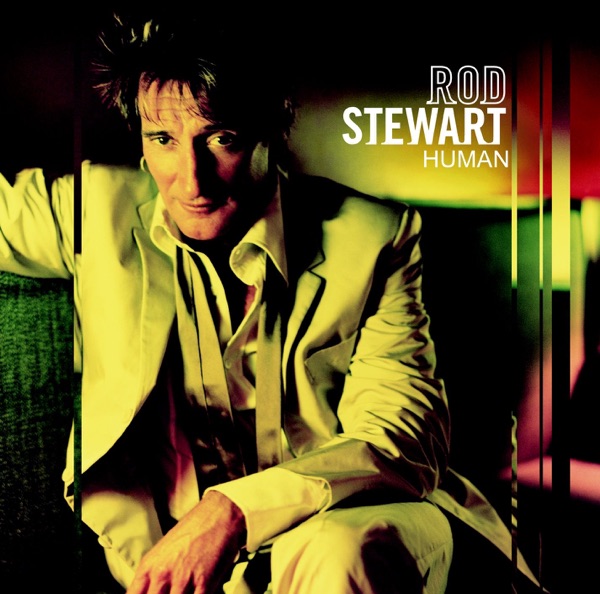
Human
2001 · 11 tracks
- 1 Human ↗ 3:48
- 2 Smitten ↗ 5:00
- 3 Don't Come Around Here (With Helicopter Girl) ↗ 3:49
- 4 Soul On Soul ↗ 4:31
- 5 Loveless ↗ 4:00
- 6 If I Had You ↗ 4:18
- 7 Charlie Parker Loves Me ↗ 4:41
- 8 It Was Love That We Needed ↗ 4:12
- 9 To Be With You ↗ 3:56
- 10 Run Back Into Your Arms ↗ 3:26
- 11 I Can't Deny It ↗ 3:44

It Had to Be You… The Great American Songbook
2002 · 14 tracks
- 1 You Go to My Head ↗ 4:17
- 2 They Can't Take That Away from Me ↗ 3:25
- 3 The Way You Look Tonight ↗ 3:48
- 4 It Had to Be You ↗ 3:24
- 5 That Old Feeling ↗ 2:54
- 6 These Foolish Things ↗ 3:48
- 7 The Very Thought of You ↗ 3:19
- 8 Moonglow ↗ 3:33
- 9 I'll Be Seeing You ↗ 3:51
- 10 Every Time We Say Goodbye ↗ 3:27
- 11 The Nearness of You ↗ 3:00
- 12 For All We Know ↗ 3:25
- 13 We'll Be Together Again ↗ 3:54
- 14 That's All ↗ 3:06

As Time Goes By… The Great American Songbook, Vol. II
2003 · 14 tracks
- 1 Time After Time ↗ 2:59
- 2 I'm In the Mood for Love ↗ 3:07
- 3 Don't Get Around Much Anymore ↗ 2:48
- 4 Bewitched, Bothered & Bewildered (feat. Cher) ↗ 4:13
- 5 'Till There Was You ↗ 2:51
- 6 Until the Real Thing Comes Along ↗ 3:38
- 7 Where or When ↗ 3:10
- 8 Smile ↗ 3:12
- 9 My Heart Stood Still ↗ 3:03
- 10 Someone to Watch Over Me (feat. Queen Latifah) ↗ 3:30
- 11 As Time Goes By (feat. Queen Latifah) ↗ 3:49
- 12 I Only Have Eyes for You ↗ 3:06
- 13 Crazy She Calls Me ↗ 3:27
- 14 Our Love Is Here to Stay ↗ 2:57

Still the Same… Great Rock Classics of Our Time
2006 · 13 tracks
- 1 Have You Ever Seen the Rain ↗ 3:12
- 2 Fooled Around and Fell In Love ↗ 3:48
- 3 I'll Stand By You ↗ 4:29
- 4 Still the Same ↗ 3:38
- 5 It's a Heartache ↗ 3:33
- 6 Day After Day ↗ 3:07
- 7 Missing You ↗ 4:18
- 8 Father & Son ↗ 3:37
- 9 The Best of My Love ↗ 3:44
- 10 If Not for You ↗ 3:36
- 11 Love Hurts ↗ 3:47
- 12 Everything I Own ↗ 3:06
- 13 Crazy Love ↗ 2:43

Soulbook
2009 · 13 tracks
- 1 It's the Same Old Song ↗ 4:16
- 2 My Cherie Amour (feat. Stevie Wonder) ↗ 3:11
- 3 You Make Me Feel Brand New (with Mary J. Blige) ↗ 4:36
- 4 (Your Love Keeps Lifting Me) Higher and Higher ↗ 3:20
- 5 Tracks of My Tears ↗ 3:35
- 6 Let It Be Me (with Jennifer Hudson) ↗ 3:18
- 7 Rainy Night In Georgia ↗ 4:12
- 8 What Becomes of the Broken Hearted ↗ 3:20
- 9 Love Train ↗ 3:04
- 10 You've Really Got a Hold On Me ↗ 3:19
- 11 Wonderful World ↗ 3:34
- 12 If You Don't Know Me By Now ↗ 3:59
- 13 Just My Imagination ↗ 3:32

Merry Christmas, Baby
2012 · 13 tracks
- 1 Have Yourself a Merry Little Christmas ↗ 4:31
- 2 Santa Claus Is Coming to Town ↗ 2:48
- 3 Winter Wonderland (feat. Michael Bublé) ↗ 2:26
- 4 White Christmas ↗ 3:49
- 5 Merry Christmas, Baby (feat. Cee Lo Green & Trombone Shorty) ↗ 3:54
- 6 Let It Snow! Let It Snow! Let It Snow! (feat. Dave Koz) ↗ 2:51
- 7 What Are You Doing New Year's Eve? (feat. Ella Fitzgerald & Chris Botti) ↗ 3:44
- 8 Blue Christmas ↗ 3:31
- 9 Red-Suited Super Man (feat. Trombone Shorty) ↗ 3:11
- 10 When You Wish Upon a Star ↗ 3:47
- 11 We Three Kings (feat. Mary J. Blige) ↗ 3:28
- 12 Silent Night ↗ 4:24
- 13 Auld Lang Syne ↗ 3:45
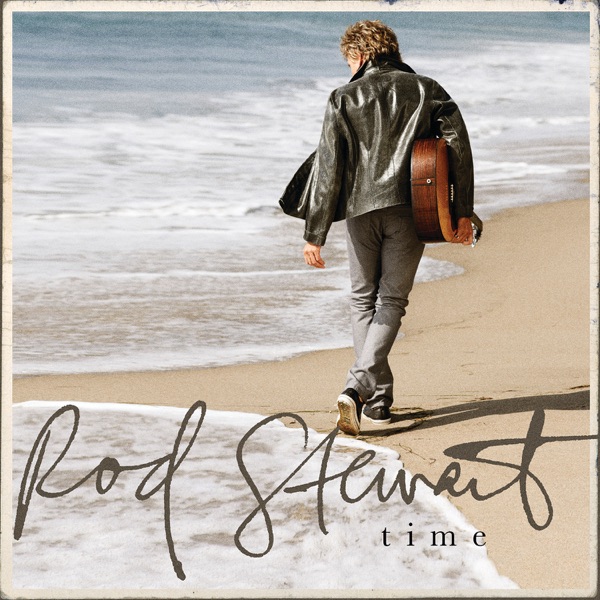
Time
2013 · 12 tracks

Another Country
2015 · 12 tracks
- 1 Love Is ↗ 3:56
- 2 Please ↗ 4:23
- 3 Walking In the Sunshine ↗ 4:31
- 4 Love and Be Loved ↗ 2:55
- 5 We Can Win ↗ 5:01
- 6 Another Country ↗ 3:30
- 7 Way Back Home ↗ 4:36
- 8 Can We Stay Home Tonight? ↗ 4:04
- 9 Batman Superman Spiderman ↗ 3:34
- 10 The Drinking Song ↗ 3:38
- 11 Hold the Line ↗ 4:05
- 12 A Friend for Life ↗ 4:43

Blood Red Roses
2018 · 13 tracks
- 1 Look in Her Eyes ↗ 4:12
- 2 Hole in My Heart ↗ 3:27
- 3 Farewell ↗ 4:16
- 4 Didn't I (feat. Bridget Cady) ↗ 4:01
- 5 Blood Red Roses ↗ 3:41
- 6 Grace ↗ 4:52
- 7 Give Me Love ↗ 4:08
- 8 Rest of My Life ↗ 3:28
- 9 Rollin' & Tumblin' ↗ 3:37
- 10 Julia ↗ 3:35
- 11 Honey Gold ↗ 4:44
- 12 Vegas Shuffle ↗ 3:47
- 13 Cold Old London (feat. Bridget Cady) ↗ 3:41
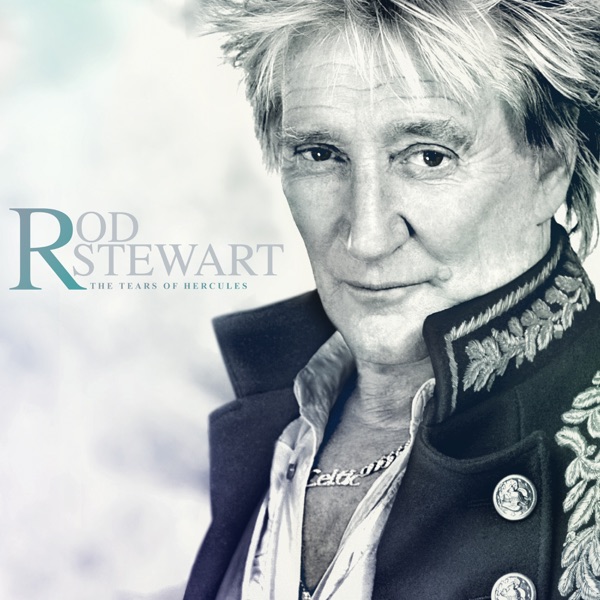
The Tears of Hercules
2021 · 12 tracks
- 1 One More Time ↗ 3:58
- 2 Gabriella ↗ 3:33
- 3 All My Days ↗ 3:37
- 4 Some Kind Of Wonderful ↗ 3:03
- 5 Born To Boogie (A Tribute To Marc Bolan) ↗ 3:44
- 6 Kookooaramabama ↗ 3:44
- 7 I Can't Imagine ↗ 3:36
- 8 The Tears Of Hercules ↗ 4:11
- 9 Hold On ↗ 4:19
- 10 Precious Memories ↗ 4:00
- 11 These Are My People ↗ 2:58
- 12 Touchline ↗ 3:56
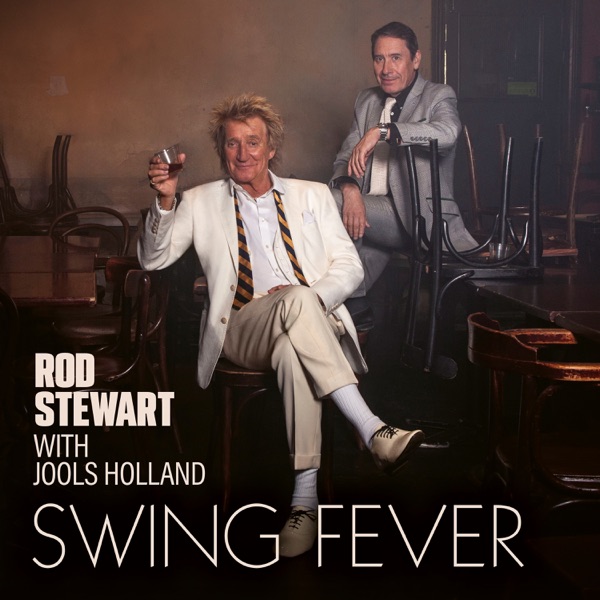
Swing Fever
2024 · 13 tracks
- 1 Lullaby of Broadway ↗ 5:03
- 2 Oh Marie ↗ 2:33
- 3 Sentimental Journey ↗ 2:55
- 4 Pennies from Heaven ↗ 2:59
- 5 Night Train ↗ 2:57
- 6 Love is the Sweetest Thing ↗ 2:56
- 7 Them There Eyes ↗ 2:25
- 8 Good Rockin' Tonight ↗ 2:50
- 9 Ain't Misbehavin' ↗ 2:26
- 10 Frankie and Johnny ↗ 3:02
- 11 Walkin' My Baby Back Home ↗ 2:19
- 12 Almost Like Being in Love ↗ 2:40
- 13 Tennessee Waltz ↗ 3:21
-
 Gasoline AlleyRod Stewart19709 tracks
 -
 Every Picture Tells a StoryRod Stewart19718 tracks
 -
 Never a Dull MomentRod Stewart19729 tracks
 -
 SmilerRod Stewart197412 tracks
 -
 Atlantic CrossingRod Stewart197510 tracks
 -
 A Night on the TownRod Stewart19769 tracks
 -
 Foot Loose & Fancy FreeRod Stewart19778 tracks
 -
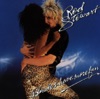 Blondes Have More FunRod Stewart197810 tracks
 -
 Foolish BehaviourRod Stewart198010 tracks
 -
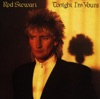 Tonight I’m YoursRod Stewart198110 tracks
 -
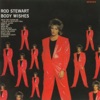 Body WishesRod Stewart198310 tracks
 -
 CamouflageRod Stewart19848 tracks
 -
 Every Beat of My HeartRod Stewart198610 tracks
 -
 Out of OrderRod Stewart198811 tracks
 -
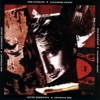 Vagabond HeartRod Stewart199112 tracks
 -
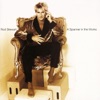 A Spanner in the WorksRod Stewart199512 tracks
 -
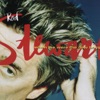 When We Were the New BoysRod Stewart199810 tracks
 -
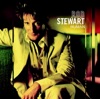 HumanRod Stewart200111 tracks
 -
 It Had to Be You… The Great American SongbookRod Stewart200214 tracks
 -
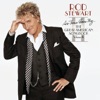 As Time Goes By… The Great American Songbook, Vol. IIRod Stewart200314 tracks
 -
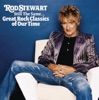 Still the Same… Great Rock Classics of Our TimeRod Stewart200613 tracks
 -
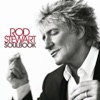 SoulbookRod Stewart200913 tracks
 -
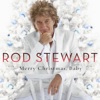 Merry Christmas, BabyRod Stewart201213 tracks
 -
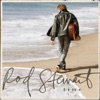 TimeRod Stewart201312 tracks
 -
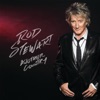 Another CountryRod Stewart201512 tracks
 -
 Blood Red RosesRod Stewart201813 tracks
 -
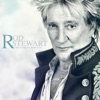 The Tears of HerculesRod Stewart202112 tracks
 -
 Swing FeverRod Stewart202413 tracks
Deep Dive
Overview
Rod Stewart stands among the most commercially successful recording artists in rock history, having sold more than 120 million records worldwide. Born in London in 1945, Stewart built his career on a distinctive raspy baritone voice paired with a gift for interpretive balladry and rock-soul fusion. His music career spanned from early-1960s busking through nearly six decades of studio and touring work, crossing genre boundaries from blues-rock and R&B to standard songs and holiday recordings. The combination of his vocal character, his ability to inhabit both rock anthems and intimate folk-influenced ballads, and his sustained commercial appeal across multiple eras secured his position as a foundational figure in post-war rock music.
Formation Story
Stewart’s entry into professional music began in 1962, when he took up busking with a harmonica, learning the instrument through blues records and street performance in London. In 1963, he joined the Dimensions as a harmonica player and vocalist, beginning his transition from busker to session and ensemble musician. A year later, in 1964, he moved to Long John Baldry and the All Stars, where he sharpened his vocal technique and stage presence working alongside an established blues bandleader. In 1967, he joined the Jeff Beck Group, the high-profile British blues-rock outfit fronted by guitarist Jeff Beck. This apprenticeship—moving through multiple ensembles, each one more prominent than the last—placed Stewart in the heart of London’s blues revival and positioned him to launch a solo career from a place of visibility and musical credibility.
Breakthrough Moment
While Stewart joined the Faces in 1969 (a working group that would anchor much of his live work), he simultaneously released his debut solo album that same year, An Old Raincoat Won’t Ever Let You Down, establishing a dual career path that would persist. His early solo albums drew on the blues, folk, soul, and R&B fusion that had animated British rock since the mid-1960s, but it was 1971’s Every Picture Tells a Story that opened the mainstream gates entirely. The album topped the UK, US, Canadian, and Australian charts, and its lead single, “Maggie May,” became a defining hit, confirming Stewart as a major international recording artist. The immediate follow-up, Never a Dull Moment in 1972, sustained the momentum, reaching number one in the UK and Australia and the top three in both the US and Canada. Its single “You Wear It Well” became a UK chart-topper, establishing Stewart as one of rock’s most commercially reliable songwriters and performers.
Peak Era
The years 1971 to 1978 constituted Stewart’s commercial and creative apex. Following Every Picture Tells a Story and Never a Dull Moment, he released Smiler (1974), Atlantic Crossing (1975)—which consolidated his transatlantic appeal—A Night on the Town (1976), and Foot Loose & Fancy Free (1977). This run yielded consistent chart presence and sold-out international tours, establishing him as a superstar whose appeal transcended demographic boundaries. His 1978 album Blondes Have More Fun extended this dominance into the late 1970s, proving his adaptability as styles shifted around him. During this period, Stewart’s raspy voice, his gift for reworking folk and soul numbers as rock-pop statements, and his stage charisma defined him as one of the era’s most bankable artists.
Musical Style
Stewart’s vocal signature—a gravelly, emotionally direct baritone with a natural rasp—distinguished him from his British rock contemporaries and became instantly recognizable across radio formats from album-rock to pop stations. His songwriting and interpretation drew freely from blues, folk traditions, soul phrasing, and R&B chord structures, creating a fusion that felt neither exclusively rock nor strictly defined by genre boundaries. Early albums like An Old Raincoat Won’t Ever Let You Down and Gasoline Alley (1970) emphasized this eclecticism, pairing electric guitar work with harmonica, acoustic guitars, and string arrangements that reflected folk and soul influences. As his career progressed into the mid-1970s, Stewart’s production choices grew more contemporary, incorporating the synthesizers and rhythm approaches of mid-to-late-1970s rock and pop without abandoning his blues-informed vocal delivery. His later catalog—particularly the Great American Songbook series beginning in 2002—showed his facility with standards and jazz-influenced material, extending his range into terrain typically associated with older, more establishment-oriented artists.
Major Albums
Every Picture Tells a Story (1971)
Stewart’s third solo album and his first platinum breakthrough, topping charts in the UK, US, Canada, and Australia. The album established his ability to blend rock sensibility with folk instrumentation and soul-influenced phrasing.
Never a Dull Moment (1972)
A rapid follow-up that consolidated his success, reaching number one in the UK and Australia and the top three in the US and Canada. The single “You Wear It Well” became a UK chart-topper, confirming his status as a major recording artist.
Atlantic Crossing (1975)
Released during his peak commercial period, this album solidified Stewart’s appeal across North American and British markets, reinforcing his position as a superstar capable of sustaining multi-platinum careers.
A Night on the Town (1976)
Continuing the run of consistent bestsellers throughout the 1970s, this album demonstrated Stewart’s sustained commercial momentum and artistic staying power.
Vagabond Heart (1991)
A later career album that showed Stewart’s continued relevance and recording activity, released after the 1980s and extending his professional presence into the 1990s.
Signature Songs
- “Maggie May” — The breakthrough single from Every Picture Tells a Story that became Stewart’s signature hit and UK chart-topper, blending folk-ballad structure with rock urgency.
- “You Wear It Well” — A UK number-one single from Never a Dull Moment that showcased Stewart’s interpretive gifts with a melodic pop-rock vehicle.
- “Reason to Believe” — An early Stewart composition that exemplified his ability to merge folk sensibility with rock instrumentation and emotional directness.
- “Stay With Me” — A rock-soul number that highlighted his raspy vocal character and his comfort with rhythm-and-blues-influenced material.
Influence on Rock
Stewart’s commercial success and vocal character influenced how subsequent rock artists approached the integration of folk, blues, and R&B traditions into mainstream rock and pop. His raspy voice became a template for authenticity and emotional directness, proving that unconventional vocal qualities could drive multi-platinum careers. The fusion approach he pioneered—treating rock as a vessel for blues harmonica, folk lyrics, and soul phrasing—opened pathways for later artists who resisted strict genre categorization. His sustained success across multiple decades also established a model for rock longevity, demonstrating that artists could evolve stylistically (from blues-rock to standards interpretations) while maintaining core fan loyalty and commercial viability. His work with the Faces and in his solo capacity influenced how rock musicians approached both group and solo careers simultaneously, a dual pathway that became increasingly common among major rock figures.
Legacy
Rod Stewart remains one of the best-selling music artists of all time, with over 120 million records sold worldwide across studio albums, live recordings, and compilations. His career—spanning from 1962 busking to releases in the 2020s—represents one of rock’s longest and most commercially consistent trajectories. The breadth of his catalog, from blues-rock originals to orchestral standards, reflects an artist unafraid of genre evolution and audience expansion. His influence on how rock vocalists approach interpretation, phrasing, and emotional delivery remains evident across contemporary music. Stewart’s knighthood (reflected in his formal title, Sir Roderick David Stewart) acknowledges his cultural significance beyond music. His ability to sustain recording and touring activity into his eighth decade underscores his enduring appeal and the durability of the musical foundation he established in the early 1970s.
Fun Facts
- Stewart began his musical life not as a vocalist but as a busking harmonica player, an instrument that remained part of his artistic identity and occasionally featured in studio recordings throughout his career.
- He maintained a dual career as both a solo artist and member of the Faces, beginning in 1969, allowing him to balance solo album releases with group touring and recording.
- His 2002 album It Had to Be You… The Great American Songbook marked a late-career stylistic pivot toward jazz standards and classic American songs, a direction that became a sustained focus of his 2000s and 2010s recordings.
- Stewart’s commercial reign extended from the early 1970s through multiple musical eras—from glam rock through disco, punk, new wave, and into the contemporary streaming age—an unusually sustained period of relevance for a rock artist.