

Photo by Davidwbaker , licensed under CC BY-SA 3.0 · Wikimedia Commons
Rank #416
Shawn Colvin
From Wikipedia
Shawna Lee "Shawn" Colvin is an American singer and songwriter. She began her career performing in several folk and rock bands throughout the 1970s and 1980s before touring with Suzanne Vega in 1988, which landed her a recording contract with Columbia Records. Her debut studio album Steady On (1989) received the Grammy Award for Best Contemporary Folk Album. Her subsequent albums Fat City (1992) and Cover Girl (1994) saw moderate commercial success before Colvin's fourth studio album A Few Small Repairs (1996) saw the large success of the single "Sunny Came Home", which received the Grammy Award for Song of the Year and Record of the Year. Colvin's career also gained a following in the 1990s after she performed during all three original iterations of the Lilith Fair music festival. Following the release of her fifth studio album Whole New You (2001), Colvin signed with Nonesuch Records for her next two studio albums These Four Walls (2006) and All Fall Down (2012), both of which saw continued moderate success. Her most recent studio releases include Uncovered (2015) and The Starlighter (2018). William Morrow published Colvin's memoir Diamond in the Rough in 2012 to a positive reception.
Discography & Previews
Browse through and click an album to open and play 30-second previews streamed from Apple Music.
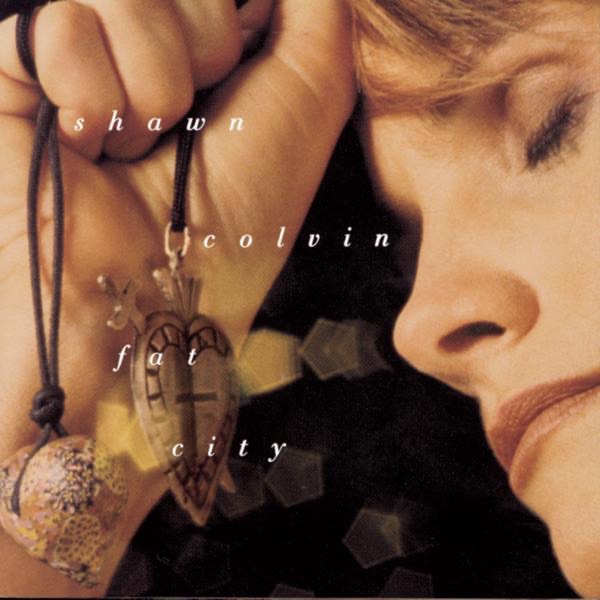
Fat City
1992 · 11 tracks
- 1 Polaroids ↗ 5:52
- 2 Tennessee ↗ 4:21
- 3 Tenderness On the Block ↗ 5:05
- 4 Round of Blues ↗ 4:44
- 5 Monopoly ↗ 4:24
- 6 Orion In the Sky ↗ 6:38
- 7 Climb On (A Back That's Strong) ↗ 4:16
- 8 Set the Prairie On Fire ↗ 6:58
- 9 Object of My Affection ↗ 3:50
- 10 Kill the Messenger ↗ 4:36
- 11 I Don't Know Why ↗ 4:38
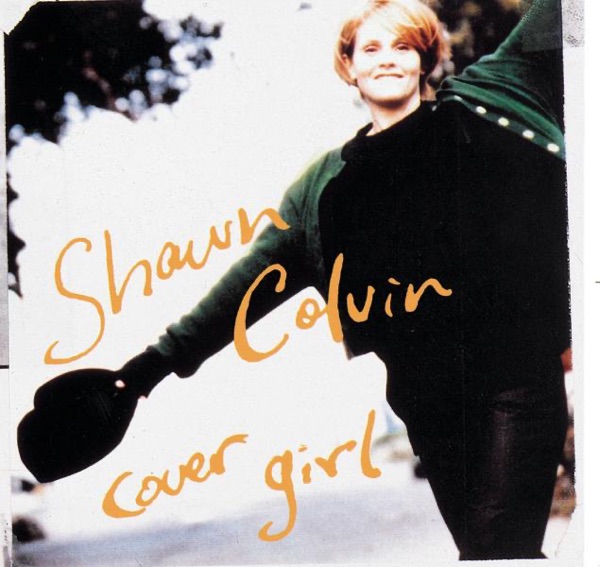
Cover Girl
1994 · 12 tracks
- 1 Every Little Thing (He) Does Is Magic ↗ 3:16
- 2 (Looking For) The Heart of Saturday (Live) ↗ 3:35
- 3 One Cool Remove ↗ 3:18
- 4 Satin Sheets (Live) ↗ 3:08
- 5 There's a Rugged Road ↗ 3:41
- 6 Killing the Blues ↗ 3:45
- 7 Window to the World ↗ 5:13
- 8 Someday ↗ 4:07
- 9 Twilight (Live) ↗ 2:53
- 10 If These Walls Could Speak ↗ 3:02
- 11 This Must Be the Place (Naive Melody) [Live] ↗ 4:01
- 12 You're Gonna Make Me Lonesome When You Go (Live) ↗ 4:11

A Few Small Repairs
1996 · 12 tracks
- 1 Sunny Came Home ↗ 4:24
- 2 Get Out of This House ↗ 4:15
- 3 The Facts About Jimmy ↗ 5:22
- 4 You and the Mona Lisa ↗ 4:05
- 5 Trouble ↗ 4:17
- 6 I Want It Back ↗ 4:55
- 7 If I Were Brave ↗ 3:11
- 8 Wichita Skyline ↗ 3:39
- 9 84,000 Different Delusions ↗ 4:01
- 10 Suicide Alley ↗ 5:29
- 11 New Thing Now ↗ 3:34
- 12 Nothin On Me ↗ 3:56
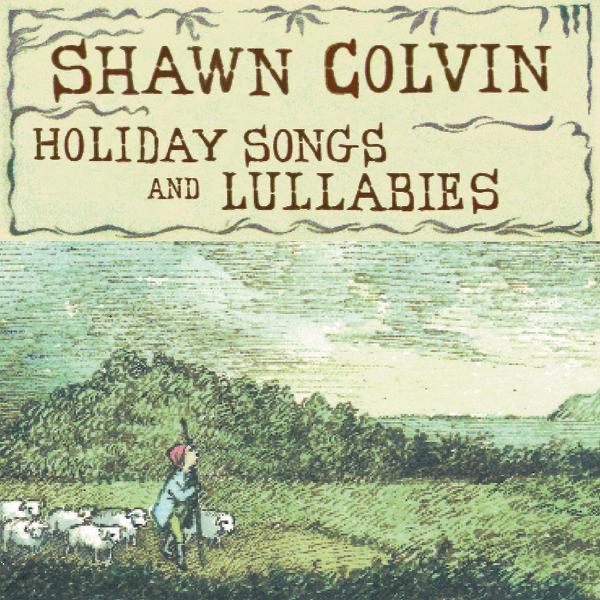
Holiday Songs and Lullabies
1998 · 14 tracks
- 1 In the Bleak Mid-Winter ↗ 4:04
- 2 Christmas Time Is Here ↗ 2:37
- 3 Now The Day Is Over ↗ 1:47
- 4 Rocking ↗ 2:33
- 5 Windy Nights ↗ 3:10
- 6 All Through The Night ↗ 2:03
- 7 Love Came Down at Christmas ↗ 3:04
- 8 Silent Night ↗ 3:22
- 9 All The Pretty Li'l Horses ↗ 1:43
- 10 Little Road To Bethlehem ↗ 2:52
- 11 Seal Lullaby ↗ 2:05
- 12 Evening Is A Little Boy / The Night Will Never Stay ↗ 3:09
- 13 The Christ Child's Lullaby ↗ 2:19
- 14 Close Your Eyes ↗ 1:39
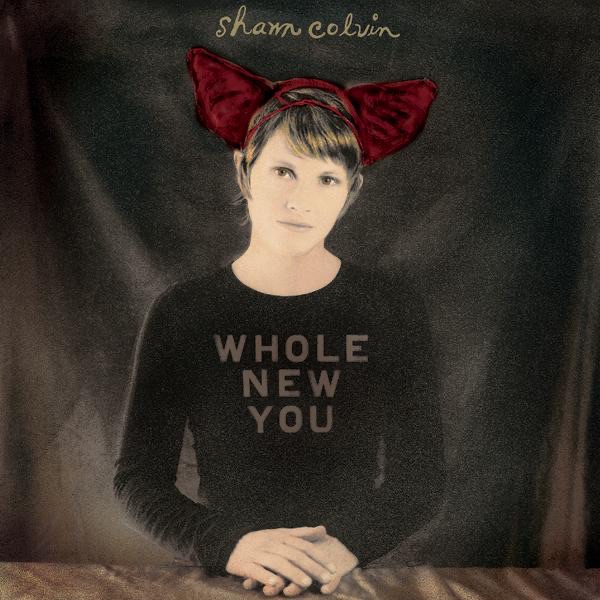
Whole New You
2001 · 11 tracks
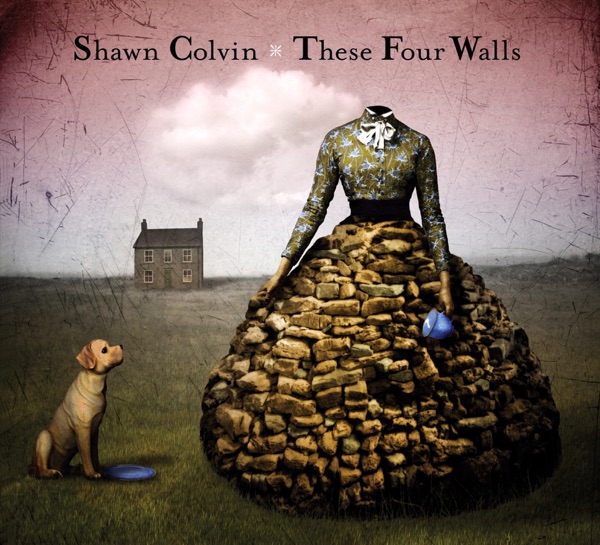
These Four Walls
2006 · 14 tracks
- 1 Fill Me Up ↗ 3:39
- 2 These Four Walls ↗ 2:57
- 3 Tuff Kid ↗ 3:08
- 4 Summer Dress ↗ 4:22
- 5 Cinnamon Road ↗ 3:51
- 6 Venetian Blue ↗ 3:46
- 7 The Bird ↗ 3:10
- 8 I'm Gone ↗ 2:53
- 9 Let It Slide ↗ 4:17
- 10 Even Here We Are ↗ 2:45
- 11 So Good to See You ↗ 3:44
- 12 That Don't Worry Me Now ↗ 3:40
- 13 Words ↗ 2:30
- 14 Wild Country ↗ 2:10

All Fall Down
2012 · 11 tracks
- 1 All Fall Down ↗ 3:48
- 2 American Jerusalem ↗ 5:13
- 3 Knowing What I Know Now ↗ 3:23
- 4 Seven Times the Charm ↗ 4:25
- 5 Anne of the Thousand Days ↗ 4:26
- 6 The Neon Light of the Saints ↗ 2:54
- 7 Change Is On the Way ↗ 3:15
- 8 I Don't Know You ↗ 3:31
- 9 Fall of Rome ↗ 3:54
- 10 Up On That Hill ↗ 3:44
- 11 On My Own ↗ 3:01

Uncovered
2015 · 12 tracks
- 1 Tougher Than the Rest ↗ 4:26
- 2 American Tune ↗ 3:59
- 3 Baker Street (feat. David Crosby) ↗ 4:31
- 4 Hold On ↗ 4:18
- 5 I Used To Be a King ↗ 5:09
- 6 Private Universe ↗ 3:55
- 7 Heaven Is Ten Zillion Light Years Away ↗ 5:12
- 8 Gimme a Little Sign (feat. Marc Cohn) ↗ 3:10
- 9 Acadian Driftwood ↗ 6:31
- 10 Lodi ↗ 3:13
- 11 Not a Drop of Rain ↗ 4:35
- 12 ‘Til I Get It Right ↗ 3:19
-
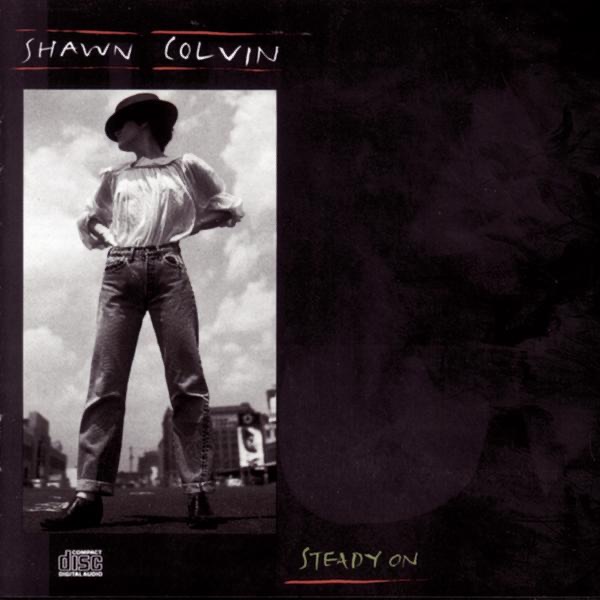
 Steady OnShawn Colvin198910 tracks
 -
 Fat CityShawn Colvin199211 tracks
 -
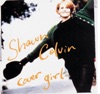 Cover GirlShawn Colvin199412 tracks
 -
 A Few Small RepairsShawn Colvin199612 tracks
 -
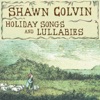 Holiday Songs and LullabiesShawn Colvin199814 tracks
 -
 Whole New YouShawn Colvin200111 tracks
 -
 These Four WallsShawn Colvin200614 tracks
 -
 All Fall DownShawn Colvin201211 tracks
 -
 UncoveredShawn Colvin201512 tracks
Deep Dive
Overview
Shawn Colvin is an American singer-songwriter whose career traces a deliberate arc from journeyman folk and rock performer to Grammy-recognized artist at the height of 1990s alternative folk prominence. Born in 1956, Colvin built her reputation through nearly two decades of touring and session work before achieving mainstream commercial success in the mid-1990s. Her breakthrough single “Sunny Came Home” became the defining moment of her career, a song that transcended its folk-pop origins to reach broad audiences and earned twin Grammy Awards for Song of the Year and Record of the Year in 1998.
Formation Story
Colvin emerged from the American folk and rock tradition that flourished in the 1970s and 1980s. She spent much of the late 1970s and 1980s performing in various folk and rock bands, building her craft as both a guitarist and vocalist while absorbing the aesthetics of contemporary singer-songwriter culture. This period of apprenticeship, though less visible than mainstream radio play, proved essential to her artistic development. By 1988, Colvin’s reputation had grown enough that she was invited to tour as a backing musician for Suzanne Vega, a move that proved pivotal—the touring slot led directly to a recording contract with Columbia Records, positioning her to release her debut album.
Breakthrough Moment
Colvin’s debut studio album Steady On arrived in 1989 and immediately established her as a serious contemporary folk artist, earning the Grammy Award for Best Contemporary Folk Album. Yet her initial success, while prestigious, remained within the folk category. True mainstream breakthrough came seven years later with her fourth studio album A Few Small Repairs (1996), which produced the single “Sunny Came Home.” The song’s gentle but insistent melody, combined with Colvin’s conversational vocal delivery and lyrics that addressed domestic restlessness and self-discovery, struck a cultural nerve. “Sunny Came Home” dominated adult contemporary radio and crossed over to mainstream pop audiences, bringing Colvin’s name and image to millions who would never have discovered her through folk radio alone. The single’s success at the 1998 Grammy Awards—where it won both Record of the Year and Song of the Year—cemented her status as a major recording artist and remains the defining moment of her career.
Peak Era
The mid-to-late 1990s represented Colvin’s commercial and cultural zenith. A Few Small Repairs (1996) established her in the mainstream, while her participation in Lilith Fair across all three of the festival’s original iterations during the 1990s deepened her association with the era’s female-led singer-songwriter movement. Her subsequent albums Fat City (1992), Cover Girl (1994), and the later Whole New You (2001) demonstrated sustained artistic productivity, though none achieved the commercial magnitude of A Few Small Repairs. During this period, Colvin became emblematic of a particular strain of 1990s popular music—introspective, acoustic-guitar-driven, and concerned with emotional authenticity over production spectacle.
Musical Style
Colvin’s sound is rooted in the acoustic-based singer-songwriter tradition, characterized by fingerpicked or strummed guitar work, intimate vocal delivery, and lyrical focus on personal narrative and emotional truth. Her guitar playing often anchors her arrangements, whether in sparse folk settings or in the slightly fuller production that characterized her 1990s Columbia recordings. Her voice—conversational rather than technically virtuosic, capable of both warmth and brittleness—became her most recognizable instrument. Lyrically, she favors observational specificity over abstract sentiment, drawing listeners into particular moments and emotional circumstances. The production values of her work have evolved across her career: her early albums maintained a relatively spare aesthetic aligned with contemporary folk, while her 1990s major-label releases incorporated fuller arrangements with subtle electric instruments and studio sheen without abandoning her core acoustic identity. Even as production approaches shifted, her fundamental commitment to the primacy of song and lyric remained constant.
Major Albums
Steady On (1989)
Colvin’s debut established her as a contemporary folk artist of substance, earning a Grammy for Best Contemporary Folk Album and introducing audiences to her guitar work and narrative songwriting approach.
A Few Small Repairs (1996)
Her breakthrough album produced “Sunny Came Home” and achieved major commercial success, becoming the album most responsible for bringing Colvin to mainstream radio and concert audiences.
Fat City (1992)
Released between her debut and breakthrough, Fat City saw moderate commercial success and demonstrated Colvin’s evolving approach to songwriting and arrangement.
Whole New You (2001)
Colvin’s fifth studio album continued her output after signing to Nonesuch Records, maintaining her artistic presence through the 2000s with moderate commercial performance.
These Four Walls (2006)
Released on Nonesuch Records, this album represented Colvin’s ongoing recording work in the 2000s, maintaining her connection to audiences built during her 1990s success.
Signature Songs
- “Sunny Came Home” — The defining single of her career, winning Grammy Awards for both Song of the Year and Record of the Year in 1998 and bringing her to mainstream cultural prominence.
- “Polaroids” — A standout from her early catalog that showcased her narrative-driven songwriting style.
- “I Don’t Know Why” — A track that exemplifies her intimate, guitar-based approach to contemporary folk songwriting.
Influence on Rock
Colvin’s career trajectory and artistic approach became exemplary of 1990s female-led singer-songwriter culture. Her success with “Sunny Came Home” demonstrated that folk-rooted, guitar-based music could achieve mainstream commercial success without abandoning its values of lyrical substance and acoustic authenticity. By participating in Lilith Fair across its original iterations, Colvin helped define and validate a movement that centered female artists as songwriters and instrumentalists. Her influence extends to the broader redefinition of folk music in the 1990s—a period when singer-songwriters like Colvin, Vega, and others repositioned acoustic guitar work and introspective lyricism as viable alternatives to the decade’s dominant rock and hip-hop aesthetics.
Legacy
Colvin’s career has endured across multiple decades and shifts in industry landscape. Her recording prolificacy—eleven studio albums from 1989 through 2019—demonstrates sustained commitment to songwriting and performance. The release of Steady On 30th Anniversary Acoustic Edition (2019) served as both a retrospective marker and affirmation of her debut’s continued cultural resonance. While her commercial peak centered on the mid-1990s and “Sunny Came Home” remains her singular crossover moment, Colvin has maintained a consistent recording and touring presence across subsequent decades. Her 2012 memoir Diamond in the Rough received positive critical reception, indicating enduring interest in her life and artistic journey beyond her music. She remains a fixture on the adult contemporary music circuit and continues to record, embodying the model of the working singer-songwriter—neither confining herself to folk-festival circuits nor chasing contemporary commercial trends, but maintaining creative and professional independence.
Fun Facts
- Colvin’s touring work with Suzanne Vega in 1988 proved instrumental in securing her first recording contract, transforming her from touring musician to recording artist.
- Her memoir Diamond in the Rough was published by William Morrow in 2012, offering readers insight into her personal life and career development.
- Colvin appeared during all three original iterations of Lilith Fair in the 1990s, becoming one of the festival’s most prominent recurring artists.
- She has released collaborative and special editions alongside her solo work, including the 2016 album Colvin & Earle, demonstrating her engagement with other musicians and formats beyond conventional solo recording.