
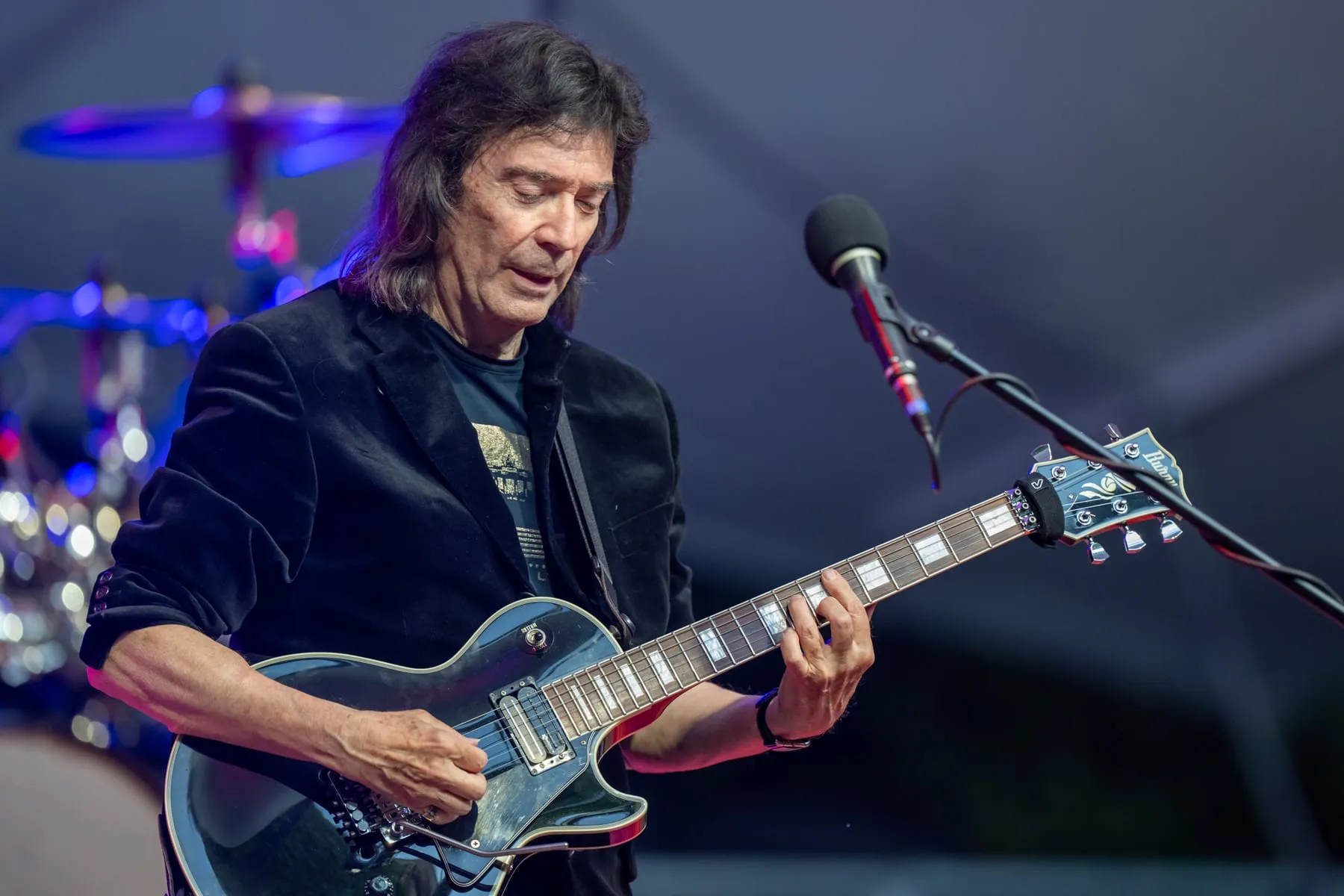
Photo by Stefan Brending ( 2eight ) , licensed under CC BY-SA 3.0 de · Wikimedia Commons
Rank #441
Steve Hackett
From Wikipedia
Stephen Richard Hackett is an English guitarist who gained prominence as the lead guitarist of the progressive rock band Genesis from 1971 to 1977. Hackett contributed to six Genesis studio albums, three live albums, seven singles and one EP before he left to pursue a solo career. He was inducted into the Rock and Roll Hall of Fame as a member of Genesis in 2010.
Discography & Previews
Browse through and click an album to open and play 30-second previews streamed from Apple Music.

Voyage of the Acolyte
1975 · 10 tracks
- 1 Ace of Wands ↗ 5:23
- 2 Hands of the Priestess, Pt. 1 ↗ 3:28
- 3 A Tower Struck Down ↗ 4:50
- 4 Hands of the Priestess, Pt. 2 ↗ 1:34
- 5 The Hermit ↗ 4:54
- 6 Star of Sirius ↗ 7:08
- 7 The Lovers ↗ 1:50
- 8 Shadow of the Hierophant ↗ 11:43
- 9 Ace of Wands (Live) ↗ 6:32
- 10 Shadow of the Hierophant (Extended Playout Version) ↗ 17:01

Please Don’t Touch
1978 · 13 tracks
- 1 Narnia ↗ 4:05
- 2 Carry On Up the Vicarage ↗ 3:11
- 3 Racing In A ↗ 5:07
- 4 Kim ↗ 2:13
- 5 How Can I? ↗ 4:38
- 6 Hoping Love Will Last ↗ 4:23
- 7 Land of a Thousand Autumns ↗ 1:38
- 8 Please Don't Touch ↗ 3:39
- 9 The Voice of Necam ↗ 3:11
- 10 Icarus Ascending ↗ 6:27
- 11 Narnia (John Perry Vocal Version) ↗ 3:36
- 12 Land of a Thousand Autumns / Please Don't Touch ↗ 7:53
- 13 Narnia (Steve Walsh Vocal Version) ↗ 4:30
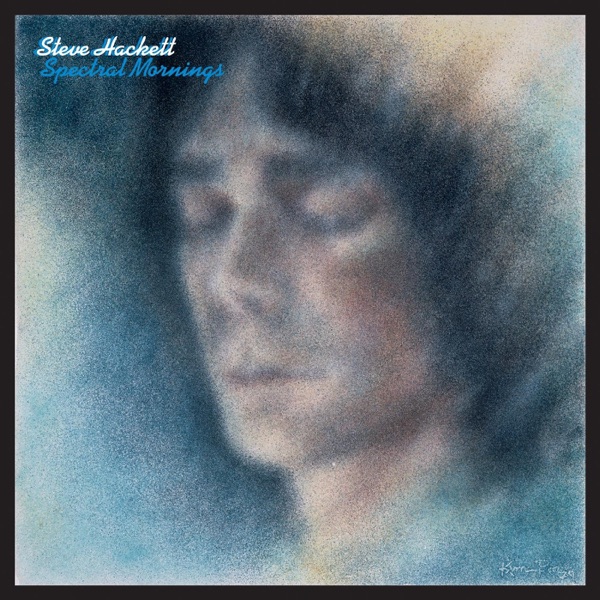
Spectral Mornings
1979 · 16 tracks
- 1 Every Day ↗ 6:14
- 2 The Virgin and the Gypsy ↗ 4:29
- 3 The Red Flower of Tachai Blooms Everywhere ↗ 2:07
- 4 Clocks - The Angel of Mons ↗ 4:15
- 5 The Ballad of the Decomposing Man ↗ 3:50
- 6 Lost Time In Cordoba ↗ 4:06
- 7 Tigermoth ↗ 7:35
- 8 Spectral Mornings ↗ 6:37
- 9 Everyday (Alternate Mix) ↗ 7:09
- 10 The Virgin and the Gypsy (Alternate Mix) ↗ 4:27
- 11 Tigermoth (Alternate Mix) ↗ 3:20
- 12 The Ballad of the Decomposing Man (Alternate Mix) ↗ 4:24
- 13 Clocks - The Angel of Mons (Single Version) ↗ 3:38
- 14 Live Acoustic Section (Bonus Edition) ↗ 5:40
- 15 Tigermoth (Live) ↗ 3:59
- 16 The Caretaker (Bonus Edition) ↗ 1:41
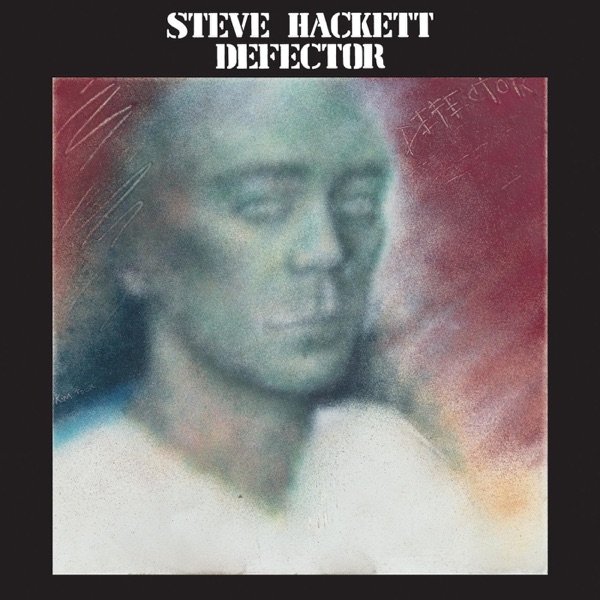
Defector
1980 · 15 tracks
- 1 The Steppes ↗ 6:05
- 2 Time to Get Out ↗ 4:13
- 3 Slogans ↗ 3:58
- 4 Leaving ↗ 3:05
- 5 Two Vamps As Guests ↗ 1:55
- 6 Jacuzzi ↗ 4:37
- 7 Hammer In the Sand ↗ 3:11
- 8 The Toast ↗ 3:43
- 9 The Show ↗ 3:41
- 10 Sentimental Institution ↗ 2:44
- 11 Hercules Unchained (Bonus Edition) ↗ 2:44
- 12 Sentimental Institution (Live) ↗ 3:03
- 13 The Steppes (Live) ↗ 6:33
- 14 Slogans (Live) ↗ 4:19
- 15 Clocks - The Angel of Mons (Live) ↗ 5:55

Cured
1981 · 11 tracks
- 1 Hope I Don't Wake ↗ 3:48
- 2 Picture Postcard ↗ 3:54
- 3 Can't Let Go ↗ 5:43
- 4 The Air-Conditioned Nightmare ↗ 4:42
- 5 Funny Feeling ↗ 4:07
- 6 A Cradle of Swans ↗ 2:49
- 7 Overnight Sleeper ↗ 4:37
- 8 Turn Back Time ↗ 4:23
- 9 Tales of the Riverbank (Bonus Edition) ↗ 2:00
- 10 Second Chance (Bonus Edition) ↗ 2:00
- 11 The Air-Conditioned Nightmare (Bonus Edition) ↗ 4:08
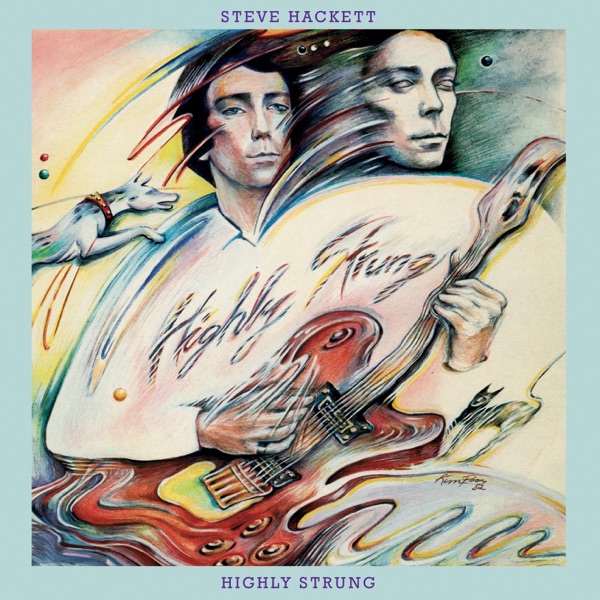
Highly Strung
1983 · 12 tracks
- 1 Camino Royale ↗ 5:28
- 2 Cell 151 ↗ 6:25
- 3 Always Somewhere Else ↗ 4:02
- 4 Walking Through Walls ↗ 3:48
- 5 Give It Away ↗ 4:07
- 6 Weightless ↗ 3:31
- 7 Group Therapy ↗ 5:47
- 8 India Rubber Man ↗ 2:31
- 9 Hackett to Pieces ↗ 2:40
- 10 Guitar Boogie (Bonus Edition) ↗ 2:12
- 11 Walking Through Walls (12" Bonus Edition) ↗ 5:56
- 12 Time Lapse At Milton Keynes (Bonus Edition) ↗ 3:52

Bay of Kings
1983 · 15 tracks
- 1 Bay of Kings ↗ 4:57
- 2 The Journey ↗ 4:15
- 3 Kim ↗ 2:25
- 4 Marigold ↗ 3:36
- 5 St Elmo's Fire ↗ 3:09
- 6 Petropolis ↗ 2:46
- 7 Second Chance ↗ 1:58
- 8 Cast Adrift ↗ 2:15
- 9 Horizons ↗ 1:48
- 10 Black Light ↗ 2:31
- 11 The Barren Land ↗ 3:47
- 12 Calmaria ↗ 3:23
- 13 Time Lapse at Milton Keynes ↗ 3:56
- 14 Tales of the Riverbank ↗ 2:03
- 15 Skye Boat Song ↗ 1:35

Till We Have Faces
1984 · 11 tracks
- 1 What's My Name ↗ 7:06
- 2 The Rio Connection ↗ 3:21
- 3 Matilda Smith-Williams Home for the Aged ↗ 8:07
- 4 Let Me Count the Ways ↗ 6:06
- 5 A Doll That's Made in Japan ↗ 3:57
- 6 Duel ↗ 4:48
- 7 Myopia ↗ 2:56
- 8 Taking the Easy Way Out ↗ 3:50
- 9 Gulf ↗ 6:33
- 10 Stadiums of the Damned ↗ 4:37
- 11 When You Wish Upon a Star ↗ 0:48

Momentum
1988 · 14 tracks
- 1 Cavalcanti ↗ 6:14
- 2 The Sleeping Sea ↗ 3:28
- 3 Portrait of a Brazilian Lady ↗ 5:15
- 4 When the Bell Breaks ↗ 3:03
- 5 A Bed, A Chair and a Guitar ↗ 2:44
- 6 Concert for Munich ↗ 4:56
- 7 Last Rites of Innocence ↗ 5:28
- 8 Troubled Spirit ↗ 2:31
- 9 Variation on a Theme by Chopin ↗ 4:56
- 10 Pierrot ↗ 2:54
- 11 Momentum ↗ 2:38
- 12 Suite in E Minor, BWV 996: V. Bourée ↗ 1:34
- 13 An Open Window ↗ 9:03
- 14 The Vigil ↗ 6:19

Guitar Noir
1993 · 13 tracks
- 1 Sierra Quemada ↗ 5:18
- 2 Take These Pearls ↗ 4:15
- 3 There Are Many Sides to the Night ↗ 7:23
- 4 In the Heart of the City ↗ 4:35
- 5 Dark as the Grave ↗ 4:38
- 6 Lost In Your Eyes ↗ 4:57
- 7 Little America ↗ 4:55
- 8 Like an Arrow ↗ 2:51
- 9 Theatre of Sleep ↗ 3:04
- 10 Walking Away from Rainbows ↗ 3:10
- 11 Paint Your Picture ↗ 2:58
- 12 Vampyre with a Healthy Appetite ↗ 5:30
- 13 Tristesse ↗ 4:01

Blues With a Feeling
1994 · 14 tracks
- 1 Born in Chicago ↗ 3:58
- 2 The Stumble ↗ 2:55
- 3 Love of Another Kind ↗ 4:00
- 4 Way Down South ↗ 4:29
- 5 A Blue Part of Town ↗ 3:04
- 6 Footloose ↗ 2:30
- 7 Tombstone Roller ↗ 5:18
- 8 Blues with a Feeling ↗ 4:22
- 9 Big Dallas Sky ↗ 4:48
- 10 The 13th Floor ↗ 3:29
- 11 So Many Roads ↗ 3:15
- 12 Solid Ground ↗ 4:28
- 13 On Cemetery Road ↗ 3:07
- 14 Patch of Blue ↗ 4:37

Genesis Revisited
1996 · 11 tracks
- 1 Watcher of the Skies ↗ 8:41
- 2 Dance On a Volcano ↗ 7:27
- 3 Valley of the Kings ↗ 6:32
- 4 Deja Vu ↗ 5:53
- 5 Firth of Fifth ↗ 9:40
- 6 For Absent Friends ↗ 3:03
- 7 Your Own Special Way ↗ 4:18
- 8 The Fountain of Salmacis ↗ 9:54
- 9 Waiting Room Only ↗ 6:52
- 10 I Know What I Like (In Your Wardrobe) ↗ 5:38
- 11 Los Endos ↗ 8:51

A Midsummer Night’s Dream
1997 · 18 tracks
- 1 The Palace of Theseus ↗ 2:47
- 2 A Form in Wax ↗ 4:41
- 3 By Paved Fountain ↗ 2:01
- 4 Titania ↗ 2:24
- 5 Set Your Heart at Rest ↗ 3:32
- 6 Oberon ↗ 2:32
- 7 Within This Wood ↗ 2:36
- 8 In the Beached Margent of the Sea ↗ 2:39
- 9 Between the Cold Moon and the Earth ↗ 2:45
- 10 Puck ↗ 1:53
- 11 Helena ↗ 4:21
- 12 Peaseblossom, Cobweb, Moth and Mustardseed ↗ 4:29
- 13 Mountains Turned into Clouds ↗ 4:37
- 14 The Lunatic, the Lover and the Poem ↗ 4:14
- 15 Starlight ↗ 4:48
- 16 Lysander and Demetrius ↗ 2:46
- 17 Celebration ↗ 6:15
- 18 All Is Mended ↗ 3:14

Darktown
1998 · 14 tracks
- 1 Omega Metallicus ↗ 3:48
- 2 Darktown ↗ 5:00
- 3 Man Overboard ↗ 4:17
- 4 The Golden Age of Steam ↗ 4:09
- 5 Days of Long Ago ↗ 3:23
- 6 Dreaming with Open Eyes ↗ 6:55
- 7 Twice Around the Sun ↗ 7:15
- 8 Rise Again ↗ 4:26
- 9 Jane Austen's Door ↗ 6:13
- 10 Darktown Riot ↗ 3:10
- 11 In Memoriam ↗ 8:00
- 12 Flame ↗ 4:21
- 13 Coming Home to the Blues ↗ 6:14
- 14 Fast Flower ↗ 4:33


To Watch the Storms
2003 · 17 tracks
- 1 Strutton Ground ↗ 3:05
- 2 Circus of Becoming ↗ 3:49
- 3 The Devil Is an Englishman ↗ 4:28
- 4 Frozen Statues ↗ 2:59
- 5 Mechanical Bride ↗ 6:41
- 6 Wind, Sand and Stars ↗ 5:08
- 7 Brand New ↗ 4:41
- 8 This World ↗ 5:20
- 9 Rebecca ↗ 4:21
- 10 The Silk Road ↗ 5:25
- 11 Pollution B ↗ 0:59
- 12 Fire Island ↗ 5:25
- 13 Marijuana Assassin of Youth ↗ 5:50
- 14 When You Come Away ↗ 3:13
- 15 The Moon Under Water ↗ 2:14
- 16 Serpentine Song ↗ 6:52
- 17 If You Only Knew ↗ 2:25
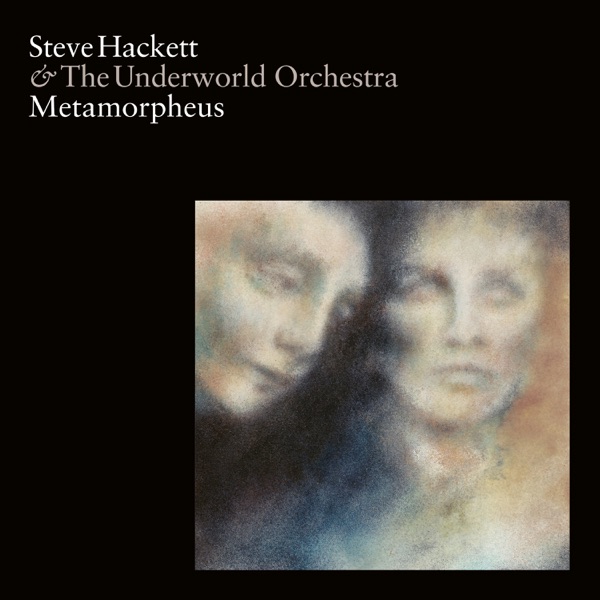
Metamorpheus
2005 · 15 tracks
- 1 The Pool of Memory and the Pool of Forgetfulness ↗ 2:15
- 2 To Earth Like Rain ↗ 1:32
- 3 Song to Nature ↗ 3:02
- 4 One Real Flower ↗ 3:12
- 5 The Dancing Ground ↗ 3:02
- 6 That Vast Life ↗ 12:26
- 7 Eurydice Taken ↗ 1:48
- 8 Charon's Call ↗ 3:15
- 9 Cerberus At Peace ↗ 2:06
- 10 Under the World - Orpheus Looks Back ↗ 5:16
- 11 The Broken Lyre ↗ 3:17
- 12 Severance ↗ 3:04
- 13 Elegy ↗ 3:17
- 14 Return to the Realm of Eternal Renewal ↗ 2:56
- 15 Lyra ↗ 6:35

Wild Orchids
2006 · 17 tracks
- 1 Transylvanian Express ↗ 3:44
- 2 Waters of the Wild ↗ 5:35
- 3 Set Your Compass ↗ 3:38
- 4 Down Street ↗ 7:34
- 5 A Girl Called Linda ↗ 4:44
- 6 Blue Child ↗ 4:25
- 7 To a Close ↗ 4:49
- 8 Ego and Id ↗ 4:08
- 9 Man in the Long Black Coat ↗ 5:07
- 10 Cedars of Lebanon ↗ 4:02
- 11 Wolfwork ↗ 4:49
- 12 Why ↗ 0:47
- 13 She Moves in Memories ↗ 5:00
- 14 The Fundamentals of Brainwashing ↗ 3:01
- 15 Howl ↗ 4:31
- 16 A Dark Night in Toytown ↗ 3:42
- 17 Until the Last Butterfly ↗ 2:29

Tribute
2007 · 14 tracks
- 1 Cello Suite No. 6 in D Major, BWV 1012: V. Gavottes I & II (Arr. for Guitar by Steve Hackett) [Remastered 2015] ↗ 3:59
- 2 Cello Suite No. 3 in C Major, BWV 1009: III. Courante (Arr. for Guitar by Steve Hackett) [Remastered 2015] ↗ 3:05
- 3 Heart and Mouth and Deed and Life, BWV 147: X. Jesu, Joy of Man's Desiring (Arr. for Guitar). (Remastered 2015) ↗ 3:26
- 4 The Fountain Suite (Remastered 2015) ↗ 8:19
- 5 Pavan and Two Galliards, T 505: I. The Earle of Salisbury (Remastered 2015) ↗ 1:30
- 6 La Catedral (Remastered 2015) ↗ 2:53
- 7 El Noy del la Mare (Remastered 2015) ↗ 2:13
- 8 Cascada (Remastered 2015) ↗ 3:04
- 9 Sapphires (Remastered 2015) ↗ 1:42
- 10 Prelude, Fugue and Allegro in E-Flat Major, BWV 998: Prelude (Performed in D Major) [Remastered 2015] ↗ 1:50
- 11 Prelude in C Minor, BWV 999 (Remastered 2015) ↗ 1:14
- 12 Violin Partita No. 2 in D Minor, BWV 1004: V. Chaconne (Arr. for Guitar by Steve Hackett) [Remastered 2015] ↗ 12:35
- 13 12 Tonadillas en estilo antiguo: No. 8, La Maja de Goya, H. 136 (Arr. for Guitar by Steve Hackett) [Remastered 2015] ↗ 4:54
- 14 Through the Trees (Remastered 2015) ↗ 3:31

Beyond the Shrouded Horizon
2011 · 13 tracks
- 1 Loch Lomond ↗ 6:49
- 2 The Phoenix Flown ↗ 2:08
- 3 Wanderlust ↗ 0:44
- 4 Til These Eyes ↗ 2:41
- 5 Prairie Angel ↗ 2:59
- 6 A Place Called Freedom ↗ 5:57
- 7 Between the Sunset and the Coconut Palms ↗ 3:18
- 8 Waking to Life ↗ 4:50
- 9 Two Faces of Cairo ↗ 5:13
- 10 Looking for Fantasy ↗ 4:33
- 11 Summer's Breath ↗ 1:12
- 12 Catwalk ↗ 5:44
- 13 Turn This Island Earth ↗ 11:51

Genesis Revisited II
2012 · 21 tracks
- 1 The Chamber of 32 Doors ↗ 6:02
- 1 Blood On the Rooftops ↗ 6:58
- 2 Horizons ↗ 1:43
- 2 The Return of the Giant Hogweed ↗ 8:47
- 3 Supper's Ready ↗ 23:37
- 3 Entangled ↗ 6:37
- 4 The Lamia ↗ 7:49
- 4 Eleventh Earl of Mar ↗ 7:52
- 5 Dancing with the Moonlit Knight ↗ 8:12
- 5 Ripples... ↗ 8:16
- 6 Fly On a Windshield ↗ 2:55
- 6 Unquiet Slumbers for the Sleepers... ↗ 2:23
- 7 Broadway Melody of 1974 ↗ 2:25
- 7 ...In That Quiet Earth ↗ 4:49
- 8 The Musical Box ↗ 10:59
- 8 Afterglow ↗ 4:11
- 9 Can-Utility and the Coastliners ↗ 5:51
- 9 A Tower Struck Down ↗ 4:47
- 10 Please Don't Touch ↗ 4:03
- 10 Camino Royale ↗ 6:21
- 11 Shadow of the Hierophant ↗ 10:45
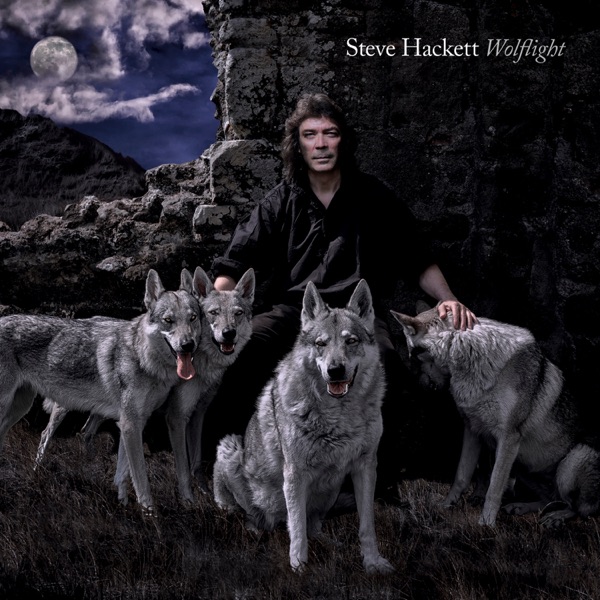

Life Is a Journey: The Sardinia Tapes
2016 · 11 tracks
- 1 Life Is a Journey ↗ 9:41
- 2 Golden Sand ↗ 7:05
- 3 Castelsardo at Night ↗ 8:22
- 4 What's the New Antonio ↗ 6:30
- 5 Around My Mind ↗ 11:30
- 6 Beams Over the Nulvi Mountains ↗ 6:08
- 7 Building a Nuraghe ↗ 4:41
- 8 Buzzy Island ↗ 4:13
- 9 I Will Always Remember ↗ 6:32
- 10 Wake Up ↗ 2:15
- 11 After Limoncello ↗ 5:49

The Night Siren
2017 · 11 tracks

Back to Sardinia
2019 · 13 tracks
- 1 Back to Sardinia ↗ 6:39
- 2 Lonely Cactus ↗ 5:34
- 3 Happy Tergu ↗ 5:02
- 4 Lake By the Sea ↗ 5:07
- 5 Stones and Mirto ↗ 5:23
- 6 Girl In the Palau Woods ↗ 9:42
- 7 Walking Around ↗ 9:14
- 8 Flying Kites ↗ 6:04
- 9 Purple Dream ↗ 0:42
- 10 Dancing In a Jar ↗ 5:15
- 11 Cinquecento Fragole ↗ 9:11
- 12 Bottles In the Water ↗ 0:48
- 13 Floating Boat ↗ 9:41


Surrender of Silence
2021 · 11 tracks
- 1 The Obliterati ↗ 2:17
- 2 Natalia ↗ 6:17
- 3 Relaxation Music For Sharks (Featuring Feeding Frenzy) ↗ 4:36
- 4 Wingbeats ↗ 5:20
- 5 The Devil's Cathedral ↗ 6:31
- 6 Held in the Shadows ↗ 6:20
- 7 Shanghai to Samarkand ↗ 8:27
- 8 Fox's Tango ↗ 4:21
- 9 Day of the Dead ↗ 6:25
- 10 Scorched Earth ↗ 6:03
- 11 Esperanza ↗ 1:05

Under a Mediterranean Sky
2021 · 11 tracks
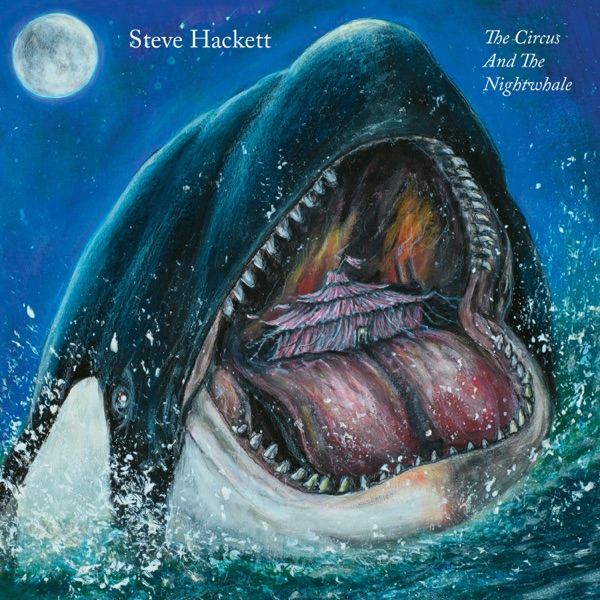
The Circus and the Nightwhale
2024 · 13 tracks
- 1 People of the Smoke ↗ 4:51
- 2 These Passing Clouds ↗ 1:35
- 3 Taking You Down ↗ 4:17
- 4 Found and Lost ↗ 1:50
- 5 Enter the Ring ↗ 3:53
- 6 Get Me Out ↗ 4:16
- 7 Ghost Moon and Living Love ↗ 6:44
- 8 Circo Inferno ↗ 2:30
- 9 Breakout ↗ 1:37
- 10 All at Sea ↗ 1:46
- 11 Into the Nightwhale ↗ 4:06
- 12 Wherever You Are ↗ 4:19
- 13 White Dove ↗ 3:14
-
 Voyage of the AcolyteSteve Hackett197510 tracks
 -
 Please Don’t TouchSteve Hackett197813 tracks
 -
 Spectral MorningsSteve Hackett197916 tracks
 -
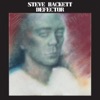 DefectorSteve Hackett198015 tracks
 -
 CuredSteve Hackett198111 tracks
 -
 Highly StrungSteve Hackett198312 tracks
 -
 Bay of KingsSteve Hackett198315 tracks
 -
 Till We Have FacesSteve Hackett198411 tracks
 -
 MomentumSteve Hackett198814 tracks
 -
 Guitar NoirSteve Hackett199313 tracks
 -
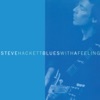 Blues With a FeelingSteve Hackett199414 tracks
 -
 Genesis RevisitedSteve Hackett199611 tracks
 -
 A Midsummer Night’s DreamSteve Hackett199718 tracks
 -
 DarktownSteve Hackett199814 tracks
 -
 Feedback 86Steve Hackett20008 tracks
 -
 To Watch the StormsSteve Hackett200317 tracks
 -
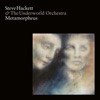 MetamorpheusSteve Hackett200515 tracks
 -
 Wild OrchidsSteve Hackett200617 tracks
 -
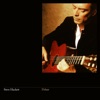 TributeSteve Hackett200714 tracks
 -
 Beyond the Shrouded HorizonSteve Hackett201113 tracks
 -
 Genesis Revisited IISteve Hackett201221 tracks
 -
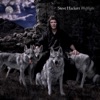 WolflightSteve Hackett201510 tracks
 -
 Life Is a Journey: The Sardinia TapesSteve Hackett201611 tracks
 -
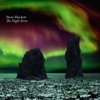 The Night SirenSteve Hackett201711 tracks
 -
 Back to SardiniaSteve Hackett201913 tracks
 -
 At the Edge of LightSteve Hackett201910 tracks
 -
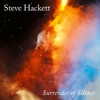 Surrender of SilenceSteve Hackett202111 tracks
 -
 Under a Mediterranean SkySteve Hackett202111 tracks
 -
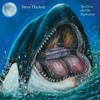 The Circus and the NightwhaleSteve Hackett202413 tracks
Deep Dive
Overview
Steve Hackett is an English guitarist born in 1950 who became synonymous with the sound of progressive rock through his tenure as lead guitarist of Genesis from 1971 to 1977. During those six years, he contributed to a body of work that helped define the genre’s technical and compositional ambitions. After leaving Genesis, Hackett embarked on a solo career that has stretched across five decades, producing a catalog of more than thirty studio albums that range from progressive rock to classical guitar and world music influences. He was inducted into the Rock and Roll Hall of Fame as a member of Genesis in 2010.
Formation Story
Steve Hackett was born in 1950 in England during a period when rock and roll was still emerging as a distinct cultural force. He came of age during the 1960s, when progressive rock was beginning to take shape in Britain, blending classical music structures with rock instrumentation and ambition. Drawn to the instrument early, Hackett developed technical proficiency on guitar and an ear for compositional sophistication. His path led him to Genesis in 1971, at a moment when the band was establishing its identity in the burgeoning progressive rock scene. The band—then centered on Peter Gabriel’s vocals and theatrical vision—saw in Hackett a guitarist capable of matching the complexity of the arrangements and expanding the textural palette beyond what a single guitar voice could provide.
Breakthrough Moment
Hackett’s breakthrough arrived through his work with Genesis itself. Between 1971 and 1977, he appeared on six Genesis studio albums and contributed to three live albums, establishing himself as an integral component of the band’s sound during their most creatively expansive period. His guitar work on those records—characterized by both technical precision and tonal variety, from delicate fingerpicking to dense orchestral textures—caught the attention of progressive rock audiences worldwide. When he left Genesis in 1977 to pursue a solo career, Hackett was already established as a significant figure in rock music, a status that gave his debut solo album, Voyage of the Acolyte, released in 1975, immediate credibility and attention.
Peak Era
Hackett’s solo peak came in the late 1970s and early 1980s, when he released a succession of albums that consolidated his identity as a guitarist exploring rock, world music, and compositional depth. Voyage of the Acolyte (1975), Please Don’t Touch (1978), Spectral Mornings (1979), Defector (1980), and Cured (1981) established a pattern of ambitious guitar-driven compositions and tonal experimentation. Highly Strung (1983) and Bay of Kings (1983), released in the same year, showed his willingness to pursue multiple projects simultaneously. Throughout this period, Hackett recorded for the Charisma label, home to many progressive rock acts, and built a dedicated following among listeners who valued instrumental virtuosity and compositional sophistication. His work during these years demonstrated a guitarist fully in command of his instrument and unafraid to navigate genre boundaries.
Musical Style
Steve Hackett is fundamentally a guitarist’s guitarist—his sound is built on the electric guitar as the primary voice, deployed with both classical discipline and rock energy. His technique embraces fingerpicking precision and the use of effects and layering to create orchestral density from a single instrument. Hackett’s compositions tend toward progressive rock idioms: extended structures, genre-mixing passages that might veer from rock into folk or classical territory within a single piece, and an emphasis on the guitar as a vehicle for melody, harmony, and texture rather than merely rhythm support. Over time, his solo work increasingly incorporated classical guitar influences, world music elements, and instrumental approaches that moved beyond rock entirely. While his early work was rooted in the progressive rock of the 1970s, his later output shows a restless curiosity that has led him to classical music, flamenco-influenced passages, and even adaptations of literary sources (notably The Book of Bilbo and Gandalf in 2010, reflecting his interest in J.R.R. Tolkien).
Major Albums
Voyage of the Acolyte (1975)
Hackett’s debut solo album, released while still a member of Genesis, introduced the guitar-centric sound that would define his solo career—intricate instrumental passages and compositions that treated the guitar as both soloist and orchestra.
Spectral Mornings (1979)
A landmark album that expanded Hackett’s range, Spectral Mornings showed a maturing composer and guitarist balancing rock drive with classical sensibility and establishing themes and approaches that would recur throughout his career.
Highly Strung (1983)
Released alongside Bay of Kings, Highly Strung marked a peak of Hackett’s 1980s output, showcasing tightly composed material and virtuosic playing that demonstrated his full technical arsenal.
Genesis Revisited (1996)
A reimagining of Genesis material filtered through Hackett’s later musical perspectives, this album allowed him to reclaim and reinterpret his contributions to that band’s catalog from a solo artist’s vantage point.
To Watch the Storms (2003)
Representing Hackett’s work in the 2000s, this album showed continued creativity and evolution, blending his rock and classical interests while maintaining the instrumental focus that has always defined his work.
Signature Songs
- “Voyage of the Acolyte” — The title track from his debut, a foundational solo composition establishing his instrumental narrative approach.
- “Spectral Mornings” — A showcase for Hackett’s ability to blend delicate fingerpicking with dynamic guitar orchestration.
- “Kim” — A deeply personal composition that became a concert staple and demonstrates his gift for melodic invention on guitar.
- “Emeriss” — Another instrumental piece exemplifying Hackett’s compositional sophistication and emotional depth without vocals.
Influence on Rock
Steve Hackett’s influence operates largely within the progressive and instrumental rock worlds, where his example of a guitarist functioning as a complete composer and bandleader has been significant. His work in Genesis helped establish the electric guitar as a legitimate vehicle for complex compositional ideas, and his subsequent solo career modeled what a guitarist could achieve independently, away from a traditional band framework. Hackett demonstrated that progressive rock could evolve beyond the 1970s, maintaining artistic credibility across decades. His approach to blending rock with classical and world music influences has echoed through generations of guitarists working in progressive and fusion contexts. The sustained body of work he has built—consistently recording and performing—established a template for the working progressive rock musician, one engaged in both familiar material and new creation.
Legacy
Steve Hackett’s legacy is secured by his dual role as a cornerstone of Genesis’s most celebrated period and as a prolific solo artist who has remained creatively active from the mid-1970s to the present day. His 2010 induction into the Rock and Roll Hall of Fame as a member of Genesis cemented his place in rock history. His solo discography—more than thirty albums spanning multiple genres and approaches—represents one of the most sustained bodies of work by a rock guitarist. Hackett has continued to tour and record regularly, with recent albums including Surrender of Silence (2021), Under a Mediterranean Sky (2021), and The Circus and the Nightwhale (2024), ensuring that his music remains in active circulation and that he continues to engage with both longtime fans and new audiences. His willingness to revisit Genesis material, as on Genesis Revisited (1996) and Genesis Revisited II (2012), has allowed him to serve as a living bridge between Genesis’s legacy and contemporary progressive rock audiences.
Fun Facts
- Hackett has maintained an unusual recording pace, occasionally releasing two studio albums in the same year, as with Highly Strung and Bay of Kings in 1983, demonstrating his prolific creative output.
- His album A Midsummer Night’s Dream (1997) reflects his engagement with literary sources beyond rock songwriting traditions.
- The Book of Bilbo and Gandalf (2010) represents Hackett’s explicit connection to J.R.R. Tolkien’s work, translating literary narrative into instrumental guitar composition.
- Among his most recent work, the albums recorded in Sardinia (Life Is a Journey: The Sardinia Tapes in 2016 and Back to Sardinia in 2019) reflect his continued exploration of place and atmosphere as sources for musical inspiration.