
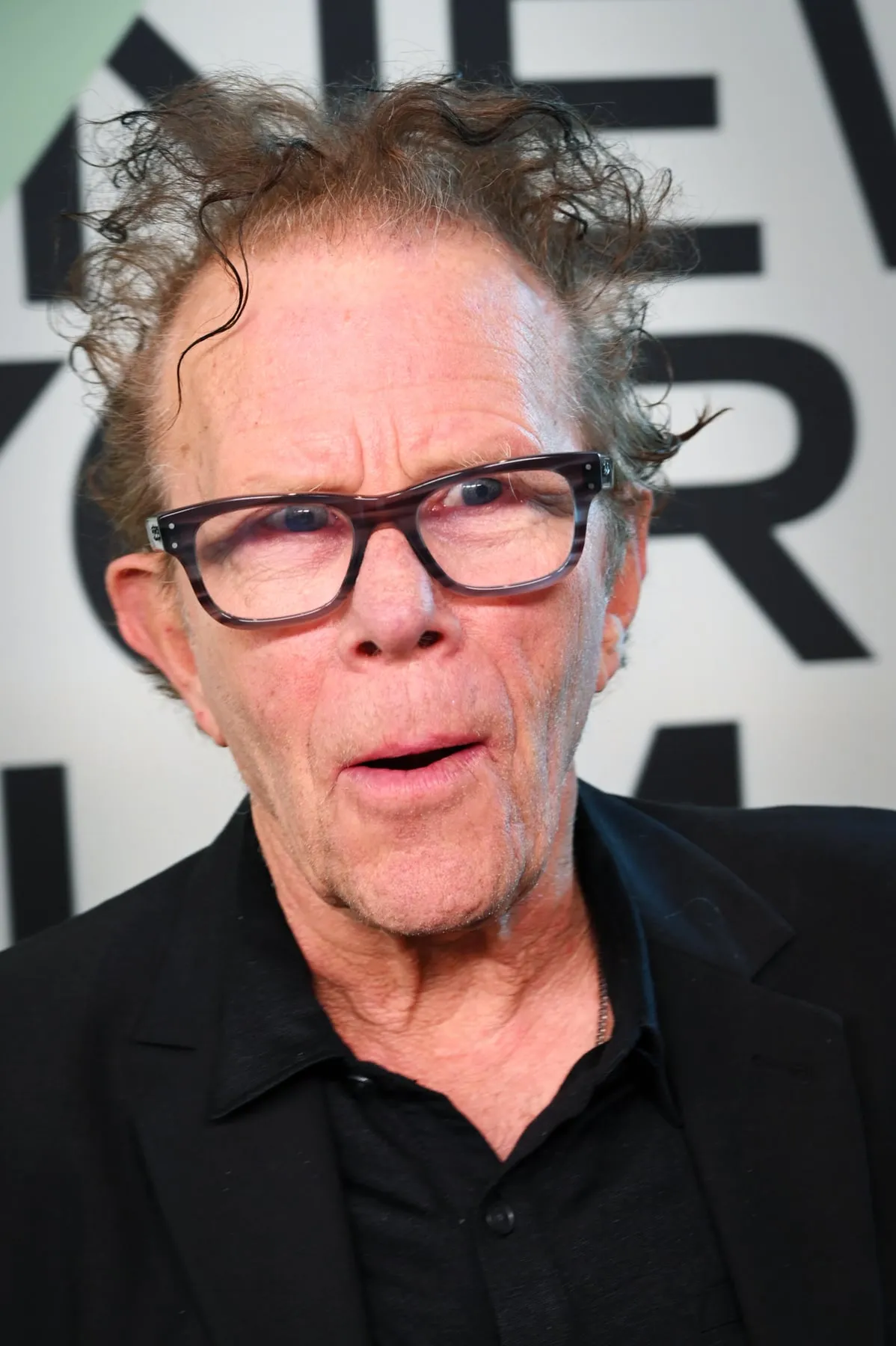
Photo by PhilipRomanoPhoto , licensed under CC BY-SA 4.0 · Wikimedia Commons
Rank #26
Tom Waits
From Wikipedia
Thomas Alan Waits is an American singer, songwriter, composer and actor. His lyrics often focus on society's underbelly and are delivered in his trademark deep, gravelly voice. He began in the folk scene during the 1970s, but his music since the 1980s has reflected the influence of such diverse genres as rock, jazz, Delta blues, opera, vaudeville, cabaret, funk and experimental techniques verging on industrial music. Jim Fusilli calls him "A keen, sensitive and sympathetic chronicler of the adrift and downtrodden" who "creates three-dimensional characters who, even in their confusion and despair, are capable of insight and startling points of view." His unique voice was described by Daniel Durchholz as sounding "like it was soaked in a vat of bourbon, left hanging in the smokehouse for a few months, and then taken outside and run over with a car."
Discography & Previews
Browse through and click an album to open and play 30-second previews streamed from Apple Music.

Closing Time
1973 · 12 tracks
- 1 Ol' '55 ↗ 3:56
- 2 I Hope That I Don't Fall In Love with You ↗ 3:54
- 3 Virginia Avenue ↗ 3:09
- 4 Old Shoes (& Picture Postcards) ↗ 3:40
- 5 Midnight Lullaby ↗ 3:26
- 6 Martha ↗ 4:29
- 7 Rosie ↗ 4:02
- 8 Lonely ↗ 3:12
- 9 Ice Cream Man ↗ 3:05
- 10 Little Trip to Heaven (On the Wings of Your Love) ↗ 3:40
- 11 Grapefruit Moon ↗ 4:45
- 12 Closing Time ↗ 4:20

The Heart of Saturday Night
1974 · 11 tracks
- 1 New Coat of Paint ↗ 3:23
- 2 San Diego Serenade ↗ 3:30
- 3 Semi Suite ↗ 3:29
- 4 Shiver Me Timbers ↗ 4:27
- 5 Diamonds On My Windshield ↗ 3:12
- 6 (Looking For) The Heart of Saturday Night ↗ 3:53
- 7 Fumblin' with the Blues ↗ 3:03
- 8 Please Call Me, Baby ↗ 4:26
- 9 Depot, Depot ↗ 3:47
- 10 Drunk On the Moon ↗ 5:07
- 11 The Ghosts of Saturday Night (After Hours at Napoleone's Pizza House) ↗ 3:17

Small Change
1976 · 11 tracks
- 1 Tom Traubert's Blues (Four Sheets to the Wind In Copenhagen) ↗ 6:39
- 2 Step Right Up ↗ 5:43
- 3 Jitterbug Boy (Sharing a Curbstone with Chuck E. Weiss, Robert Marchese, Paul Body and the Mug and Artie) ↗ 3:44
- 4 I Wish I Was In New Orleans (In the Ninth Ward) ↗ 4:53
- 5 The Piano Has Been Drinking (Not Me) (An Evening with Pete King) ↗ 3:40
- 6 Invitation to the Blues ↗ 5:25
- 7 Pasties and a G-String (At the Two O'Clock Club) ↗ 2:32
- 8 Bad Liver and a Broken Heart (In Lowell) ↗ 4:50
- 9 The One That Got Away ↗ 4:08
- 10 Small Change (Got Rained On with His Own .38) ↗ 5:07
- 11 I Can't Wait to Get Off Work (And See My Baby On Montgomery Avenue) ↗ 3:18


Blue Valentine
1978 · 10 tracks
- 1 Somewhere (From "West Side Story") ↗ 3:53
- 2 Red Shoes By the Drugstore ↗ 3:15
- 3 Christmas Card from a Hooker In Minneapolis ↗ 4:33
- 4 Romeo Is Bleeding ↗ 4:52
- 5 $29.00 ↗ 8:16
- 6 Wrong Side of the Road ↗ 5:14
- 7 Whistlin' Past the Graveyard ↗ 3:18
- 8 Kentucky Avenue ↗ 4:49
- 9 A Sweet Little Bullet from a Pretty Blue Gun ↗ 5:37
- 10 Blue Valentines ↗ 5:50
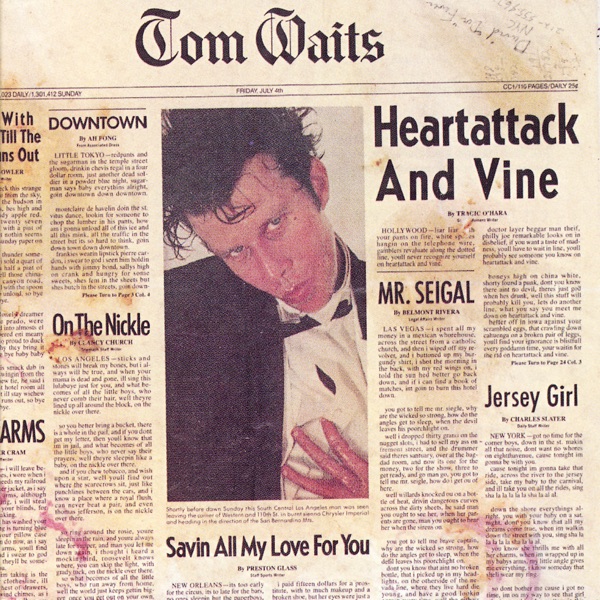

Swordfishtrombones
1983 · 15 tracks
- 1 Underground (2023 Remaster) ↗ 2:01
- 2 Shore Leave (2023 Remaster) ↗ 4:17
- 3 Dave The Butcher (2023 Remaster) ↗ 2:20
- 4 Johnsburg, Illinois (2023 Remaster) ↗ 1:33
- 5 16 Shells From A 30.6 (2023 Remaster) ↗ 4:32
- 6 Town With No Cheer (2023 Remaster) ↗ 4:27
- 7 In The Neighborhood (2023 Remaster) ↗ 3:06
- 8 Just Another Sucker On The Vine (2023 Remaster) ↗ 1:48
- 9 Frank's Wild Years (2023 Remaster) ↗ 1:53
- 10 Swordfishtrombone (2023 Remaster) ↗ 3:08
- 11 Down, Down, Down (2023 Remaster) ↗ 2:16
- 12 Soldier's Things (2023 Remaster) ↗ 3:22
- 13 Gin Soaked Boy (2023 Remaster) ↗ 2:23
- 14 Trouble's Braids (2023 Remaster) ↗ 1:21
- 15 Rainbirds (2023 Remaster) ↗ 3:16

Rain Dogs
1985 · 19 tracks
- 1 Singapore (2023 Remaster) ↗ 2:45
- 2 Clap Hands (2023 Remaster) ↗ 3:48
- 3 Cemetery Polka (2023 Remaster) ↗ 1:46
- 4 Jockey Full Of Bourbon (2023 Remaster) ↗ 2:47
- 5 Tango Till They're Sore (2023 Remaster) ↗ 2:51
- 6 Big Black Mariah (2023 Remaster) ↗ 2:43
- 7 Diamonds And Gold (2023 Remaster) ↗ 2:32
- 8 Hang Down Your Head (2023 Remaster) ↗ 2:33
- 9 Time (2023 Remaster) ↗ 3:55
- 10 Rain Dogs (2023 Remaster) ↗ 2:57
- 11 Midtown (2023 Remaster) ↗ 1:03
- 12 9th & Hennepin (2023 Remaster) ↗ 1:57
- 13 Gun Street Girl (2023 Remaster) ↗ 4:37
- 14 Union Square (2023 Remaster) ↗ 2:24
- 15 Blind Love (2023 Remaster) ↗ 4:19
- 16 Walking Spanish (2023 Remaster) ↗ 3:06
- 17 Downtown Train (2023 Remaster) ↗ 3:52
- 18 Bride Of Rain Dog (2023 Remaster) ↗ 1:09
- 19 Anywhere I Lay My Head (2023 Remaster) ↗ 2:49

Bone Machine
1992 · 16 tracks
- 1 The Earth Died Screaming (2023 Remaster) ↗ 3:38
- 2 Dirt In The Ground (2023 Remaster) ↗ 4:07
- 3 Such A Scream (2023 Remaster) ↗ 2:08
- 4 All Stripped Down (2023 Remaster) ↗ 3:03
- 5 Who Are You (2023 Remaster) ↗ 3:57
- 6 The Ocean Doesn't Want Me (2023 Remaster) ↗ 1:51
- 7 Jesus Gonna Be Here (2023 Remaster) ↗ 3:22
- 8 A Little Rain (2023 Remaster) ↗ 3:00
- 9 In The Colosseum (2023 Remaster) ↗ 4:50
- 10 Goin' Out West (2023 Remaster) ↗ 3:19
- 11 Murder In The Red Barn (2023 Remaster) ↗ 4:29
- 12 Black Wings (2023 Remaster) ↗ 4:37
- 13 Whistle Down The Wind (2023 Remaster) ↗ 4:36
- 14 I Don't Wanna Grow Up (2023 Remaster) ↗ 2:31
- 15 Let Me Get Up On It (2023 Remaster) ↗ 0:56
- 16 That Feel (2023 Remaster) ↗ 3:14
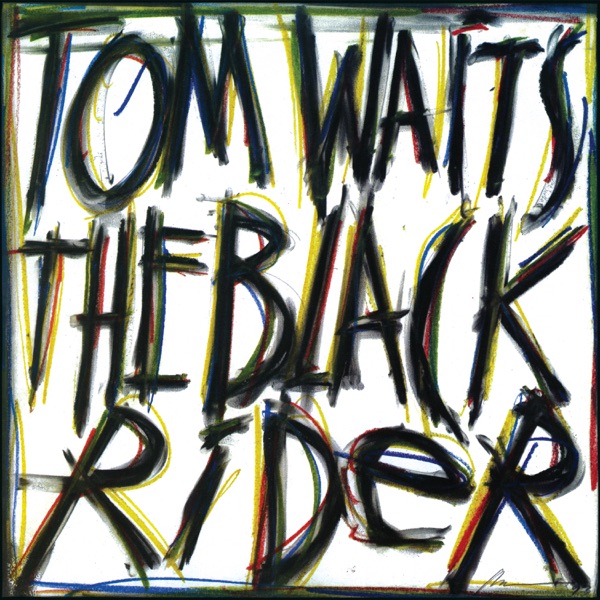
The Black Rider
1993 · 20 tracks
- 1 Lucky Day Overture (2023 Remaster) ↗ 2:27
- 2 The Black Rider (2023 Remaster) ↗ 3:21
- 3 November (2023 Remaster) ↗ 2:54
- 4 Just The Right Bullets (2023 Remaster) ↗ 3:35
- 5 Black Box Theme (2023 Remaster) ↗ 2:42
- 6 'Tain't No Sin (2023 Remaster) ↗ 2:25
- 7 Flash Pan Hunter/Intro (2023 Remaster) ↗ 1:10
- 8 That's The Way (2023 Remaster) ↗ 1:08
- 9 The Briar And The Rose (2023 Remaster) ↗ 3:50
- 10 Russian Dance (2023 Remaster) ↗ 3:11
- 11 Gospel Train/Orchestra (2023 Remaster) ↗ 2:33
- 12 I'll Shoot The Moon (2023 Remaster) ↗ 3:51
- 13 Flash Pan Hunter (2023 Remaster) ↗ 3:10
- 14 Crossroads (2023 Remaster) ↗ 2:43
- 15 Gospel Train (2023 Remaster) ↗ 4:43
- 16 Interlude (2023 Remaster) ↗ 0:19
- 17 Oily Night (2023 Remaster) ↗ 4:24
- 18 Lucky Day (2023 Remaster) ↗ 3:43
- 19 The Last Rose Of The Summer (2023 Remaster) ↗ 2:07
- 20 Carnival (2023 Remaster) ↗ 1:17

Mule Variations
1999 · 16 tracks
- 1 Big In Japan ↗ 4:05
- 2 Lowside of the Road ↗ 2:59
- 3 Hold On ↗ 5:34
- 4 Get Behind the Mule ↗ 6:52
- 5 House Where Nobody Lives ↗ 4:14
- 6 Cold Water ↗ 5:23
- 7 Pony ↗ 4:33
- 8 What's He Building? ↗ 3:20
- 9 Black Market Baby ↗ 5:02
- 10 Eyeball Kid ↗ 4:26
- 11 Picture In a Frame ↗ 3:40
- 12 Chocolate Jesus ↗ 3:55
- 13 Georgia Lee ↗ 4:24
- 14 Filipino Box Spring Hog ↗ 3:10
- 15 Take It with Me ↗ 4:25
- 16 Come On Up to the House ↗ 4:37

Blood Money
2002 · 13 tracks
- 1 Misery Is the River of the World ↗ 4:25
- 2 Everything Goes to Hell ↗ 3:46
- 3 Coney Island Baby ↗ 4:03
- 4 All the World Is Green ↗ 4:37
- 5 God's Away On Business ↗ 3:00
- 6 Another Man's Vine ↗ 2:28
- 7 Knife Chase ↗ 2:27
- 8 Lullaby ↗ 2:09
- 9 Starving In the Belly of a Whale ↗ 3:42
- 10 The Part You Throw Away ↗ 4:22
- 11 Woe ↗ 1:20
- 12 Calliope ↗ 1:59
- 13 A Good Man Is Hard to Find ↗ 3:58

Alice
2002 · 15 tracks
- 1 Alice ↗ 4:29
- 2 Everything You Can Think ↗ 3:10
- 3 Flower's Grave ↗ 3:29
- 4 No One Knows I'm Gone ↗ 1:42
- 5 Kommienezuspadt ↗ 3:11
- 6 Poor Edward ↗ 3:43
- 7 Table Top Joe ↗ 4:14
- 8 Lost In the Harbour ↗ 3:45
- 9 We're All Mad Here ↗ 2:32
- 10 Watch Her Disappear ↗ 2:34
- 11 Reeperbahn ↗ 4:03
- 12 I'm Still Here ↗ 1:49
- 13 Fish & Bird ↗ 4:00
- 14 Barcarolle ↗ 4:00
- 15 Fawn ↗ 1:44

Real Gone
2004 · 16 tracks
- 1 Top of the Hill ↗ 4:55
- 2 Hoist That Rag ↗ 4:20
- 3 Sins of My Father ↗ 10:37
- 4 Shake It ↗ 3:52
- 5 Don't Go into That Barn ↗ 5:22
- 6 How's It Gonna End ↗ 4:52
- 7 Metropolitan Glide ↗ 4:14
- 8 Dead and Lovely ↗ 5:41
- 9 Circus ↗ 3:56
- 10 Trampled Rose ↗ 3:59
- 11 Green Grass ↗ 3:14
- 12 Baby Gonna Leave Me ↗ 4:29
- 13 Clang Boom Steam ↗ 0:46
- 14 Make It Rain ↗ 3:40
- 15 Day After Tomorrow ↗ 6:53
- 16 Chick a Boom ↗ 1:18

Bad as Me
2011 · 16 tracks
- 1 Chicago ↗ 2:14
- 2 Raised Right Men ↗ 3:24
- 3 Talking at the Same Time ↗ 4:13
- 4 Get Lost ↗ 2:42
- 5 Face to the Highway ↗ 3:42
- 6 Pay Me ↗ 3:15
- 7 Back In the Crowd ↗ 2:49
- 8 Bad As Me ↗ 3:10
- 9 Kiss Me ↗ 3:41
- 10 Satisfied ↗ 4:05
- 11 Last Leaf ↗ 2:56
- 12 Hell Broke Luce ↗ 3:56
- 13 New Year's Eve ↗ 4:28
- 14 She Stole the Blush ↗ 2:50
- 15 Tell Me ↗ 3:43
- 16 After You Die ↗ 2:48
-
 Closing TimeTom Waits197312 tracks
 -
 The Heart of Saturday NightTom Waits197411 tracks
 -
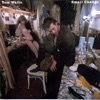 Small ChangeTom Waits197611 tracks
 -
 Foreign AffairsTom Waits19779 tracks
 -
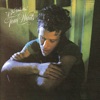 Blue ValentineTom Waits197810 tracks
 -
 Heartattack and VineTom Waits19809 tracks
 -
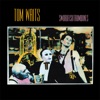 SwordfishtrombonesTom Waits198315 tracks
 -
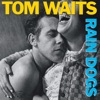 Rain DogsTom Waits198519 tracks
 -
 Bone MachineTom Waits199216 tracks
 -
 The Black RiderTom Waits199320 tracks
 -
 Mule VariationsTom Waits199916 tracks
 -
 Blood MoneyTom Waits200213 tracks
 -
 AliceTom Waits200215 tracks
 -
 Real GoneTom Waits200416 tracks
 -
 Bad as MeTom Waits201116 tracks
Deep Dive
Overview
Tom Waits is an American singer-songwriter, composer, and actor whose career spans from the 1970s to the present. His work stands at the intersection of rock, jazz, blues, and experimental music, unified by his distinctive deep, gravelly voice and a lyrical focus on society’s margins—the adrift, the downtrodden, the forgotten. Over five decades, Waits has refused easy categorization, instead building a body of work that draws from folk, vaudeville, cabaret, funk, and industrial techniques, creating a singular artistic vision that treats rock music as a canvas for narrative complexity and sonic invention.
Formation Story
Tom Waits began his career in the folk scene during the 1970s, emerging as a singer-songwriter at a moment when that idiom was both established and fractured. He entered the music industry during an era when folk’s connection to social commentary and acoustic authenticity still carried cultural weight, but he would quickly chart a path toward something more idiosyncratic. Rather than adhering to the folk-rock template of his contemporaries, Waits drew inspiration from American vernacular traditions—from the blues, vaudeville, and the oral storytelling embedded in folk music—and began reshaping them through his own sensibility. His gravelly voice, which would become his most instantly recognizable feature, set him apart from the start; it bore none of the technical smoothness prized in mainstream rock and pop, instead sounding weathered, lived-in, and deeply expressive.
Breakthrough Moment
Waits’ early work in the mid-1970s established his reputation among critics and devoted listeners. Closing Time (1973) introduced his songwriting voice, followed by The Heart of Saturday Night (1974) and Small Change (1976), albums that deepened his portrait of urban life and character-driven narrative. By the late 1970s, with Foreign Affairs (1977) and Blue Valentine (1978), Waits had secured his position as a distinctive voice in American rock and singer-songwriter traditions. These albums, released through Asylum Records, showcased his ability to move between tender melancholy and sardonic observation, building a reputation that extended beyond mainstream radio into critical and artistic circles where his unconventional approach was celebrated rather than dismissed.
Peak Era
The 1980s marked a dramatic creative reinvention. Swordfishtrombones (1983) and Rain Dogs (1985) represent a watershed in Waits’ career, the moment when his eclecticism moved from the margins into full artistic center stage. These records abandoned traditional song structures and production polish in favor of found-sound instrumentation, rhythmic complexity, and deeply orchestrated arrangements. Franks Wild Years (1987) continued this trajectory, drawing on experimental techniques and vaudeville aesthetics. During this period, Waits moved from Asylum to Island Records and later Anti-, labels that allowed him greater creative freedom. The 1990s saw further evolution: Bone Machine (1992) deepened the industrial and blues influences, while later works like Mule Variations (1999) and Alice (2002) expanded his sonic palette into territory bordering on avant-garde classical composition. His work throughout the 1980s and 1990s became increasingly theatrical and composed, treating the album format as a complete artistic statement rather than a collection of songs.
Musical Style
Waits’ sound defies simple genre classification, though rock remains its foundation. His voice—described as sounding “like it was soaked in a vat of bourbon, left hanging in the smokehouse for a few months, and then taken outside and run over with a car”—is itself an instrument, treated as much for its tonal texture as for its capacity to deliver melody or lyrical content. Early in his career, his music drew heavily on blues, jazz, and American song traditions, with piano-driven arrangements and straightforward narrative structure. From the 1980s onward, his production approach became increasingly experimental, incorporating percussion made from unconventional sources, orchestral arrangements that veer into dissonance, and rhythmic patterns informed by funk and world music. His lyrics consistently document the lives of marginal figures—hustlers, drifters, criminals, dreamers—with a narrative precision and emotional depth that elevates character sketching to an art form. Rather than explicit social commentary, Waits allows his characters to speak for themselves, their contradictions and humanity rendered without condescension. This approach, combined with his willingness to subordinate traditional melody to speech-song hybrids and rhythmic experimentation, has allowed his work to remain artistically vital across multiple decades and shifting musical contexts.
Major Albums
Small Change (1976)
A masterpiece of urban storytelling in which Waits’ piano-based arrangements frame narratives of Los Angeles street life, establishing the thematic and formal approach that would define his early work.
Swordfishtrombones (1983)
A dramatic departure into orchestral experimentalism, this album marks the moment Waits rejected conventional production in favor of found-sound instrumentation and complex compositional structures that anticipate his most innovative work.
Rain Dogs (1985)
A sprawling, genre-defying statement featuring innovative arrangements, blues-inflected rhythms, and some of Waits’ most vivid character portraits, solidifying his reputation as one of rock’s most uncompromising artists.
Mule Variations (1999)
Released after a five-year recording hiatus, this album balances experimental production with more accessible song forms, demonstrating Waits’ ability to synthesize his diverse influences without sacrificing artistic integrity.
Real Gone (2004)
A return to direct rock and blues lineage, this album showcases Waits’ continued engagement with American vernacular traditions while maintaining the compositional sophistication of his mature work.
Signature Songs
- “Closing Time” — A melancholic piano ballad that became his most widely recognized song, showcasing his ability to find profound humanity in ordinary moments.
- “Heartattack and Vine” — A jazzy, rhythmically complex portrait of Los Angeles hustlers that exemplifies his character-driven narrative approach.
- “Small Change” — The title track of his 1976 album, a masterpiece of vernacular storytelling set to understated arrangement.
- “Rain Dogs” — A showcase for his experimental production philosophy and rhythmic innovation, featuring unconventional instrumentation and speech-song delivery.
- “Tom Traubert’s Blues” — A dramatic, orchestrated rendition of a traditional melody refracted through Waits’ singular sensibility.
- “Innocent Man” — A deeply emotional character study demonstrating his capacity for tenderness without sentimentality.
Influence on Rock
Waits’ impact on contemporary rock and experimental music has been substantial and multifaceted. By refusing to accept the division between “serious” avant-garde composition and rock’s entertainment function, he opened possibilities for artists who wished to blend rigorous formal experimentation with vernacular traditions and narrative depth. His work influenced subsequent generations of rock and alternative artists who sought complexity and sonic innovation beyond straightforward melodic rock. His treatment of the human voice as a textural and rhythmic element rather than merely a delivery mechanism for melody has rippled through experimental and industrial music. Furthermore, his commitment to marginal voices and characters—rendered with dignity rather than exploitation—established a model for socially conscious artistic practice that sidesteps didacticism. Artists across genres, from indie rock to hip-hop to contemporary classical music, have drawn inspiration from his willingness to treat the album as a complete artistic vision rather than a commercial product.
Legacy
Tom Waits’ status as a major figure in American music has only solidified with time. His long career, sustained from 1973 through the 2020s, demonstrates an artist who has maintained artistic integrity while continually evolving. The breadth of his discography—spanning early folk-influenced work, theatrical experimentalism, blues-rock redirection, and recent projects like Under The Covers - The Songs He Didn’t Write (2017)—establishes him as a protean figure capable of sustained reinvention. His work across multiple decades has been reissued, streamed, and revisited by successive generations of listeners who encounter in his catalog a complexity and emotional depth that rewards close attention. The combination of critical respect, devoted fan engagement, and ongoing artistic activity positions Waits as one of the most significant American songwriters of the late twentieth and early twenty-first centuries, a figure whose influence extends well beyond rock music into theater, film, and experimental composition.
Fun Facts
- Waits has pursued acting alongside his musical career, demonstrating his broader interest in narrative and character work across artistic media.
- His move from Asylum Records to Island Records to Anti- Records reflects his trajectory from major-label artist to independent status, granting him greater creative control over his output.
- The stylistic shift between Heartattack and Vine (1980) and Swordfishtrombones (1983) represents one of rock music’s most dramatic reinventions, with Waits abandoning conventional production entirely in favor of experimental methods.
- His lyrical focus on society’s underbelly and marginal figures emerged from direct observation of Los Angeles street life during the 1970s, grounding his narratives in lived experience rather than abstraction.