
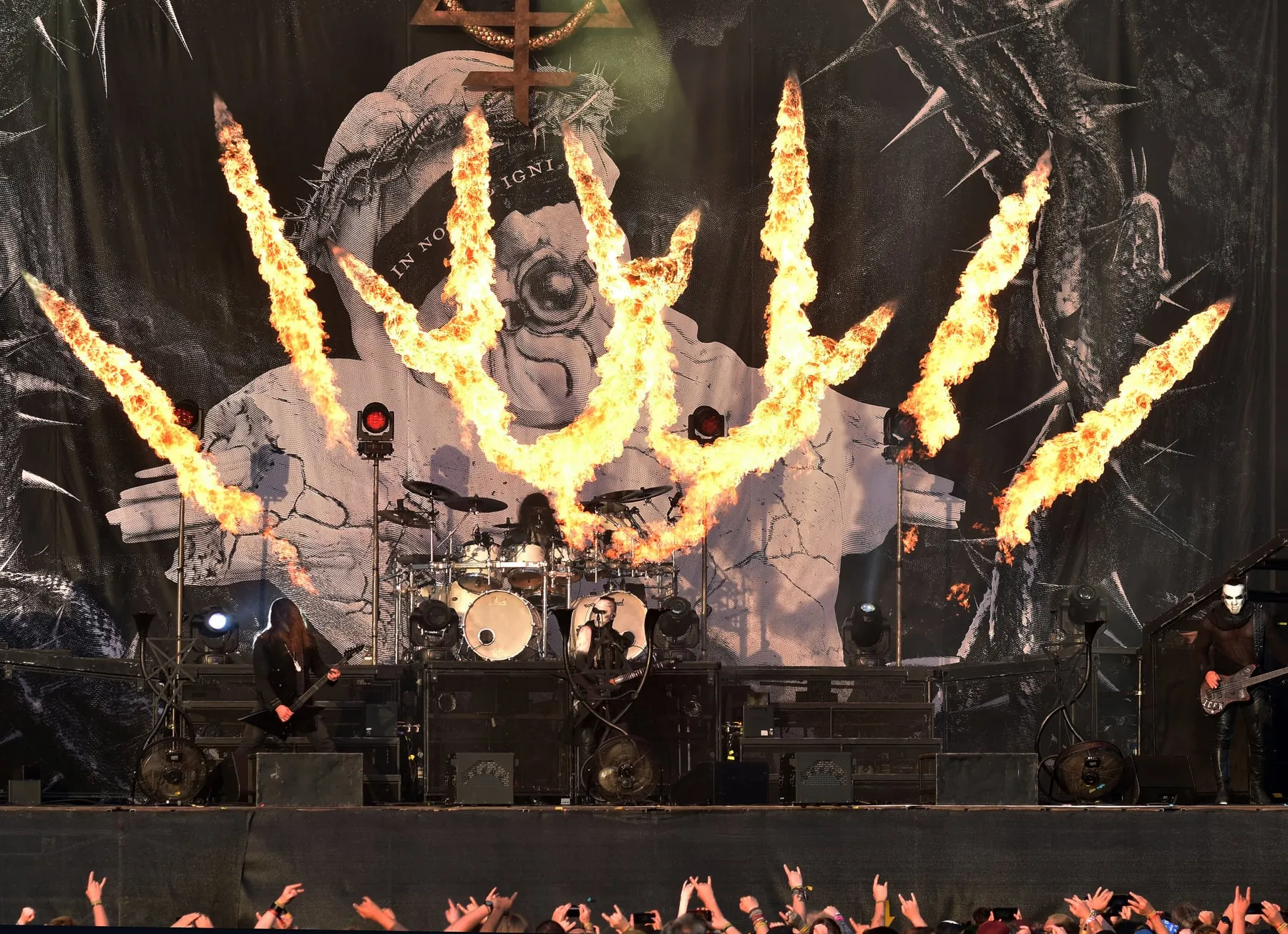
Photo by Frank Schwichtenberg , licensed under CC BY-SA 4.0 · Wikimedia Commons
Rank #415
Behemoth
From Wikipedia
Behemoth is a Polish blackened death metal band from Gdańsk, formed in 1991. They are considered to have played an important role in establishing the Polish extreme metal underground with Vader and Hate.
Members
- Adam Darski
Discography & Previews
Browse through and click an album to open and play 30-second previews streamed from Apple Music.
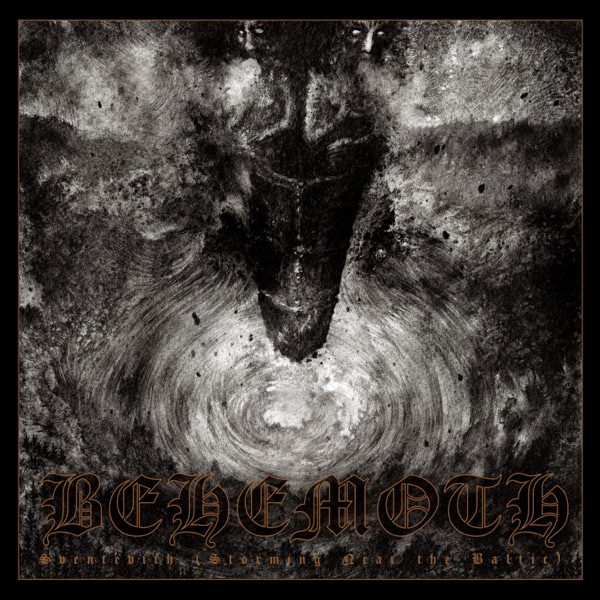
Sventevith (Storming Near the Baltic)
1995 · 20 tracks
- 1 Chant of the Eastern Lands ↗ 5:39
- 1 Cursed Angel of Doom ↗ 3:11
- 2 The Touch of Nya ↗ 0:53
- 2 Dark Triumph ↗ 4:50
- 3 From the Pagan Vastlands ↗ 4:25
- 3 Bless Thee for Granting Me Pain ↗ 2:20
- 4 Hidden in a Fog ↗ 6:46
- 4 Hell Dwells in Ice (Unreleased) ↗ 3:04
- 5 Ancient ↗ 1:58
- 5 Hidden in a Fog (Live at Merry Christless Festival, Poland, 2017) ↗ 5:04
- 6 Entering the Faustian Soul ↗ 5:29
- 6 From the Pagan Vastlands (Live at Black Metal Inferno Fest, Netherlands, 1996) ↗ 4:59
- 7 Forgotten Cult of Aldaron ↗ 4:33
- 7 Hidden in a Fog (Live at Black Metal Inferno Fest, Netherlands, 1996) ↗ 5:47
- 8 Wolves Guard My Coffin ↗ 4:26
- 8 Wolves Guard My Coffin (Live at Black Metal Inferno Fest, Netherlands, 1996) ↗ 5:00
- 9 Hell Dwells in Ice ↗ 5:46
- 9 Hidden in a Fog (Live at Riviera Remont Club, Poland, 1996) ↗ 4:58
- 10 From the Pagan Vastlands (Live at Pagan Triumph Tour, Netherlands, 1996) ↗ 3:54
- 11 Hidden in a Fog (Live at Pagan Triumph Tour, Netherlands, 1996) ↗ 5:42

Grom
1996 · 15 tracks
- 1 Intro ↗ 1:36
- 1 Freezing Moon ↗ 6:06
- 2 The Dark Forest (Cast Me Your Spell) ↗ 7:07
- 2 Total Desaster ↗ 4:38
- 3 Spellcraft and Heathendom ↗ 4:51
- 3 Ostatni Tabor ↗ 3:47
- 4 Dragon's Lair (Cosmic Flames and Four Barbaric Seasons) ↗ 5:56
- 4 Rising Proudly Towards the Sky (Rehearsal 1995) ↗ 5:23
- 5 Lasy Pomorza ↗ 6:26
- 5 Dragon's Lair (Cosmic Flames and Four Barbaric Seasons) [Rehearsal 1995] ↗ 5:51
- 6 Rising Proudly Towards the Sky ↗ 6:53
- 6 The Dark Forest (Cast Me Your Spell) [Live at Pagan Triumph Tour, Netherlands, 1996] ↗ 7:19
- 7 Thou Shalt Forever Win ↗ 6:38
- 7 Spellcraft and Heathendom (Live at Pagan Triumph Tour, Netherlands, 1996) ↗ 3:05
- 8 Grom ↗ 5:28

Pandemonic Incantations
1998 · 16 tracks
- 1 Diableria (The Great Introduction) ↗ 0:50
- 1 With Spell of Inferno (Mefisto) ↗ 4:39
- 2 The Thousand Plagues I Witness ↗ 5:16
- 2 Hidden in the Fog (1997 Version) ↗ 5:14
- 3 Satan's Sword (I Have Become) ↗ 4:18
- 3 Sventevith (Storming Near the Baltic) [1997 Version] ↗ 5:17
- 4 In Thy Pandemaeternum ↗ 4:52
- 4 The Thousand Plagues I Witness (Rough Mix) ↗ 5:22
- 5 Driven by the Five-Winged Star ↗ 5:01
- 5 Satan's Sword (I Have Become) [Rough Mix] ↗ 4:23
- 6 The Past Is Like a Funeral ↗ 6:41
- 6 Entrance to the Spheres of Mars (Rough Mix) ↗ 4:56
- 7 The Entrance to the Spheres of Mars ↗ 4:48
- 7 Driven by the Five-Winged Star (Rough Mix) ↗ 5:08
- 8 With Spell of Inferno ↗ 4:38
- 9 Chwała Mordercom Wojciecha (997-1997 Dziesięć Wieków Hańby) ↗ 4:41

Satanica
1999 · 10 tracks
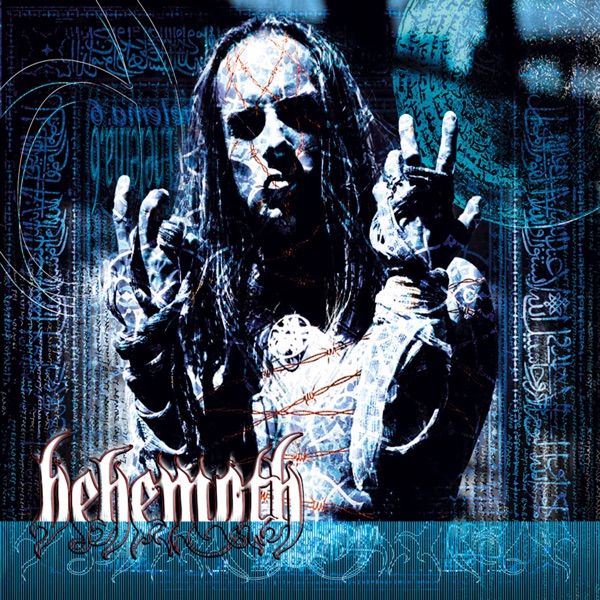
Thelema.6
2000 · 15 tracks
- 1 Antichristian Phenomenon ↗ 4:42
- 2 The Act of Rebellion ↗ 3:49
- 3 Inflamed With Rage ↗ 3:15
- 4 Pan Satyros ↗ 4:26
- 5 Natural Born Philosopher ↗ 3:59
- 6 Christians to the Lions ↗ 3:04
- 7 Inauguration of Scorpio Dome ↗ 3:06
- 8 In the Garden of Dispersion ↗ 3:23
- 9 The Universe Illumination ↗ 3:33
- 10 Vinvm Sabbati ↗ 3:27
- 11 23 (The Youth Manifesto) ↗ 4:01
- 12 Malice ↗ 2:26
- 13 Sathanas ↗ 2:09
- 14 Hello Space Boy ↗ 3:29
- 15 From the Pagan Vastlands ↗ 2:53

Zos Kia Cultus (Here and Beyond)
2002 · 12 tracks
- 1 Horns Ov Baphomet ↗ 6:35
- 2 Modern Iconoclasts ↗ 4:25
- 3 Here and Beyond ↗ 3:25
- 4 As Above So Below ↗ 4:59
- 5 Blackest Ov the Black ↗ 3:41
- 6 Hekau 718 ↗ 0:43
- 7 Harlot Ov the Saints ↗ 2:47
- 8 No Sympathy for Fools ↗ 3:48
- 9 Zos Kia Cultus ↗ 5:33
- 10 Fornicatus Benefictus ↗ 0:53
- 11 Typhonian Soul Zodiack ↗ 4:29
- 12 Heru Ra Ha Let There Be Might ↗ 3:03
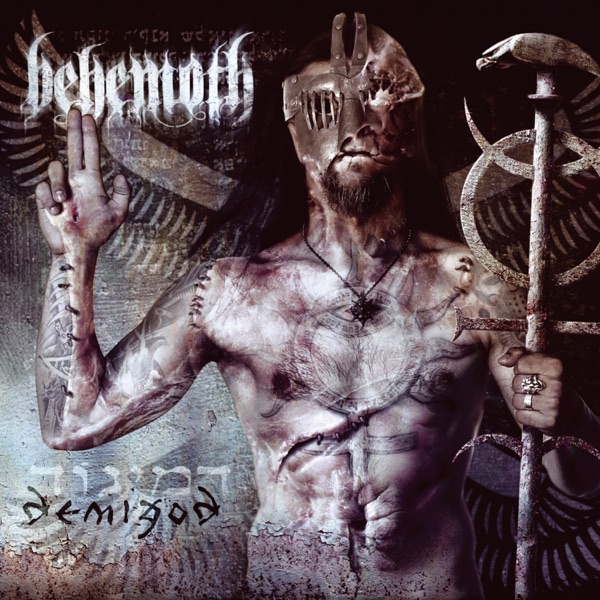
Demigod
2004 · 10 tracks

The Apostasy
2007 · 19 tracks
- 1 Rome 64 C.E. ↗ 1:16
- 2 Slaying the Prophets Ov Isa ↗ 3:23
- 3 Prometherion ↗ 3:04
- 4 At the Left Hand Ov God ↗ 4:58
- 5 Kriegsphilosophie ↗ 4:24
- 6 Be Without Fear ↗ 3:17
- 7 Arcana Hereticae ↗ 2:58
- 8 Libertheme ↗ 4:53
- 9 Inner Sanctum ↗ 5:01
- 10 Pazuzu ↗ 2:37
- 11 Christgrinding Avenue ↗ 3:43
- 12 Chant for Ezkaton 2000 E. V. ↗ 5:10
- 13 Qadosh ↗ 4:58
- 14 Jama Pekel ↗ 3:59
- 15 I'm Not Jesus ↗ 2:41
- 16 Devilock ↗ 1:20
- 17 From the Pagan Vastlands (Live In Krakow, 2001) ↗ 3:01
- 18 Decade Ov Therion (Live In Krakow, 2001) ↗ 2:57
- 19 Chant for Ezkaton 2000 E. V. (Live In Krakow, 2001) ↗ 5:05

Evangelion
2009 · 10 tracks
- 1 Daimonos ↗ 5:15
- 2 Shemhamforash ↗ 3:56
- 3 Ov Fire and the Void ↗ 4:27
- 4 Transmigrating Beyond Realms ov Amenti ↗ 3:28
- 5 He Who Breeds Pestilence ↗ 5:41
- 6 The Seed ov I ↗ 4:58
- 7 Alas, Lord Is Upon Me ↗ 3:16
- 8 Defiling Morality ov Black God ↗ 2:50
- 9 Lucifer ↗ 8:07
- 10 Total Invasion (Bonus Track) ↗ 7:20
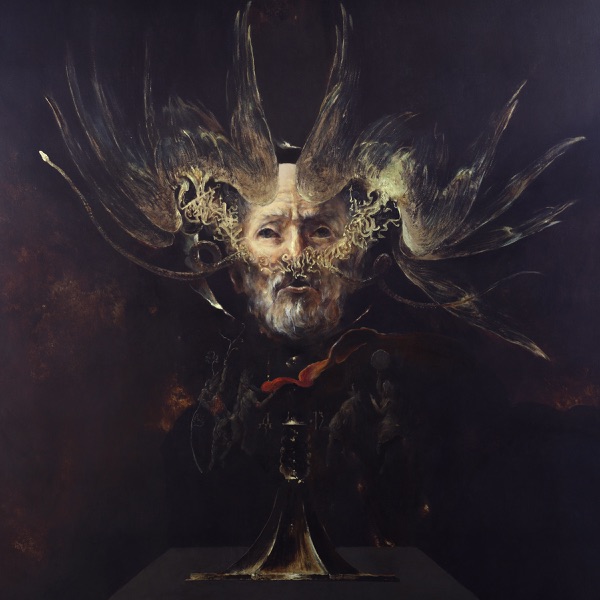

I Loved You at Your Darkest
2018 · 12 tracks
- 1 Solve ↗ 2:05
- 2 Wolves ov Siberia ↗ 2:54
- 3 God = Dog ↗ 3:59
- 4 Ecclesia Diabolica Catholica ↗ 4:50
- 5 Bartzabel ↗ 5:01
- 6 If Crucifixion Was Not Enough... ↗ 3:17
- 7 Angelvs XIII ↗ 3:41
- 8 Sabbath Mater ↗ 4:57
- 9 Havohej Pantocrator ↗ 6:05
- 10 Rom 5:8 ↗ 4:23
- 11 We Are the Next 1000 Years ↗ 3:24
- 12 Coagvla ↗ 2:05

Opvs Contra Natvram
2022 · 10 tracks

-
 Sventevith (Storming Near the Baltic)Behemoth199520 tracks
 -
 GromBehemoth199615 tracks
 -
 Pandemonic IncantationsBehemoth199816 tracks
 -
 SatanicaBehemoth199910 tracks
 -
 Thelema.6Behemoth200015 tracks
 -
 Zos Kia Cultus (Here and Beyond)Behemoth200212 tracks
 -
 DemigodBehemoth200410 tracks
 -
 The ApostasyBehemoth200719 tracks
 -
 EvangelionBehemoth200910 tracks
 -
 The SatanistBehemoth20149 tracks
 -
 I Loved You at Your DarkestBehemoth201812 tracks
 -
 Opvs Contra NatvramBehemoth202210 tracks
 -
 The Shit ov GodBehemoth20258 tracks
Deep Dive
Overview
Behemoth is a Polish blackened death metal band from Gdańsk, formed in 1991. The group stands as a cornerstone of the Polish extreme metal underground, having established themselves alongside acts like Vader and Hate as architects of a distinct regional metal identity. Over three decades, they have become one of the most consistent and prolific acts in the blackened death metal idiom, releasing thirteen studio albums from 1995 to 2025.
Formation Story
Behemoth emerged from Gdańsk in 1991, during a period when Eastern Europe’s underground metal scenes were gaining traction in the post-Soviet landscape. The band came together within a thriving local extreme metal community that included fellow Polish acts Vader and Hate. These three bands became instrumental in establishing Poland as a vital center for uncompromising metal music. The early 1990s saw Behemoth develop their sound and approach within this underground network, drawing from death metal and black metal traditions while forging a hybrid aesthetic that would define their long career.
Breakthrough Moment
Behemoth’s debut, Sventevith (Storming Near the Baltic), released in 1995, marked their entry into the recorded metal canon. The album established the band’s compositional approach and signaled that the Polish underground was producing music of serious artistic intent. They followed this with Grom in 1996 and Pandemonic Incantations in 1998, building a catalog that drew increasing attention from metal audiences beyond Poland. By the late 1990s, their third and fourth albums had secured them distribution through major extreme metal labels, including Metal Blade Records and Wild Rags Records, confirming their status within the international extreme metal community.
Peak Era
Behemoth’s most creatively ambitious and commercially visible period ran from 1999 through the mid-2000s. Satanica (1999) and Thelema.6 (2000) solidified their blackened death metal identity with increasingly complex arrangements and thematic depth. Zos Kia Cultus (Here and Beyond) (2002) demonstrated the band’s growing technical sophistication, while Demigod (2004) represented a culmination of these trends, presenting the band at full command of their craft. During this era, Behemoth secured backing from major labels including Nuclear Blast and Century Media Records, expanding their reach while maintaining the uncompromising aesthetic that had defined them from the outset.
Musical Style
Behemoth’s blackened death metal sound melds tremolo-picked riffs and blast-beat percussion from black metal with the lower-register brutality and complex drumming of death metal. The band’s compositions typically layer intricate guitar work over dense, machine-like drumming, creating a wall of distorted sound punctuated by strategic moments of rhythmic variation. Vocally, the band employs harsh, layered delivery typical of the extreme metal tradition. Over their career, Behemoth’s production has evolved from the rawer, more underground textures of the 1990s to the cleaner, more defined sound of their 2000s releases, allowing the compositional intricacy to emerge with greater clarity while retaining the genre’s inherent aggression. The band’s thematic concerns, reflected in album titles and artwork, draw from occult and philosophical imagery, positioning their music within a broader conceptual framework beyond mere sonic extremity.
Major Albums
Sventevith (Storming Near the Baltic) (1995)
Behemoth’s debut established their foundation in blackened death metal and announced the arrival of a significant new voice in the Polish underground. The album’s raw production and instrumental ambition demonstrated compositional talent beyond the genre’s typically straightforward approach.
Satanica (1999)
This album marked a transition toward greater technical sophistication and thematic coherence, showcasing the band’s evolution as musicians and composers. Satanica became a touchstone for understanding Behemoth’s artistic ambitions during their rise to international prominence.
Zos Kia Cultus (Here and Beyond) (2002)
Behemoth achieved a balance of accessibility and complexity on this Nuclear Blast release, with production quality that enhanced rather than diminished the music’s intensity. The album solidified their reputation for meticulous, intentional composition within the blackened death metal framework.
Demigod (2004)
Representing the culmination of Behemoth’s early period, Demigod presented fully realized songwriting across a substantial album length. The record remains one of the band’s most celebrated works, demonstrating technical mastery and sustained creative focus.
The Apostasy (2007)
Released on Nuclear Blast, this album continued the band’s trajectory of refining their craft, with production and songwriting that reflected over fifteen years of development since their formation.
The Satanist (2014)
After a break of several years, Behemoth returned with this Nuclear Blast release, confirming their continued relevance and creative vitality within the extreme metal landscape.
Signature Songs
- “Satanica” — The title track from their 1999 album, serving as a defining statement of the band’s conceptual and musical identity.
- “Christians to the Lions” — A composition showcasing Behemoth’s ability to craft memorable riffs within their extreme metal framework.
- “The Apostasy” — The centerpiece of their 2007 album, demonstrating the band’s sustained command of complex arrangements and thematic material.
- “Daimonos” — A track representing Behemoth’s mature period and their sophisticated approach to orchestrating blackened death metal textures.
Influence on Rock
Behemoth’s significance extends beyond their own catalog into their role in establishing Poland as a vital center for extreme metal production. Alongside Vader and Hate, they demonstrated that the blackened death metal idiom could sustain long-term artistic development and international relevance outside the traditional Scandinavian and American centers of metal innovation. Their prolific output and consistent touring established a template for Polish metal bands seeking to achieve worldwide distribution and critical respect without compromising their artistic vision. The band’s longevity and evolution across nearly three decades has made them a reference point for musicians working within and around the blackened death metal tradition.
Legacy
Behemoth’s career spanning from 1991 to the present represents one of the longest continuous trajectories in extreme metal. Their discography of thirteen studio albums through 2025 documents the evolution of blackened death metal across multiple decades and changing production technologies. The band’s association with major international labels including Metal Blade Records, Nuclear Blast, and Century Media Records reflects their status as one of the most significant acts in Polish metal history. Their sustained presence in the international extreme metal community, combined with their role in establishing the Polish underground, ensures their position as foundational figures in the broader landscape of contemporary heavy music.
Fun Facts
- Behemoth was formed during the early 1990s in Gdańsk, a period when Poland’s metal underground was rapidly developing its own distinct identity separate from Western European scenes.
- The band’s thirteen studio albums released between 1995 and 2025 document one of the longest continuous careers in blackened death metal, spanning three decades of musical development.
- Behemoth secured distribution through multiple major extreme metal labels across their career, including Wild Rags Records, Metal Blade Records, Nuclear Blast, and Century Media Records, reflecting their growth from underground act to internationally recognized band.
- The band’s thematic material and album titles, such as Zos Kia Cultus and The Satanist, reflect a consistent engagement with conceptual frameworks that position their music within broader philosophical and artistic contexts.