
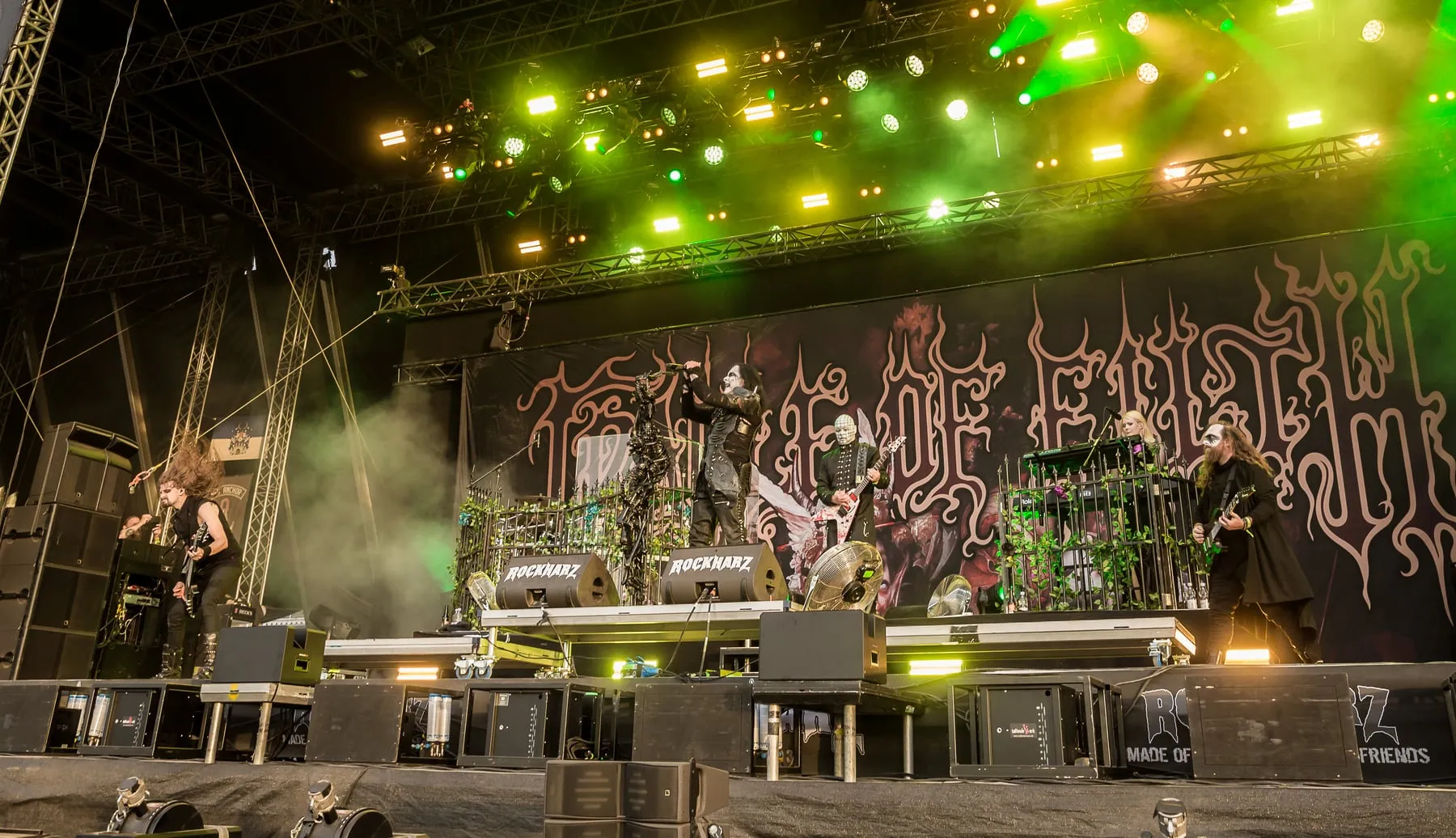
Photo by S. Bollmann@S._Bollmann , licensed under Attribution · Wikimedia Commons
Rank #327
Cradle of Filth
From Wikipedia
Cradle of Filth are an English extreme metal band formed in Suffolk in 1991. The band's musical style evolved originally from black metal to a cleaner and more "produced" amalgam of gothic metal, symphonic metal and other metal genres. Their lyrical themes and imagery are heavily influenced by Gothic literature, poetry, mythology and horror films. The band consists of its founding member, vocalist Dani Filth, drummer Martin "Marthus" Škaroupka, bassist Daniel Firth, and guitarist Donny Burbage.
Members
- Adrian Erlandsson
- Ashley Ellyllon
- Benjamin Ryan
- Charles Hedger
- Damien Gregori
- Dani Filth
- Daniel Firth
- Dave Pybus
- Donny Burbage
- Gian Pyres
- James McIlroy
- Jon Kennedy
- Les Smith
- Lindsay Schoolcraft
- Marek Smerda
- Martin Marthus Škaroupka
- Martin Powell
- Nick Barker
- Paul Allender
- Paul Ryan
- Richard Shaw
- Robin Eaglestone
- Sarah Jezebel Deva
- Stuart Anstis
- Was Sarginson
- Zoë Marie Federoff
Discography & Previews
Browse through and click an album to open and play 30-second previews streamed from Apple Music.

Dusk and Her Embrace
1996 · 9 tracks
- 1 Humana Inspired to Nightmare ↗ 1:23
- 2 Heaven Torn Asunder ↗ 7:05
- 3 Funeral In Carpathia ↗ 8:24
- 4 A Gothic Romance (Red Roses for the Devil's Whore) ↗ 8:35
- 5 Malice Through the Looking Glass ↗ 5:31
- 6 Dusk and Her Embrace ↗ 6:09
- 7 The Graveyard By Moonlight ↗ 2:29
- 8 Beauty Slept In Sodom ↗ 6:32
- 9 Haunted Shores ↗ 7:04

Cruelty and the Beast
1998 · 11 tracks
- 1 Once upon Atrocity (Remixed and Remastered) ↗ 1:46
- 2 Thirteen Autumns and a Widow (Remixed and Remastered) ↗ 7:14
- 3 Cruelty Brought Thee Orchids (Remixed and Remastered) ↗ 7:18
- 4 Beneath the Howling Stars (Remixed and Remastered) ↗ 7:38
- 5 Venus in Fear (Remixed and Remastered) ↗ 2:21
- 6 Desire in Violent Overture (Remixed and Remastered) ↗ 4:16
- 7 The Twisted Nails of Faith (Remixed and Remastered) ↗ 6:50
- 8 Bathory Aria (Remixed and Remastered) ↗ 11:01
- 9 Portrait of the Dead Countess (Remixed and Remastered) ↗ 2:52
- 10 Lustmord and Wargasm (The Lick of Carnivorous Winds) [Remixed and Remastered] ↗ 7:31
- 11 Hallowed Be Thy Name (Remixed and Remastered) ↗ 7:14

Midian
2000 · 11 tracks
- 1 At the Gates of Midian ↗ 2:21
- 2 Cthulhu Dawn ↗ 4:17
- 3 Saffron's Curse ↗ 6:33
- 4 Death Magick for Adepts ↗ 5:54
- 5 Lord Abortion ↗ 6:51
- 6 Amor e Morte ↗ 6:44
- 7 Creatures That Kissed In Cold Mirrors ↗ 3:00
- 8 Her Ghost In the Fog ↗ 6:25
- 9 Satanic Mantra ↗ 0:51
- 10 Tearing the Veil from Grace ↗ 8:13
- 11 Tortured Soul Asylum ↗ 7:46

Damnation and a Day
2003 · 17 tracks
- 1 A Bruise Upon the Silent Moon ↗ 2:04
- 2 The Promise of Fever ↗ 5:57
- 3 Hurt and Virtue ↗ 5:24
- 4 An Enemy Led the Tempest ↗ 6:12
- 5 Damned In Any Language (A Plague On Words) ↗ 1:58
- 6 Better to Reign In Hell ↗ 6:12
- 7 Serpent Tongue ↗ 5:10
- 8 Carrion ↗ 4:43
- 9 The Mordant Liquor of Tears ↗ 2:35
- 10 Presents from the Poison-Hearted ↗ 6:19
- 11 Doberman Pharoah ↗ 6:04
- 12 Babalon a.D. (So Glad for the Madness) ↗ 5:38
- 13 A Scarlet Witch Lit the Season ↗ 1:34
- 14 Mannequin ↗ 4:27
- 15 Thank God for the Suffering ↗ 6:13
- 16 The Smoke of Her Burning ↗ 5:00
- 17 End of Daze ↗ 1:25

Nymphetamine
2004 · 14 tracks
- 1 Satyriasis ↗ 1:42
- 2 Gilded C**t ↗ 4:08
- 3 Nemesis ↗ 7:18
- 4 Gabrielle ↗ 5:27
- 5 Absinthe With Faust ↗ 5:14
- 6 Nymphetamine Overdose ↗ 9:14
- 7 Painting Flowers White Never Suited My Palette ↗ 1:57
- 8 Medusa and Hemlock ↗ 4:44
- 9 Coffin Fodder ↗ 5:17
- 10 English Fire ↗ 4:45
- 11 Filthy Little Secret ↗ 6:16
- 12 Swansong for a Raven ↗ 7:09
- 13 Mother of Abominations ↗ 7:33
- 14 Nymphetamine Fix ↗ 5:02
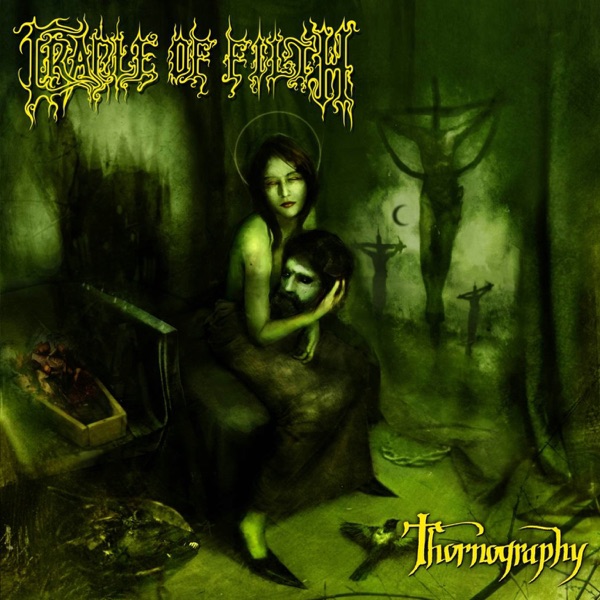
Thornography
2006 · 12 tracks
- 1 Under Pregnant Skies She Comes Alive Like Miss Leviathan ↗ 1:40
- 2 Dirge Inferno ↗ 4:53
- 3 Tonight In Flames ↗ 5:56
- 4 Libertina Grimm ↗ 5:51
- 5 The Byronic Man ↗ 5:04
- 6 I Am the Thorn ↗ 7:07
- 7 Cemetery and Sundown ↗ 5:38
- 8 Lovesick for Mina ↗ 7:00
- 9 Foetus of a New Day Kicking ↗ 3:44
- 10 Rise of the Pentagram ↗ 7:03
- 11 Under Huntress Moon ↗ 6:59
- 12 Temptation ↗ 3:48

Godspeed on the Devil’s Thunder
2008 · 13 tracks
- 1 In Grandeur and Frankincense Devilment Stirs ↗ 2:27
- 2 Shat Out of Hell ↗ 5:03
- 3 The Death of Love ↗ 7:14
- 4 The 13th Caesar ↗ 5:36
- 5 Tiffauges ↗ 2:14
- 6 Tragic Kingdom ↗ 6:00
- 7 Sweetest Maleficia ↗ 5:58
- 8 Honey and Sulphur ↗ 5:38
- 9 Midnight Shadows Crawl to Darken Counsel With Life ↗ 8:59
- 10 Darkness Incarnate ↗ 8:56
- 11 Ten Leagues Beneath Contempt ↗ 4:59
- 12 Godspeed On the Devil's Thunder ↗ 5:37
- 13 Corpseflower ↗ 2:42

Midnight in the Labyrinth
2012 · 19 tracks
- 1 A Gothic Romance (Red Roses for the Devil's Whore) ↗ 8:39
- 1 The Rape and Ruin of Angels (Hosannas in Extremis) [Orchestral] ↗ 8:16
- 2 The Forest Whispers My Name ↗ 5:42
- 2 Dusk and Her Embrace (Orchestral) ↗ 6:29
- 3 The Twisted Nails of Faith ↗ 7:06
- 3 Summer Dying Fast (Orchestral) ↗ 5:21
- 4 The Rape and Ruin of Angels (Hosannas in Extremis) ↗ 8:20
- 4 The Twisted Nails of Faith (Orchestral) ↗ 7:06
- 5 Funeral in Carpathia ↗ 8:52
- 5 Funeral in Carpathia (Orchestral) ↗ 8:38
- 6 Summer Dying Fast ↗ 5:21
- 6 The Forest Whispers My Name (Orchestral) ↗ 5:33
- 7 Thirteen Autumns and a Widow ↗ 7:15
- 7 Cruelty Brought Thee Orchids (Orchestral) ↗ 7:25
- 8 Dusk and Her Embrace ↗ 6:32
- 8 A Gothic Romance (Red Roses for the Devil's Whore) [Orchestral] ↗ 8:36
- 9 Cruelty Brought Thee Orchids ↗ 7:47
- 9 Thirteen Autumns and a Widow (Orchestral) ↗ 7:13
- 10 Goetia (Invoking the Unclean) ↗ 13:06

The Manticore and Other Horrors
2012 · 13 tracks
- 1 The Unveiling of O ↗ 2:07
- 2 The Abhorrent ↗ 5:53
- 3 For Your Vulgar Delectation ↗ 4:47
- 4 Illicitus ↗ 5:24
- 5 Manticore ↗ 5:54
- 6 Frost on Her Pillow ↗ 4:13
- 7 Huge Onyx Wings Behind Despair ↗ 4:23
- 8 Pallid Reflection ↗ 5:35
- 9 Siding with the Titans ↗ 5:17
- 10 Succumb to This ↗ 4:43
- 11 Sinfonia ↗ 3:23
- 12 Nightmares of an Ether Drinker ↗ 4:32
- 13 Death, the Great Adventure ↗ 6:22

Hammer of the Witches
2015 · 13 tracks
- 1 Walpurgis Eve ↗ 1:29
- 2 Yours Immortally... ↗ 6:01
- 3 Enshrined in Crematoria ↗ 5:47
- 4 Deflowering the Maidenhead, Displeasuring the Goddess ↗ 7:00
- 5 Blackest Magick in Practice ↗ 6:50
- 6 The Monstrous Sabbat (Summoning the Coven) ↗ 1:52
- 7 Hammer of the Witches ↗ 6:29
- 8 Right Wing of the Garden Triptych ↗ 5:55
- 9 The Vampyre at My Side ↗ 5:46
- 10 Onward Christian Soldiers ↗ 7:00
- 11 Blooding the Hounds of Hell ↗ 2:10
- 12 King of the Woods ↗ 6:17
- 13 Misericord ↗ 6:20

Dusk… and Her Embrace: The Original Sin
2016 · 12 tracks
- 1 Macabre, This Banquet ↗ 1:33
- 2 Nocturnal Supremacy ↗ 6:03
- 3 Heaven Torn Asunder ↗ 6:55
- 4 Dusk and Her Embrace ↗ 6:13
- 5 A Gothic Romance ↗ 8:44
- 6 The Graveyard by Moonlight ↗ 2:01
- 7 Funeral in Carpathia ↗ 8:20
- 8 Beauty Slept in Sodom ↗ 6:35
- 9 The Haunted Shores of Avalon ↗ 7:11
- 10 Carmilla's Masque ↗ 2:57
- 11 A Gothic Romance (Bonus Demo Version) ↗ 8:23
- 12 Nocturnal Supremacy (Bonus Demo Version) ↗ 6:15
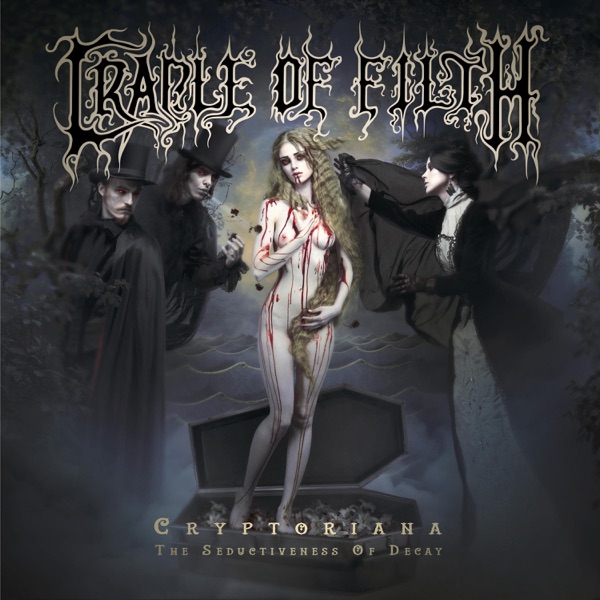
Cryptoriana: The Seductiveness of Decay
2017 · 10 tracks
- 1 Exquisite Torments Await ↗ 2:15
- 2 Heartbreak and Seance ↗ 6:24
- 3 Achingly Beautiful ↗ 7:02
- 4 Wester Vespertine ↗ 7:29
- 5 The Seductiveness of Decay ↗ 7:39
- 6 Vengeful Spirit ↗ 6:00
- 7 You Will Know the Lion by His Claw ↗ 7:23
- 8 Death and the Maiden ↗ 8:48
- 9 The Night at Catafalque Manor ↗ 7:31
- 10 Alison Hell ↗ 5:02
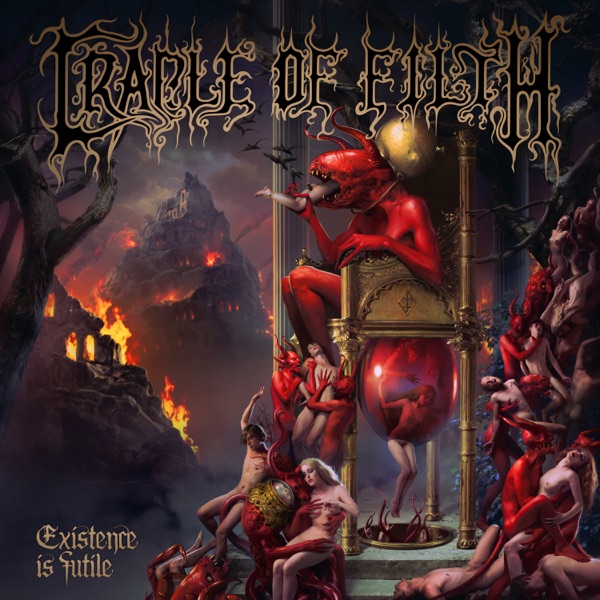
Existence Is Futile
2021 · 14 tracks
- 1 The Fate of the World on Our Shoulders ↗ 1:37
- 2 Existential Terror ↗ 6:18
- 3 Necromantic Fantasies ↗ 5:41
- 4 Crawling King Chaos ↗ 5:28
- 5 Here Comes a Candle... (Infernal Lullaby) ↗ 1:28
- 6 Black Smoke Curling from the Lips of War ↗ 5:21
- 7 Discourse Between a Man and His Soul ↗ 5:31
- 8 The Dying of the Embers ↗ 6:09
- 9 Ashen Mortality ↗ 1:50
- 10 How Many Tears to Nurture a Rose? ↗ 4:34
- 11 Suffer Our Dominion ↗ 6:22
- 12 Us, Dark, Invincible ↗ 6:26
- 13 Sisters of the Mist ↗ 7:14
- 14 Unleash the Hellion ↗ 6:23

The Screaming of the Valkyries
2025 · 9 tracks
-
 Dusk and Her EmbraceCradle of Filth19969 tracks
 -
 Cruelty and the BeastCradle of Filth199811 tracks
 -
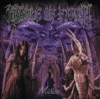 MidianCradle of Filth200011 tracks
 -
 Damnation and a DayCradle of Filth200317 tracks
 -
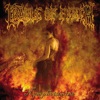 NymphetamineCradle of Filth200414 tracks
 -
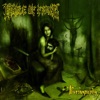 ThornographyCradle of Filth200612 tracks
 -
 Godspeed on the Devil’s ThunderCradle of Filth200813 tracks
 -
 Midnight in the LabyrinthCradle of Filth201219 tracks
 -
 The Manticore and Other HorrorsCradle of Filth201213 tracks
 -
 Hammer of the WitchesCradle of Filth201513 tracks
 -
 Dusk… and Her Embrace: The Original SinCradle of Filth201612 tracks
 -
 Cryptoriana: The Seductiveness of DecayCradle of Filth201710 tracks
 -
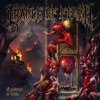 Existence Is FutileCradle of Filth202114 tracks
 -
 The Screaming of the ValkyriesCradle of Filth20259 tracks
Deep Dive
Overview
Cradle of Filth are an English extreme metal band that emerged from Suffolk in 1991 and have remained active for over three decades. Built on a foundation of black metal, the band’s sound evolved into a distinctive fusion of gothic metal, symphonic metal, and broader extreme-metal aesthetics, distinguished by theatrical presentation and deeply literary thematic content. Their music draws heavily from Gothic literature, poetry, mythology, and horror cinema, positioning them as architects of a theatrical strain of extreme metal that prioritized narrative and atmosphere alongside raw aggression.
Formation Story
Cradle of Filth coalesced in Suffolk in 1991 under the direction of vocalist Dani Filth, the band’s founding member and creative anchor. The early roster included guitarist Paul Allender and a rotating lineup of musicians drawn to the emerging British black metal scene. The Suffolk origins placed the band outside the traditional metropolitan hubs of metal production, yet the rural English setting proved compatible with their embrace of Gothic and literary imagery. By the mid-1990s, the core ensemble had solidified around Dani Filth’s visionary approach, establishing the operational template that would define the band’s three-decade trajectory.
Breakthrough Moment
Cradle of Filth’s commercial and critical breakthrough arrived with Cruelty and the Beast (1998), an album that crystallized their hybrid approach and demonstrated the commercial viability of symphonic black metal in the mainstream metal market. Released four years after their debut The Principle of Evil Made Flesh (1994) and following the refinement heard on Dusk and Her Embrace (1996), Cruelty and the Beast marked the point at which their sophisticated production values and narrative ambition aligned with broader metal-industry recognition. The album’s success positioned them as leading figures in the late-1990s extreme metal renaissance and established touring visibility that extended beyond the underground circuit.
Peak Era
The period from 2000 to 2006 constituted Cradle of Filth’s most creatively expansive and commercially successful era. Midian (2000) sustained the symphonic-black-metal template while deepening the band’s use of orchestral arrangements and conceptual thematic depth. Damnation and a Day (2003) and Nymphetamine (2004) further refined this approach, incorporating diverse instrumental textures and maintaining the theatrical vocal delivery that distinguished Dani Filth’s approach from conventional black metal practitioners. Thornography (2006) continued this trajectory, demonstrating the band’s ability to sustain a high-production aesthetic without sacrificing the aggression fundamental to their genre. Throughout this period, Cradle of Filth maintained consistent touring activity and a dedicated international fanbase, solidifying their status as one of the most recognizable names in European extreme metal.
Musical Style
Cradle of Filth’s sound synthesizes black metal’s raw distortion and tremolo-picked riffing with orchestral arrangement, gothic melody, and theatrical vocal production. Dani Filth’s approach to vocals—ranging from piercing shrieks to deeper growls and occasional clean passages—departs markedly from the one-dimensional scream typical of conventional black metal, incorporating dramatic dynamics that serve the narrative content. The instrumental palette expanded considerably across their discography, particularly through the contributions of keyboardists such as Martin Powell, whose orchestral arrangements became integral to the band’s sonic identity. Drums, handled across their career by musicians including Nick Barker and later Martin Škaroupka, emphasize precision and adaptability rather than the raw blast-beat simplicity of underground black metal. Lyrically, Cradle of Filth distinguished themselves through detailed engagement with literary sources, historical arcana, and philosophical darkness, treating each album as a thematic artifact rather than a collection of interchangeable songs.
Major Albums
The Principle of Evil Made Flesh (1994)
The band’s debut established their core aesthetic: black metal instrumentation married to ambitious production and literature-informed concepts, announcing their departure from raw underground conventions.
Dusk and Her Embrace (1996)
A refinement of the debut’s approach, demonstrating increasing compositional sophistication and the incorporation of keyboards as a primary textural element rather than mere decoration.
Cruelty and the Beast (1998)
The breakthrough album that crystallized their symphonic-black-metal hybrid and introduced their sound to mainstream metal audiences, balancing accessibility with uncompromising extremity.
Midian (2000)
An ambitious extension of the orchestral approach, deepening conceptual ambition and expanding the production palette while maintaining black metal’s foundational aggression.
Nymphetamine (2004)
A mature refinement of their established formula, showcasing the band’s ability to sustain creative momentum across a decade while exploring darker melodic possibilities.
Thornography (2006)
Marking the conclusion of their peak creative period, this album demonstrated mastery of the symphonic-black-metal form and established the template that would define subsequent releases.
Signature Songs
- Cradle of Filth — The band’s most recognizable composition, exemplifying their approach to theatrical black metal with orchestral accompaniment.
- Her Ghost in the Fog — Demonstrating the band’s ability to construct narrative-driven compositions with memorable melodic hooks alongside extreme-metal instrumentation.
- Bathory Aria — Showcasing the integration of classical vocal techniques and literary narrative within the black metal framework.
- Mother of All — Illustrating their expansion beyond purely black metal aesthetics into broader gothic-metal territory.
- Nymphetamine — A signature composition from their 2004 album, balancing symphonic grandeur with relentless rhythmic propulsion.
Influence on Rock
Cradle of Filth fundamentally altered the trajectory of black metal in the late 1990s and 2000s, demonstrating that the genre could accommodate orchestral production, theatrical presentation, and literary sophistication without surrendering its essential darkness and aggression. Their commercial visibility raised the profile of symphonic metal as a viable subgenre and influenced numerous bands to incorporate keyboard arrangements and narrative conceptualization into extreme-metal frameworks. The band’s embrace of Gothic aesthetics and literary themes opened pathways for metal’s integration with classical music traditions, visual theatre, and intellectual subject matter, expanding the genre’s cultural resonance beyond the purely sonic domain.
Legacy
Across three decades, Cradle of Filth have maintained consistent creative output and international touring presence, with albums appearing as recently as 2021’s Existence Is Futile and the forthcoming The Screaming of the Valkyries (2025). Their sustained activity distinguishes them within the extreme-metal landscape, where many peer bands experienced dissolution or extended hiatuses. The band’s incorporation of diverse influences—from Gothic literature to orchestral composition to visual theatre—established a template for theatrical metal that influenced subsequent generations of extreme-metal practitioners. Cradle of Filth’s longevity and refusal to regress toward raw underground aesthetics demonstrate the viability of sustained creative evolution within extreme-metal frameworks, positioning them as essential architects of modern metal’s expansion beyond purely instrumental concerns toward thematic and conceptual ambition.
Fun Facts
- The band released two albums in 2012, Midnight in the Labyrinth and The Manticore and Other Horrors, demonstrating a period of heightened creative productivity.
- Dusk… and Her Embrace: The Original Sin (2016) represented a revisitation of their 1996 album Dusk and Her Embrace, indicating the band’s continued engagement with their foundational material.
- Cradle of Filth’s lineup has cycled through over twenty musicians across their three-decade existence, with founding member Dani Filth remaining the sole consistent creative presence.
- The band’s lyrical focus on Gothic literature and historical horror narratives positioned them distinctly within metal’s intellectual landscape, drawing from sources beyond conventional metal subject matter.