
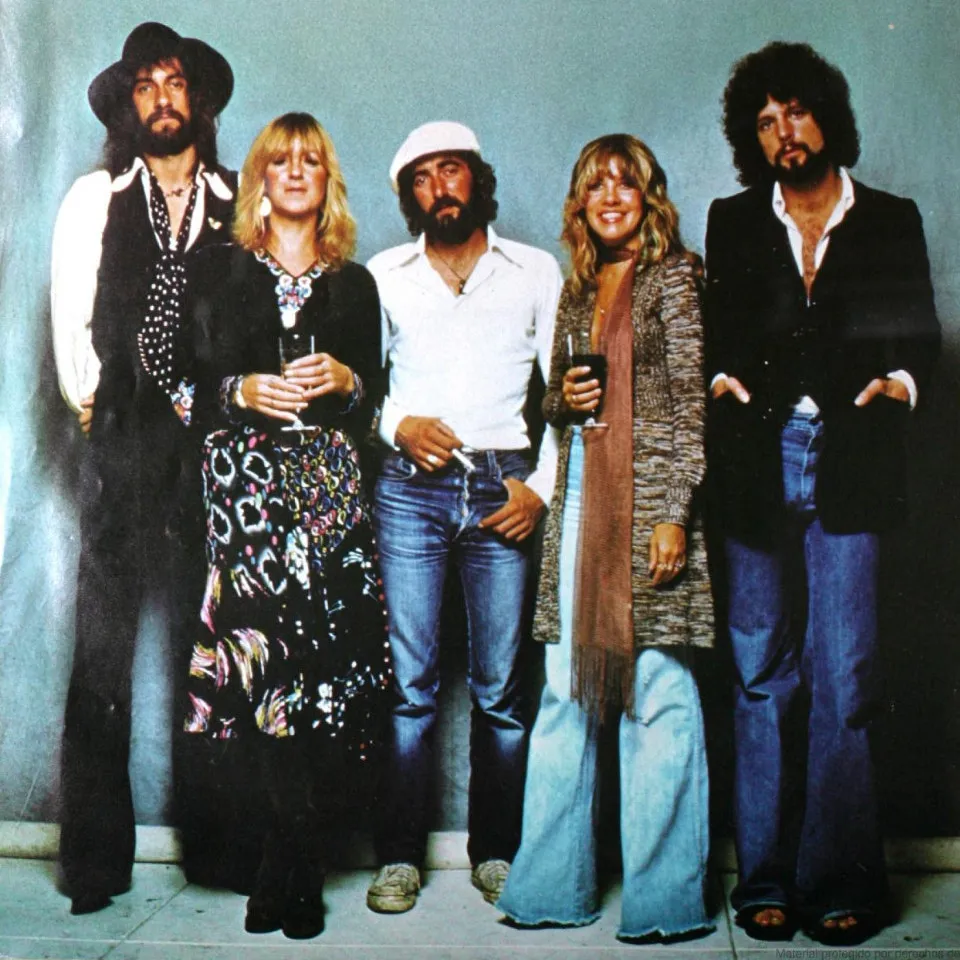
Photo by Warner Bros. Records , licensed under Public domain · Wikimedia Commons
Rank #7
Fleetwood Mac
From Wikipedia
Fleetwood Mac were a British and American rock band formed in London in 1967 by singer and guitarist Peter Green. He named the band by combining the surnames of drummer Mick Fleetwood, the only constant member of the band throughout its history, and bassist John McVie, who joined the band soon after it was formed. Fleetwood Mac have sold more than 120 million records worldwide, making them one of the world's best-selling musical acts.
Discography & Previews
Browse through and click an album to open and play 30-second previews streamed from Apple Music.
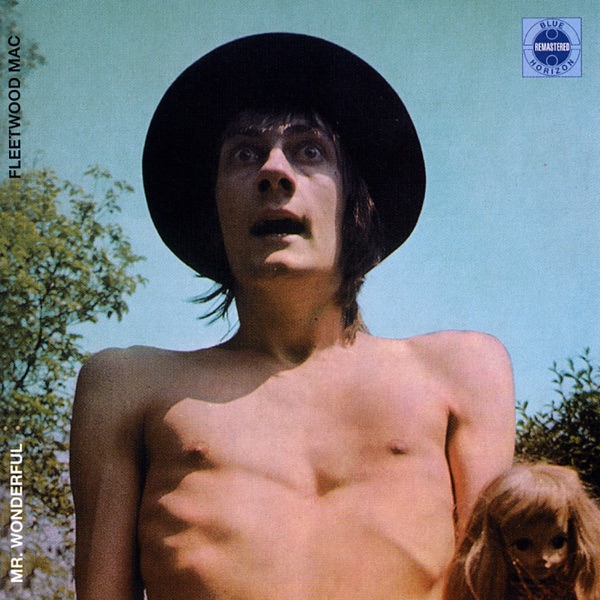
Mr. Wonderful
1968 · 16 tracks
- 1 Stop Messin' Round (Take 4) ↗ 2:36
- 2 I've Lost My Baby ↗ 4:18
- 3 Rollin' Man ↗ 2:54
- 4 Dust My Broom ↗ 2:53
- 5 Love That Burns ↗ 5:04
- 6 Doctor Brown ↗ 3:46
- 7 Need Your Love Tonight ↗ 3:28
- 8 If You Be My Baby ↗ 3:53
- 9 Evenin' Boogie ↗ 2:42
- 10 Lazy Poker Blues ↗ 2:36
- 11 Coming Home ↗ 2:41
- 12 Trying So Hard to Forget ↗ 4:51
- 13 Stop Messin' Round (Bonus Track: Take 1 - False Start) ↗ 4:34
- 14 Stop Messin' Round (Bonus Track: Take 5 Master Single / Remix) ↗ 2:50
- 15 I Held My Baby Last Night (Bonus Track) ↗ 4:28
- 16 Mystery Boogie (Bonus Track) ↗ 2:52

Peter Green’s Fleetwood Mac
1968 · 19 tracks
- 1 My Heart Beat Like a Hammer (Take 2) ↗ 3:32
- 2 Merry Go Round (Take 1) ↗ 4:20
- 3 Long Grey Mere ↗ 2:15
- 4 Hellhound on My Trail (Take 1) ↗ 2:06
- 5 Shake Your Moneymaker ↗ 3:14
- 6 Looking for Somebody ↗ 2:52
- 7 No Place to Go ↗ 3:21
- 8 My Baby's Good to Me ↗ 2:51
- 9 I Loved Another Woman ↗ 2:56
- 10 Cold Black Night ↗ 3:17
- 11 The World Keep on Turning ↗ 2:29
- 12 Got to Move ↗ 3:21
- 13 My Heart Beat Like a Hammer (Bonus Track: Take 1 & Talking Tail) ↗ 3:43
- 14 Merry Go Round (Bonus Track: Take 1 Incomplete) ↗ 0:57
- 15 I Loved Another Woman (Bonus Track: Takes 1-4) ↗ 6:09
- 16 I Loved Another Woman (Bonus Track: Takes 5-6) ↗ 5:10
- 17 Cold Black Night (Bonus Track: Take 1 & 2 False Start) ↗ 5:30
- 18 You're So Evil (Bonus Track) ↗ 3:07
- 19 I'm Coming Home to Stay (Bonus Track) ↗ 2:29

Then Play On
1969 · 18 tracks
- 1 Coming Your Way ↗ 3:46
- 2 Closing My Eyes ↗ 4:52
- 3 Fighting for Madge ↗ 2:43
- 4 When You Say ↗ 4:32
- 5 Show-Biz Blues ↗ 3:52
- 6 Underway ↗ 3:05
- 7 One Sunny Day ↗ 3:12
- 8 Although the Sun Is Shining ↗ 2:25
- 9 Rattlesnake Shake ↗ 3:30
- 10 Without You ↗ 4:35
- 11 Searching for Madge ↗ 6:57
- 12 My Dream ↗ 3:32
- 13 Like Crying ↗ 2:25
- 14 Before the Beginning ↗ 3:28
- 15 Oh Well (Pt. 1) [Bonus Track] ↗ 3:24
- 16 Oh Well (Pt. 2) [Bonus Track] ↗ 5:40
- 17 The Green Manalishi (With the Two Prong Crown) [Bonus Track] ↗ 4:37
- 18 World In Harmony (Bonus Track) ↗ 3:26


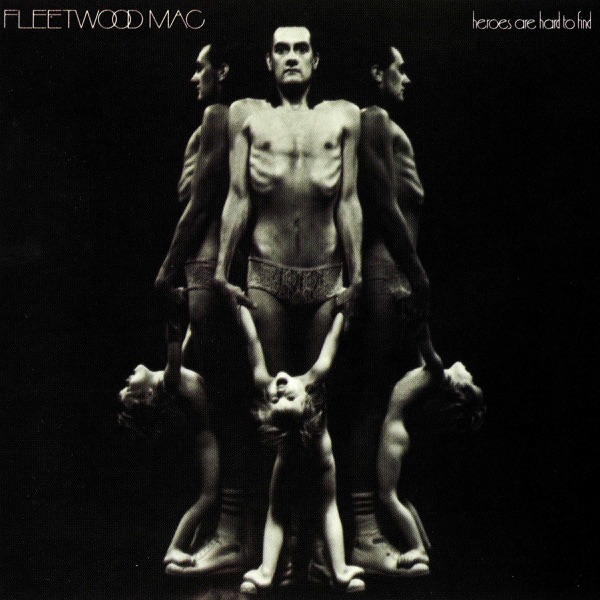
Heroes Are Hard to Find
1974 · 11 tracks


Tusk
1979 · 20 tracks
- 1 Over & Over ↗ 4:34
- 2 The Ledge ↗ 2:07
- 3 Think About Me ↗ 2:44
- 4 Save Me a Place ↗ 2:42
- 5 Sara ↗ 6:31
- 6 What Makes You Think You're the One ↗ 3:31
- 7 Storms ↗ 5:31
- 8 That's All for Everyone ↗ 3:03
- 9 Not That Funny ↗ 3:15
- 10 Sisters of the Moon ↗ 4:44
- 11 Angel ↗ 4:54
- 12 That's Enough for Me ↗ 1:51
- 13 Brown Eyes ↗ 4:27
- 14 Never Make Me Cry ↗ 2:18
- 15 I Know I'm Not Wrong ↗ 3:02
- 16 Honey Hi ↗ 2:45
- 17 Beautiful Child ↗ 5:21
- 18 Walk a Thin Line ↗ 3:47
- 19 Tusk ↗ 3:38
- 20 Never Forget ↗ 3:39

Mirage
1982 · 12 tracks
- 1 Love In Store (2016 Remastered) ↗ 3:15
- 2 Can't Go Back (2016 Remastered) ↗ 2:43
- 3 That's Alright (2016 Remastered) ↗ 3:10
- 4 Book of Love (2016 Remastered) ↗ 3:23
- 5 Gypsy (2016 Remastered) ↗ 4:27
- 6 Only Over You (2016 Remastered) ↗ 4:10
- 7 Empire State (2016 Remastered) ↗ 2:52
- 8 Straight Back (2016 Remastered) ↗ 4:12
- 9 Hold Me (2016 Remastered) ↗ 3:45
- 10 Oh Diane (2016 Remastered) ↗ 2:39
- 11 Eyes of the World (2016 Remastered) ↗ 3:46
- 12 Wish You Were Here (2016 Remastered) ↗ 4:51
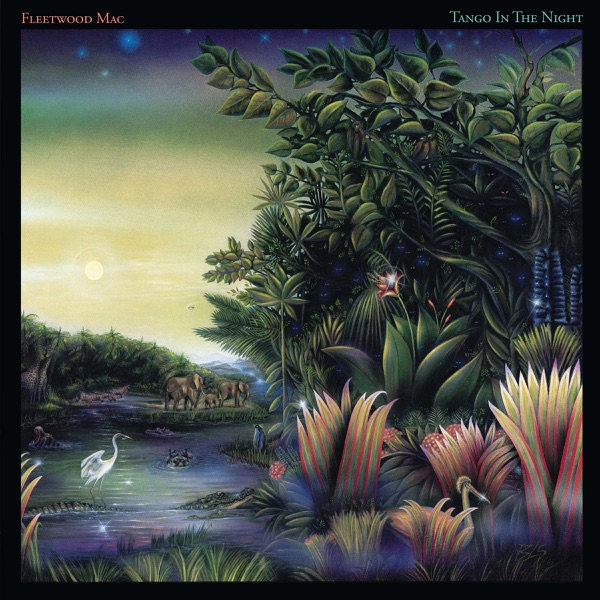
Tango in the Night
1987 · 12 tracks
- 1 Big Love (Remastered) ↗ 3:44
- 2 Seven Wonders (Remastered) ↗ 3:42
- 3 Everywhere (Remastered) ↗ 3:47
- 4 Caroline (Remastered) ↗ 3:54
- 5 Tango in the Night (Remastered) ↗ 4:03
- 6 Mystified (Remastered) ↗ 3:10
- 7 Little Lies (Remastered) ↗ 3:41
- 8 Family Man (Remastered) ↗ 4:07
- 9 Welcome To the Room... Sara (Remastered) ↗ 3:42
- 10 Isn't It Midnight (Remastered) ↗ 4:14
- 11 When I See You Again (Remastered) ↗ 3:49
- 12 You and I, Pt. II (Remastered) ↗ 2:40
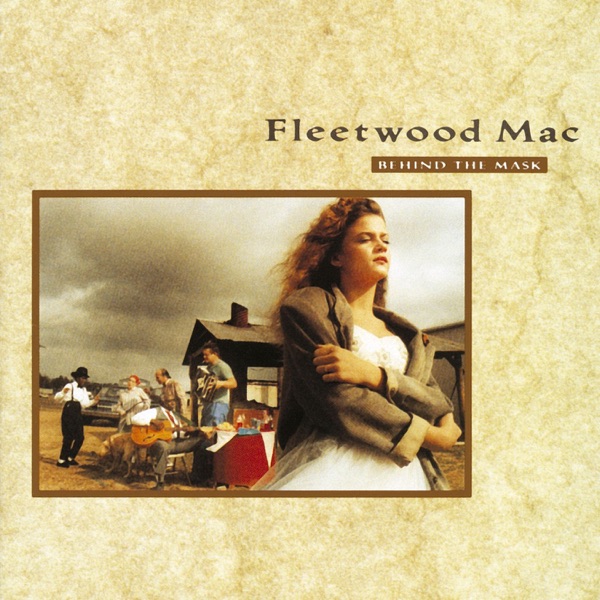
Behind the Mask
1990 · 13 tracks
- 1 Skies the Limit ↗ 3:45
- 2 Love Is Dangerous ↗ 3:18
- 3 In the Back of My Mind ↗ 7:03
- 4 Do You Know ↗ 4:19
- 5 Save Me ↗ 4:15
- 6 Affairs of the Heart ↗ 4:22
- 7 When the Sun Goes Down ↗ 3:19
- 8 Behind the Mask ↗ 4:18
- 9 Stand On the Rock ↗ 3:59
- 10 Hard Feelings ↗ 4:54
- 11 Freedom ↗ 4:12
- 12 When It Comes to Love ↗ 4:09
- 13 The Second Time ↗ 2:32
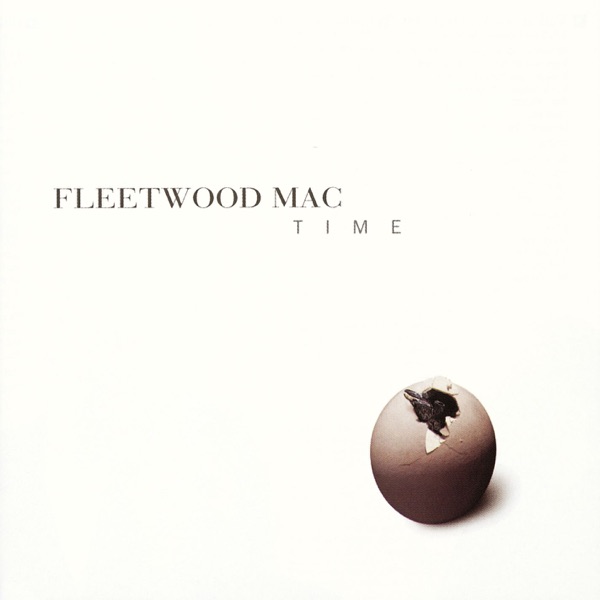
Time
1995 · 13 tracks
- 1 Talkin' to My Heart ↗ 4:57
- 2 Hollywood (Some Other Kind of Town) ↗ 5:46
- 3 Blow By Blow ↗ 4:27
- 4 Winds of Change ↗ 4:28
- 5 I Do ↗ 4:28
- 6 Nothing Without You ↗ 3:09
- 7 Dreamin' the Dream ↗ 3:45
- 8 Sooner or Later ↗ 5:41
- 9 I Wonder Why ↗ 4:30
- 10 Nights In Estoril ↗ 4:47
- 11 I Got It In for You ↗ 4:11
- 12 All Over Again ↗ 3:36
- 13 These Strange Times ↗ 7:08

Say You Will
2003 · 18 tracks
- 1 What's the World Coming To ↗ 3:47
- 2 Murrow Turning Over In His Grave ↗ 4:12
- 3 Illume ↗ 4:51
- 4 Thrown Down ↗ 4:01
- 5 Miranda ↗ 4:17
- 6 Red Rover ↗ 3:57
- 7 Say You Will ↗ 3:48
- 8 Peacekeeper ↗ 4:11
- 9 Come ↗ 5:59
- 10 Smile at You ↗ 4:32
- 11 Running Through the Garden ↗ 4:33
- 12 Silver Girl ↗ 3:59
- 13 Steal Your Heart Away ↗ 3:34
- 14 Bleed to Love Her ↗ 4:06
- 15 Everybody Finds Out ↗ 4:29
- 16 Destiny Rules ↗ 4:26
- 17 Say Goodbye ↗ 3:25
- 18 Goodbye Baby ↗ 3:51
-
 Mr. WonderfulFleetwood Mac196816 tracks
 -
 Peter Green’s Fleetwood MacFleetwood Mac196819 tracks
 -
 Then Play OnFleetwood Mac196918 tracks
 -
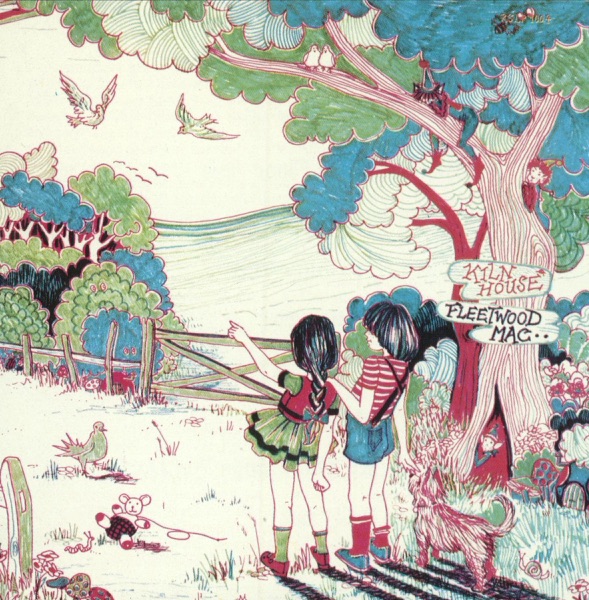
 Kiln HouseFleetwood Mac197010 tracks
 -
 Future GamesFleetwood Mac19718 tracks
 -
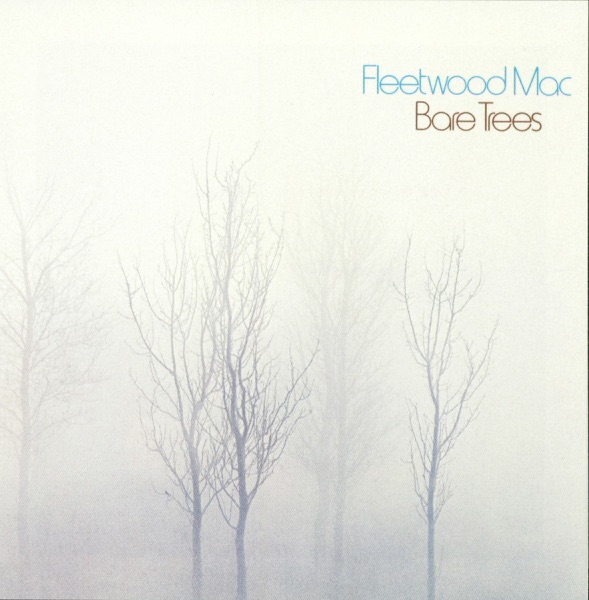
 Bare TreesFleetwood Mac197210 tracks
 -
 PenguinFleetwood Mac19739 tracks
 -
 Mystery to MeFleetwood Mac197312 tracks
 -
 Heroes Are Hard to FindFleetwood Mac197411 tracks
 -
 Fleetwood MacFleetwood Mac197511 tracks
 -
 RumoursFleetwood Mac197711 tracks
 -
 TuskFleetwood Mac197920 tracks
 -
 MirageFleetwood Mac198212 tracks
 -
 Tango in the NightFleetwood Mac198712 tracks
 -
 Behind the MaskFleetwood Mac199013 tracks
 -
 TimeFleetwood Mac199513 tracks
 -
 Say You WillFleetwood Mac200318 tracks
Deep Dive
Overview
Fleetwood Mac were a British and American rock band formed in London in 1967, beginning as a blues ensemble and evolving into one of the world’s best-selling musical acts with more than 120 million records sold worldwide. The band’s history is inseparable from the vision of founder Peter Green, whose departure in the early 1970s coincided with a fundamental shift in the group’s sound—from British blues purists to pop-rock architects of the highest commercial order. Mick Fleetwood, the drummer and namesake anchor, remained the only constant member throughout the band’s transformations, lending continuity to a project that would ultimately reshape popular music across the transatlantic divide.
Formation Story
Peter Green assembled Fleetwood Mac in London in 1967, naming the band after two of its earliest members: drummer Mick Fleetwood and bassist John McVie, who joined soon after formation. The band emerged during a peak moment for British blues revival, when London’s clubs and recording studios were alive with musicians reinterpreting and electrifying American blues traditions. Green’s guitar work and songwriting immediately marked the band as serious interpreters of the blues idiom, and their early recordings reflected an uncompromising commitment to that aesthetic. The original lineup documented their approach on Mr. Wonderful and Peter Green’s Fleetwood Mac, both released in 1968, establishing the band’s credentials within the blues purist community.
Breakthrough Moment
Fleetwood Mac’s initial breakthrough came through their blues recordings in the late 1960s, with albums including The Biggest Thing Since Colossus (1969) and Then Play On (1969) demonstrating the band’s growing command of arrangement and production. However, the band’s fortunes shifted dramatically following Peter Green’s departure in the early 1970s. Rather than dissolving, the group proved its resilience by adapting. Kiln House (1970) and Future Games (1971) signaled a stylistic pivot toward more accessible material, though the band remained rooted in blues-derived rock. By the mid-1970s, with a reconfigured lineup, Fleetwood Mac had begun to capture mainstream radio attention, setting the stage for the commercial explosion that would follow.
Peak Era
Fleetwood Mac achieved its zenith during the mid-to-late 1970s, a period that began with the self-titled Fleetwood Mac (1975)—a watershed album that reconciled the band’s blues heritage with sophisticated pop songwriting and polished production. This success accelerated two years later with Rumours (1977), which became a cultural phenomenon and cemented the band’s status as masters of the pop-rock landscape. The Rumours era represented the apex of both commercial and critical achievement, with the album selling millions of copies globally and establishing Fleetwood Mac as one of the decade’s defining acts. Even as internal tensions mounted—reflected in the very subject matter of Rumours—the band maintained their creative momentum through the late 1970s and into the 1980s, sustaining relevance with Tusk (1979), Mirage (1982), and Tango in the Night (1987).
Musical Style
Fleetwood Mac’s sound evolved from the electrified Chicago blues of their earliest years into a sophisticated hybrid of pop sensibility and rock instrumentation. The band’s blues-rock foundation—anchored by John McVie’s authoritative bass and Mick Fleetwood’s flexible, propulsive drumming—provided the platform for increasingly elaborate vocal arrangements and keyboard textures. Peter Green’s early guitar work emphasized bottleneck technique and soulful phrasing rooted in American blues traditions, while later configurations of the band incorporated more melodic, production-conscious approaches. The addition of Christine McVie’s keyboards and keyboards/vocals, alongside Stevie Nicks’s distinctive soprano and Lindsey Buckingham’s precise guitar work and studio innovations, transformed the band from a guitar-driven blues outfit into a pop-rock ensemble capable of intricate arrangements and radio-friendly hooks. Throughout their career, Fleetwood Mac balanced accessibility with musical ambition, rarely sacrificing instrumental credibility for commercial ease.
Major Albums
Peter Green’s Fleetwood Mac (1968)
The band’s second album established their blues credentials and showcased Peter Green’s compositional voice, blending traditional blues structures with original material that hinted at their future adaptability.
Then Play On (1969)
This record demonstrated Fleetwood Mac’s growing sophistication as arrangers, layering guitars and keyboards over carefully constructed blues-rock foundations that expanded the genre’s textural possibilities.
Fleetwood Mac (1975)
The landmark self-titled album marked the band’s transition toward pop-rock sophistication, with streamlined songs and polished production that attracted mainstream radio and established them as contemporary hitmakers rather than purists.
Rumours (1977)
Fleetwood Mac’s most commercially successful and culturally significant album, Rumours balanced personal introspection with immaculate production and memorable melodies, achieving multi-platinum status across multiple territories and establishing the band as one of the 1970s’ defining acts.
Tusk (1979)
A sprawling double album that showcased the band’s ambition and internal diversity, with each member contributing distinct material and Lindsey Buckingham’s experimental production choices pushing the band in new sonic directions.
Mirage (1982)
Fleetwood Mac’s response to the 1980s synthesizer-dominated landscape, Mirage updated their sound with contemporary production techniques while maintaining their core strengths in melody and vocal arrangement.
Signature Songs
- Landslide — A acoustic-driven vehicle for Stevie Nicks’s introspective vocals, becoming one of the band’s most enduring radio staples.
- Dreams — An ethereal, synth-layered composition that exemplified the band’s ability to merge pop sensibility with artistic refinement.
- Go Your Own Way — A propulsive rock track built on a distinctive guitar riff, capturing the band’s pop-rock mastery during their peak commercial period.
- Silver Springs — A showcase for Nicks’s songwriting and emotional depth, demonstrating the band’s range beyond their most radio-friendly material.
- Don’t Stop — An upbeat, keyboard-driven track that became synonymous with 1970s optimism and the band’s commercial accessibility.
- Rhiannon — A mystical, guitar-driven song that combined folk and rock elements with Nicks’s distinctive vocal persona.
Influence on Rock
Fleetwood Mac’s transformation from British blues ensemble to global pop-rock phenomenon established a template for artistic evolution and commercial success that influenced generations of rock musicians. Their mid-1970s work, particularly Rumours, demonstrated that rock bands could achieve massive sales and critical respect simultaneously—a lesson that shaped how rock, pop, and alternative acts approached their own material throughout the 1980s and beyond. The band’s emphasis on vocal harmony, sophisticated production, and accessible melodies contributed to the broader mainstreaming of rock in the 1970s, even as they maintained instrumental credibility and artistic ambition. Later acts drew from Fleetwood Mac’s example of how to balance internal creative diversity with commercial strategy, and the band’s influence extended beyond rock into pop and adult-contemporary music.
Legacy
Fleetwood Mac’s status as one of the world’s best-selling musical acts ensured their work remained in continuous circulation through successive formats—vinyl, cassette, compact disc, and streaming. The band continued recording and performing across subsequent decades, with studio albums including Behind the Mask (1990), Time (1995), and Say You Will (2003), demonstrating their willingness to adapt to changing musical landscapes while preserving their fundamental identity. The band’s catalog achieved renewed visibility through cultural moments that referenced their work, and Rumours in particular maintained consistent streaming presence and cultural relevance. The integrity of Mick Fleetwood’s role as the ensemble’s stabilizing anchor throughout the band’s entire history—from the blues years through their pop-rock dominance and beyond—became emblematic of the band’s endurance and the complex interpersonal dynamics that fueled their most celebrated work.
Fun Facts
- The band’s name combined the surnames of drummer Mick Fleetwood and bassist John McVie, a naming choice that reflected the two musicians’ foundational importance to the group’s identity.
- Mick Fleetwood served as the only constant member throughout Fleetwood Mac’s entire history, a distinction that underscores the band’s numerous lineup changes and creative reinventions.
- Fleetwood Mac recorded and released two albums in 1968 alone—Mr. Wonderful and Peter Green’s Fleetwood Mac—during their initial burst of creative activity.
- The band released four studio albums between 1973 and 1974, a period of prolific output that coincided with significant lineup transitions and creative experimentation.