
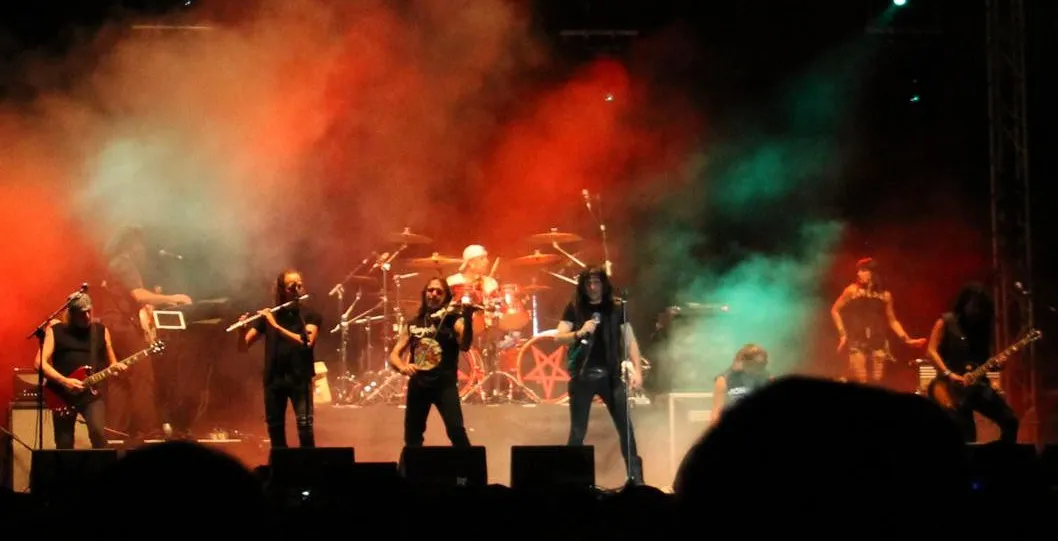
Photo by Premsa Ajuntament de Torrent , licensed under CC BY-SA 2.0 · Wikimedia Commons
Rank #273
Mago de Oz
Madrid folk-metal band fusing Iberian melody with electric crunch.
From Wikipedia
Mägo de Oz are a Spanish folk metal band from Begoña, Madrid formed in mid-1988 by drummer Txus di Fellatio. The band became well known for the strong Celtic feel to their music strengthened through their consistent usage of a violinist and flautist. The name for the band was chosen, according to founding member Txus, because "life is a yellow brick road, on which we walk in the company of others searching for our dreams." On the 26th of October, 2018, the band played a special concert to celebrate their 30th anniversary, playing with a symphony orchestra at the WiZink Center in Madrid.
Members
- Carlitos
- Mohamed
- Txus di Fellatio
Discography & Previews
Browse through and click an album to open and play 30-second previews streamed from Apple Music.


Jesús de Chamberí
1996 · 14 tracks
- 1 Genesis ↗ 1:03
- 2 Jesús de Chamberí ↗ 7:33
- 3 El Ángel Caído ↗ 5:06
- 4 Al-Mejandria ↗ 3:46
- 5 El Cuco y la Zingara ↗ 4:06
- 6 Hasta Que Tu Muerte Noch Separe ↗ 5:41
- 7 La Canción de Pedro ↗ 5:33
- 8 Domingo de Gramos ↗ 4:15
- 9 Jiga Irlandesa ↗ 2:53
- 10 Eel Cantar de la Luna Oscura ↗ 5:22
- 11 Judas ↗ 4:57
- 12 La Ultima Cena ↗ 3:50
- 13 Czardas ↗ 4:29
- 14 El Fin del Camino ↗ 8:53

La leyenda de La Mancha
1998 · 13 tracks
- 1 En Un Lugar ↗ 1:45
- 2 El Santo Grial ↗ 5:10
- 3 La Leyenda De Mancha ↗ 4:19
- 4 Noche Toledana ↗ 1:13
- 5 Molinos De Viento ↗ 4:12
- 6 Dime Con Quien Andas ↗ 5:34
- 7 Maritornes ↗ 4:20
- 8 El Bálsamo De Fierabras ↗ 3:40
- 9 El Pacto ↗ 5:44
- 10 La Insula De Barataria ↗ 2:59
- 11 El Templo Del Adiós ↗ 4:50
- 12 Réquiem ↗ 8:11
- 13 Ancha Es Castilla ↗ 3:44
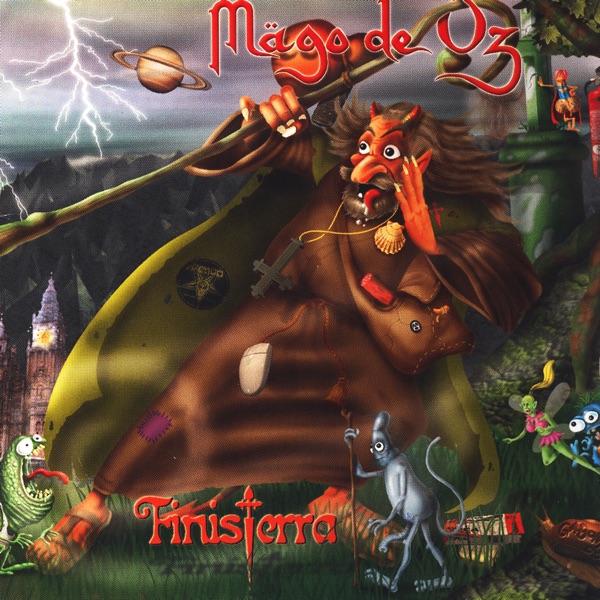
Finisterra
2000 · 20 tracks
- 1 Prologo ↗ 2:00
- 1 Fiesta Pagana ↗ 4:57
- 2 Satania ↗ 8:14
- 2 El Que Quiera Entender Que Entienda ↗ 7:27
- 3 La Cruz de Santiago ↗ 5:19
- 3 Los Renglones Torcidos de Dios ↗ 6:32
- 4 La Danza del fuego ↗ 5:13
- 4 La Dama del Amanecer (Kelpie) ↗ 4:51
- 5 Hasta Que El Cuerpo Aguante ↗ 4:32
- 5 Tres Tristes Tigres ↗ 2:44
- 6 El Señor de los Gramillos ↗ 4:59
- 6 A Costa da Morte ↗ 3:35
- 7 Polla Dura No Cree en Dios ↗ 4:31
- 7 La Santa Compana ↗ 5:34
- 8 Maite Zaitut ↗ 3:20
- 8 Conxuro ↗ 3:46
- 9 Duerme ↗ 4:29
- 9 Astaroth ↗ 6:32
- 10 Es Horta de Marchar ↗ 5:03
- 10 Finisterra ↗ 15:17

Gaia
2003 · 12 tracks
- 1 Obertura Mdxx ↗ 3:55
- 2 Gaia ↗ 11:03
- 3 La Conquista ↗ 5:08
- 4 Alma ↗ 6:39
- 5 La Costa del Silencio ↗ 4:41
- 6 El Arbol de la Noche Triste ↗ 4:49
- 7 La Rosa de los Vientos ↗ 4:16
- 8 La Leyenda de la Llorona ↗ 4:22
- 9 Van a Rodar Cabezas ↗ 6:32
- 10 El Atrapasuenos ↗ 4:17
- 11 Si Te Vas ↗ 5:58
- 12 La Venganza de Gaia ↗ 11:03

Belfast
2004 · 12 tracks
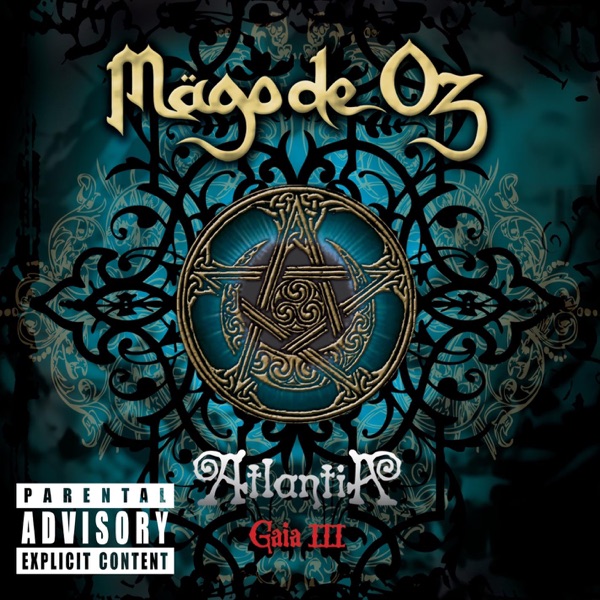
Gaia III: Atlantia
2010 · 16 tracks
- 1 El Latido de Gaia ↗ 4:09
- 2 Dies Irae ↗ 9:26
- 3 Für Immer ↗ 4:42
- 4 Vodka and Roll ↗ 3:36
- 5 El Príncipe de la Dulce Pena, Pt. IV ↗ 4:23
- 6 Mi Hogar Eres Tú ↗ 6:03
- 7 Fuerza y honor (El Dorado) ↗ 4:48
- 8 El Víolín del Díablo ↗ 4:56
- 9 Siempre (Adiós Dulcinea, Pt. II) ↗ 4:46
- 10 Mis Demonios ↗ 4:15
- 11 Que el Víento Sople a Tu Favor ↗ 4:16
- 12 Sueños Dormidos ↗ 5:17
- 13 Aun Amanece Gratis ↗ 4:53
- 14 La Soga del Muerto (Ayahuasca) ↗ 3:15
- 15 La Ira de Gaia ↗ 6:47
- 16 Atlantia ↗ 19:16

Hechizos, pócimas y brujería
2012 · 15 tracks
- 1 El Libro de las Sombras ↗ 5:31
- 2 H2Oz ↗ 3:53
- 3 Xanandra ↗ 4:24
- 4 Sácale Brillo a una Pena ↗ 4:12
- 6 No Pares (De Oír Rock & Roll) ↗ 5:52
- 7 A Marcha Das Meigas ↗ 1:43
- 8 Quiero Morirme en Ti ↗ 4:19
- 9 Sigue la Luz ↗ 5:20
- 10 El Mercado de las Brujas ↗ 4:24
- 11 Celtian ↗ 4:10
- 12 Brujas ↗ 5:34
- 13 Hechizos, Pócimas y Brujería ↗ 8:22
- 14 Piratas ↗ 3:40
- 15 Desde Mi Cielo (Orquestal) ↗ 2:44
- 16 Obertura Xanandra ↗ 3:39

Ilussia
2014 · 13 tracks
- 1 Pensatorium ↗ 7:03
- 2 Melodian ↗ 4:07
- 3 Abracadabra ↗ 3:49
- 4 Vuelta alto ↗ 4:08
- 5 Si supieras... ↗ 5:48
- 6 Pasen y beban ↗ 5:28
- 7 Salvaje ↗ 3:55
- 8 La viuda de o'Brian ↗ 4:21
- 9 Cadaveria ↗ 4:48
- 10 Constelación Alpha DCI ↗ 4:56
- 11 De la piel del Diablo ↗ 4:41
- 12 Ilussia ↗ 7:54
- 13 Moriré siendo de ti ↗ 4:13

Finisterra: Opera Rock
2015 · 20 tracks
- 1 Prólogo ↗ 2:19
- 2 Satania (2015) ↗ 8:48
- 3 La Cruz de Santiago (2015) ↗ 5:11
- 4 La danza del fuego (2015) ↗ 5:11
- 5 Hasta que el cuerpo aguante (2015) ↗ 4:01
- 6 El señor de los gramillos (2015) ↗ 5:06
- 7 Polla dura no cree en Dios (2015) ↗ 4:48
- 8 Maite zaitut (2015) ↗ 3:18
- 9 Duerme (2015) ↗ 4:08
- 10 Es hora de marchar (2015) ↗ 4:52
- 11 Fiesta pagana (2015) ↗ 5:07
- 12 El que quiera entender que entienda (2015) ↗ 6:29
- 13 Los renglones torcidos de Dios (2015) ↗ 6:48
- 14 Kelpie (2015) ↗ 4:33
- 15 Tres tristes tigres (2015) ↗ 2:50
- 16 A Costa Da Morte (2015) ↗ 3:34
- 17 La Santa Compaña (2015) ↗ 5:36
- 18 Conxuro (2015) ↗ 3:29
- 19 Astaroth (2015) ↗ 6:30
- 20 Finisterra (2015) ↗ 15:00

Ira Dei
2019 · 17 tracks
- 1 Jerusalem D.C. ↗ 3:15
- 2 In Eternum ↗ 9:01
- 3 El amor brujo ↗ 5:55
- 4 Tu funeral ↗ 5:16
- 5 Ciudad Esmeralda ↗ 4:35
- 6 Tequila tanto por vivir ↗ 3:48
- 7 Te traeré el horizonte (feat. Ara Malikian) ↗ 4:45
- 8 La cantiga de las brujas ↗ 5:54
- 9 Espera en el cielo ↗ 5:51
- 10 Opus Tenebrae ↗ 0:57
- 11 Suspiria ↗ 4:08
- 12 Y que nunca te falte un "Te quiero" ↗ 3:46
- 13 Bajo mi piel ↗ 4:31
- 14 La triste historia de Jimmy "Tiro en el pie" ↗ 5:08
- 15 Infinitum ↗ 4:15
- 16 El séptimo sello ↗ 4:09
- 17 Ira Dei ↗ 17:57


-
 Mägo de OzMago de Oz19945 tracks
 -
 Jesús de ChamberíMago de Oz199614 tracks
 -
 La leyenda de La ManchaMago de Oz199813 tracks
 -
 FinisterraMago de Oz200020 tracks
 -
 GaiaMago de Oz200312 tracks
 -
 BelfastMago de Oz200412 tracks
 -
 Gaia III: AtlantiaMago de Oz201016 tracks
 -
 Hechizos, pócimas y brujeríaMago de Oz201215 tracks
 -
 IlussiaMago de Oz201413 tracks
 -
 Finisterra: Opera RockMago de Oz201520 tracks
 -
 Ira DeiMago de Oz201917 tracks
 -
 Bandera negraMago de Oz20211 track
 -
 Alicia en el MetalversoMago de Oz20249 tracks
Deep Dive
Overview
Mago de Oz are a Spanish folk metal band from Madrid that emerged in the late 1980s and became one of Europe’s most distinctive voices in the fusion of traditional Iberian and Celtic music with electric rock and metal instrumentation. The band’s signature sound—built on the interplay between violin and flute with heavy guitar riffs—carved out a space in rock music that was neither purely folk nor purely metal, but a synthesis of both. Over more than three decades, they have remained rooted in the Spanish capital while cultivating a loyal following across Europe and Latin America.
Formation Story
Mago de Oz was formed in mid-1988 in Begoña, Madrid, by drummer Txus di Fellatio. The band’s name reflected a deliberate artistic vision: according to Txus, the choice was inspired by the idea that “life is a yellow brick road, on which we walk in the company of others searching for our dreams.” This philosophical framing would underpin much of their output, blending fantasy, mythology, and social commentary into narratives woven through their lyrics and concept albums. The founding lineup included the core members who would define the band’s early sound and visual identity through the 1990s.
Breakthrough Moment
Mago de Oz released their self-titled debut album in 1994, establishing the instrumental framework and songwriting approach that would define them: acoustic and electric passages anchored by strings, layered vocals, and folk melodies adapted to metal dynamics. The band’s second album, Jesús de Chamberí (1996), broadened their reach within Spanish rock circles. However, it was the release of Finisterra in 2000 that marked a watershed moment in their career. That album synthesized years of stylistic refinement and gave the band a stronger international platform, showcasing their ability to sustain narrative depth and sonic ambition across a full-length work. The mid-2000s Gaia cycle—beginning with the 2003 album Gaia, continued through Gaia II: La voz dormida (2005) and Gaia III: Atlantia (2010)—cemented their status as one of Spain’s most commercially successful rock exports.
Peak Era
The period from 2000 to 2010 represented Mago de Oz’s most creatively fertile and commercially visible stretch. Finisterra (2000) had established the band as serious interpreters of historical and mythological subject matter, while Gaia (2003) and its sequels demonstrated an ambitious willingness to construct sprawling conceptual frameworks. Belfast (2004) further solidified their international presence. During this decade, the band’s live presence—including traditional touring and festival appearances—grew substantially across Europe and Spanish-language markets. Their 2018 anniversary concert with a symphony orchestra at WiZink Center in Madrid—marking three decades of continuous activity—underscored their cultural standing in their native city and country.
Musical Style
Mago de Oz’s sound is distinguished by the prominent and consistent use of violin and flute alongside electric guitar, creating a textural hybrid that draws equally from Celtic folk music, Spanish regional traditions, and European power metal. The band’s songwriting often employs folkloric melodies and modal harmonic structures typical of Iberian and Celtic music, but arranges them with the rhythmic heaviness and distortion associated with rock and metal. Vocals are typically sung in Spanish and often feature both clean, melodic passages and heavier, declamatory moments. The instrumentation creates a sense of narrative space—songs frequently build from acoustic passages into electric crescendos, reflecting the band’s conceptual ambitions. This approach places them within a broader European tradition of folk-influenced metal that emerged in the 1990s and 2000s, though their emphasis on Spanish and Celtic sources distinguishes them from Scandinavian folk-metal contemporaries.
Major Albums
Finisterra (2000)
A turning point that expanded the band’s sonic palette and thematic ambition, Finisterra demonstrated their ability to sustain narrative and instrumental complexity across a full album and earned them broader recognition beyond Spain.
Gaia (2003)
The first installment of an ambitious multi-album cycle exploring environmental and mythological themes, Gaia showcased the band’s mature compositional approach and conceptual storytelling.
Gaia II: La voz dormida (2005)
Continuing the Gaia narrative arc, this album reinforced the band’s commitment to extended thematic development and solidified their reputation for ambitious rock opera-influenced work.
Gaia III: Atlantia (2010)
The conclusion of the Gaia trilogy, Atlantia maintained the conceptual scope while demonstrating refined production and tighter song structures after a decade of creative evolution.
Finisterra: Opera Rock (2015)
A reimagining of their 2000 landmark album in full rock opera format, this release highlighted the enduring relevance of their earlier material and their willingness to revisit and recontextualize their catalog.
Ira Dei (2019)
Released after a period of relative quietness, Ira Dei marked a return to studio work and demonstrated the band’s continued creative drive into their fourth decade.
Signature Songs
- Fiesta pagana — An early signature track that exemplifies the band’s fusion of folk melody with rock energy and became a staple of their live repertoire.
- Molinos de viento — A showcpiece for the band’s ability to blend acoustic passages with heavier instrumentation.
- Alalá — A track emphasizing the Celtic and Iberian folk dimensions of their sound.
- La bruja — Representative of their interest in folkloric and mythological narratives.
Influence on Rock
Mago de Oz arrived during a period when folk-influenced metal was gaining traction in Europe, though they carved out a notably Spanish and Mediterranean inflection compared to the Scandinavian folk-metal boom of the same era. Their consistent reliance on string instruments—violin and flute—as primary melodic voices rather than mere textural additions set them apart from many contemporaries and influenced how subsequent Spanish and Latin American folk-metal bands approached instrumental voicing. While not as widely documented in English-language rock history as some Northern European folk-metal acts, their longevity and commercial success in Spanish-language markets contributed to the viability of folk-metal as a durable subgenre rather than a passing trend.
Legacy
Mago de Oz have maintained continuous activity and released new material consistently, with albums appearing in 2019, 2021, 2024, and 2025, demonstrating sustained creative engagement over more than thirty-five years. Their 2018 anniversary concert—a collaboration with a symphony orchestra—signaled recognition of their cultural importance within Spain. The band’s evolution from 1990s folk-rock experimenters to conceptually ambitious rock opera composers reflects broader trends in European rock, while their steadfast commitment to Spanish-language lyrics and Iberian musical traditions has kept them rooted in their regional context even as their reach has extended internationally. They remain a touchstone for Spanish folk-metal and a model of artistic longevity in a genre often associated with younger acts and shorter creative spans.
Fun Facts
- The band’s name was chosen deliberately to evoke the journey and struggle described in The Wonderful Wizard of Oz, with the “yellow brick road” functioning as a metaphor for life’s path.
- Mago de Oz has released multiple concept albums and thematic cycles, including the three-part Gaia series spanning 2003 to 2010, demonstrating a commitment to extended narrative storytelling unusual in rock music.
- The band performed at the WiZink Center in Madrid with a full symphony orchestra on October 26, 2018, to celebrate their 30th anniversary.
- The 2015 album Finisterra: Opera Rock reimagined their landmark 2000 album Finisterra in full rock opera format, showing their willingness to recontextualize and reinterpret their own material decades later.