
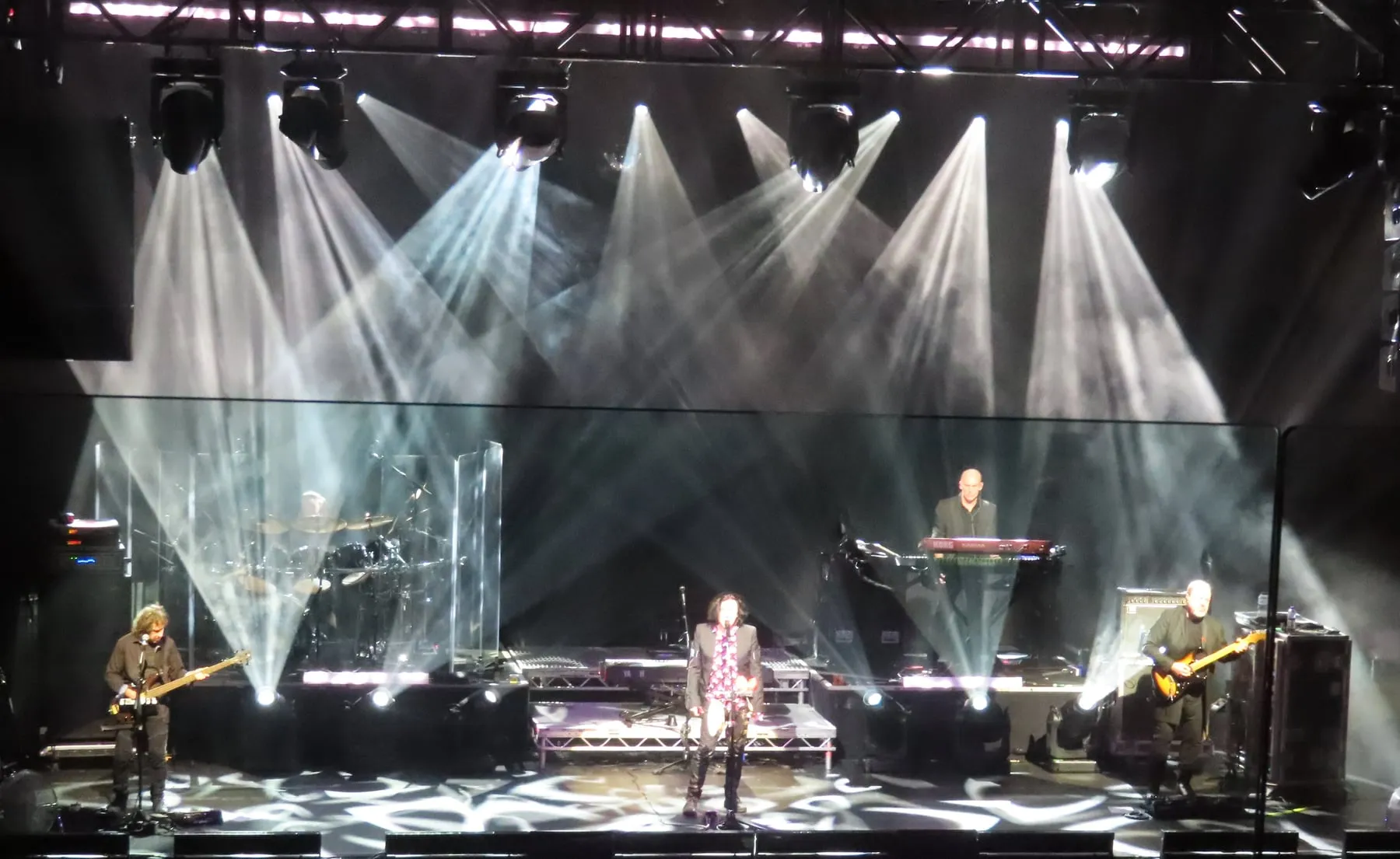
Photo by kitmasterbloke , licensed under CC BY 2.0 · Wikimedia Commons
Rank #418
Marillion
From Wikipedia
Marillion are a British neo-prog band, formed in Aylesbury, Buckinghamshire, in 1979. They emerged from the post-punk music scene in Britain and existed as a bridge between the styles of punk rock and classic progressive rock, becoming the most commercially successful neo-prog band of the 1980s.
Members
- Fish
- Ian Mosley
- Mark Kelly
- Pete Trewavas
- Steve Hogarth
- Steve Rothery
Discography & Previews
Browse through and click an album to open and play 30-second previews streamed from Apple Music.

Script for a Jester’s Tear
1983 · 13 tracks
- 1 Script For a Jester's Tear (1997 Digital Remaster) ↗ 8:43
- 1 Market Square Heroes (Battle Priest Version) [1997 Digital Remaster] ↗ 4:18
- 2 He Knows You Know (1997 Digital Remaster) ↗ 5:24
- 2 Three Boats Down From the Candy (1997 Digital Remaster) ↗ 4:31
- 3 The Web (1997 Remaster) ↗ 8:52
- 3 Grendel (Fair Deal Studios Version) ↗ 19:10
- 4 Garden Party (1997 Remaster) ↗ 7:20
- 4 Chelsea Monday (Demo) ↗ 6:55
- 5 Chelsea Monday (1997 Digital Remaster) ↗ 8:17
- 5 He Knows You Know (Manchester Square Demo) ↗ 4:29
- 6 Forgotten Sons (1997 Digital Remaster) ↗ 8:23
- 6 Charting the Single (1997 Digital Remaster) ↗ 4:52
- 7 Market Square Heroes (Re-recorded Version) [1997 Digital Remaster] ↗ 4:48

Fugazi
1984 · 21 tracks
- 1 Assassing (2021 Stereo Remix) ↗ 7:01
- 1 Assassing (Live at The Spectrum, Montreal, Canada, 20th June 1984) ↗ 7:46
- 2 Punch and Judy (2021 Stereo Remix) ↗ 3:22
- 2 Punch and Judy (Live at The Spectrum, Montreal, Canada, 20th June 1984) ↗ 3:25
- 3 Jigsaw (2021 Stereo Remix) ↗ 6:50
- 3 Jigsaw (Live at The Spectrum, Montreal, Canada, 20th June 1984) ↗ 6:34
- 4 Emerald Lies (2021 Stereo Remix) ↗ 5:08
- 4 Script for a Jester's Tear (Live at The Spectrum, Montreal, Canada, 20th June 1984) ↗ 9:09
- 5 She Chameleon (2021 Stereo Remix) ↗ 6:53
- 5 Chelsea Monday (Live at The Spectrum, Montreal, Canada, 20th June 1984) ↗ 8:07
- 6 Incubus (2021 Stereo Remix) ↗ 8:30
- 6 Emerald Lies (Live at The Spectrum, Montreal, Canada, 20th June 1984) ↗ 5:25
- 7 Fugazi (2021 Stereo Remix) ↗ 8:02
- 7 Cinderella Search (Live at The Spectrum, Montreal, Canada, 20th June 1984) ↗ 5:52
- 8 Incubus (Live at The Spectrum, Montreal, Canada, 20th June 1984) ↗ 8:59
- 9 Charting the Single (Live at The Spectrum, Montreal, Canada, 20th June 1984) ↗ 7:01
- 10 He Knows You Know (Live at The Spectrum, Montreal, Canada, 20th June 1984) ↗ 5:57
- 11 Fugazi (Live at The Spectrum, Montreal, Canada, 20th June 1984) ↗ 9:32
- 12 Forgotten Sons (Live at The Spectrum, Montreal, Canada, 20th June 1984) ↗ 10:43
- 13 Garden Party (Live at The Spectrum, Montreal, Canada, 20th June 1984) ↗ 6:36
- 14 Market Square Heroes (Live at The Spectrum, Montreal, Canada, 20th June 1984) ↗ 10:47

Misplaced Childhood
1985 · 10 tracks
- 1 Pseudo Silk Kimono (2017 Remastered Version) ↗ 2:14
- 2 Kayleigh (2017 Remastered Version) ↗ 4:04
- 3 Lavender (2017 Remastered Version) ↗ 2:27
- 4 Bitter Suite: Brief Encounter / Lost Weekend / Blue Angel / Misplaced Rendezvous / Windswept Thumb (2017 Remastered Version) ↗ 7:55
- 5 Heart of Lothian (2017 Remastered Version) ↗ 4:05
- 6 Waterhole (Expresso Bongo) [2017 Remastered Version] ↗ 2:13
- 7 Lords of the Backstage (2017 Remastered Version) ↗ 1:53
- 8 Blind Curve: Vocal Under a Bloodlight / Passing Strangers / Mylo / Perimeter Walk / Threshold (2017 Remastered Version) ↗ 9:29
- 9 Childhood's End? (2017 Remastered Version) ↗ 4:32
- 10 White Feather (2017 Remastered Version) ↗ 2:24

Clutching at Straws
1987 · 11 tracks
- 1 Hotel Hobbies (2018 Remix) ↗ 3:35
- 2 Warm Wet Circles (2018 Remix) ↗ 4:26
- 3 That Time of the Night (The Short Straw) [2018 Remix] ↗ 6:01
- 4 Going Under (2018 Remix) ↗ 2:48
- 5 Just for the Record (2018 Remix) ↗ 3:11
- 6 White Russian (2018 Remix) ↗ 6:26
- 7 Incommunicado (2018 Remix) ↗ 5:17
- 8 Torch Song (2018 Remix) ↗ 4:05
- 9 Slainte Mhath (2018 Remix) ↗ 4:45
- 10 Sugar Mice (2018 Remix) ↗ 5:47
- 11 The Last Straw / Happy Ending (2018 Remix) ↗ 6:00

Seasons End
1989 · 18 tracks
- 1 The King of Sunset Town (1997 Remaster) ↗ 8:05
- 1 The Uninvited Guest (Extended Single) [1997 Remaster] ↗ 5:05
- 2 Easter (1997 Remaster) ↗ 5:58
- 2 The Bell in the Sea (1997 Remaster) ↗ 4:21
- 3 The Uninvited Guest (1997 Remaster) ↗ 3:52
- 3 The Release (1997 Remaster) ↗ 3:45
- 4 Seasons End (1997 Remaster) ↗ 8:10
- 4 The King of Sunset Town (Mushroom Farm Demo) ↗ 5:34
- 5 Holloway Girl (1997 Remaster) ↗ 4:30
- 5 Holloway Girl (Mushroom Farm Demo) ↗ 4:49
- 6 Berlin (1997 Remaster) ↗ 7:48
- 6 Seasons End (Mushroom Farm Demo) ↗ 8:03
- 7 After Me (1997 Remaster) ↗ 3:21
- 7 The Uninvited Guest (Mushroom Farm Demo) ↗ 3:56
- 8 Hooks in You (1997 Remaster) ↗ 2:58
- 8 Berlin (Mushroom Farm Demo) ↗ 8:04
- 9 The Space (1997 Remaster) ↗ 6:14
- 9 The Bell in the Sea (Mushroom Farm Demo) ↗ 4:53

Holidays in Eden
1991 · 24 tracks
- 1 Splintering Heart (1998 Digital Remaster) ↗ 6:54
- 1 Sympathy (1998 Digital Remaster) ↗ 3:30
- 2 Cover My Eyes (Pain and Heaven) [1998 Digital Remaster] ↗ 3:54
- 2 How Can It Hurt (1998 Digital Remaster) ↗ 4:11
- 3 The Party (1998 Digital Remaster) ↗ 5:36
- 3 A Collection (1998 Digital Remaster) ↗ 3:00
- 4 No One Can (1998 Digital Remaster) ↗ 4:41
- 4 Cover My Eyes (Pain and Heaven) [Acoustic Version; 1998 Digital Remaster] ↗ 2:34
- 5 Holidays In Eden (1998 Digital Remaster) ↗ 5:38
- 5 Sympathy (Acoustic Version; 1998 Digital Remaster) ↗ 2:31
- 6 Dry Land (1998 Digital Remaster) ↗ 4:43
- 6 I Will Walk On Water (Alternative Mix) ↗ 5:14
- 7 Waiting To Happen (1998 Digital Remaster) ↗ 5:01
- 7 Splintering Heart (Live; 1998 Digital Remaster) ↗ 6:42
- 8 This Town (1998 Digital Remaster) ↗ 3:18
- 8 You Don't Need Anyone (Moles Club Demo) ↗ 4:04
- 9 The Rake's Progress (1998 Digital Remaster) ↗ 1:54
- 9 No One Can (Moles Club Demo) ↗ 4:51
- 10 100 Nights (1998 Digital Remaster) ↗ 6:41
- 10 The Party (Moles Club Demo) ↗ 5:45
- 11 This Town (Moles Club Demo) ↗ 4:16
- 12 Waiting To Happen (Moles Club Demo) ↗ 5:31
- 13 Eric ↗ 2:32
- 14 The Epic (Fairground) [Mushroom Farm Demo] ↗ 8:31

Brave
1994 · 22 tracks
- 1 Bridge (1998 Remastered Version) ↗ 2:56
- 1 The Great Escape / The Last of You / Fallin' From the Moon (Medley) [Orchestral Version] [1998 Remastered Version] ↗ 5:18
- 2 Living with the Big Lie (1998 Remastered Version) ↗ 6:46
- 2 Marouatte Jam (1998 Remastered Version) ↗ 9:44
- 3 Runaway (1998 Remastered Version) ↗ 4:41
- 3 The Hollow Man (Acoustic) [1998 Remastered Version] ↗ 4:10
- 4 Goodbye to All That: Wave / Mad / The Opium Den / The Slide / Standing in the Swing (1998 Remastered Version) ↗ 12:27
- 4 Winter Trees (1998 Remastered Version) ↗ 1:48
- 5 Hard as Love (1998 Remastered Version) ↗ 6:42
- 5 Alone Again in the Lap of Luxury (Acoustic) [1998 Remastered Version] ↗ 2:43
- 6 The Hollow Man (1998 Remastered Version) ↗ 4:08
- 6 Runaway (Acoustic) [1998 Remastered Version] ↗ 4:27
- 7 Alone Again in the Lap of Luxury / Now Wash Your Hands (Medley) [1998 Remastered Version] ↗ 8:13
- 7 Hard as Love (Instrumental) ↗ 6:49
- 8 Paper Lies (1998 Remastered Version) ↗ 5:48
- 8 Living with the Big Lie (Demo) ↗ 5:12
- 9 Brave (1998 Remastered Version) ↗ 7:56
- 9 Alone Again in the Lap of Luxury (Demo) ↗ 3:17
- 10 The Great Escape / The Last of You / Fallin' From the Moon (Medley) [1998 Remastered Version] ↗ 6:30
- 10 Dream Sequence (Demo) ↗ 2:36
- 11 Made Again (1998 Remastered Version) ↗ 5:02
- 11 The Great Escape (Spiral Remake) [1998 Remastered Version] ↗ 32:26

Afraid of Sunlight
1995 · 17 tracks
- 1 Gazpacho (1999 Remastered) ↗ 7:28
- 1 Icon (1999 Remastered) ↗ 6:05
- 2 Cannibal Surf Babe (1999 Remastered) ↗ 5:45
- 2 Live Forever (1999 Remastered) ↗ 4:34
- 3 Beautiful (1999 Remastered) ↗ 5:12
- 3 Second Chance ↗ 5:14
- 4 Afraid of Sunrise (1999 Remastered) ↗ 5:02
- 4 Beyond You (Demo) ↗ 5:18
- 5 Out of This World (1999 Remastered) ↗ 7:54
- 5 Cannibal Surf Babe (Studio Outtake) ↗ 6:00
- 6 Afraid of Sunlight (1999 Remastered) ↗ 6:50
- 6 Out of This World (Studio Outtake) ↗ 7:28
- 7 Beyond You (1999 Remastered) ↗ 6:11
- 7 Bass Frenzy ↗ 1:17
- 8 King (1999 Remastered) ↗ 7:03
- 8 Mirages ↗ 6:02
- 9 Afraid of Sunlight (Acoustic Demo) ↗ 6:51

This Strange Engine
1997 · 34 tracks
- 1 Man of a Thousand Faces (2024 Remix) ↗ 7:33
- 1 Intro (Live in Grand Rapids, 21/9/1997) ↗ 1:14
- 1 This Town (Live in Grand Rapids, 21/9/1997) ↗ 11:37
- 1 Man of a Thousand Faces (Radio Edit) ↗ 3:38
- 2 One Fine Day (2024 Remix) ↗ 5:32
- 2 Estonia (Live in Grand Rapids, 21/9/1997) ↗ 8:15
- 2 Slainthe Mhath (Live in Grand Rapids, 21/9/1997) ↗ 5:35
- 2 Beautiful (Unplugged Version) ↗ 4:50
- 3 80 Days (2024 Remix) ↗ 5:00
- 3 Lap of Luxury (Live in Grand Rapids, 21/9/1997) ↗ 5:36
- 3 King (Live in Grand Rapids, 21/9/1997) ↗ 7:39
- 3 Made Again (Unplugged Version) ↗ 5:16
- 4 Estonia (2024 Remix) ↗ 7:57
- 4 Hard as Love (Live in Grand Rapids, 21/9/1997) ↗ 7:03
- 4 Bass Solo (Live in Grand Rapids, 21/9/1997) ↗ 2:09
- 4 Man of a Thousand Faces (Extended Version) ↗ 8:20
- 5 Memory of Water (2024 Remix) ↗ 3:01
- 5 80 Days (Live in Grand Rapids, 21/9/1997) ↗ 5:16
- 5 This Strange Engine (Live in Grand Rapids, 21/9/1997) ↗ 18:27
- 5 This Strange Engine (Live in Paris) ↗ 16:11
- 6 An Accidental Man (2024 Remix) ↗ 6:12
- 6 Warm Wet Circles (Live in Grand Rapids, 21/9/1997) ↗ 10:18
- 6 Easter (Live in Grand Rapids, 21/9/1997) ↗ 6:14
- 6 Bell in the Sea (Live in Paris) ↗ 4:19
- 7 Hope for the Future (2024 Remix) ↗ 5:11
- 7 Man of a Thousand Faces (Live in Grand Rapids, 21/9/1997) ↗ 7:45
- 7 White Russian (Live in Grand Rapids, 21/9/1997) ↗ 6:13
- 7 80 Days (Racket Acoustic Session) ↗ 4:46
- 8 This Strange Engine (2024 Remix) ↗ 15:38
- 8 Seasons End (Live in Grand Rapids, 21/9/1997) ↗ 7:57
- 8 Garden Party (Live in Grand Rapids, 21/9/1997) ↗ 7:33
- 8 Estonia (Racket Acoustic Session) ↗ 6:42
- 9 Man of a Thousand Faces (Racket Acoustic Session) ↗ 4:08
- 10 Memory of Water (Big Beat Mix) ↗ 8:06


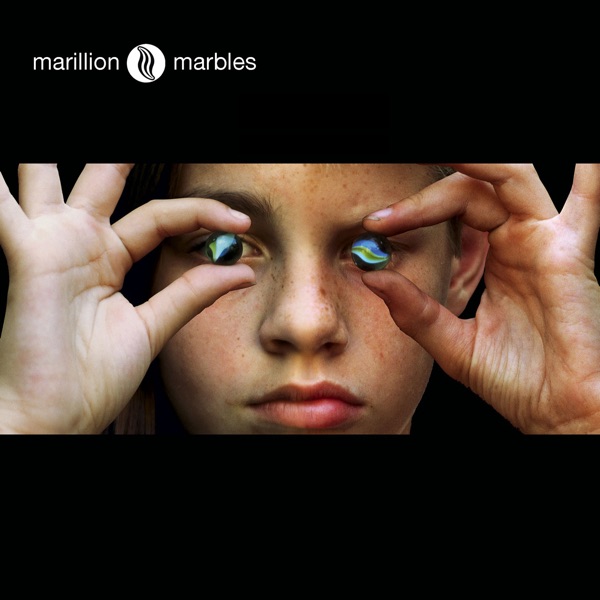
Marbles
2004 · 12 tracks

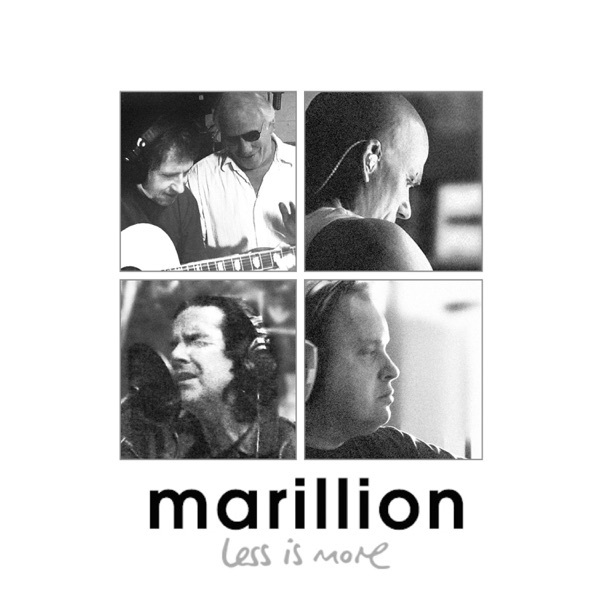
Less Is More
2009 · 12 tracks
- 1 Go! ↗ 5:02
- 2 Interior Lulu ↗ 7:32
- 3 Out of This World ↗ 5:08
- 4 Wrapped Up In Time ↗ 3:40
- 5 The Space ↗ 4:50
- 6 Hard As Love ↗ 5:00
- 7 Quartz ↗ 5:48
- 8 If My Heart Were a Ball ↗ 5:12
- 9 It's Not Your Fault ↗ 3:33
- 10 Memory of Water ↗ 2:36
- 11 This Is the 21th Century ↗ 5:30
- 12 Cannibal Surf Babe (Hidden Track) ↗ 3:39


An Hour Before It’s Dark
2022 · 18 tracks
- 1 Be Hard on Yourself (I) The Tear in the Big Picture ↗ 3:52
- 2 Be Hard on Yourself (II) Lust for Luxury ↗ 2:07
- 3 Be Hard on Yourself (III) You Can Learn ↗ 3:29
- 4 Reprogram the Gene (I) Invincible ↗ 3:32
- 5 Reprogram the Gene (II) Trouble-Free Life ↗ 2:01
- 6 Reprogram the Gene (III) a Cure for Us? ↗ 1:29
- 7 Only a Kiss ↗ 0:39
- 8 Murder Machines ↗ 4:21
- 9 The Crow and the Nightingale ↗ 6:35
- 10 Sierra Leone (I) Chance in a Million ↗ 1:33
- 11 Sierra Leone (II) the White Sand ↗ 0:53
- 12 Sierra Leone (III) the Diamond ↗ 3:30
- 13 Sierra Leone (IV) the Blue Warm Air ↗ 2:24
- 14 Sierra Leone (V) More Than Treasure ↗ 2:35
- 15 Care (I) Maintenance Drugs ↗ 4:37
- 16 Care (II) An Hour Before It's Dark ↗ 2:28
- 17 Care (III) Every Cell ↗ 3:19
- 18 Care (Iv) Angels on Earth ↗ 4:56
-
 Script for a Jester’s TearMarillion198313 tracks
 -
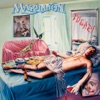 FugaziMarillion198421 tracks
 -
 Misplaced ChildhoodMarillion198510 tracks
 -
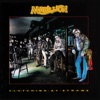 Clutching at StrawsMarillion198711 tracks
 -
 Seasons EndMarillion198918 tracks
 -
 Holidays in EdenMarillion199124 tracks
 -
 BraveMarillion199422 tracks
 -
 Afraid of SunlightMarillion199517 tracks
 -
 This Strange EngineMarillion199734 tracks
 -
 RadiationMarillion19989 tracks
 -
 marillion.comMarillion19999 tracks
 -
 AnoraknophobiaMarillion20018 tracks
 -
 MarblesMarillion200412 tracks
 -
 Somewhere ElseMarillion200710 tracks
 -
 Happiness Is the RoadMarillion20089 tracks
 -
 Less Is MoreMarillion200912 tracks
 -
 Sounds That Can’t Be MadeMarillion20128 tracks
 -
 With Friends From the OrchestraMarillion20199 tracks
 -
 An Hour Before It’s DarkMarillion202218 tracks
Deep Dive
Overview
Marillion are a British neo-prog band that emerged from Aylesbury, Buckinghamshire, in 1979 and became the most commercially successful exponent of neo-progressive rock in the 1980s. They functioned as a bridge between the post-punk energy of their era and the complex compositional traditions of 1970s progressive rock, neither rejecting the immediacy of punk nor abandoning the instrumental ambition and conceptual scope that defined their genre forebears. Their longevity and willingness to reinvent their business model—most notably through fan-funded album campaigns beginning in the late 1990s—have secured them a durable place in rock’s alternative and progressive landscape across four decades.
Formation Story
Marillion coalesced in Aylesbury during the late 1970s post-punk ferment, drawing members who possessed both punk-era restlessness and classical training. The core lineup—Steve Rothery (guitar), Mark Kelly (keyboards), Pete Trewavas (bass), and Ian Mosley (drums)—provided the instrumental foundation, while vocalist Fish brought a theatrical presence that anchored their early material. The band’s emergence from a provincial English town rather than London gave them distance from the capital’s dominant new wave gatekeepers, allowing them to develop their neo-prog identity without immediate commercial pressure. By 1979, they had established themselves as a working band, laying groundwork for their recording debut.
Breakthrough Moment
Marillion’s entry into the recorded market came with Script for a Jester’s Tear (1983), an album that signaled neo-prog’s commercial viability and positioned them as the movement’s flagship act. The album’s success on college radio and import charts in Britain and Europe established them as more than a cult concern. This momentum accelerated through Fugazi (1984) and Misplaced Childhood (1985), the latter becoming their commercial apex and demonstrating that progressive rock—even in its 1980s reinvention—could sustain mainstream chart presence and arena-sized audiences. The mid-1980s marked Marillion’s transformation from promising newcomers to the definitive neo-prog band of their generation.
Peak Era
The period from 1985 to 1989 represented Marillion’s highest commercial visibility and creative confidence. Misplaced Childhood (1985) remains their best-known work, followed by Clutching at Straws (1987) and Seasons End (1989), albums that consolidated their audience across Europe and North America while maintaining the complex arrangements and narrative ambitions that distinguished neo-prog from contemporary mainstream rock. During this span, they expanded their instrumental palette and thematic scope, embedding baroque keyboard passages and lengthy instrumental passages within song structures that retained pop sensibility. This era proved that neo-prog could compete commercially without compromising musical complexity.
Musical Style
Marillion’s sound united Steve Rothery’s fluid, texturally varied guitar work with Mark Kelly’s elaborated keyboard arrangements, establishing a production vocabulary that drew from both Yes-era complexity and the punkier, more linear rhythmic sensibilities of post-punk. Trewavas’s bass playing provided harmonic grounding while Mosley’s drumming moved fluidly between straightforward meter and polyrhythmic complexity. Under Fish’s direction, vocals became another orchestral element—theatrical and emotionally direct rather than purely instrumental, aligning with the English progressive rock tradition of singers as principal storytellers. The band’s compositional approach favored extended song structures, instrumental development, and concept-album frameworks, yet never abandoned melodic clarity or rhythmic drive. Over time, particularly after the 1989 Seasons End, their arrangements became more spacious and experimental, incorporating electronic production and unconventional song forms alongside their core neo-prog vocabulary.
Major Albums
Script for a Jester’s Tear (1983)
Marillion’s debut established the aesthetic and commercial template for 1980s neo-prog, combining Fish’s dramatic vocals with intricate guitar and keyboard interplay across extended song narratives.
Misplaced Childhood (1985)
Their commercial peak, this album balanced neo-prog ambition with accessible songwriting and became their most widely heard work across radio and MTV in territories receptive to progressive rock.
Clutching at Straws (1987)
A darker, more introspective work that expanded their sonic palette while maintaining chart viability, featuring some of the band’s most conceptually sophisticated material.
Brave (1994)
Released after the band’s first major lineup change, this album marked a stylistic shift toward experimental and abstract composition, signaling Marillion’s willingness to move beyond 1980s neo-prog formulas.
Marbles (2004)
A return to more song-centered structures following years of thematic experimentation, demonstrating the band’s mature instrumental command and continued creative restlessness.
Signature Songs
- Gutter of the Sky — Early showcase of Fish’s vocal range and the band’s ability to balance intensity with melodic sophistication.
- Lady Let It Lie — Demonstrates Marillion’s gift for extended composition and emotional narrative development within progressive structures.
- Lavender — A melodic centerpiece that illustrates their knack for pairing complex arrangements with accessible hooks.
- Hooks in You — One of their most radio-adjacent compositions, showing neo-prog’s capacity for immediate appeal.
Influence on Rock
Marillion proved that progressive rock could survive and prosper in the 1980s without nostalgia or wholesale return to 1970s templates. They legitimized neo-prog as a commercially viable genre movement, inspiring dozens of European and British bands to pursue complex composition and theatrical presentation during an era when new wave and synth-pop dominated alternative charts. Their insistence on thematic coherence, instrumental development, and artistic autonomy established a model for progressive rock’s survival in the post-punk decades. More recently, their pioneering use of fan-funded album campaigns—beginning with marillion.com (1999) and continuing through subsequent releases—demonstrated an alternative revenue model that anticipated crowdfunding platforms and influenced how independent and mid-tier rock bands approach album financing.
Legacy
Marillion’s four-decade tenure reflects their ability to maintain creative momentum and fan loyalty across multiple musical eras and lineup configurations. The transition from Fish’s theatrical vocal presence to Steve Hogarth’s arrival in 1989 (beginning with Seasons End) marked a significant shift in band identity, yet audience commitment remained strong. Their adoption of fan-funded recording—first with marillion.com and continuing through subsequent independent releases—transformed them into pioneers of alternative album production, a model that sustained their output without major label backing. The band’s consistent touring and catalog presence across streaming platforms have kept their work accessible to both longtime listeners and successive generations discovering neo-prog through digital channels. Their influence extends beyond neo-prog itself into the broader independent rock ecosystem, where their model of direct artist-to-fan engagement has proven instructive for bands seeking autonomy from conventional recording infrastructure.
Fun Facts
- Marillion’s name derives from J.R.R. Tolkien’s The Silmarillion, reflecting the band’s embrace of literary and fantastical themes common to progressive rock tradition.
- The 1999 album marillion.com was independently released and financed through fan presales, making it an early example of crowdfunded music production predating modern platforms like Kickstarter.
- Fish departed the band in 1989, and his replacement, Steve Hogarth, brought a distinctly different vocal approach that reshaped the band’s identity while maintaining core musical sensibilities.
- The band has remained based in and associated with Aylesbury throughout their career, defying the London-centric tendency of British rock acts and maintaining strong ties to their provincial origins.