
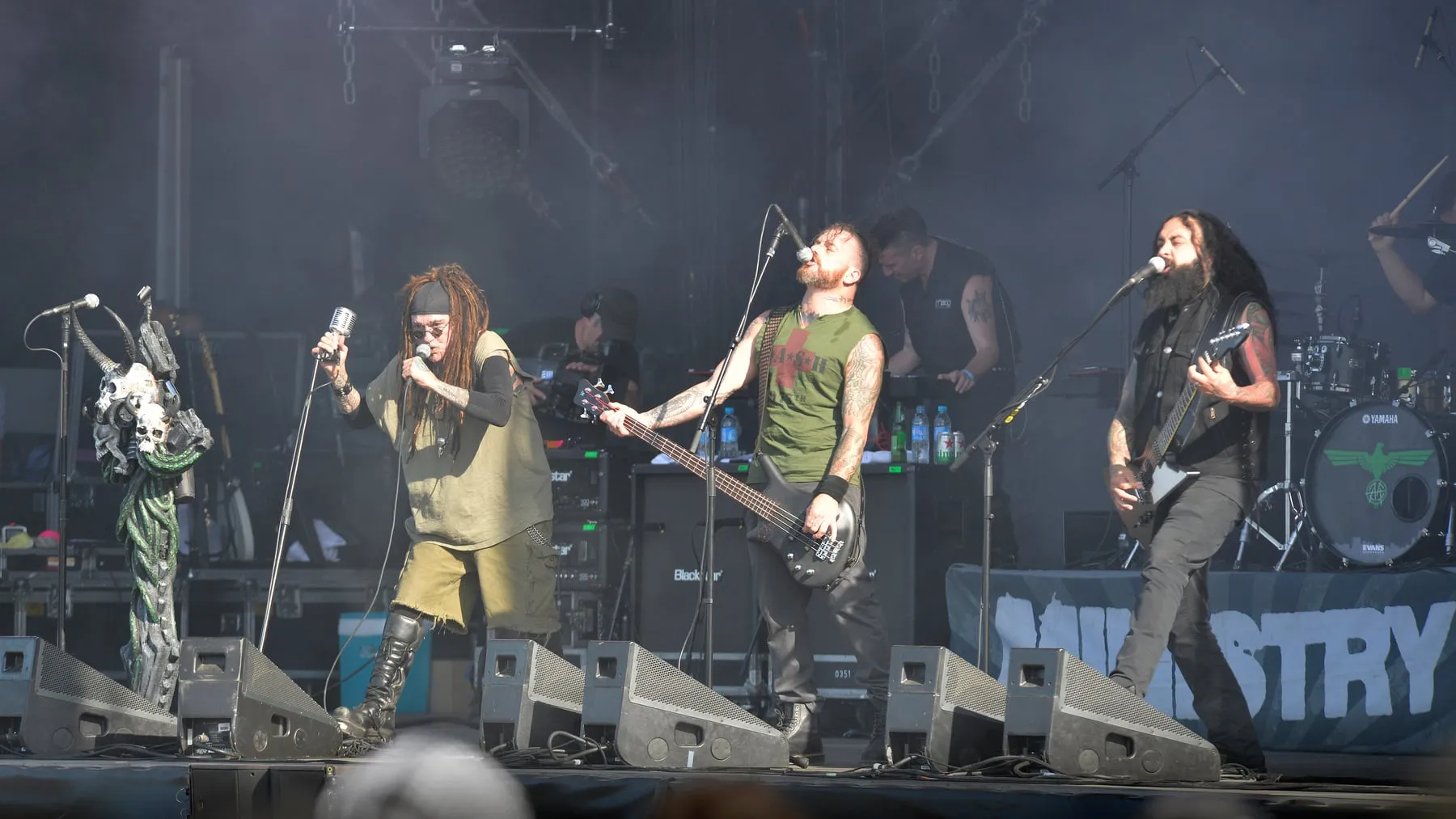
Photo by Selbymay , licensed under CC BY-SA 4.0 · Wikimedia Commons
Rank #180
Ministry
From Wikipedia
Ministry is an American industrial metal band founded in Chicago, Illinois, in 1981 by producer, singer, and instrumentalist Al Jourgensen. Originally a synth-pop outfit, Ministry evolved into one of the pioneers of industrial rock and industrial metal in the late 1980s. The band's lineup has changed frequently, leaving Jourgensen as the sole remaining original member. Musicians who have contributed to the band's studio and/or live activities include vocalists Nivek Ogre, Chris Connelly, Gibby Haynes, Burton C. Bell and Jello Biafra, guitarists Mike Scaccia, Tommy Victor and Cesar Soto, bassists Paul Barker, Paul Raven, Jason Christopher, Tony Campos and Paul D'Amour, drummers Jimmy DeGrasso, Bill Rieflin, Martin Atkins, Rey Washam, Max Brody, Joey Jordison, Roy Mayorga and Aaron Rossi, keyboardist John Bechdel, and rappers and producers DJ Swamp and Arabian Prince.
Members
- Al Jourgensen (1981–present)
- John Bechdel (2006–present)
- Paul D'Amour (2019–present)
- Aaron Rossi (?–2016)
- Sin Quirin (?–2021)
Discography & Previews
Browse through and click an album to open and play 30-second previews streamed from Apple Music.






The Last Sucker
2007 · 12 tracks

Cover Up
2008 · 14 tracks
- 1 Under My Thumb ↗ 3:58
- 2 Bang a Gong ↗ 4:48
- 3 Radar Love ↗ 5:21
- 4 Space Truckin' ↗ 3:51
- 5 Black Betty ↗ 3:29
- 6 Mississippi Queen ↗ 3:14
- 7 Just Got Paid ↗ 3:13
- 8 Roadhouse Blues ↗ 4:28
- 9 Supernaut ↗ 7:08
- 10 Lady Lady Lay ↗ 5:44
- 11 What a Wonderful World ↗ 7:01
- 12 What a Wonderful World (Short Slow Version) ↗ 4:18
- 13 What a Wonderful World (Short Fast Version) ↗ 3:36
- 14 Willie Stigmata ↗ 1:05


From Beer to Eternity
2013 · 11 tracks
- 1 Hail to His Majesty (Peasants) ↗ 5:17
- 2 Punch In the Face ↗ 5:00
- 3 PermaWar ↗ 4:56
- 4 Perfect Storm ↗ 4:56
- 5 Fairly Unbalanced ↗ 4:15
- 6 The Horror ↗ 3:33
- 7 Side FX Include Mikey's Middle Finger (TV 4) ↗ 5:15
- 8 Lesson Unlearned ↗ 3:16
- 9 Thanx But No Thanx ↗ 8:21
- 10 Change of Luck ↗ 7:17
- 11 Enjoy the Quiet ↗ 2:40


The Squirrely Years Revisited
2025 · 12 tracks
- 1 Work For Love (Squirrely Version) ↗ 4:06
- 2 Here We Go (Squirrely Version) ↗ 4:17
- 3 All Day (Squirrely Version) ↗ 4:28
- 4 Every Day Is Halloween (Squirrely Version) ↗ 5:20
- 5 Revenge (Squirrely Version) ↗ 3:58
- 6 I'm Not An Effigy (Squirrely Version) ↗ 5:26
- 7 I'm Falling (Squirrely Version) ↗ 3:55
- 8 Same Old Madness (Squirrely Version) ↗ 3:51
- 9 I'll Do Anything For You (Squirrely Version) ↗ 5:19
- 10 Just Like You (Squirrely Version) ↗ 4:11
- 11 We Believe (Squirrely Version) ↗ 5:23
- 12 Over The Shoulder (Squirrely Version) ↗ 5:12
-
 With SympathyMinistry19839 tracks
 -
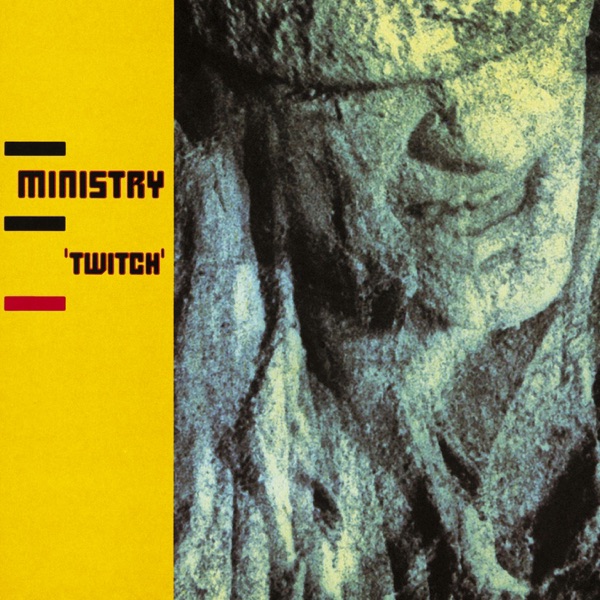
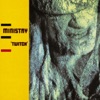 TwitchMinistry19869 tracks
 -
 The Land of Rape and HoneyMinistry198811 tracks
 -
 The Mind Is a Terrible Thing to TasteMinistry19899 tracks
 -
 Filth PigMinistry199610 tracks
 -
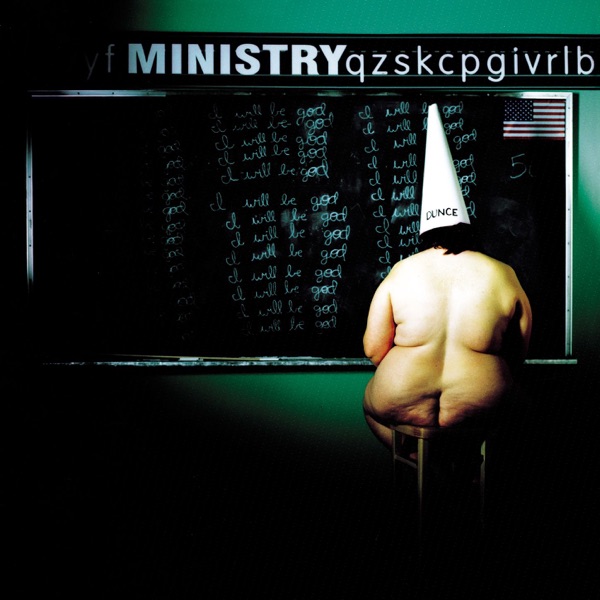
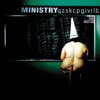 Dark Side of the SpoonMinistry199910 tracks
 -
 AnimositisominaMinistry200310 tracks
 -
 Houses of the MoléMinistry200411 tracks
 -
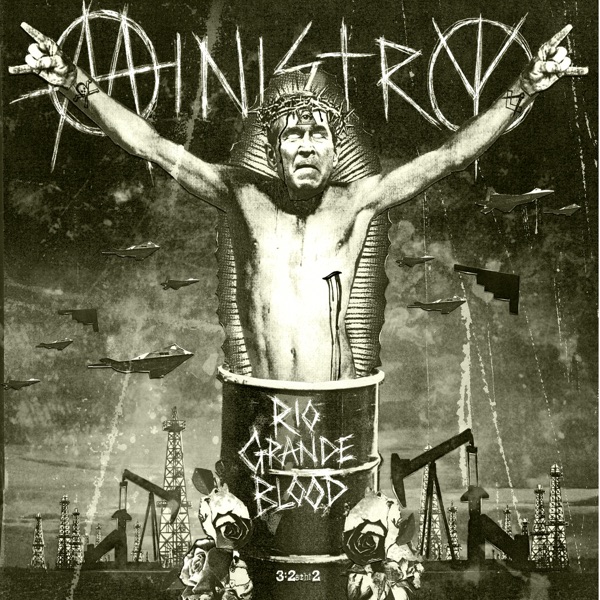
 Rio Grande BloodMinistry200611 tracks
 -
 The Last SuckerMinistry200712 tracks
 -
 Cover UpMinistry200814 tracks
 -
 UndercoverMinistry201012 tracks
 -
 RelapseMinistry201211 tracks
 -
 From Beer to EternityMinistry201311 tracks
 -
 AmeriKKKantMinistry20189 tracks
 -
 Moral HygieneMinistry202110 tracks
 -
 HOPIUMFORTHEMASSESMinistry20249 tracks
 -
 The Squirrely Years RevisitedMinistry202512 tracks
Deep Dive
Overview
Ministry is an American industrial metal band formed in Chicago, Illinois, in 1981 by Al Jourgensen, a producer, singer, and instrumentalist who remains the band’s sole original member. Emerging from synth-pop origins, Ministry evolved during the late 1980s into one of the defining acts of industrial rock and industrial metal, genres that fused electronic abrasion with the visceral weight of heavy metal. Their grinding, distortion-laden sound and relentless studio output established a template for extreme electronic rock that influenced decades of subsequent artists.
Formation Story
Al Jourgensen founded Ministry in 1981 in Chicago as a synth-pop project, a genre then in ascendancy across North America and Europe. The early lineup and setup reflected that electronic music orientation, with synthesizers and drum machines as primary instruments. The band’s initial approach positioned them within the synth-pop landscape of the early 1980s, though Jourgensen’s ambitions and the city’s evolving underground music scene would soon pull the project in radically different directions. Chicago’s industrial music underground—a scene being built by Throbbing Gristle, Einsturzende Neubauten, and local pioneers—provided both inspiration and audience.
Breakthrough Moment
Ministry’s transition from synth-pop to industrial metal crystallized in the late 1980s. The Land of Rape and Honey (1988) and The Mind Is a Terrible Thing to Taste (1989) marked the band’s arrival as a force in industrial rock, albums that married electronic production with heavily distorted guitars and aggressive vocal delivery. These records demonstrated Jourgensen’s ability to absorb influences from industrial music, metal, and electronic experimentation while forging a distinct sonic identity. The success of these albums established Ministry as a key reference point for emerging industrial metal acts and brought them recognition beyond underground circuits into the broader heavy music landscape.
Peak Era
The 1990s constituted Ministry’s commercial and creative zenith. ΚΕΦΑΛΗΞΘ (1992) cemented their status as industrial metal leaders, followed by Filth Pig (1996) and Dark Side of the Spoon (1999). During this period, the band’s lineup expanded and contracted regularly, with vocalists including Nivek Ogre, Chris Connelly, Gibby Haynes, and Jello Biafra bringing distinct vocal textures to the project. Guitarists like Mike Scaccia and Tommy Victor added layers of distortion and shredding precision, while an evolving rhythm section kept the music anchored in propulsive, machine-like grooves. The 1990s output proved that Ministry could sustain high-volume productivity without sacrificing conceptual coherence or sonic innovation.
Musical Style
Ministry’s sound combines synthesizer-based electronic textures with heavily distorted, traditionally played guitars, creating a collision between analog synthesism and metal amplification. Drum machines and live drummers—who have included Martin Atkins, Jimmy DeGrasso, and later Joey Jordison—provide mechanical precision undercut by organic human timing, a duality central to the band’s aesthetic. Jourgensen’s songwriting and production approach layers vocals, sampled material, and layers of guitar and synth in densely packed arrangements that favor thickness and abrasion over clarity. The band’s instrumental vocabulary draws from industrial music’s embrace of noise, repetition, and textural density, while their song structures and metal influences ensure that hooks and dynamics remain recognizable within the chaos. Vocalists throughout Ministry’s history have alternated between sung melody and shouted aggression, with some tracks featuring multiple vocal layers competing for space.
Major Albums
The Land of Rape and Honey (1988)
This album marked Ministry’s definitive pivot to industrial metal, combining electronic production with heavy guitar riffs and abrasive vocals to establish the band’s signature sound.
The Mind Is a Terrible Thing to Taste (1989)
Following up immediately, this record refined the industrial-metal formula while introducing more varied vocal approaches and pushing production complexity further.
ΚΕΦΑΛΗΞΘ (1992)
With a title using Greek letters, this album solidified Ministry’s commercial breakthrough in the early 1990s and remains a cornerstone of industrial metal.
Filth Pig (1996)
This release showcased a band at peak commercial visibility, balancing accessibility with the grinding aesthetic that defined their core appeal.
AmeriKKKant (2018)
Returning to topical lyrical content and renewed sonic aggression after a hiatus, this album demonstrated Jourgensen’s continued relevance and willingness to engage contemporary political themes.
Signature Songs
- “Psalm 69” — A standout track from the early 1990s that exemplified the band’s fusion of electronic and metal elements with memorable hooks.
- “Just One Fix” — Showcasing the band’s ability to construct accessible yet uncompromising industrial-metal compositions.
- “Thieves” — Demonstrating the vocal and production arrangements that became hallmarks of their mid-period work.
- “Everyday Is Halloween” — A song that captured Ministry’s darker thematic preoccupations and became a concert staple.
- “Bad Blood” — Representing the band’s relentless output and ability to sustain heavy groove across album cycles.
Influence on Rock
Ministry’s evolution from synth-pop to industrial metal proved influential across multiple musical landscapes. They demonstrated that electronic instruments and metal guitars were not opposing forces but could be synthesized into a coherent and commercially viable form. The band’s emphasis on production, sampling, and studio experimentation as primary creative tools influenced industrial metal bands that emerged in the 1990s and 2000s, while their rotating cast of vocalists and musicians established a collaborative, producer-led model that numerous bands would adopt. The industrial metal category itself—a fusion that by the 2010s encompassed acts ranging from Rammstein to Godflesh—owes substantial conceptual and sonic debt to Ministry’s early pioneering work.
Legacy
Ministry’s 40-plus-year run, anchored entirely by Jourgensen’s vision, established them as one of rock’s most durable and prolific acts. The band’s willingness to continue releasing studio albums—with Moral Hygiene (2021), HOPIUMFORTHEMASSES (2024), and The Squirrely Years Revisited (2025) representing recent output—demonstrates sustained creative engagement despite changing lineups and industry shifts. Though the band has experienced lineup changes that render Jourgensen the sole continuous presence, Ministry’s catalog and recorded legacy remain widely accessible through streaming platforms and reissues. The band’s influence on industrial music, heavy metal, and experimental rock remains evident in contemporary acts drawing from those traditions.
Fun Facts
- Ministry’s founding in 1981 predates the commercial emergence of synth-pop by several years, positioning Jourgensen as an early adopter of synthesizer-based pop music before the band’s dramatic genre shift.
- The band has released albums on the industrial-focused Nuclear Blast label, a partnership that underscored their status within the global metal and industrial music industry.
- Throughout the 1990s and 2000s, Ministry’s revolving lineup included musicians such as bassist Paul Barker, keyboardist John Bechdel (who joined in 2006 and remains with the band), and drummers ranging from Martin Atkins to Joey Jordison, reflecting the project’s collaborative and frequently evolving character.
- Ministry’s prolific output—with nearly two dozen studio albums from 1983 through 2025—places them among the most consistently recording acts in industrial and heavy music.