
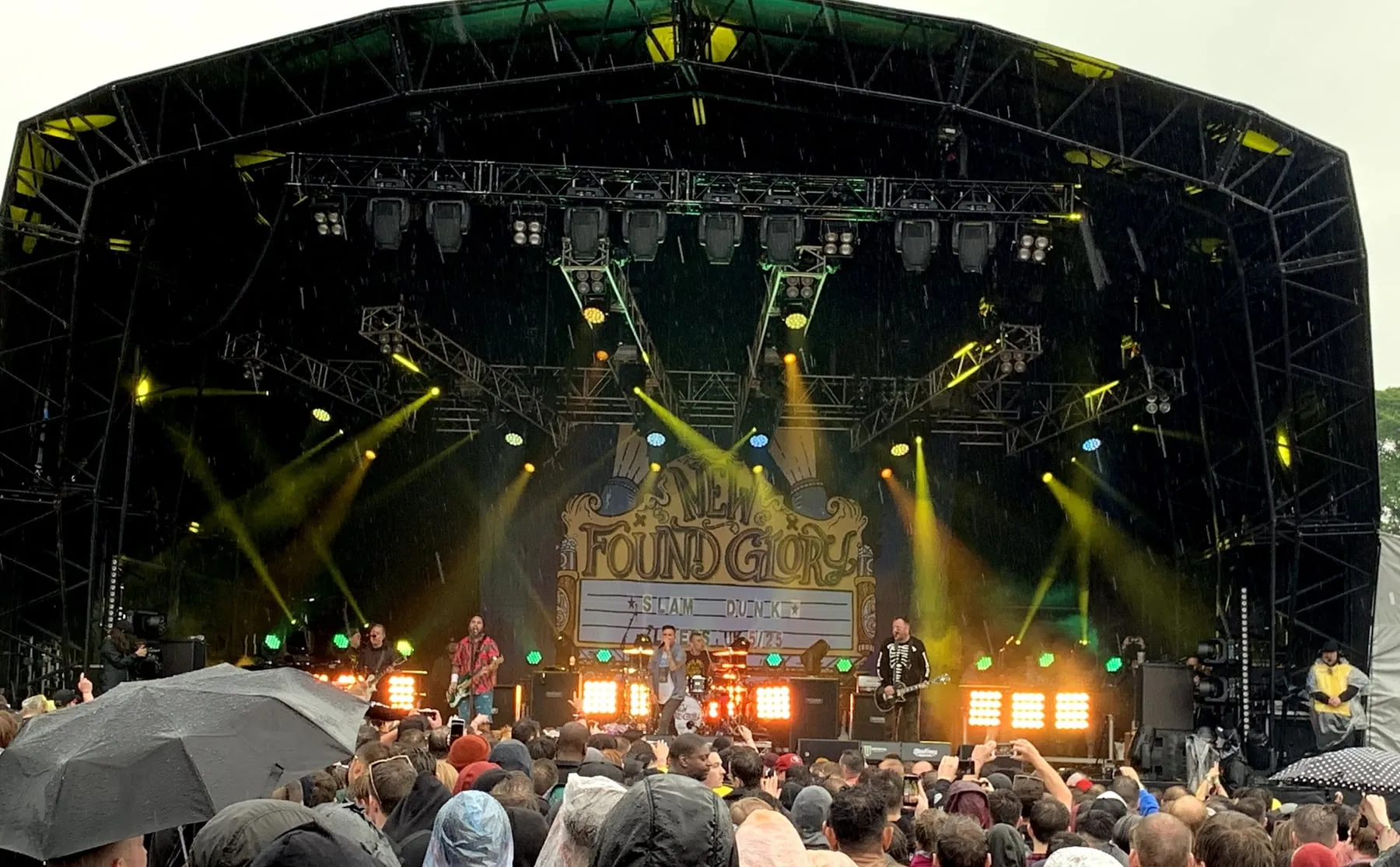
Photo by LostLikeTearsInRain , licensed under CC BY-SA 4.0 · Wikimedia Commons
Rank #374
New Found Glory
From Wikipedia
New Found Glory is an American punk rock band formed in Coral Springs, Florida, in 1997. The band currently consists of Jordan Pundik, Ian Grushka (bass), Chad Gilbert, and Cyrus Bolooki (drums). Longtime rhythm guitarist and lyricist Steve Klein left the band in late 2013. During their lengthy recording career, the band have released fourteen studio albums, one live album, two EPs, and four cover albums.
Members
- Chad Gilbert
- Cyrus Bolooki
- Ian Grushka
- Jordan Pundik
- Steve Klein
Discography & Previews
Browse through and click an album to open and play 30-second previews streamed from Apple Music.

Nothing Gold Can Stay
1999 · 12 tracks
- 1 Hit or Miss ↗ 3:16
- 2 It Never Snows in Florida ↗ 2:47
- 3 3rd and Long ↗ 2:46
- 4 You’ve Got a Friend in Pennsylvania ↗ 4:00
- 5 The Blue Stare ↗ 2:37
- 6 2’s + 3’s ↗ 3:47
- 7 Tell Tale Heart ↗ 3:19
- 8 That Winter Of 95' ↗ 2:30
- 9 Passing Time ↗ 2:57
- 10 Broken Sound ↗ 2:19
- 11 Never Sometimes ↗ 2:51
- 12 The Goodbye Song (Hidden Track) ↗ 3:59

New Found Glory
2000 · 12 tracks

Sticks and Stones
2002 · 13 tracks
- 1 Understatement ↗ 3:11
- 2 My Friends Over You ↗ 3:40
- 3 Sonny ↗ 3:28
- 4 Something I Call Personality ↗ 2:40
- 5 Head On Collision ↗ 3:47
- 6 It's Been a Summer ↗ 3:33
- 7 Forget My Name ↗ 3:10
- 8 Never Give Up ↗ 3:12
- 9 The Great Houdini ↗ 2:47
- 10 Singled Out ↗ 3:20
- 11 Belated ↗ 3:06
- 12 The Story So Far ↗ 4:09
- 13 Joke Skits ↗ 2:00

Catalyst
2004 · 15 tracks
- 1 Intro ↗ 0:37
- 2 All Downhill from Here ↗ 3:12
- 3 This Disaster ↗ 3:08
- 4 Truth of My Youth ↗ 3:02
- 5 I Don't Wanna Know ↗ 3:30
- 6 Your Biggest Mistake ↗ 2:46
- 7 Doubt Full ↗ 3:36
- 8 Failure's Not Flattering ↗ 3:51
- 9 Over the Head, Below the Knees ↗ 3:40
- 10 Ending In Tragedy ↗ 3:31
- 11 At Least I'm Known for Something ↗ 3:30
- 12 I'd Kill To Fall Asleep ↗ 3:11
- 13 No News Is Good News ↗ 3:00
- 14 Radio Adelaide ↗ 2:42
- 15 Who Am I ↗ 3:19

Coming Home
2006 · 14 tracks
- 1 Oxygen ↗ 3:15
- 2 Hold My Hand ↗ 3:43
- 3 It's Not Your Fault ↗ 3:37
- 4 On My Mind ↗ 3:57
- 5 Coming Home ↗ 4:10
- 6 Make Your Move ↗ 4:02
- 7 Taken Back By You ↗ 3:24
- 8 Too Good to Be ↗ 2:59
- 9 Love and Pain ↗ 3:03
- 10 Familiar Landscapes ↗ 3:19
- 11 When I Die ↗ 3:42
- 12 Connected ↗ 3:39
- 13 Boulders ↗ 5:22
- 14 Making Plans ↗ 3:00
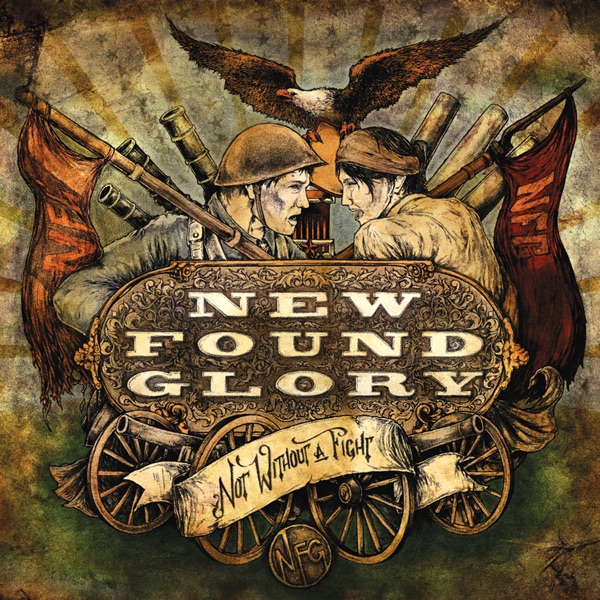
Not Without a Fight
2009 · 13 tracks
- 1 Right Where We Left Off ↗ 3:05
- 2 Don't Let Her Pull You Down ↗ 3:28
- 3 Listen to Your Friends ↗ 3:20
- 4 47 ↗ 2:52
- 5 Truck Stop Blues ↗ 2:15
- 6 Tangled Up ↗ 3:13
- 7 I'll Never Love Again ↗ 2:38
- 8 Reasons ↗ 2:59
- 9 Such a Mess ↗ 2:42
- 10 Heartless at Best ↗ 3:44
- 11 This Isn't You ↗ 2:49
- 12 Don't Let This Be the End ↗ 3:02
- 13 I'm the Fool ↗ 3:38
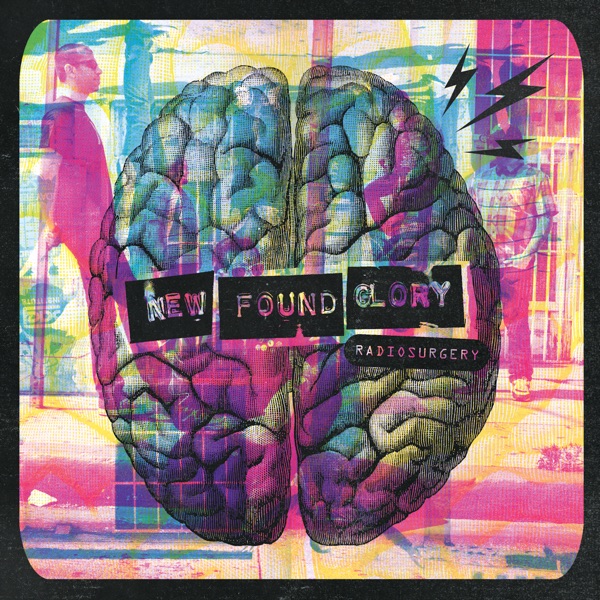
Radiosurgery
2011 · 15 tracks
- 1 Radiosurgery ↗ 2:55
- 2 Anthem for the Unwanted ↗ 3:13
- 3 Drill It in My Brain ↗ 3:08
- 4 I'm Not the One ↗ 3:22
- 5 Ready, Aim, Fire! ↗ 3:05
- 6 Dumped ↗ 3:06
- 7 Summer Fling, Don't Mean a Thing ↗ 2:57
- 8 Caught in the Act (feat. Bethany Cosentino) ↗ 3:00
- 9 Memories and Battle Scars ↗ 2:40
- 10 Trainwreck ↗ 2:58
- 11 Map of Your Body ↗ 3:28
- 12 Separate Beds ↗ 2:30
- 13 Over Again ↗ 2:32
- 14 Sadness ↗ 3:08
- 15 Blitzkrieg Bop ↗ 2:03
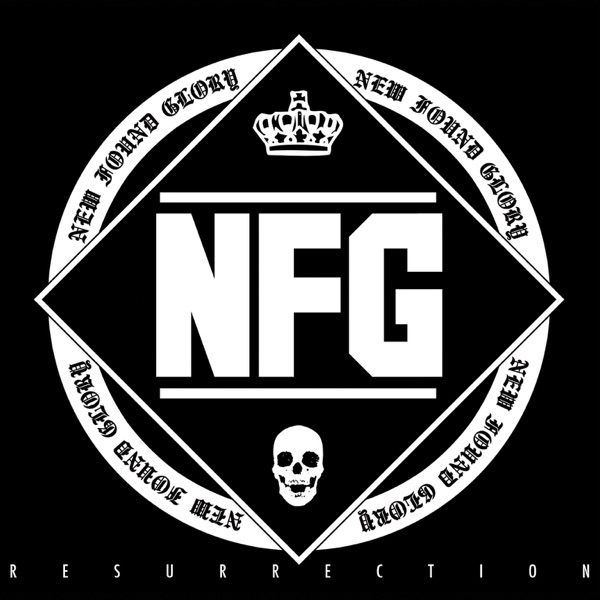
Resurrection
2014 · 13 tracks

Makes Me Sick
2017 · 10 tracks

December’s Here
2021 · 11 tracks
- 1 December's Here ↗ 2:59
- 2 Somber Christmas ↗ 3:04
- 3 Holiday Records ↗ 3:03
- 4 Nothing For Christmas ↗ 3:37
- 5 Christmas Card ↗ 2:07
- 6 Santa Forgive Me ↗ 3:19
- 7 Our First Christmas ↗ 2:41
- 8 Snow ↗ 3:47
- 9 Don’t Fight It’s Christmas ↗ 2:18
- 10 It Never Snows In Florida (Holiday Version) ↗ 3:20
- 11 For Christmas Sake ↗ 3:18

Make the Most of It
2023 · 14 tracks
- 1 Dream Born Again ↗ 4:21
- 2 Mouth To Mouth ↗ 4:13
- 3 Get Me Home ↗ 3:30
- 4 Watch the Lilies Grow ↗ 4:33
- 5 More Than Enough ↗ 3:42
- 6 Kiss the Floor ↗ 5:08
- 7 Bloom ↗ 3:34
- 8 Understatement (live) [Bonus Track] ↗ 4:20
- 9 All Downhill From Here (live) ↗ 3:46
- 10 Dressed To Kill (live) ↗ 3:37
- 11 The Story So Far (live) ↗ 3:57
- 12 Failures Not Flattering (live) [Bonus Track] ↗ 3:57
- 13 My Friends Over You (live) [Bonus Track] ↗ 3:54
- 14 Hit Or Miss (live) [Bonus Track] ↗ 4:15

-
 Nothing Gold Can StayNew Found Glory199912 tracks
 -
 New Found GloryNew Found Glory200012 tracks
 -
 Sticks and StonesNew Found Glory200213 tracks
 -
 CatalystNew Found Glory200415 tracks
 -
 Coming HomeNew Found Glory200614 tracks
 -
 Not Without a FightNew Found Glory200913 tracks
 -
 RadiosurgeryNew Found Glory201115 tracks
 -
 ResurrectionNew Found Glory201413 tracks
 -
 Makes Me SickNew Found Glory201710 tracks
 -
 December’s HereNew Found Glory202111 tracks
 -
 Make the Most of ItNew Found Glory202314 tracks
 -
 Listen Up!New Found Glory202610 tracks
Deep Dive
Overview
New Found Glory is an American punk rock band formed in Coral Springs, Florida, in 1997. Operating across more than two decades, the band has established itself as a consistent presence in the pop punk landscape, delivering straightforward songcraft built on melodic hooks and dynamic breakdowns. Their career spans fourteen studio albums, live recordings, and extended plays, marking them as prolific contributors to a genre that values accessibility and emotional directness in equal measure.
Formation Story
New Found Glory coalesced in Coral Springs in 1997, a moment when pop punk was beginning to establish itself as a legitimate commercial force beyond the underground. The founding lineup—Jordan Pundik on vocals, Chad Gilbert on guitar, Ian Grushka on bass, Cyrus Bolooki on drums, and Steve Klein as rhythm guitarist and lyricist—drew from the regional punk and alternative rock infrastructure of South Florida. The band’s initial formation occurred before the genre’s mainstream explosion, positioning them to develop their craft during the crucial transitional years when pop punk evolved from a subcultural phenomenon into radio-friendly rock.
Breakthrough Moment
New Found Glory’s earliest releases, Waiting (1998) and Nothing Gold Can Stay (1999), established the band’s foundational sound within the emerging pop punk ecosystem. The turning point arrived with their self-titled 2000 album, New Found Glory, which arrived during the commercial ascent of pop punk and demonstrated the band’s ability to craft hook-laden songs designed for both live performance and radio rotation. Sticks and Stones (2002) further solidified their standing, coming at a moment when bands like Sum 41, Blink-182, and Good Charlotte were bringing pop punk into mainstream visibility. New Found Glory’s steadiness in this period—maintaining membership stability and output consistency—allowed them to build an enduring fanbase even as the genre’s commercial landscape shifted.
Peak Era
The band’s creative and commercial peak extended through the mid-2000s, with Catalyst (2004) and Coming Home (2006) representing a period of mature songwriting and refined production. These albums arrived as pop punk experienced both its greatest mainstream acceptance and the first signs of commercial saturation. Rather than chase trends, New Found Glory remained committed to their core aesthetic: accessible punk rock with articulate lyrics and muscular instrumental arrangements. The consistency across this period—combining touring endurance, album sales, and radio play—established them as reliable practitioners of a style that valued immediate emotional appeal and live energy.
Musical Style
New Found Glory’s sound sits at the melodic intersection of punk rock’s speed and aggression with pop music’s emphasis on sing-along vocals and structured song composition. Guitar-driven arrangements emphasize rhythm and texture as much as flashy leads, with Chad Gilbert’s and Steve Klein’s playing providing harmonic density without abandoning punk’s inherent directness. Jordan Pundik’s vocals deliver lyrics with conversational clarity rather than vocal histrionics, allowing the songwriting’s emotional content to register immediately. The band’s approach to dynamics—shifting from quiet verses into explosive choruses—became a signature structural habit that influenced countless bands working in easycore and pop punk subgenres. Cyrus Bolooki’s drumming and Ian Grushka’s bass playing provide a propulsive foundation, with the rhythm section driving both speed and melodic support rather than serving purely percussive functions.
Major Albums
New Found Glory (2000)
The self-titled album represented the band’s formal introduction to a broadening audience, arriving at precisely the moment when pop punk was transitioning from underground status to commercial viability. It established the sonic template and songwriting approach that would sustain them across subsequent decades.
Sticks and Stones (2002)
This album demonstrated the band’s ability to refine rather than reinvent their approach, arriving during pop punk’s peak commercial period and confirming their status as a legitimate force within the genre’s mainstream wing.
Catalyst (2004)
A marker of creative maturity, Catalyst showed the band expanding their production palette while maintaining commitment to melodic accessibility and live-performance dynamics that characterized their best work.
Coming Home (2006)
Released as pop punk began experiencing commercial decline, Coming Home affirmed the band’s ability to sustain creative relevance and audience engagement beyond the genre’s mainstream zenith.
Resurrection (2014)
Falling four years after the departure of Steve Klein, Resurrection marked the band’s adjustment to a new lineup configuration while maintaining the essential New Found Glory sound established across their earlier catalog.
Makes Me Sick (2017)
The album represented continued creative activity during a period when punk rock and its pop variants had largely retreated from mainstream radio dominance, yet maintained a dedicated touring and streaming audience.
Signature Songs
- Head on Collision — A defining moment of the band’s melodic attack, with infectious vocal hooks and dynamic structure representative of their core songwriting approach.
- My Friends Over You — An early career highlight that captured the accessible punk sensibility and emotional transparency that characterized their mainstream appeal.
- Dressed to Kill — Exemplifies the band’s ability to balance aggressive instrumentation with immediately memorable melodic content.
- Lesson in Sentiment — Demonstrates the band’s lyrical directness and dynamic range across mid-tempo arrangements.
- Resurrect Me — A title-track showcase for the band’s sustained ability to craft structured pop-punk compositions after two decades of recording.
Influence on Rock
New Found Glory’s primary contribution to rock music lies in their demonstration that pop punk could sustain artistic and commercial longevity beyond a single album cycle or a five-to-seven-year peak period. By maintaining consistent touring schedules, steady album output, and ensemble stability through membership shifts, the band provided a model for how melodic punk acts could build sustainable careers independent of mainstream radio play or viral moments. Their influence extends particularly into the easycore and post-2010 pop-punk revivals, where bands working in accessible rock formats reference both their production aesthetic and their commitment to dynamic song arrangement. The band’s longevity in an industry that often discards genres wholesale demonstrates that fan loyalty and musical consistency can sustain relevance across changing cultural moments.
Legacy
New Found Glory’s legacy reflects not dramatic innovation or genre-defining moments, but rather the steady accumulation of recorded work and touring presence that characterizes working musicians committed to a specific aesthetic. Their fourteen studio albums and extended recording activity place them among the prolific voices of pop punk, with streaming platforms ensuring that their catalog remains consistently accessible to both longtime listeners and new audiences discovering the genre. The band’s continued activity into the 2020s—releasing Forever + Ever x Infinity (2020), December’s Here (2021), and Make the Most of It (2023)—affirms their ongoing engagement with a form that once seemed temporally bounded but has proven capable of supporting multigenerational fanbases. In a genre frequently characterized by burnout and reformation, New Found Glory’s persistence represents a form of cultural validation based on musical consistency rather than historical rupture.
Fun Facts
- Steve Klein served as the band’s rhythm guitarist and lyricist during their initial formation and early albums before departing in late 2013, creating a significant personnel shift after sixteen years of continuous collaboration.
- The band’s name derives from a John Steinbeck quote, reflecting an attempt to position themselves conceptually outside purely superficial punk aesthetics despite their accessibility-oriented musical approach.
- New Found Glory operated under both Epitaph Records and independent label arrangements throughout their career, maintaining creative control and touring infrastructure across multiple label relationships.
- The band’s 2023 album Make the Most of It arrived approximately twenty-five years after their formation, spanning multiple generational shifts in punk rock’s commercial and cultural positioning.