
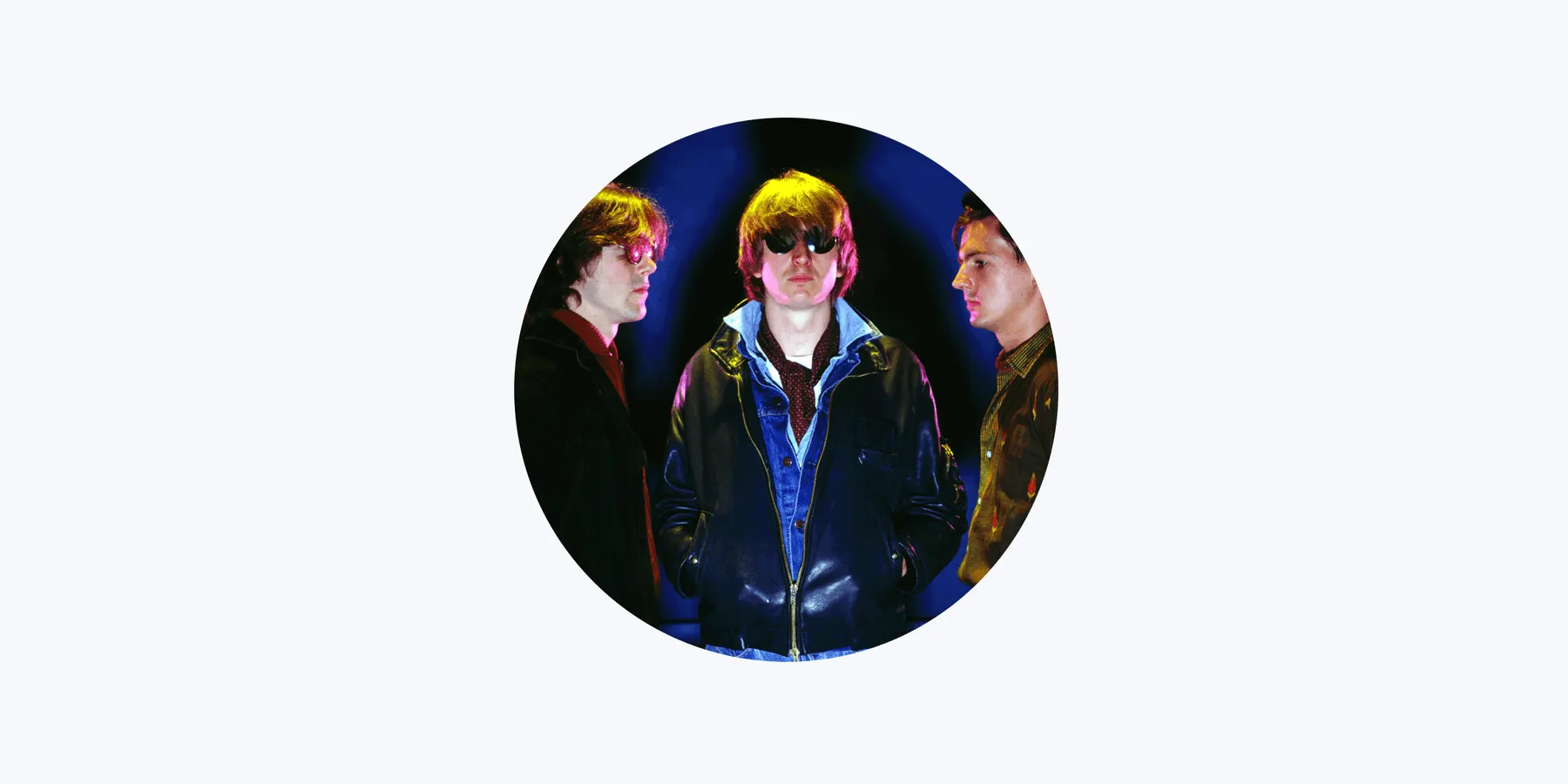
Image courtesy of Apple Music
Rank #88
Talk Talk
From Wikipedia
Talk Talk were an English post-rock band formed in 1981 by Mark Hollis, Lee Harris (drums), Paul Webb (bass), and Simon Brenner (keyboards). Initially a synth-pop group, Talk Talk's first two albums, The Party's Over (1982) and It's My Life (1984), reached top 40 in the UK and produced the international hit singles "Talk Talk", "Today", "It's My Life", and "Such a Shame".
Members
- Mark Hollis
Discography & Previews
Browse through and click an album to open and play 30-second previews streamed from Apple Music.
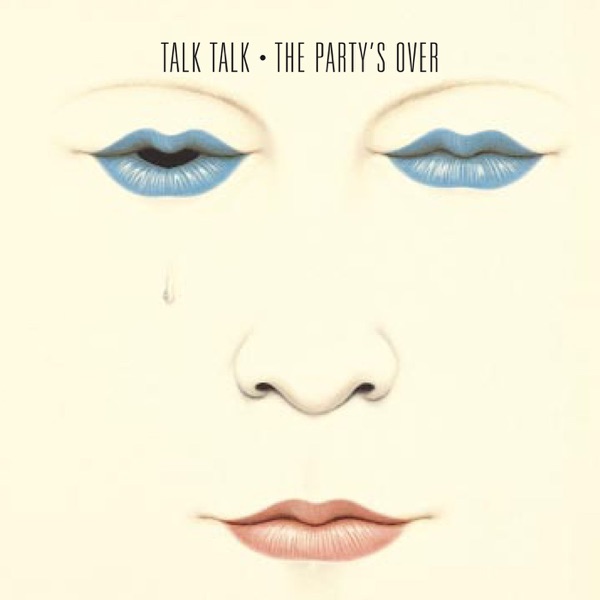
The Party’s Over
1982 · 9 tracks
- 1 Talk Talk (1997 - Remaster) ↗ 3:24
- 2 It's So Serious (1997 - Remaster) ↗ 3:21
- 3 Today (1997 - Remaster) ↗ 3:30
- 4 The Party's Over (1997 - Remaster) ↗ 6:12
- 5 Hate (1997 - Remaster) ↗ 3:59
- 6 Have You Heard the News (1997 Remaster) ↗ 5:07
- 7 Mirror Man (1997 - Remaster) ↗ 3:22
- 8 Another Word (1997 - Remaster) ↗ 3:15
- 9 Candy (1997 - Remaster) ↗ 4:42

It’s My Life
1984 · 9 tracks
- 1 Dum Dum Girl (Remastered 1997) ↗ 3:51
- 2 Such a Shame (Remastered 1997) ↗ 5:36
- 3 Renee (Remastered 1997) ↗ 6:22
- 4 It's My Life (Remastered 1997) ↗ 3:52
- 5 Tomorrow Started (Remastered 1997) ↗ 5:58
- 6 The Last Time (Remastered 1997) ↗ 4:23
- 7 Call In the Night Boy (Remastered 1997) ↗ 3:48
- 8 Does Caroline Know (Remastered 1997) ↗ 4:30
- 9 It's You (Remastered 1997) ↗ 4:42

The Colour of Spring
1986 · 8 tracks
- 1 Happiness Is Easy (1997 - Remaster) ↗ 6:31
- 2 I Don't Believe In You (1997 - Remaster) ↗ 5:02
- 3 Life's What You Make It (1997 - Remaster) ↗ 4:29
- 4 April 5th (1997 - Remaster) ↗ 5:52
- 5 Living In Another World (1997 - Remaster) ↗ 6:58
- 6 Give It Up (1997 - Remaster) ↗ 5:17
- 7 Chameleon Day (1997 - Remaster) ↗ 3:20
- 8 Time It's Time (1997 - Remaster) ↗ 8:14
-
 The Party’s OverTalk Talk19829 tracks
 -
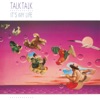 It’s My LifeTalk Talk19849 tracks
 -
 The Colour of SpringTalk Talk19868 tracks
 -
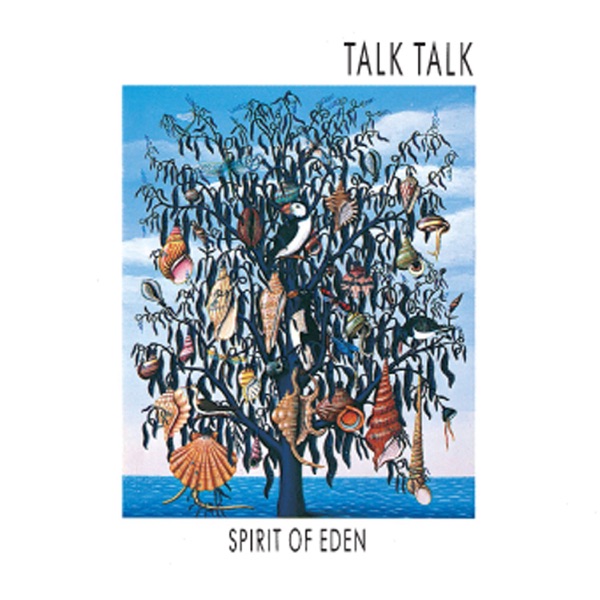
 Spirit of EdenTalk Talk19886 tracks
 -
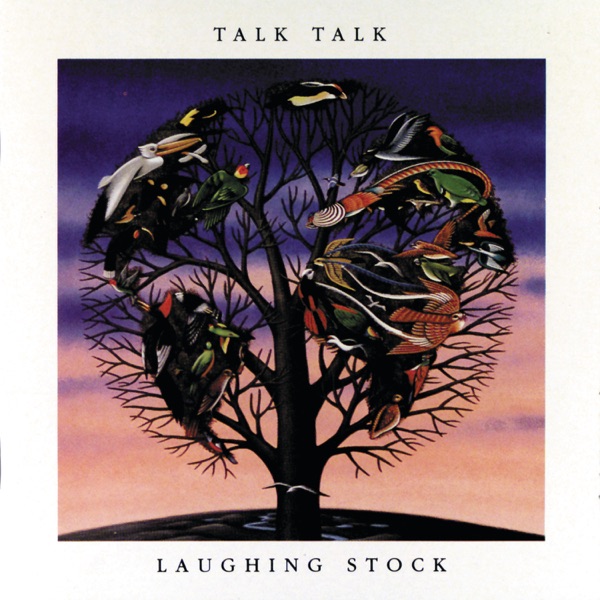
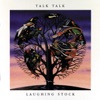 Laughing StockTalk Talk19916 tracks
Deep Dive
Overview
Talk Talk were an English post-rock band that emerged from London in 1981, initially trading in synth-pop before undertaking one of rock’s most deliberate and thorough artistic reinventions. Led by vocalist and primary songwriter Mark Hollis, the group achieved mainstream success in their early years with polished, accessible synth-pop singles that dominated UK and international charts, only to systematically dismantle that formula in pursuit of sparse, abstract, and defiantly uncommercial soundscapes. By their final studio album in 1991, Talk Talk had positioned themselves as architects of a new kind of post-rock—one rooted in silence, acoustic decay, and emotional restraint rather than bombast.
Formation Story
Talk Talk coalesced in London in 1981 around Mark Hollis, whose vision united Lee Harris on drums, Paul Webb on bass, and Simon Brenner on keyboards. Emerging during the height of British synth-pop’s commercial boom, the band arrived with the instrumental sophistication and production sheen that defined the genre’s upper tier. The early 1980s London scene was saturated with electronic acts, yet Talk Talk’s melodic sensibility and Hollis’s distinctive vocal delivery positioned them immediately as more than a passing trend within the synth-pop establishment.
Breakthrough Moment
Talk Talk’s first two albums established them as chart forces in rapid succession. The Party’s Over, released in 1982, introduced their sound to the world and secured their entry into the UK top 40, while It’s My Life in 1984 consolidated that commercial foundation. The single “Talk Talk” became an international calling card, as did “Today,” “It’s My Life,” and “Such a Shame.” These tracks possessed the hallmarks of premium synth-pop production—crisp drum machines, layered synthesizers, and accessible songcraft—yet Hollis’s thoughtful vocal presence and the songs’ harmonic sophistication suggested depths beyond the genre’s typical commercial formula. The band’s early success granted them both a platform and, crucially, the creative freedom to explore beyond it.
Peak Era
Talk Talk’s creative peak coincided with their most radical departure from their origins. The Colour of Spring (1986) marked a turning point, introducing fuller arrangements and a subtle shift away from pure synth-pop toward a more organic, layered aesthetic. However, the band’s true artistic apotheosis arrived with Spirit of Eden (1988) and Laughing Stock (1991)—two albums that abandoned conventional song structures, polished production, and commercial accessibility in favor of fragmented compositions, live orchestration, spatial production, and meditative arrangements. These records represented not merely a stylistic evolution but a wholesale philosophical reorientation, as though the band had decided that synth-pop success was fundamentally at odds with what they wished to express.
Musical Style
Talk Talk’s early sound embodied the production sophistication and keyboard-driven architecture of 1980s synth-pop at its most polished. Layered electronic textures, sequenced bass lines, and algorithmic drum patterns formed the foundation, yet Hollis’s vocal approach—measured, introspective, and resistant to conventional pop theatricality—prevented the music from dissolving into faceless genre decoration. As the 1980s progressed, the band increasingly incorporated live instrumentation: piano, strings, woodwinds, and acoustic guitars displaced synthesizers. By Spirit of Eden and Laughing Stock, Talk Talk had reinvented themselves as composers working in a register closer to contemporary classical composition and jazz than to rock. Silence became a structural element; compositions unfolded at glacial tempos; Hollis’s vocals operated as one instrument among many, often buried in the mix. The resulting aesthetic was austere, frequently oblique, and hostile to radio format—yet it embodied an artistic coherence few rock musicians achieve.
Major Albums
The Party’s Over (1982)
The debut established Talk Talk as synth-pop sophisticates, blending electronic production with melodic craftmanship and securing UK top-40 status from the outset.
It’s My Life (1984)
The follow-up consolidated their commercial success with several international hit singles, defining the band’s early identity as purveyors of intelligent, accessible electronic pop.
The Colour of Spring (1986)
The transitional third album began to incorporate acoustic and orchestral elements alongside electronic textures, signaling the band’s gradual move away from synth-pop orthodoxy.
Spirit of Eden (1988)
A radical departure into fragmented, sparsely arranged post-rock; this album abandoned commercial convention entirely, featuring live orchestration, extended silences, and a compositional approach closer to contemporary classical music than rock.
Laughing Stock (1991)
The final studio album deepened the aesthetic of Spirit of Eden, presenting even more abstract, meditative compositions and establishing Talk Talk as uncompromising post-rock architects.
Signature Songs
- “Talk Talk” — The debut single that became an international hit and defined the band’s early synth-pop identity.
- “Today” — An archetypal early Talk Talk single, showcasing Hollis’s vocal nuance within a carefully constructed synth-pop framework.
- “It’s My Life” — The title track of their 1984 album, one of their most commercially successful and enduring singles.
- “Such a Shame” — A polished, melodic showcase for their early synth-pop mastery.
- “The Colour of Spring” — The title track signaled the band’s evolving approach with fuller arrangements and reduced reliance on synthesizers.
Influence on Rock
Talk Talk’s influence operates on two distinct registers. Their early synth-pop singles rank among the definitive examples of intelligent electronic pop in the early 1980s, influencing countless acts within the broader synth-pop and new wave traditions. More profoundly, however, Spirit of Eden and Laughing Stock anticipated and essentially authored the post-rock aesthetic that would dominate alternative rock throughout the 1990s and beyond. Their demonstration that rock musicians could discard conventional song structures, treat the ensemble as a compositional instrument, and embrace silence and restraint as structural principles opened conceptual territory for subsequent generations of experimental musicians. The band’s willingness to alienate their commercial audience in pursuit of artistic integrity became a model for artists across rock, contemporary classical, and experimental music.
Legacy
Talk Talk disbanded in 1991, yet their cultural footprint has only deepened with time. Spirit of Eden and Laughing Stock have been reappraised as foundational post-rock texts, cited by musicians across alternative, experimental, and contemporary classical circles as essential listening. Mark Hollis’s quiet persistence as an artist—his refusal to compromise or court nostalgia—has become legendary within underground music communities. Talk Talk’s trajectory from synth-pop hit-makers to post-rock pioneers serves as a powerful counternarrative to the logic of commercial rock music, demonstrating that an artist or band might achieve mainstream success and then deliberately abandon it in pursuit of uncompromising artistic vision.
Fun Facts
- Talk Talk recorded Spirit of Eden and Laughing Stock with producer Tim Friese-Greene, whose innovative approach to capturing live acoustic and orchestral sounds in the studio became integral to the band’s late-period aesthetic.
- Mark Hollis was the sole consistent member across the band’s entire discography, serving as the primary songwriter and conceptual architect of their transformation.
- Laughing Stock was initially released to critical indifference but has since been reconsidered as one of the most important rock albums of the 1990s, influencing countless post-rock and experimental musicians.
- The band’s shift from Parlophone and EMI to Verve Records reflected their migration from mainstream pop architecture to more experimental-leaning labels willing to support their artistic direction.