
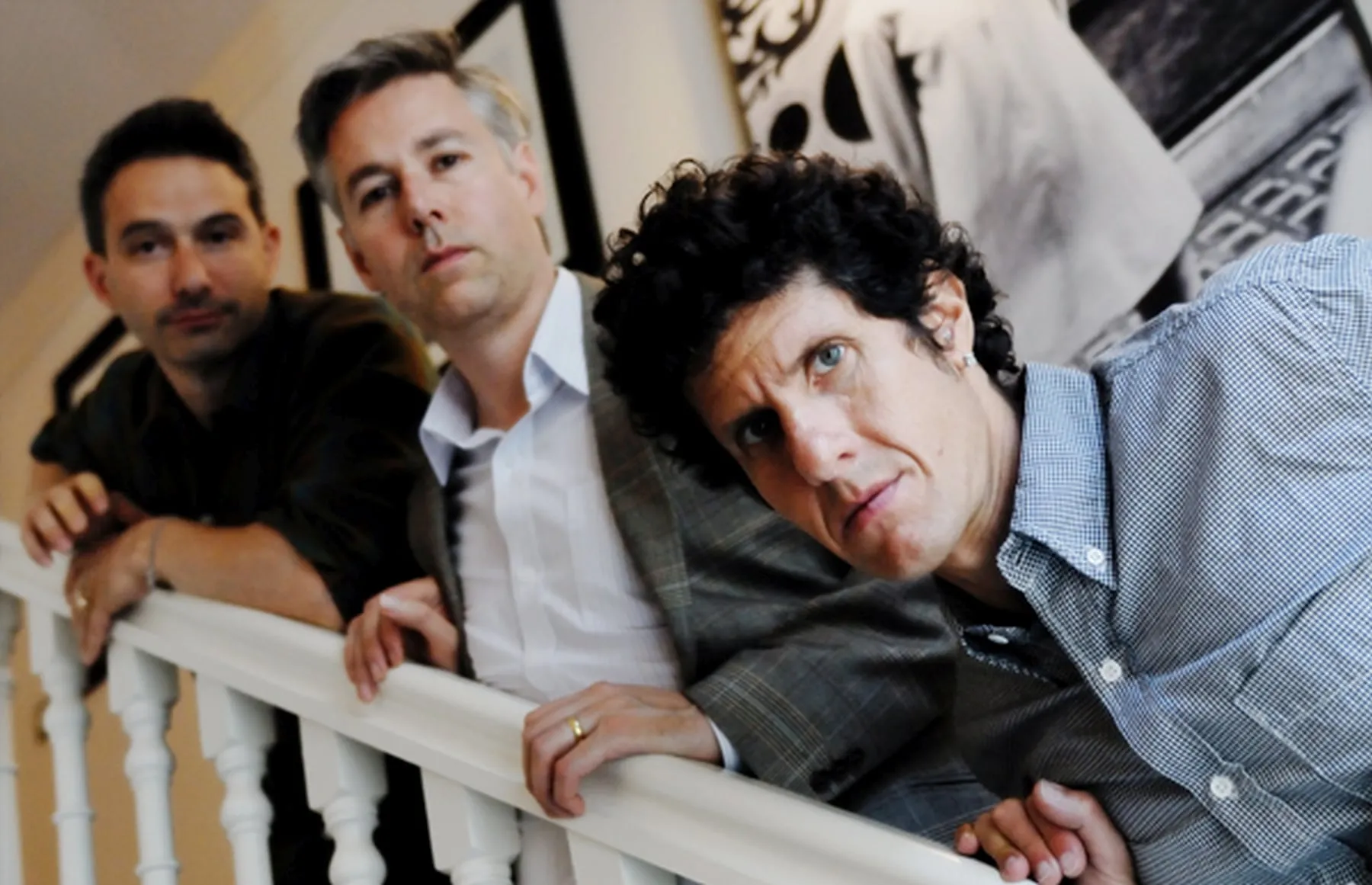
Photo by Maddy Julien , licensed under CC BY-SA 2.0 · Wikimedia Commons
Rank #42
Beastie Boys
From Wikipedia
The Beastie Boys were an American hip-hop group formed in New York City in 1981. They were composed of Adam "Ad-Rock" Horovitz, Adam "MCA" Yauch, and Michael "Mike D" Diamond.
Members
- Adam Yauch (1981–2012)
- John Berry (1981–1982)
- Kate Schellenbach (1981–1984)
- Mike D (1981–2012)
- Ad-Rock (1982–2012)
- Rick Rubin (1984–1985)
- DJ Hurricane (1986–1997)
- Doctor Dré (1986–1986)
- Eric "Bobo" Correa (1992–1996)
- Money Mark (1992–2012)
- Amery Smith (1994–1995)
- Alfredo Ortiz (1996–2012)
- Mix Master Mike (1998–2012)
Discography & Previews
Browse through and click an album to open and play 30-second previews streamed from Apple Music.
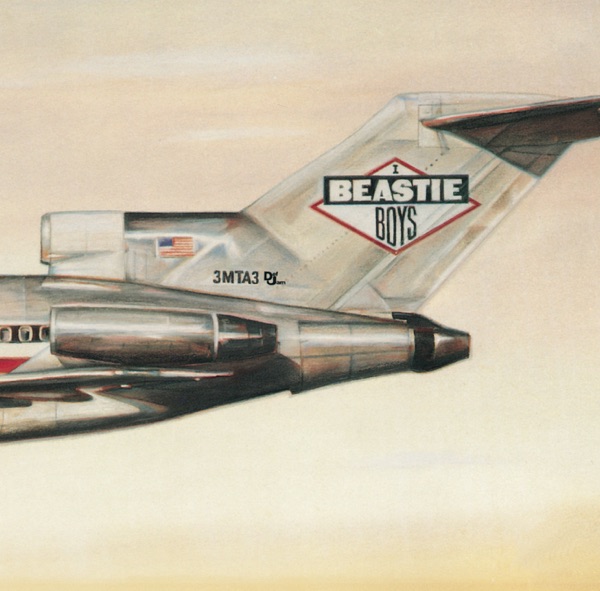
Licensed to Ill
1986 · 13 tracks
- 1 Rhymin' & Stealin' ↗ 4:08
- 2 The New Style ↗ 4:36
- 3 She's Crafty ↗ 3:35
- 4 Posse In Effect ↗ 2:26
- 5 Slow Ride ↗ 2:57
- 6 Girls ↗ 2:13
- 7 Fight for Your Right ↗ 3:29
- 8 No Sleep Till Brooklyn ↗ 4:07
- 9 Paul Revere ↗ 3:41
- 10 Hold It Now, Hit It ↗ 3:26
- 11 Brass Monkey ↗ 2:37
- 12 Slow and Low ↗ 3:38
- 13 Time to Get Ill ↗ 3:40

Paul’s Boutique
1989 · 15 tracks
- 1 To All the Girls ↗ 1:29
- 2 Shake Your Rump ↗ 3:20
- 3 Johnny Ryall ↗ 3:00
- 4 Egg Man ↗ 2:57
- 5 High Plains Drifter ↗ 4:13
- 6 The Sounds of Science ↗ 3:12
- 7 3-Minute Rule ↗ 3:39
- 8 Hey Ladies ↗ 3:47
- 9 5-Piece Chicken Dinner ↗ 0:23
- 10 Looking Down the Barrel of a Gun ↗ 3:28
- 11 Car Thief ↗ 3:40
- 12 What Comes Around ↗ 3:08
- 13 Shadrach ↗ 4:08
- 14 Ask for Janice ↗ 0:11
- 15 B-Boy Bouillabaisse: 59 Chrystie Street / Get On the Mic / Stop That Train / A Year and a Day / Hello Brooklyn / Dropping Names / Lay It On Me / Mike On the Mic / A.W.O.L. ↗ 12:34

Check Your Head
1992 · 20 tracks
- 1 Jimmy James ↗ 3:15
- 2 Funky Boss ↗ 1:36
- 3 Pass the Mic ↗ 4:17
- 4 Gratitude ↗ 2:46
- 5 Lighten Up ↗ 2:42
- 6 Finger Lickin' Good ↗ 3:40
- 7 So What'cha Want ↗ 3:37
- 8 The Biz vs. The Nuge ↗ 0:34
- 9 Time for Livin' ↗ 1:49
- 10 Something's Got to Give ↗ 3:28
- 11 The Blue Nun ↗ 0:32
- 12 Stand Together ↗ 2:47
- 13 Pow ↗ 2:14
- 14 The Maestro ↗ 2:52
- 15 Groove Holmes ↗ 2:33
- 16 Live at P.J.'s ↗ 3:18
- 17 Mark On the Bus ↗ 1:06
- 18 Professor Booty ↗ 4:13
- 19 In 3's ↗ 2:23
- 20 Namaste ↗ 4:01

Ill Communication
1994 · 20 tracks
- 1 Sure Shot ↗ 3:20
- 2 Tough Guy ↗ 0:58
- 3 B-Boys Makin' with the Freak Freak ↗ 3:37
- 4 Bobo On the Corner ↗ 1:13
- 5 Root Down ↗ 3:32
- 6 Sabotage ↗ 2:58
- 7 Get It Together ↗ 4:06
- 8 Sabrosa ↗ 3:30
- 9 The Update ↗ 3:15
- 10 Futterman's Rule ↗ 3:42
- 11 Alright Hear This ↗ 3:07
- 12 Eugene's Lament ↗ 2:12
- 13 Flute Loop ↗ 1:55
- 14 Do It ↗ 3:16
- 15 Ricky's Theme ↗ 3:44
- 16 Heart Attack Man ↗ 2:15
- 17 The Scoop ↗ 3:36
- 18 Shambala ↗ 3:41
- 19 Bodhisattva Vow ↗ 3:08
- 20 Transitions ↗ 2:32

Hello Nasty
1998 · 22 tracks
- 1 Super Disco Breakin' ↗ 2:07
- 2 The Move ↗ 3:36
- 3 Remote Control ↗ 2:59
- 4 Song for the Man ↗ 3:13
- 5 Just a Test ↗ 2:13
- 6 Body Movin' ↗ 3:04
- 7 Intergalactic ↗ 3:51
- 8 Sneakin' Out the Hospital ↗ 2:45
- 9 Putting Shame In Your Game ↗ 3:37
- 10 Flowin' Prose ↗ 2:40
- 11 And Me ↗ 2:52
- 12 Three MC's and One DJ ↗ 2:50
- 13 The Grasshopper Unit (Keep Movin') ↗ 3:01
- 14 Song for Junior ↗ 3:50
- 15 I Don't Know ↗ 3:00
- 16 The Negotiation Limerick File ↗ 2:46
- 17 Electrify ↗ 2:23
- 18 Picture This ↗ 2:25
- 19 Unite ↗ 3:32
- 20 Dedication ↗ 2:33
- 21 Dr. Lee, Phd ↗ 4:51
- 22 Instant Death ↗ 3:22

To the 5 Boroughs
2004 · 15 tracks
- 1 Ch-Check It Out ↗ 3:12
- 2 Right Right Now Now ↗ 2:47
- 3 3 The Hard Way ↗ 2:48
- 4 Time to Build ↗ 3:12
- 5 Rhyme the Rhyme Well ↗ 2:47
- 6 Triple Trouble ↗ 2:43
- 7 Hey F*?# You ↗ 2:22
- 8 Oh Word? ↗ 3:00
- 9 That's It That's All ↗ 2:29
- 10 All Lifestyles ↗ 2:34
- 11 Shazam! ↗ 2:27
- 12 An Open Letter to NYC ↗ 4:19
- 13 Crawlspace ↗ 2:54
- 14 The Brouhaha ↗ 2:13
- 15 We Got The ↗ 2:27

The Mix‐Up
2007 · 13 tracks
- 1 B For My Name ↗ 3:32
- 2 14th St. Break ↗ 3:34
- 3 Suco De Tangerina ↗ 3:18
- 4 The Gala Event ↗ 3:48
- 5 Electric Worm ↗ 3:16
- 6 Freaky Hijiki ↗ 2:57
- 7 Off The Grid ↗ 4:45
- 8 The Rat Cage ↗ 3:37
- 9 The Melee ↗ 3:11
- 10 Dramastically Different ↗ 3:58
- 11 The Cousin Of Death ↗ 3:06
- 12 The Kangaroo Rat ↗ 3:29
- 13 Biscuits And Butter ↗ 4:19
-
 Licensed to IllBeastie Boys198613 tracks
 -
 Paul’s BoutiqueBeastie Boys198915 tracks
 -
 Check Your HeadBeastie Boys199220 tracks
 -
 Ill CommunicationBeastie Boys199420 tracks
 -
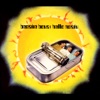 Hello NastyBeastie Boys199822 tracks
 -
 To the 5 BoroughsBeastie Boys200415 tracks
 -
 The Mix‐UpBeastie Boys200713 tracks
Deep Dive
Overview
The Beastie Boys were an American hip-hop group formed in New York City in 1981, composed of Adam “Ad-Rock” Horovitz, Adam “MCA” Yauch, and Michael “Mike D” Diamond. They pioneered a hybrid sound that welded hip-hop vocals, rock instrumentation, punk energy, and sample-based production into a style that defined the late 1980s and influenced multiple generations of musicians. Their career spanned three decades until 2012, during which they released nine studio albums and became one of the most commercially successful and culturally consequential acts in hip-hop history.
Formation Story
The Beastie Boys emerged from the New York underground music scene in the early 1980s, initially forming around 1981 with original drummer Kate Schellenbach and later-departed bassist John Berry. The group’s nucleus solidified when Mike D and Ad-Rock joined forces with MCA, a former punk musician who brought a distinctive vocal presence to the trio. By 1982, the lineup had crystallized into the three members who would remain central to the band’s entire career. Working in tandem with producer Rick Rubin between 1984 and 1985, they began crafting a sound that rejected the conventional wisdom of rap at the time—instead of following the established New York DJ-and-MC template, they incorporated rock samples, live instrumentation, and punk attitude into their hip-hop framework.
Breakthrough Moment
The Beastie Boys’ breakthrough came with the release of Licensed to Ill in 1986, a landmark album that introduced their irreverent style to mainstream audiences. The album’s infectious blend of rap, rock, and humor—along with the infectious single “(You Gotta) Fight for Your Right (To Party!)”—catapulted them to unprecedented commercial success for a hip-hop act. Licensed to Ill demonstrated that rap music could incorporate rock elements and appeal to the MTV generation while still maintaining credibility within hip-hop culture. This debut established them as cultural figures beyond the rap underground, setting the stage for a career that would span multiple creative reinventions.
Peak Era
The Beastie Boys’ creative and commercial peak extended from the late 1980s through the late 1990s. Following Licensed to Ill, they released Paul’s Boutique in 1989, a production-heavy album that showcased their growing sophistication in sampling and beat construction. Throughout the 1990s, they continued to evolve, releasing Check Your Head in 1992, which reintegrated live instrumentation and shifted their sonic palette, and Ill Communication in 1994. The release of Hello Nasty in 1998 marked another stylistic evolution, featuring the producer Money Mark (who had joined the group in 1992) and the turntablist Mix Master Mike (who would remain through 2012), introducing electronic and experimental textures to their signature sound.
Musical Style
The Beastie Boys’ sound defied easy categorization. At their core, they were a hip-hop act—three MCs over beats and samples—but they consistently incorporated rock guitars, funk grooves, and punk sensibility into their productions. Their early work featured heavy sampling and chopped-up rock riffs, while their later albums embraced live musicianship and a wider palette of instrumental sources. Vocally, the group traded off verses in a conversational style that emphasized personality and wordplay over technical prowess. Their production aesthetic, particularly under the guidance of Rick Rubin and later producers, emphasized clarity and rhythmic precision. As their career progressed, they absorbed influences from funk, jazz, electronic music, and experimental production, a trajectory visible across albums from Paul’s Boutique through Hello Nasty. By the time they released To the 5 Boroughs in 2004, they had become elder statesmen of hip-hop, synthesizing decades of musical knowledge into a sound that remained recognizably theirs while reflecting the evolution of their influences.
Major Albums
Licensed to Ill (1986)
Their debut album introduced the world to the Beastie Boys’ distinctive fusion of rap and rock. With songs like “(You Gotta) Fight for Your Right (To Party!)” and “No Sleep till Brooklyn,” the album achieved both critical acclaim and massive commercial success, becoming a gateway to hip-hop for millions of listeners.
Paul’s Boutique (1989)
This album marked a significant leap in production sophistication, featuring intricate sampling and layered instrumentation that rewarded close listening. Paul’s Boutique established the group as serious producers and musicians, moving beyond the novelty associations of their debut.
Check Your Head (1992)
The album reintroduced live instrumentation, with band members playing guitars, bass, and keyboards alongside their rap vocals. This shift marked a turn toward greater musicianship and demonstrated their refusal to be confined by any single genre or production approach.
Hello Nasty (1998)
With Money Mark’s keyboard work and Mix Master Mike’s turntable contributions, Hello Nasty brought electronic and experimental elements into their sound. The album showcased their continued evolution and willingness to push their sonic boundaries.
To the 5 Boroughs (2004)
Released later in their career, this album represented a return to their hip-hop roots while incorporating the musical sophistication and production knowledge they had accumulated over two decades.
Signature Songs
- “(You Gotta) Fight for Your Right (To Party!)” — The infectious debut single that introduced millions to the Beastie Boys and became their most recognizable anthem.
- “No Sleep till Brooklyn” — A heavy-hitting collaboration between rap and rock that showcased their signature blend and featured a memorable guitar riff.
- “Brass Monkey” — An early classic that became a staple of their live performances and remains deeply identified with the group.
- “Sabotage” — A high-energy track that exemplified their punk-influenced approach to hip-hop.
- “Intergalactic” — A late-period hit that demonstrated their continued ability to innovate and create culturally resonant music.
Influence on Rock
The Beastie Boys fundamentally altered the relationship between hip-hop and rock music. By proving that rap could incorporate rock instrumentation, samples, and attitude without losing credibility, they opened pathways that countless artists would follow. Their success demonstrated that hip-hop was not a static genre confined to a particular sonic formula but a flexible framework that could absorb and synthesize diverse musical influences. Bands and artists across rock, metal, and alternative music absorbed their lessons in sampling, production, and cross-genre collaboration. Their approach to live instrumentation in hip-hop—particularly evident in albums like Check Your Head—influenced how subsequent hip-hop acts thought about the relationship between live musicians and producers.
Legacy
The Beastie Boys disbanded in 2012 following MCA’s death, though their cultural footprint remained enormous. They were inducted into the Rock and Roll Hall of Fame, a testament to their influence across musical boundaries. Their catalog has remained consistently available across streaming platforms, introducing new generations to their distinctive sound. The band’s refusal to be confined by genre conventions—treating hip-hop as a broad church capable of absorbing rock, punk, funk, and experimental music—established them as pioneers of fusion aesthetics. Their impact extends beyond music into production philosophy, visual culture, and the very concept of how artists could move between genres while maintaining artistic integrity.
Fun Facts
- The group featured frequent collaborators and session musicians including the turntablist Mix Master Mike (1998–2012), Money Mark on keyboards (1992–2012), and percussionist Alfredo Ortiz (1996–2012), expanding their live and studio capabilities throughout their career.
- The Beastie Boys released The Mix-Up in 2007, an instrumental-only album that stripped their sound down to pure production and musicianship.
- Rick Rubin, who produced their 1984–1985 era work, went on to become one of the most influential producers in music history, shaping the sound of multiple genres across decades.
- The group maintained a website at beastieboys.com and released material on their own Grand Royal label, demonstrating early adoption of direct artist-to-audience communication.