

Photo by Sen Chang , licensed under CC BY 2.0 · Wikimedia Commons
Rank #412
Berlin
From Wikipedia
Berlin is an American new wave/synth-pop band formed in Los Angeles in 1978. The band gained commercial success in the 1980s with singles including "The Metro", "Sex ", "No More Words" and the chart-topping "Take My Breath Away" from the 1986 film Top Gun, which won the Academy Award for Best Original Song and a Golden Globe Award for Best Original Song. The group disbanded right after reaching global success, but continued activity ten years later in 1997. The best-known lineup consisted of singer Terri Nunn, bass guitarist and vocalist John Crawford, keyboardist David Diamond, guitarist Ric Olsen, keyboardist Matt Reid, and drummer Rob Brill.
Members
- Terri Nunn
Discography & Previews
Browse through and click an album to open and play 30-second previews streamed from Apple Music.

Love Life
1984 · 12 tracks



Animal
2013 · 12 tracks


Strings Attached
2020 · 12 tracks
- 1 Take Your Turn ↗ 1:36
- 2 The Metro (Orchestral Version) ↗ 4:19
- 3 No More Words (Orchestral Version) ↗ 4:16
- 4 Take My Breath Away (Orchestral Version) ↗ 4:50
- 5 Masquerade (Orchestral Version) ↗ 4:06
- 6 Now It's My Turn (Orchestral Version) ↗ 4:24
- 7 Sex (I'm A...) [Orchestral Version] ↗ 4:55
- 8 On My Knees (Orchestral Version) ↗ 4:10
- 9 Like Flames (Orchestral Version) ↗ 5:53
- 10 Will I Ever Understand You (Orchestral Version) ↗ 4:44
- 11 You Don't Know (Orchestral Version) ↗ 4:29
- 12 Hideaway (Orchestral Version) ↗ 5:34
-
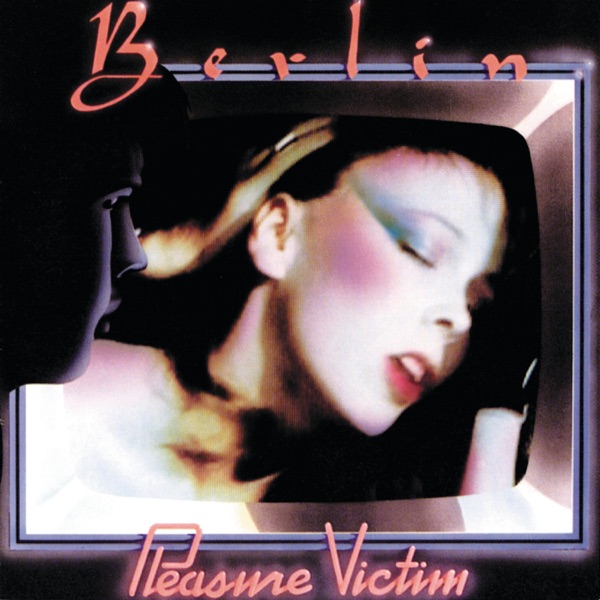
 Pleasure VictimBerlin19828 tracks
 -
 Love LifeBerlin198412 tracks
 -
 Count Three & PrayBerlin198610 tracks
 -
 4playBerlin20059 tracks
 -
 AnimalBerlin201312 tracks
 -
 TranscendanceBerlin201910 tracks
 -
 Strings AttachedBerlin202012 tracks
Deep Dive
Overview
Berlin is an American new wave and synth-pop band that emerged from Los Angeles in 1978 and became one of the defining voices of 1980s pop music. The band synthesized electronic keyboards, lean guitars, and atmospheric production with distinctly theatrical vocal delivery to create a sound that bridged underground new wave sensibilities and mainstream pop accessibility. Their commercial peak came in the mid-1980s, crowned by the massive global success of “Take My Breath Away,” a ballad that reached number one on charts worldwide and won both an Academy Award and Golden Globe for Best Original Song as part of the Top Gun soundtrack.
Formation Story
Berlin coalesced in Los Angeles in 1978 as the punk and new wave underground was beginning to splinter into more stylized and synthesizer-driven directions. The group drew from the post-punk and electronic movements emerging across America and Europe, establishing themselves within the Los Angeles new wave scene alongside other synth-forward acts of the era. The best-known and most enduring lineup included singer Terri Nunn as the band’s distinctive vocal focal point, bass guitarist and vocalist John Crawford, keyboardist David Diamond, guitarist Ric Olsen, keyboardist Matt Reid, and drummer Rob Brill. This ensemble would remain the core identity of the band through their most successful period and later reunions.
Breakthrough Moment
Berlin’s initial commercial breakthrough arrived with their debut studio album Information in 1980, which introduced their synth-pop formula to audiences. However, their fuller breakthrough came with Pleasure Victim in 1982, an album that refined their electronic pop sound and established them as serious contenders in the new wave market. The title track and other cuts from Pleasure Victim built momentum on both college radio and mainstream stations, setting the stage for the band’s ascent into the upper reaches of the charts over the following years.
Peak Era
The band’s peak commercial and creative period extended from the mid-1980s through 1986. Love Life, released in 1984, further solidified their presence in the synth-pop mainstream, while Count Three & Pray in 1986 positioned them at the height of their commercial powers. This era was crowned by the monumental success of “Take My Breath Away,” a track that transcended the band’s cult-favorite status to become a global phenomenon. The song’s placement in Top Gun, one of the year’s biggest films, propelled it to number-one status worldwide and brought Berlin’s name to audiences far beyond rock and pop enthusiasts. The Academy Award and Golden Globe wins validated the track as a watershed moment in 1980s cinema and music.
Musical Style
Berlin’s sound rested on a foundation of synthesizers and electronic textures layered with crisp, often minimal guitar work and tight, metronomic rhythm sections. Terri Nunn’s vocals provided the band’s most distinctive signature—a cool, dramatic delivery that could shift from sparse whisper to full-throated emotional intensity depending on the song’s needs. The band favored atmospheric production that emphasized space and clarity over the dense, layered approaches of some of their contemporaries, allowing individual instrumental and vocal lines to resonate distinctly. Their songs typically balanced upbeat new wave dance grooves with more introspective, balladic moments; the contrast between these poles became increasingly important as the 1980s progressed. The keyboard arrangements, handled by David Diamond and Matt Reid, ranged from propulsive arpeggiations that drove mid-tempo cuts to sparse, melancholic pads that supported Nunn’s more vulnerable vocal moments. Lyrically, the band explored themes of urban romance, alienation, and emotional vulnerability in language that matched the sleek, polished presentation of the music.
Major Albums
Pleasure Victim (1982)
The album that established Berlin as a force in synth-pop, featuring refined electronic production and the band’s most potent early singles that defined their commercial direction for the rest of the 1980s.
Love Life (1984)
A further refinement of the band’s formula, demonstrating growing confidence in balancing dance-oriented pop constructions with more introspective material and solidifying their position in the mainstream charts.
Count Three & Pray (1986)
The album that contained “Take My Breath Away,” Berlin’s signature achievement and the track that took the band to unprecedented heights of global commercial success and cultural visibility.
Voyeur (2002)
Released sixteen years after the original breakup, Voyeur marked the band’s return to recording and showed a group that retained the essential qualities of their 1980s sound while incorporating modern production sensibilities.
Signature Songs
- “The Metro” — An early single that showcased the band’s lean, atmospheric approach to new wave pop and demonstrated their ability to craft compelling hooks within minimalist arrangements.
- “Sex (I’m a)” — A provocative track that exemplified Berlin’s blend of electronic sophistication and lyrical directness, becoming one of their most recognizable early-era songs.
- “No More Words” — A poignant ballad that highlighted Terri Nunn’s dramatic vocal range and the band’s skill at emotional restraint, a precursor to their later balladic triumphs.
- “Take My Breath Away” — The band’s masterpiece and career-defining achievement, a soaring synth-driven ballad that became a global number-one hit and won major film awards, transcending rock radio to achieve mainstream ubiquity.
Influence on Rock
Berlin’s brand of polished, synthesizer-driven new wave helped establish a template for how electronic instruments could serve mainstream pop without sacrificing the artistic credibility or emotional depth that rock audiences valued. The band’s success demonstrated that keyboard-driven pop could achieve massive commercial and critical success, influencing countless 1980s and subsequent acts working at the intersection of new wave, synthpop, and mainstream radio pop. Their approach to balancing electronic production with traditional rock instrumentation—particularly Ric Olsen’s guitar work alongside the keyboard layers—showed how these elements could coexist productively rather than existing in opposition. The international success of “Take My Breath Away” in particular elevated the profile of synth-pop within film and television, opening doors for electronic artists to score major motion pictures and television productions.
Legacy
Berlin’s disbanding immediately after their peak success in 1986 only added to the mystique surrounding their catalog. The band’s decision to break up at the height of their fame preserved a specific image and sound frozen at a moment of commercial triumph, a choice that contrasted sharply with many of their contemporaries who continued recording through declining interest. Their 1997 reunion and subsequent return to recording—yielding Voyeur in 2002, 4play in 2005, Animal in 2013, Transcendance in 2019, and Strings Attached in 2020—demonstrated sustained engagement with their material and craft. The band’s catalog remains a touchstone of 1980s new wave and synth-pop, with Take My Breath Away continuing to be licensed, streamed, and referenced across decades of popular culture. Their influence persists in the ongoing retro-futuristic and synthwave movements that have drawn inspiration from the 1980s electronic pop aesthetic Berlin helped define.
Fun Facts
- Berlin’s debut album Information was released in 1980, establishing the band’s sound during the same year that synthesizers were becoming increasingly central to pop and rock production worldwide.
- The band recorded for multiple major labels throughout their career, including Enigma Records and Geffen Records, reflecting their crossover appeal across different commercial segments.
- “Take My Breath Away” became so successful internationally that it introduced Berlin to audiences in markets where their previous singles had made little impact, essentially launching the band to global recognition through a single composition rather than a gradual build across multiple releases.
- The band’s original breakup in 1986, immediately following their greatest triumph, meant that reunions and new recordings beginning in 1997 happened more than a decade later, allowing significant distance and perspective between their original commercial period and their subsequent work.