

Photo by Hydra1979 , licensed under CC0 · Wikimedia Commons
Rank #414
Blue Öyster Cult
From Wikipedia
Blue Öyster Cult is an American rock band formed on Long Island, New York, in the hamlet of Stony Brook, in 1967. They have sold 25 million records worldwide, including 7 million in the United States. Their fusion of hard rock with psychedelia and penchant for occult, fantastical and tongue-in-cheek lyrics had a major influence on heavy metal music. They developed a cult following and enjoyed mainstream success with "(Don't Fear) The Reaper" (1976), "Godzilla" (1977), and "Burnin' for You" (1981), which remain classic rock radio staples. They were early adopters of the music video format, and their videos were in heavy rotation on MTV in its early period.
Discography & Previews
Browse through and click an album to open and play 30-second previews streamed from Apple Music.
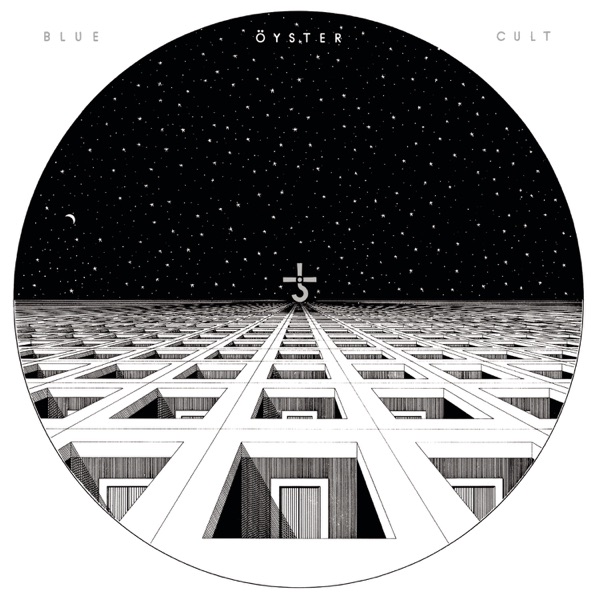
Blue Öyster Cult
1972 · 10 tracks
- 1 Transmaniacon MC ↗ 3:20
- 2 I'm On the Lamb But I Ain't No Sheep ↗ 3:10
- 3 Then Came the Last Days of May ↗ 3:31
- 4 Stairway to the Stars ↗ 3:43
- 5 Before the Kiss, a Redcap ↗ 4:58
- 6 Screams ↗ 3:10
- 7 She's As Beautiful As a Foot ↗ 2:56
- 8 Cities On Flame With Rock and Roll ↗ 4:03
- 9 Workshop of the Telescopes ↗ 4:01
- 10 Redeemed ↗ 3:51

Agents of Fortune
1976 · 10 tracks




Imaginos
1988 · 9 tracks
- 1 I Am the One You Warned Me Of ↗ 5:05
- 2 Les Invisibles ↗ 5:34
- 3 In the Presence of Another World ↗ 6:28
- 4 Del Rio's Song ↗ 5:37
- 5 The Siege and Investiture of Baron von Frankenstein's Castle at Weisseria ↗ 6:45
- 6 Astronomy ↗ 6:55
- 7 Magna of Illusion ↗ 5:59
- 8 Blue Öyster Cult ↗ 7:18
- 9 Imaginos ↗ 5:46

Cult Classic
1994 · 14 tracks
- 1 (Don't Fear) The Reaper (1994 Re-Recorded Version) ↗ 5:08
- 2 E.T.I. (Extraterrestrial Intelligence) [1994 Re-Recorded Version] ↗ 5:14
- 3 M.E. 262 (1994 Re-Recorded Version) ↗ 3:10
- 4 This Ain't the Summer of Love (1994 Re-Recorded Version) ↗ 2:46
- 5 Burning for You (1994 Re-Recorded Version) ↗ 4:28
- 6 O.D.'d on Life Itself (1994 Re-Recorded Version) ↗ 4:54
- 7 Flaming Telepaths (1994 Re-Recorded Version) ↗ 6:08
- 8 Godzilla (1994 Re-Recorded Version) ↗ 3:41
- 9 Astronomy (1994 Re-Recorded Version) ↗ 8:47
- 10 Cities on Flame with Rock 'n' Roll (1994 Re-Recorded Version) ↗ 4:08
- 11 Harvester of Eyes (1994 Re-Recorded Version) ↗ 3:58
- 12 Buck's Boogie (1994 Re-Recorded Version) ↗ 6:52
- 13 (Don't Fear) The Reaper (1994 Re-Recorded Version) ↗ 5:08
- 14 Godzilla (1994 Re-Recorded Version) ↗ 3:42

The Symbol Remains
2020 · 14 tracks
- 1 That Was Me ↗ 3:19
- 2 Box In My Head ↗ 3:45
- 3 Tainted Blood ↗ 4:18
- 4 Nightmare Epiphany ↗ 5:31
- 5 Edge of the World ↗ 4:52
- 6 The Machine ↗ 4:15
- 7 Train True (Lennie's Song) ↗ 3:57
- 8 The Return of St. Cecilia ↗ 4:13
- 9 Stand and Fight ↗ 4:49
- 10 Florida Man ↗ 4:09
- 11 The Alchemist ↗ 6:00
- 12 Secret Road ↗ 5:24
- 13 There's a Crime ↗ 3:37
- 14 Fight ↗ 3:12

Ghost Stories
2024 · 12 tracks
- 1 Late Night Street Fight ↗ 3:26
- 2 Cherry ↗ 2:39
- 3 So Supernatural ↗ 5:56
- 4 We Gotta Get Out of This Place ↗ 3:58
- 5 Soul Jive ↗ 2:58
- 6 Gun ↗ 4:27
- 7 Shot In the Dark ↗ 3:27
- 8 The Only Thing ↗ 4:05
- 9 Kick Out the Jams ↗ 2:23
- 10 Money Machine ↗ 2:43
- 11 Don't Come Running to Me ↗ 3:28
- 12 If I Fell ↗ 2:16
-
 Blue Öyster CultBlue Öyster Cult197210 tracks
 -
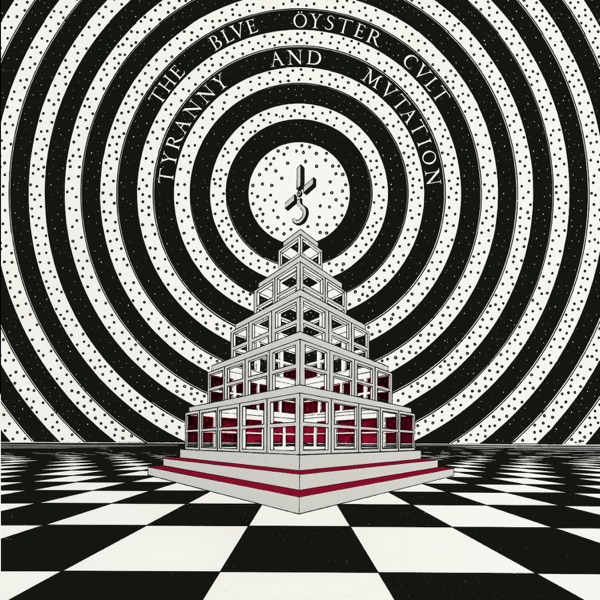
 Tyranny and MutationBlue Öyster Cult19738 tracks
 -
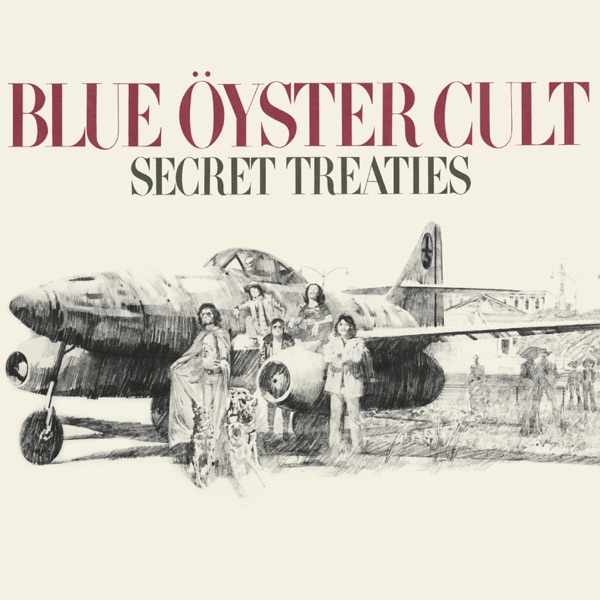
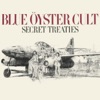 Secret TreatiesBlue Öyster Cult19748 tracks
 -
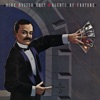 Agents of FortuneBlue Öyster Cult197610 tracks
 -
 SpectresBlue Öyster Cult197710 tracks
 -
 MirrorsBlue Öyster Cult19799 tracks
 -
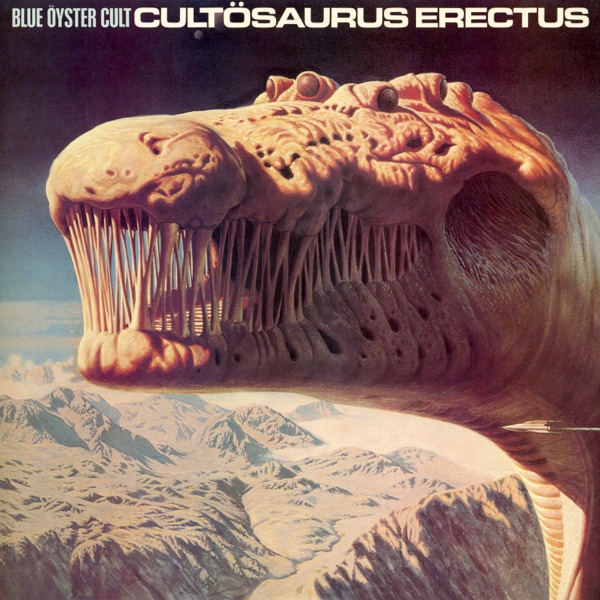
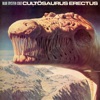 Cultösaurus ErectusBlue Öyster Cult19809 tracks
 -
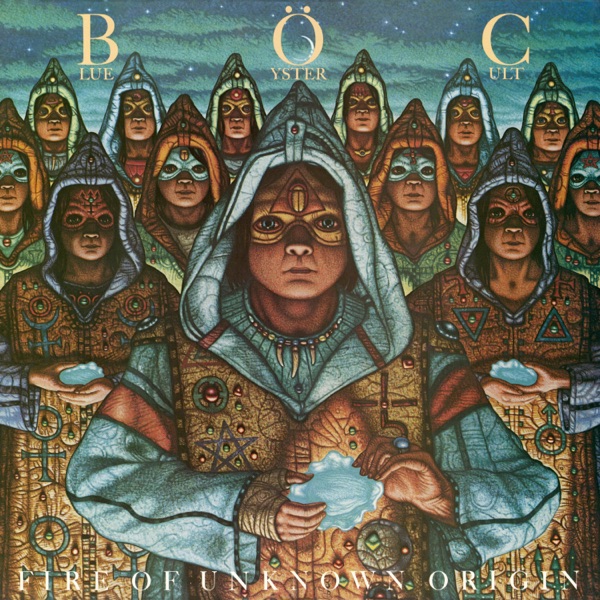
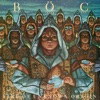 Fire of Unknown OriginBlue Öyster Cult19819 tracks
 -
 The Revölution by NightBlue Öyster Cult19839 tracks
 -
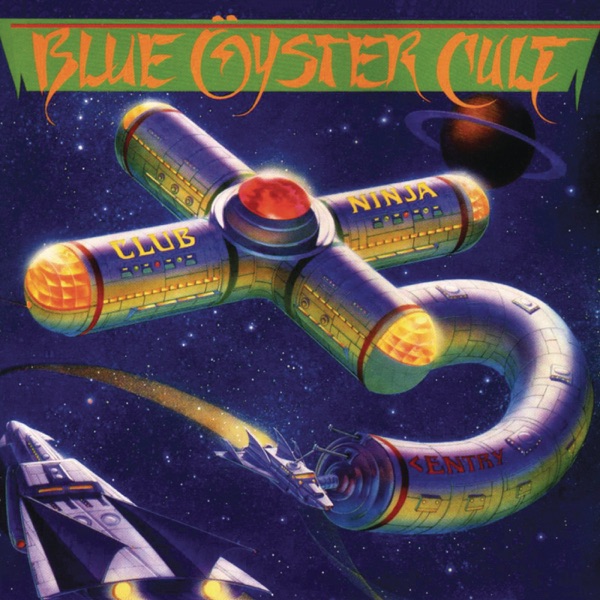
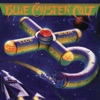 Club NinjaBlue Öyster Cult19859 tracks
 -
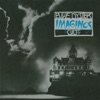 ImaginosBlue Öyster Cult19889 tracks
 -
 Cult ClassicBlue Öyster Cult199414 tracks
 -
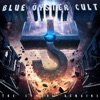 The Symbol RemainsBlue Öyster Cult202014 tracks
 -
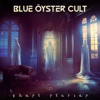 Ghost StoriesBlue Öyster Cult202412 tracks
Deep Dive
Overview
Blue Öyster Cult is an American rock band formed in 1967 in Stony Brook, Long Island, New York. The group stands as a pivotal figure in the intersection of psychedelic rock and heavy metal, crafting a sound defined by the fusion of hard rock riffs with kaleidoscopic production and lyrical themes drawn from occult, science fiction, and comic book imagery. Over five decades of activity, they sold 25 million records worldwide, including 7 million in the United States, making them one of the most commercially successful acts to emerge from the early 1970s rock underground.
Formation Story
Blue Öyster Cult crystallized from the Long Island rock scene in 1967, at a moment when American rock was fragmenting into increasingly specialized regional sounds. The band’s origins trace to the hamlet of Stony Brook, a college community on the North Shore of Long Island, where members began collaborating and developing the distinctive blend of psychedelic textures and heavy rock instrumentation that would become their signature. The early group emerged during the cultural ferment of the late 1960s, when psychedelic rock was flowering on the West Coast and harder forms of rock were beginning to gain foothold in the Midwest and East. What distinguished Blue Öyster Cult from their contemporaries was an intellectual approach to rock music, informed by science fiction literature and occult mysticism, that would set them apart in the arena-rock landscape of the 1970s.
Breakthrough Moment
Blue Öyster Cult’s initial self-titled album appeared in 1972, establishing the foundational sound that would define the band. However, their transition to mainstream recognition crystallized with the release of Agents of Fortune in 1976, a record that demonstrated the band’s ability to craft radio-friendly songs without compromising their instrumental sophistication. That album produced “(Don’t Fear) The Reaper,” a haunting mid-tempo composition that became the band’s defining statement—a song that penetrated classic rock radio in ways few psychedelic-influenced tracks ever had. The track’s success opened FM radio playlists across the country to Blue Öyster Cult, establishing them as major commercial artists rather than cult favorites.
Peak Era
The years 1976 to 1981 marked Blue Öyster Cult’s most commercially and creatively vital period. Following the breakthrough of Agents of Fortune, the band released Spectres in 1977, which yielded “Godzilla,” another radio staple that showcased the band’s knack for melodic hard rock wrapped around fantastical subject matter. Fire of Unknown Origin arrived in 1981 and spawned “Burnin’ for You,” a track that became their third major hit and further consolidated their position as mainstream rock commodities. Throughout this five-year window, Blue Öyster Cult balanced commercial accessibility with the instrumental ambition and thematic complexity that had always characterized their work, releasing albums at a steady pace while building a devoted audience that stretched beyond college radio and underground circuits into family-friendly FM rotation.
Musical Style
Blue Öyster Cult’s sound married hard rock’s visceral power to psychedelia’s exploratory impulse, creating a style that was simultaneously heavy and ethereal. Guitarists articulated thick, fuzzy riffs and extended solos that drew from both blues-rock tradition and progressive-rock innovation, while keyboards—employed liberally throughout their discography—supplied shimmering textures and atmospheric color that prevented the music from falling into straightforward heavy-metal brutalism. Vocalists delivered lyrics with clarity and often deadpan delivery, allowing the band’s peculiar lyrical preoccupations—Godzilla, reaper mythology, cosmic mystery—to register as intellectual and humorous rather than grandiose. The band’s production, particularly from the mid-1970s onward, benefited from Columbia Records’ resources and the decade’s advancing studio technology, allowing for densely layered arrangements that rewarded repeated listening. As the 1980s progressed, synthesizers became more prominent in their sound, moving the band toward a more contemporary production aesthetic while retaining the core elements of hard-rock aggression and occult-imagery lyricism that had always defined them.
Major Albums
Agents of Fortune (1976)
The breakthrough record that introduced Blue Öyster Cult to mainstream audiences. The album balanced psychedelic sophistication with direct melodic hooks, anchored by “(Don’t Fear) The Reaper.”
Spectres (1977)
Release the year after their breakthrough, Spectres proved the band could sustain commercial momentum while deepening their instrumental palette. “Godzilla” emerged as a second major hit and signature song.
Fire of Unknown Origin (1981)
The final album of the band’s commercial peak period, featuring “Burnin’ for You” and demonstrating their ability to craft radio-friendly hard rock without compromising compositional ambition.
Secret Treaties (1974)
An earlier record released before their mainstream breakthrough, Secret Treaties showcased the band’s hard-rock credentials and complex arrangements during their development phase.
Cultösaurus Erectus (1980)
Released during their peak era, this album continued the band’s mid-period form, capturing the group’s live energy and studio sophistication.
Signature Songs
- “(Don’t Fear) The Reaper” (1976) — The band’s most recognizable track, a haunting meditation on mortality that became a classic rock standard.
- “Godzilla” (1977) — A heavy-rock treatment of the atomic-age monster mythology, combining bombastic riffs with tongue-in-cheek subject matter.
- “Burnin’ for You” (1981) — A driving hard-rock song that showcased the band’s gift for melody within aggressive instrumental settings.
- “Don’t Turn Your Back” — A psychedelic-tinged rock song that exemplified the band’s fusion of electronic and guitar-driven textures.
Influence on Rock
Blue Öyster Cult’s synthesis of psychedelic rock and heavy metal proved foundational to the evolution of hard rock and metal throughout the 1970s and beyond. Their willingness to incorporate intellectual and fantastical themes into heavy music—derived from science fiction and occult literature—established a template that countless metal bands would follow, elevating the genre above simplistic tough-guy posturing. The band’s early and enthusiastic adoption of the music video format, with their clips in heavy rotation on MTV during the channel’s early years, helped define how rock bands could deploy visual presentation to enhance their recorded work. The sophistication and melodic accessibility of their commercial hits demonstrated that psychedelic and heavy-metal elements could reach mainstream radio audiences without dilution, influencing generations of rock musicians navigating the tension between artistic ambition and popular appeal.
Legacy
Blue Öyster Cult remains active and continues recording, with recent albums including The Symbol Remains (2020) and Ghost Stories (2024), ensuring that their music reaches contemporary audiences through streaming platforms and live performance. The band’s three signature songs—“(Don’t Fear) The Reaper,” “Godzilla,” and “Burnin’ for You”—have transcended generational boundaries, becoming embedded in mainstream culture and remaining staples of classic rock radio decades after their initial release. Their influence persists in heavy metal and hard rock, where the marriage of occult and science-fiction imagery with serious instrumental musicianship they pioneered remains a dominant aesthetic. The band’s 25 million records sold worldwide and 7 million in the United States underscore their commercial durability across multiple decades and music-industry formats.
Fun Facts
- Blue Öyster Cult was among the earliest rock bands to embrace the music video as an artistic and promotional tool, gaining significant exposure during MTV’s inaugural years in the early 1980s.
- The band’s name incorporates a diacritic mark (the umlaut over the “ö”) that has no linguistic purpose but adds visual distinction and reflects their embrace of theatrical, unconventional presentation.
- The band emerged from Long Island, an area that produced numerous influential rock acts but is often overlooked in favor of narratives centered on Los Angeles, New York City, and British scenes.
- Their 1988 album Imaginos represented an ambitious concept-album undertaking, demonstrating the band’s willingness to pursue progressive-rock ambitions even during the commercial decline of that genre in the late 1980s.