
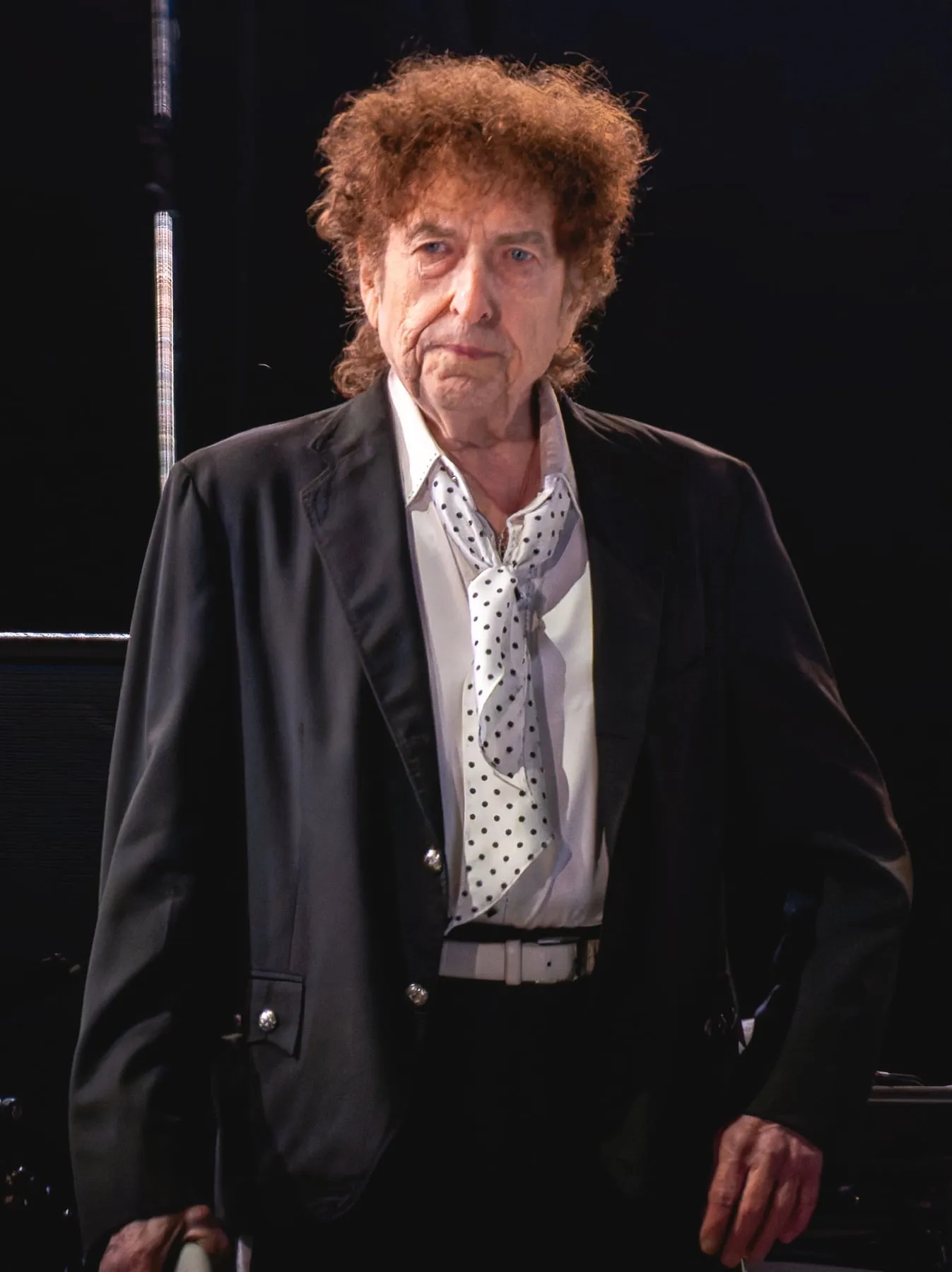
Photo by Raph_PH , licensed under CC BY 2.0 · Wikimedia Commons
Rank #4
Bob Dylan
From Wikipedia
Bob Dylan is an American singer-songwriter. Described as one of the greatest songwriters of all time, Dylan has been a major figure in popular culture over his 69-year career. With an estimated 125 million records sold worldwide, he is one of the best-selling musicians. Dylan added increasingly sophisticated lyrical techniques to the folk music of the early 1960s, infusing it "with the intellectualism of classic literature and poetry". His lyrics incorporated political, social, and philosophical influences, defying pop music conventions and appealing to the burgeoning counterculture.
Discography & Previews
Browse through and click an album to open and play 30-second previews streamed from Apple Music.
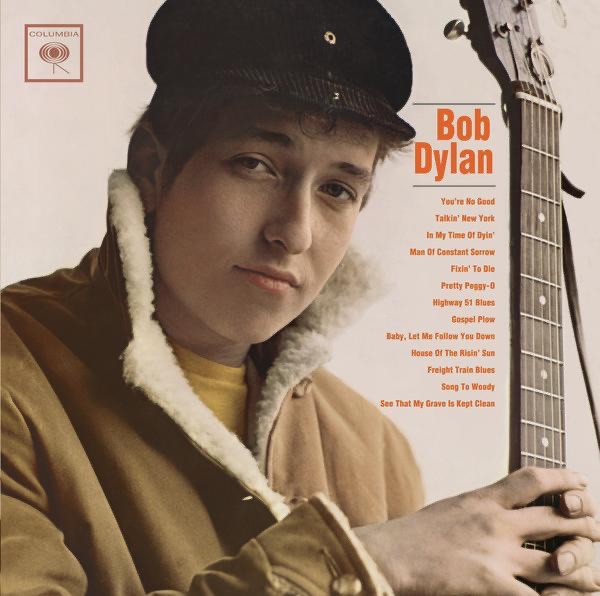
Bob Dylan
1962 · 13 tracks
- 1 You're No Good ↗ 1:42
- 2 Talkin' New York ↗ 3:22
- 3 In My Time of Dyin' ↗ 2:42
- 4 Man of Constant Sorrow ↗ 3:10
- 5 Fixin' to Die ↗ 2:24
- 6 Pretty Peggy-O ↗ 3:27
- 7 Highway 51 Blues ↗ 2:53
- 8 Gospel Plow ↗ 1:48
- 9 Baby, Let Me Follow You Down ↗ 2:37
- 10 House of the Risin' Sun ↗ 5:22
- 11 Freight Train Blues ↗ 2:22
- 12 Song to Woody ↗ 2:45
- 13 See That My Grave Is Kept Clean ↗ 2:42

The Freewheelin’ Bob Dylan
1963 · 13 tracks
- 1 Blowin' In the Wind ↗ 2:49
- 2 Girl from the North Country ↗ 3:23
- 3 Masters of War ↗ 4:38
- 4 Down the Highway ↗ 3:32
- 5 Bob Dylan's Blues ↗ 2:29
- 6 A Hard Rain's A-Gonna Fall ↗ 6:53
- 7 Don't Think Twice, It's All Right ↗ 3:41
- 8 Bob Dylan's Dream ↗ 5:03
- 9 Oxford Town ↗ 1:50
- 10 Talkin' World War III Blues ↗ 6:27
- 11 Corrina, Corrina ↗ 2:44
- 12 Honey, Just Allow Me One More Chance ↗ 2:01
- 13 I Shall Be Free ↗ 4:47
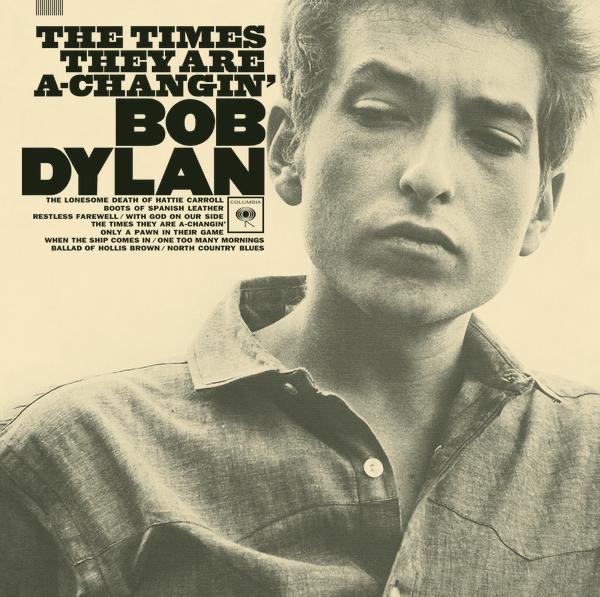
The Times They Are A‐Changin’
1964 · 10 tracks
- 1 The Times They Are A-Changin' ↗ 3:17
- 2 Ballad of Hollis Brown ↗ 5:07
- 3 With God On Our Side ↗ 7:10
- 4 One Too Many Mornings ↗ 2:42
- 5 North Country Blues ↗ 4:37
- 6 Only a Pawn In Their Game ↗ 3:33
- 7 Boots of Spanish Leather ↗ 4:40
- 8 When the Ship Comes In ↗ 3:18
- 9 The Lonesome Death of Hattie Carroll ↗ 5:49
- 10 Restless Farewell ↗ 5:33
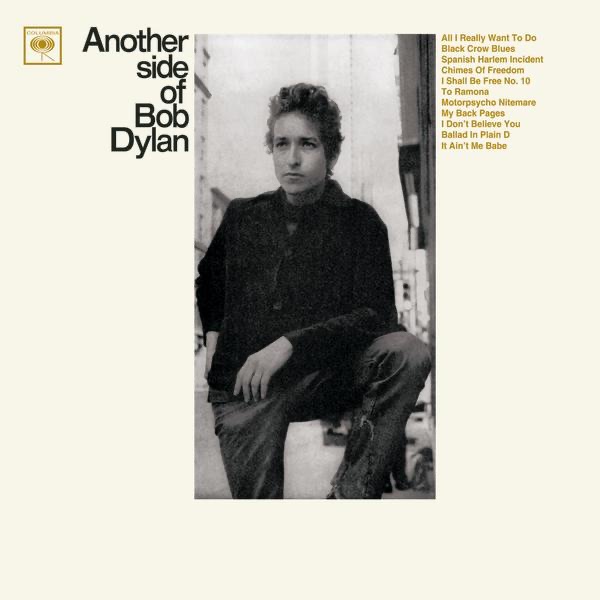
Another Side of Bob Dylan
1964 · 11 tracks
- 1 All I Really Want to Do ↗ 4:05
- 2 Black Crow Blues ↗ 3:14
- 3 Spanish Harlem Incident ↗ 2:25
- 4 Chimes of Freedom ↗ 7:10
- 5 I Shall Be Free No. 10 ↗ 4:48
- 6 To Ramona ↗ 3:53
- 7 Motorpsycho Nightmare ↗ 4:33
- 8 My Back Pages ↗ 4:24
- 9 I Don't Believe You (She Acts Like We Never Have Met) ↗ 4:24
- 10 Ballad In Plain D ↗ 8:18
- 11 It Ain't Me Babe ↗ 3:33
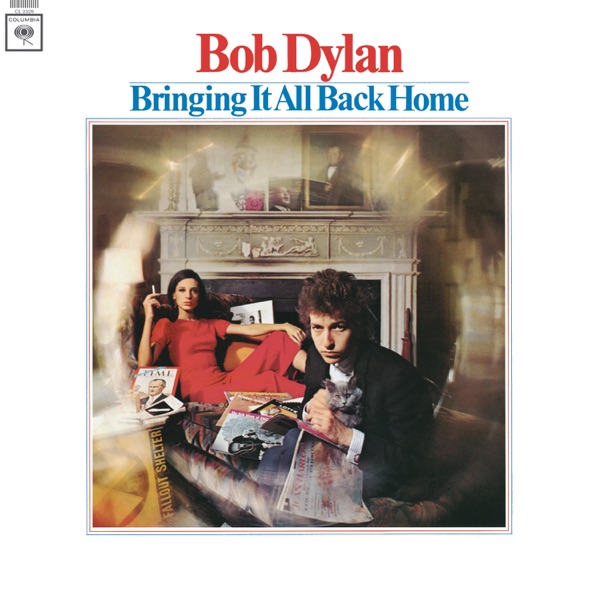
Bringing It All Back Home
1965 · 11 tracks
- 1 Subterranean Homesick Blues ↗ 2:20
- 2 She Belongs to Me ↗ 2:49
- 3 Maggie's Farm ↗ 4:00
- 4 Love Minus Zero / No Limit ↗ 2:51
- 5 Outlaw Blues ↗ 3:04
- 6 On the Road Again ↗ 2:35
- 7 Bob Dylan's 115th Dream ↗ 6:32
- 8 Mr. Tambourine Man ↗ 5:27
- 9 Gates of Eden ↗ 5:42
- 10 It's Alright, Ma (I'm Only Bleeding) ↗ 7:32
- 11 It's All Over Now, Baby Blue ↗ 4:13

Highway 61 Revisited
1965 · 9 tracks
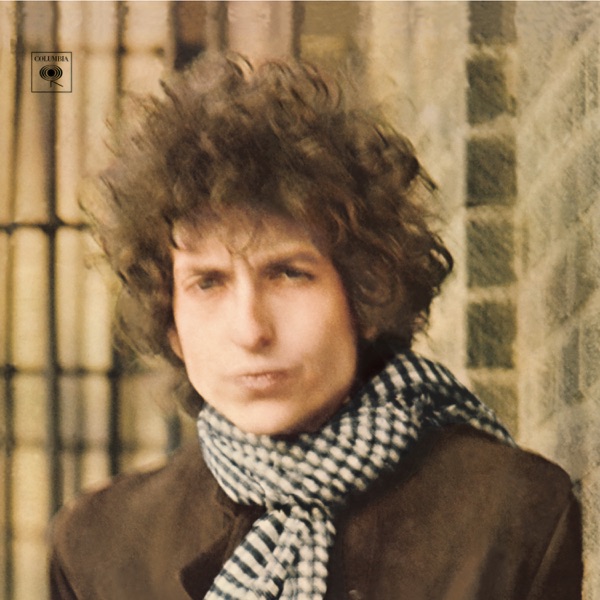
Blonde on Blonde
1966 · 14 tracks
- 1 Rainy Day Women #12 & 35 ↗ 4:37
- 2 Pledging My Time ↗ 3:50
- 3 Visions of Johanna ↗ 7:34
- 4 One of Us Must Know (Sooner or Later) ↗ 4:55
- 5 I Want You ↗ 3:09
- 6 Stuck Inside of Mobile with the Memphis Blues Again ↗ 7:07
- 7 Leopard-Skin Pill-Box Hat ↗ 3:59
- 8 Just Like a Woman ↗ 4:54
- 9 Most Likely You Go Your Way (And I'll Go Mine) ↗ 3:30
- 10 Temporary Like Achilles ↗ 5:03
- 11 Absolutely Sweet Marie ↗ 4:57
- 12 Fourth Time Around ↗ 4:35
- 13 Obviously Five Believers ↗ 3:36
- 14 Sad-Eyed Lady of the Lowlands ↗ 11:17

John Wesley Harding
1967 · 12 tracks
- 1 John Wesley Harding ↗ 3:01
- 2 As I Went Out One Morning ↗ 2:52
- 3 I Dreamed I Saw St. Augustine ↗ 3:55
- 4 All Along the Watchtower ↗ 2:35
- 5 The Ballad of Frankie Lee and Judas Priest ↗ 5:35
- 6 Drifter's Escape ↗ 2:49
- 7 Dear Landlord ↗ 3:19
- 8 I Am a Lonesome Hobo ↗ 3:24
- 9 I Pity the Poor Immigrant ↗ 4:16
- 10 The Wicked Messenger ↗ 2:06
- 11 Down Along the Cove ↗ 2:25
- 12 I'll Be Your Baby Tonight ↗ 2:38
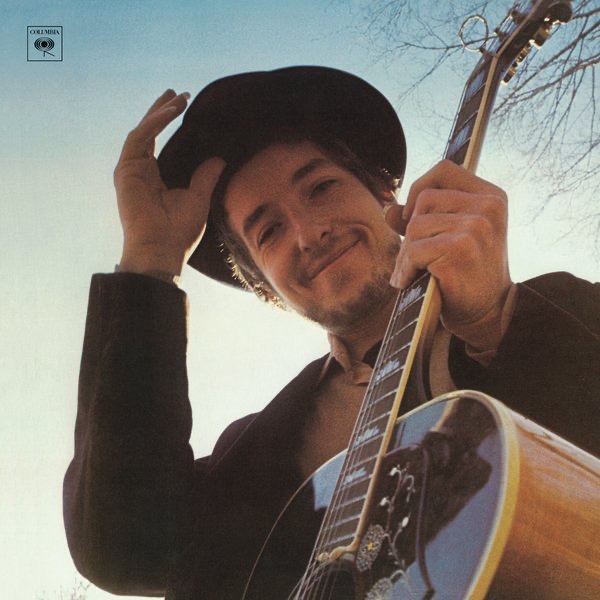
Nashville Skyline
1969 · 10 tracks

New Morning
1970 · 12 tracks
- 1 If Not for You ↗ 2:43
- 2 Day of the Locusts ↗ 4:02
- 3 Time Passes Slowly ↗ 2:39
- 4 Went to See the Gypsy ↗ 2:53
- 5 Winterlude ↗ 2:25
- 6 If Dogs Run Free ↗ 3:43
- 7 New Morning ↗ 4:02
- 8 Sign On the Window ↗ 3:43
- 9 One More Weekend ↗ 3:15
- 10 The Man in Me ↗ 3:12
- 11 Three Angels ↗ 2:11
- 12 Father of Night ↗ 1:29

Self Portrait
1970 · 24 tracks
- 1 All the Tired Horses ↗ 3:13
- 2 Alberta #1 ↗ 2:58
- 3 I Forgot More Than You'll Ever Know ↗ 2:25
- 4 Days of '49 ↗ 5:29
- 5 Early Mornin' Rain ↗ 3:38
- 6 In Search of Little Sadie ↗ 2:30
- 7 Let It Be Me ↗ 3:01
- 8 Little Sadie ↗ 2:02
- 9 Woogie Boogie ↗ 2:09
- 10 Belle Isle ↗ 2:33
- 11 Living the Blues ↗ 2:44
- 12 Like a Rolling Stone ↗ 5:19
- 13 Copper Kettle ↗ 3:34
- 14 Gotta Travel On ↗ 3:08
- 15 Blue Moon ↗ 2:28
- 16 The Boxer ↗ 2:47
- 17 Quinn the Eskimo (The Mighty Quinn) ↗ 2:46
- 18 Take Me As I Am (Or Let Me Go) ↗ 3:02
- 19 Take a Message to Mary ↗ 2:46
- 20 It Hurts Me Too ↗ 3:13
- 21 Minstrel Boy ↗ 3:32
- 22 She Belongs to Me ↗ 2:43
- 23 Wigwam ↗ 3:08
- 24 Alberta #2 ↗ 3:15

Dylan
1973 · 21 tracks
- 1 Watching the River Flow ↗ 3:34
- 1 She Belongs to Me ↗ 2:47
- 2 Don't Think Twice, It's All Right ↗ 3:38
- 2 All Along the Watchtower ↗ 2:31
- 3 Lay Lady Lay ↗ 3:17
- 3 The Mighty Quinn (Quinn, the Eskimo) ↗ 2:45
- 4 Stuck Inside of Mobile With the Memphis Blues Again ↗ 7:06
- 4 Just Like Tom Thumb's Blues ↗ 5:25
- 5 I'll Be Your Baby Tonight ↗ 2:39
- 5 A Hard Rain's A-Gonna Fall ↗ 6:49
- 6 All I Really Want to Do ↗ 4:02
- 6 If Not for You ↗ 2:40
- 7 My Back Pages ↗ 4:21
- 7 It's All Over Now, Baby Blue ↗ 4:14
- 8 Maggie's Farm ↗ 3:51
- 8 Tomorrow Is a Long Time ↗ 3:02
- 9 Tonight I'll Be Staying Here With You ↗ 3:21
- 9 When I Paint My Masterpiece ↗ 3:22
- 10 I Shall Be Released ↗ 3:02
- 11 You Ain't Goin' Nowhere ↗ 2:45
- 12 Down In the Flood (Live) ↗ 2:48

The Basement Tapes
1975 · 24 tracks
- 1 Odds and Ends ↗ 1:47
- 1 Too Much of Nothing ↗ 3:04
- 2 Orange Juice Blues (Blues for Breakfast) ↗ 3:39
- 2 Yea! Heavy and a Bottle of Bread ↗ 2:15
- 3 Million Dollar Bash ↗ 2:32
- 3 Ain't No More Cane ↗ 3:59
- 4 Yazoo Street Scandal ↗ 3:30
- 4 Crash On the Levee (Down In the Flood) ↗ 2:04
- 5 Goin' to Acapulco ↗ 5:28
- 5 Ruben Remus ↗ 3:16
- 6 Katie's Been Gone ↗ 2:49
- 6 Tiny Montgomery ↗ 2:51
- 7 Lo and Behold! ↗ 2:47
- 7 You Ain't Goin' Nowhere ↗ 2:43
- 8 Bessie Smith ↗ 4:18
- 8 Don't Ya Tell Henry ↗ 3:13
- 9 Clothes Line Saga ↗ 2:58
- 9 Nothing Was Delivered ↗ 4:23
- 10 Apple Suckling Tree ↗ 2:49
- 10 Open the Door, Homer ↗ 2:49
- 11 Please, Mrs. Henry ↗ 2:33
- 11 Long Distance Operator ↗ 3:40
- 12 Tears of Rage ↗ 4:16
- 12 This Wheel's On Fire ↗ 3:49

Blood on the Tracks
1975 · 10 tracks
- 1 Tangled Up In Blue ↗ 5:41
- 2 Simple Twist of Fate ↗ 4:18
- 3 You're a Big Girl Now ↗ 4:35
- 4 Idiot Wind ↗ 7:47
- 5 You're Gonna Make Me Lonesome When You Go ↗ 2:55
- 6 Meet Me In the Morning ↗ 4:21
- 7 Lily, Rosemary and the Jack of Hearts ↗ 8:52
- 8 If You See Her, Say Hello ↗ 4:48
- 9 Shelter from the Storm ↗ 5:01
- 10 Buckets of Rain ↗ 3:23

Street‐Legal
1978 · 9 tracks
- 1 Changing of the Guards ↗ 6:37
- 2 New Pony ↗ 4:30
- 3 No Time to Think ↗ 8:20
- 4 Baby, Stop Crying ↗ 5:19
- 5 Is Your Love In Vain? ↗ 4:32
- 6 Señor (Tales of Yankee Power) ↗ 5:40
- 7 True Love Tends to Forget ↗ 4:15
- 8 We Better Talk This Over ↗ 4:06
- 9 Where Are You Tonight? (Journey Through Dark Heat) ↗ 6:15
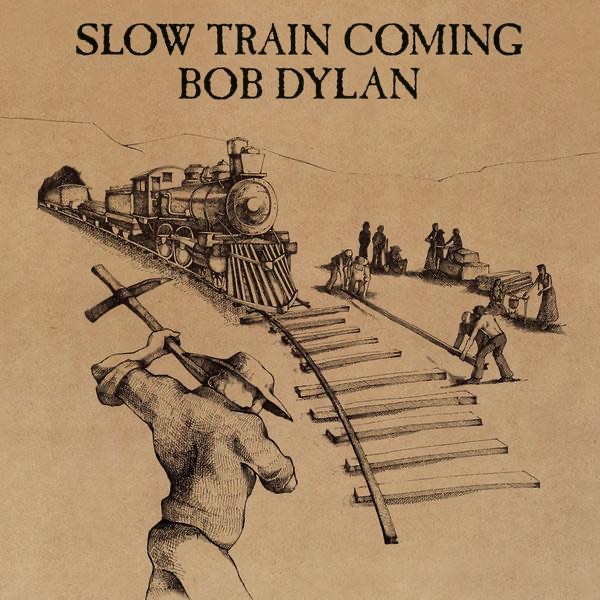
Slow Train Coming
1979 · 9 tracks


Empire Burlesque
1985 · 10 tracks
- 1 Tight Connection to My Heart (Has Anyone Seen My Love?) ↗ 5:21
- 2 Seeing the Real You at Last ↗ 4:19
- 3 I'll Remember You ↗ 4:13
- 4 Clean Cut Kid ↗ 4:15
- 5 Never Gonna Be the Same Again ↗ 3:08
- 6 Trust Yourself ↗ 3:27
- 7 Emotionally Yours ↗ 4:28
- 8 When the Night Comes Falling from the Sky ↗ 7:29
- 9 Something's Burning, Baby ↗ 4:53
- 10 Dark Eyes ↗ 5:07

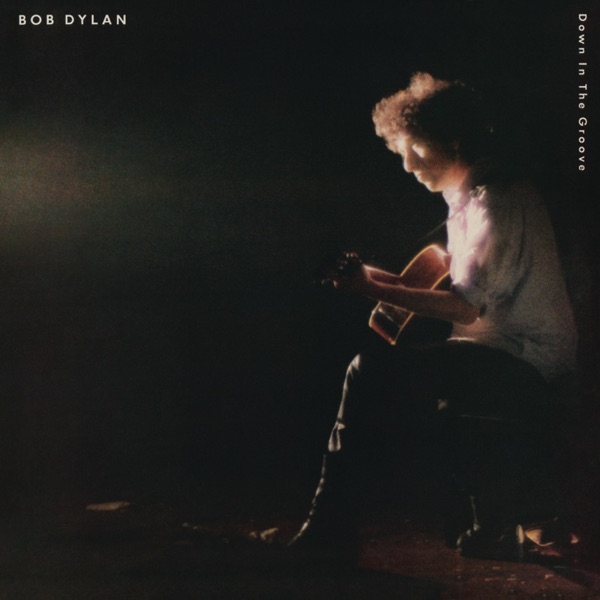
Down in the Groove
1988 · 10 tracks
- 1 Let's Stick Together ↗ 3:09
- 2 When Did You Leave Heaven? ↗ 2:15
- 3 Sally Sue Brown ↗ 2:29
- 4 Death Is Not the End ↗ 5:10
- 5 Had a Dream About You, Baby ↗ 2:52
- 6 Ugliest Girl In the World ↗ 3:30
- 7 Silvio ↗ 3:06
- 8 Ninety Miles an Hour (Down a Dead End Street) ↗ 2:56
- 9 Shenandoah ↗ 3:38
- 10 Rank Strangers to Me ↗ 2:59
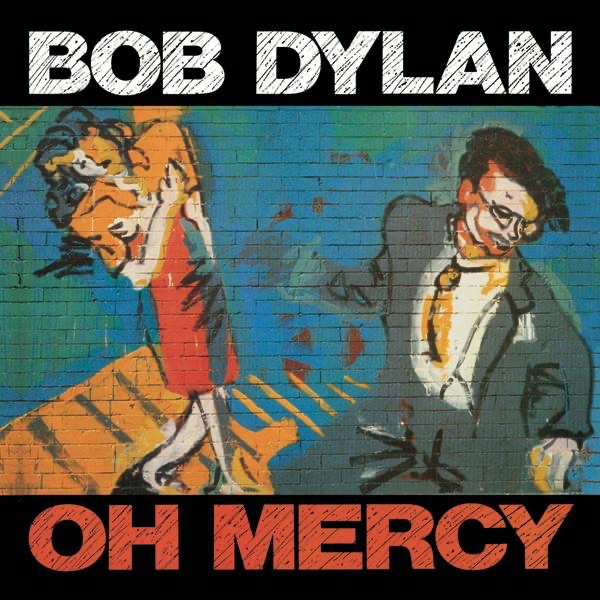
Oh Mercy
1989 · 10 tracks
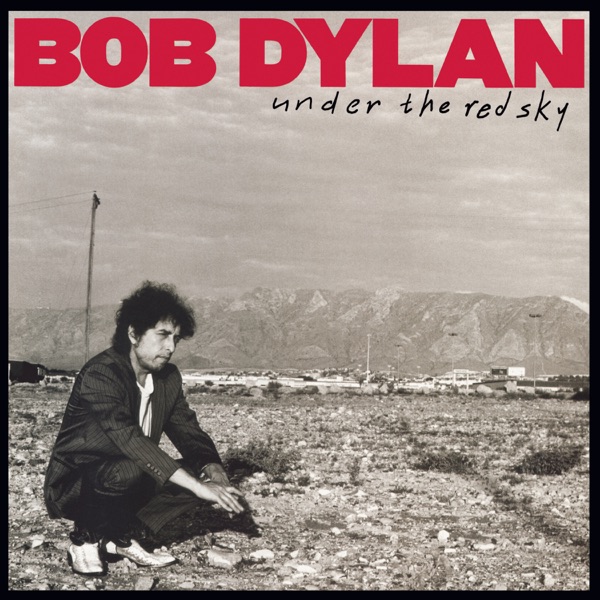

Good as I Been to You
1992 · 13 tracks
- 1 Frankie & Albert ↗ 3:49
- 2 Jim Jones ↗ 3:54
- 3 Blackjack Davey ↗ 5:49
- 4 Canadee-I-O ↗ 4:21
- 5 Sittin' On Top of the World ↗ 4:28
- 6 Little Maggie ↗ 2:53
- 7 Hard Times ↗ 4:32
- 8 Step It Up and Go ↗ 2:56
- 9 Tomorrow Night ↗ 3:41
- 10 Arthur McBride ↗ 6:20
- 11 You're Gonna Quit Me ↗ 2:46
- 12 Diamond Joe ↗ 3:16
- 13 Froggie Went A-Courtin' ↗ 6:23

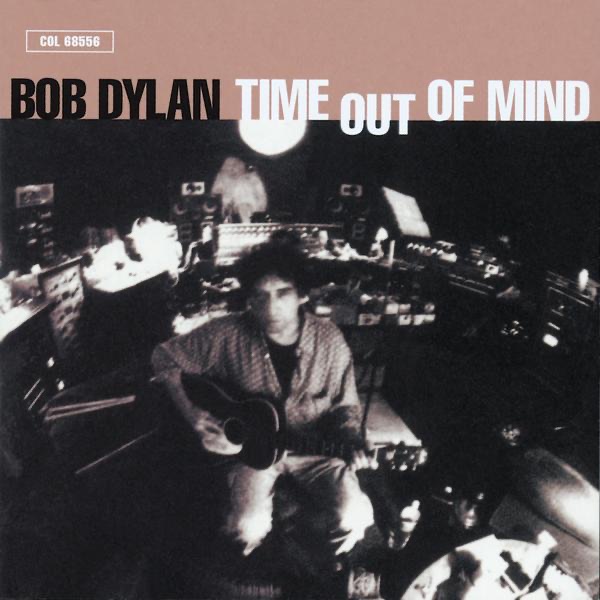
Time Out of Mind
1997 · 11 tracks
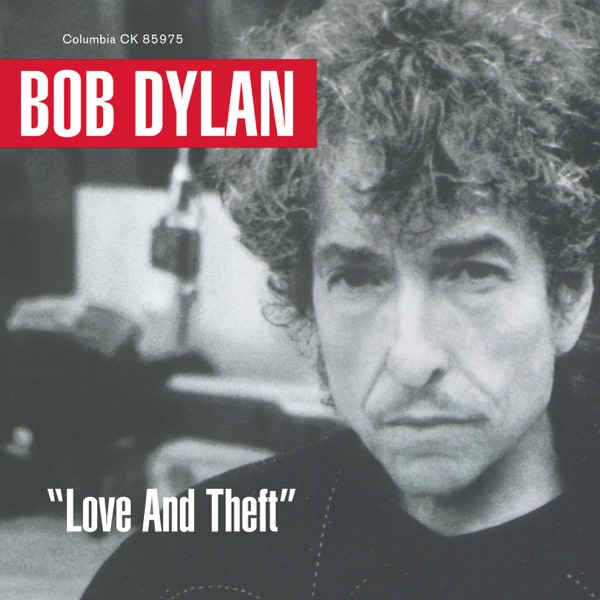
“Love and Theft”
2001 · 12 tracks
- 1 Tweedle Dee & Tweedle Dum ↗ 4:46
- 2 Mississippi ↗ 5:21
- 3 Summer Days ↗ 4:54
- 4 Bye and Bye ↗ 3:18
- 5 Lonesome Day Blues ↗ 6:06
- 6 Floater (Too Much to Ask) ↗ 5:00
- 7 High Water (For Charley Patton) ↗ 4:03
- 8 Moonlight ↗ 3:24
- 9 Honest With Me ↗ 5:49
- 10 Po' Boy ↗ 3:09
- 11 Cry a While ↗ 5:05
- 12 Sugar Baby ↗ 6:41

Modern Times
2006 · 10 tracks
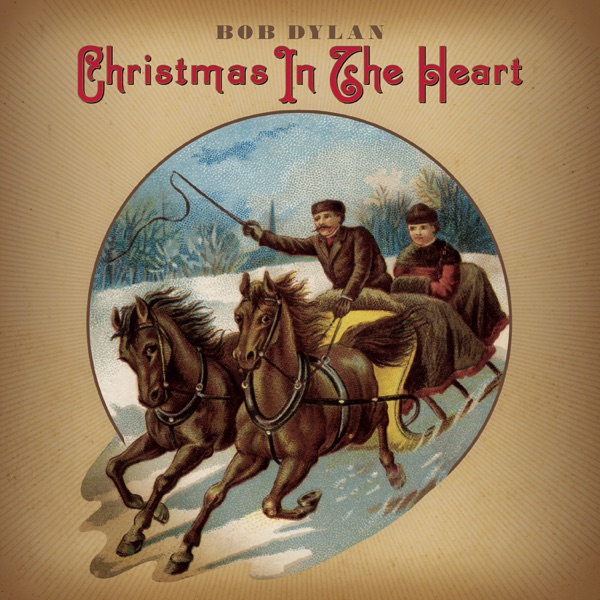
Christmas in the Heart
2009 · 14 tracks
- 1 Here Comes Santa Claus ↗ 2:36
- 2 Do You Hear What I Hear? ↗ 3:03
- 3 Winter Wonderland ↗ 1:53
- 4 Hark the Herald Angels Sing ↗ 2:31
- 5 I'll Be Home for Christmas ↗ 2:54
- 6 Little Drummer Boy ↗ 2:52
- 7 The Christmas Blues ↗ 2:55
- 8 O' Come All Ye Faithful (Adeste Fideles) ↗ 2:49
- 9 Have Yourself a Merry Little Christmas ↗ 4:06
- 11 Silver Bells ↗ 2:35
- 12 The First Noel ↗ 2:30
- 13 Christmas Island ↗ 2:28
- 14 The Christmas Song ↗ 3:57
- 15 O' Little Town of Bethlehem ↗ 2:18

Together Through Life
2009 · 10 tracks
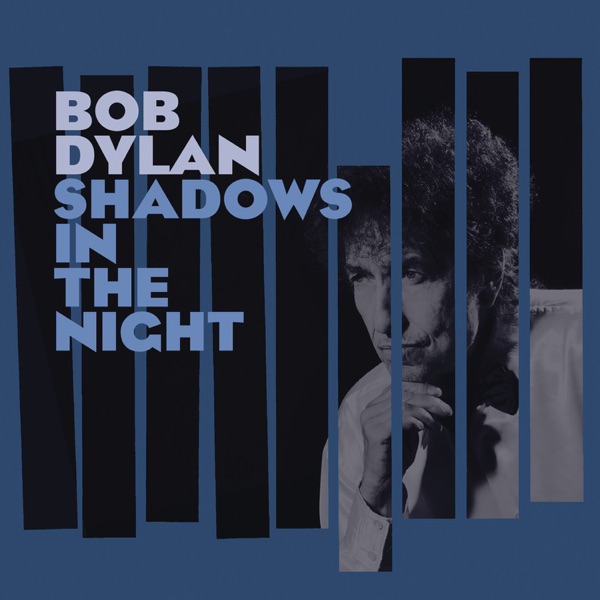
Shadows in the Night
2015 · 10 tracks

Fallen Angels
2016 · 12 tracks
- 1 Young at Heart ↗ 3:00
- 2 Maybe You'll Be There ↗ 2:56
- 3 Polka Dots and Moonbeams ↗ 3:36
- 4 All the Way ↗ 4:02
- 5 Skylark ↗ 2:56
- 6 Nevertheless ↗ 3:27
- 7 All or Nothing at All ↗ 3:04
- 8 On a Little Street in Singapore ↗ 2:16
- 9 It Had to Be You ↗ 4:02
- 10 Melancholy Mood ↗ 2:53
- 11 That Old Black Magic ↗ 3:03
- 12 Come Rain or Come Shine ↗ 2:39

Bob Dylan
2018 · 7 tracks
- 1 Honey, Just Allow Me One More Chance (Live at Brandeis University, Waltham, MA - May 1963) ↗ 1:58
- 2 Talkin' John Birch Paranoid Blues (Live at Brandeis University, Waltham, MA - May 1963) ↗ 4:40
- 3 Ballad of Hollis Brown (Live at Brandeis University, Waltham, MA - May 1963) ↗ 7:11
- 4 Masters of War (Live at Brandeis University, Waltham, MA - May 1963) ↗ 6:28
- 5 Talkin' World War III Blues (Live at Brandeis University, Waltham, MA - May 1963) ↗ 6:24
- 6 Bob Dylan's Dream (Live at Brandeis University, Waltham, MA - May 1963) ↗ 5:57
- 7 Talking Bear Mountain Picnic Massacre Blues (Live at Brandeis University, Waltham, MA - May 1963) ↗ 5:44

Rough and Rowdy Ways
2020 · 10 tracks
- 1 I Contain Multitudes ↗ 4:37
- 1 Murder Most Foul ↗ 16:55
- 2 False Prophet ↗ 6:00
- 3 My Own Version of You ↗ 6:41
- 4 I've Made Up My Mind to Give Myself to You ↗ 6:32
- 5 Black Rider ↗ 4:13
- 6 Goodbye Jimmy Reed ↗ 4:14
- 7 Mother of Muses ↗ 4:29
- 8 Crossing the Rubicon ↗ 7:23
- 9 Key West (Philosopher Pirate) ↗ 9:34
-
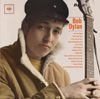 Bob DylanBob Dylan196213 tracks
 -
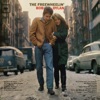 The Freewheelin’ Bob DylanBob Dylan196313 tracks
 -
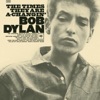 The Times They Are A‐Changin’Bob Dylan196410 tracks
 -
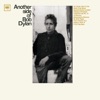 Another Side of Bob DylanBob Dylan196411 tracks
 -
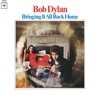 Bringing It All Back HomeBob Dylan196511 tracks
 -
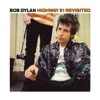 Highway 61 RevisitedBob Dylan19659 tracks
 -
 Blonde on BlondeBob Dylan196614 tracks
 -
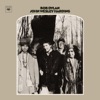 John Wesley HardingBob Dylan196712 tracks
 -
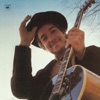 Nashville SkylineBob Dylan196910 tracks
 -
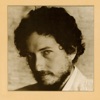 New MorningBob Dylan197012 tracks
 -
 Self PortraitBob Dylan197024 tracks
 -
 DylanBob Dylan197321 tracks
 -
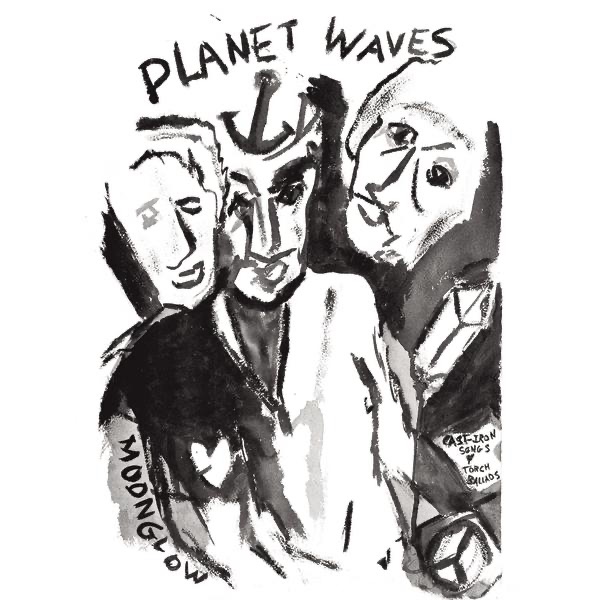
 Planet WavesBob Dylan197411 tracks
 -
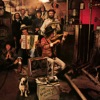 The Basement TapesBob Dylan197524 tracks
 -
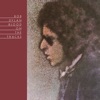 Blood on the TracksBob Dylan197510 tracks
 -
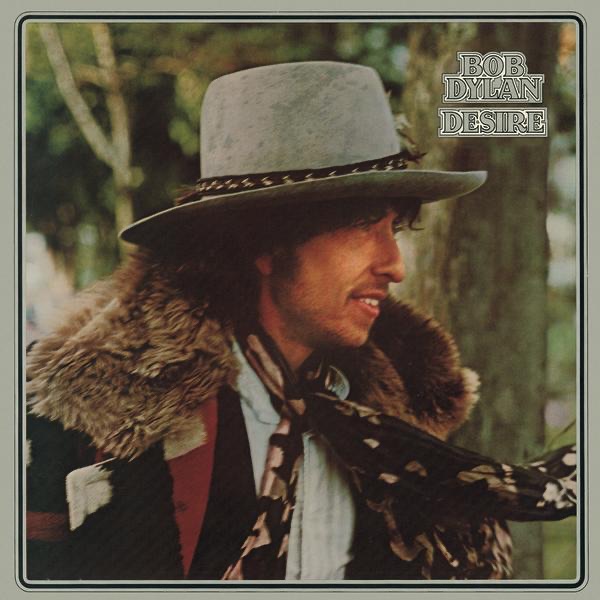
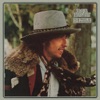 DesireBob Dylan19769 tracks
 -
 Street‐LegalBob Dylan19789 tracks
 -
 Slow Train ComingBob Dylan19799 tracks
 -
 SavedBob Dylan19809 tracks
 -
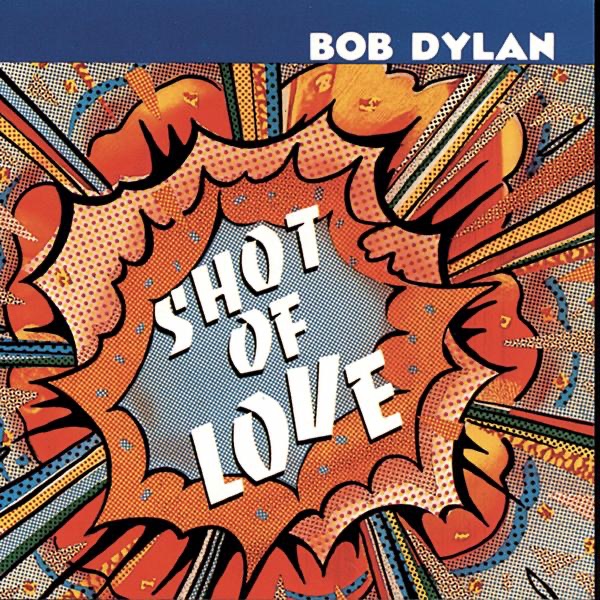
 Shot of LoveBob Dylan198110 tracks
 -
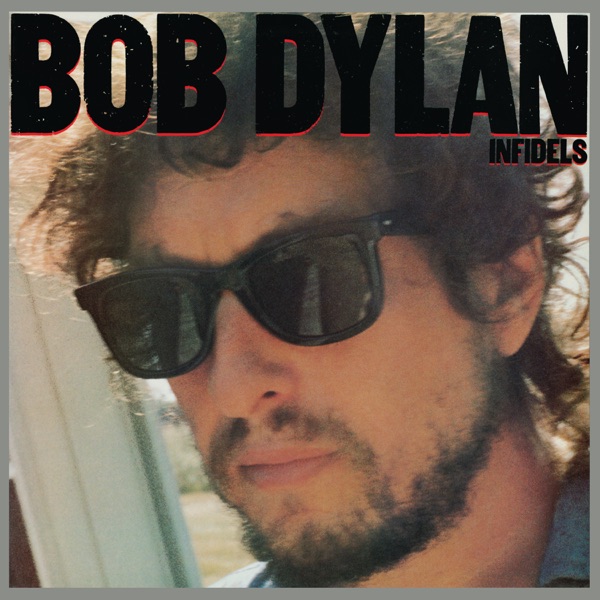
 InfidelsBob Dylan19838 tracks
 -
 Empire BurlesqueBob Dylan198510 tracks
 -
 Knocked Out LoadedBob Dylan19868 tracks
 -
 Down in the GrooveBob Dylan198810 tracks
 -
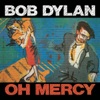 Oh MercyBob Dylan198910 tracks
 -
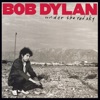 Under the Red SkyBob Dylan199010 tracks
 -
 Good as I Been to YouBob Dylan199213 tracks
 -
 World Gone WrongBob Dylan199310 tracks
 -
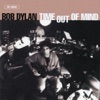 Time Out of MindBob Dylan199711 tracks
 -
 “Love and Theft”Bob Dylan200112 tracks
 -
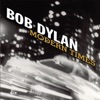 Modern TimesBob Dylan200610 tracks
 -
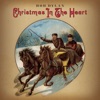 Christmas in the HeartBob Dylan200914 tracks
 -
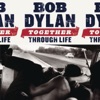 Together Through LifeBob Dylan200910 tracks
 -
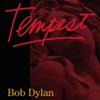 TempestBob Dylan201210 tracks
 -
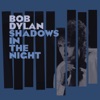 Shadows in the NightBob Dylan201510 tracks
 -
 Fallen AngelsBob Dylan201612 tracks
 -
 Bob DylanBob Dylan20187 tracks
 -
 Rough and Rowdy WaysBob Dylan202010 tracks
Deep Dive
Overview
Bob Dylan stands as one of the greatest songwriters of all time and a dominant figure in popular culture across nearly seven decades. Born in 1941, Dylan emerged from the American folk tradition and transformed it through lyrical sophistication and musical innovation, infusing folk music with the intellectualism of classic literature and poetry. With an estimated 125 million records sold worldwide, he ranks among the best-selling musicians in history. His work—spanning folk, folk rock, country, gospel, and electric styles—has shaped the trajectory of rock music and popular song itself.
Formation Story
Bob Dylan’s path to music began in Minnesota, where he grew up in the postwar American heartland. In the late 1950s and early 1960s, as the American folk revival gained momentum, Dylan gravitated toward acoustic guitar and the protest and traditional folk repertoire that spoke to his emerging artistic sensibility. He arrived in New York in the early 1960s and immersed himself in the Greenwich Village folk scene, absorbing the traditions of Woody Guthrie and other American folk singers while beginning to craft his own songs. His early recordings and live performances in coffeehouses and folk clubs established him as a serious practitioner of the folk idiom at a time when folk music was experiencing a cultural resurgence tied to civil rights activism and opposition to war.
Breakthrough Moment
Dylan’s debut album, Bob Dylan, appeared in 1962 and introduced his voice and compositional talent to a wider audience, but it was The Freewheelin’ Bob Dylan (1963) that marked his genuine breakthrough. That album showcased Dylan as both an interpreter of folk tradition and an urgent songwriter, featuring original protest songs that resonated with the civil rights and peace movements gathering force across America. The album established him as a spokesperson for a generation grappling with social injustice and political upheaval. By 1963–1964, Dylan had become a central figure in American folk music, his songs covered by others and his concerts drawing increasingly large audiences.
Peak Era
Dylan’s creative and commercial peak extended from 1964 through 1966. The Times They Are A-Changin’ (1964) and Another Side of Bob Dylan (1964), both released in the same calendar year, demonstrated his prolific output and evolving songwriting. The following year brought two landmark albums: Bringing It All Back Home (1965) introduced electric instruments alongside acoustic performances, bridging his folk roots and rock ambitions, while Highway 61 Revisited (1965) pushed further into electric rock with sophisticated arrangements and philosophical, surrealist lyrics. Blonde on Blonde (1966) represented the apex of this period—a double album that synthesized all his prior directions into a complex, intricate statement combining rock instrumentation with densely layered, imagistic songwriting. These three consecutive years yielded some of the most influential recordings in popular music history.
Musical Style
Dylan’s sound evolved substantially across his career, defying categorization. In his early period, he worked within acoustic folk traditions, accompanying himself on guitar and harmonica with a nasal, emotionally direct vocal approach. With Bringing It All Back Home and Highway 61 Revisited, he incorporated electric guitars, drums, and fuller band arrangements, creating a fusion that critics initially called “folk rock.” His lyrics distinguished him from other songwriters: rather than adhering to pop music conventions of love songs and simple narratives, Dylan employed poetic imagery, literary allusions, political commentary, and philosophical questioning. His vocal delivery—idiosyncratic and sometimes harsh—became increasingly expressive rather than technically polished. After his peak electric period in the mid-1960s, Dylan explored country (Nashville Skyline, 1969), blues, gospel, and Americana, refusing to remain confined to a single idiom or genre. His production choices and arrangements shifted across decades, from sparse acoustic settings to orchestrated recordings, reflecting his restless creative nature.
Major Albums
The Freewheelin’ Bob Dylan (1963)
The album that established Dylan as both a folk interpreter and original songwriter, combining traditional material with his own topical protest songs that captured the spirit of the civil rights era.
Highway 61 Revisited (1965)
A landmark electric rock album featuring Dylan’s bold move toward rock instrumentation and his most surrealist, philosophically ambitious lyrics, anchored by the extended blues-rock sound of its arrangements.
Blonde on Blonde (1966)
A double album synthesizing Dylan’s folk, rock, and blues influences into a densely textured statement, showcasing his most intricate songwriting and innovative recording production techniques.
Blood on the Tracks (1975)
A confessional album marking Dylan’s return to largely acoustic arrangements and intimate songwriting, widely regarded as among his finest works and a highlight of his post-1960s career.
Modern Times (2006)
A late-period album demonstrating Dylan’s continued creative vitality, engaging with blues and folk traditions while maintaining his distinctive lyrical approach and musical sensibility.
Signature Songs
- “Blowin’ in the Wind” — An enduring protest anthem from The Freewheelin’ Bob Dylan, its deceptively simple melody and open-ended questions made it a defining song of the 1960s peace movement.
- “Like a Rolling Stone” — The opening track from Highway 61 Revisited, its rapid-fire lyrics and electric arrangement redefined what popular song could accomplish lyrically and sonically.
- “The Times They Are A-Changin’” — Title track of his 1964 album, it became an unofficial anthem for social change and generational conflict during the 1960s.
- “Visions of Johanna” — A densely poetic song from Blonde on Blonde that exemplifies Dylan’s literary approach to songwriting and his fusion of folk and rock styles.
- “Tangled Up in Blue” — From Blood on the Tracks, the song’s narrative complexity and emotional directness represent Dylan’s mature songwriting in the 1970s.
- “Hurricane” — A topical song from Desire (1976) that demonstrates Dylan’s continued commitment to social commentary in his post-1960s work.
Influence on Rock
Dylan fundamentally altered the possibilities of what rock and popular music could express. By infusing folk music with literary sophistication, political urgency, and poetic abstraction, he expanded the lyrical ambitions of an entire medium. Rock musicians across generations—from The Beatles and the Band to Bruce Springsteen, Tom Waits, and countless contemporary songwriters—absorbed and built upon his innovations. His electric transition in the mid-1960s legitimized the fusion of folk and rock, creating a template that countless artists followed. Beyond music, Dylan’s example demonstrated that popular artists could address serious themes, employ complex imagery, and resist commercial pressures to simplify their work. His refusal to be confined by genre expectations influenced not just rock music but the broader cultural understanding that popular art need not be trivial.
Legacy
Dylan’s 69-year career—spanning from 1941 to the present—remains unprecedented in its scope and influence. His estimated 125 million records sold place him among history’s best-selling musicians, while his songwriting continues to be covered, studied, and reinterpreted across genres and decades. His work across folk, rock, country, gospel, and Americana has shaped multiple musical traditions simultaneously. The evolution of his artistry—from folk purist to electric rocker to country musician to gospel artist and back again—established a template for artistic reinvention that defied commercial logic. Dylan’s longevity and continued productivity, evidenced by albums released across six decades from Bob Dylan (1962) through Rough and Rowdy Ways (2020) and beyond, underscore his commitment to creative exploration. His cultural impact extends far beyond music into literature, film, and the broader vocabulary of American dissent and artistic expression.
Fun Facts
- Dylan recorded a Christmas album, Christmas in the Heart (2009), demonstrating his willingness to engage with unexpected genres and traditions even late in his career.
- His album The Basement Tapes (1975) drew from recordings made years earlier with the Band in a house near Woodstock, New York, capturing informal creative sessions that influenced subsequent artists’ approaches to recording.
- Dylan has released multiple albums of cover songs and revisited earlier material, including Good as I Been to You (1992) and World Gone Wrong (1993), underscoring his roots in traditional folk music even after decades of original songwriting.
- He recorded three volumes of album-length material for Triplicate (2017), continuing his pattern of prolific output and artistic experimentation well into his eighth decade.