

Photo by John Mathew Smith & www.celebrity-photos.com from Laurel Maryland, USA , licensed under CC BY-SA 2.0 · Wikimedia Commons
Rank #153
Bonnie Raitt
From Wikipedia
Bonnie Lynn Raitt is an American singer-songwriter. In 1971, Raitt released her self-titled debut album. Following this, she released a series of critically acclaimed roots-influenced albums that incorporated elements of rock, blues, country, and folk. She was also a frequent session player and collaborator with other artists, including Warren Zevon, Little Feat, Jackson Browne, the Pointer Sisters, John Prine, and Leon Russell.
Discography & Previews
Browse through and click an album to open and play 30-second previews streamed from Apple Music.
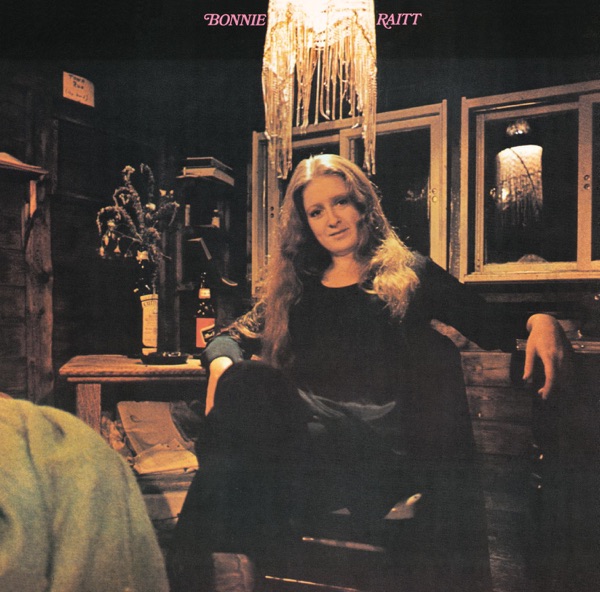
Bonnie Raitt
1971 · 11 tracks
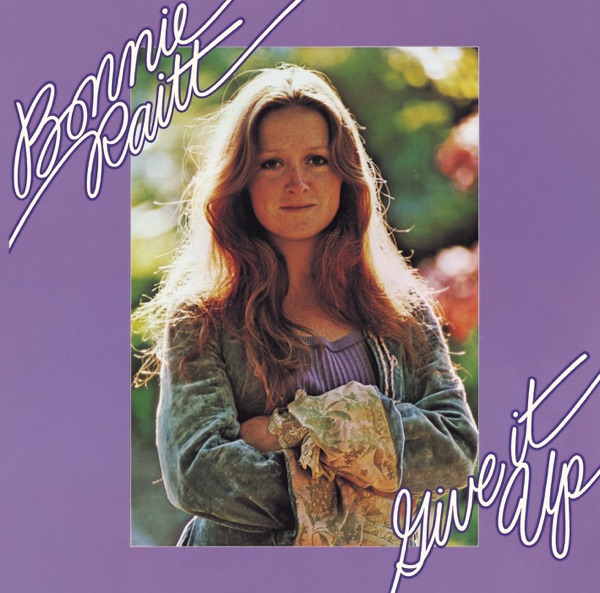
Give It Up
1972 · 10 tracks
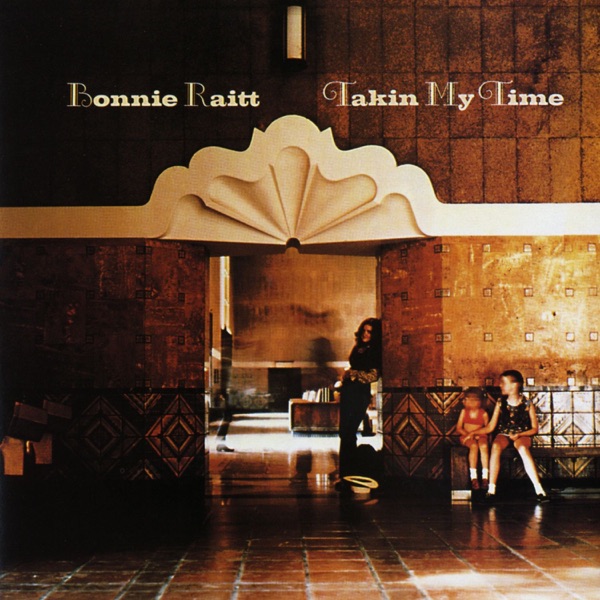
Takin My Time
1973 · 10 tracks
- 1 You've Been In Love Too Long ↗ 3:43
- 2 I Gave My Love a Candle ↗ 4:20
- 3 Let Me In ↗ 3:39
- 4 Everybody's Cryin' Mercy ↗ 3:29
- 5 Cry Like a Rainstorm ↗ 3:55
- 6 Wah She Go Do ↗ 3:13
- 7 I Feel the Same ↗ 4:40
- 8 I Thought I Was a Child ↗ 3:49
- 9 Write Me a Few of Your Lines / Kokomo Blues ↗ 3:37
- 10 Guilty ↗ 2:58
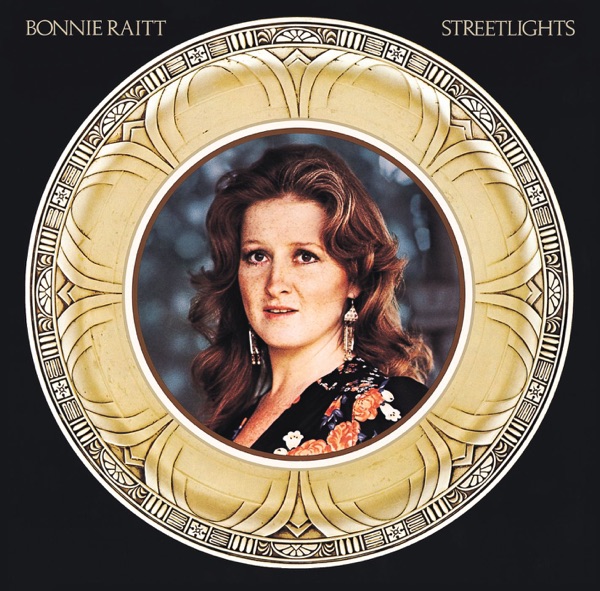
Streetlights
1974 · 10 tracks
- 1 That Song About the Midway ↗ 4:45
- 2 Rainy Day Man ↗ 3:42
- 3 Angel from Montgomery ↗ 3:59
- 4 I Got Plenty ↗ 3:10
- 5 Streetlights ↗ 5:05
- 6 What Is Success ↗ 3:32
- 7 Ain't Nobody Home ↗ 3:05
- 8 Everything That Touches You ↗ 3:28
- 9 Got You On My Mind ↗ 3:51
- 10 You Got to Be Ready for Love (If You Wanna Be Mine) ↗ 3:09
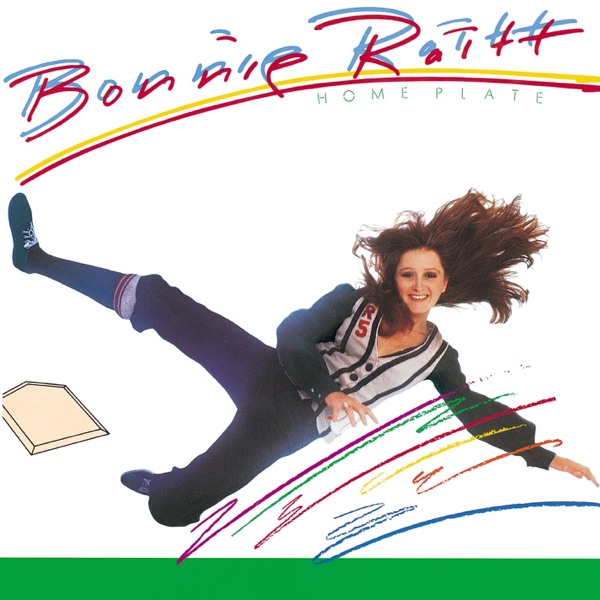
Home Plate
1975 · 10 tracks
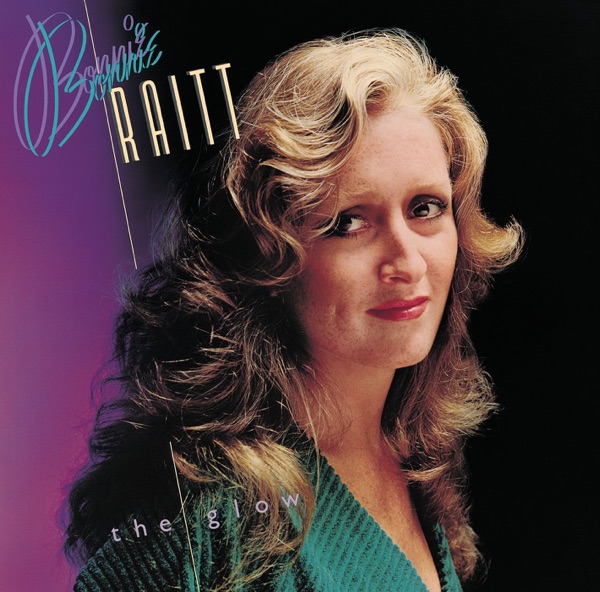
The Glow
1979 · 10 tracks
- 1 I Thank You ↗ 2:51
- 2 Your Good Thing (Is About to End) ↗ 4:01
- 3 Standin' By the Same Old Love ↗ 4:11
- 4 Sleep's Dark and Silent Gate ↗ 3:26
- 5 The Glow ↗ 4:12
- 6 Bye Bye Baby ↗ 3:17
- 7 The Boy Can't Help It ↗ 3:39
- 8 (I Could Have Been Your) Best Old Friend ↗ 2:52
- 9 You're Gonna Get What's Coming ↗ 3:33
- 10 (Goin') Wild for You Baby ↗ 5:26
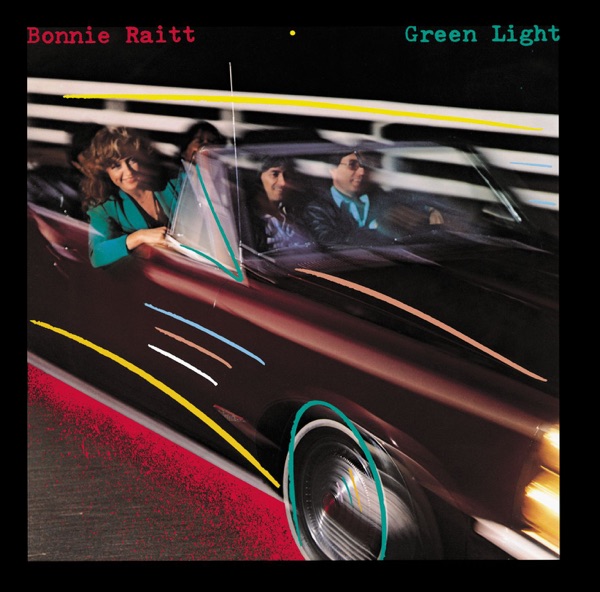
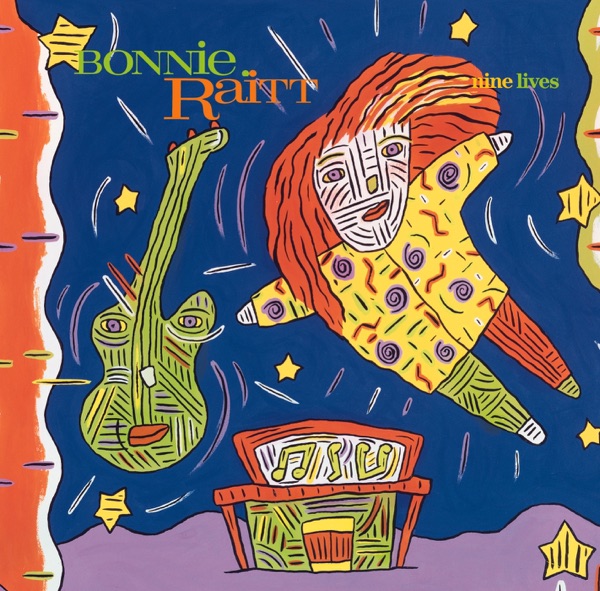
Nine Lives
1986 · 10 tracks
- 1 No Way to Treat a Lady ↗ 3:52
- 2 Runnin' Back to Me ↗ 4:14
- 3 Who But a Fool (Thief Into Paradise) ↗ 4:26
- 4 Crime of Passion ↗ 4:21
- 5 All Day, All Night ↗ 4:04
- 6 Stand Up to the Night ↗ 4:43
- 7 Excited ↗ 3:13
- 8 Freezin' (For a Little Human Love) ↗ 4:59
- 9 True Love Is Hard to Find ↗ 4:35
- 10 Angel ↗ 4:00
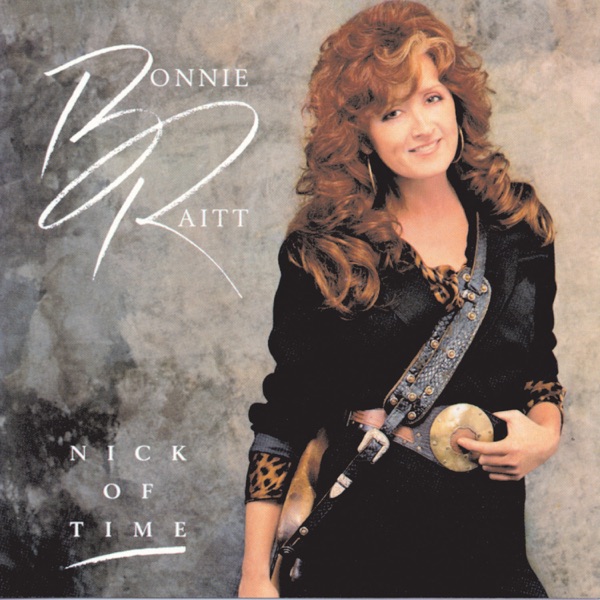
Nick of Time
1989 · 11 tracks
- 1 Nick of Time ↗ 3:53
- 2 Thing Called Love ↗ 3:52
- 3 Love Letter ↗ 4:05
- 4 Cry On My Shoulder ↗ 3:44
- 5 Real Man ↗ 4:27
- 6 Nobody's Girl ↗ 3:15
- 7 Have a Heart ↗ 4:50
- 8 Too Soon to Tell ↗ 3:46
- 9 I Will Not Be Denied ↗ 4:55
- 10 I Ain't Gonna Let You Break My Heart Again ↗ 2:38
- 11 The Road's My Middle Name ↗ 3:32
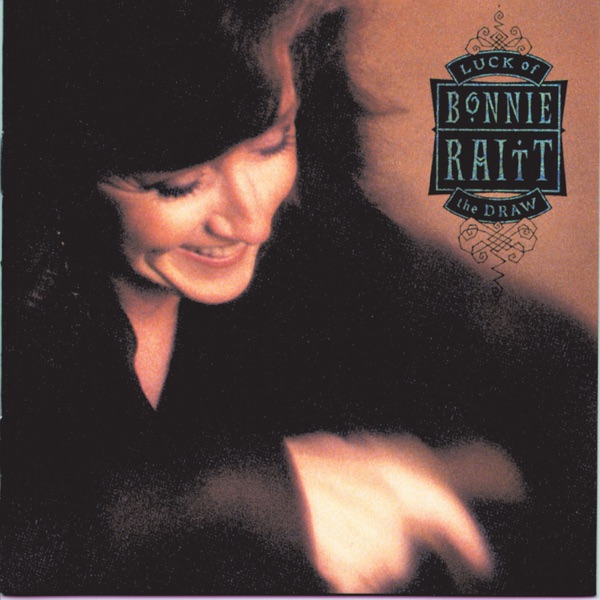
Luck of the Draw
1991 · 12 tracks
- 1 Something to Talk About ↗ 3:48
- 2 Good Man, Good Woman ↗ 3:34
- 3 I Can't Make You Love Me ↗ 5:33
- 4 Tangled and Dark ↗ 4:53
- 5 Come to Me ↗ 4:21
- 6 No Business ↗ 4:25
- 7 One Part Be My Lover ↗ 5:06
- 8 Not the Only One ↗ 5:04
- 9 Papa Come Quick (Jody and Chico) ↗ 2:43
- 10 Slow Ride ↗ 4:00
- 11 Luck of the Draw ↗ 5:17
- 12 All at Once ↗ 5:03
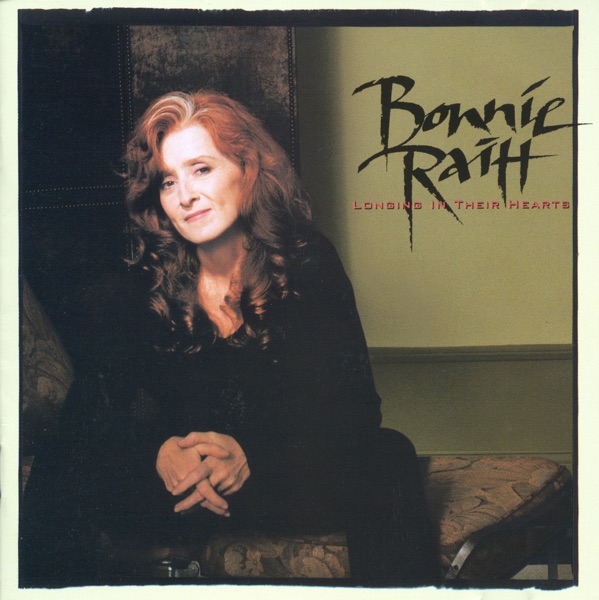
Longing in Their Hearts
1994 · 12 tracks
- 1 Love Sneakin' Up On You ↗ 3:42
- 2 Longing In Their Hearts ↗ 4:49
- 3 You ↗ 4:28
- 4 Cool, Clear Water ↗ 5:28
- 5 Circle Dance ↗ 4:11
- 6 I Sho Do ↗ 3:39
- 7 Dimming of the Day ↗ 3:40
- 8 Feeling of Falling ↗ 6:17
- 9 Steal Your Heart Away ↗ 5:44
- 10 Storm Warning ↗ 4:32
- 11 Hell to Pay ↗ 4:04
- 12 Shadow of Doubt ↗ 4:27

Fundamental
1998 · 11 tracks

Silver Lining
2002 · 12 tracks

Souls Alike
2005 · 11 tracks
- 1 I Will Not Be Broken ↗ 3:39
- 2 God Was In the Water ↗ 5:15
- 3 Love On One Condition ↗ 3:41
- 4 So Close ↗ 3:20
- 5 Trinkets ↗ 5:00
- 6 Crooked Crown ↗ 3:47
- 7 Unnecessarily Mercenary ↗ 3:49
- 8 I Don't Want Anything to Change ↗ 4:27
- 9 Deep Water ↗ 3:56
- 10 Two Lights In the Nighttime ↗ 4:20
- 11 The Bed I Made ↗ 4:59

Slipstream
2012 · 12 tracks
- 1 Used to Rule the World ↗ 4:13
- 2 Right Down the Line ↗ 5:28
- 3 Million Miles ↗ 6:22
- 4 You Can't Fail Me Now ↗ 4:16
- 5 Down to You ↗ 3:57
- 6 Take My Love with You ↗ 4:21
- 7 Not Cause I Wanted To ↗ 3:32
- 8 Ain't Gonna Let You Go ↗ 5:59
- 9 Marriage Made In Hollywood ↗ 4:54
- 10 Split Decision ↗ 4:34
- 11 Standing In the Doorway ↗ 5:20
- 12 God Only Knows ↗ 4:27
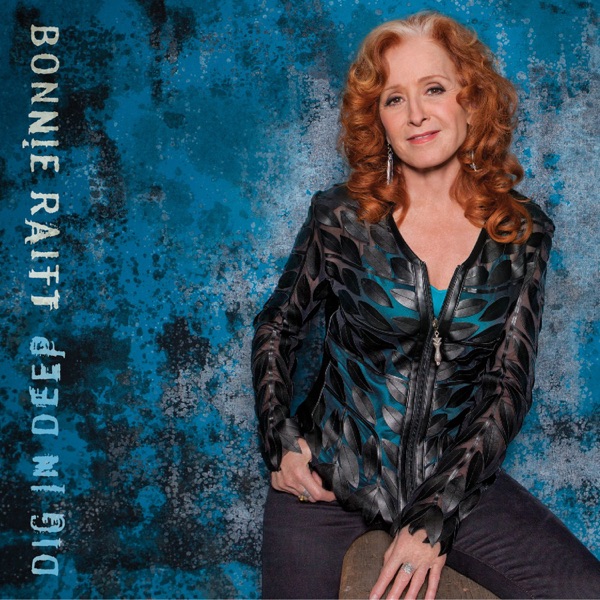
Dig in Deep
2016 · 12 tracks
- 1 Unintended Consequence of Love ↗ 4:49
- 2 Need You Tonight ↗ 3:19
- 3 I Knew ↗ 4:00
- 4 All Alone with Something to Say ↗ 3:12
- 5 What You're Doin' to Me ↗ 4:54
- 6 Shakin' Shakin' Shakes ↗ 4:50
- 7 Undone ↗ 4:13
- 8 If You Need Somebody ↗ 5:11
- 9 Gypsy In Me ↗ 4:09
- 10 The Comin' Round Is Going Through ↗ 5:29
- 11 You've Changed My Mind ↗ 4:09
- 12 The Ones We Couldn't Be ↗ 4:14

Just Like That…
2022 · 10 tracks
-
 Bonnie RaittBonnie Raitt197111 tracks
 -
 Give It UpBonnie Raitt197210 tracks
 -
 Takin My TimeBonnie Raitt197310 tracks
 -
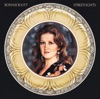 StreetlightsBonnie Raitt197410 tracks
 -
 Home PlateBonnie Raitt197510 tracks
 -
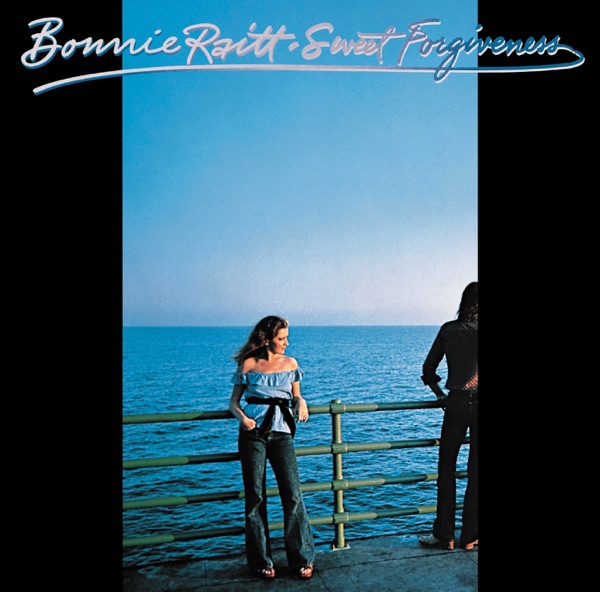
 Sweet ForgivenessBonnie Raitt197710 tracks
 -
 The GlowBonnie Raitt197910 tracks
 -
 Green LightBonnie Raitt198210 tracks
 -
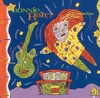 Nine LivesBonnie Raitt198610 tracks
 -
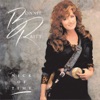 Nick of TimeBonnie Raitt198911 tracks
 -
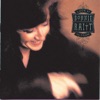 Luck of the DrawBonnie Raitt199112 tracks
 -
 Longing in Their HeartsBonnie Raitt199412 tracks
 -
 FundamentalBonnie Raitt199811 tracks
 -
 Silver LiningBonnie Raitt200212 tracks
 -
 Souls AlikeBonnie Raitt200511 tracks
 -
 SlipstreamBonnie Raitt201212 tracks
 -
 Dig in DeepBonnie Raitt201612 tracks
 -
 Just Like That…Bonnie Raitt202210 tracks
Deep Dive
Overview
Bonnie Lynn Raitt is an American singer-songwriter born in 1949 whose career spans from the early 1970s to the present. Working primarily in folk rock, blues, and Americana, Raitt established herself as both a distinctive recording artist and a prolific session musician and collaborator. Her body of work—encompassing eighteen studio albums released across five decades—documents the evolution of American roots music from the post-folk-rock era onward, blending acoustic and electric instrumentation with songwriting rooted in country, blues, and folk traditions.
Formation Story
Bonnie Raitt emerged from an American musical family deeply connected to folk and popular music. Her path into rock music began during the singer-songwriter and folk-rock boom of the late 1960s, a period when established folk performers were transitioning into electric arrangements and young artists were synthesizing blues, country, and folk into hybrid forms. By the early 1970s, Raitt had developed her musical voice through engagement with roots music—particularly blues and country traditions—alongside the contemporary folk-rock landscape. This foundation led to her record debut in 1971 with a self-titled album that announced her arrival as a serious roots-influenced artist.
Breakthrough Moment
Raitt’s early albums—Bonnie Raitt (1971), Give It Up (1972), Takin My Time (1973), Streetlights (1974), and Home Plate (1975)—established her reputation among critics and roots-music audiences as a vocalist and musician of depth and authenticity. These records, featuring roots-influenced material that incorporated rock, blues, country, and folk elements, marked her as part of a generation reclaiming American vernacular music. While initially more celebrated by critics than commercial radio, Raitt’s consistent output and reputation as a serious musician created a foundation for her later mainstream success.
Peak Era
Raitt’s most commercially successful and culturally prominent period arrived nearly two decades into her career with the album Nick of Time in 1989, followed by Luck of the Draw in 1991 and Longing in Their Hearts in 1994. This late-1980s-through-mid-1990s stretch represented both a creative affirmation of her decades-long artistic commitment and a breakthrough to broader popular audiences. These albums consolidated her standing as a major figure in American rock and roots music, demonstrating that her artistic vision had matured and deepened rather than diluted over time.
Musical Style
Bonnie Raitt’s sound is grounded in the blues and country traditions of American roots music, electrified through rock sensibilities and refined through decades of musical dialogue with other artists. Her vocal approach combines clarity with emotional restraint, avoiding oversinging in favor of letting melody and lyrical nuance carry the weight of a song. Instrumentally, she works across acoustic and electric guitar, commanding a range of playing styles from fingerpicking to slide techniques. Her production choices across her albums have generally favored live, ensemble recording approaches over heavy studio layering, keeping her music anchored in the tangible presence of musicians in a room together.
Raitt’s songwriting and arrangement aesthetic shifted subtly across her career. Her 1970s and early 1980s records—including Sweet Forgiveness (1977), The Glow (1979), Green Light (1982), and Nine Lives (1986)—explored roots music with an almost scholarly precision, while her later work incorporated elements of contemporary production and song craft without abandoning her foundational blues and folk sensibilities. Across all periods, her music resists easy categorization, moving fluidly between folk rock, blues, country-soul, and Americana.
Major Albums
Bonnie Raitt (1971)
Her debut announced a mature artist working in blues-inflected folk rock, establishing the template for her roots-music engagement that would define her career.
Give It Up (1972)
Following her debut, this album deepened her exploration of blues and soul traditions within a folk-rock framework, confirming her commitment to roots authenticity.
Sweet Forgiveness (1977)
This mid-career record exemplified Raitt’s refined approach to roots material, blending blues, country, and rock influences with assured musicianship and lyrical depth.
Nick of Time (1989)
After years of critical respect and limited mainstream radio play, this album became Raitt’s breakthrough to popular audiences, marking a turning point in her commercial fortunes while maintaining artistic credibility.
Luck of the Draw (1991)
Following the success of Nick of Time, this album consolidated her position as a major contemporary rock artist, proving the 1989 breakthrough was not a one-time occurrence.
Longing in Their Hearts (1994)
This record completed the trilogy of her most successful period, further establishing her as a leading figure in 1990s American rock and roots music.
Signature Songs
- “Give It Up” — A blues-rock statement that became one of her most recognizable recordings and a showcase for her vocal and instrumental prowess.
- “Sweet Forgiveness” — The title track that epitomized her ability to blend soul, blues, and rock into emotionally direct songwriting.
- “I Can’t Make You Love Me” — A later-career ballad that demonstrated her interpretive depth and emotional restraint.
- “Nick of Time” — The title track from her breakthrough album, symbolizing her entry into mainstream recognition.
- “Something to Talk About” — A song that captured both her rhythmic sensibility and her gift for delivering blues-inflected rock with accessibility.
Influence on Rock
Bonnie Raitt’s sustained career has influenced how American rock musicians engage with blues and folk traditions. By treating these genres not as museum pieces but as living, evolving idioms worthy of serious artistic commitment, Raitt helped establish a template for roots-rock authenticity that resists both nostalgia and commercial compromise. Her prominence as a session musician and collaborator—working across five decades with artists including Warren Zevon, Jackson Browne, the Pointer Sisters, John Prine, and Leon Russell—positioned her as a central figure in the ecosystem of American roots-rock music-making, demonstrating through example how an artist could serve both her own vision and the broader musical community.
Legacy
Bonnie Raitt’s career spans from the early 1970s through the 2020s, with eighteen studio albums documenting her artistic evolution across five decades. Her late-career resurgence—beginning with Nick of Time and extending through Luck of the Draw, Longing in Their Hearts, Fundamental (1998), and beyond—established her as not merely a respected elder figure but an actively vital artist capable of producing work of genuine artistic weight. Her continued recording and touring presence into the 2020s, including the album Just Like That… (2022), testifies to her enduring creative engagement and audience connection. Raitt’s legacy ultimately rests on the consistency and integrity of her artistic vision: a sustained commitment to American roots music that honors blues, folk, and country traditions while remaining engaged with contemporary songwriting and production approaches.
Fun Facts
- Raitt released albums across three different major record labels—Warner Bros. Records, Capitol Records, and Warner Records—reflecting the shifting landscape of the music industry across her five-decade career.
- Her work as a session musician and frequent collaborator with other artists positioned her as a key figure in the informal networks of American roots-rock musicians, contributing to albums and projects beyond her own solo work.
- The gap between her 1986 album Nine Lives and 1989’s Nick of Time represents a three-year absence from recording that preceded her most commercially successful period, suggesting a strategic or personal reassessment before her mainstream breakthrough.