
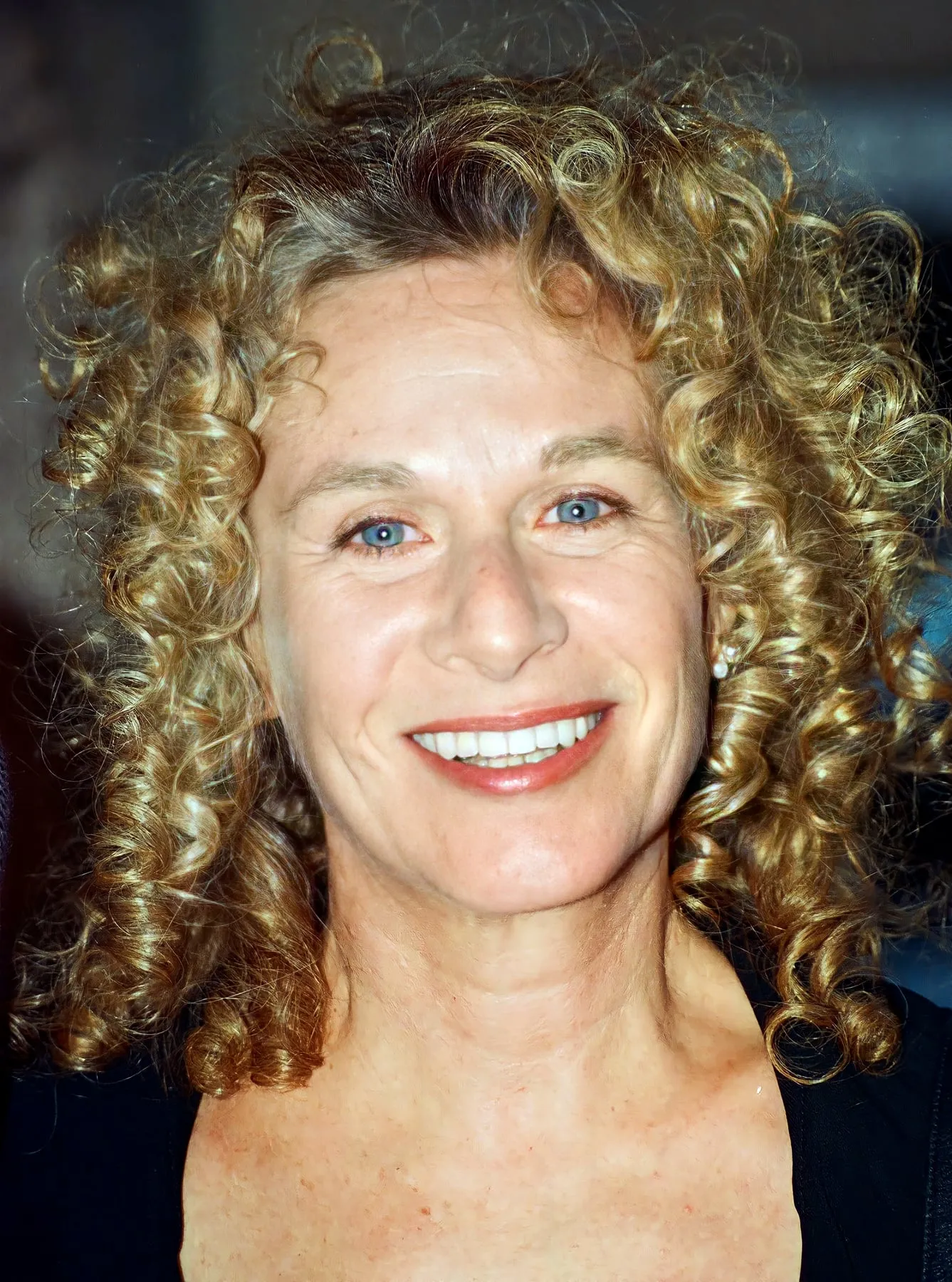
Photo by John Mathew Smith & www.celebrity-photos.com from Laurel Maryland, USA , licensed under CC BY-SA 2.0 · Wikimedia Commons
Rank #66
Carole King
From Wikipedia
Carole King Klein is an American singer-songwriter and musician renowned for her extensive contributions to popular music. She wrote or co-wrote 118 songs that charted on the Billboard Hot 100 during the latter half of the 20th century and 61 songs that reached the UK charts, establishing her as the most successful female songwriter on the UK singles charts from 1962 to 2005.
Discography & Previews
Browse through and click an album to open and play 30-second previews streamed from Apple Music.
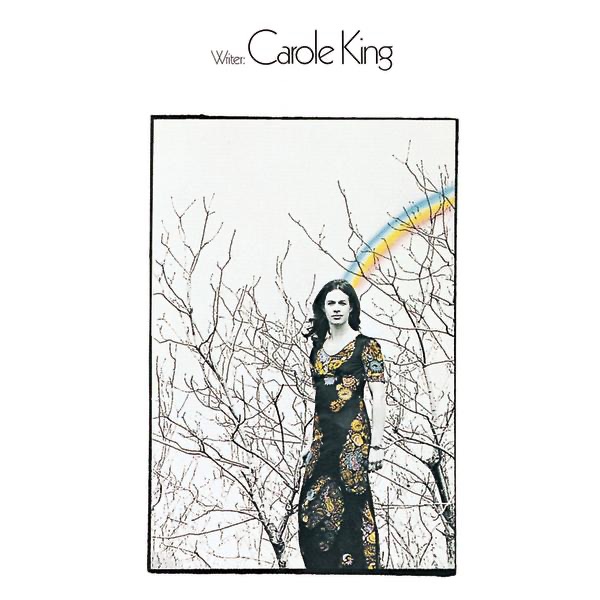
Writer
1970 · 12 tracks
- 1 Spaceship Races ↗ 3:06
- 2 No Easy Way Down ↗ 4:34
- 3 Child of Mine ↗ 4:02
- 4 Goin' Back ↗ 3:17
- 5 To Love ↗ 3:36
- 6 What Have You Got to Lose ↗ 3:30
- 7 Eventually ↗ 4:58
- 8 Raspberry Jam ↗ 4:34
- 9 Can't You Be Real ↗ 2:57
- 10 I Can't Hear You No More ↗ 2:43
- 11 Sweet Sweetheart ↗ 2:43
- 12 Up On the Roof ↗ 3:37

Music
1971 · 12 tracks
- 1 Brother, Brother ↗ 2:59
- 2 It's Going to Take Some Time ↗ 3:35
- 3 Sweet Seasons ↗ 3:14
- 4 Some Kind of Wonderful ↗ 3:06
- 5 Surely ↗ 4:57
- 6 Carry Your Load ↗ 2:51
- 7 Music ↗ 3:50
- 8 Song of Long Ago ↗ 2:44
- 9 Brighter ↗ 2:45
- 10 Growing Away from Me ↗ 3:03
- 11 Too Much Rain ↗ 3:33
- 12 Back to California ↗ 3:23
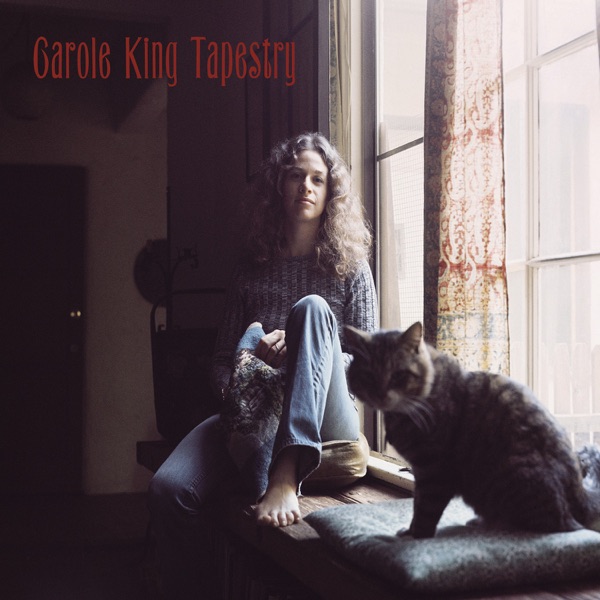
Tapestry
1971 · 12 tracks
- 1 I Feel the Earth Move ↗ 2:59
- 2 So Far Away ↗ 3:55
- 3 It's Too Late ↗ 3:54
- 4 Home Again ↗ 2:29
- 5 Beautiful ↗ 3:08
- 6 Way Over Yonder ↗ 4:46
- 7 You've Got a Friend ↗ 5:10
- 8 Where You Lead ↗ 3:20
- 9 Will You Love Me Tomorrow? ↗ 4:12
- 10 Smackwater Jack ↗ 3:42
- 11 Tapestry ↗ 3:15
- 12 (You Make Me Feel Like) A Natural Woman ↗ 3:48

Rhymes & Reasons
1972 · 12 tracks
- 1 Come Down Easy ↗ 3:06
- 2 My My She Cries ↗ 2:20
- 3 Peace In the Valley ↗ 3:22
- 4 Feeling Sad Tonight ↗ 3:13
- 5 The First Day In August ↗ 2:47
- 6 Bitter With the Sweet ↗ 2:27
- 7 Goodbye Don't Mean I'm Gone ↗ 3:34
- 8 Stand Behind Me ↗ 2:29
- 9 Gotta Get Through Another Day ↗ 2:33
- 10 I Think I Can Hear You ↗ 3:25
- 11 Ferguson Road ↗ 2:38
- 12 Been to Canaan ↗ 3:38

Fantasy
1973 · 13 tracks
- 1 Fantasy Beginning ↗ 1:03
- 2 You've Been Around Too Long ↗ 3:42
- 3 Being At War With Each Other ↗ 3:27
- 4 Directions ↗ 3:59
- 5 That's How Things Go Down ↗ 3:01
- 6 Weekdays ↗ 2:45
- 7 Haywood ↗ 4:47
- 8 A Quiet Place to Live ↗ 1:56
- 9 Welfare Symphony ↗ 3:47
- 10 You Light Up My Life ↗ 3:14
- 11 Corazón ↗ 4:06
- 12 Believe In Humanity ↗ 3:19
- 13 Fantasy End ↗ 1:25

Wrap Around Joy
1974 · 12 tracks
- 1 Nightingale ↗ 3:36
- 2 Change In Mind, Change of Heart ↗ 4:39
- 3 Jazzman ↗ 3:43
- 4 You Go Your Way, I'll Go Mine ↗ 3:32
- 5 You're Something New ↗ 2:54
- 6 We Are All In This Together ↗ 4:03
- 7 Wrap Around Joy ↗ 2:57
- 8 You Gentle Me ↗ 3:46
- 9 My Lovin' Eyes ↗ 3:07
- 10 Sweet Adonis ↗ 3:21
- 11 A Night This Side of Dying ↗ 2:58
- 12 The Best Is Yet to Come ↗ 3:30
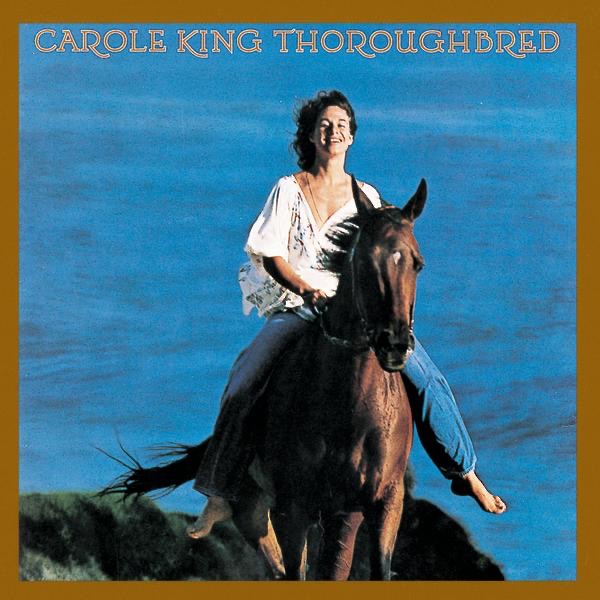
Thoroughbred
1975 · 10 tracks


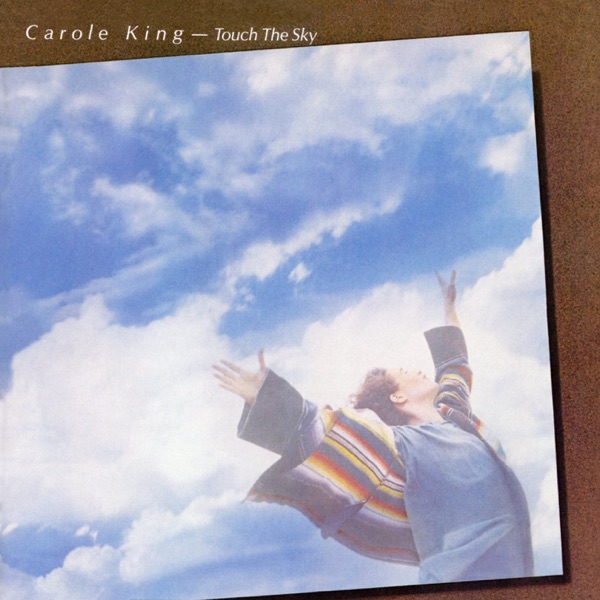
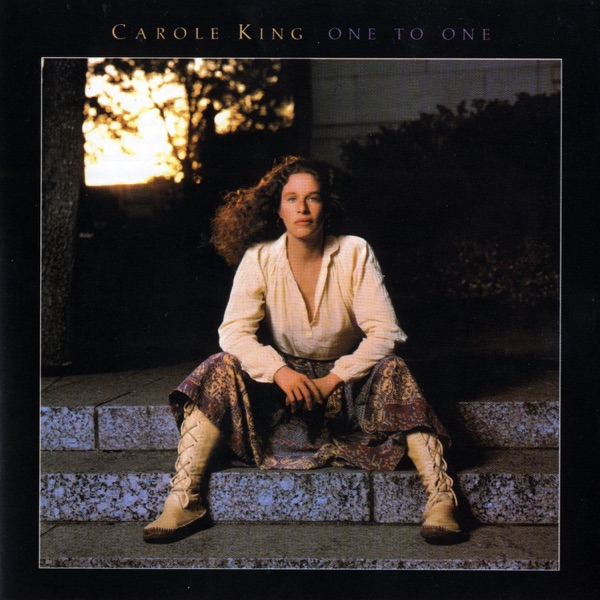
One to One
1982 · 10 tracks


Colour of Your Dreams
1993 · 11 tracks
- 1 Lay Down My Life ↗ 5:15
- 2 Hold Out For Love (feat. Slash) ↗ 4:52
- 3 Standing in the Rain ↗ 4:04
- 4 Now and Forever ↗ 3:14
- 5 Wishful Thinking ↗ 3:17
- 6 Colour of Your Dreams ↗ 3:03
- 7 Tears Falling Down On Me ↗ 4:58
- 8 Friday's Tie-Die Nightmare ↗ 4:34
- 9 Just One Thing ↗ 5:05
- 10 Do You Feel Love ↗ 5:25
- 11 It's Never Too Late ↗ 3:41

Love Makes The World
2001 · 17 tracks
- 1 Love Makes the World ↗ 4:23
- 2 You Can Do Anything ↗ 3:57
- 3 The Reason ↗ 4:38
- 4 I Wasn't Gonna Fall in Love ↗ 4:04
- 5 I Don't Know ↗ 3:04
- 6 Oh No Not My Baby ↗ 3:28
- 7 It Could Have Been Anyone ↗ 3:52
- 8 Monday Without You ↗ 4:01
- 9 An Uncommon Love ↗ 3:34
- 10 You Will Find Me There ↗ 4:24
- 11 Safe Again ↗ 2:42
- 12 This Time ↗ 3:42
- 13 Birthday Song ↗ 2:49
- 14 Love for Christmas ↗ 2:59
- 15 Where You Lead I Will Follow ↗ 3:28
- 16 Lo Que Tú Eres Para Mí ↗ 3:07
- 17 Two Hearts ↗ 4:02

A Holiday Carole
2011 · 12 tracks
- 1 My Favorite Things ↗ 3:21
- 2 Carol of the Bells ↗ 1:55
- 3 Sleigh Ride ↗ 2:31
- 4 Christmas Paradise ↗ 3:25
- 5 Everyday Will Be Like a Holiday ↗ 3:08
- 6 Chanukah Prayer ↗ 3:09
- 7 Have Yourself a Merry Little Christmas ↗ 2:33
- 8 I've Got My Love to Keep Me Warm ↗ 2:52
- 9 Christmas in the Air ↗ 3:18
- 10 Do You Hear What I Hear ↗ 3:33
- 11 This Christmas ↗ 3:17
- 12 New Year's Day ↗ 3:55
-
 WriterCarole King197012 tracks
 -
 MusicCarole King197112 tracks
 -
 TapestryCarole King197112 tracks
 -
 Rhymes & ReasonsCarole King197212 tracks
 -
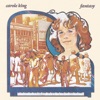 FantasyCarole King197313 tracks
 -
 Wrap Around JoyCarole King197412 tracks
 -
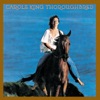 ThoroughbredCarole King197510 tracks
 -
 Simple ThingsCarole King197710 tracks
 -
 Welcome HomeCarole King197810 tracks
 -
 Touch the SkyCarole King197910 tracks
 -
 One to OneCarole King198210 tracks
 -
 Speeding TimeCarole King198310 tracks
 -
 City StreetsCarole King198910 tracks
 -
 Colour of Your DreamsCarole King199311 tracks
 -
 Love Makes The WorldCarole King200117 tracks
 -
 A Holiday CaroleCarole King201112 tracks
Deep Dive
Overview
Carole King stands as one of the most prolific and successful songwriters in modern music history. Born Carole King Klein in 1942, she emerged as a defining voice of the singer-songwriter movement and folk rock era, translating decades of behind-the-scenes songwriting prowess into a performing career that would cement her legacy across multiple generations. By the early twenty-first century, King had written or co-written 118 songs that charted on the Billboard Hot 100 and 61 songs that reached the UK charts, establishing her as the most successful female songwriter on the UK singles charts from 1962 to 2005.
Formation Story
Carole King came of age in New York during the 1950s, entering the music industry as a songwriter and pianist during the height of the Brill Building era—a period when teams of composers and lyricists worked in close collaboration to supply hits to recording artists. She began her career in this factory-like setting, crafting pop and rock songs that would be recorded by others. It was this apprenticeship in songwriting discipline and commercial craft that would define her later work as a performer and artist. The foundation she built during these early years, learning the mechanics of melody, harmony, and hit-making structure, would prove essential when she eventually stepped in front of the microphone as a solo artist.
Breakthrough Moment
After years of working behind the scenes as a songwriter, King made her debut as a recording artist in 1970 with the album Writer. The move from studio craftsperson to performer gained significant momentum with the release of Tapestry in 1971. The album became a watershed moment for King, establishing her not merely as a writer whose songs others would perform, but as an interpreter and artist in her own right. Tapestry showcased King’s ability to bring emotional depth and authenticity to her own compositions, and the album’s commercial and critical success marked the moment when her name and voice became inseparable from her work.
Peak Era
The early 1970s represented King’s peak period as a performing artist. Following the success of Tapestry, she released a succession of albums that sustained both critical attention and commercial viability: Music and Rhymes & Reasons in 1971 and 1972, Fantasy in 1973, and Wrap Around Joy in 1974. During this stretch, King balanced her role as a solo performer with continued involvement in songwriting, demonstrating that her gift lay not in a single mode of expression but across the full spectrum of musical creation. The period from 1970 through the mid-1970s established King as a major force in popular music, a rare figure who could claim authority both as a songwriter and as a recording artist of substance.
Musical Style
King’s sound emerged from the Brill Building tradition but evolved substantially as she moved into her role as a performer. Her music is characterized by intimate, piano-driven arrangements that foreground melody and lyrical clarity. She works comfortably within folk rock, soft rock, and adult contemporary idioms, genres that prize vocal authenticity and emotional straightforwardness over technical virtuosity. Her approach to songwriting emphasizes accessibility without sacrificing depth—songs constructed around memorable hooks and harmonic progressions that lodge themselves in the listener’s mind. King’s voice itself is warm but unadorned, serving the song rather than showcasing technical prowess. Her background in pop songwriting provided her with an instinctive understanding of structure and catchiness, while her embrace of folk and singer-songwriter traditions brought introspection and personal narrative to material that might otherwise have remained purely commercial.
Major Albums
Tapestry (1971)
The album that transformed King into a solo artist of major significance, Tapestry showcased her gifts as both songwriter and performer, establishing the piano-led folk-rock template that would define her work throughout the 1970s.
Music (1971)
Released the same year as Tapestry, Music continued King’s artistic momentum, further establishing her voice and songwriting perspective as central to her identity as a recording artist.
Rhymes & Reasons (1972)
The album extended King’s run of successful releases, maintaining her position as a major figure in soft rock and singer-songwriter music during the early 1970s.
Wrap Around Joy (1974)
This album sustained King’s commercial and creative presence during her peak period, showcasing her continued evolution as both performer and composer.
Pearls: Songs of Goffin and King (1980)
A retrospective project that allowed King to revisit compositions from her Brill Building era, highlighting her songwriting legacy and the enduring strength of those earlier collaborations.
Signature Songs
- “You’ve Got a Friend” — A defining composition that showcases King’s gift for warm, emotionally direct songwriting and became a standard in American popular music.
- “I Feel the Earth Move” — A rhythm-driven track that demonstrates King’s ability to merge accessibility with genuine emotional resonance.
- “So Far Away” — A ballad that exemplifies her introspective approach to melody and vocal interpretation.
- “Smackwater Jack” — A funk-influenced piece that displays King’s range beyond purely acoustic arrangements.
Influence on Rock
Carole King’s trajectory from songwriter to performer helped legitimize the role of women in popular music creation and performance. Her dual success—first as a behind-the-scenes songwriting force and later as a recording artist—demonstrated that songwriting excellence and performing authenticity could coexist in a single artist. King’s embrace of folk rock and singer-songwriter idioms during the late 1960s and early 1970s positioned her alongside other major figures shaping the era’s musical vocabulary. She influenced subsequent generations of female singer-songwriters who saw in her work a model for artistic control and creative integrity, while her Brill Building roots ensured that her approach to melody and structure remained rooted in popular music fundamentals rather than pursuing obscurity for its own sake.
Legacy
Carole King’s career has endured across more than five decades, moving from the Brill Building era through the singer-songwriter explosion of the 1970s and beyond. Her songwriting achievements remain her most quantifiable legacy—the 118 Billboard Hot 100 entries and 61 UK chart entries speak to an astonishing level of commercial success over an extended period. In the twenty-first century, King has continued recording, releasing albums including Love Makes The World in 2001 and A Holiday Carole in 2011. Her work remains a touchstone for understanding how American popular song developed, particularly in highlighting the role women played in writing and performing the rock and pop music that defined generations of listeners.
Fun Facts
- King was born during the height of the Brill Building era, entering the music industry as a teenage songwriter and quickly establishing herself in a male-dominated songwriting environment.
- Her 1980 album Pearls: Songs of Goffin and King served as both a career retrospective and a celebration of her songwriting partnership, allowing her to revisit classic compositions from the earlier part of her career as a performer.
- King’s official website at caroleking.com remains an active archive of her career spanning multiple decades and recording eras.
- She recorded a live album capturing a performance at the Pier in Seattle, Washington, released in 2004, demonstrating her continued touring presence well into the 2000s.