
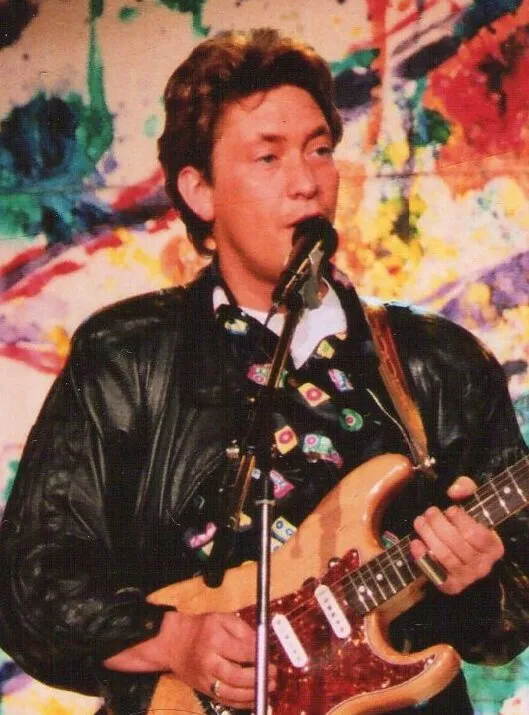
Photo by Alexandre Boucher , licensed under CC BY-SA 4.0 · Wikimedia Commons
Rank #369
Chris Rea
From Wikipedia
Christopher Anton Rea was an English rock and blues singer-songwriter, guitarist and record producer. He was known for his distinctive gravelly voice, slide guitar playing and music style blending soft rock with blues.
Discography & Previews
Browse through and click an album to open and play 30-second previews streamed from Apple Music.

Whatever Happened to Benny Santini?
1978 · 10 tracks
- 1 Whatever Happened to Benny Santini? ↗ 4:19
- 2 The Closer You Get ↗ 3:32
- 3 Because of You ↗ 3:50
- 4 Dancing with Charlie ↗ 3:50
- 5 Bows and Bangles ↗ 3:59
- 6 Fool (If You Think It's Over) ↗ 4:45
- 7 Three Angels ↗ 3:27
- 8 Just One of Those Days ↗ 2:42
- 9 Standing in Your Doorway ↗ 3:52
- 10 Fires of Spring ↗ 3:52
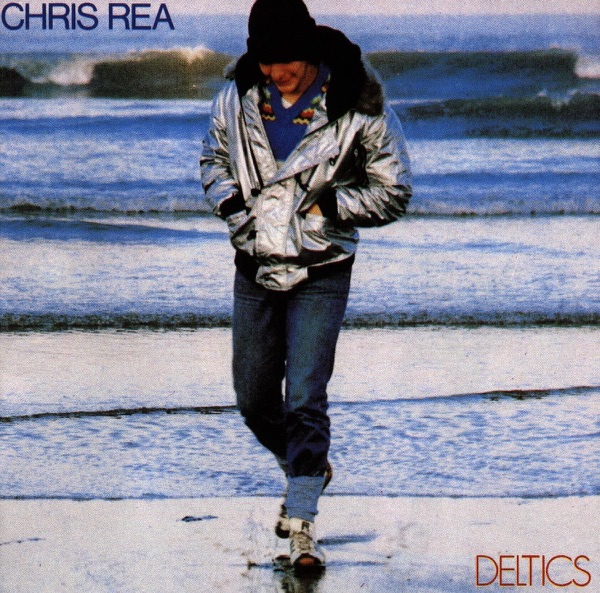
Deltics
1979 · 11 tracks
- 1 Twisted Wheel ↗ 5:16
- 2 The Things Lovers Should Do ↗ 3:34
- 3 Dance! (Don't Think) ↗ 3:51
- 4 Raincoat and a Rose ↗ 4:09
- 5 Cenotaph / Letter from Amsterdam ↗ 5:50
- 6 Deltics ↗ 5:27
- 7 Diamonds ↗ 4:54
- 8 She Gave It Away ↗ 3:59
- 9 Don't Want Your Best Friend ↗ 3:44
- 10 No Qualifications ↗ 2:19
- 11 Seabird ↗ 2:53

Tennis
1980 · 12 tracks
- 1 Tennis ↗ 5:19
- 2 Sweet Kiss ↗ 4:38
- 3 Since I Don't See You Anymore ↗ 3:46
- 4 Dancing Girls ↗ 4:06
- 5 No Work Today ↗ 2:37
- 6 Every Time I See You Smile ↗ 6:24
- 7 For Ever and Ever ↗ 4:14
- 8 Good News ↗ 3:55
- 9 Friends Across the Water ↗ 3:46
- 10 Distant Summers ↗ 2:09
- 11 Only With You ↗ 3:45
- 12 Stick It ↗ 5:24
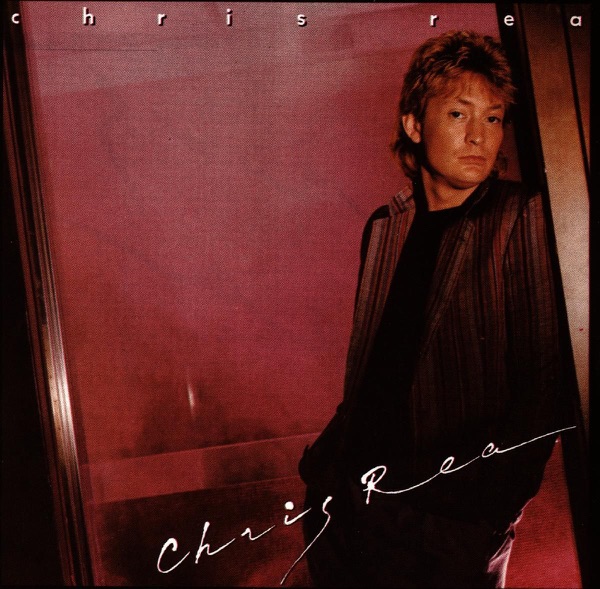
Chris Rea
1981 · 11 tracks
- 1 Loving You ↗ 3:49
- 2 If You Choose to Go ↗ 4:12
- 3 Guitar Street ↗ 4:00
- 4 Do You Still Dream? ↗ 4:01
- 5 Every Beat of My Heart ↗ 3:24
- 6 Goodbye Little Columbus ↗ 4:17
- 7 One Sweet and Tender Touch ↗ 3:50
- 8 Do It for Your Love ↗ 3:45
- 9 Just Want to Be With You ↗ 4:00
- 10 Runaway ↗ 3:32
- 11 When You Know Your Love Has Died ↗ 4:07


On the Beach
1986 · 13 tracks
- 1 On the Beach ↗ 5:02
- 2 Little Blonde Plaits ↗ 4:18
- 3 Giverny ↗ 5:38
- 4 Lucky Day ↗ 3:59
- 5 Just Passing Through ↗ 5:19
- 6 It's All Gone ↗ 7:27
- 7 Hello Friend ↗ 4:18
- 8 Two Roads ↗ 3:45
- 9 Light of Hope ↗ 4:33
- 10 Auf Immer Und Ewig ↗ 4:11
- 11 Freeway ↗ 4:12
- 12 Bless Them All ↗ 2:29
- 13 Crack That Mould ↗ 4:33
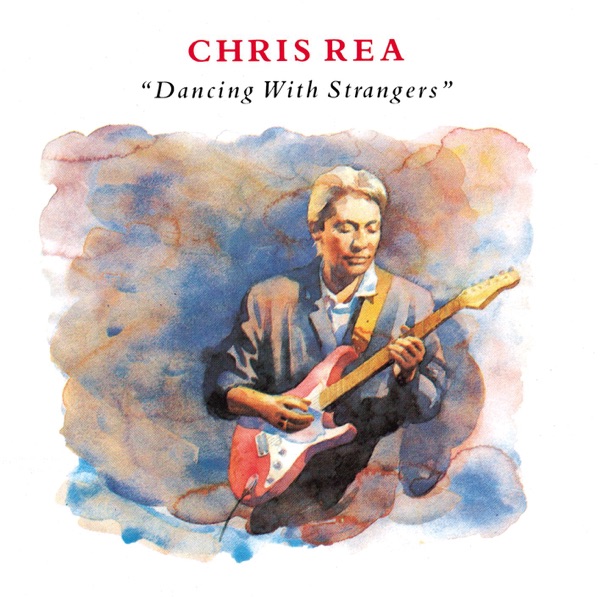
Dancing With Strangers
1987 · 14 tracks
- 1 Joys of Christmas ↗ 5:11
- 2 I Can't Dance to That ↗ 4:20
- 3 Windy Town ↗ 4:26
- 4 Gonna Buy a Hat ↗ 4:22
- 5 Curse of the Traveller ↗ 6:24
- 6 Let's Dance ↗ 4:07
- 7 Que Sera ↗ 5:16
- 8 Josie's Tune ↗ 2:18
- 9 Loving You Again ↗ 5:41
- 10 That Girl of Mine ↗ 3:37
- 11 September Blue ↗ 3:07
- 12 I Don't Care Anymore ↗ 2:11
- 13 Donahue's Broken Wheel ↗ 3:01
- 14 Danielle's Breakfast ↗ 4:33

The Road to Hell
1989 · 10 tracks

Auberge
1991 · 12 tracks

God’s Great Banana Skin
1992 · 11 tracks


The Blue Cafe
1998 · 12 tracks
- 1 Square Peg, Round Hole ↗ 3:56
- 2 Miss Your Kiss ↗ 4:05
- 3 Shadows of the Big Man ↗ 4:49
- 4 Where Do We Go From Here? ↗ 4:33
- 5 Since I Found You ↗ 4:37
- 6 Thinking of You ↗ 3:30
- 7 As Long As I Have Your Love ↗ 4:45
- 8 Anyone Quite Like You ↗ 4:48
- 9 Sweet Summer Day ↗ 4:43
- 10 Stick By You ↗ 4:04
- 11 I'm Still Holding On ↗ 4:56
- 12 The Blue Cafe ↗ 4:47

King of the Beach
2000 · 12 tracks
- 1 King of the Beach ↗ 5:02
- 2 All Summer Long ↗ 5:10
- 3 Sail Away ↗ 4:49
- 4 Still Beautiful ↗ 4:12
- 5 The Bones of Angels ↗ 4:17
- 6 Guitar Street ↗ 4:45
- 7 Who Do You Love ↗ 4:54
- 8 The Memory of a Good Friend ↗ 3:56
- 9 Sandwriting ↗ 5:10
- 10 Tamatave ↗ 5:19
- 11 God Gave Me An Angel ↗ 3:00
- 12 Waiting for a Blue Sky ↗ 5:02

The Blue Jukebox
2004 · 13 tracks
- 1 The Beat Goes On ↗ 4:33
- 2 Long Is the Time, Hard Is the Road ↗ 5:18
- 3 Let's Do It ↗ 5:02
- 4 Let It Roll ↗ 5:00
- 5 Steel River Blues ↗ 4:35
- 6 Somebody Say Amen ↗ 6:12
- 7 Blue Street ↗ 4:49
- 8 Monday Morning ↗ 4:05
- 9 Restless Soul ↗ 5:51
- 10 What Kind of Love Is This ↗ 6:38
- 11 Paint My Jukebox Blue ↗ 4:02
- 12 Baby Don't Cry ↗ 5:24
- 13 Speed ↗ 5:05
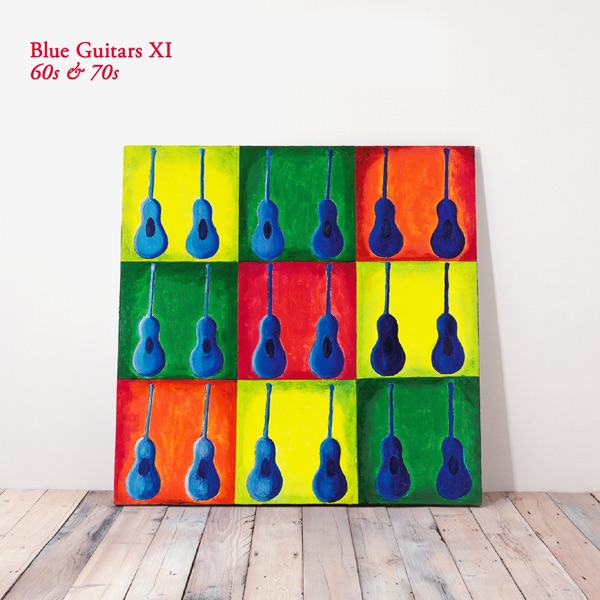
Blue Guitars XI - 60S & 70s
2005 · 15 tracks
- 1 My Baby Told Me (Blues) ↗ 2:42
- 2 Got to Be Moving ↗ 3:47
- 3 My Baby Told Me (Gospel) ↗ 3:04
- 4 Heartbreaker ↗ 2:48
- 5 Yes I Do (Instrumental) ↗ 3:16
- 6 Wasted Love ↗ 4:31
- 7 Cool Cool Blue ↗ 3:56
- 8 Clarkson Blues ↗ 4:56
- 9 Who Killed Love ↗ 4:05
- 10 Never Tie Me Down ↗ 4:05
- 11 Mindless ↗ 3:47
- 12 Ain't That Just the Prettiest Thing ↗ 5:07
- 13 Nobody but You ↗ 3:34
- 14 Waiting for Love ↗ 4:41
- 15 Blue Morning in the Rain ↗ 4:30

Blue Guitars V - Texas Blues
2005 · 12 tracks

Blue Guitars
2005 · 10 tracks
- 1 Last Call ↗ 3:33
- 2 Maybe That's All I Need to Know ↗ 4:22
- 3 Deep Winter Blues ↗ 5:03
- 4 If I Ever Get over You ↗ 4:58
- 5 I Love the Rain ↗ 4:28
- 6 My Soul Crying out for You ↗ 3:29
- 7 If That's What You Want ↗ 4:09
- 8 There's No One Looking ↗ 5:24
- 9 What Became of You ↗ 4:48
- 10 My Deep Blue Ways ↗ 4:19
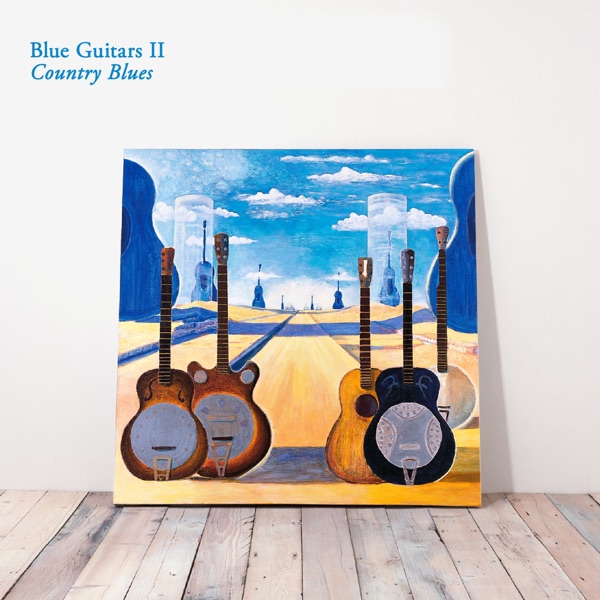
Blue Guitars II - Country Blues
2005 · 14 tracks
- 1 Walkin' Country Blues ↗ 3:42
- 2 Man Gone Missing ↗ 4:41
- 3 Can't Stay Blues ↗ 4:58
- 4 KKK Blues ↗ 4:56
- 5 Too Much Drinking ↗ 4:52
- 6 Catwalk Woman ↗ 4:32
- 7 If You've Got a Friend in Jesus ↗ 4:25
- 8 Head out on the Highway ↗ 4:31
- 9 Wild Pony ↗ 4:09
- 10 Steam Train Blues ↗ 3:51
- 11 Going up to Memphis ↗ 4:20
- 12 Somewhere Between Highway 61 & 49 ↗ 6:07
- 13 Ticket for Chicago ↗ 5:17
- 14 Dance All Night Long ↗ 4:33

Blue Guitars IX - Celtic & Irish Blues
2005 · 12 tracks
- 1 Celtic Blue ↗ 8:00
- 2 Too Far from Home ↗ 7:31
- 3 Til the Morning Sun Shines on My Love and Me ↗ 5:31
- 4 Lucky Day ↗ 5:09
- 5 What She Really Is ↗ 4:57
- 6 Wishing Well ↗ 4:00
- 7 Irish Blues ↗ 3:59
- 8 No More Sorrow ↗ 5:51
- 9 While I Remain ↗ 4:55
- 10 Last Drink ↗ 4:58
- 11 Till I Find My True Love's Name ↗ 3:31
- 12 Big White Door ↗ 5:32
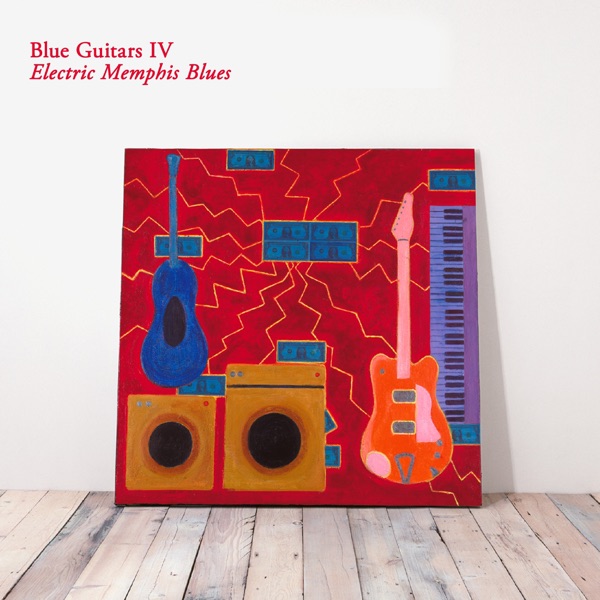
Blue Guitars IV - Electric Memphis Blues
2005 · 12 tracks
- 1 Electric Guitar ↗ 4:45
- 2 Electric Memphis Blue ↗ 4:17
- 3 All Night Long ↗ 4:15
- 4 Born Bad ↗ 3:48
- 5 Let's Start Again ↗ 3:55
- 6 What I'm Looking For ↗ 4:28
- 7 Rules of Love ↗ 3:14
- 8 What You Done to Me ↗ 3:31
- 9 Hobo Love Blues ↗ 3:40
- 10 Pass Me By ↗ 3:09
- 11 The Soul of My Father's Shadow ↗ 3:55
- 12 My Blue World Says Hello ↗ 4:08

Blue Guitars VI - Chicago Blues
2005 · 13 tracks
- 1 I'm Moving Up ↗ 4:34
- 2 Maxwell Street ↗ 4:40
- 3 Bob Taylor ↗ 5:16
- 4 She's a Whole Heap of Trouble ↗ 2:32
- 5 Jazzy Blue ↗ 3:27
- 6 Hip-Sway ↗ 3:41
- 7 That's the Way It Goes ↗ 3:34
- 8 To Get Your Love ↗ 5:09
- 9 Chicago Morning ↗ 4:58
- 10 Catwalk Woman ↗ 3:37
- 11 Since You've Been Gone ↗ 4:11
- 12 All Night Long ↗ 5:28
- 13 Here She Come Now ↗ 4:16

Blue Guitars X - Latin Blues
2005 · 14 tracks
- 1 Hey Gringo ↗ 5:50
- 2 Immigration Blues ↗ 5:09
- 3 Still Trying to Clear My Name ↗ 4:09
- 4 Sun Is Hot ↗ 4:13
- 5 Screw You and Your Deep Blue Sea ↗ 4:21
- 6 Nothing Seems to Matter No More ↗ 3:39
- 7 Sometimes ↗ 4:52
- 8 Lampiou ↗ 5:40
- 9 Keep on Dancing ↗ 3:50
- 10 Lucifer's Anger ↗ 4:50
- 11 How I Know It's You ↗ 4:01
- 12 Forever ↗ 4:37
- 13 You Got Soul ↗ 5:09
- 14 Bajan Blue ↗ 4:30
Blue Guitars VII - Blues Ballads
2005 · 10 tracks
- 1 Last Call ↗ 3:33
- 2 Maybe That's All I Need to Know ↗ 4:22
- 3 Deep Winter Blues ↗ 5:03
- 4 If I Ever Get over You ↗ 4:58
- 5 I Love the Rain ↗ 4:28
- 6 My Soul Crying out for You ↗ 3:29
- 7 If That's What You Want ↗ 4:09
- 8 There's No One Looking ↗ 5:24
- 9 What Became of You ↗ 4:48
- 10 My Deep Blue Ways ↗ 4:19

Blues Guitars VIII - Gospel Soul Blues & Motown
2005 · 12 tracks
- 1 Sweet Love ↗ 4:12
- 2 Break Another Piece of My Heart ↗ 4:19
- 3 Ball and Chain ↗ 4:55
- 4 Gospel Trail ↗ 4:47
- 5 Shy Boy ↗ 3:34
- 6 Come Change My World ↗ 4:02
- 7 Call on Me ↗ 3:59
- 8 Just in Case You Never Knew ↗ 4:06
- 9 Let Me In ↗ 5:37
- 10 I'll Be There for You ↗ 4:05
- 11 The Pain of Loving You ↗ 3:36
- 12 Are You Ready ↗ 6:07
Blue Guitars XI - 60S & 70s
2005 · 15 tracks
- 1 My Baby Told Me (Blues) ↗ 2:42
- 2 Got to Be Moving ↗ 3:47
- 3 My Baby Told Me (Gospel) ↗ 3:04
- 4 Heartbreaker ↗ 2:48
- 5 Yes I Do (Instrumental) ↗ 3:16
- 6 Wasted Love ↗ 4:31
- 7 Cool Cool Blue ↗ 3:56
- 8 Clarkson Blues ↗ 4:56
- 9 Who Killed Love ↗ 4:05
- 10 Never Tie Me Down ↗ 4:05
- 11 Mindless ↗ 3:47
- 12 Ain't That Just the Prettiest Thing ↗ 5:07
- 13 Nobody but You ↗ 3:34
- 14 Waiting for Love ↗ 4:41
- 15 Blue Morning in the Rain ↗ 4:30

Blue Guitars I - Beginnings
2005 · 11 tracks
- 1 West Africa (Instrumental) ↗ 4:16
- 2 Cry for Home ↗ 4:58
- 3 The King Who Sold His Own ↗ 5:18
- 4 White Man Coming ↗ 4:02
- 5 Where the Blues Come From ↗ 6:22
- 6 Lord Tell Me It Won't Be Long ↗ 4:58
- 7 Work Gang ↗ 4:36
- 8 Praise the Lord ↗ 4:42
- 9 Sweet Sunday ↗ 5:39
- 10 Sing out the Devil ↗ 6:09
- 11 Boss Man Cut My Chains ↗ 3:24
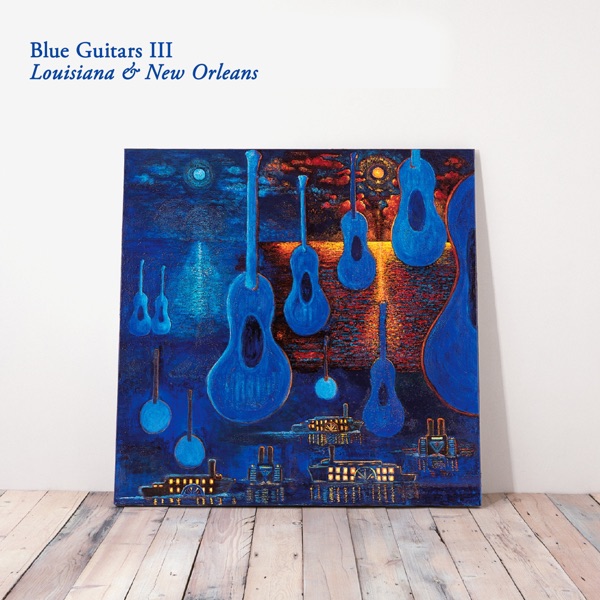
Blue Guitars III - Louisiana & New Orleans
2005 · 12 tracks
- 1 Two Days Missing Down the Viper ↗ 3:00
- 2 Who Cares If I Do ↗ 4:36
- 3 What Made Me Love You ↗ 3:23
- 4 You Got Dixie ↗ 4:42
- 5 One Night with You ↗ 5:28
- 6 Talking 'Bout New Orleans ↗ 5:28
- 7 Le Fleur De La Vie ↗ 3:16
- 8 Catfish Girl ↗ 3:51
- 9 Only a Fool Plays by the Rules ↗ 4:01
- 10 Baby Come Home ↗ 3:34
- 11 Dance Avec Moi ↗ 3:17
- 12 L'ete Eternal ↗ 3:33

Road Songs for Lovers
2017 · 12 tracks

-
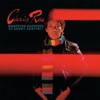 Whatever Happened to Benny Santini?Chris Rea197810 tracks
 -
 DelticsChris Rea197911 tracks
 -
 TennisChris Rea198012 tracks
 -
 Chris ReaChris Rea198111 tracks
 -
 Water SignChris Rea198310 tracks
 -
 Wired to the MoonChris Rea19849 tracks
 -
 Shamrock DiariesChris Rea198510 tracks
 -
 On the BeachChris Rea198613 tracks
 -
 Dancing With StrangersChris Rea198714 tracks
 -
 The Road to HellChris Rea198910 tracks
 -
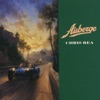 AubergeChris Rea199112 tracks
 -
 God’s Great Banana SkinChris Rea199211 tracks
 -
 Espresso LogicChris Rea199310 tracks
 -
 The Blue CafeChris Rea199812 tracks
 -
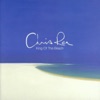 King of the BeachChris Rea200012 tracks
 -
 The Blue JukeboxChris Rea200413 tracks
 -
 Blue Guitars XI - 60S & 70sChris Rea200515 tracks
 -
 Blue Guitars V - Texas BluesChris Rea200512 tracks
 -
 Blue GuitarsChris Rea200510 tracks
 -
 Blue Guitars II - Country BluesChris Rea200514 tracks
 -
 Blue Guitars IX - Celtic & Irish BluesChris Rea200512 tracks
 -
 Blue Guitars IV - Electric Memphis BluesChris Rea200512 tracks
 -
 Blue Guitars VI - Chicago BluesChris Rea200513 tracks
 -
 Blue Guitars X - Latin BluesChris Rea200514 tracks
 - Blue Guitars VII - Blues BalladsChris Rea200510 tracks
-
 Blues Guitars VIII - Gospel Soul Blues & MotownChris Rea200512 tracks
 - Blue Guitars XI - 60S & 70sChris Rea200515 tracks
-
 Blue Guitars I - BeginningsChris Rea200511 tracks
 -
 Blue Guitars III - Louisiana & New OrleansChris Rea200512 tracks
 -
 Road Songs for LoversChris Rea201712 tracks
 -
 One Fine DayChris Rea20199 tracks
Deep Dive
Overview
Chris Rea stands as a defining figure in blues-inflected soft rock, a British singer-songwriter whose career spanned nearly fifty years from his 1978 debut through the 2010s. Known for his distinctive gravelly voice, virtuosic slide guitar playing, and a sensibility that merged soft rock accessibility with genuine blues depth, Rea carved out a substantial career on both sides of the Atlantic. His prolific output—particularly a remarkable run of albums across the late 1980s and 1990s—established him as a musician more interested in sustained craft and thematic exploration than in chasing commercial peaks.
Formation Story
Chris Rea was born in 1951 in Middlesbrough, England, emerging from a post-war British music scene shaped by blues importation, American rock and roll, and the country’s own developing rock tradition. Growing up in the northeast of England during the 1960s, Rea absorbed the blues through both American records and the homegrown British blues boom that had crystallized around figures and movements throughout that decade. His early musical formation was rooted in guitar playing and songwriting, disciplines he developed through the 1970s before stepping into recording. By 1978, Rea had refined his approach enough to debut with a record label infrastructure behind him, ready to present the distinctive blend of blues sensibility and contemporary production that would define his signature sound.
Breakthrough Moment
Rea’s early albums—Whatever Happened to Benny Santini? (1978), Deltics (1979), and Tennis (1980)—established him as a musician of serious intent, a guitarist and vocalist unafraid to foreground blues elements within a commercial pop-rock framework. The early 1980s saw him refining this balance across Chris Rea (1981) and Water Sign (1983). However, it was the period beginning in the late 1980s that would bring him into broader cultural prominence. The Road to Hell (1989) marked a turning point, a album that crystallized his artistic vision and found resonance beyond a dedicated blues-rock audience. The title track became his signature moment, a song that paired his gravelly vocal delivery with driving guitars and thematic weight. This success led to a succession of albums that consolidated his standing: Auberge (1991) and God’s Great Banana Skin (1992) extended his reach, demonstrating that his audience had grown substantially and that his songwriting and production choices continued to deepen.
Peak Era
The period from 1989 through the mid-1990s represented Rea’s most creatively vital and commercially successful window. The Road to Hell (1989) anchored this era, followed by the introspective Auberge (1991)—an album that showed Rea unafraid to strip back arrangements and let his voice and guitar work command the foreground. God’s Great Banana Skin (1992) sustained momentum, and Espresso Logic (1993) closed out the decade with characteristic ambition. These records demonstrated an artist in full command of his craft: his slide guitar playing had deepened into something nuanced and expressive rather than merely flashy, his voice had developed further character with age, and his songwriting had matured into narratives and emotional states of genuine complexity. The commercial success of this period also enabled him to pursue increasingly experimental and thematically coherent albums, each stepping away from formula.
Musical Style
Chris Rea’s sound was defined by the fusion of blues fundamentals—particularly slide guitar, which he deployed with both precision and emotional restraint—with the production values and song structures of contemporary soft rock and pop. His gravelly, worn vocal tone became one of rock’s most recognizable textures, capable of conveying world-weariness and intimacy in equal measure. The slide guitar was not ornamental but structural; it shaped entire arrangements, often serving as a second lead voice in dialogue with his singing. Rea’s influences traced through American blues traditions and British blues rock, but he synthesized these into something neither purely derivative nor entirely novel. The production choices across his catalogue—from the relatively sparse early records to the fuller arrangements of his peak era—reflected an artist willing to let songs dictate their own sonic shape. His songwriting often favored introspective narratives and character sketches, moving away from simple love songs into more textured emotional and social commentary.
Major Albums
The Road to Hell (1989)
Rea’s breakthrough statement, this album paired his signature slide guitar with fully realized song arrangements and thematic cohesion. The title track became his most enduring composition, but the album’s strength lay in its consistency across ten tracks of blues-inflected rock.
Auberge (1991)
Following the success of The Road to Hell, Rea returned with an album that stripped away some production gloss to emphasize voice, guitar, and songwriting. The record demonstrated artistic intent beyond commercial calculation and deepened his fan base substantially.
God’s Great Banana Skin (1992)
This album sustained Rea’s creative momentum in the early 1990s, showcasing his ability to balance accessibility with sophistication. It reinforced his status as a major figure in British rock of the period.
Espresso Logic (1993)
Rea’s final major-label statement of the 1990s, this album displayed his continued willingness to explore thematic and sonic territory without repeating formula, cementing his reputation as a serious musician’s musician.
The Blue Cafe (1998)
Returning after a gap, Rea brought a collection of blues interpretations and originals that underscored his deep roots in blues tradition. The album demonstrated that his core interests remained consistent across his career.
The Road to Hell, Part 2 (1999)
A sequel to his breakthrough, this album revisited thematic and musical territory from a decade earlier, allowing listeners to measure the evolution of both his voice and his perspective on similar narrative ground.
Signature Songs
- The Road to Hell — The title track from his 1989 breakthrough, a blues-rock narrative that became his signature composition and most lasting cultural presence.
- Auberge — The title track from his 1991 album, a showcase for his slide guitar playing and expressive vocal control.
- Driving Home for Christmas — Though not listed in studio album data provided, this seasonal recording became one of his most recognizable pieces in popular culture.
- You Can Go Your Own Way — A blues-rock original demonstrating his ability to craft emotionally direct yet musically sophisticated songs.
- Let’s Dance — A track showcasing his softer side while maintaining blues sensibility in arrangement and performance.
Influence on Rock
Chris Rea’s sustained career and prolific output influenced multiple generations of blues-rock and soft-rock artists who emerged in the 1990s and 2000s. His demonstration that slide guitar could carry emotional weight without devolving into mere virtuosity opened pathways for other musicians seeking to honor blues traditions within contemporary production contexts. The success of The Road to Hell in particular showed that British rock audiences remained hungry for substantive blues-inflected material, even as other trends dominated radio and charts. His example of building a long career through consistent artistic development rather than chasing trends influenced peers and younger musicians alike. The integration of blues fundamentals with pop-rock accessibility—a balance many artists attempted but few achieved as durably—became a template for countless singer-songwriters working across the 1990s and beyond.
Legacy
Chris Rea’s legacy rests on sustained artistic integrity across a five-decade career. His prolific output in the 2000s—particularly the ambitious Blue Guitars series (2005), a collection of thematic variations on blues traditions across multiple volumes, and later returns like Santo Spirito Blues (2011) and Road Songs for Lovers (2017)—demonstrated an artist who never abandoned his core interests or audience. The commercial and critical success of The Road to Hell in 1989 remains his most visible cultural marker, but his deeper legacy lies in having demonstrated that blues-rock could sustain a major career when approached with genuine artistic commitment. Streaming platforms and digital music services have made his full catalogue accessible to new listeners, ensuring that later generations encounter not only the peak-era records but also the experimental and thematic work of his later years. His influence continues to resonate among musicians and listeners who value blues authenticity integrated with contemporary production and accessibility. Rea’s longevity—continuing to record into the 2010s—underscored a career built on artistic purpose rather than commercial calculation.
Fun Facts
- Rea’s gravelly voice was not an affectation but developed through years of live performance and smoking, becoming one of rock’s most immediately recognizable vocal textures.
- His 2005 output of the Blue Guitars series—releasing multiple thematic variations on blues traditions—represented an unprecedented burst of prolific activity and demonstrated his deep engagement with blues history and interpretation.
- Rea maintained an active official website (chrisrea.com) throughout the internet era, allowing direct fan engagement and album sales outside traditional label structures.
- His northeastern English accent and sensibility shaped his songwriting, grounding his blues-rock material in distinctly British working-class perspectives and narratives.